Learning and Playing Week
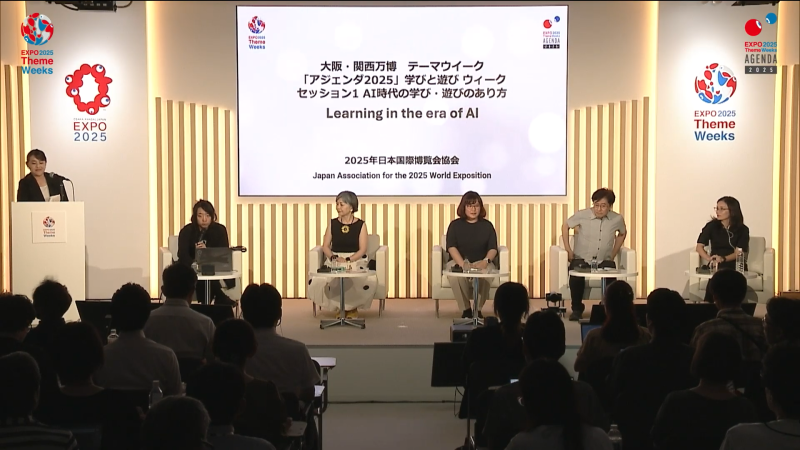
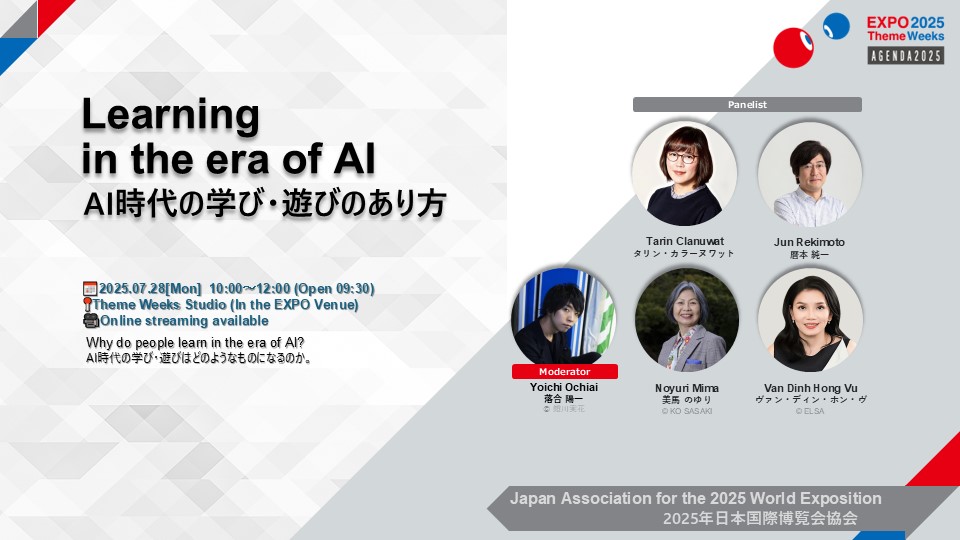
Learning in the era of AI
Japan Association for the 2025 World Exposition
The programme, together with the General Sponsors, explores: 'Why do people learn in the era of AI?'
Recorded video available
Discussion
- Others
| Transmission of simultaneous interpretation | Provided |
|---|---|
| Language of interpretation | Japanese and English |
-

Agenda2025
Organised Programme
-
Time and
Date of
the event -
-
2025.07.28[Mon]
10:00 ~ 12:00
(Venue Open 09:30)
-
- Venue
- Theme Weeks Studio
Programme details
*Subtitles: Choose “Subtitles/CC” in the “Settings” (gear
icon) at the bottom right of the YouTube video.
*Subtitles may not show with multiple languages or overlapping
audio.
How will our “learning” and “play” change in the age of AI as
technology evolves?
In this session, moderator Yoichi Ochiai will use the keyword
“hunter-gatherer nature” as a cue to raise questions about our
primal intellectual desires and creative behaviors.
Panelists include experts in diverse fields such as education,
AI research, interface design, and global learning
practices.
They will discuss the essence of “learning while playing” and
the possibilities of physicality and creativity in future
learning.
Reports
【Program Summary】
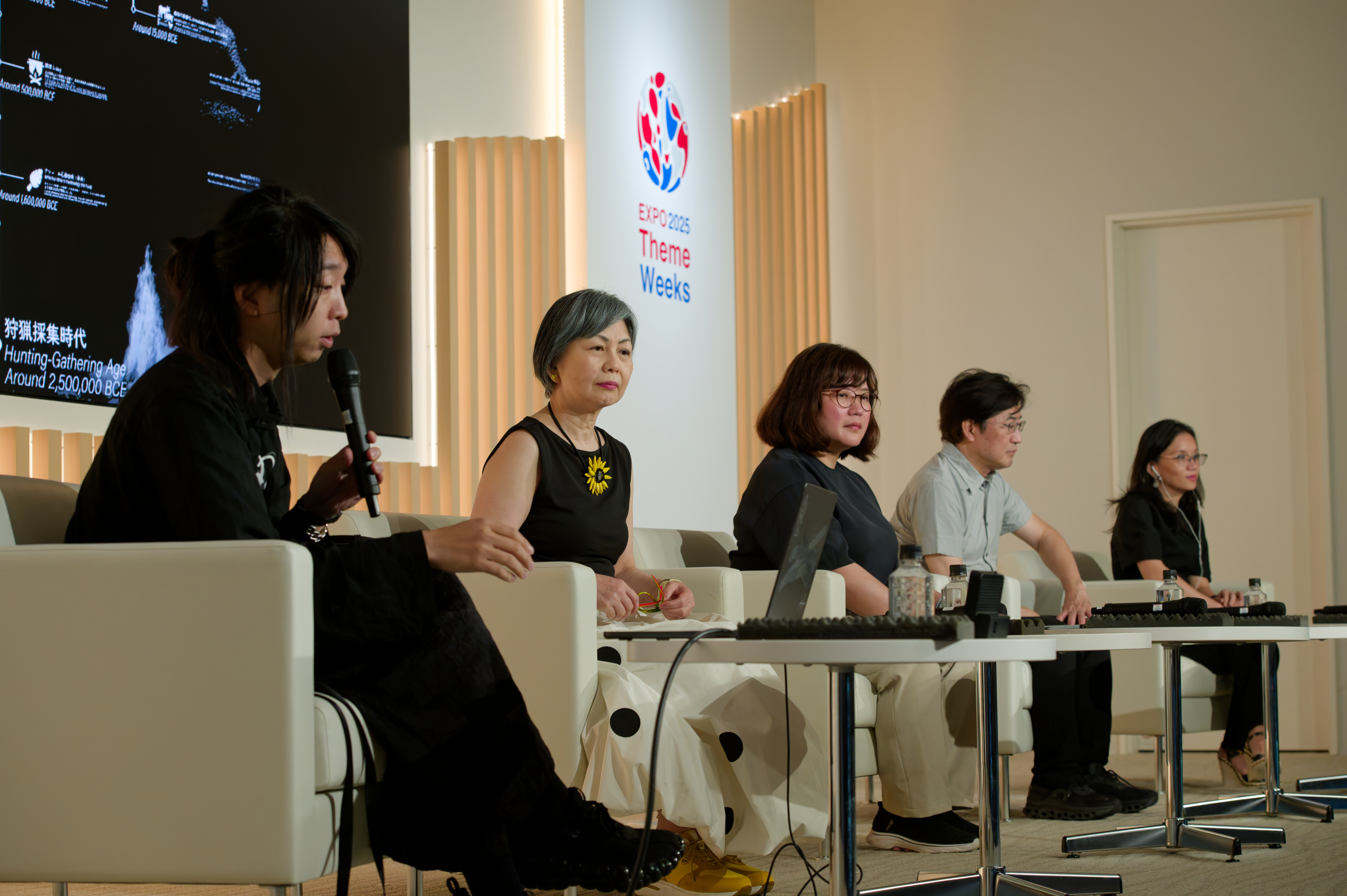
This program, “Learning and Playing in the Era of AI,” was
held on July 28, 2025, from 10:00 to 12:00 as part of Expo
2025 Osaka, Kansai’s “Learning and Playing Week.” Moderated by
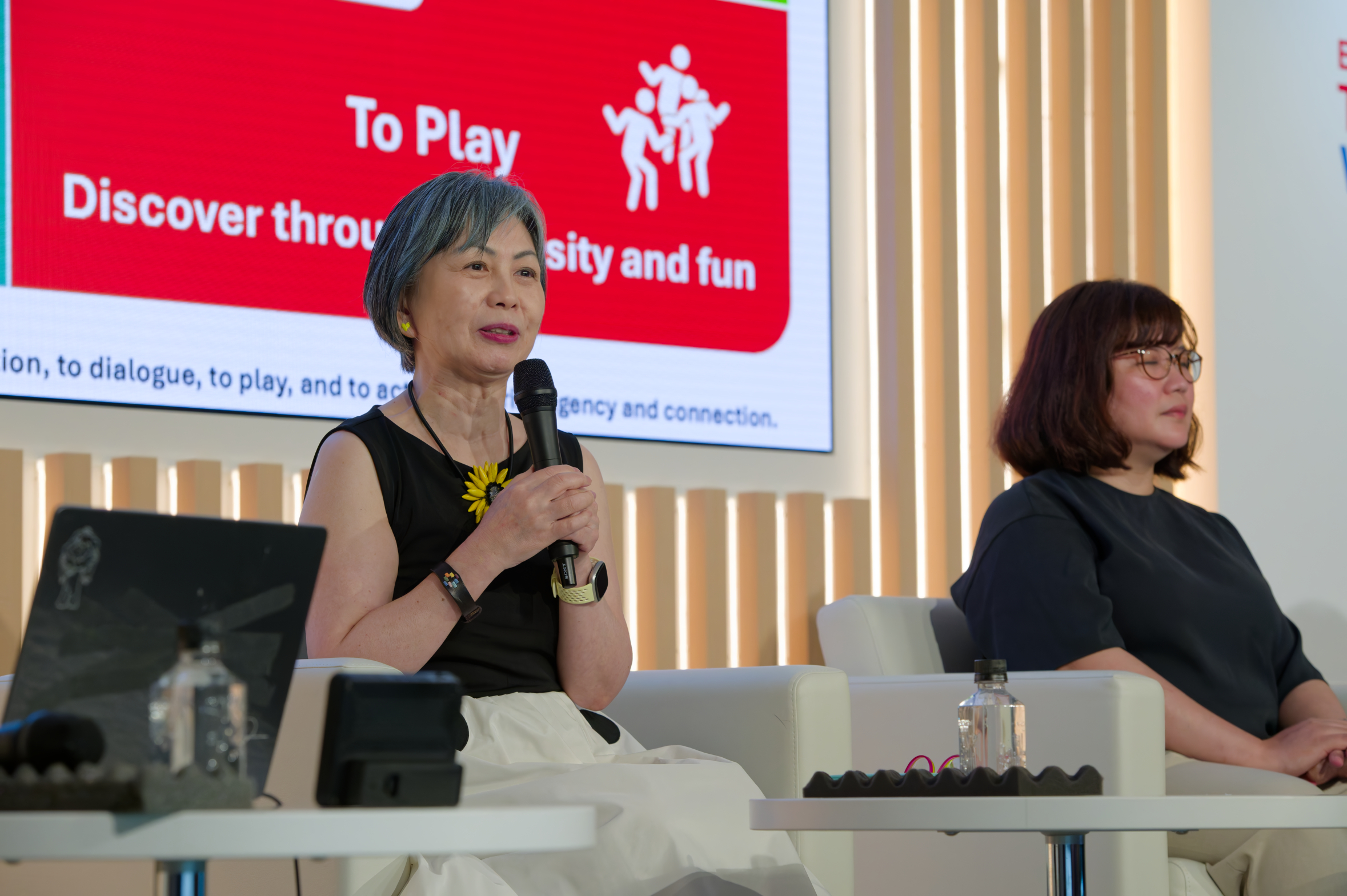
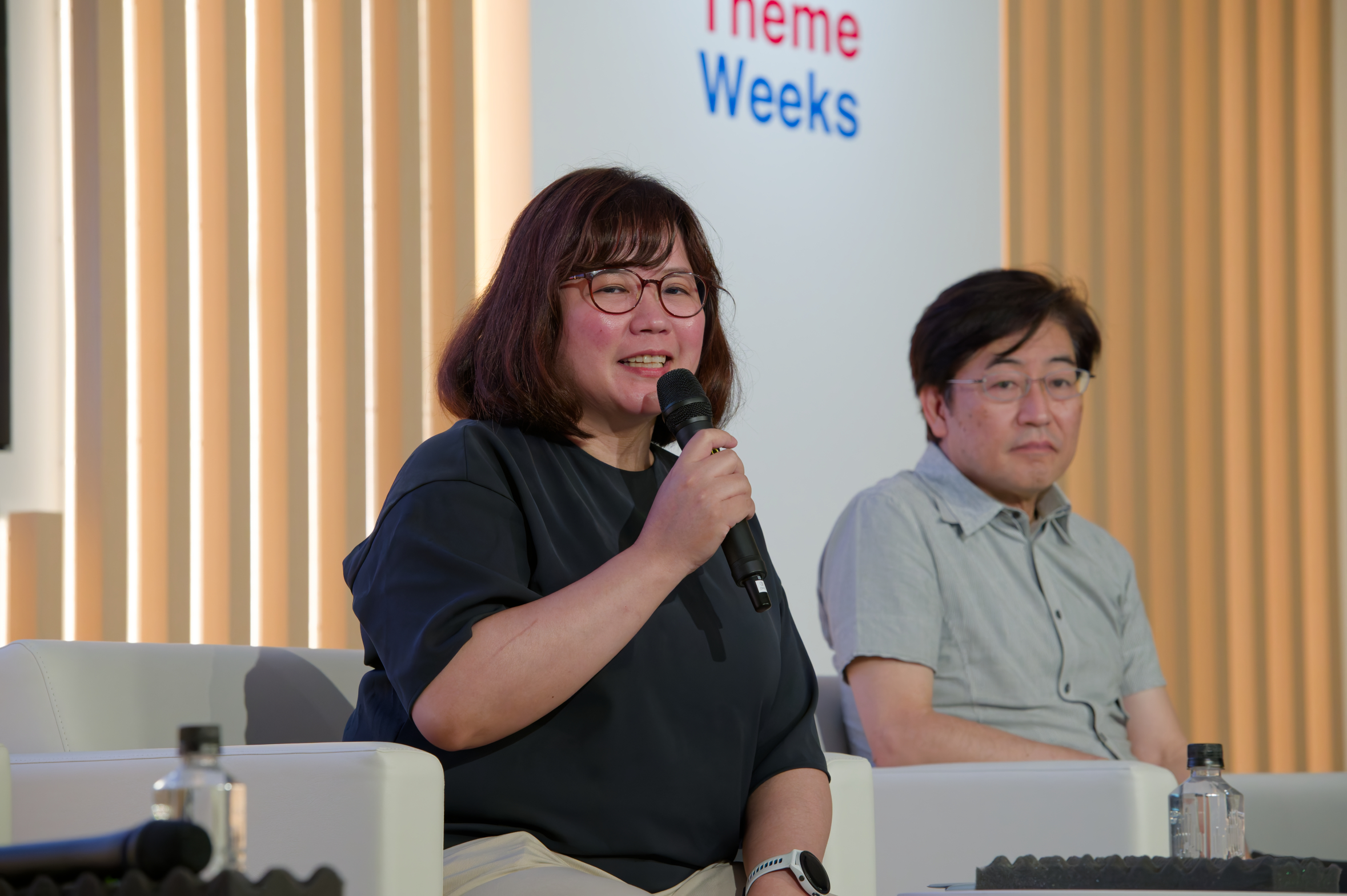
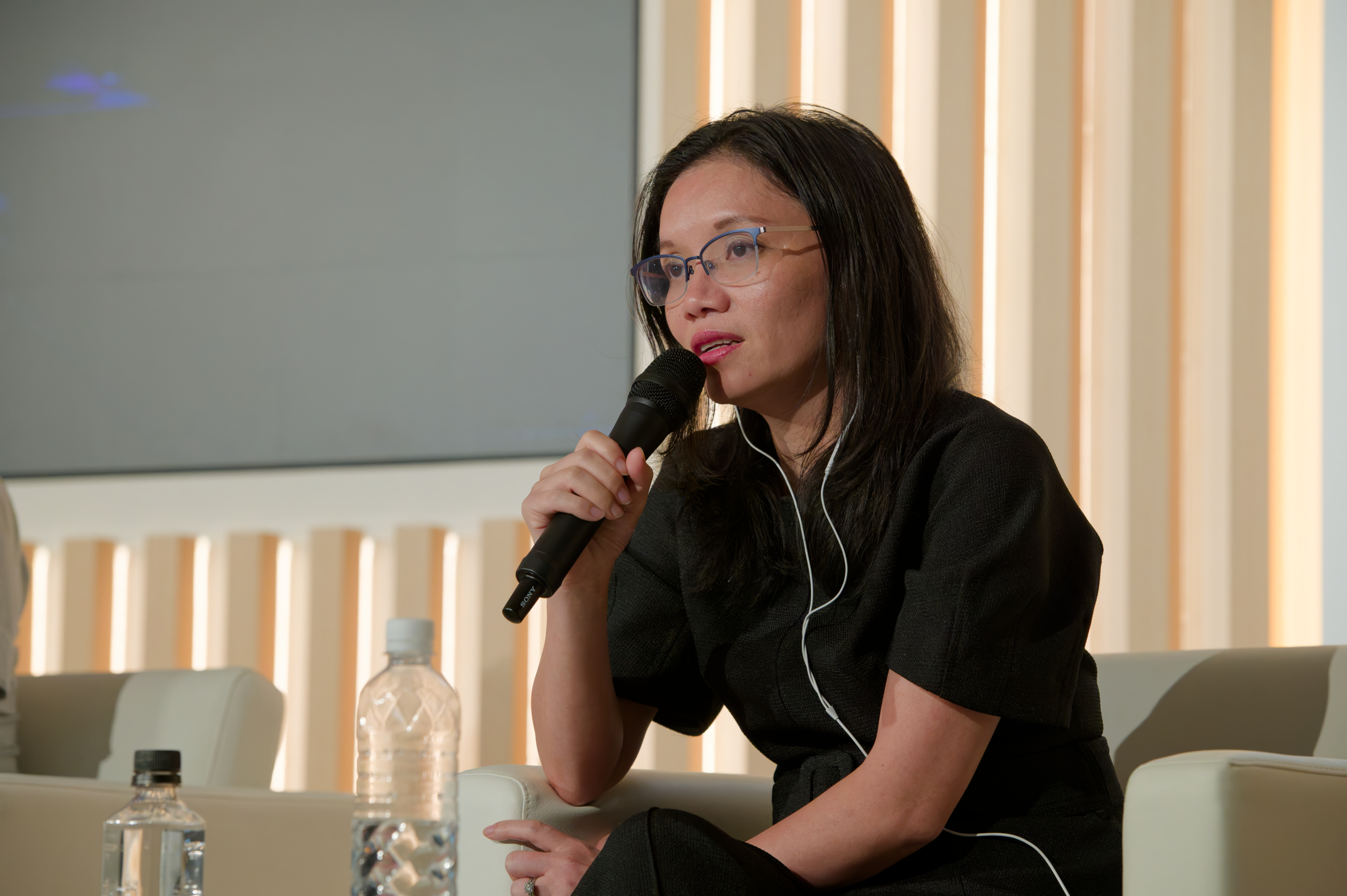
media artist Yoichi Ochiai, the session brought together
learning scientist and professor Noyuri Mima, AI researcher
Tarin Clanuwat, HCI and human augmentation expert Jun
Rekimoto, and ELSA Corp. co-founder & CEO Van Dinh Hong
Vu. The discussion examined from multiple perspectives how
rapidly evolving AI technologies are reshaping the ways humans
learn and play, exploring the value and meaning of these
activities in future society.
The participants shared the fundamental question: In an age
where AI automates much of life, why do humans learn, and how
do they play? Experts from various fields presented concrete
examples and research results, engaging in a rich dialogue on
the merging boundaries between learning and play.
【Speaker Summary: Yoichi Ochiai】
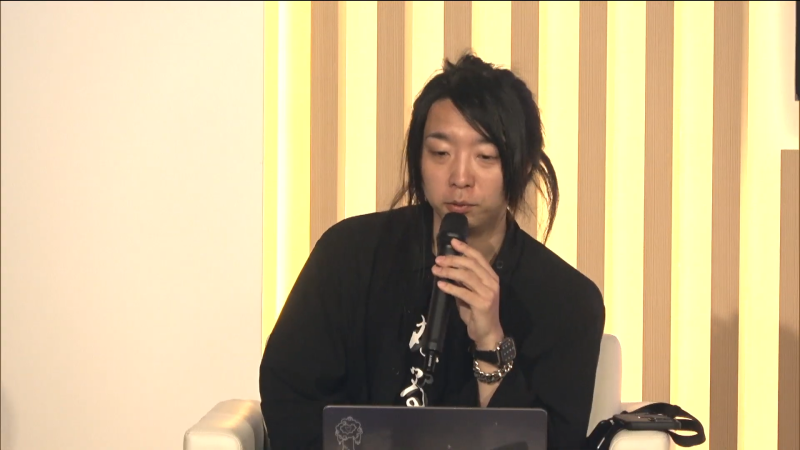
Ochiai opened by describing how the rapid evolution of AI
technology is transforming civilization and human society,
framing his remarks in both historical context and future
projections. Tracing human history from the hunter-gatherer
era through agriculture, the Industrial Revolution, and into
the information age, he emphasized that the cycles of major
invention and technological innovation have dramatically
shortened. Since the invention of computers, the pace has
accelerated exponentially, with changes that once took
centuries now occurring over decades, years, or potentially
even days.
He noted that around 2020, the total mass of human-made
objects exceeded that of all biomass on Earth, making
artificial objects and information networks a principal
component of the planet’s environment — an era he calls
“Digital Nature.” Using his design for the Expo 2025 signature
pavilion “null²” as an example, he described a future where
humans move beyond symbols and forms to build new
relationships with digital technology. The pavilion’s mirrored
and transformable architecture will host interactions with
artificial life and digital humans, inviting visitors to
imagine the possibilities of “life without symbols.”
Regarding learning motivation, Ochiai argued that in an age
where one need not learn “in order to survive,” learning
should aim toward creating cultural value, achieving
self-realization, and building empathy with others. As AI
makes knowledge acquisition effortless, he urged participants
to consider what humans should choose to learn and how to
integrate learning with play, envisioning a future where the
two blend seamlessly. He closed by calling for diverse
perspectives in exploring the meaning of human activity in new
social contexts.
【Speaker Summary: Noyuri Mima】
Drawing on her expertise in learning science and 17 years of
organizing citizen-participatory science festivals, Mima
described initiatives where people of all ages and backgrounds
— from children to adults, from lay participants to
professionals — can engage with science in settings outside
traditional classrooms and laboratories, such as farms, ships,
or city streets. Her guiding principle is to integrate science
into daily life as an accessible cultural practice, not
something confined to “special places.”
Central to her approach is Humane Learning Design, which
emphasizes questioning, dialogue, and playful engagement as
the core of learning in the AI era. She shared examples such
as workshops creating table lamps with flashlights useful in
times of disaster, high school science research presentations,
and dialogues with Antarctic expedition leaders, all fostering
active participation, experimentation, and mutual learning.
Over time, participants who joined as children have returned
as university students or working adults to help plan and run
events — a sign that learning has become a cultural cycle
embedded in the community. Mima also noted that in an
environment where information is easily accessible, the value
of unexpected encounters and real-world dialogue increases.
While AI delivers efficient answers, it often lacks
serendipity and empathy. Thus, future learning design should
intentionally incorporate unpredictability and chance, making
space for genuine human connections. She concluded that play
is not merely recreation but an essential driver of creativity
and agency, and that connecting the experiences and emotions
of play to learning is vital to advancing Humane Learning
Design in the AI age.
【Speaker Summary: Tarin Clanuwat】
Clanuwat recounted her unusual journey from Japanese classical
literature to AI research.Initially specializing in works such
as The Tale of Genji, she confronted the fact that
many people abandoned reading classical materials due to
barriers like cursive scripts and archaic kana usage. This
led her to harness AI to make classical literature more
accessible,resulting in projects such as “miwo,” an AI-based
cursive character recognition app with over 200,000
downloads. Users can photograph historical texts, and the app
instantly converts them into modern Japanese.
She also developed ukiyo-e image generation models and
automatic colorization tools for black-and-white historical
materials, in collaboration with Ritsumeikan University,Art
Research Center, giving cultural artifacts a contemporary
presentation. Another innovation is “Karamaru,” an AI chatbot
that responds in Edo-period classical Japanese, trained on
thousands of historical texts. This allows users to naturally
absorb the rhythm and vocabulary of classical Japanese
through interactive dialogue.
Clanuwat emphasized that AI can be a “co-creator” — not just a
tool for efficiency —transforming cultural assets into
engaging, approachable experiences. Applied in
education,tourism, and entertainment, such technologies can
create new cultural experiences that transcend the boundaries
between learning and play.
【Speaker Summary: Jun Rekimoto】
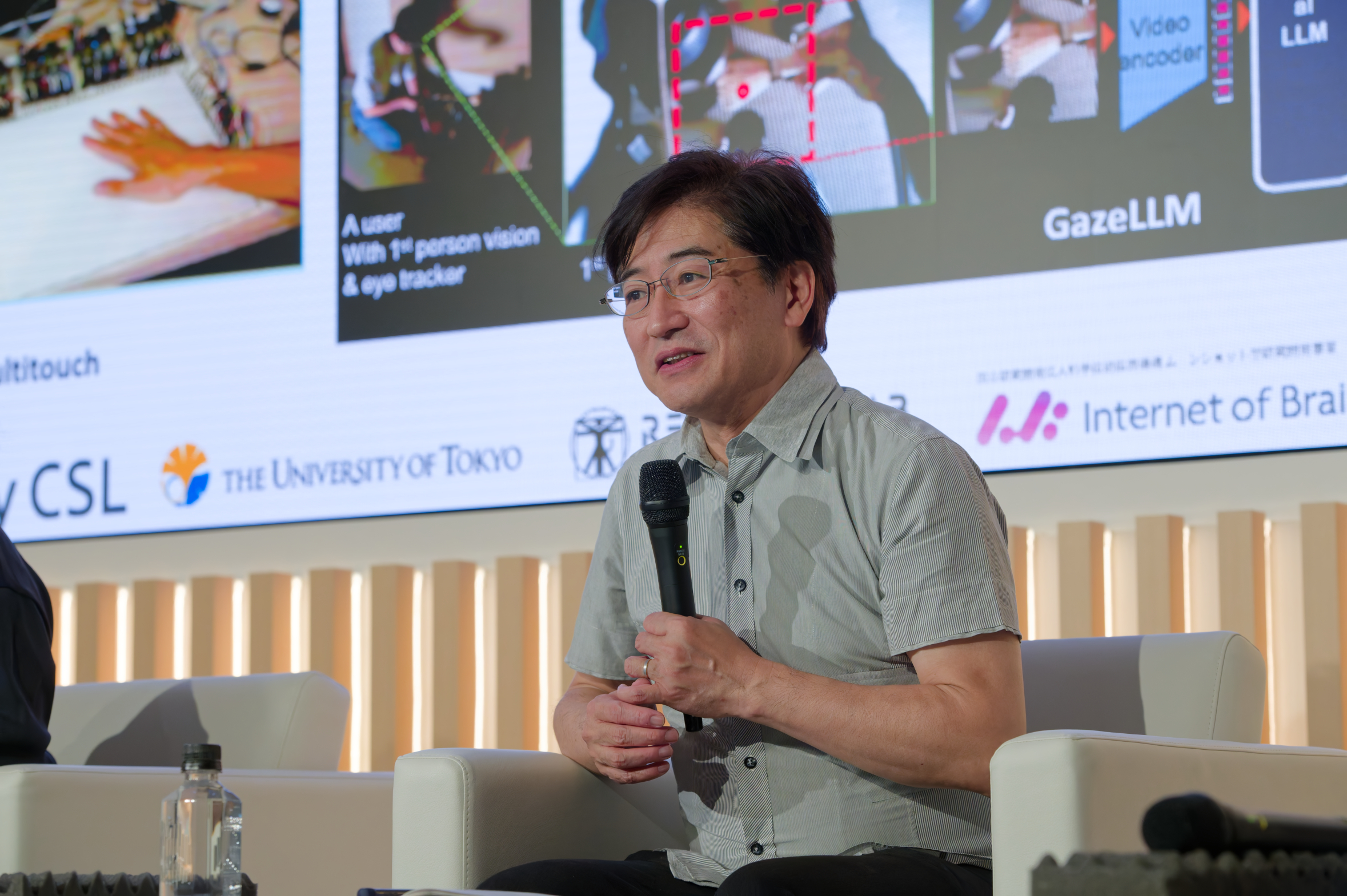
With decades of experience in human-computer interaction and
human augmentation research, Rekimoto reflected on innovations
such as multi-touch technology, which he developed before the
advent of smartphones. Inspired by the theremin, an electronic
instrument that produces sound based on changes in electrical
capacitance, Rekimoto adapted similar principles to create
interfaces driven by human body movements.
He is also working on “silent speech” technology, enabling AI
communication through mouth movements without sound,
potentially allowing near-telepathic interaction in the
future. Despite increasing automation, Rekimoto stressed that
the value of human-performed actions remains — as seen in tea
ceremony or music performance, where process and gesture hold
meaning beyond outcomes. His lab combines large language
models with gaze and motion data to support skill acquisition
and cultural transmission, enhancing embodied learning
experiences. He concluded that the future of learning and play
lies in the fusion of human physicality with digital
technology.
【Speaker Summary: Van Dinh Hong Vu】
Vu shared the story behind founding ELSA, an AI-powered
English learning app. Raised in Vietnam, she studied English
for over 20 years but still struggled with pronunciation and
conversational skills while earning MBA and Education degrees
at Stanford University. Determined to address this challenge
globally, she launched ELSA, which uses proprietary speech
recognition to instantly analyze pronunciation, pinpoint
errors, and provide targeted feedback.
ELSA supports diverse accents and includes role-playing
functions for real-life conversational practice. In nine
years, over 55 million people worldwide have used it, with
Japan as its largest market. Vu emphasized that AI can boost
not only learning efficiency but also learners’ confidence and
self-expression. She presented examples of organizational
adoption in corporate training and school programs, noting
that innovation in language education can enhance
communication skills across society.
【Discussion Summary】
The discussion explored the meaning of learning and play in
the AI era and how their boundaries are shifting. Mima
highlighted the role of serendipity in enriching learning,
advocating for its intentional design into education. Clanuwat
demonstrated how AI-cultural heritage integration can lower
barriers to participation and diversify learning communities.
Rekimoto stressed the enduring value of embodied experience,
framing AI as a complement to human skill and cultural
practice. Vu illustrated how AI-assisted language learning can
transform personal confidence, career paths, and lives.
The panel also raised concerns about protecting the creativity
and emotional depth inherent in play while leveraging AI for
learning efficiency, as well as the risk of cultural
homogenization. They agreed on the need for learning and play
designs that respect diverse values and cultural backgrounds.
Ultimately, the group concluded that AI should serve not
merely as a support tool but as a catalyst for new creative
spaces and cultural exchange — a principle crucial for
redefining human roles and values in future society.
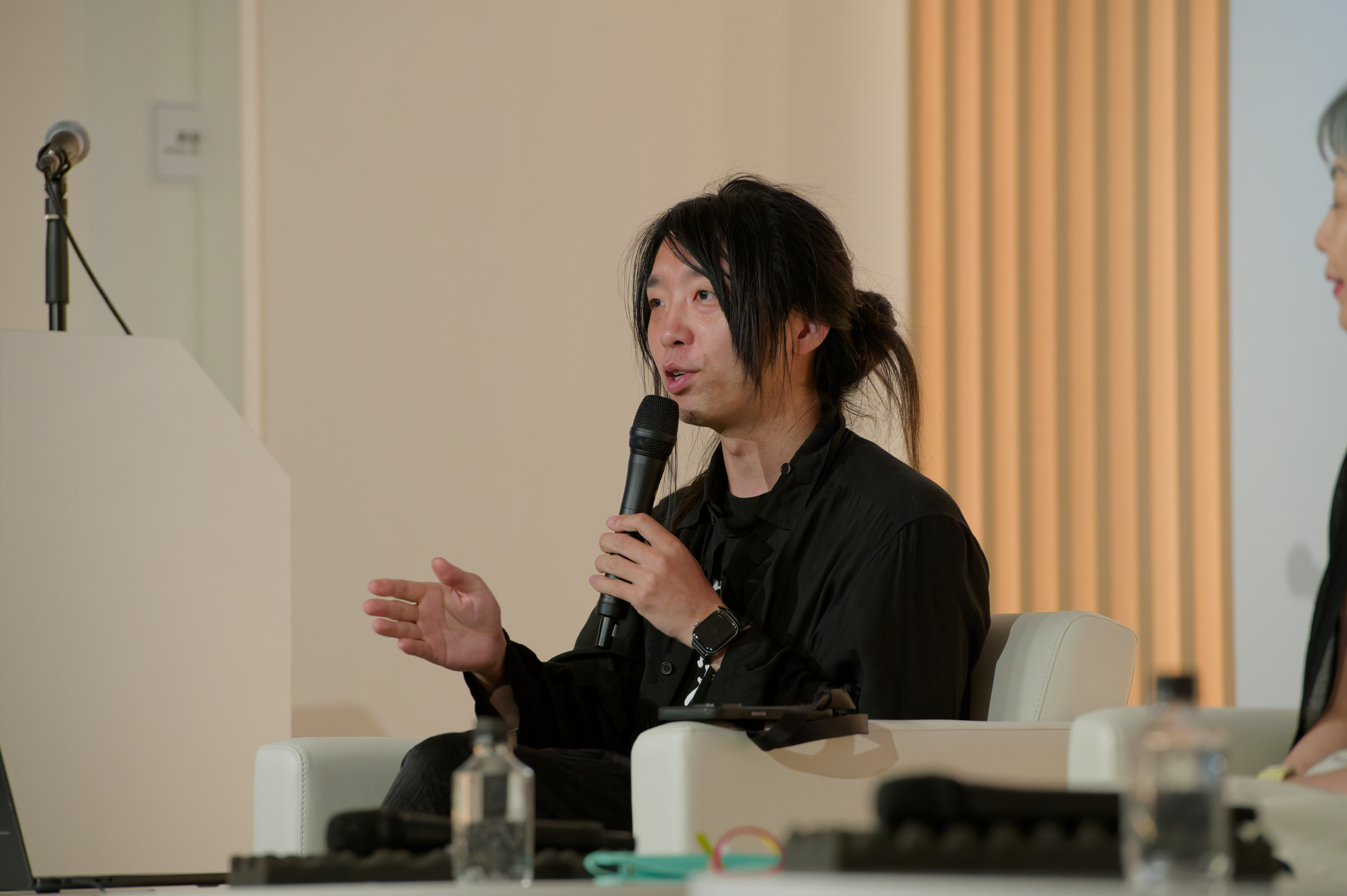
Cast
Moderator

©蜷川実花
Yoichi Ochiai
Media Artist
Yoichi Ochiai was born in 1987, began working as an artist around 2010. His work is based on the motifs of materialization, transformation, and the longing for mass in the boundary realms. Associate Professor at the University of Tsukuba. He has served as a producer of the theme project for the 2025 Japan EXPO in Osaka and Kansai.
View Profile
Close
close
Speakers

Tarin Clanuwat
Sakana AI Research Scientist
Tarin is a research scientist at Sakana AI. She received a PhD in Classical Japanese Literature specialized in the Tale of Genji from Waseda University. Previously, she was an assistant professor at ROIS-DS Center for Open Data in the Humanities, National Institute of Informatics, Japan. Then, she became a senior research scientist at Google Brain, Google DeepMind. Her research focuses on building AI models for Japanese culture and humanities data. In 2022, Tarin was chosen to be 1 of 10 NISTEP researchers by National Institute of Science and Technology Policy, Ministry of Education, Culture, Sports, Science and Technology (MEXT).
View Profile
Close
close
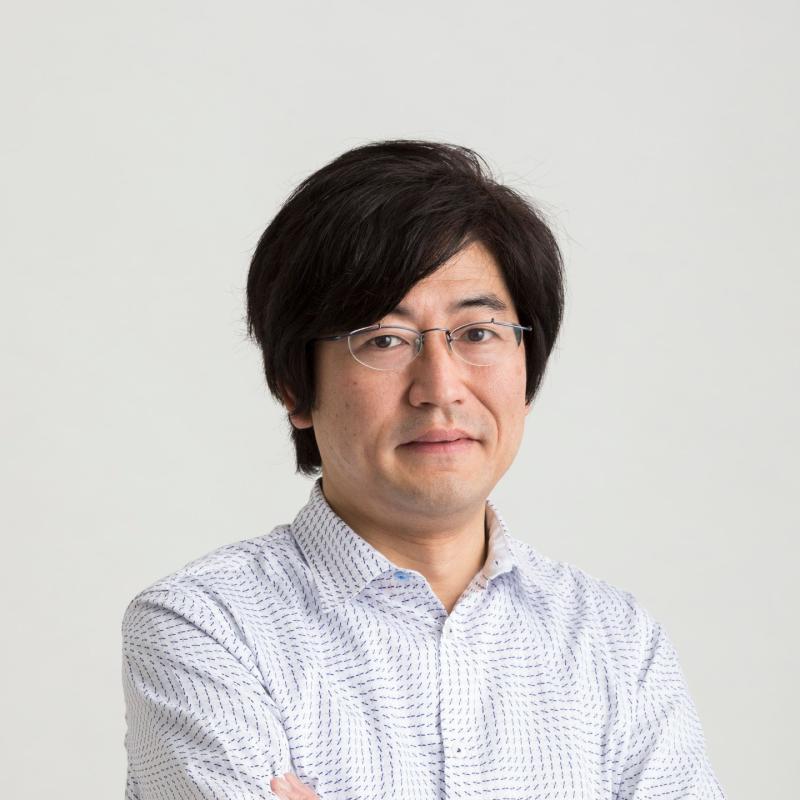
Jun Rekimoto
The University of Tokyo, Sony Computer Science Laboratoreis, Inc.
Information scientist. Pioneering research activities that consistently lead the era, including foundational research in AR and multitouch technologies. Engaged in research on Human Augmentation and Human-AI Integration. Recipient of numerous awards including the Japan Cultural Design Award and the ACM SIGCHI Academy.
View Profile
Close
close
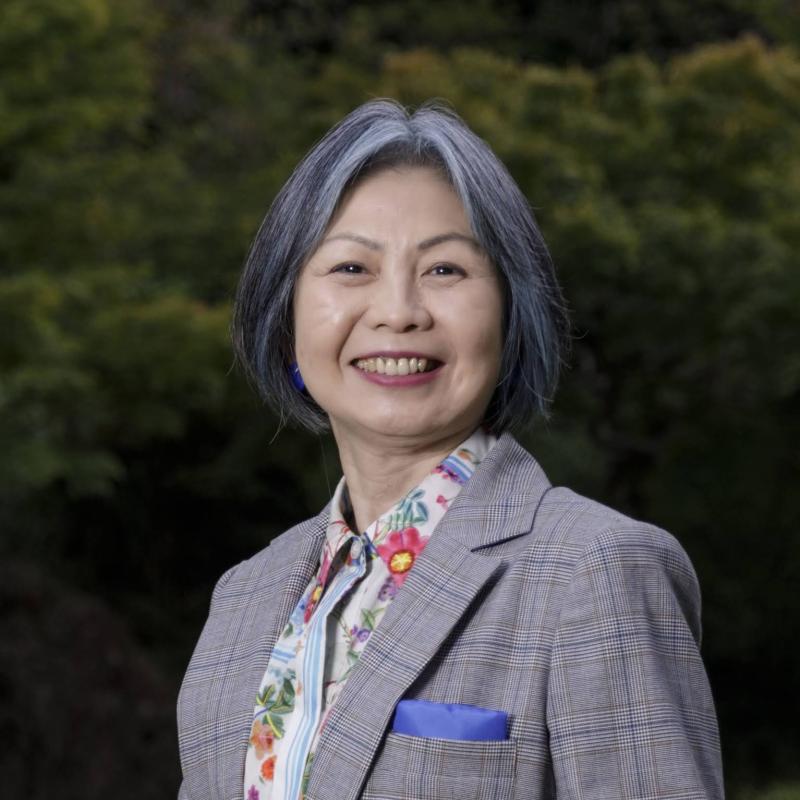
©KO SASAKI
Noyuri Mima
Learning Scientist, Learning Environment Designer, Professor of Future University Hakodate
I am an educator, creator, and founder with extensive expertise in information engineering, cognitive psychology, and education. Leveraging this knowledge, I have developed diverse learning environments in settings such as universities, science museums, and science festivals. Recently, I have focused on creating educational resources and methodologies to foster AI literacy and founded an NPO aimed at bridging educational disparities. Additionally, I have authored books for readers ranging from elementary and junior high school students to university students and researchers.
View Profile
Close
close

©ELSA
Van Dinh Hong Vu
Co-founder & CEO at ELSA, Corp.
Co-founder and Chief Executive Officer of ELSA - a leading AI-powered platform transforming English communication for individuals and organisations. After leaving Vietnam to pursue an MBA and Master’s in Education at Stanford University, Vu experienced firsthand how her strong Vietnamese accent led to misunderstandings and undervaluation of her ideas. This inspired her to create a solution for non-native English speakers. In 2015, she joined forces with Dr. Xavier Anguera, a renowned speech technologist, to launch ELSA Speak. ELSA is recognized by Forbes as one of the top companies using AI to change the world and ranks among the Top 5 AI Apps globally. With over 50 million users, ELSA continues to break barriers in communication. Recognized as Inc.'s 2024 Female Founders 250, Endeavor Outlier, and World Economic Forum Technology Pioneer.
View Profile
Close
close
Learning and Playing Week
Learning in the era of AI
The programme, together with the General Sponsors, explores: 'Why do people learn in the era of AI?'
-
2025.07.28[Mon]
10:00~12:00
(Venue Open 09:30)
- Theme Weeks Studio
OTHER PROGRAM
Learning and Playing Week