Learning and Playing Week
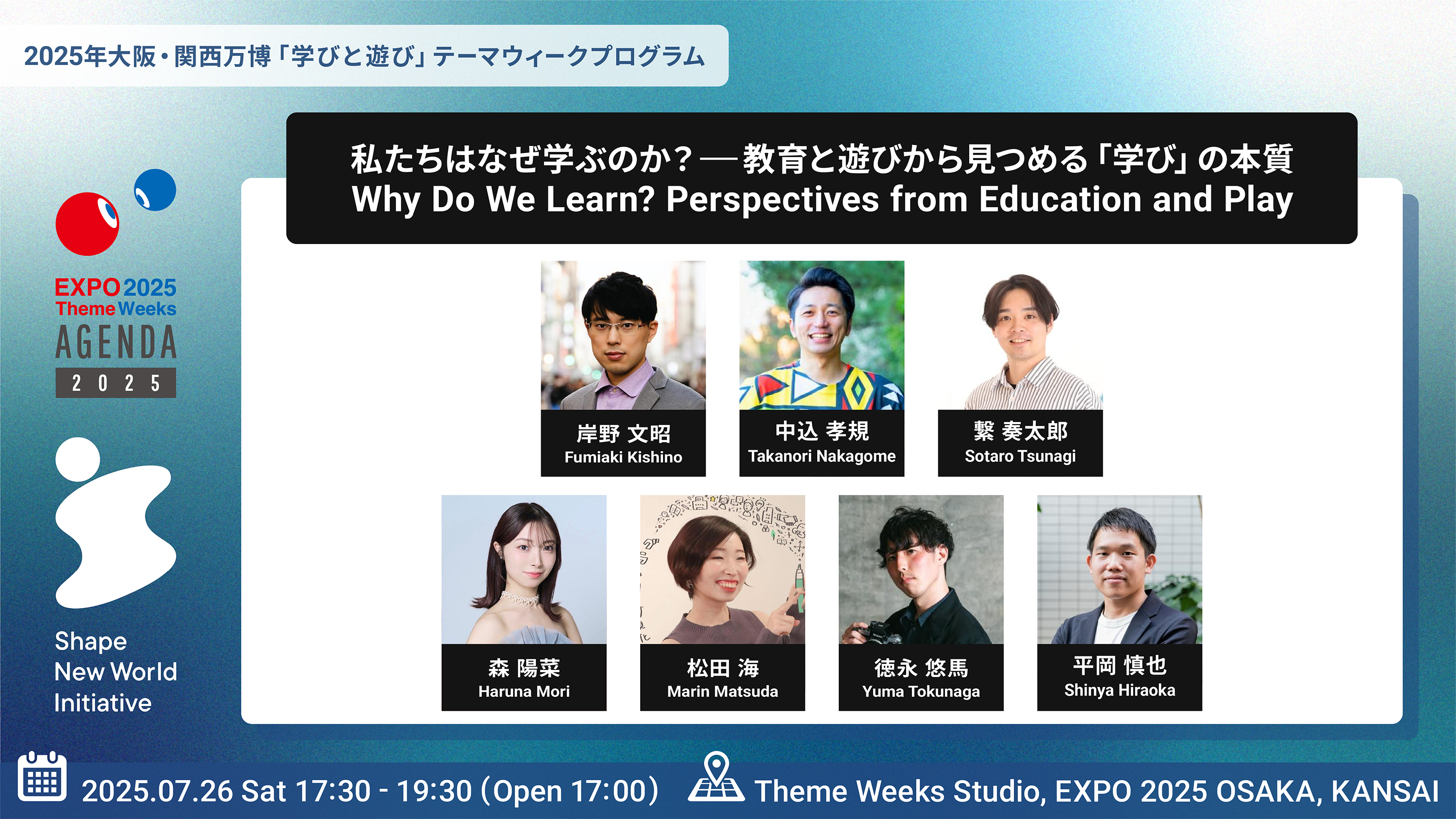
Why Do We Learn? Perspectives from Education and Play
Agenda 2025 Co-created Programme
Shape New World Initiative
【Hypothesis of the future vision for 2050】
A future where everyone shines with their unique qualities
and lives with a rich and fulfilled heart.
From childhood to adulthood, we continuously accumulate a
wide range of experiences and learn every day. With the
advancement of AI technology, the methods and value of
learning are undergoing significant changes. In this panel
discussion, we will revisit the essence of learning and
explore how we can use it to live vibrant lives while
honoring our individuality. We will also consider what
learning might look like in 2050.
Recorded video available
Discussion
- STEAM
- Games around the world
- Lifelong learning
| Transmission of simultaneous interpretation | Provided |
|---|---|
| Language of interpretation | Japanese and English |
-

Agenda2025
Co-created Programme
-
Time and
Date of
the event -
-
2025.07.26[Sat]
17:30 ~ 19:30
(Venue Open 17:00)
-
- Venue
- Theme Weeks Studio


Programme details
*Subtitles: Choose “Subtitles/CC” in the “Settings” (gear
icon) at the bottom right of the YouTube video.
*Subtitles may not show with multiple languages or overlapping
audio.
We continuously accumulate new experiences through various
environments and interactions with society, from childhood
play to school education and workplace relationships. These
experiences become part of our learning, which ultimately
shapes our personality and values. In this way, learning is a
vital element in living a life true to ourselves. With the
advancement of AI technology, acquiring knowledge has become
easier, and the methods and value of learning are changing
rapidly. In this panel discussion, we will explore why we
learn, what it means to live vibrant lives while honoring our
individuality, and what learning might look like in 2050. We
invite everyone to join us in this meaningful reflection.
Reports
【Reflection】
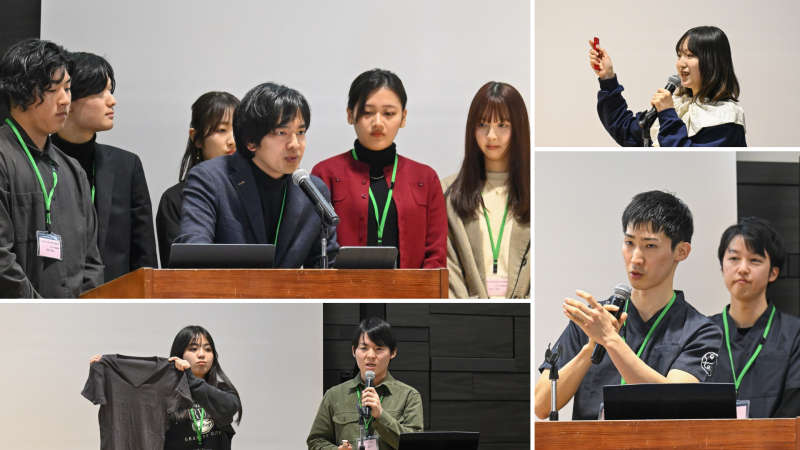
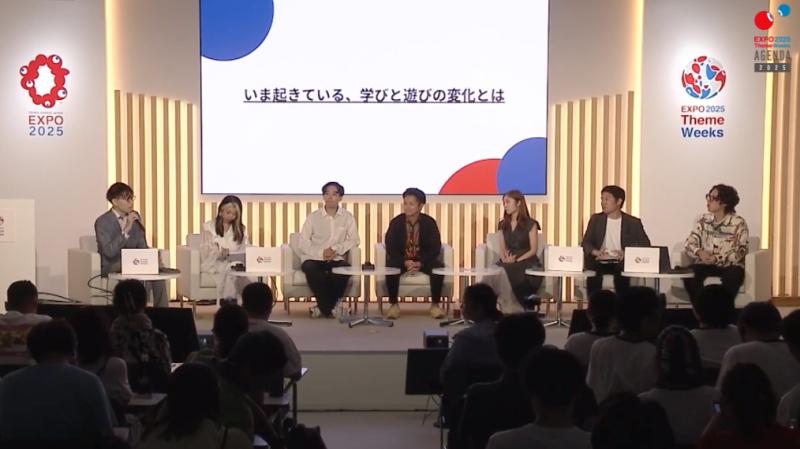
The dialogue programme “Why Do We Learn? – Finding the Essence
of Learning Through Education and Play” brought together seven
young leaders and experts to explore the relationship between
learning and play, as well as the future of learning in 2050.
Several important insights and effects emerged from this
session.
Firstly, it became clear that “learning” and “play” are not
opposing concepts but rather deeply interconnected. Many
participants pointed out that play often involves natural
learning processes, while learning accompanied by joy,
curiosity, or emotional engagement can feel very much like
play. This perspective highlights the importance of
integrating “fun” and “curiosity” into the design of
educational systems and training programmes.
Secondly, the importance of intrinsic motivation was
repeatedly emphasised. The greatest growth occurs when
learning is driven not by external pressure but by one’s own
interests and curiosity. Testimonies from participants—such as
experiences in study abroad programmes, art-based workshops,
and cross-cultural exchange through dance—illustrated how the
fusion of learning and play accelerates personal growth and
discovery.
Thirdly, the session highlighted the link between
learning/play and the understanding of diversity. Through
stories and reflections, it was emphasised that learning and
play are powerful tools for broadening perspectives, fostering
empathy, and recognising diverse values. In an age where AI
has made access to information easier than ever, the value of
learning increasingly lies not in the accumulation of
knowledge itself, but in how it is applied and connected to
one’s life and society.
Through discussion, a cycle that connects motivation to
personal growth is discovered. At first, both intrinsic and
extrinsic motivation arise from our personal likes and
dislikes, or from experiences of being praised by others.
These motivations nurture the courage to take a step beyond
where we are now and to keep trying through trial and error.
As a result, we become able to notice not only the events that
align with our goals but also unexpected ones, and to accept
them with a positive attitude. When we begin to find new
discoveries in our everyday experiences, these discoveries
accumulate as learning, gradually nurturing diverse
personalities and values within each individual.
What is particularly important is the emotional space to try
things that are not directly linked to our goals, and the
sensitivity to the insights that emerge from them. In our
discussion, we used the example of going to a sweet shop. If
you take a detour on the way, you might not reach the shop or
buy any sweets. Yet, instead, you might see a rainbow or come
across a cat. Having the freedom to take such a detour — and
the ability to notice and integrate those unexpected moments
into your own experience — helps us move between play and
learning, cultivating a richer variety of perspectives and
individuality.
After the programme, participants shared reflections such as:
“I realised that learning and play, although they may seem
distant, are actually quite closely connected.”; “I was
surprised to realise that the boundaries between learning and
play can blur and overlap.”; “I realised that valuing my
intrinsic motivations is, in fact, a way of valuing myself.”;
“I realised that there's no need to rush, and that
sometimes taking a detour can lead to valuable insights.”
These responses clearly showed that the programme encouraged a
shift in how participants perceive learning and play.
The programme successfully encouraged participants to rethink
the essence of learning and inspired them to carry fresh
perspectives back to their own communities and workplaces. The
cross-disciplinary exchange reinforced the idea that learning
and play form a foundation for co-creation in future
societies.
【Post EXPO Initiatives】
Following the rich discussions of this programme, the
organisers and speakers identified several directions for
post-Expo initiatives.
Firstly, they aim to develop and expand new educational
programmes that integrate learning and play. Building upon
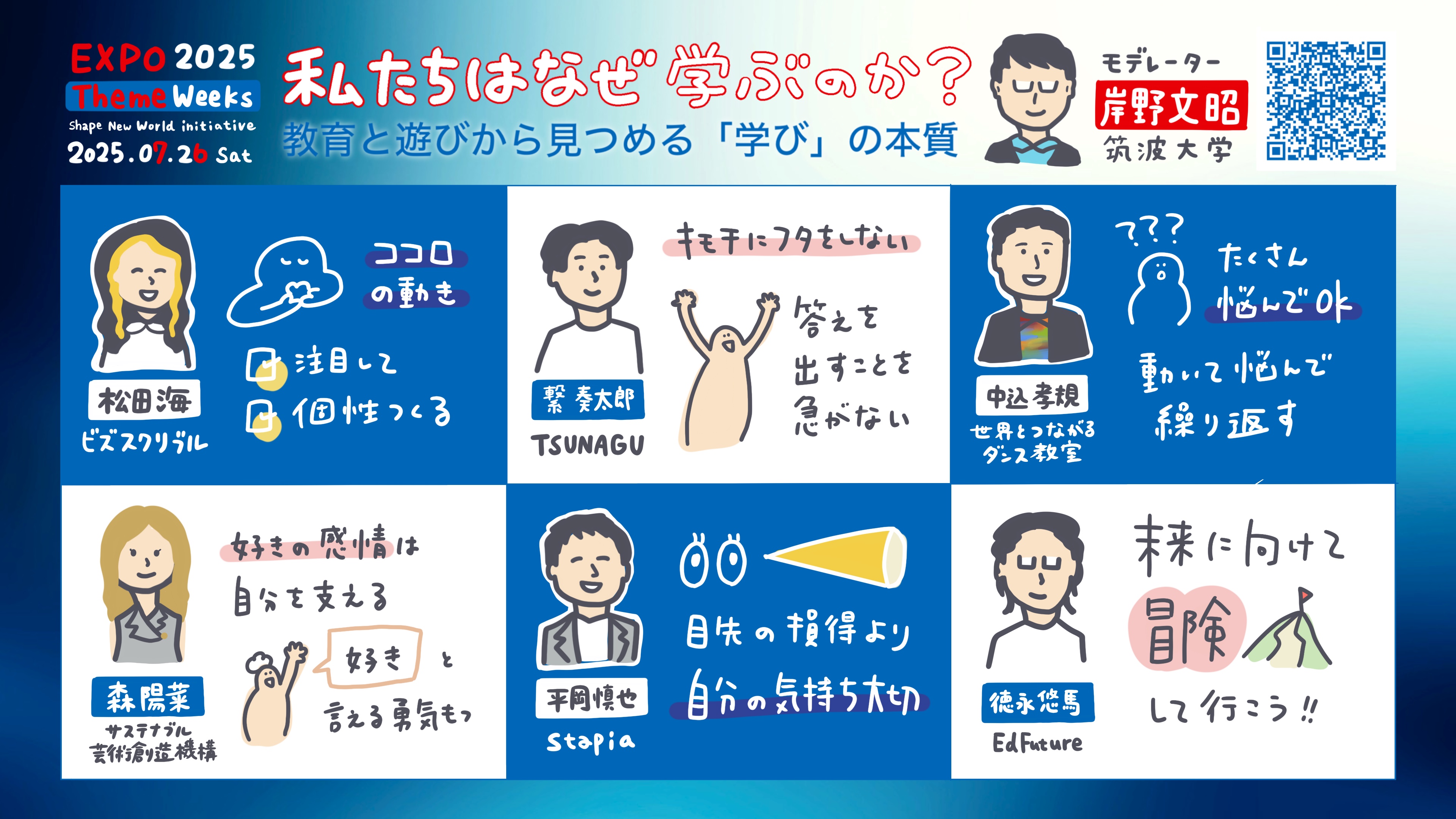
methods such as graphic recording, inquiry-based learning, and
art-centred workshops, the organisers plan to promote
educational practices that move beyond rote memorisation
towards approaches that prioritise creativity, emotional
engagement, and curiosity.
Secondly, they plan to strengthen networks that connect
diverse communities. Inspired by the theme of “learning
through global connections,” they intend to create ongoing
exchange events and international collaborative projects
involving schools, NPOs, and companies. Leveraging digital
technology and short-term study abroad opportunities, the
initiative seeks to expand access to learning across
geographic and socioeconomic boundaries.
Thirdly, they recognised the importance of building a social
foundation that supports diverse forms of learning. By
amplifying the voices of youth and educators, they aim to link
learning with local community development and solutions to
social challenges. Examples include supporting inquiry-based
programmes in which high school and university students design
and manage their own projects, thereby fostering locally
rooted cycles of learning.
Through these initiatives, the organisers and participants
share a common vision of expanding the circle of co-creation
beyond the Expo and working towards a society where education
and play cultivate the capacity for individuals to live
authentically and vibrantly in 2050.
*Part or all of this report was generated by AI.
Cast
Moderator
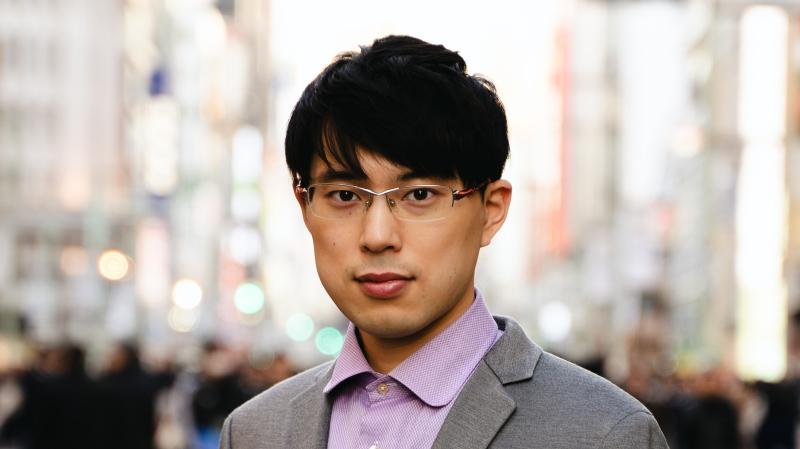
Fumiaki Kishino
University of Tsukuba
Fumiaki Kishino is a neuroscientist specializing in the functional changes that occur in the brain during postnatal development. He studies how the brain undergoes changes through interactions with diverse environments. His goal is to identify an optimal educational system for individuals by uncovering how new experiences are continuously transformed into knowledge.
View Profile
Close
close
Speakers
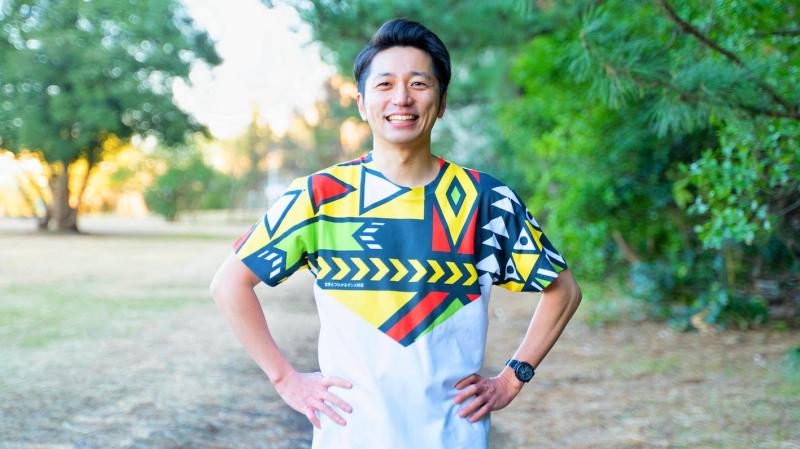
Takanori Nakagome
Connecting the World Through Dancing
Takanori Nakagome is a professional dancer and the organizer of the dance class "Connecting the World Through Dancing." He won the All Japan Student Dance Championship while studying at the School of Commerce at Waseda University. After working for four years at Benesse, an educational company, he traveled around the world, teaching dance to 10,000 children. He now conducts lectures, workshops, and exchange events through dance, connecting children in Japan and abroad via live streaming. He also runs the YouTube channel "Gome Dance Channel," which has more than 40,000 subscribers.
View Profile
Close
close
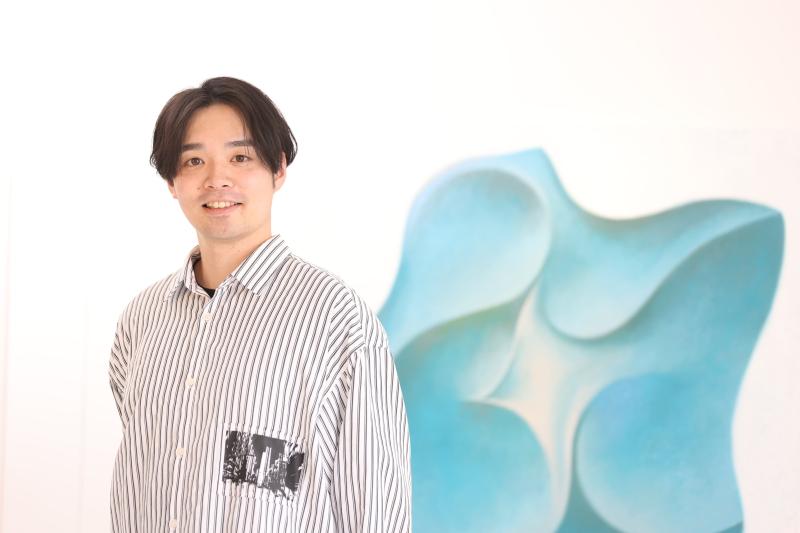
Sotaro Tsunagi
Owner of TSUNAGU
With a vision of “connecting people and society,” we collaborate with diverse stakeholders—NPOs, companies, and communities—to build teams and fundraise, creating sustainable support systems for social change.
View Profile
Close
close

Haruna Mori
Sustainable Arts Creation Organization, Community for Communities, Loudhill
Haruna Mori is a movement artist. She currently serves
as the Representative Director of the General
Incorporated Association "Sustainable Arts
Creation Organization" and as the Director of
"Community for Communities." She is also
involved in Loudhill, a project based in Shizuoka that
creates stage performances to promote the area.
Haruna has been engaged in expressive activities since
childhood, which led her to question the ecosystem of
the art and entertainment industries. She works to
connect art with social issues through research in art
management and cultural economics, stage performances
involving people with disabilities and children, and
the production of art projects that emphasize
diversity.
View Profile
Close
close
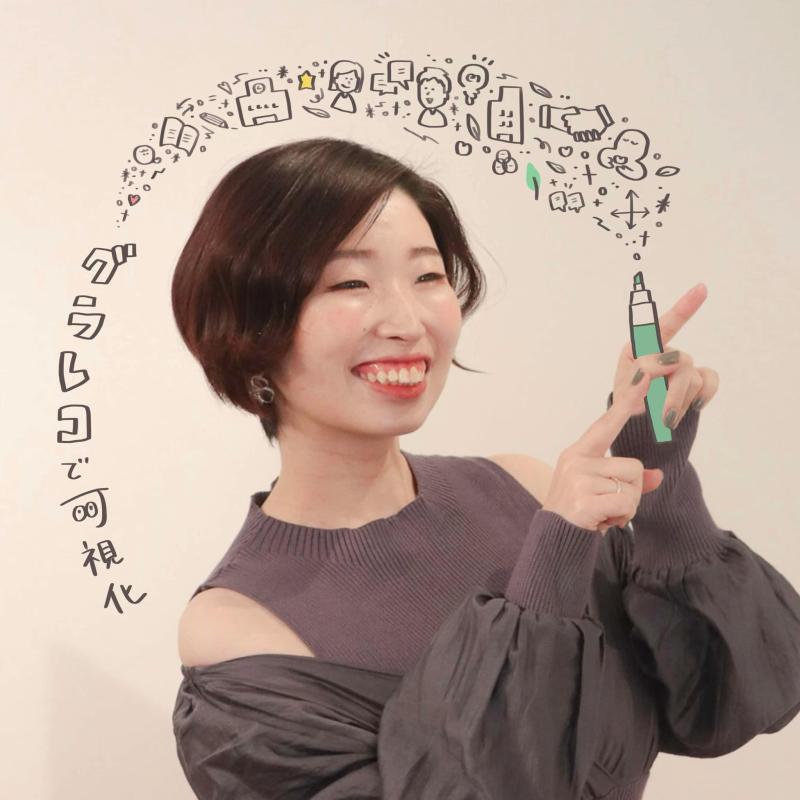
Marin Matsuda
BizScribble Inc., Professional University of Information and Management for Innovation
Marin Matsuda is a graphic recorder specializing in
facilitation. She is the CEO of BizScribble Inc. and a
visiting associate professor at the Professional
University of Information and Management for
Innovation.
Drawing on her experience as a note-taker for students
with hearing impairments, Marin has introduced graphic
recording in a variety of settings, from live TV
broadcasts to conferences for large corporations and
government agencies. Having grown up in poverty and
lived with an autoimmune disease, she is deeply aware
of the social issues affecting vulnerable groups.
Marin strives to create spaces where people can
"visualize their options."
View Profile
Close
close
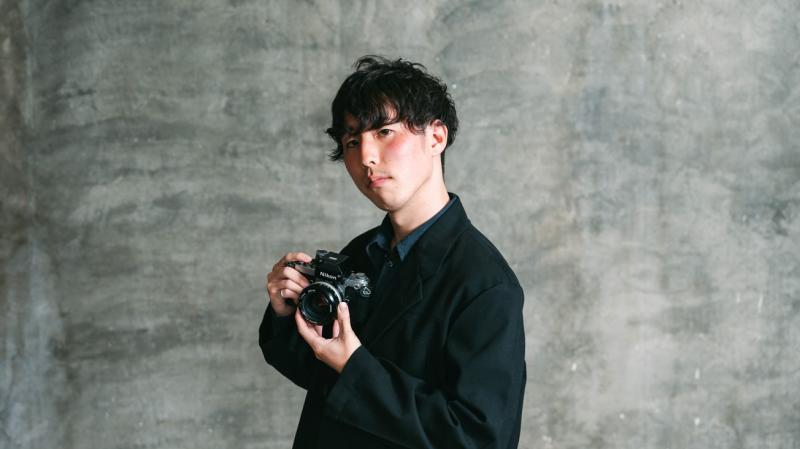
Yuma Tokunaga
NPO EdFuture Deputy Director
Yuma Tokunaga is the Design Lead for the High School
Study Abroad Program and Public Relations Manager at
NPO EdFuture, an organization dedicated to providing
young people with diverse choices for the future.
Motivated by his own experience studying abroad in
Canada during high school, Yuma is passionate about
offering a variety of opportunities to young people.
After working as a kindergarten staff member in Osaka
for two years, he has been designing affordable study
abroad programs for high school students at EdFuture
since 2022, with a particular focus on opportunities
in Ireland last year.
View Profile
Close
close
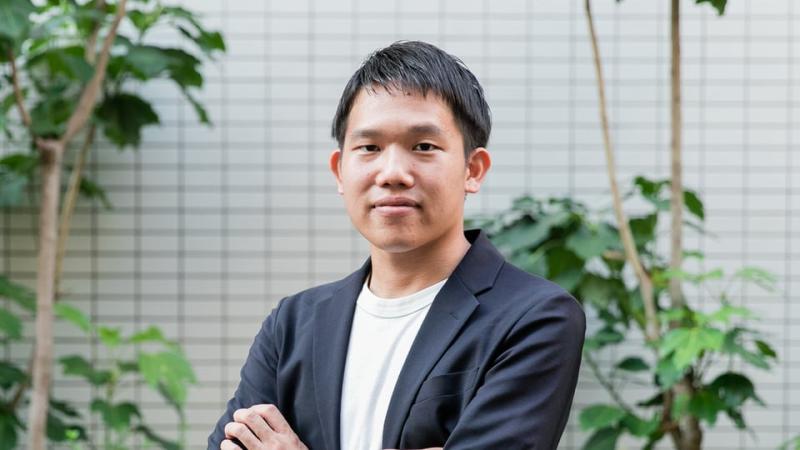
Shinya Hiraoka
Founder and CEO of Stapia Co., Ltd.
Born in Kyoto City in 1993. Graduated from the College of Information Science and Engineering at Ritsumeikan University and holds a Master of Education from the High Tech High Graduate School of Education. Operates the inquiry-based study abroad program "Global Teacher Program," focusing on education. In collaboration with public schools in the Philippines, Finland, and San Diego, has led over 300 participants.
View Profile
Close
close
Learning and Playing Week
Why Do We Learn? Perspectives from Education and Play
Agenda 2025 Co-created Programme
【Hypothesis of the future vision for 2050】
A future where everyone shines with their unique qualities and
lives with a rich and fulfilled heart.
From childhood to adulthood, we continuously accumulate a wide
range of experiences and learn every day. With the advancement
of AI technology, the methods and value of learning are
undergoing significant changes. In this panel discussion, we
will revisit the essence of learning and explore how we can
use it to live vibrant lives while honoring our individuality.
We will also consider what learning might look like in 2050.
-
2025.07.26[Sat]
17:30~19:30
(Venue Open 17:00)
- Theme Weeks Studio
OTHER PROGRAM
Learning and Playing Week