Learning and Playing Week
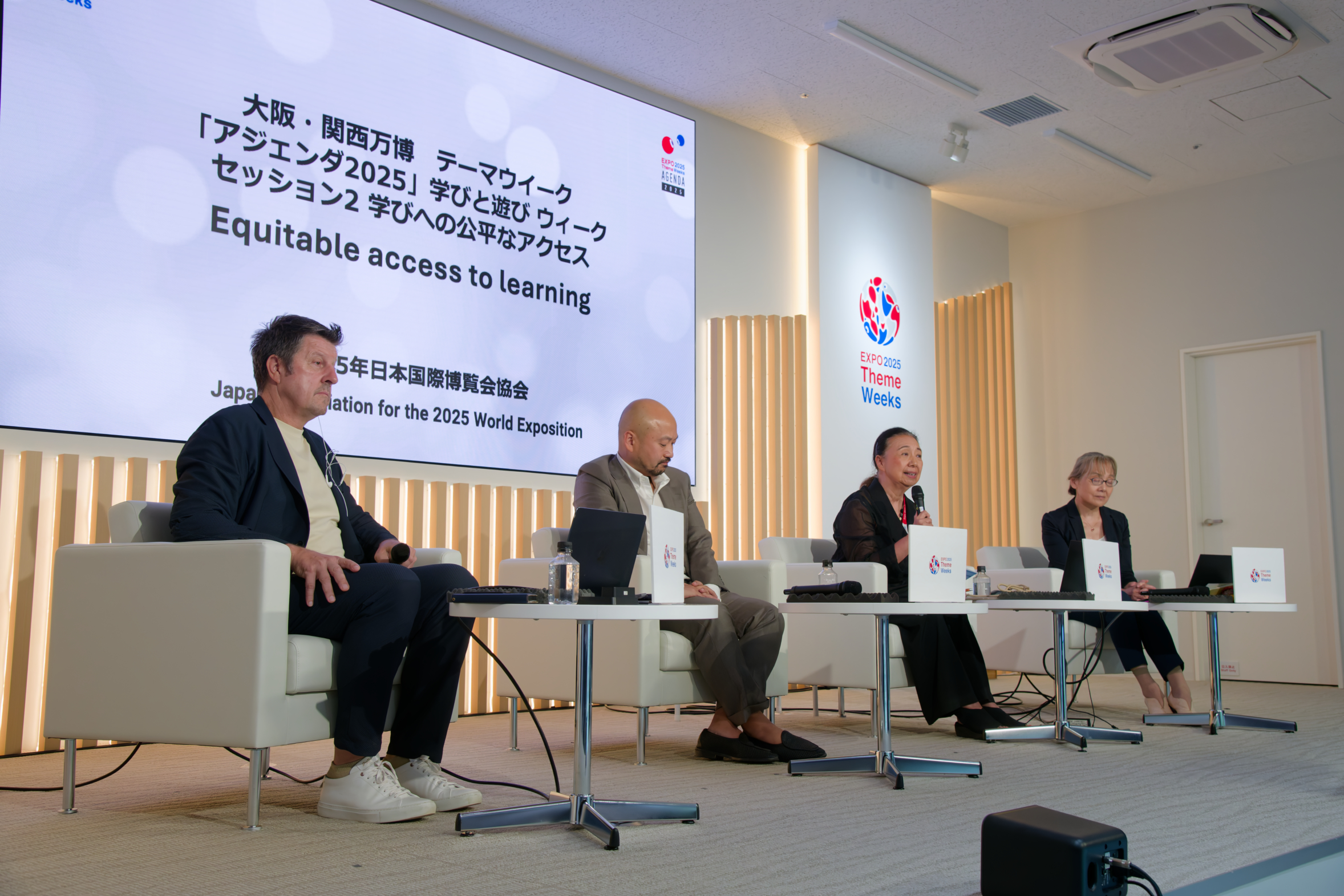
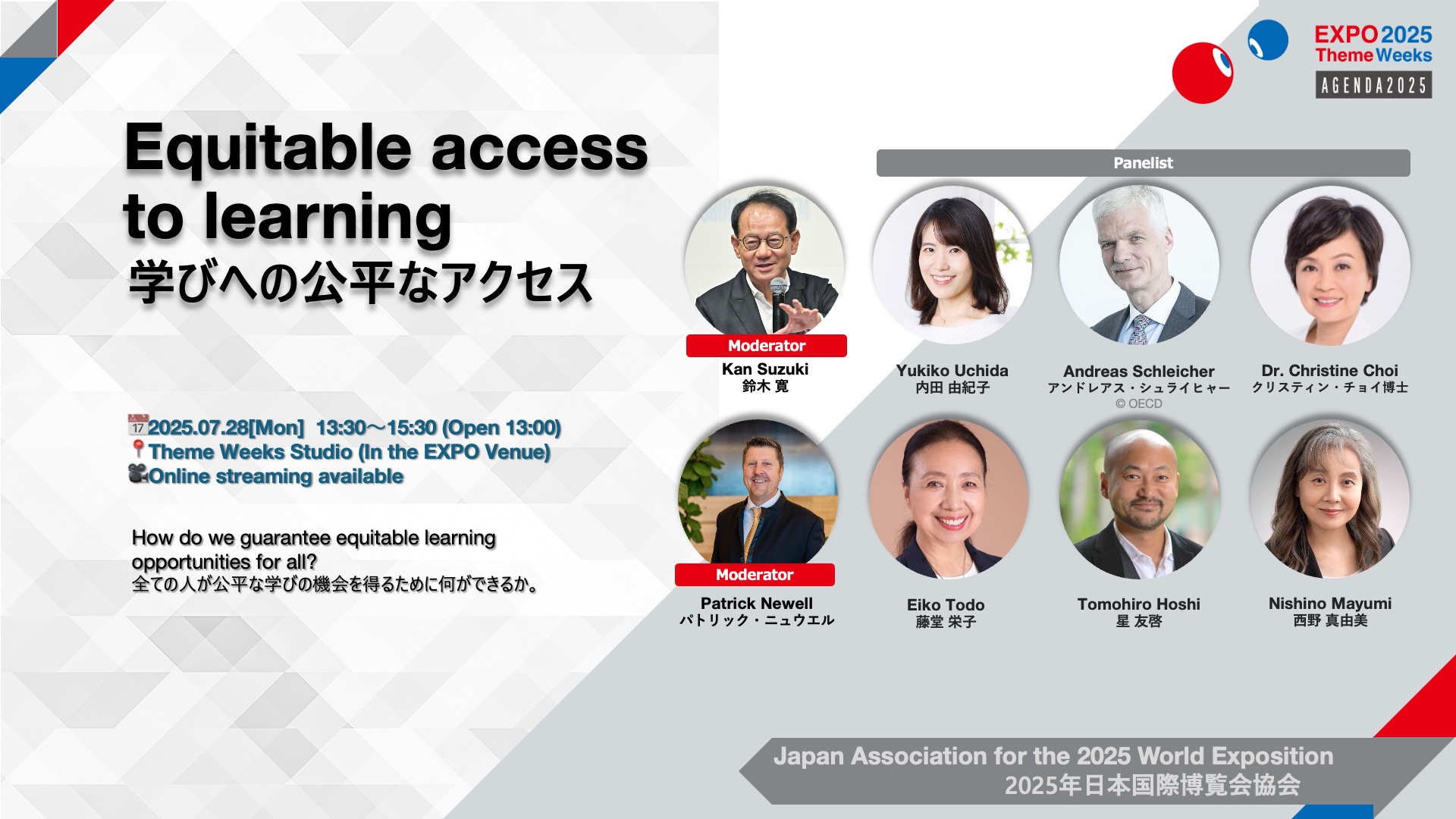
Equitable access to learning
Japan Association for the 2025 World Exposition
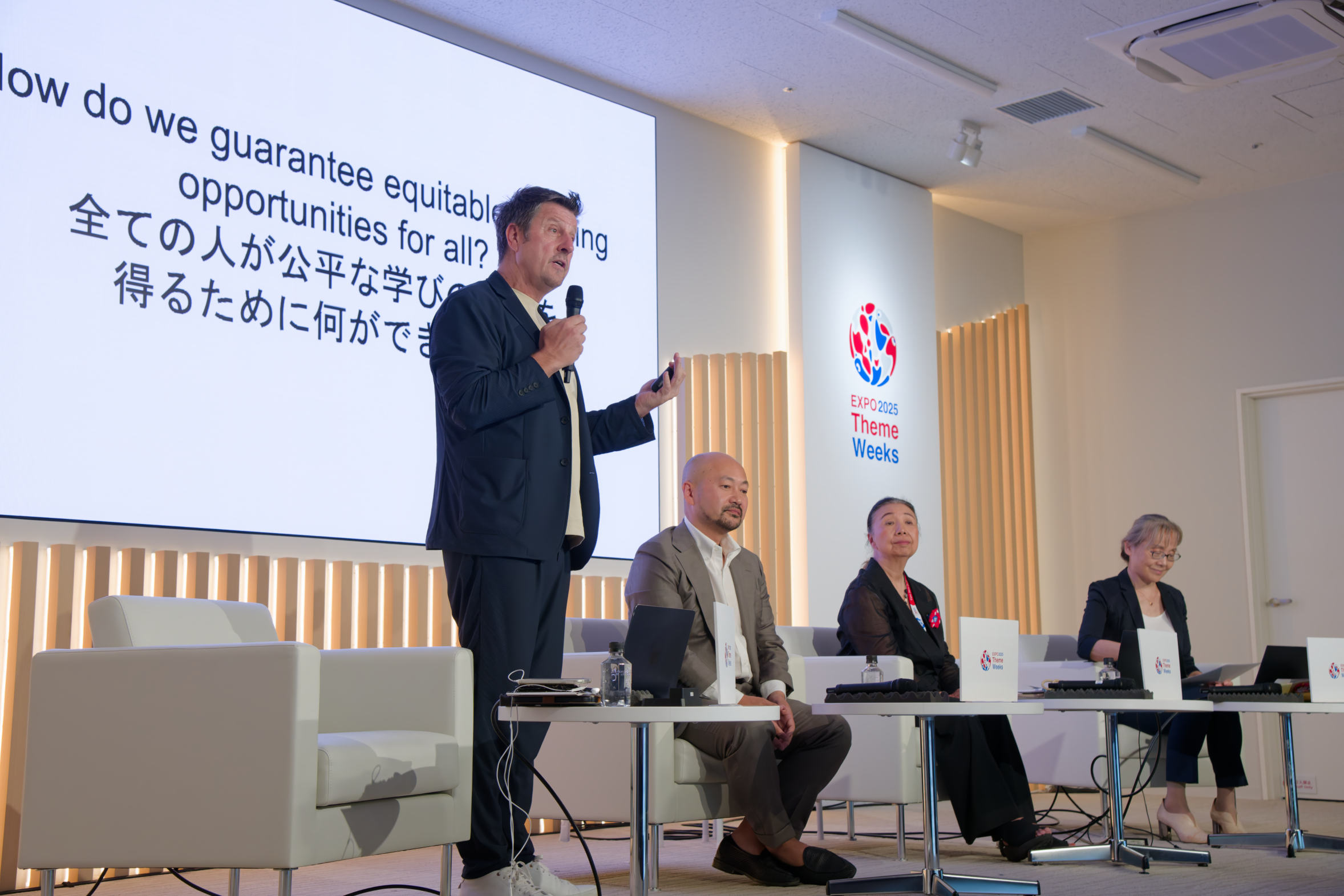
The programme, together with the General Sponsors, explores: 'How do we guarantee equitable learning opportunities for all?'
Recorded video available
Discussion
- Others
| Transmission of simultaneous interpretation | Provided |
|---|---|
| Language of interpretation | Japanese and English |
-

Agenda2025
Organised Programme
-
Time and
Date of
the event -
-
2025.07.28[Mon]
13:30 ~ 15:30
(Venue Open 13:00)
-
- Venue
- Theme Weeks Studio
Programme details
*Subtitles: Choose “Subtitles/CC” in the “Settings” (gear
icon) at the bottom right of the YouTube video.
*Subtitles may not show with multiple languages or overlapping
audio.
The issue of *Equitable Access to Learning* has traditionally
centered on improving literacy rates and ensuring fundamental
academic skills in developing countries. Efforts have largely
focused on expanding elementary education opportunities
through measures such as school construction, recruiting
teachers, and enhancing teacher quality via Official
Development Assistance (ODA).
However, in recent years, this issue has gained renewed
importance even in developed countries, where primary and
secondary education opportunities were assumed to be firmly
established. Specifically, since the COVID-19 pandemic, the
rate of school absenteeism—particularly among middle school
students—has risen sharply, with no clear signs of
improvement.
At the same time, educational environments have evolved
dramatically with the introduction of *DX (Digital
Transformation)* and *AI*, prompting discussions on whether
daily school attendance should remain a fundamental
educational policy objective. This shift calls for a
reconsideration of the significance of attending school and
the necessity of safeguarding the right to education for
students who have become chronically absent.
Given the increasing possibilities enabled by DX
infrastructure and technology, solutions beyond school
reintegration are emerging. In this context, it is crucial to
reassess the modern objectives and significance of education
while taking into account the diverse circumstances of
students. The goal is to deepen discussions on how equitable
access to education can be ensured for students with varying
learning needs and aspirations. (Kan Suzuki)
=========
How can we cultivate a culture that enhances everyone's
well-being, considering the perspectives of future
generations?
Join us for a compelling conversation exploring how we can
create a future-ready educational culture grounded in
inclusion, science, and human-centered design. While AI, VR,
and learning analytics have revolutionized what's
possible in education, they have also magnified inequities and
barriers to accessibility in many developing countries,
especially for neurodivergent students.
This panel will explore shifting from technology-led solutions
to mission-driven, learning-centered models rooted in science
and responsive to individual needs. Solutions include
personalized, AI-supported learning, multisensory strategies,
and education programs that empower all learners.
Panelists will highlight concrete steps, such as building peer
communities, raising awareness, and enabling access to online
well-being centers. They will also share what is necessary to
shift our current school systems to prepare our children for
an unknown future. Join us to imagine a future where
difference is embraced, learning is personalized, and every
child thrives.(Patrick Newell)
=========
Reports
【Session Summary】
This session aimed to explore how to ensure equitable access
to quality learning opportunities for all people, regardless
of economic, social, or cultural background. Education experts
from Japan and abroad discussed a broad range of issues,
including shortages of educational resources in developing
countries, disparities in access to learning opportunities and
school absenteeism in developed countries, and the new
possibilities and challenges brought by digital technologies
and AI. Based on their regional and professional insights,
panelists proposed policies, practices in the education field,
and approaches to societal values and institutional design to
achieve equitable access to learning.
【Speaker Summary: Kan Suzuki (First Half)】
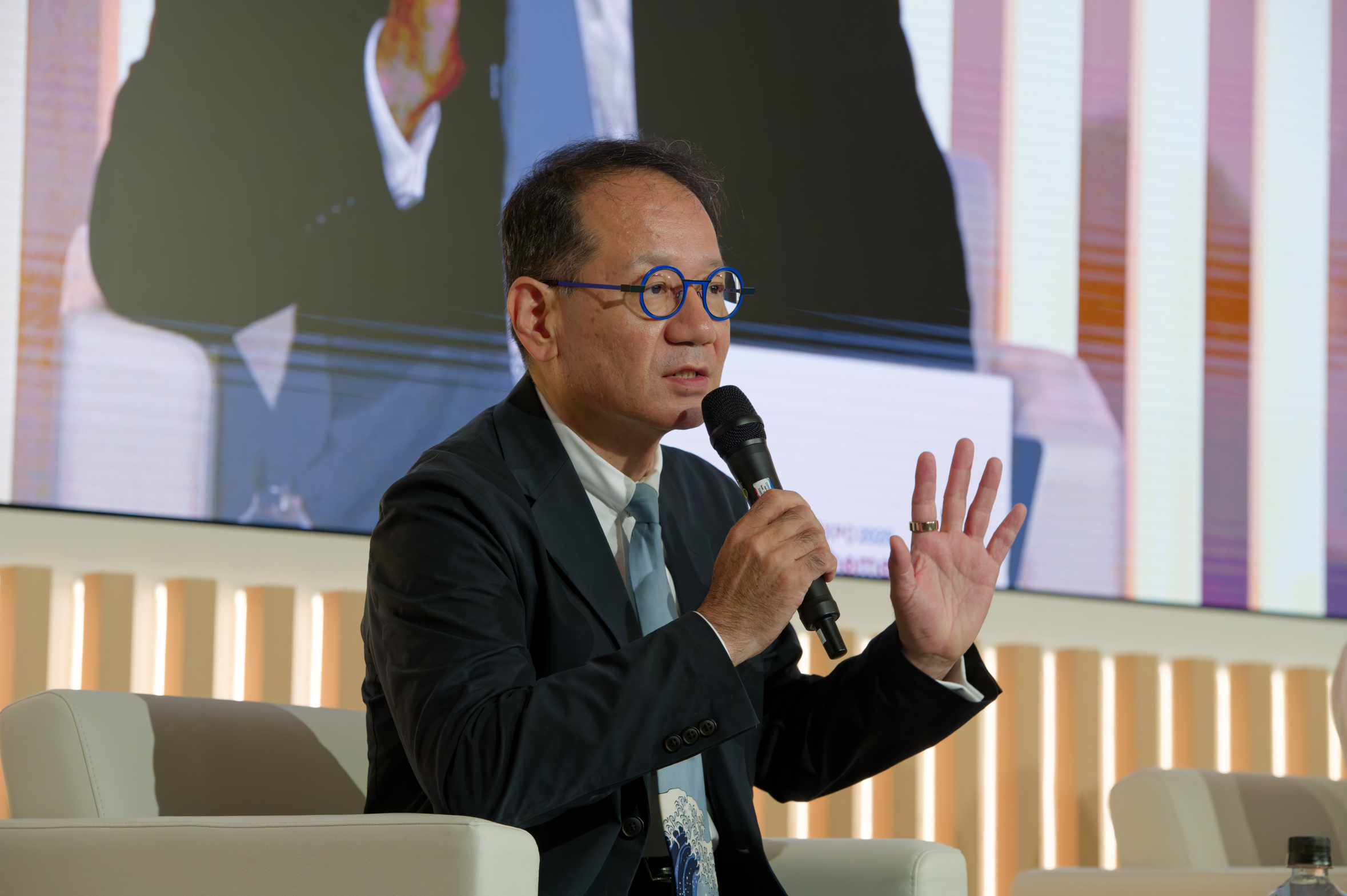
Mr. Suzuki began the session by emphasizing that “equitable
access to learning” is one of the most critical and urgent
issues facing contemporary society, both in developed and
developing nations. He noted that in many developing
countries, severe shortages of financial and human resources
lead to stark disparities in education quality and
opportunities between regions. He stressed the importance of
expanding Official Development Assistance (ODA) and building
strategic partnerships with international organizations such
as UNESCO, UNICEF, the World Bank, and the Global Partnership
for Education (GPE). In developed countries, equitable
learning remains unachieved; particularly after the COVID-19
pandemic, truancy and school dropouts have increased
significantly. In Japan, around 10% of third-year junior high
school students are chronically absent, due to a complex
interplay of mental health issues, diminished learning
motivation, and interpersonal stress. He observed that the
traditional school system was designed for the industrial age
to produce disciplined workers and office staff, which may not
align with the diversified lifestyles and values of modern
society. While AI and online education have made it possible
to learn regardless of time and place, these benefits often
skew toward those with strong self-directed learning skills
and supportive home environments. Enhancing learning equity
requires fostering not only academic ability but also
creativity, collaboration, and critical thinking—the “power to
live.” Education systems must be redesigned to address
barriers such as language, disability, cultural background,
and social isolation in a comprehensive manner. He concluded
that equalizing educational opportunities can only be realized
through both international solidarity and multi-layered
support systems involving communities, families, and schools
working together.
【Speaker Summary: Yukiko Uchida】
From the perspective of cultural psychology, Prof. Uchida
introduced the concept of “interdependent well-being,”
emphasizing the importance of inclusivity in education.
Traditional models of happiness have centered on individual
freedom, self-realization, and self-worth through competition
and achievement. However, these models do not guarantee
collective societal well-being. She argued for an approach
that balances individual growth with social well-being,
valuing connections and mutual support. This concept
encompasses not only psychological fulfillment but also a
sense of contribution to others and the health of the
community. It calls for schools, families, and communities to
create mutual support cycles. For example, providing “third
places” outside school and home can help children feel safe
and reduce isolation. She presented survey data showing that
the well-being of teachers and school staff directly impacts
students’ happiness and motivation, positioning education as a
foundation for well-being, not merely academic development.
She also emphasized the importance of respecting cultural and
value diversity so that children from different backgrounds
can learn and support one another. Ultimately, interdependent
well-being offers a foundation for a sustainable and inclusive
society by improving both education quality and equity.
【Speaker Summary: Andreas Schleicher】
Mr. Schleicher, using OECD educational survey data, examined
the need to improve both the quality and equity of education
in an era marked by accelerating societal changes such as AI
and climate change. He noted that the COVID-19 pandemic
revealed the fragility of education systems, and future
disruptions from climate change and AI may be even greater. As
AI increasingly matches or surpasses human capabilities in
knowledge processing and automation, education should focus
more on fostering creativity, critical thinking, and social
skills—uniquely human traits. While Japan ranks among the
highest in academic performance globally, OECD PISA data show
that Japanese 15-year-olds tend to have relatively low
well-being and self-efficacy. He highlighted that it is
possible to achieve both high academic performance and
well-being, as demonstrated by Denmark, which emphasizes a
balance of cognitive, social, and emotional learning. He
cautioned that while structured and intentional use of
technology by teachers can enhance learning outcomes,
unregulated use can harm both academic performance and mental
health. He stressed that the quality—not the quantity—of
learning time determines outcomes, and that trust between
teachers and students is crucial for reducing anxiety and
improving motivation. Education, he concluded, must focus on
preparing students for an ever-changing future rather than
merely transmitting past knowledge.
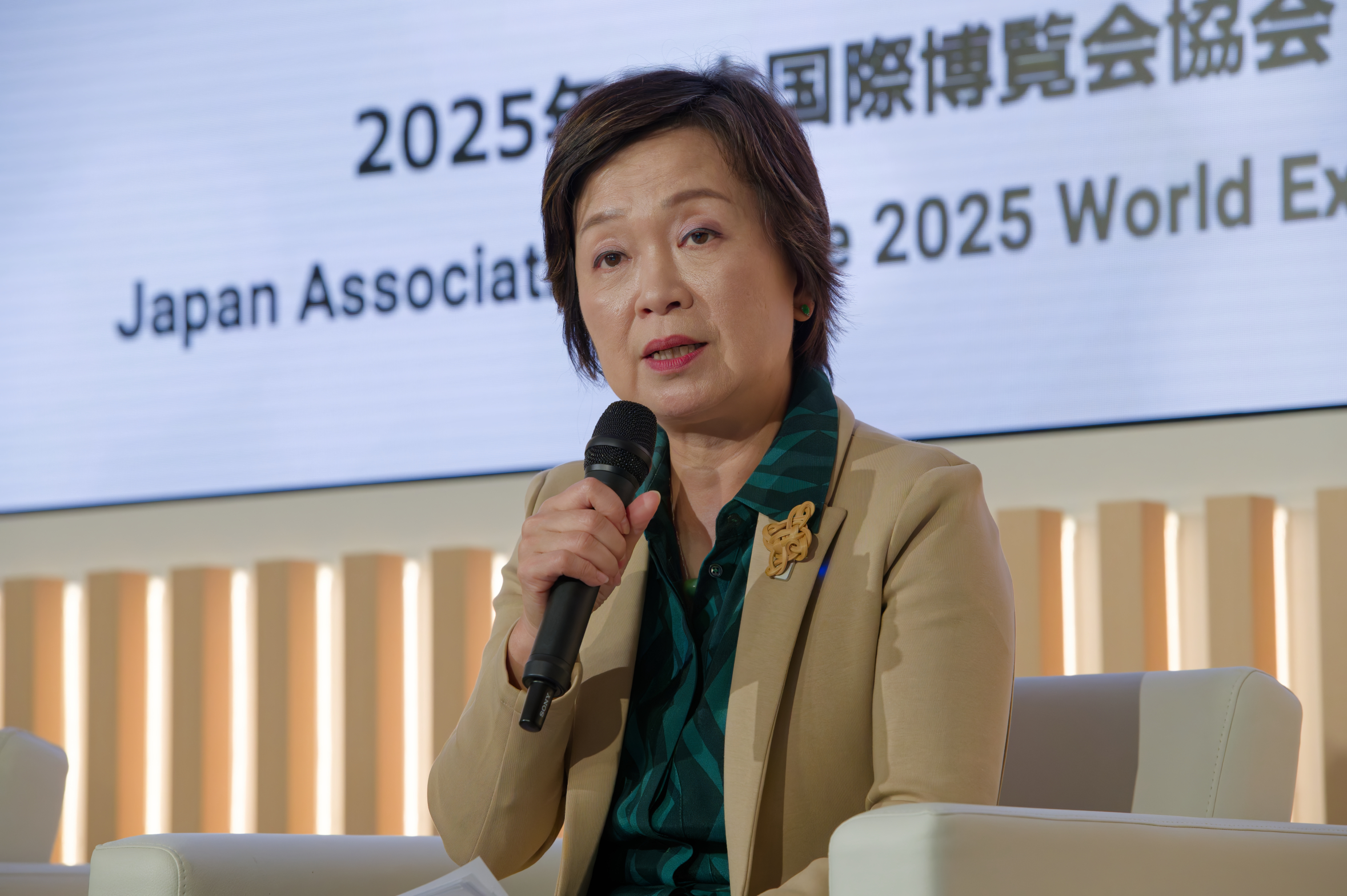
【Speaker Summary: Christine Choi】
Dr. Choi described Hong Kong’s comprehensive approach to
ensuring equity in education, from institutional frameworks to
on-the-ground practices. She stressed that Hong Kong regards
education as the foundation of the city’s development, having
increased its education budget by 36% over the past decade,
now allocating over 17% of government spending to education.
This investment has enabled 12 years of free education for
all, regardless of economic or social background. In PISA
2022, Hong Kong ranked second globally among high-performing
economies in equity, indicating minimal impact of
socioeconomic background on academic achievement. Key
initiatives include enhanced individual support for
non-Chinese-speaking students (often from immigrant
backgrounds) and those requiring special education, with
additional resources and specialized teachers. The Hong Kong
Diploma of Secondary Education (HKDSE) examination was
introduced to ensure transparency and fairness in university
admissions, reducing disparities caused by family income or
school type. Vocational and academic pathways are promoted in
an integrated manner to increase flexibility for students. In
early childhood education, the 2017 Kindergarten Education
Scheme made about 90% of half-day kindergartens tuition-free,
reducing early education access disparities. To address
growing youth stress and isolation, the “4R Mental Health
Charter” was introduced in schools, incorporating Rest,
Relaxation, Resilience, and Relationships into educational
activities. Efforts also extend to teacher well-being. Hong
Kong actively uses ICT to expand learning opportunities,
including online materials for students in remote or
disadvantaged households. Dr. Choi concluded that education is
not just about transferring knowledge but is a public good
that underpins sustainable societal development and
well-being.
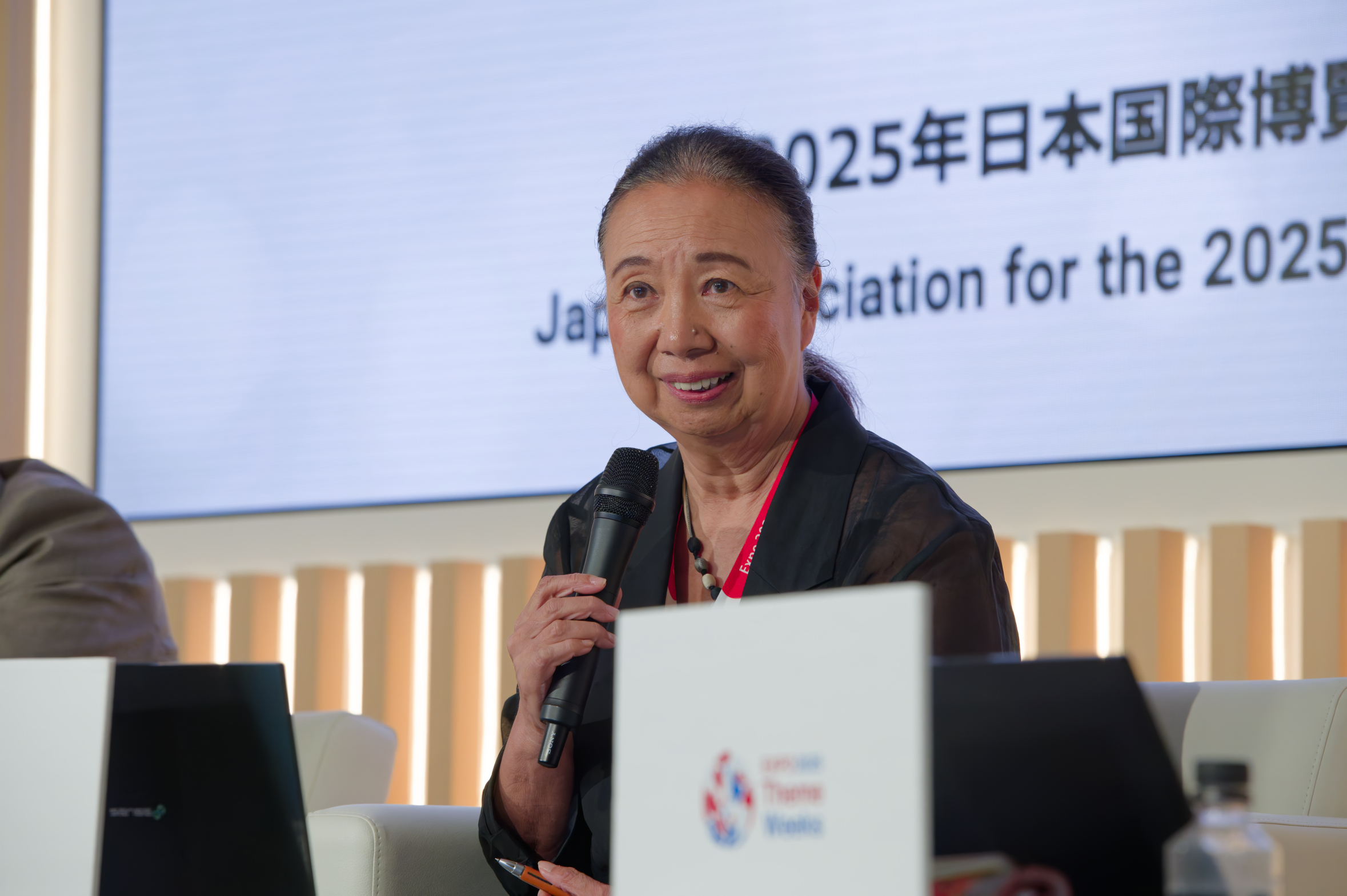
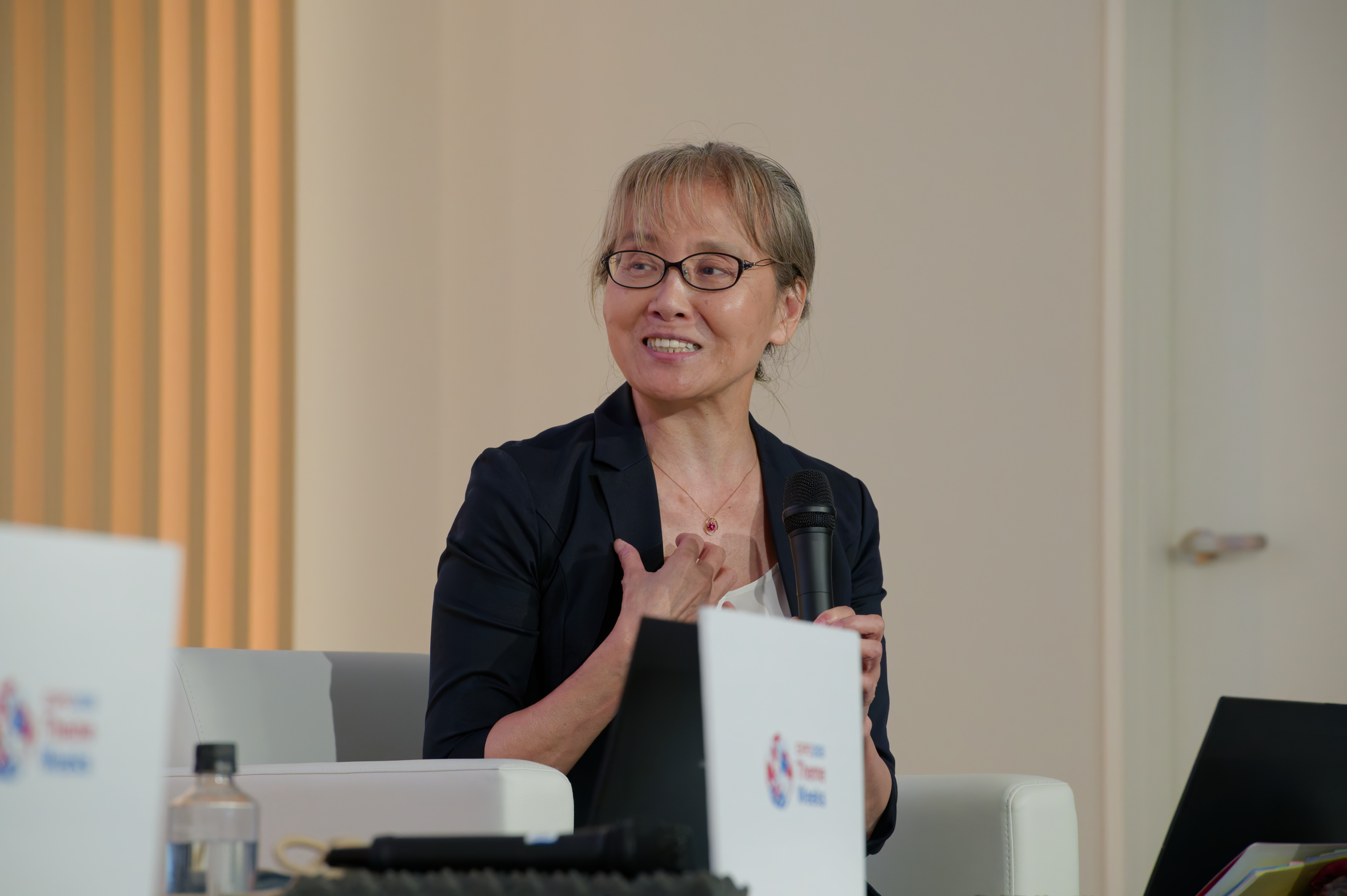
【Discussion Summary (First Half)】
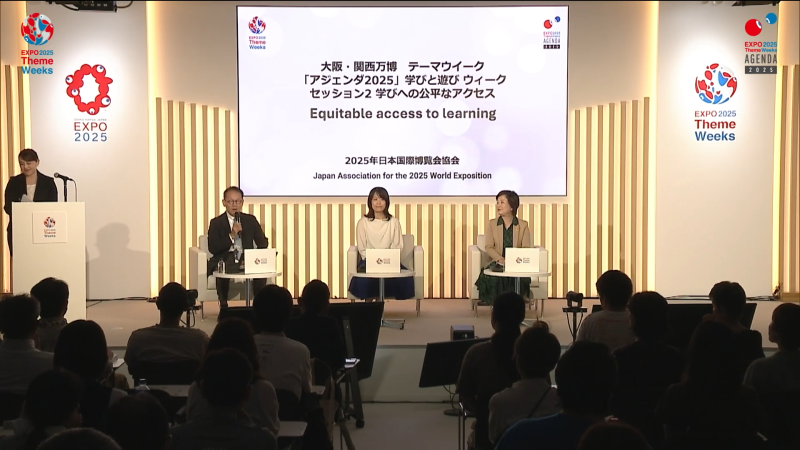
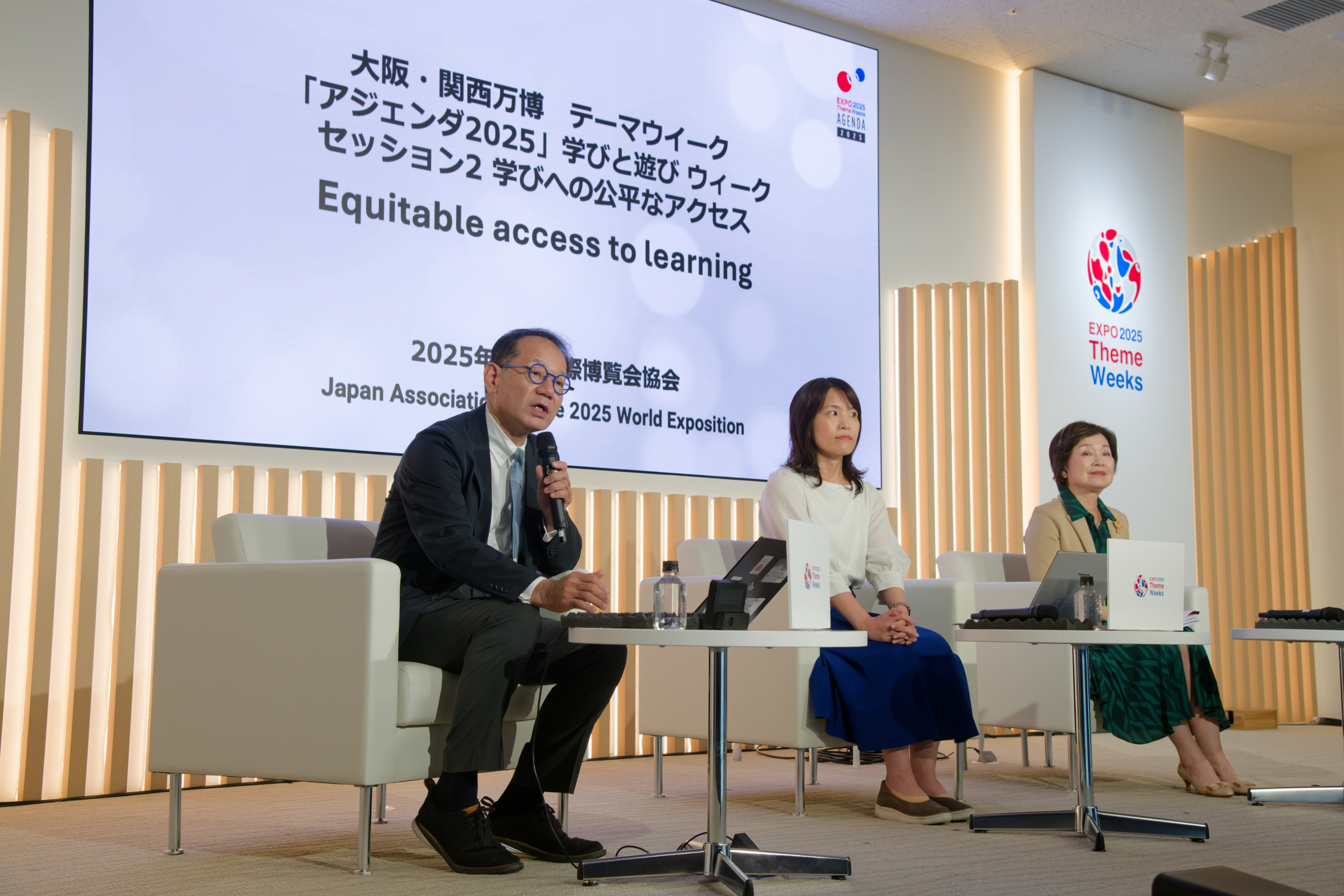
In the first half of the discussion, moderated by Mr. Kan
Suzuki, Prof. Yukiko Uchida, Mr. Andreas Schleicher, and Dr.
Christine Choi examined in depth the challenges and
opportunities for equitable access to learning from their
respective areas of expertise. The discussion covered a wide
range of topics, including shortages of educational resources
in developing countries, the rise in school absenteeism in
developed countries, educational reforms utilizing AI and
digital technologies, and the protection of mental health.
Prof. Uchida, from the perspective of “interdependent
well-being” in Japanese society, emphasized the importance of
relationships and inclusivity in learning environments. She
particularly proposed the need for “third places” where
children can feel safe outside of home and school, and stated
that a structure in which society as a whole supports learning
is necessary. Mr. Schleicher presented OECD international
comparative data, explaining that it is possible to combine
high academic performance with well-being, and that the key
lies in supportive teacher attitudes. By creating an
environment where students are not afraid to fail and are
encouraged to take on challenges, both learning outcomes and
psychological stability can be improved, as shown through
concrete examples. Meanwhile, Dr. Choi introduced initiatives
within Hong Kong’s education system, sharing practical
examples from multilingual environments and special needs
education. She particularly highlighted the importance of
multi-layered support for students with different linguistic
and cultural backgrounds and the need for early intervention,
stressing that education design which respects diversity
directly contributes to equity in learning. Overall, a shared
understanding was reached that reforms must proceed in tandem
at both the institutional design and field practice levels,
with the conclusion that the key is to combine the sharing of
international knowledge with flexible institutional
implementation that takes into account the characteristics of
local communities.
【Speaker Summary: Patrick Newell (Second Half)】
Mr. Newell explored education’s role in the AI era from the
perspective of integrating human values with technology. He
noted that unlike past industrial revolutions, the AI
revolution directly impacts human intellectual activity.
Education must focus on nurturing human creativity, ethics,
empathy, and critical thinking—not just skills and
information. He proposed reframing “AI” as both “Artificial
Intelligence” and “Love” (愛 in Japanese), underscoring the
need for human connection and emotional sharing in education.
Citing OECD and World Economic Forum analyses, he argued that
future society requires a balance of technical, cognitive, and
non-cognitive skills. Personalized learning powered by AI
personal tutors could meet diverse needs beyond the
capabilities of traditional whole-class instruction, but
ethical frameworks must safeguard privacy, fairness, and
transparency. He warned that technology could widen learning
gaps without policies promoting social inclusion. AI should be
seen as a partner that extends human potential, and
education’s mission is to cultivate a co-creative relationship
enabling all individuals to realize their potential.
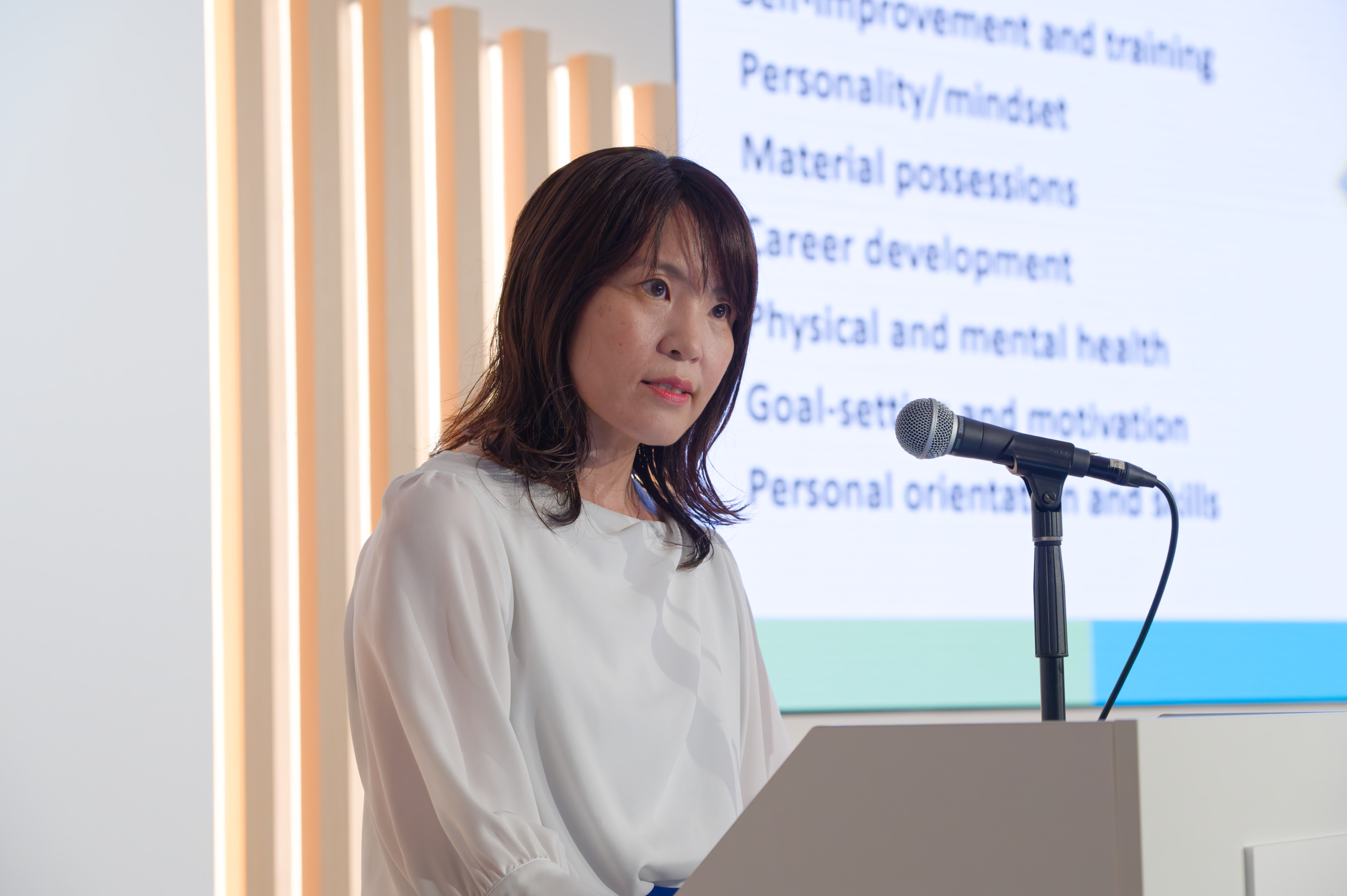
【Speaker Summary: Eiko Todo】
Ms. Todo discussed the current state and challenges of
supporting students with dyslexia in Japan, sharing
experiences from her work. Dyslexia, despite normal
intelligence, causes difficulty in reading and writing and is
widely recognized overseas but not well understood or
supported in Japan. She argued that Japan’s reliance on
standardized assessments and uniform instruction disadvantages
students with diverse learning needs. ICT and AI offer great
potential to support students with learning disabilities
through tools like text-to-speech, speech input, digital
textbooks, and multimedia resources, allowing self-paced,
independent learning. However, these technologies require both
institutional support and human assistance, including teacher
training. She also highlighted the importance of assessment of
fluency and accuracy of reading and writing and application of
universal design in learning materials and adjustment and
modification of evaluation methods such as oral exams or
extended time.Community and family engagement are also
essential, and her NPO EDGE provides consultations, materials,
and awareness events to foster a supportive culture. She
concluded that equitable access to learning requires
individualized support mechanisms that go beyond tuition-free
education or facility improvements.
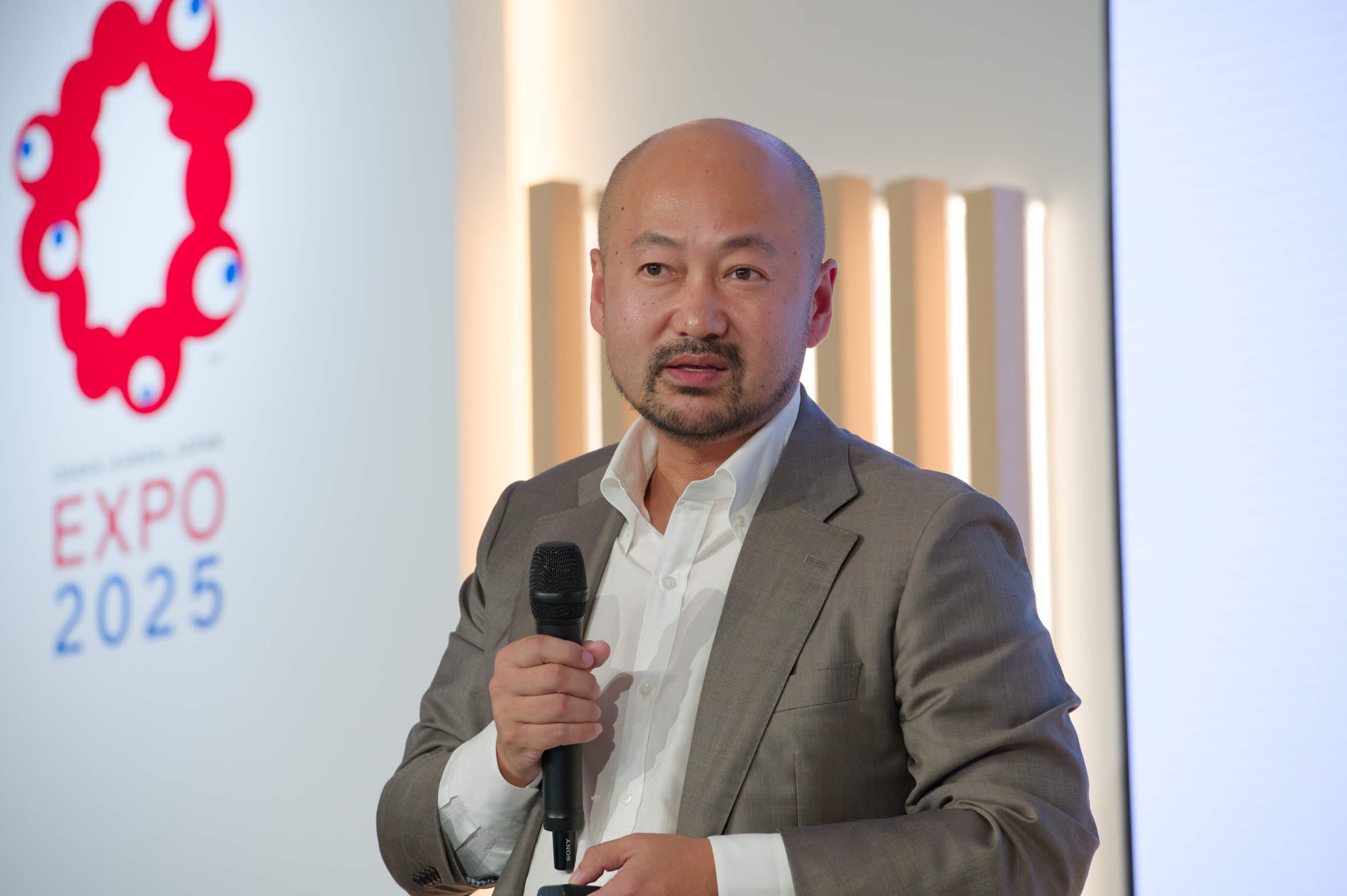
【Speaker Summary: Tomohiro Hoshi】
Mr. Hoshi shared his insights from leading Stanford Online
High School, emphasizing that equitable access to quality
education is not just about resources or systems but also
about learner agency and motivation. Online education's
greatest strength is overcoming geographical barriers,
enabling students in remote areas, abroad, or with physical
limitations to access top-tier learning. However, digital
divides remain, such as differences in internet connectivity
and device availability, which create new forms of educational
inequality. Self-management skills are crucial in online
learning, and schools must provide support to build learners’
self-regulation and time management abilities. Online
environments can also lead to isolation, so fostering
community and human connection is important. At his school,
virtual collaboration projects and discussions help learners
inspire and support each other. Regarding AI, Mr. Hoshi noted
that while it enables personalized learning based on each
student's pace and comprehension, it must be designed and
implemented with human values and ethics in mind. True equity
means providing flexible and diverse support so that learners
from different backgrounds and needs can fully realize their
potential.
【Speaker Summary: Mayumi Nishino】
Prof. Nishino, specializing in home economics education,
discussed equitable access to learning from the perspective of
“life skills development.” She stressed that home economics is
not merely cooking and sewing, but an integrated learning
opportunity covering food, clothing, shelter, consumption,
environment, and welfare, equipping students with sustainable
living habits. However, disparities in curriculum content and
class hours across regions and schools mean not all students
can equally acquire life skills. For students from
economically disadvantaged or skill-deficient households, the
subject is even more vital. Social changes such as more
dual-income households, nuclear families, and weakened
community ties have reduced opportunities for children to
learn basic household tasks at home, making school-based
instruction crucial. Home economics should foster not only
skills but also independence and collaboration, and it
increasingly uses ICT—such as videos, simulations, and apps
for household budgeting—to enhance understanding. Yet, she
noted the need to address digital divides so no student is
left behind. By learning about food and living customs from
other cultures, students can also develop diversity awareness
and respect, a foundation for thriving in a global society.
She concluded that equitable access to learning is about
creating systems where all can develop the “power to live,”
and enhancing home economics education is a key pillar in this
effort.
The first-half discussion, moderated by Mr. Suzuki, involved
Prof. Uchida, Mr. Schleicher, and Dr. Choi exploring
challenges and opportunities for equitable access to learning.
Topics included resource shortages in developing countries,
increasing truancy in developed nations, AI- and
technology-driven education reform, and mental health
protection. Prof. Uchida emphasized relationship-building and
inclusivity, proposing “third places” for children outside
home and school. Mr. Schleicher presented OECD data showing
that high academic performance and well-being can coexist,
with supportive teachers playing a key role. Dr. Choi shared
Hong Kong’s multi-layered support for multilingual and
special-needs students, stressing early intervention and
diversity-respecting education design. Consensus emerged that
reforms must address both institutional design and frontline
practice, combining international knowledge-sharing with
locally adapted, flexible implementation.
【Discussion Summary (Second Half)】
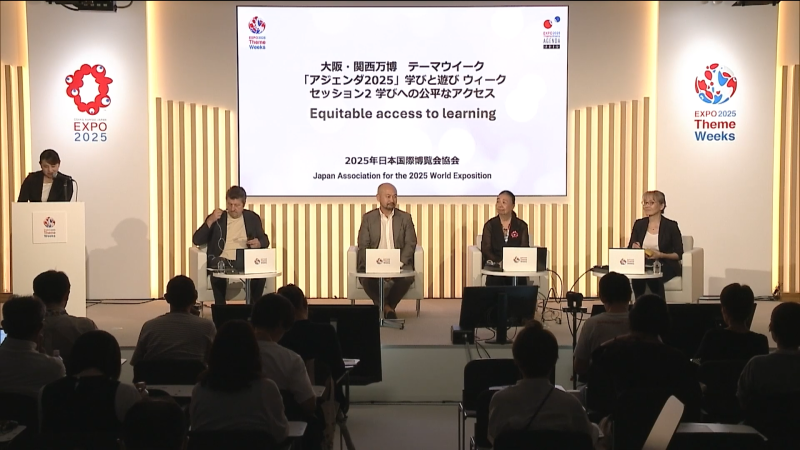
In the second half, moderated by Mr. Newell, discussion
centered on the ideal forms of learning in the AI era. Ms.
Todo stressed universal design in education and the potential
of AI tools for individualized learning, coupled with teacher
training. Mr. Hoshi emphasized that digital infrastructure
alone is insufficient; self-directed learning skills and
family support are also critical, along with
community-building to counter isolation. Prof. Nishino
highlighted life skills education as the basis for both
equitable learning and social participation, advocating
stronger life education to bridge economic and family
background gaps. The conversation expanded to include the
balance between human qualities and technology, the importance
of love and human connection in education, and the necessity
of multi-layered support to close learning gaps. Suggested
measures included teacher reskilling programs, stronger
community collaboration, and flexible learning environments
enabling learner choice. Participants concluded that
future-oriented education models must balance “humanity” and
“technology.”
Cast
Moderator
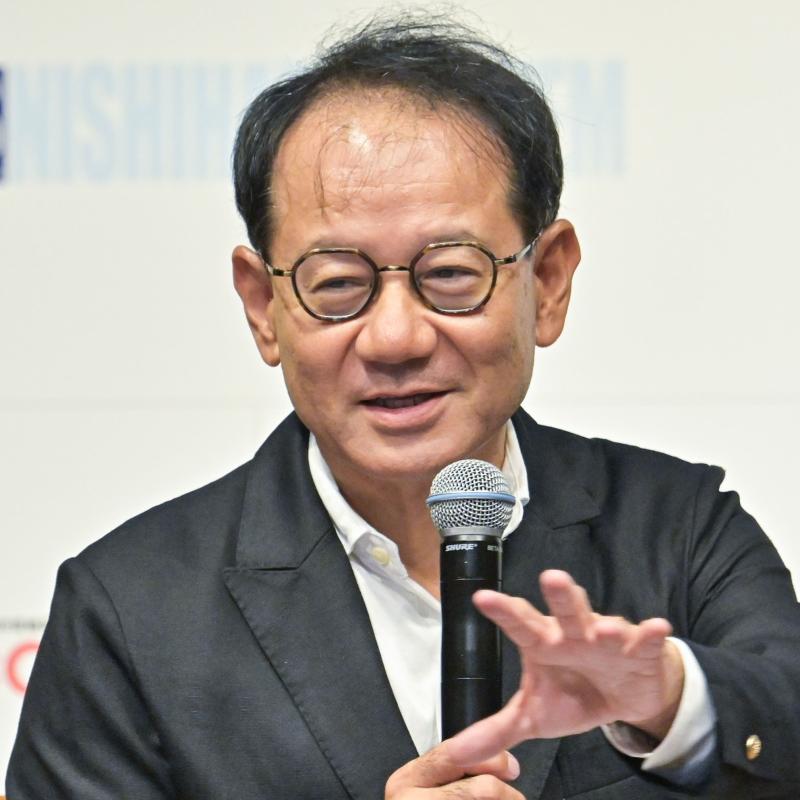
Kan Suzuki
Professor at The University of Tokyo, Project Professor at Keio University, Former Advisor to the Minister of Education, Culture, Sports, Science and Technology
Professor at The University of Tokyo, Project Professor at Keio University, Former Advisor to the Minister of Education, Culture, Sports, Science and Technology. After graduating from the Law School at the University of Tokyo in 1986, joining the Ministry of International Trade and Industry, and working as an assistant professor at Keio University SFC, he was elected to the House of Councilors in 2001 and served two terms as Deputy Minister of Education, Culture, Sports, Science and Technology. Carried out budget structural reform "From concrete to people." In 2014, he became a professor at the University of Tokyo and Keio University (the first cross-appointment between a national and private university in Japan) to conduct research and education on educational policy. When he was seconded to Yamaguchi Prefecture from the Ministry of International Trade and Industry, he visited and was impressed by the Matsushita Village School, and launched the "Suzukan Seminar" for students and working adults.
View Profile
Close
close

Patrick Newell
Co-founder of TEDxTokyo, Professor at Shizenkan University, and Social Entrepreneur
Professor Newell’s expertise spans Education, Design,
Strategy, Technology, Branding, and Global
Communication. He collaborates with major Japanese
corporations and education organizations to develop
innovative environments and strategies for the
future.
He is a professor at Shizenkan University, co-founder
of Tokyo International School, TEDxTokyo, Living
Dreams NPO, and 21 Foundation. Patrick advises Kokuyo
Co. Ltd., Jiyugaoka Gakuen, and Japanese Boards of
Education, and serves as the Co-national Project
Manager for the OECD Survey for Social and Emotional
Skills (SSES) in Japan.
He published "Strategies for Keeping Japan #1,
"TED Power," and "21st Century Skills
to Nurture a Children's Future".
View Profile
Close
close
Speakers
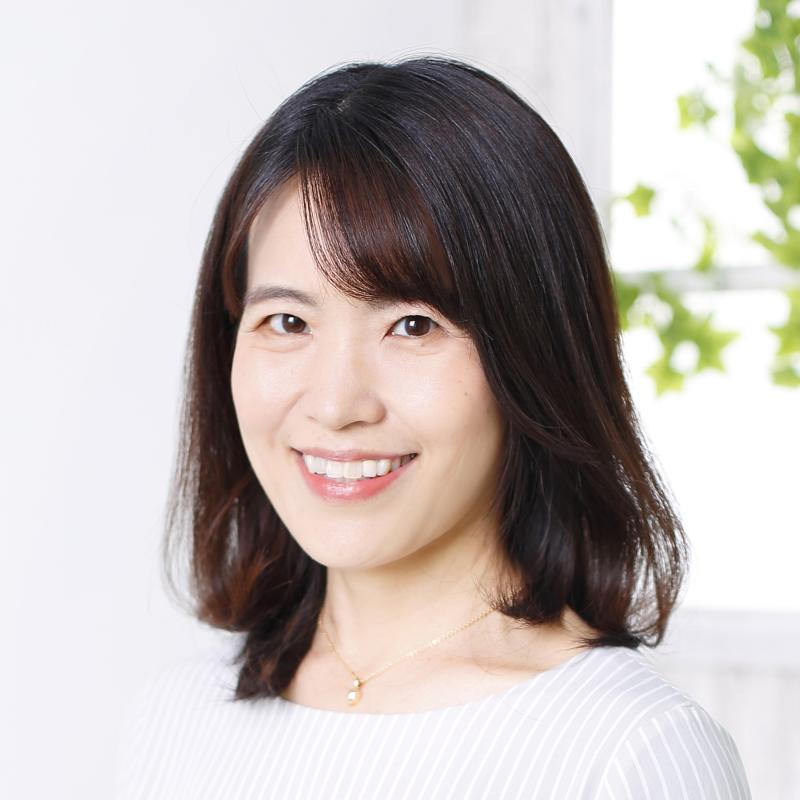
Yukiko Uchida
Kyoto University Institute for the Future of Human Society Director/ Professor
Yukiko Uchida is a Professor and Director at the Institute for the Future of Human Society at Kyoto University. Dr. Uchida’s extensive research in cultural psychology focuses on international and regional comparative studies, particularly in areas such as happiness and well-being. Her academic journey includes completing a Ph.D. in Human and Environmental Studies at Kyoto University, with prior roles as assistant professor, associate professor, and professor at the Kokoro Research Center, Kyoto University, as well as a CASBSfellow at Stanford University. Her work has led to over 200 publications in leading journals in Psychology. Dr. Uchida was selected as a Fellow of the Association for Psychological Science (APS) and currently serves as a Board Member-at-Large for APS. Additionally, she has established strong relationships with national and local governments as a member of the Cabinet Office’s Study Group on Well-being and an advisor to the Kyoto City Council. Her contributions extend to the Ministry of Education’s Central Council for Education, where she has advised on well-being in education policy. Her major publication includes "An Interdependent Approach to Happiness and Well-Being: Evidence, Culture, Education and Sustainability" (Palgrave Macmillan). Free download link: https://link.springer.com/book/10.1007/978-3-031-26260-9
View Profile
Close
close
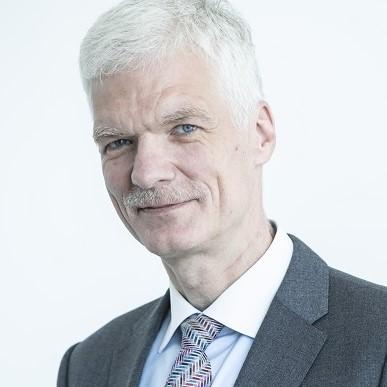
©OECD
Andreas Schleicher
OECD, Director for Education and Skills
Andreas Schleicher is Director for Education and
Skills at the OECD. He initiated and oversees the
Programme for International Student Assessment (PISA)
and other international instruments that have created
a global platform for policy-makers, researchers and
educators across nations and cultures to innovate and
transform educational policies and practices.
He has worked for over 20 years with ministers and
education leaders to improve education. Former U.S.
Secretary of Education Arne Duncan said that
Schleicher “understands the global issues and
challenges as well as or better than anyone I’ve met,
and he tells me the truth”. Former UK Secretary of
State Michael Gove called Schleicher “the most
important man in English education” – even though he
is German and lives in France.
He is the recipient of numerous honours and awards,
including the “Theodor Heuss” prize, awarded in the
name of the first president of the Federal Republic of
Germany for “exemplary democratic engagement”. He
holds an honorary Professorship at the University of
Heidelberg.
View Profile
Close
close
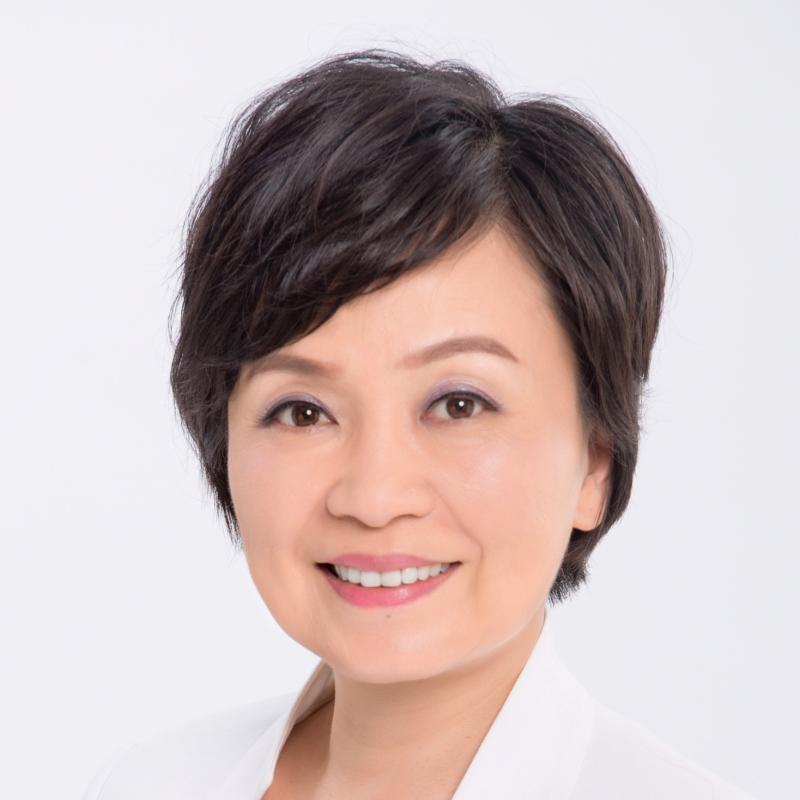
Dr. Christine Choi
Secretary for Education, the Government of the Hong Kong Special Administrative Region
Dr Choi has been Under Secretary for Education since
2017, before assuming the post of Secretary for
Education in 2022.
Prior to joining the Government, Dr Choi had worked in
the education field for nearly 30 years. She taught in
secondary schools for more than a decade since 1988,
before joining the Education Bureau where she was
responsible for school-based curriculum development
and language teaching support. In 2013, she took up
the principalship of a secondary school. During the
period, she took part in social and educational work,
including the setting up of the Hong Kong Teachers
Dream Fund. She also served on the Basic Law Promotion
Steering Committee, the Fight Crime Committee and the
Commission on Youth.
View Profile
Close
close
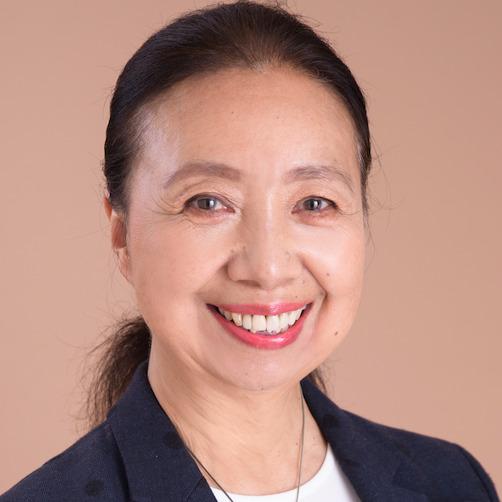
Eiko Todo
Chairperson of Certified NPO EDGE
Education: Keio University, Seisa University Graduate
School of Education. LL.B., M.Ed.
A researcher, supporter, parent, advocate, and
activist for dyslexia. Founded the NPO Edge in 2001 to
promote support and awareness for dyslexia in Japan.
Hosted Asia Pacific dyslexia forum (2016-2021). Among
the activities, there are Audio materials of school
text books, training courses for supporters, reading
and writing screening tools.
She has served as a vice-chair of the JDDnet, sat in
various committee meetings of Cabinet Office, MEXT,
MHLW, METI and MLIT contributing in legislations such
as the Developmental Disabilities Support Act, the Act
on the Elimination of Discrimination against Persons
with Disabilities, and the Act on Accessibility of
Reading Materials.
Supervisor of a translation "Dyslexic
Advantage" Brook Eide and Fernette Eide,Plume
Book, 2012
Contribution of a chapter "Barrier-Free
Instruction in Japan: Recommendation for teachers at
All Levels of Schooling" Cadlin & Mynard 2024
View Profile
Close
close
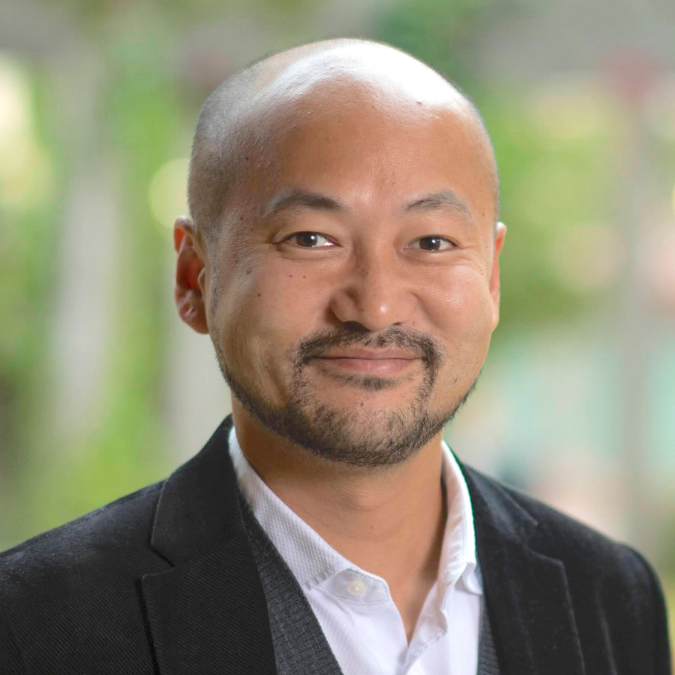
Tomohiro Hoshi
Principal, Stanford Online High School Doctor of Philosophy, Education; EdTech Consultant
Born in Tokyo, Japan in 1977, he graduated from the
University of Tokyo in 2001 with a B.A. in Philosophy
from the Department of Philosophy and Culture, Faculty
of Letters, in 2002, and moved to the U.S. to complete
his M.A. in Philosophy at Texas A&M University.
2008, he completed his PhD in Philosophy at Stanford
University, where he taught logic as a lecturer in the
philosophy department while working on the Stanford He
participated in the Online High School Startup
Project, and has been the principal since 2016.
In addition to his current position, he is involved in
lecture activities in philosophy, logic, and
leadership, as well as consulting on education and
education-related technology (EdTech) for the United
States and Asia.
In Japan, he is a specially invited professor at Keio
University and a specially appointed professor at
Yokohama City University.
He is the author of “Stanford Style: The Power to
Survive and Thrive” (Diamond Inc.) and “Brain Science
Revealed! The Strongest Study Method That Gets
Results“ (Kobunsha), ‘Brain-Utilizing English
Conversation,’ ‘How to Raise Self-Affirmation as
Taught by America's Top Schools,’ and
‘Brain-Utilizing Smartphone Techniques’ (all from
Asahi Shinbun Publishing), ‘Kodomo no ’Kangaeru Kikara
wo Hiru‘ Textbook” (A Textbook to Develop
Children's Ability to Think) (Yamato Shobo),
“What Stanford Teaches Middle and High School
Students,” and “’Bad Parenting'. Science will
change “bad parenting”! 57 Things America's Top
Schools Teach Parents” (both SB Creative), and
‘Brain's Lifelong Input Techniques’ (Asa
Publishing Co., Ltd.).
View Profile
Close
close
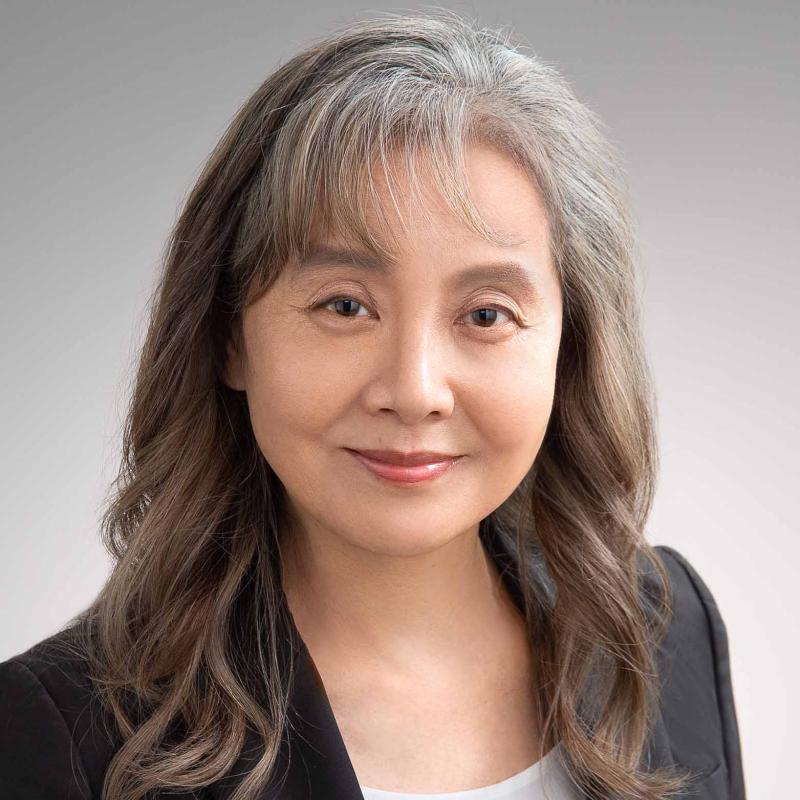
Mayumi Nishino
Tokyo Kasei University, Professor
Mayumi Nishino is a Professor at Tokyo Kasei
University. Her research focuses on moral education,
with particular emphasis on curriculum development,
textbook design, and the improvement of moral
instruction in Japan.
She holds a Master of Arts degree from Ochanomizu
University, where she completed her undergraduate
studies in Philosophy at the Faculty of Letters and
Education, and later completed coursework for the
doctoral program at the Graduate School of Humanities
and Sciences.
Prior to her current position, Ms. Nishino served as a
research assistant at Ochanomizu University and
subsequently as a researcher at the National Institute
for Educational Research beginning in 1989. Following
the reorganization of the institute, she continued her
work as a senior researcher at the National Institute
for Educational Policy Research (NIER) from 2001,
conducting comparative studies on curricula in various
countries and research on advanced educational
practices within Japan.
She has contributed extensively to national education
policy as a collaborator in the development of moral
education materials and the revision of the Course of
Study, working closely with the Ministry of Education,
Culture, Sports, Science and Technology (MEXT).
She has also engaged in international research
collaboration, serving as a Commitee member of the
Asia-Pacific Network for Moral Education (APNME) from
2011 to 2017. She currently serves as Vice President
of the Japan Society for Moral Education.
Her major publications include the co-edited volume
"Teaching and Assessment Methods for 'Moral
Classes that Encourage Thinking and Discussing"
(Kyoiku Shuppan).
View Profile
Close
close
Learning and Playing Week
Equitable access to learning
The programme, together with the General Sponsors, explores: 'How do we guarantee equitable learning opportunities for all?'
-
2025.07.28[Mon]
13:30~15:30
(Venue Open 13:00)
- Theme Weeks Studio
OTHER PROGRAM
Learning and Playing Week