Learning and Playing Week
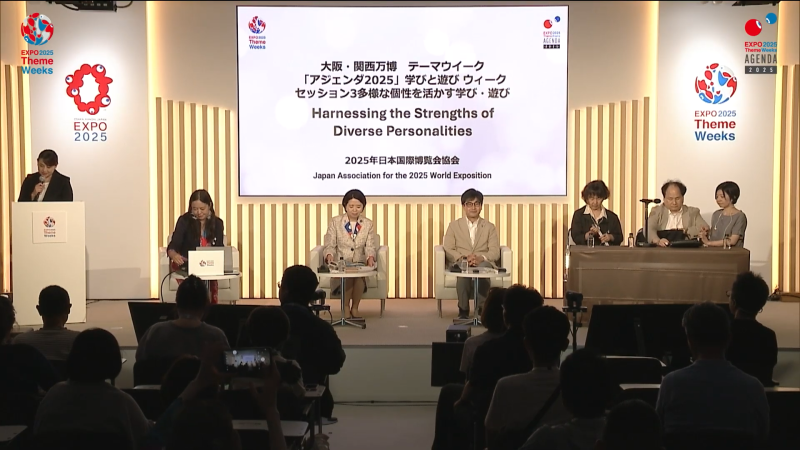
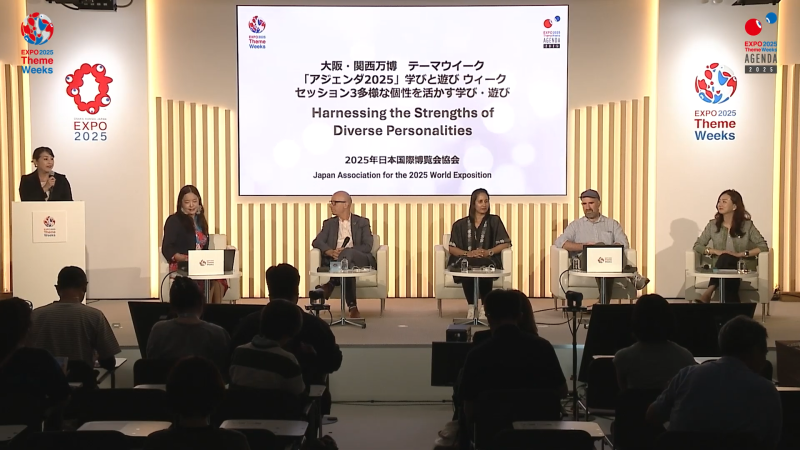
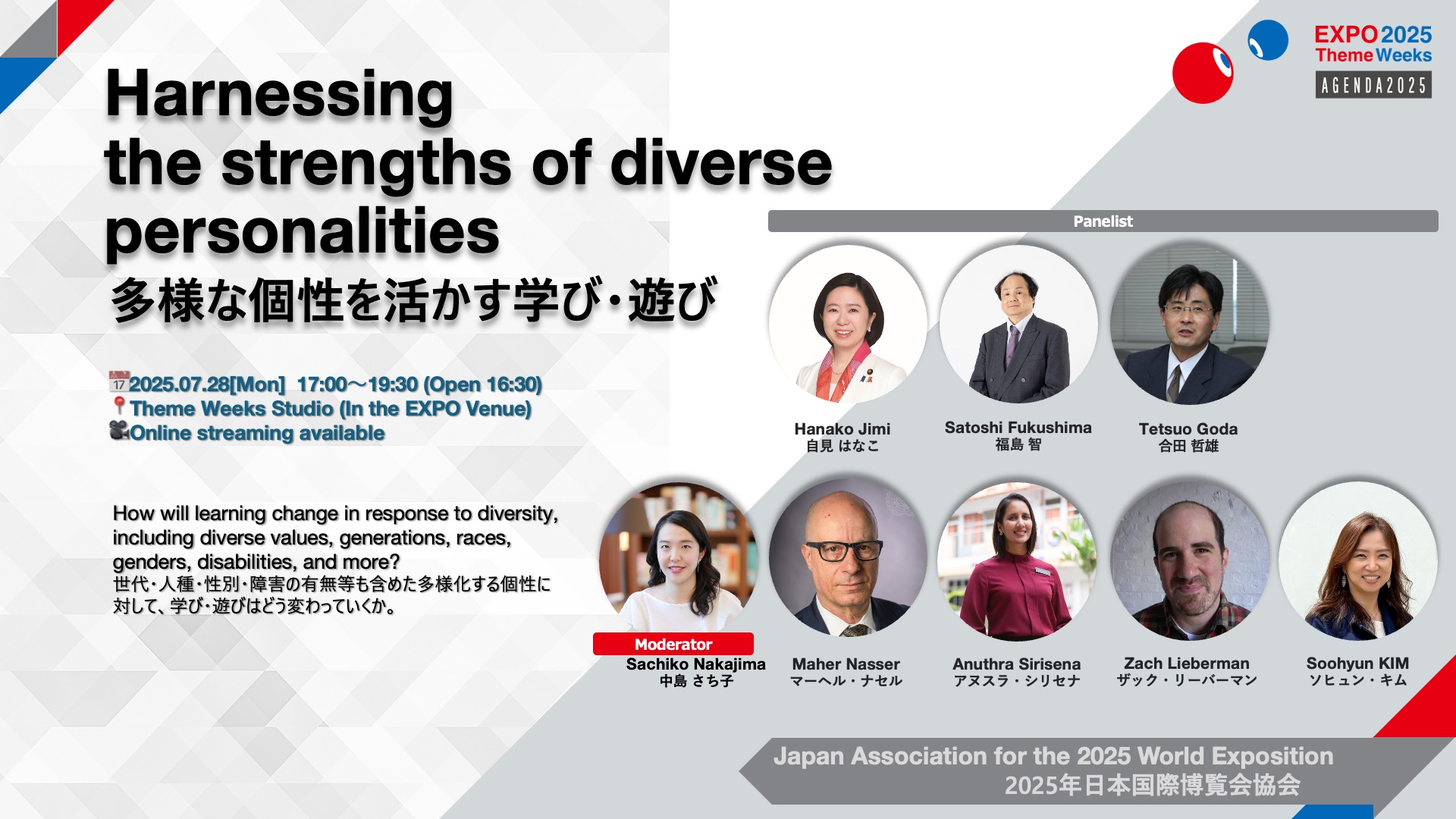
Harnessing the strengths of diverse personalities
Japan Association for the 2025 World Exposition
The programme, together with the General Sponsors, explores: 'How will learning change in response to diversity, including diverse values, generations, races, genders, disabilities, and more?'
Recorded video available
Discussion
- Others
| Transmission of simultaneous interpretation | Provided |
|---|---|
| Language of interpretation | Japanese and English |
-

Agenda2025
Organised Programme
-
Time and
Date of
the event -
-
2025.07.28[Mon]
17:00 ~ 19:30
(Venue Open 16:30)
-
- Venue
- Theme Weeks Studio
Programme details
*Subtitles: Choose “Subtitles/CC” in the “Settings” (gear
icon) at the bottom right of the YouTube video.
*Subtitles may not show with multiple languages or overlapping
audio.
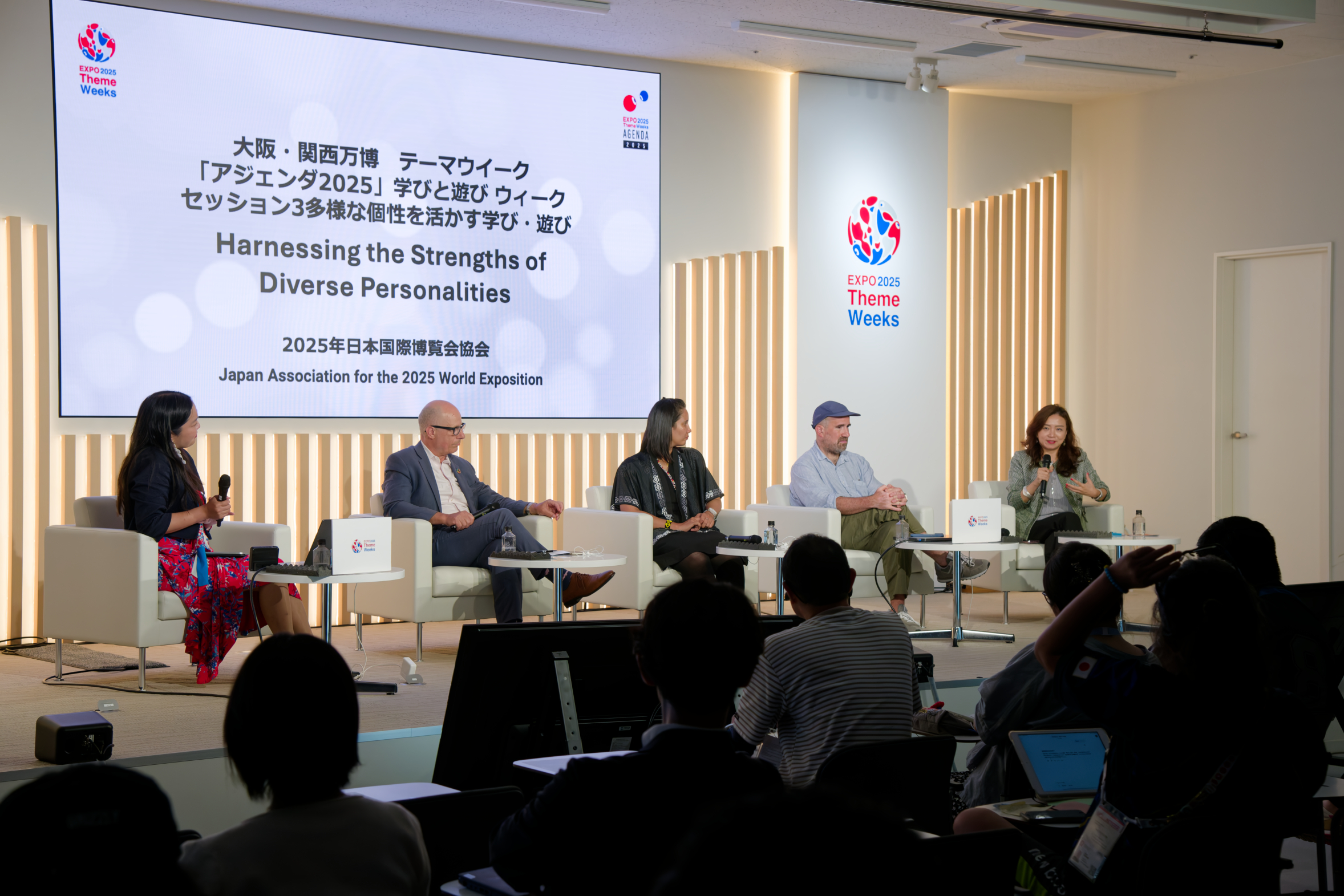
In this session, Sachiko Nakajima, producer of the
Osaka-Kansai Expo theme project, welcomes a panel of
distinguished panelists to explore from various perspectives
how learning and play can make the most of diverse
personalities. The first half of the session in Japanese will
explore how to create a cooperative learning and play
environment that transcends the divisions caused by illness
and disability, together with former Expo Minister Dr. Jimi, a
doctor, Professor Satoshi Fukushima of the University of
Tokyo's Institute for Advanced Study of the Blind and
Deaf, and Deputy Director-General Goda, who is active in the
Agency for Cultural Affairs and the Ministry of Education,
Culture, Sports, Science and Technology. In the latter half of
the session in English, Maher Nasser, UN Expo Director, will
talk about the global spread of refugees and global
inclusiveness, Dr. Anushla from Malaysia will talk about her
own robotics education, and Zack will introduce the best of
media art in a fun way. Finally, Ms. Soohyun Kim of UNESCO
will talk about UNESCO's Asia-Pacific policy, which
covers education, culture, science, and information. In the
21st century, how can we create inclusive learning and play
environments that make the most of each individual's
diverse personalities and characteristics by reforming systems
and utilizing technology in this era of turbulence? We hope to
explore these issues from various perspectives at the Expo,
and make this a day that will be a major step forward.
Reports
【Program Summary】
The program “Harnessing the Strengths of Diverse Personalities
in Learning and Play” was held on July 28, 2025, as part of
the Expo 2025 Osaka, Kansai, Japan’s “Play and Learn Week.”
Its theme centered on how to incorporate and utilize the
unique qualities of individuals from diverse backgrounds,
including differences in values, generations, cultures,
genders, and disabilities, into learning and play. Experts and
practitioners from Japan and abroad gathered to discuss the
topic.
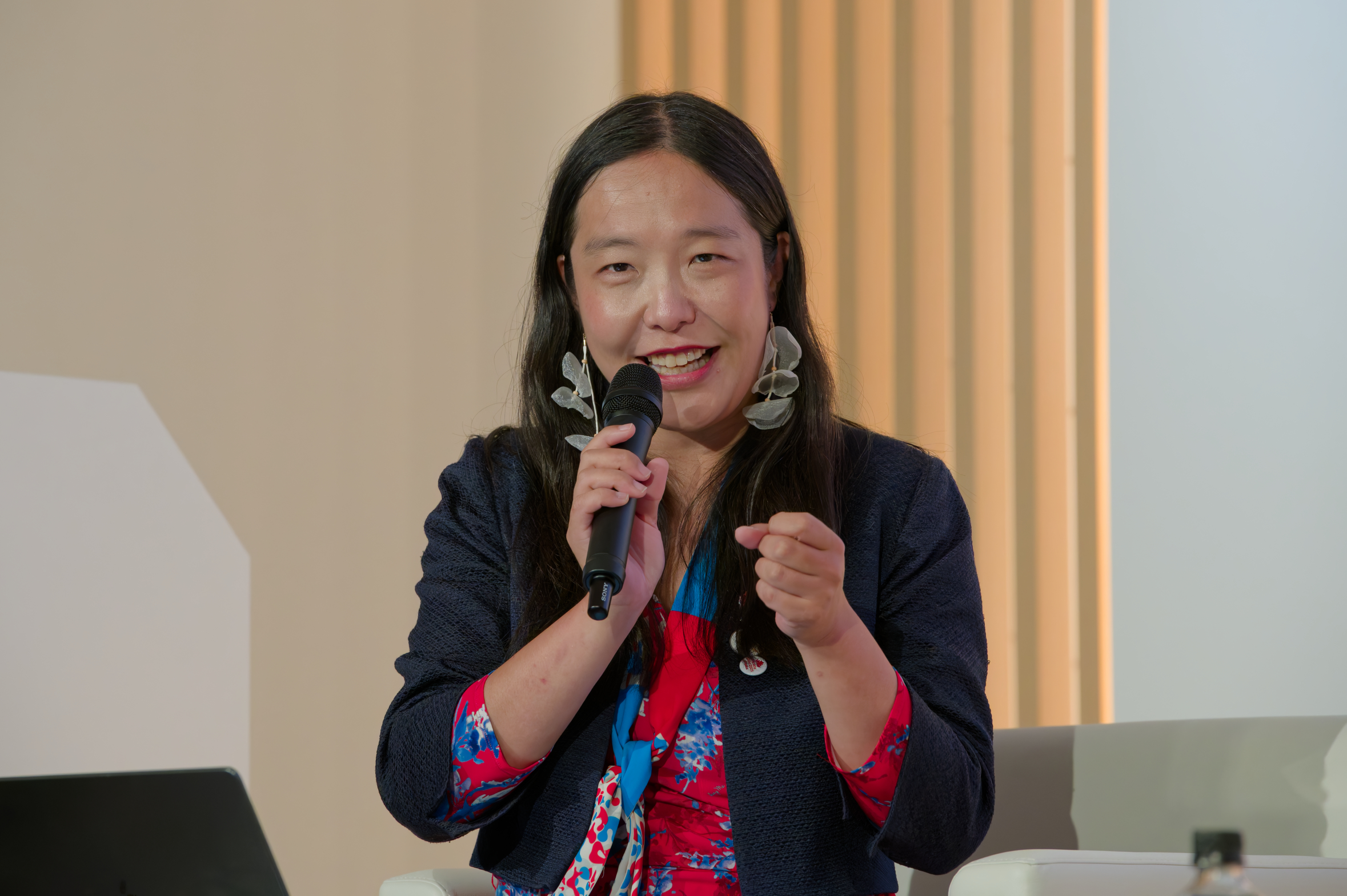
【Speaker Summary: NAKAJIMA Sachiko】
As moderator, Sachiko Nakajima guided the entire session,
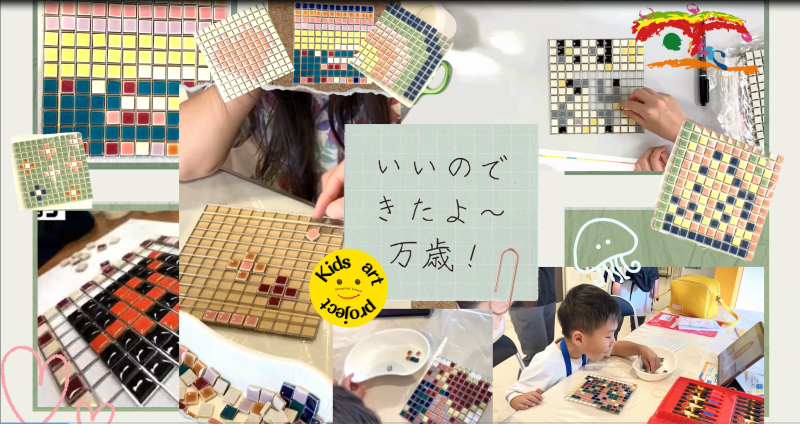
beginning by introducing her own initiative, “Playground of
Life: Jellyfish Pavilion” This space fosters collaborative
creation of artwork and workshops by people of all ages,
nationalities, and abilities, with many examples of
participants respecting and celebrating each other’s
individuality. Notably, children in hospitals or wheelchair
users can participate remotely through online tools or
avatars, creating connections that transcend physical
limitations. Nakajima emphasized the importance of STEAM
education, one education pedagogy that integrates science,
technology, engineering, and mathematics with art, stating
that it stimulates creativity across all age groups. She
highlighted the unique value of implementing STEAM in a
multicultural venue, such as the Expo, given its limited
penetration in Japan. She also touched upon minority
perspectives related to gender and underrepresented groups,
advocating for a shift from majority-centered societal
structures toward a diversity-based society where everyone is
considered a minority in some way. Citing UN recommendations
on Japan’s siloed structures in education and welfare, she
stressed the need for intentionally designed opportunities for
interaction. The Jellyfish Pavilion’s activities include high
school students and local children designing workshops based
on personal passions, connecting online with schools and
hospitals both domestically and internationally, efforts that
boost self-esteem and have positive ripple effects on
communities. In conclusion, she asserted that the future of
education and play depends not solely on systems and textbooks
but on creativity in practice and learner agency. To harness
diversity, she argued, we must adopt the perspective of
“transforming weakness into value,” expressing her hope that
this session would be a first step in that direction.
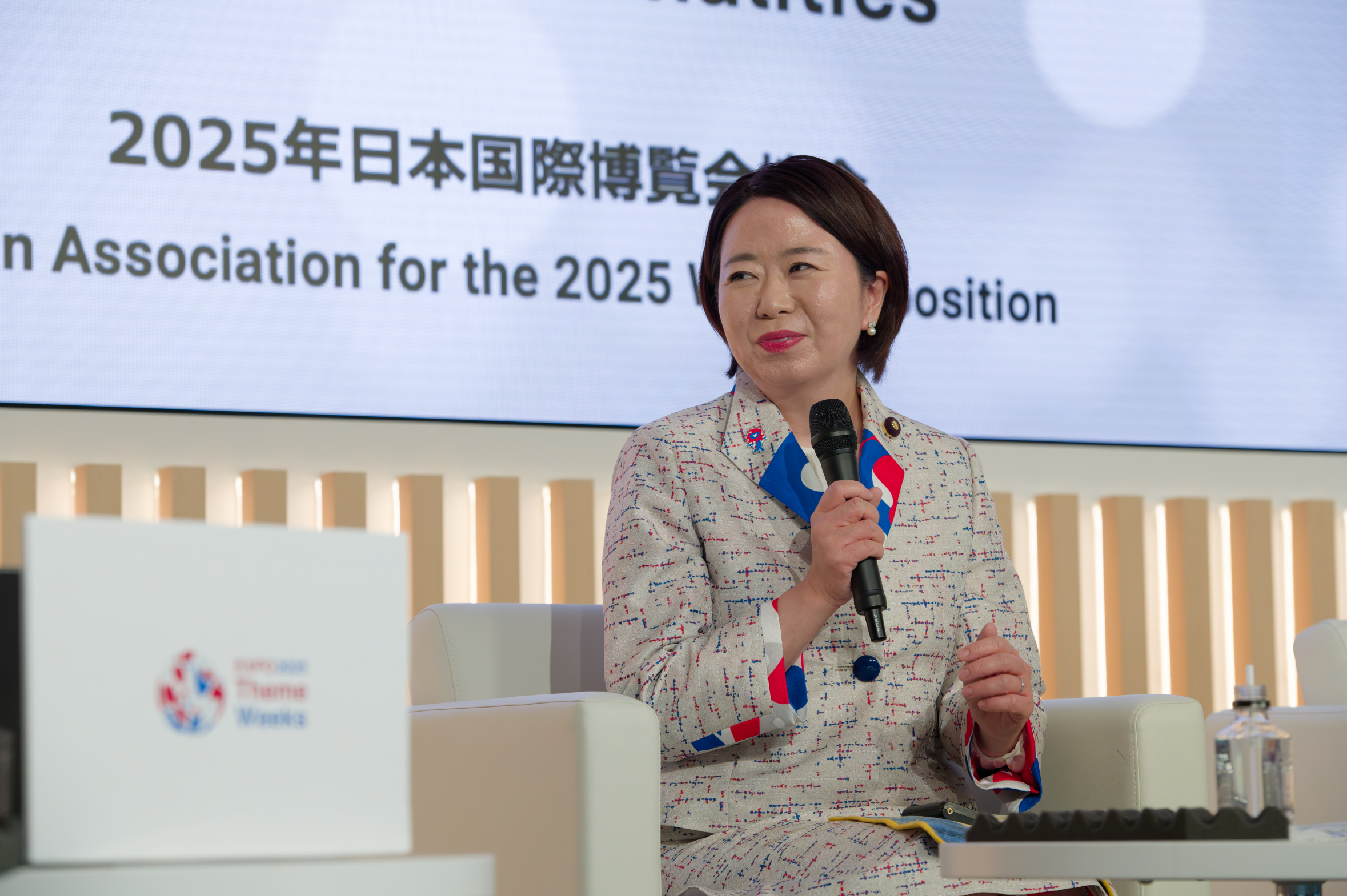
【Speaker Summary: JIMI Hanako】
Drawing on her background as both a pediatrician and a
policymaker, Hanako Jimi discussed the current state and
challenges of Japan’s child and family policy. She presented
troubling statistics: trends in child abuse fatalities,
poverty rates among single-parent households, and high suicide
rates among pregnant and postpartum women. She explained how
these issues are interlinked and collectively undermine the
well-being of children and families. To address such problems
comprehensively, the Children and Families Agency was
established. She described the legislative process and
organizational design, noting that the bipartisan Basic Act on
Children marked the first time the concept of
bio-psycho-social well being was explicitly included in a
policy document. This law also recognized the importance of
early attachment formation and sensory-based experiences as
part of national policy. She advocated for breaking down
barriers between education, welfare, and healthcare, stressing
the need for continuous support from pregnancy through
adulthood. Internationally, she cited the Nordic countries’
comprehensive childcare systems and flexible education models
that accommodate diverse family structures, offering ideas for
adaptation to Japan’s context. From her Expo experience at the
signature pavilions, she reflected on the importance of
creating safe environments where children with disabilities or
chronic illnesses can enjoy themselves, an experience that
fosters self-esteem and social participation for them and
their families. She concluded by applying her broad definition
of “children,” from 0 to 120 years old, to argue for a society
in which everyone can learn, play, and challenge themselves
throughout life. Achieving this, she emphasized, requires the
united efforts of politics, government, and citizens, and the
establishment of a culture that supports children of all
backgrounds.
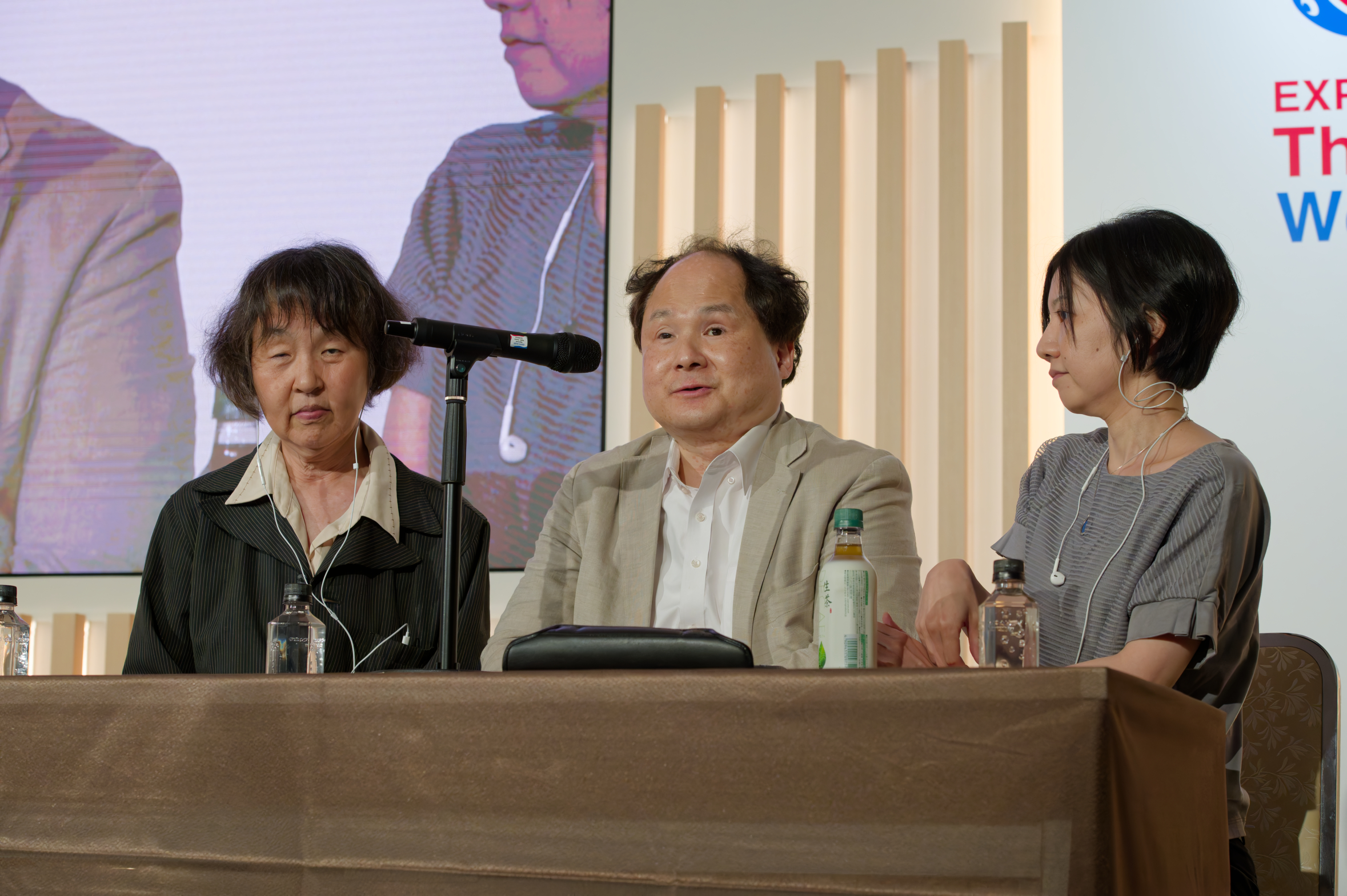
【Speaker Summary: FUKUSHIMA Satoshi】
Satoshi Fukushima, who lost his sight at age nine and his
hearing at eighteen, reflected on his experiences as a
deafblind person, stating that the essence of inclusive
learning and play lies in “communication grounded in rich
experiences.” He recounted that the most difficult aspect of
becoming deafblind was not the loss of sight or hearing
itself, but losing th casual interactions with people around
him. His mother’s invention of finger braille restored his
means of connecting with others, a testament to the
transformative potential of inventing and disseminating new
communication methods. Fukushima described a three-stage
process in which interpreters’ conversational and situation
explanational support expands social connections and liberates
individuals from isolation. In creating inclusive spaces, he
stressed the importance of the combination of the three pairs
following : individual and group,diversity and inclusion, and
learning and play.He introduced an activity he calls the
“transformation game,” in which participants list their
attributes and imagine themselves in different settings. This
playful exercise fosters understanding of other perspectives
and demonstrates the senselessness of discriminatioq and
prejujice. This activity, while being a form of play, also
leads to learning and provides participants with an
opportunity to experientially understand perspectives and
positions different from their own.
He underscored the need for not only physical accessibility
but also psychological safety and diverse communication
methods. With advances in ICT and AI enabling previously
difficult interactions, he advocated for integrating these
tools into educational and play environments as a means to
build an inclusive society.
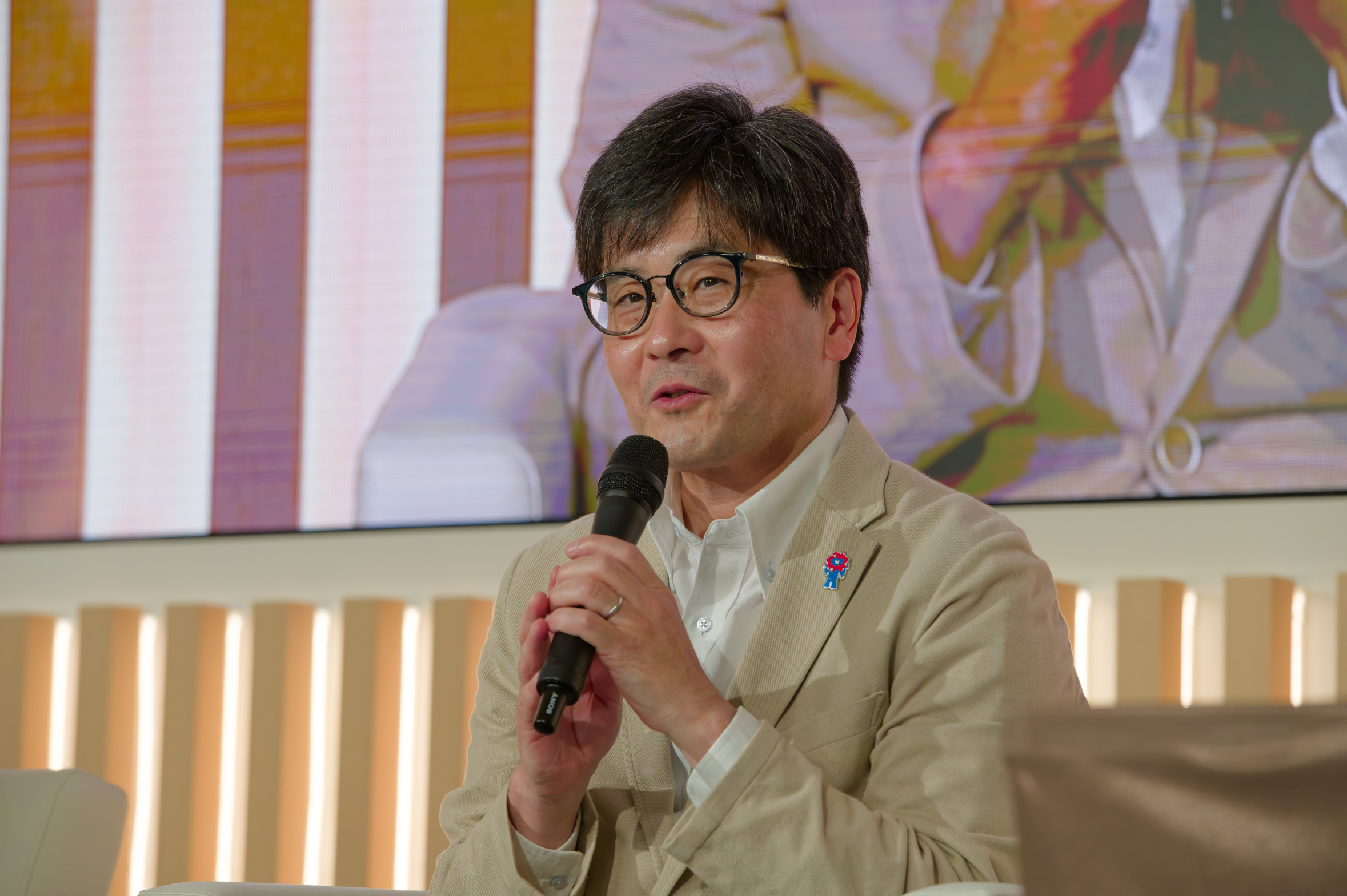
【Speaker Summary: GODA Tetsuo】
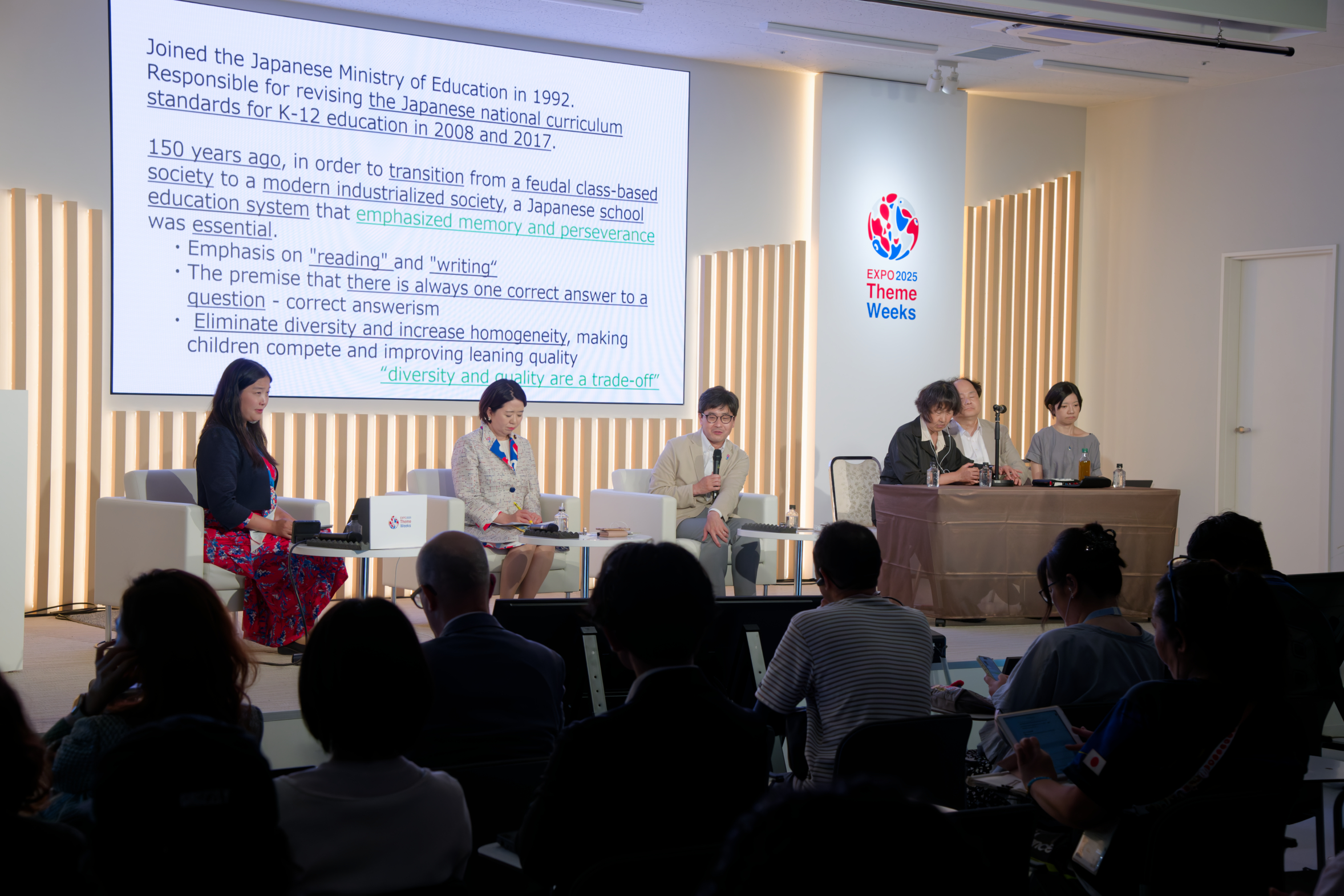
Tetsuo Goda focused his remarks on the relationship between
“diversity and quality” in Japanese education. Having joined
the Ministry of Education in 1992 and been involved in the
revisions of the national curriculum guidelines in 2008 and
2017, he reflected on the historical background of Japan’s
education system.
Some 150 years ago, in the course of modernization, Japan
established a school system that emphasized “memory and
perseverance,” reinforcing reading and writing skills, a
culture of single “correct answers,” and homogeneity that
fostered competition. This entrenched the idea that “diversity
and quality are in trade-off,” and learning came to be
regarded as “a training to give up what one likes, endure what
one dislikes, and raise the total score.”
However, the progress of digitalization has shifted social
structures from supply-side to demand-side, enabling
individuals to acquire high-quality information, create, and
disseminate ideas without depending on large organizations. In
this new era, innovation can arise regardless of age or
experience, and education must shift away from a focus on rote
memory toward valuing “inspiration” and “flexibility.” At the
same time, Goda cautioned that conspiracy theories and
misinformation on social media threaten democracy, making it
essential to relativize biases and reinterpret the concept of
“normal.”
In recent years, the Central Council for Education has also
debated this issue, and the transition toward “quality
premised on diversity” has become a major focus for the
upcoming revision of curriculum guidelines. Specific measures
include simplifying and restructuring the guidelines around
essential questions, expanding school-level discretion,
introducing performance assessments to evaluate creative
activities, reforming entrance examinations, and increasing
teaching staff. Yet, Goda emphasized, the greatest challenge
lies in citizens’ mindsets, and society must cultivate the
sensibility to appreciate diverse and unexpected ideas.
In conclusion, he cited the words of Katsuhito Iwai: “For 180
years, modern democracy has functioned in Japan, however
imperfectly. Without freedom, one cannot think. It was
precisely because there was freedom that even someone like me
was able to learn.” He emphasized that, with freedom as its
foundation, Japanese education is now shifting toward
diversity and quality.
【Discussion Summary(First Half)】
The first half of the discussion focused on challenges in
Japan’s educational and welfare systems. Nakajima stressed the
need for spatial design and curriculum development that
integrate learning and play, and for spaces where people of
diverse backgrounds can naturally interact. Jimi reaffirmed
the necessity of building a continuous support system from
pregnancy to adulthood, as envisioned by the Children and
Families Agency, and called for stronger legal and
institutional foundations to ensure safe learning and play for
children with disabilities and illnesses. Fukushima explained
how diversifying communication methods in inclusive
environments prevents isolation and promotes mutual
understanding. Goda emphasized institutional reform and shifts
in public consciousness to balance quality and diversity in
education, and the importance of fostering openness to
differing opinions.
【Speaker Summary: Maher Nasser】
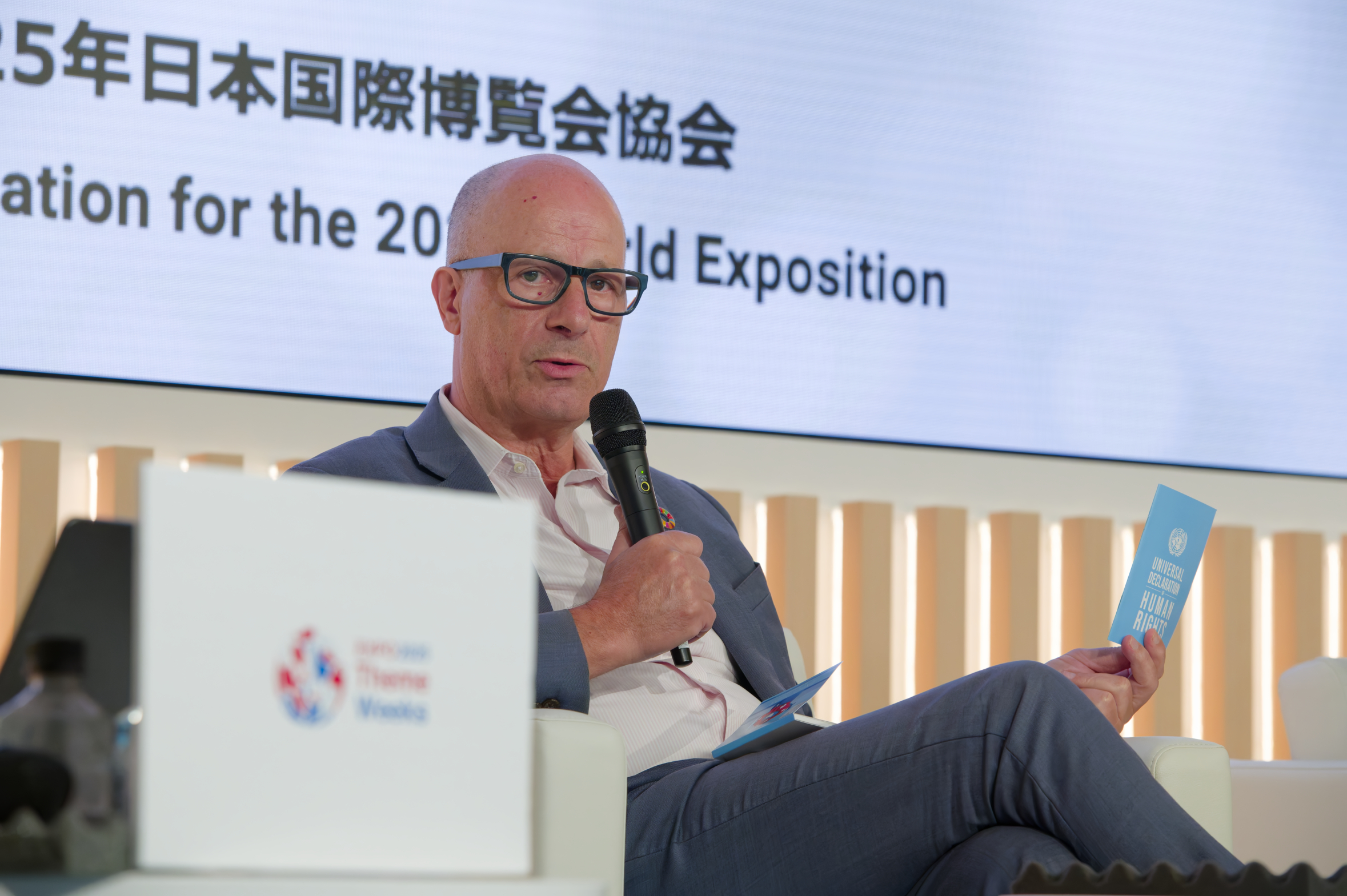
Drawing on decades of UN experience, Maher Nasser discussed
the global challenges related to diversity and inclusion. He
pointed out that conflicts, climate change, and widening
economic disparities worldwide seriously affect access to
education and cultural activities, issues that cannot be
solved by any single country or region alone. Within the UN’s
Sustainable Development Goals (SDGs), Goal 4 (Quality
Education) and Goal 16 (Peace, Justice, and Strong
Institutions) are foundational to harnessing diverse
personalities in learning and play. For children in conflict
zones or disaster-affected areas, flexible, locally adapted
support measures are essential. Nasser introduced the UN
Pavilion’s exhibitions and workshops themed on multicultural
coexistence, enabling visitors to engage directly with people
from different cultural backgrounds and share experiences and
values. He argued that diversity is not merely a collection of
differences but a resource that enhances a society’s
creativity and resilience, and recommended educational
programs that promote intercultural understanding and
interdisciplinary collaboration. He also spoke of the
potential of digital technology to create learning networks
that transcend geographic and physical barriers, sharing
examples of online exchanges and collaborative projects. He
concluded by describing the Expo as a “living classroom,”
where diverse personalities intersect and new collaborations
emerge, and stressed that sustaining these connections is
essential for building a peaceful, just future.
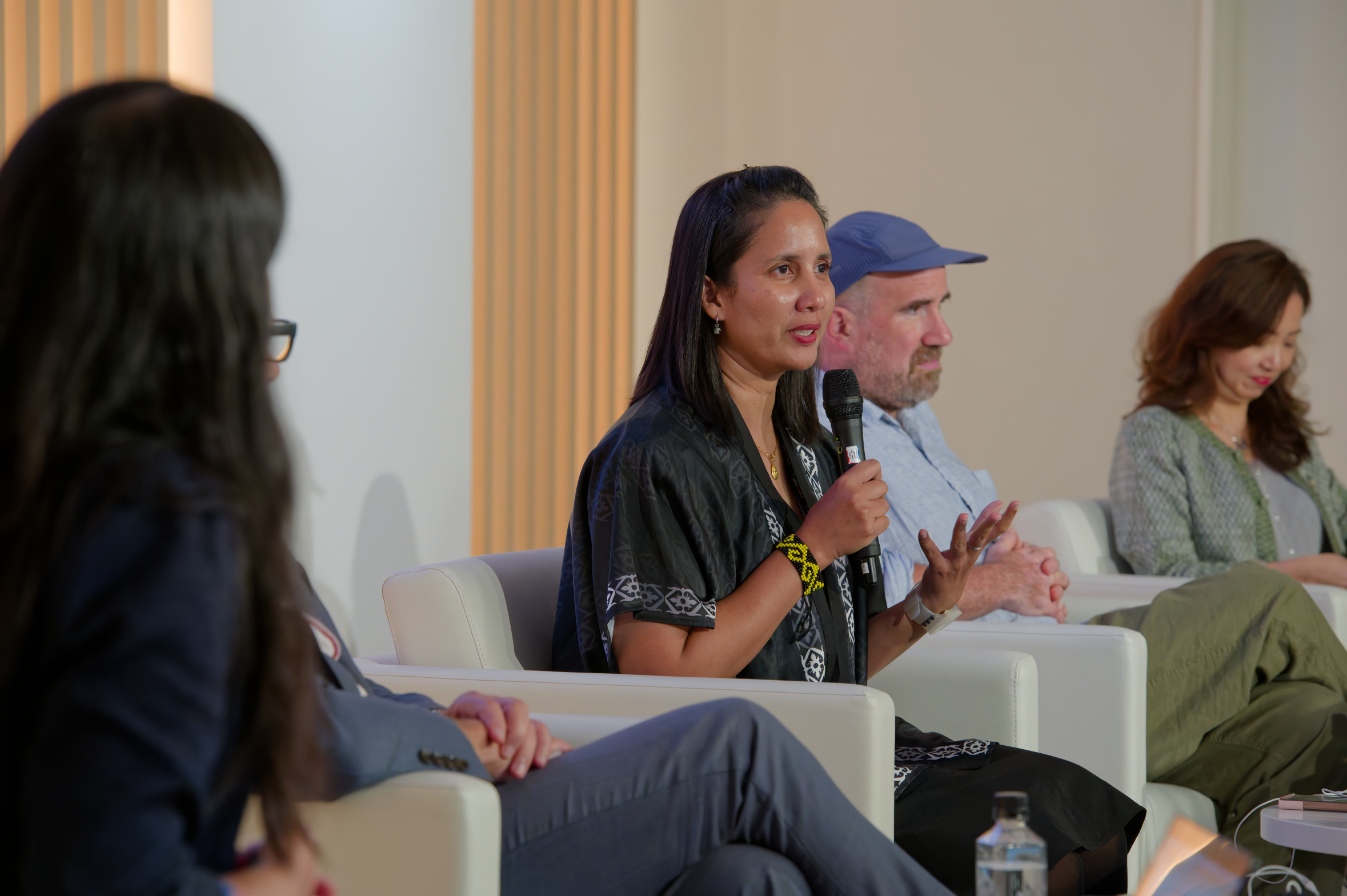
【Speaker Summary: Anuthra Sirisena】
As President of the Tenom Innovation Center (TIC) in Malaysia,
Anuthra Sirisena discussed identifying and nurturing diverse
talents in local communities and promoting sustainable social
change. She cautioned that overly standardized and
unidirectional education suppresses children’s innate
creativity and curiosity, advocating for learning spaces
designed with flexibility and diversity. At TIC, children and
youth are offered programs combining STEM education with art
and design thinking, fostering critical thinking,
problem-solving, and collaboration skills. By linking with
local industries such as agriculture, crafts, and tourism,
they connect education directly to real-world applications,
contributing to regional economic revitalization. She also
described initiatives providing scholarships and mentoring to
women, persons with disabilities, and economically
disadvantaged youth, ensuring inclusive access to education
and vocational training. Internationally, TIC partners with
educational institutions and companies abroad, enabling
participants to build cross-cultural communication and
adaptability. She integrates perspectives on climate change
and environmental protection into education, encouraging young
generations to engage in sustainable development using local
resources. She concluded that international platforms like the
Expo amplify local voices to the world, enabling people of
diverse personalities and backgrounds to learn from one
another and co-create the future, a vision achievable only
through cooperation among educators, governments, businesses,
and civil society.
【Speaker Summary: Zach Lieberman】
Zach Lieberman, artist and MIT Media Lab professor, spoke on
new possibilities for learning and play through the fusion of
art and technology. He stressed creating environments where
people can express themselves through their bodies and
movements via interactive art and digital installations. By
using multisensory interfaces, incorporating not only sight
and hearing but also touch and motion, creative experiences
become accessible regardless of age or ability. His projects
allow children to instantly animate their own drawings and
project them onto walls or screens, giving them the thrill of
seeing their ideas come to life. These activities go beyond
entertainment, fostering skills such as programming, design
thinking, and problem-solving. Lieberman advocated for STEAM
education that transcends conventional subject boundaries,
cultivating creativity and critical thinking. He introduced
collaborative projects where children with disabilities and
learners from different cultural backgrounds create works
together, noting their power to promote social inclusion. He
also highlighted the importance of open-source tools and
platforms that allow people worldwide to share ideas and
develop works collaboratively. Finally, he described the Expo
as a testing ground for creativity across diverse backgrounds,
where dialogue and collaboration can serve as a source for
shaping future education and culture, and emphasized the
importance of offering the joy of creation openly to all.
【Speaker Summary: Soohyun Kim】
As Regional Director of the UNESCO Regional Office in Bangkok
Office and the UN Coordination Office for Asia and the
Pacific, Soohyun Kim discussed the importance of international
cooperation and inclusion in education and culture. She noted
that while the Asia-Pacific region’s diversity is a source of
cultural richness, it also entails challenges, such as
disparities in access to quality education, including due to
gender inequality, and urban–rural opportunity gaps. In the
context of rapid digitalization, ICT-enabled online and hybrid
learning has opened new possibilities, yet unequal access to
internet connectivity and devices has also created new
disparities. Addressing these requires collaboration among
governments, international organizations, and local
communities to ensure education for all, leaving no one
behind. She also underscored the importance of promoting
girls’ education, securing learning opportunities for persons
with disabilities and ethnic minority groups, and developing
curricula that respect linguistic and cultural diversity. Ms.
Kim highlighted UNESCO’s work on Global Citizenship Education
and Education for Sustainable Development (ESD), which
cultivate learners’ competencies to engage with global
challenges and collaborate in multicultural settings. She
discussed emergency measures for ensuring education continuity
during disasters and conflicts, and community-led learning
initiatives that use local cultural resources. Kim concluded
that international events like the Expo offer invaluable
opportunities for people from diverse countries and regions to
share knowledge and experiences and deepen mutual
understanding. By channeling the networks and learnings gained
into national education policies and local projects, she
argued, we can advance toward a more inclusive and sustainable
society.
【Discussion Summary(Second Half)】
The second half of the discussion focused on international
perspectives and practical examples in local communities:
Nasser introduced examples showing how shared international
experiences deepen intercultural understanding and contribute
to peacebuilding, proposing expansion of cross-border
education and cultural exchange programs. Sirisena highlighted
the impact of programs integrating education, play, and
innovation using local resources, underscoring their potential
contribution to sustainable community development. Lieberman
demonstrated the power of art to transcend boundaries and
spoke of fostering a culture of respect for diversity through
creativity. Kim stressed that promoting cultural diversity and
international cooperation is key to achieving the SDGs and
called for collaborative approaches to shared global
challenges. In conclusion, participants agreed that respecting
diversity through play and learning requires a three pronged
approach integrating systems, practice, and culture.
Cast
Moderator
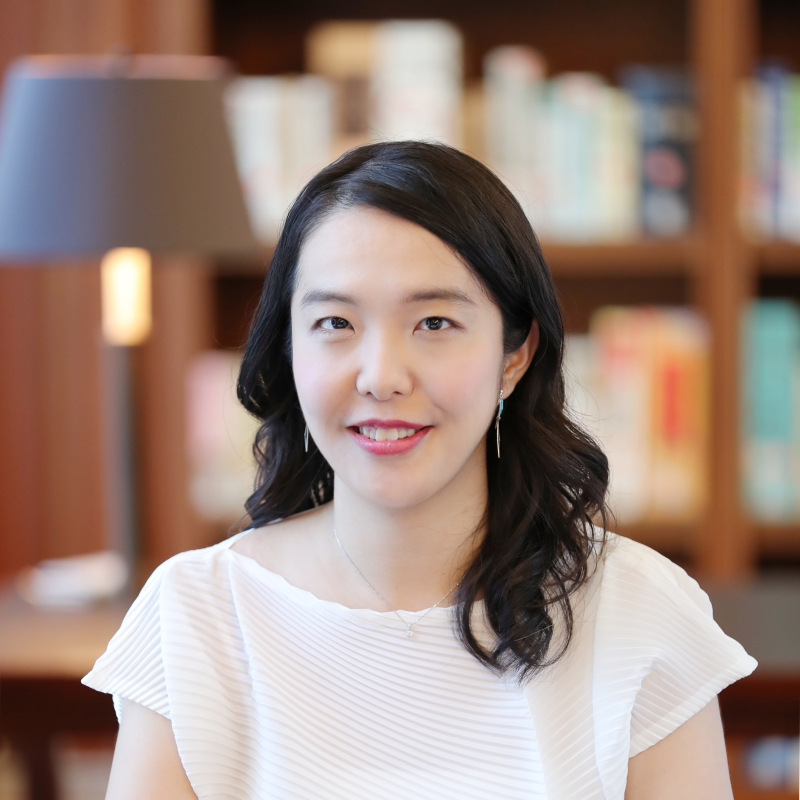
Sachiko Nakajima
Thematic Project "Invigorating Lives" (Japan Association for the 2025 World Exposition)
Sachiko Nakajima is a musician, a mathematics researcher, and a STEAM Educator. She is also CEO of steAm, Inc., and a thematic project producer of Expo 2025, Osaka, Kansai, Japan. She also serves as a STEM Girls Ambassador, Cabinet Office. She won the gold medal as the first Japanese woman in the International Mathematical Olympiad. She passionately conducts research on art and technology as well as music, mathematics, and education.
View Profile
Close
close
Speakers
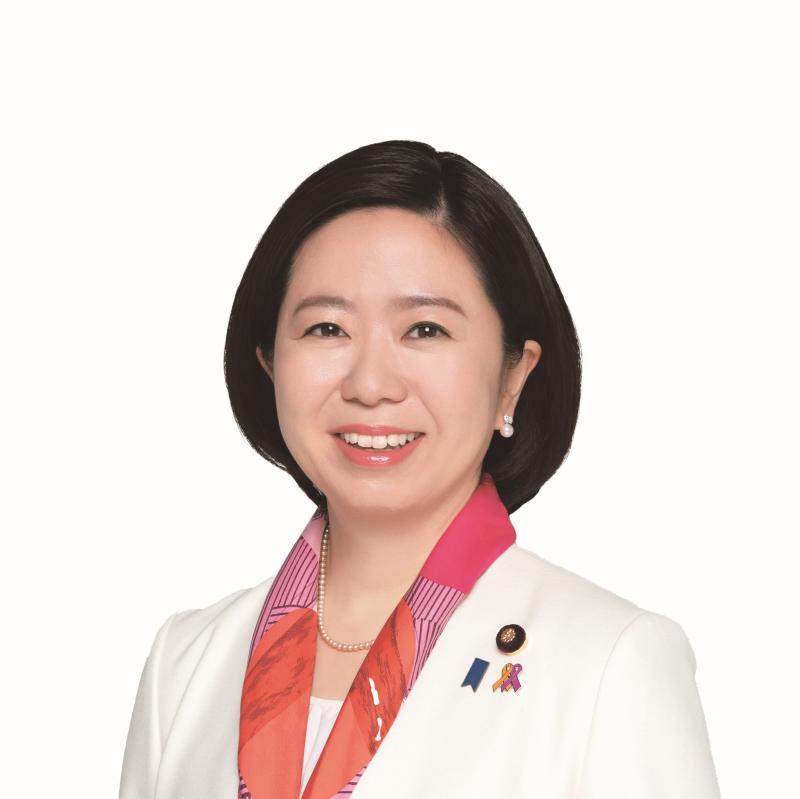
Hanako Jimi
Former Cabinet Office Minister of State for Special Missions, Member of the House of Councillors, Medical Doctor
Born in Sasebo City, Nagasaki Prefecture, and raised in Kitakyushu City, Fukuoka Prefecture. Graduated from College of International Studies, University of Tsukuba in 1998 and from Tokai University School of Medicine in 2004. Worked as a paediatrician at the University of Tokyo Hospital and Toranomon Hospital. First elected to the House of Councillors in 2016, appointed Parliamentary Vice-Minister of Health, Labour and Welfare in 2019, re-elected to the House of Councillors in 2022, and served as Parliamentary Vice-Minister of the Cabinet Office. In 2023, served as Minister of State for Okinawa and Northern Territories Affairs, Consumer Affairs and Food Safety, Regional Revitalisation, Ainu-Related Policies, and the World Expo 2025. Her hobbies include marathon running, reading, travelling, and visiting shrines and temples. Qualifications include board-certified paediatrician, board-certified internist, and disaster prevention specialist.
View Profile
Close
close
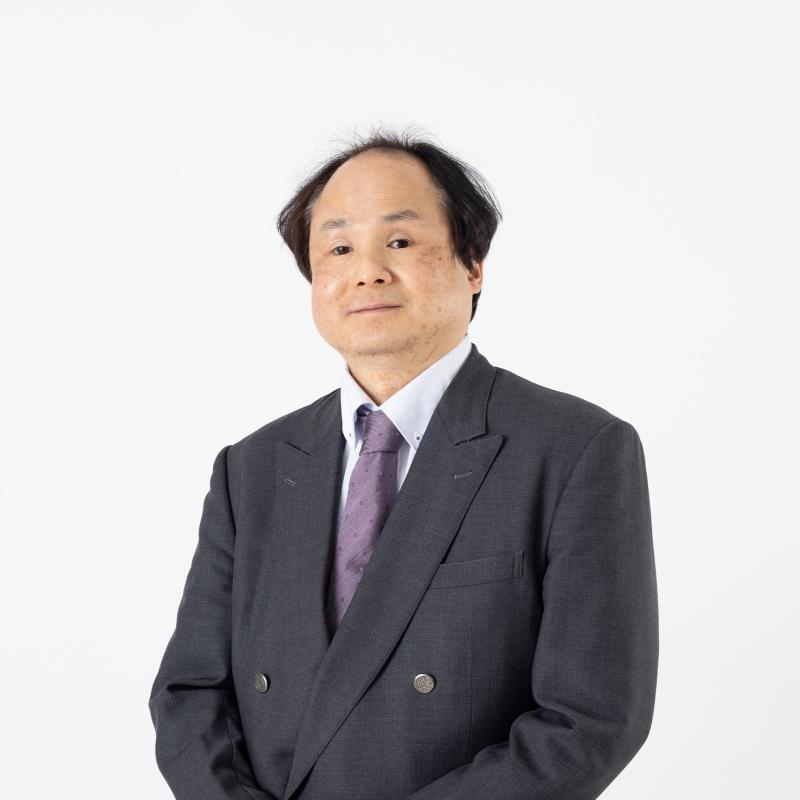
Satoshi Fukushima
Research Center for Advanced Science and Technology, The University of Tokyo Interdisciplinary Barrier-Free Study Project Professor
Born December 25, 1962 in Kobe, Japan, he became blind at age 9, deaf at age 18, and totally deafblind. In 1983, he entered Tokyo Metropolitan University. He was the first deafblind person in Japan to enter a university. After completing a doctoral course at the same university, he worked as an assistant lecturer at the same university and as an associate professor (education of children with disabilities) at the Faculty of Education, Kanazawa University, before becoming an associate professor at the Research Center for Advanced Science and Technology, The University of Tokyo in 2001, a professor at the same center from 2008, and a project professor there from 2023. He has served as a board member of the Japan Deafblind Association since 1991. He has been the Asian Regional Representative of the World Federation of the Deafblind since 2001. D. (PhD.). Books “the Deafblind and Normalization” Akashi Shoten 1997 “Life is Communication with Others” Sobokusha 2010 “Living Deafblind” Akashi Shoten 2011 “My Life is Words” Chichi-Shuppansha 2015 “Words are Light” Doyusha 2016, etc.
View Profile
Close
close
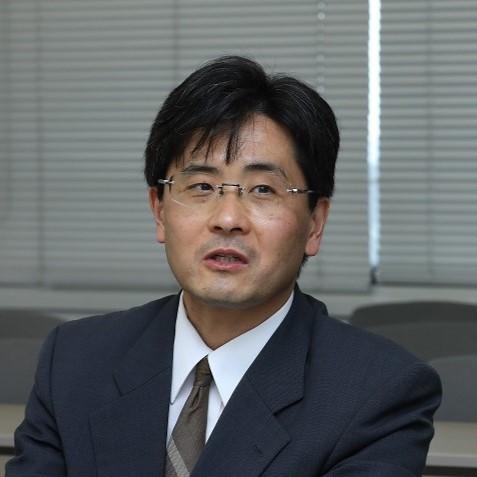
Tetsuo Goda
Deputy Commissioner, Agecy for Cultural Affairs, JAPAN
Raised in Kurashiki. Joined the former Ministry of Education in 1992. Previously held positions including Director of the High School Education Division at the Fukuoka Prefectural Board of Education, NSF (National Science Foundation) Visiting Fellow, Director of the Curriculum Division and Director of the Finance Division at the Ministry of Education, Culture, Sports, Science and Technology's Elementary and Secondary School Bureau, and Counselor at the Cabinet Office before assuming his current position. Twice in charge of revising the Japanese National Curriculum Standards for K-12 Education, and served as President of the Public Elementary and Secondary School PTA for six years. His solo works include "How to Read and Utilize the the Japanese National Curriculum Standards for K-12 Education," and co-authored works include "The Future of Schools Starts Here" and "Challenge to Inquiry Mode."
View Profile
Close
close
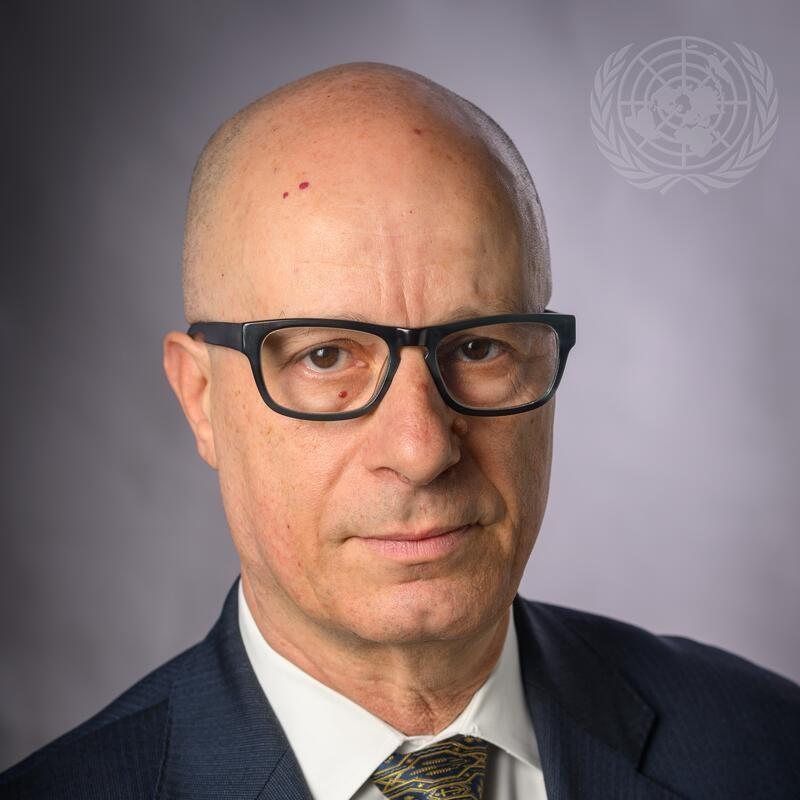
Maher Nasser
Assistant Secretary-General and Commissioner-General of the United Nations at Expo 2025 in Osaka, Kansai, Japan
Maher Nasser has over 37 years of work experience in
the United Nations System during which he has worked
in Amman, Cairo, Dubai, Gaza, New York and Vienna. As
the Director of Outreach in the United Nations
Department of Global Communications, Maher leads the
Department’s engagement with academia, advertising
industry, civil society, creative community,
libraries, sports and football. The Outreach Division
that he leads manages public engagement through UN
Publications, visitor services, exhibits and guided
tours at the UN HQ in New York as well as key
observances on select and high-profile mandates from
the United Nations General Assembly such as the
Outreach Programmes on the Transatlantic Slave Trade
and Slavery and the Holocaust.
In addition to serving three times as Acting
Under-Secretary-General for Global Communications
since 2012, Mr. Nasser led the successful United
Nations presence at Expo 2020 in Dubai as
Commissioner-General of the United Nations at Expo
2020. In February 2024, United Nations
Secretary-General designated Mr. Nasser as the
Commissioner-General of the United Nations at Expo
2025 in Osaka, Kansai, Japan.
Maher graduated with B.Sc. in Civil Engineering from
Birzeit University in Palestine in 1986 and obtained a
Post Graduate Diploma in Business Administration from
Warwick University in the United Kingdom in 2004. For
a life and work dedicated to and advocacy for human
rights and sustainability, Maher was awarded an
Honorary Doctorate by De Montfort University in the
United Kingdom in 2024.
Maher Nasser is an avid reader who enjoys cooking and
is a reluctant runner, who managed to complete the New
York City Marathon three times in 2015, 2016 and 2017.
Maher is married and has three grown children.
View Profile
Close
close
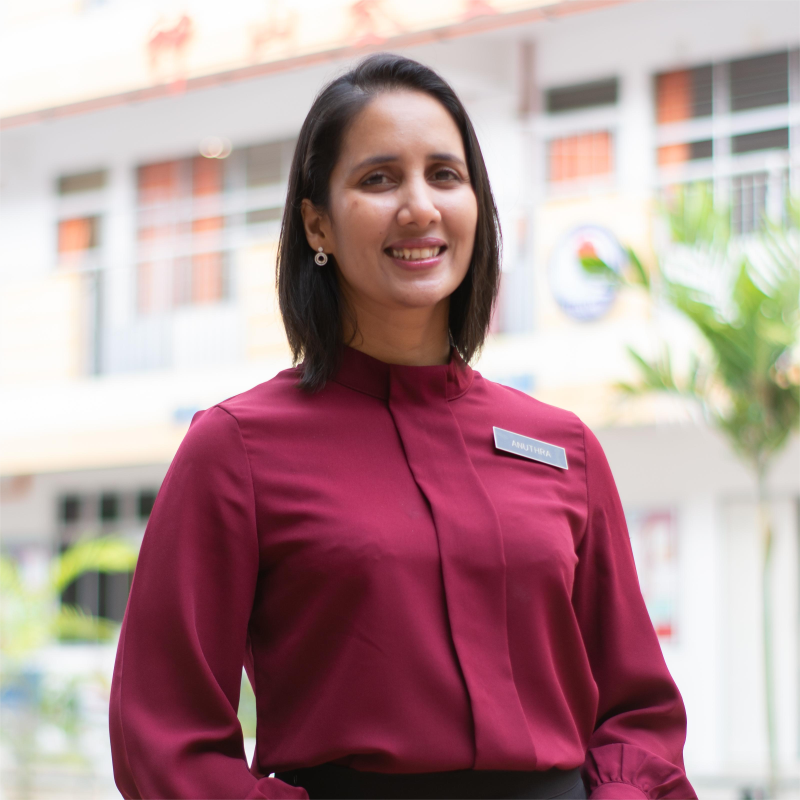
Anuthra Sirisena
President, Tenom Innovation Center (TIC)
Cikgu Anuthra is the Malaysia Teacher Prize 2022 winner from Tenom, Sabah, Malaysia. She transformed her students' learning through gamification and innovations, leading to one of the top Chemistry results in the state of Sabah. As founder of Tenom Innovation Centre (TIC), she trains thousands in coding and robotics and has expanded to over 12 new makers-hubs in Malaysia.
View Profile
Close
close

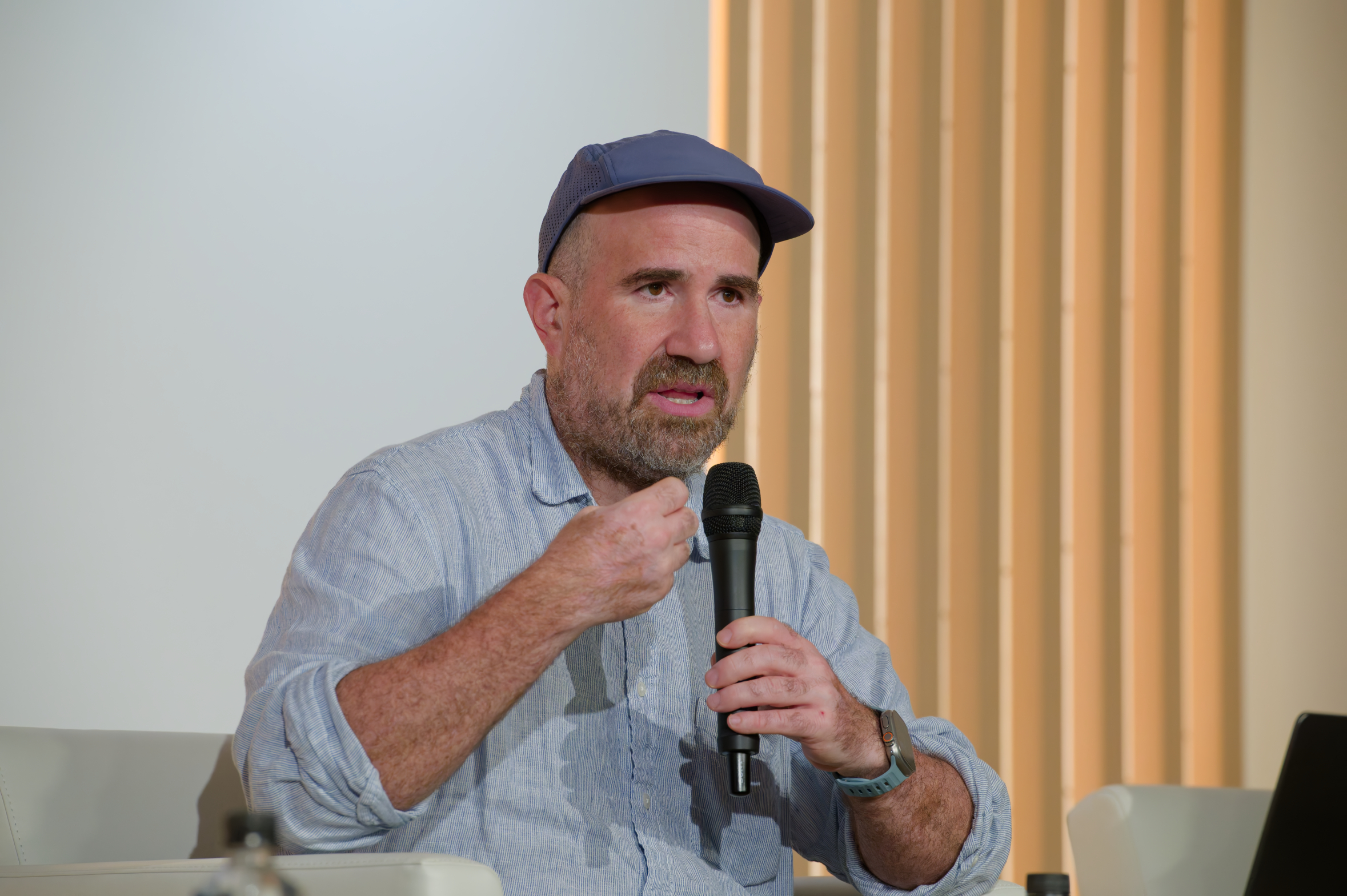
Zach Lieberman
Artist and Professor, MIT Media Lab
Zach Lieberman is an artist and researcher working with generative and interactive systems. Based in New York, he's best known for co-creating openFrameworks, an open-source C++ toolkit for creative coding, and co-founding the School for Poetic Computation. Lieberman creates installations that transform human gestures into playful digital experiences, earning recognition including the Golden Nica from Ars Electronica and features in Time Magazine's Best Inventions. He currently leads the Future Sketches research group at MIT Media Lab, continuing his exploration of code as a medium for poetic expression.
View Profile
Close
close
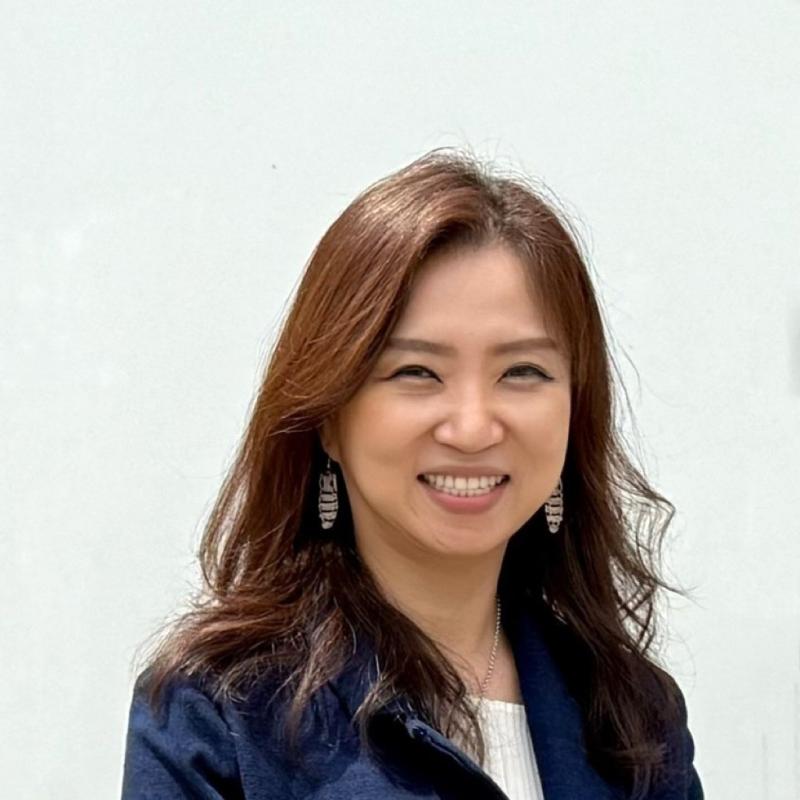
Soohyun KIM
Regional Director/UNESCO Regional Office in Bangkok and Office for UN Coordination for Asia and the Pacific
Ms Soohyun Kim assumed the position of Regional
Director of the UNESCO Regional Office in Bangkok and
Representative to Thailand, Myanmar, Lao People’s
Democratic Republic and Singapore on 1 October
2023.
With nearly 25 years of dedicated service within the
United Nations and Foreign Service, Ms Kim brings a
wealth of experience in development, political and
humanitarian affairs and women’s and children’s rights
advocacy.
Prior to joining UNESCO, she held various managerial
and professional positions across the UN system. Most
recently, she spearheaded UNFPA’s engagement in the
UN’s intergovernmental forums and inter-agency
coordination in New York. Her previous positions
include senior advisor, leading UNICEF’s global
partnership with the World Bank and IFIs, and head of
UNICEF office in Seoul, Korea. Before this, she led UN
OCHA’s coordination and partnership efforts at the
Regional Office for the Syria Crisis based in Amman,
Jordan. From 2010 to 2014, she worked as policy
specialist in UNDP’s Bureau of External Relations and
Advocacy and the Executive Office of the
Administrator.
Ms Kim began her diplomatic career at the Korean
Ministry of Foreign Affairs, where she held various
positions, including Advisor to Deputy Foreign
Minister for Global Affairs, Deputy Director for UN
affairs, Assistant Director in Middle East and Africa
Bureau and International Economics Bureau and senior
officer in Human Rights and Social Affairs Division
and Eastern Europe Division. She was also seconded to
the Light Water Reactor Project Office of the Korean
Peninsula Energy Development Organization (KEDO).
Ms Kim holds a Master’s degree in International
Relations from Yale University, United States, and a
Bachelor’s degree in Political Science and
International Affairs from Yonsei University, Republic
of Korea.
View Profile
Close
close
Learning and Playing Week
Harnessing the strengths of diverse personalities
The programme, together with the General Sponsors, explores: 'How will learning change in response to diversity, including diverse values, generations, races, genders, disabilities, and more?'
-
2025.07.28[Mon]
17:00~19:30
(Venue Open 16:30)
- Theme Weeks Studio
OTHER PROGRAM
Learning and Playing Week