Learning and Playing Week
What would Liberal Arts education in the world look like
after 25 years? The future of learning
Agenda 2025 Co-created Programme
Shape New World Initiative
【Hypothesis of the future in 2050】
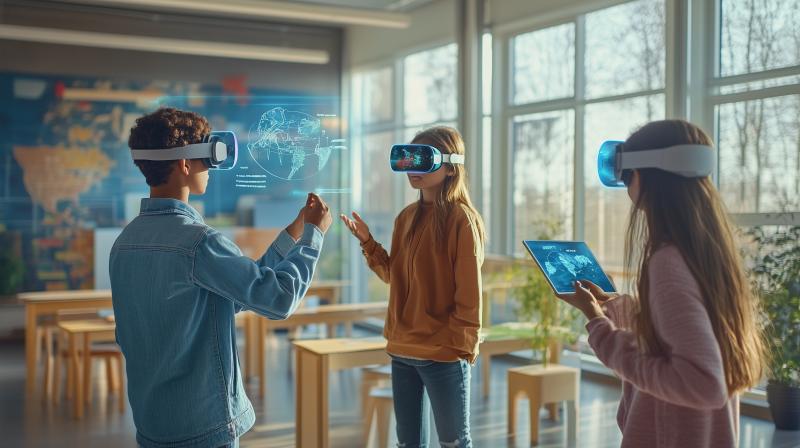
Similar to how digital and analog worlds are merging, a
future where boundaries between learning and play have
dissolved.
Join us for an enlightening panel discussion on "What
would Liberal Arts education in the world look like after 25
years?," where we will explore how liberal arts
education will change or remain similar in the future by
delving into the diverse approaches, benefits, and
challenges of liberal arts education across different
cultures and regions. This event brings together esteemed
educators, scholars, and thought leaders from various
countries who will share their insights and experiences.
There will also be an interactive quiz with prizes!
Recorded video available
Discussion
- Lifelong learning
- EDTEC
- Educational inequality
| Transmission of simultaneous interpretation | Provided |
|---|---|
| Language of interpretation | Japanese and English |
-

Agenda2025
Co-created Programme
-
Time and
Date of
the event -
-
2025.07.26[Sat]
10:30 ~ 12:30
(Venue Open 10:00)
-
- Venue
- Theme Weeks Studio
Programme details
*Subtitles: Choose “Subtitles/CC” in the “Settings” (gear
icon) at the bottom right of the YouTube video.
*Subtitles may not show with multiple languages or overlapping
audio.
In this program, we will discuss how liberal arts education
will evolve in the world 25 years from now from a global
perspective. Liberal arts education is a style of education
that fosters broad knowledge and critical thinking across
diverse academic disciplines, and there are many aspects of
liberal arts education that differ from the Japanese
educational system. Youths from around the world will discuss
the characteristics and challenges of liberal arts education
in their respective countries - drawing out commonalities and
issues, and thinking about the future of education in the
realm of technological development and greater globalization.
At the end of the program, there will be an interactive quiz
with a chance to win prizes! This is a valuable opportunity
for those interested in liberal arts education to think about
the future of liberal arts education. We look forward to
seeing you there!
Reports
【Reflection】
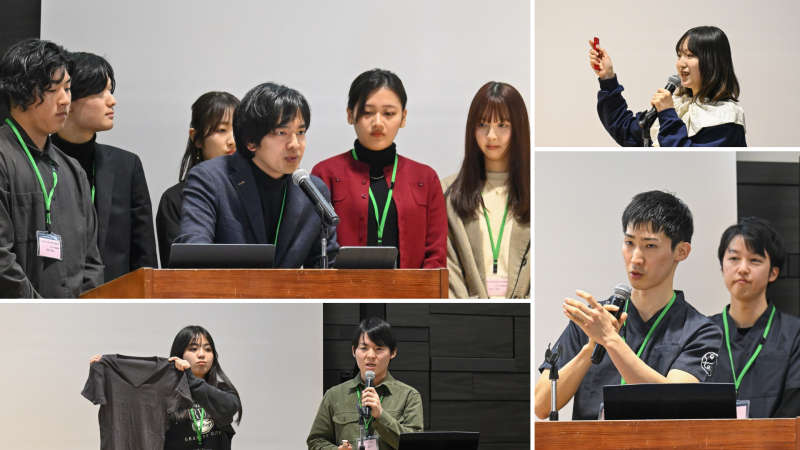
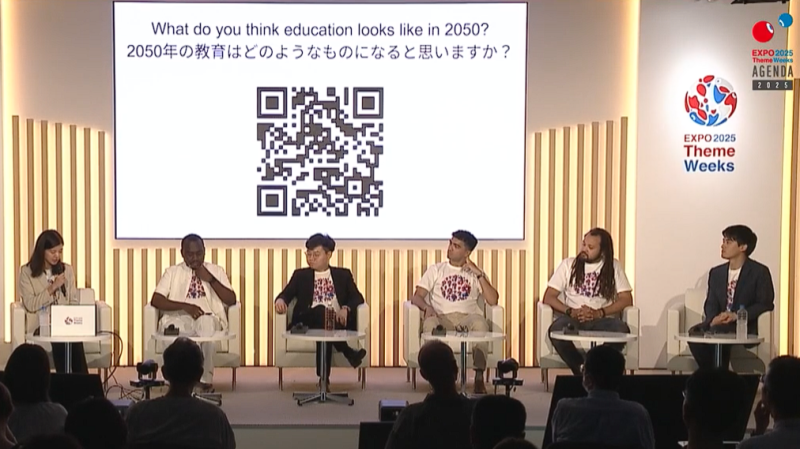
The dialogue programme offered a rare and valuable opportunity
to gather young leaders and experts from diverse countries and
backgrounds to discuss the possible future of liberal arts
education in 2050.
Liberal arts education originates from the concept of “the
learning that liberates humanity”. It is an education that
cultivates knowledge across broad fields such as the
humanities, social sciences, and natural sciences, and the
ability to integrate this knowledge to view matters from
multiple angles and think critically. It aims not merely at
acquiring specialised knowledge, but at nurturing
comprehensive human capabilities—such as logical thinking,
ethical judgement, expressive skills, and dialogue
abilities—to cultivate individuals who can act on their own
judgement within today's rapidly changing society.
The exchanges revealed a broad consensus that the role of
education goes far beyond the acquisition of knowledge and
technical skills: rather, education should equip learners with
adaptability, resilience, critical thinking, and the capacity
to engage in democratic processes and social contribution.
Participants shared concrete perspectives from their own
contexts. Mr Derick Omari highlighted how accessibility and
inclusive design can enable learners with disabilities to
participate equally, emphasising the potential of
community-based learning hubs in Africa. Mr Yi Jun Mock
stressed the importance of integrating career guidance into
formal education so that all young people, regardless of
socio-economic background, can access opportunities. Mr Toshin
Sequeira drew attention to how governments can embed
experiential and phenomenon-based learning in curricula,
citing Finnish reforms as a reference point. Mr Jeremy Raguain
illustrated how climate change and environmental challenges
must be mainstreamed into education systems, with experiential
and intergenerational learning playing a central role. Mayor
Ryosuke Takashima emphasised the civic role of schools as
spaces for democratic practice and social cohesion, arguing
that education should nurture active and compassionate
citizens.
Through these diverse insights, the session shed light on both
universal challenges and locally specific approaches. It
became evident that liberal arts education in the future must
be reframed as lifelong learning, blurring the boundaries
between formal schooling, community practice, and the
workplace. The discussions also underscored the need to
balance technological progress—including the use of generative
AI—with the preservation of human connection, empathy, and
storytelling.
Overall, the programme demonstrated the effectiveness of
convening cross-cultural dialogues. It fostered empathy and
mutual understanding while also producing tangible ideas for
policy, curriculum, and community initiatives. The lively
participation of both on-site and online audiences, including
through interactive quizzes, further underlined the value of
integrating play with learning. The session succeeded not only
in deepening awareness of future educational challenges, but
also in motivating participants to see themselves as
co-creators of solutions.
【Post EXPO Initiatives】
Following the programme, the organisers and participants
shared a strong determination to continue the momentum
generated by the dialogue. Several concrete directions emerged
for post-EXPO initiatives.
First, there was agreement on building a sustainable
international network to exchange educational practices across
borders. This includes further collaboration between
organisations such as Advisory Singapore, the Tony Blair
Institute for Global Change, and grassroots initiatives in
Africa and island states. By creating a platform for
continuous dialogue, these actors aim to ensure that lessons
shared in the programme are not limited to a one-off
discussion.
Second, participants highlighted the importance of embedding
inclusivity and accessibility into every level of education.
Inspired by Mr Omari’s experience, efforts will focus on
promoting community-based learning models that support both
young learners and adults with diverse needs. In Japan, Mayor
Takashima expressed interest in transforming local schools
into hubs for lifelong learning, open to older generations as
well as children, thereby fostering intergenerational
exchange.
Third, the programme reinforced the necessity of integrating
environmental and social challenges into curricula. Mr
Raguain’s call to mainstream climate change education will be
taken forward through pilot projects, aiming to link local
communities with global issues. Similarly, Mr Sequeira’s
examples of phenomenon-based learning have encouraged
participants to explore curriculum reforms that cut across
traditional disciplines.
Finally, there was a shared recognition that technology,
particularly generative AI, should be leveraged to expand
access and personalise learning while ensuring that the human
elements of mentorship, empathy, and collaboration remain
central. To this end, follow-up workshops and joint research
projects are being planned to test hybrid models of digital
and community learning.
In sum, the post-EXPO initiatives will focus on transforming
the spirit of the dialogue into concrete practices: creating
cross-border networks, embedding inclusivity, mainstreaming
global challenges into education, and responsibly integrating
technology. The ambition is not only to respond to the
questions raised in the dialogue, but to translate them into
systemic change that will shape the future of liberal arts
education worldwide.
*Part or all of this report was generated by AI.
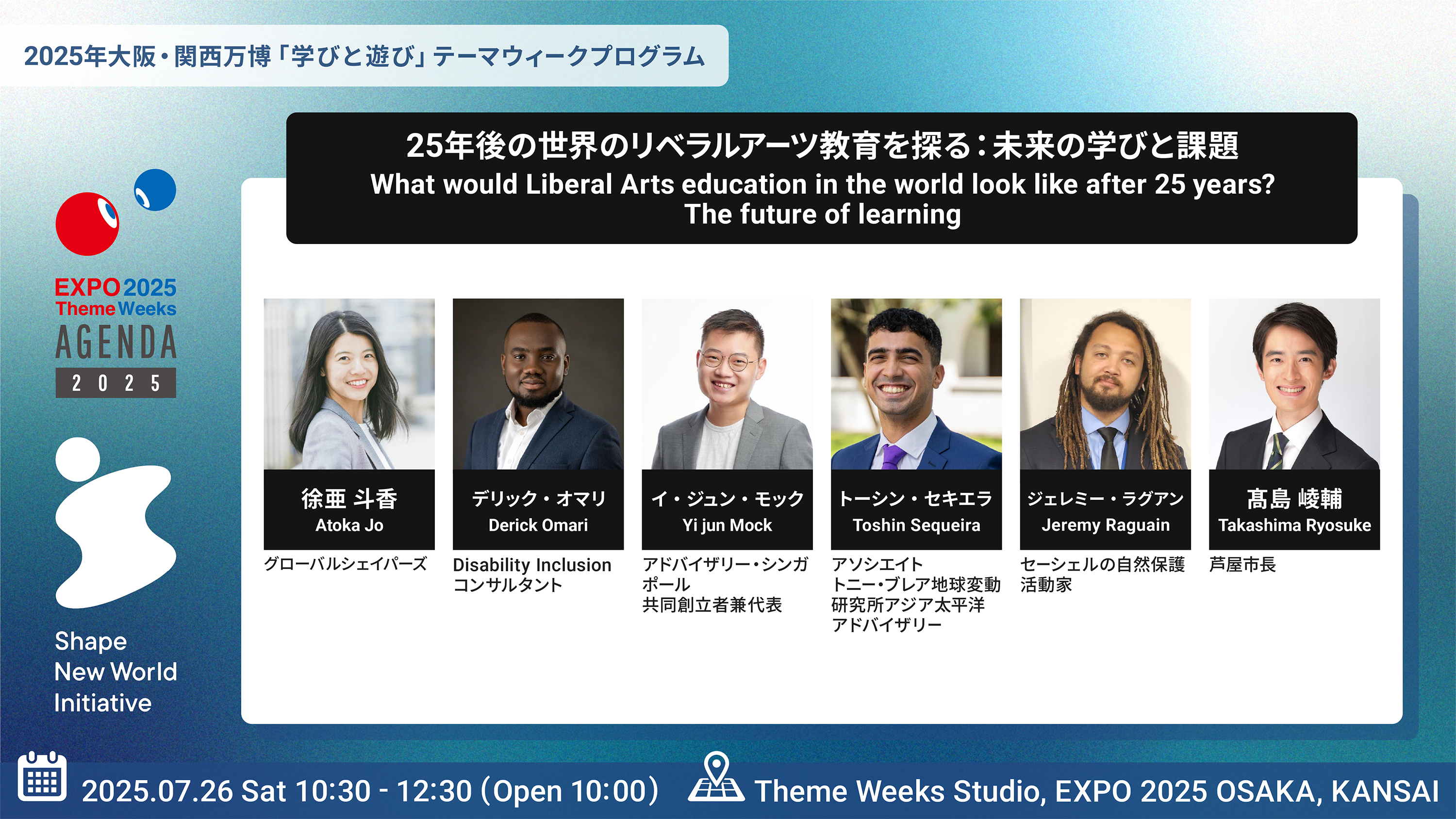
Cast
Moderator
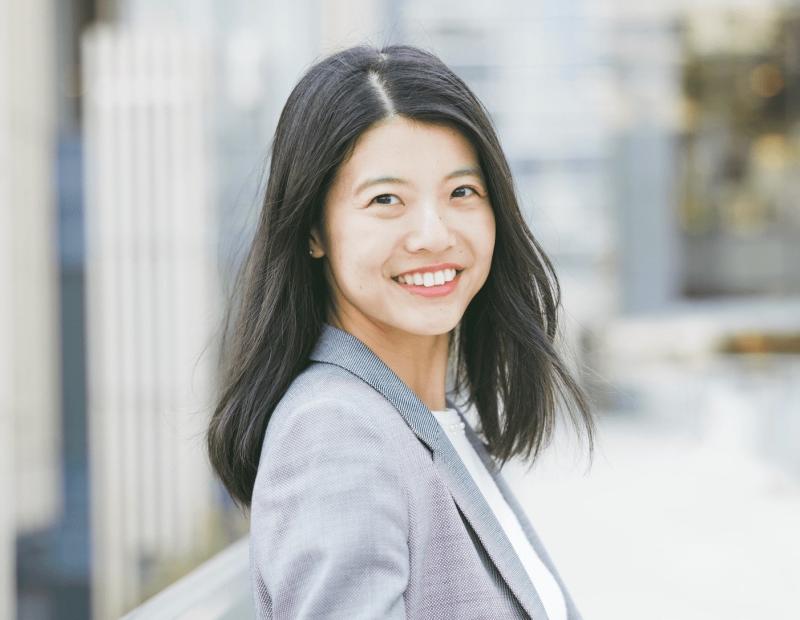
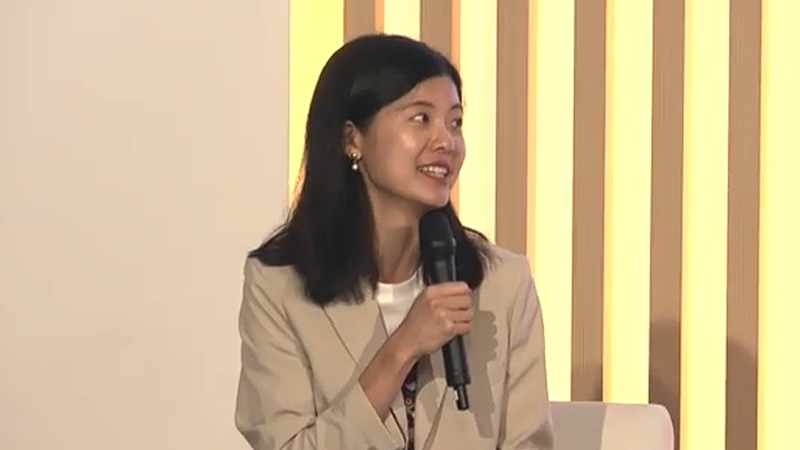
Atoka Jo
Global Shapers
Atoka Jo, born and raised in Osaka, Japan, received her undergraduate degree from New York University Abu Dhabi and her Master’s degree from Schwarzman College, Tsinghua University. During her studies, she was involved in research and projects related to education and development economics in Argentina, Ghana, and Costa Rica, and interned at the United Nations in New York. In Japan, she founded a liberal arts summer program at Himeji Girls’ High School. Forbes 30 Under 30 Asia 2023. One of the 50 Global Shapers to attend the World Economic Forum Davos Conference 2022. Masayoshi Son Foundation Scholar. G7 Youth 2019 Japan Representative. One Young World 2018 Japan Representative.
View Profile
Close
close
Speakers
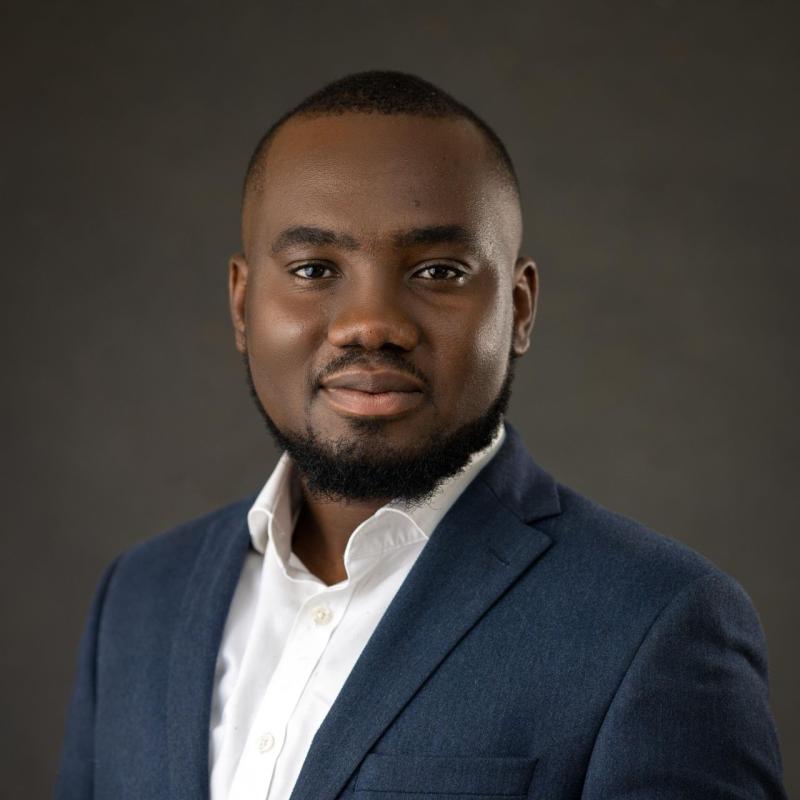
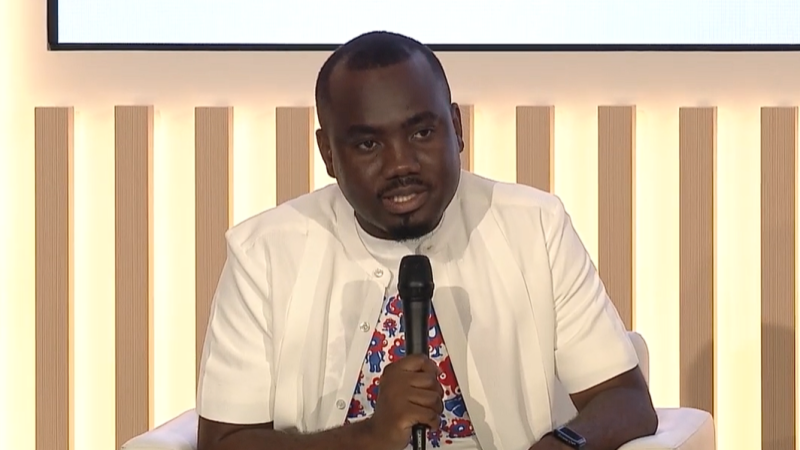
Derick Omari(Ghana)
Disability Inclusion Consultant
Derick is a certified accessibility expert and
disability inclusion consultant. Prior to joining the
World Bank Group, he provided disability inclusion and
accessibility consultancy to several institutions
including governments, academic institutions, private
organisations, and international development
organisations.
Derick is a leading change scholar from Cambridge
University in the UK. He is also a Chevening Scholar
and holds an MSc in Disability, Design, and Innovation
from the University College of London. He also holds a
BSc in Business Administration from Ashesi
University.
Derick is passionate about accelerating inclusive
development to level the playing field without leaving
anyone behind.
View Profile
Close
close
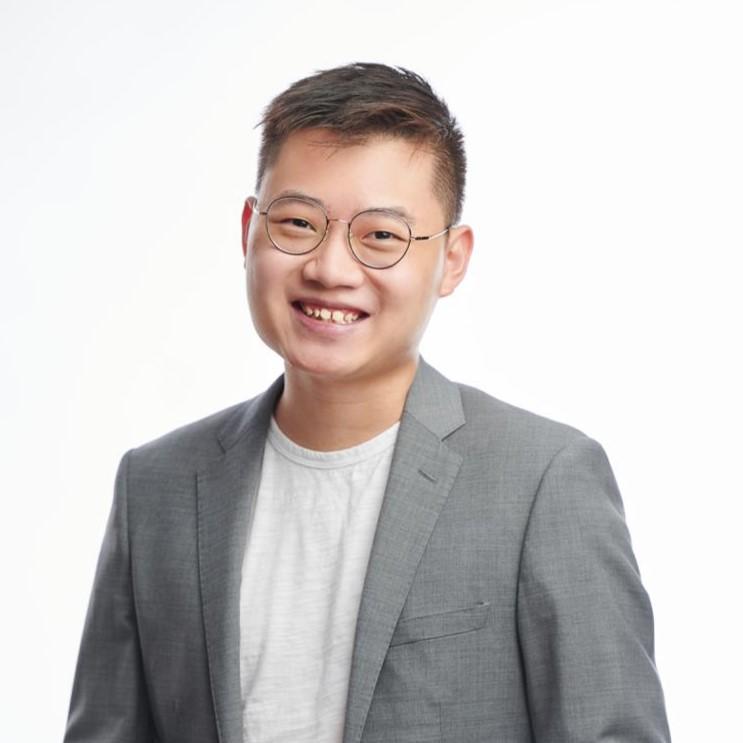
Yi jun Mock (Singapore)
Co-Founder & President of Advisory Singapore
Mock Yi Jun is Co-Founder and President of Advisory
Singapore, a fully youth-led charity dedicated to
empowering young people from all walks of life to make
informed career and further education choices.
Since 2016, Advisory has supported over 212,000 youth
through its online repository of interviews with
working professionals, learning journeys and industry
panels with firms, and in-school career guidance
programming. Advisory runs Singapore’s largest pro
bono careers-based mentorship program, delivering over
12,000 hours of mentorship.
For his work, Yi Jun received the Queen’s Young
Leaders Award, the Diana Award, and a Deloitte-One
Young World Scholarship. He was named a #Generation17
Young Leader by UNDP and Samsung, and listed in the
Forbes 30 Under 30 under the Social Impact category.
He is an Advisor to the Queen’s Commonwealth Trust.
He holds a Master of Global Affairs from Tsinghua
University, where he studied as a Schwarzman Scholar,
and a Bachelor of Politics and International Relations
from the London School of Economics.
View Profile
Close
close
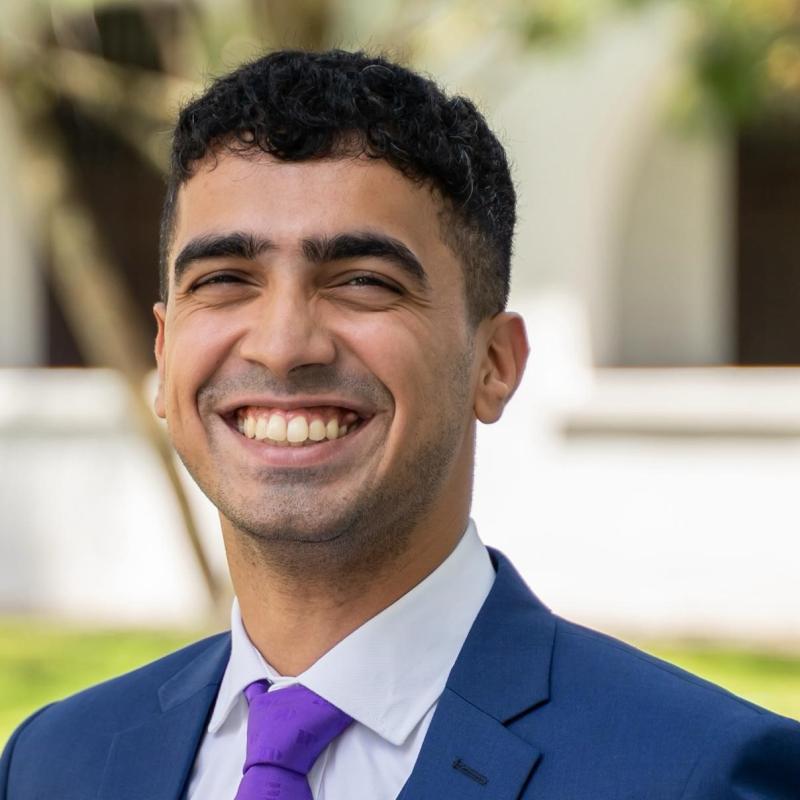
Toshin Sequeira (India)
Associate, Asia Pacific Advisory at the Tony Blair Institute for Global Change
Toshin helps governments across Asia-Pacific deliver transformative reforms that improve the lives of their citizens by advising them on strategy, policy, and delivery. Presently, he’s serving as an embedded advisor to Nobel laureate President Jose Ramos-Horta of Timor-Leste. Toshin is passionate about ensuring that young people can play an active role in shaping the future. He previously served as a Global Deputy Project Lead to the United Nations SDG Students Program, expanding their presence into 15 new countries. His public policy work includes advising a large Southeast Asian country on reforming its investment attraction policy and co-authoring the World Economic Forum's Global Risks Report (2023). Toshin is dedicated to furthering inclusive socioeconomic development by amplifying youth voice and leadership in shaping public policy.
View Profile
Close
close
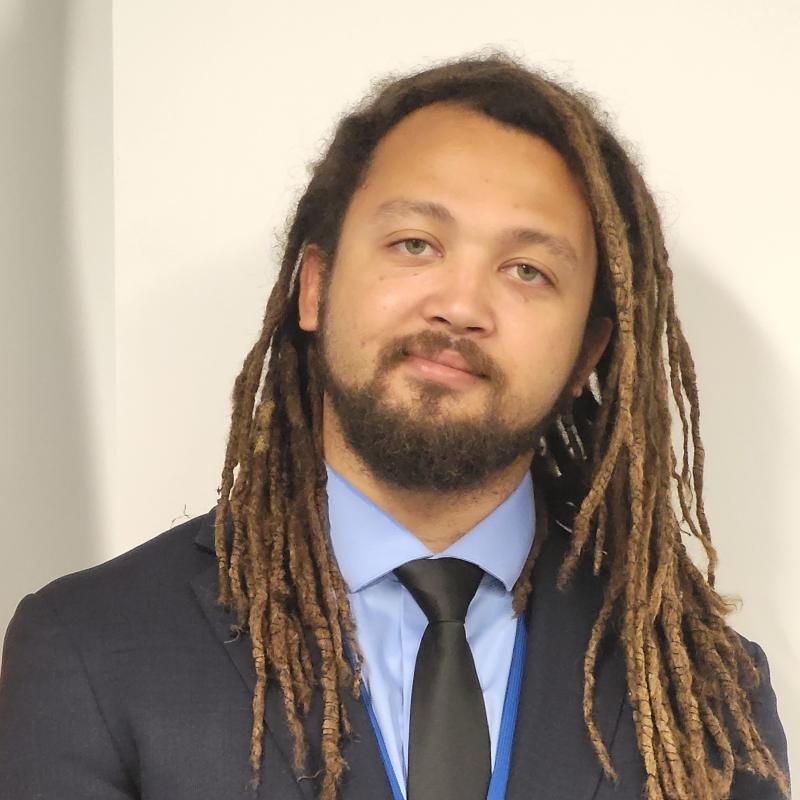
Jeremy Raguain(Seychelles)
Seychellois conservationist
Jeremy Raguain is a Seychellois conservationist
working with the International Union for Conservation
of Nature's Eastern and Southern Africa Regional
Office as the Senior Programme Officer (BBNJ Treaty).
He is also Columbia University's Coastal
Resilience Network Coordinator and also advises the
Seychelles Government on international environmental
law, and has led various environmental projects
through the Global Shapers Community, Sustainable
Ocean Alliance, and other organizations.
Jeremy is an alum of the Alliance of Small Island
States Fellowship and has served as the Climate Change
and Ocean Advisor to the Seychelles Permanent Mission
to the UN, contributing to international climate and
ocean law negotiations. Before this, he coordinated
projects and communications for the Seychelles Islands
Foundation and contributed to national environmental
policy. Jeremy holds a B.Sc. in International
Relations (Honors) and Environmental Geographical
Sciences from the University of Cape Town, a Diploma
in Environmental Management from the Technical
University of Dresden, and an MPA in Environmental
Science and Policy from Columbia University.
View Profile
Close
close
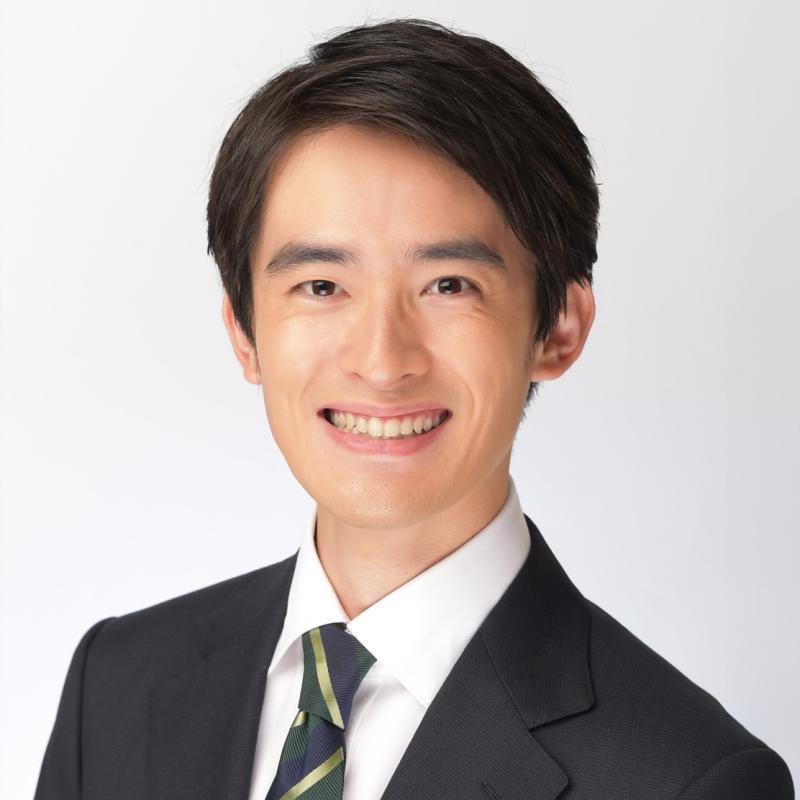
Takashima Ryosuke
Mayor of Ashiya City
Born in Osaka in 1997, Ryosuke graduated from Harvard
College with an A.B. in Environmental Science and
Engineering and a minor in Environmental Science and
Public Policy. From 2016 to 2023, he served as the
President of the educational non-profit Ryu-fellow,
which focuses on nurturing future leaders capable of
addressing global challenges. He has supported
proactive high school students aspiring for higher
education abroad and youth involvement in community
development.
He is dedicated to ‘just learning’ in public schools
and engaging in community development centered around
dialogue with a broad spectrum of ages, particularly
emphasizing the youth. Expert member of the Central
Council for Education, Ministry of Education, Culture,
Sports, Science and Technology (from 2025).
View Profile
Close
close
Learning and Playing Week
What would Liberal Arts education in the world look like after
25 years? The future of learning
Agenda 2025 Co-created Programme
【Hypothesis of the future in 2050】
Similar to how digital and analog worlds are merging, a future
where boundaries between learning and play have dissolved.
Join us for an enlightening panel discussion on "What
would Liberal Arts education in the world look like after 25
years?," where we will explore how liberal arts education
will change or remain similar in the future by delving into
the diverse approaches, benefits, and challenges of liberal
arts education across different cultures and regions. This
event brings together esteemed educators, scholars, and
thought leaders from various countries who will share their
insights and experiences. There will also be an interactive
quiz with prizes!
-
2025.07.26[Sat]
10:30~12:30
(Venue Open 10:00)
- Theme Weeks Studio
OTHER PROGRAM
Learning and Playing Week