Peace, Human Security and Dignity Week
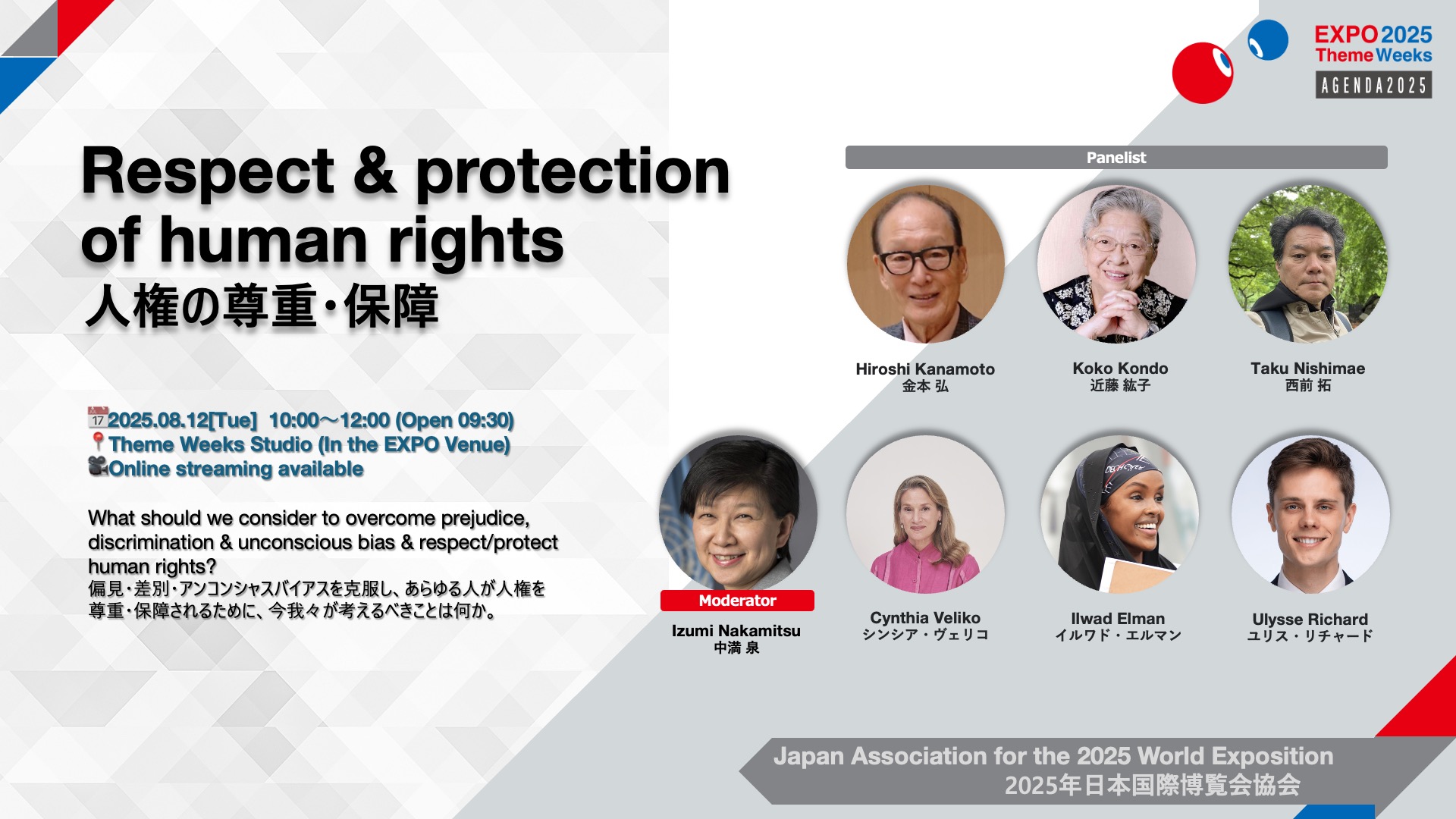
Respect & protection of human rights
Japan Association for the 2025 World Exposition
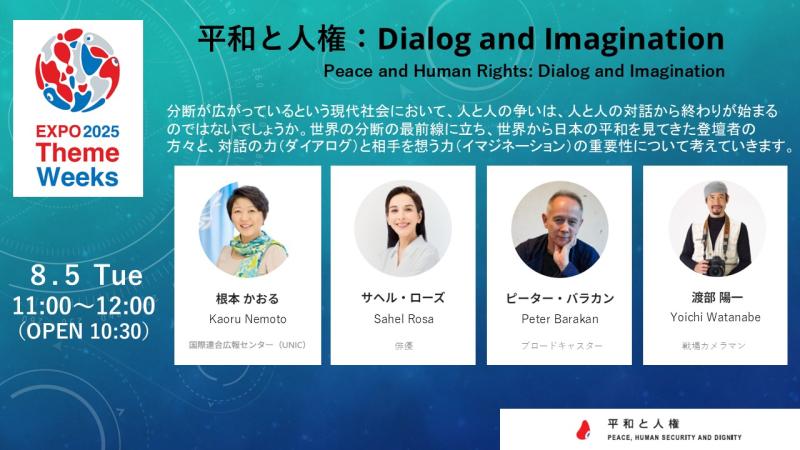
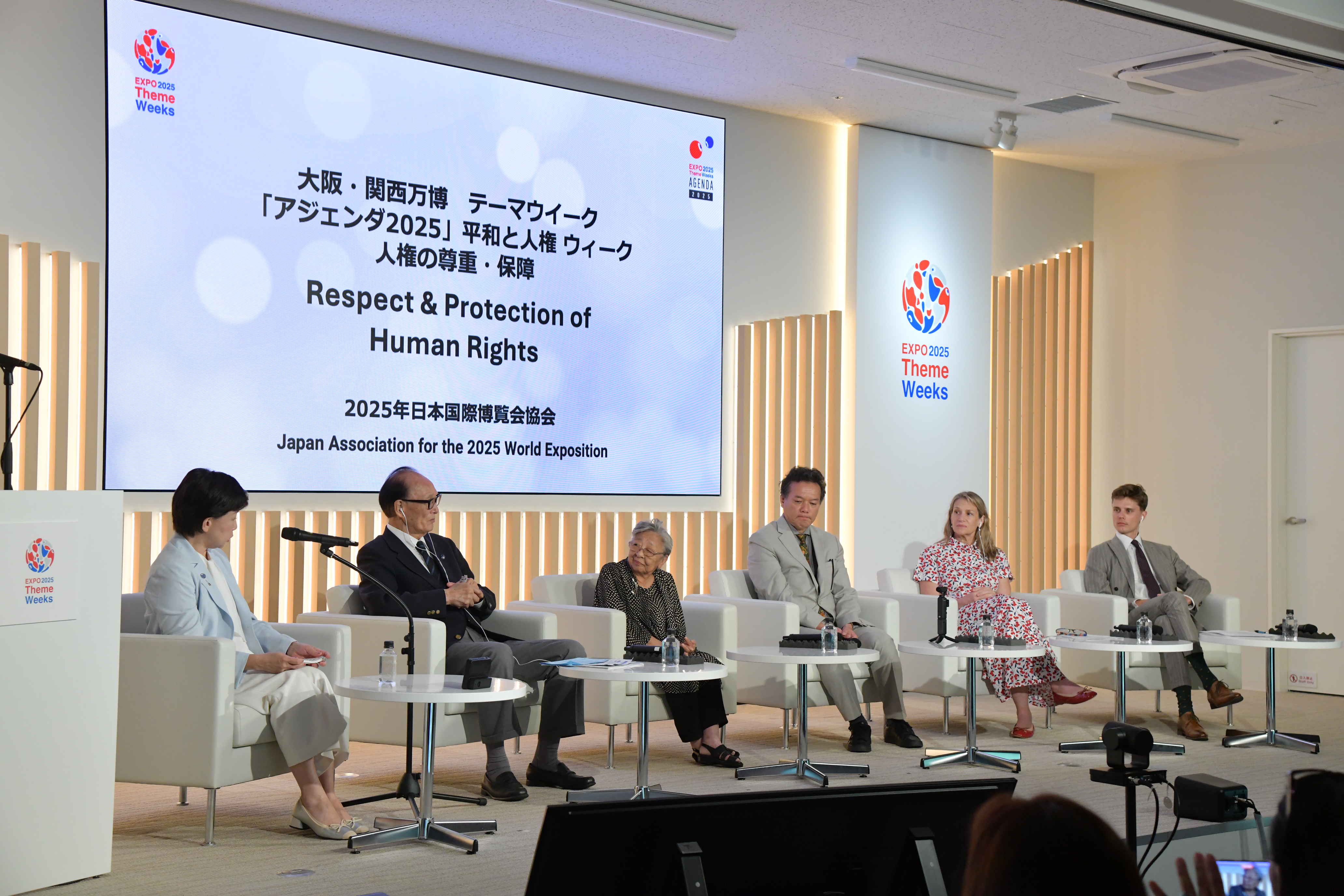
The programme, together with the General Sponsors, explores: 'What should we consider to overcome prejudice, discrimination & unconscious bias & respect/protect human rights?'
Recorded video available
Discussion
- Others
| Transmission of simultaneous interpretation | Provided |
|---|---|
| Language of interpretation | Japanese and English |
-

Agenda2025
Organised Programme
-
Time and
Date of
the event -
-
2025.08.12[Tue]
10:00 ~ 12:00
(Venue Open 09:30)
-
- Venue
- Theme Weeks Studio
Highlights
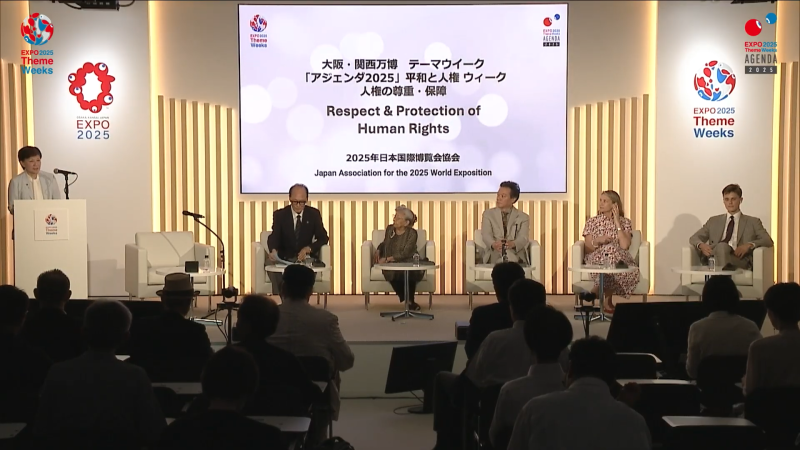
00:04:56 Keynote Speech (Izumi Nakamitsu, Hiroshi Kanemoto) and Part 1 ‘The Past: Memories and Art‘ (Koko Kondo, Taku Nishimae)
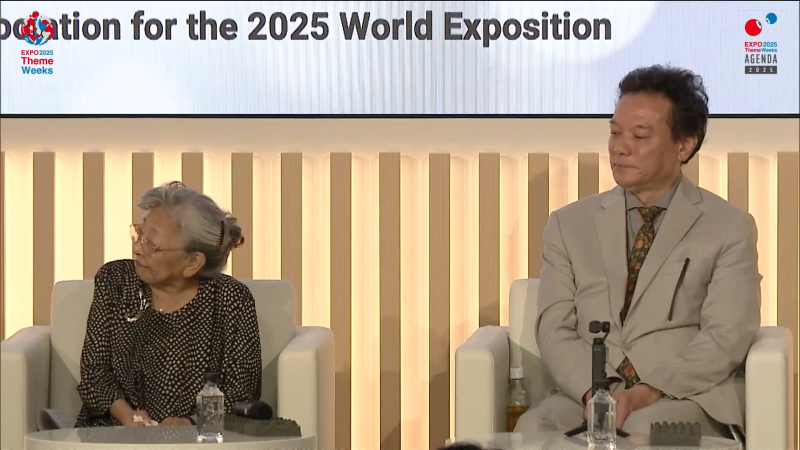
00:51:09 Part 2 ‘The Present: Today’s Conflicts and Impacts on Human Life’ (Cynthia Veliko, Ilwad Elman)
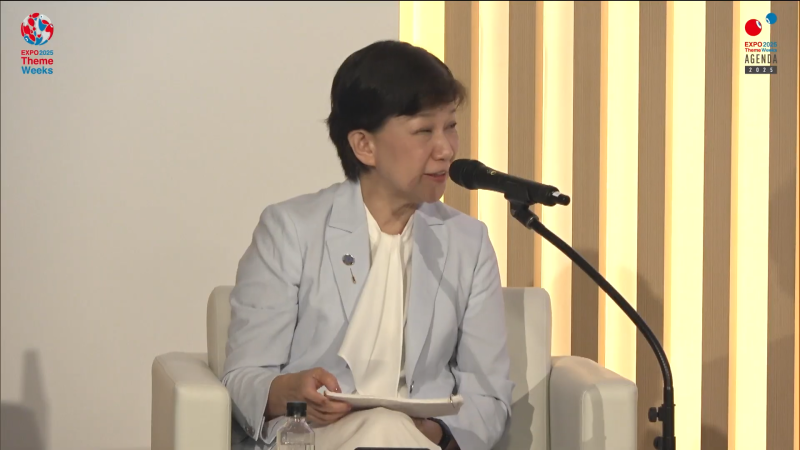
01:13:45 Part 3 'The Future: What Will Tomorrow’s Conflicts Look Like?' (Ulysse Richard)
Programme details
*Subtitles: Choose “Subtitles/CC” in the “Settings” (gear
icon) at the bottom right of the YouTube video.
*Subtitles may not show with multiple languages or overlapping
audio.
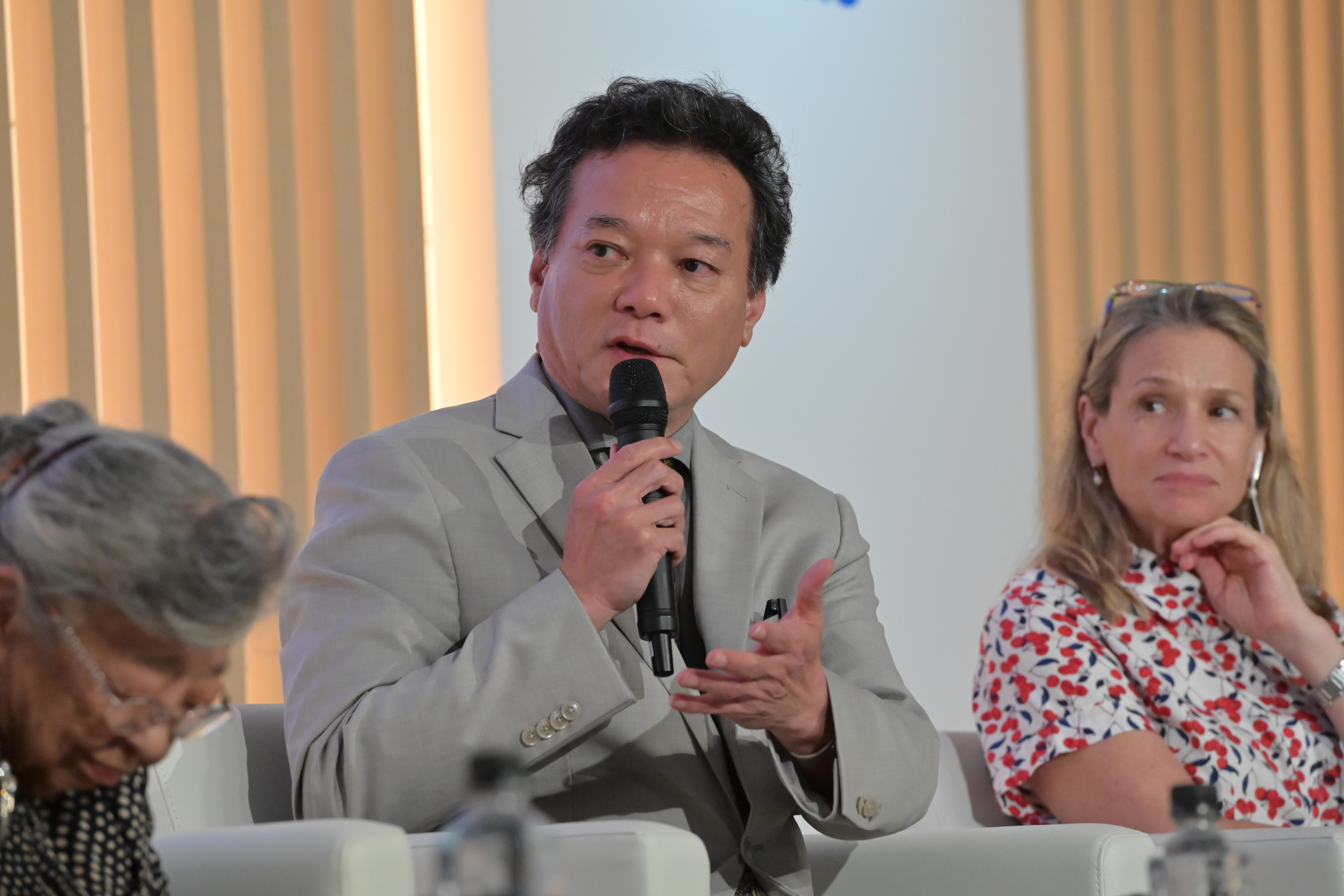
The event will bring together speakers from the arts, civil
society and the United Nations for a discussion on the
critical role of respecting and protecting human rights to the
maintenance of peace and security, particularly in the context
of armed conflict.
The event will include a keynote address by Mr. Hiroshi
Kanamoto, President of Nihon Hidankyo, followed by an informal
panel discussion, moderated by United Nations
Under-Secretary-General and High Representative for
Disarmament Affairs, Ms. Izumi Nakamitsu, the event will
explore three core themes: ‘The Past: Memories and Art’; ‘The
Present: Today’s Conflicts and Impacts on Human Life’; and
‘The Future: What Will Tomorrow’s Conflicts Look Like?’. The
distinguished panelists will include Ms. Koko Kondo (atomic
bomb survivor, educator and peace activist); Mr. Taku
Nishimae, 1FUTURE Co-Founder, filmmaker and journalist; Ms.
Cynthia Veliko (Regional Representative of the United Nations
High Commissioner for Human Rights in South-East Asia); and
Mr. Ulysse Richard (Consultant, United Nations Office for
Disarmament Affairs).
Reports
【Program Summary】
In this session, “Respect and Protection of Human Rights”,
discussions explored from multiple perspectives what is
required to safeguard human dignity and guarantee human rights
amid the challenges of contemporary society, including war,
discrimination, and emerging technological threats.Throughout
the dialogue, participants shared the recognition that peace
and security must be rooted not only in institutions and
treaties, but fundamentally in the protection of human dignity
and human rights. It was further affirmed that even when
confronting new challenges such as climate change and cyber
threats, the path to sustainable peace and a truly inclusive
society lies not in restricting rights through exceptional
measures, but in placing human rights at the very center.
【Speaker Summary: Hiroshi Kanamoto】
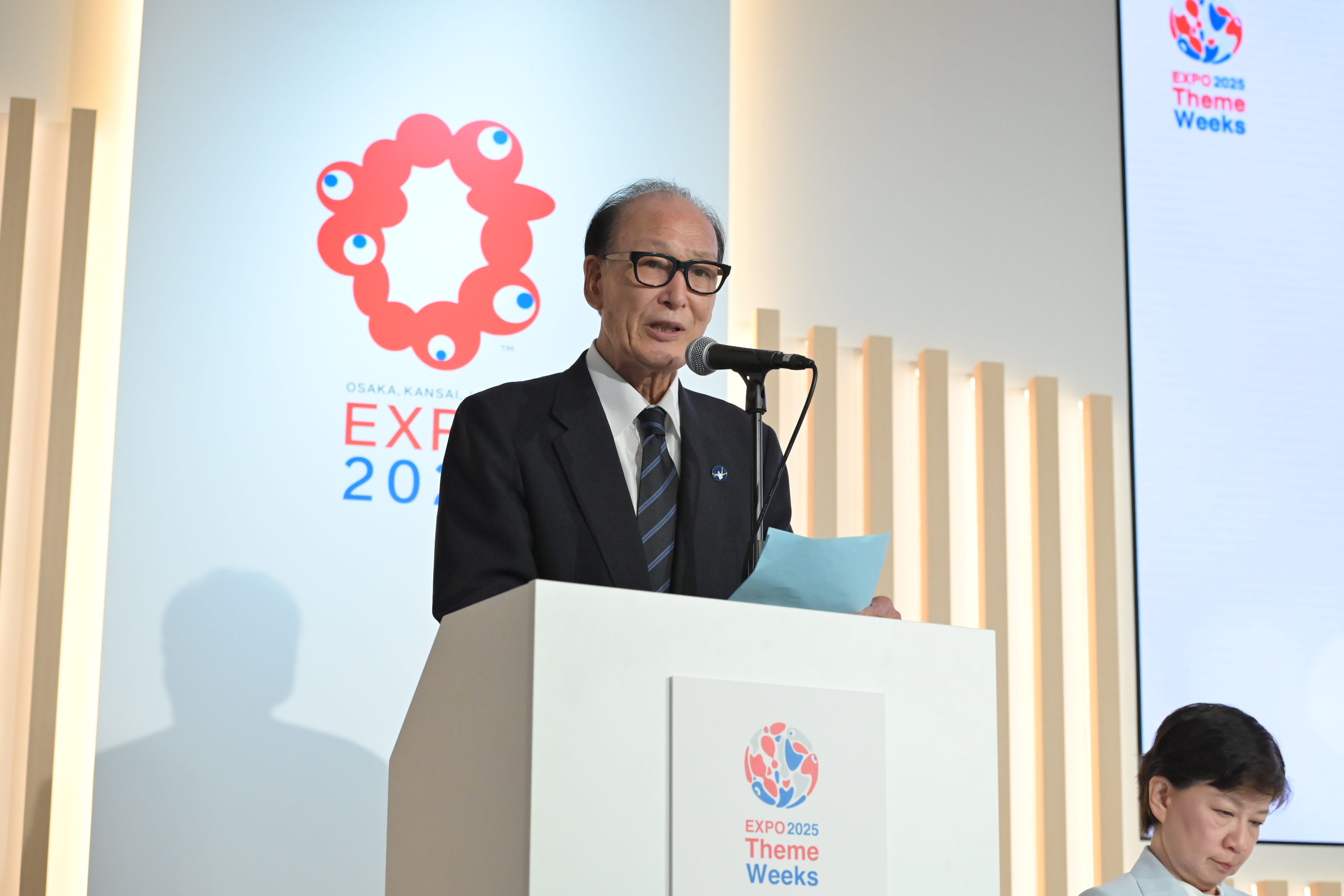
Hiroshi Kanamoto’s keynote speach was a powerful appeal for
the universal significance of abolishing nuclear weapons,
rooted in his personal experience as a hibakusha. He began by
recounting his survival as a nine-month-old infant in
Hiroshima. Carried on the back of his 15-year-old sister, he
was exposed 2.5 kilometers from the hypocenter and narrowly
survived amid the ruins. Yet his life thereafter was
overshadowed by a constant struggle with the question: “Why
was I the one to survive?” His sister, who was mobilized as a
student worker only 1.5 kilometers from the hypocenter,
survived with keloid scars across her body. However, she
endured lifelong discrimination, job rejection, and illness.
Beginning dialysis treatment at the age of 60, she battled for
26 years before passing away. For Kanamoto, her life
epitomized the inhumanity of nuclear weapons. In his address,
Kanamoto declared unequivocally that nuclear weapons are not
merely tools of war but “absolute evils whose sole purpose is
annihilation,” weapons that humanity must never tolerate.
Through the history of his own family, he stressed that the
damage of nuclear weapons extends far beyond the instant of
the explosion, continuing to torment people across
generations. He also reflected on the 2024 Nobel Peace Prize
awarded to the Japan Confederation of A- and H-Bomb Sufferers
Organizations, of which he is president. He explained that
this recognition demonstrated to the world that the suffering
of hibakusha is not a private or local issue, but a challenge
for humanity as a whole. Kanamoto reiterated his determination
to continue testifying and pressing the government to join the
Treaty on the Prohibition of Nuclear Weapons. Addressing the
younger generation, he called upon them to “inherit the memory
and become bearers of peace-building.” Concluding his remarks,
he declared: “The abolition of nuclear weapons is not a
utopian dream; it is fully achievable if we take action.” His
words left a profound impact on the entire audience.
【Speaker Summary: Izumi Nakamitsu】
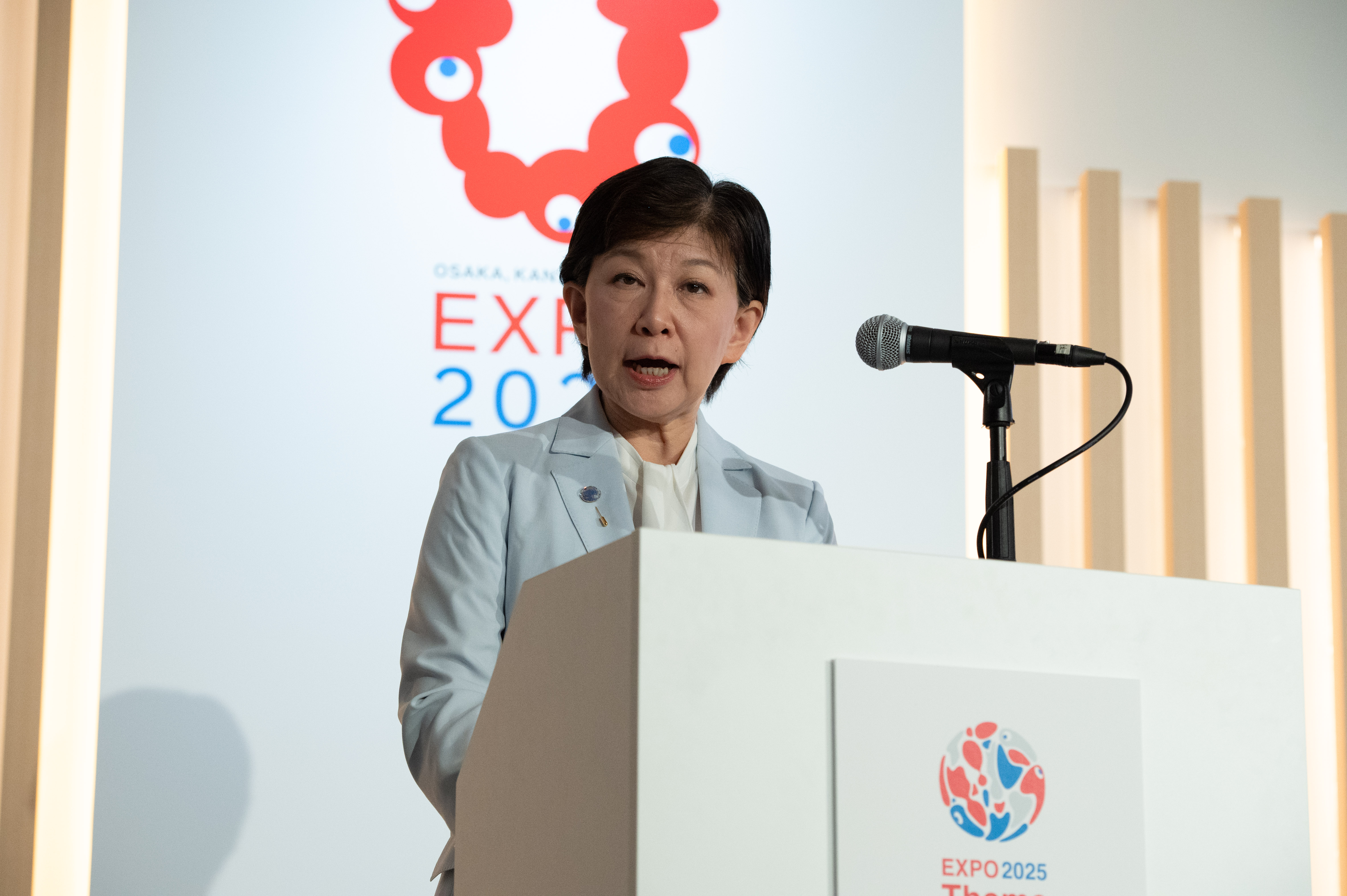
Izumi Nakamitsu spoke from multiple perspectives about the
significance of respecting human rights and building peace. At
the outset, she referred to the testimony of Mr. Hiroshi
Kanamoto, the keynote speaker, stressing the necessity of
regarding the suffering and loss of dignity endured by atomic
bomb survivors as a “shared memory of humanity.” She pointed
out that the devastation caused by nuclear weapons is not
limited to military loss but fundamentally tramples upon human
dignity itself, and affirmed that the international community
must unite to pursue the elimination of nuclear weapons. “To
confront the inhumanity of nuclear weapons is the
responsibility of the entire international community,” she
declared. She went on to highlight three fundamental concepts
essential to realizing respect for human rights: peace, human
security, and human dignity. These three elements, she
emphasized, are deeply interconnected, and sustainable
protection of human rights cannot be achieved if even one is
absent. Turning to contemporary challenges, Nakamitsu
addressed the military applications of new technologies such
as AI, autonomous weapons, and cyberattacks. She stressed that
“science and technology must be used for the welfare of
humanity, not diverted into tools of destruction or
oppression,” and introduced the United Nations Office for
Disarmament Affairs’ initiatives on developing international
norms regarding new technologies. She underscored that not
only governments but also civil society, scientists, and
engineers must collaborate in establishing ethical frameworks.
Nakamitsu also devoted particular attention to education and
the nurturing of younger generations. With atomic bomb
survivors aging, she emphasized the necessity of younger
people inheriting their memories and taking up the role of
advancing peace and respect for human rights. Learning about
peace and human rights in schools, she explained, is not
merely the transmission of knowledge but provides a foundation
for fostering attitudes of respect for others in daily life.
She reiterated that “respect for human rights cannot be
entrusted solely to governments or international institutions;
it is the responsibility of every citizen in their own daily
life,” calling on the audience to take action. Furthermore,
Nakamitsu noted the interlinked challenges of climate change,
economic inequality, and regional conflicts. Though these may
appear to be disparate problems, she pointed out that they are
all deeply tied to human rights and exacerbate social
vulnerabilities. Thus, she argued, “a human-rights-centered
approach” is the key to solving these problems, urging the
international community to cooperate across sectors. She
concluded with the words, “Protecting peace and protecting
human rights are two paths leading to the same destination,”
leaving a strong impression on the participants.
【Speaker Summary: Koko Kondo】
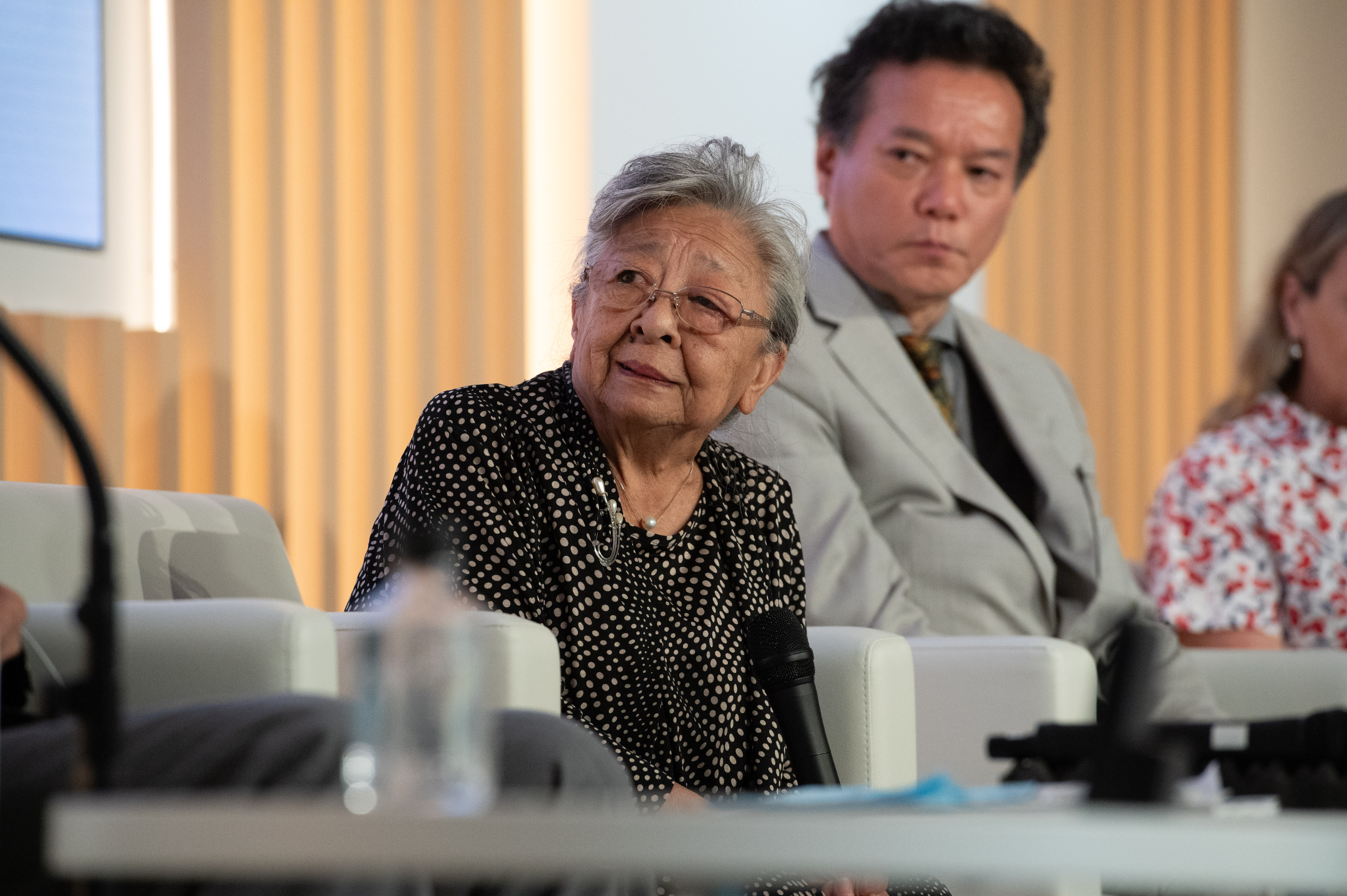
Koko Kondo began by recounting her experience as a hibakusha,
having been exposed to the atomic bombing in Hiroshima at the
age of eight months. From this starting point, she reflected
on her lifelong journey as a “storyteller of peace.” Her
father, Reverend Kiyoshi Tanimoto, devoted himself in the
aftermath of the bombing to supporting orphans and young
female survivors. Growing up under his example, Kondo became
deeply aware of the importance of bearing witness. At the age
of 40, she listened to her father’s final sermon, in which he
expressed regret that he had not been able to respond to the
cries of many. This moment made her recognize her own mission
to carry forward his work. Kondo also shared how, as a child,
she once harbored deep hatred toward the crew of the Enola
Gay. However, when she later met them in person and saw their
tears, she realized that perpetrators too are human beings.
This encounter gave her a new perspective of reconciliation
and coexistence. She highlighted the significance of conveying
memories through art and film, discussing her involvement in
the production of the movie What Divides Us. “To continually
question the meaning of memory,” she asserted, “is central to
peace-building.” For Kondo, the path toward the “restoration
of human dignity,” beyond the dichotomy of victim and
perpetrator, has been the guiding trajectory of her life.
Kondo has also been deeply engaged in educational testimony
both in Japan and abroad. When addressing younger generations,
she deliberately goes beyond recounting tragic experiences.
Instead, she poses the question: “How would you
live?”—encouraging listeners to see themselves as participants
in peace-building. She recalled that many students responded
with tears and shared their determination to find their own
ways to act. Through collaboration with artists, Kondo has
also brought her testimony to international audiences. By
incorporating her experiences into film and stage productions,
she has sought to communicate the message that “memory is a
gift to the future.” In this way, her testimony has
transcended mere victimhood and become a cultural and
educational legacy for future generations. Concluding her
remarks, she emphasized: “The wish for peace exists within
everyone. What matters is translating that wish into action.”
Her words resonated deeply with the audience, inspiring both
empathy and resolve.
【Speaker Summary: Taku Nishimae】
Taku Nishimae, speaking from his perspective as a filmmaker
and producer, underscored the crucial role of film in
transmitting memory across generations. For more than thirty
years, he has visited Hiroshima and Nagasaki, recording the
testimonies of over 200 atomic bomb survivors. He emphasized
that these testimonies are not merely historical records but
constitute a “heritage of memory” that humanity must never
forget. Each survivor’s voice, he explained, conveys truths
that cannot be captured by statistics or figures; preserved
through film, these voices become an enduring responsibility
to future generations. Nishimae drew attention to the
historical encounter between Reverend Kiyoshi Tanimoto and
journalist John Hersey. The publication of Hersey’s book
Hiroshima, which overcame censorship, had a tremendous impact
on the international community. He also referred to Hersey’s
return visit to Hiroshima in 1985 and his essay The Meaning of
Memory, noting that memory is not only about knowing the past,
but also about questioning the present and shaping the future.
He further stressed that films and visual media have the
unique ability to evoke emotions and empathy, providing
audiences with opportunities to consider peace as their “own
issue.” Recently, Nishimae has collaborated with young
creators and students to produce new works, reinterpreting
survivors’ testimonies through contemporary forms of
expression. These efforts ensure that memories of the atomic
bombing are passed down across generations, enabling young
people to engage actively in peace-building. Nishimae also
shared his experiences presenting such works at international
film festivals and educational institutions. He described how
dialogues with audiences worldwide revealed the power of
“memory” to generate empathy across cultures and borders,
fostering international solidarity. He concluded by declaring:
“To pass down memory is to build the future; forgetting is
tantamount to reproducing violence.” Reaffirming his
commitment, Nishimae emphasized his determination to continue
conveying the value of peace to future generations through the
medium of film.
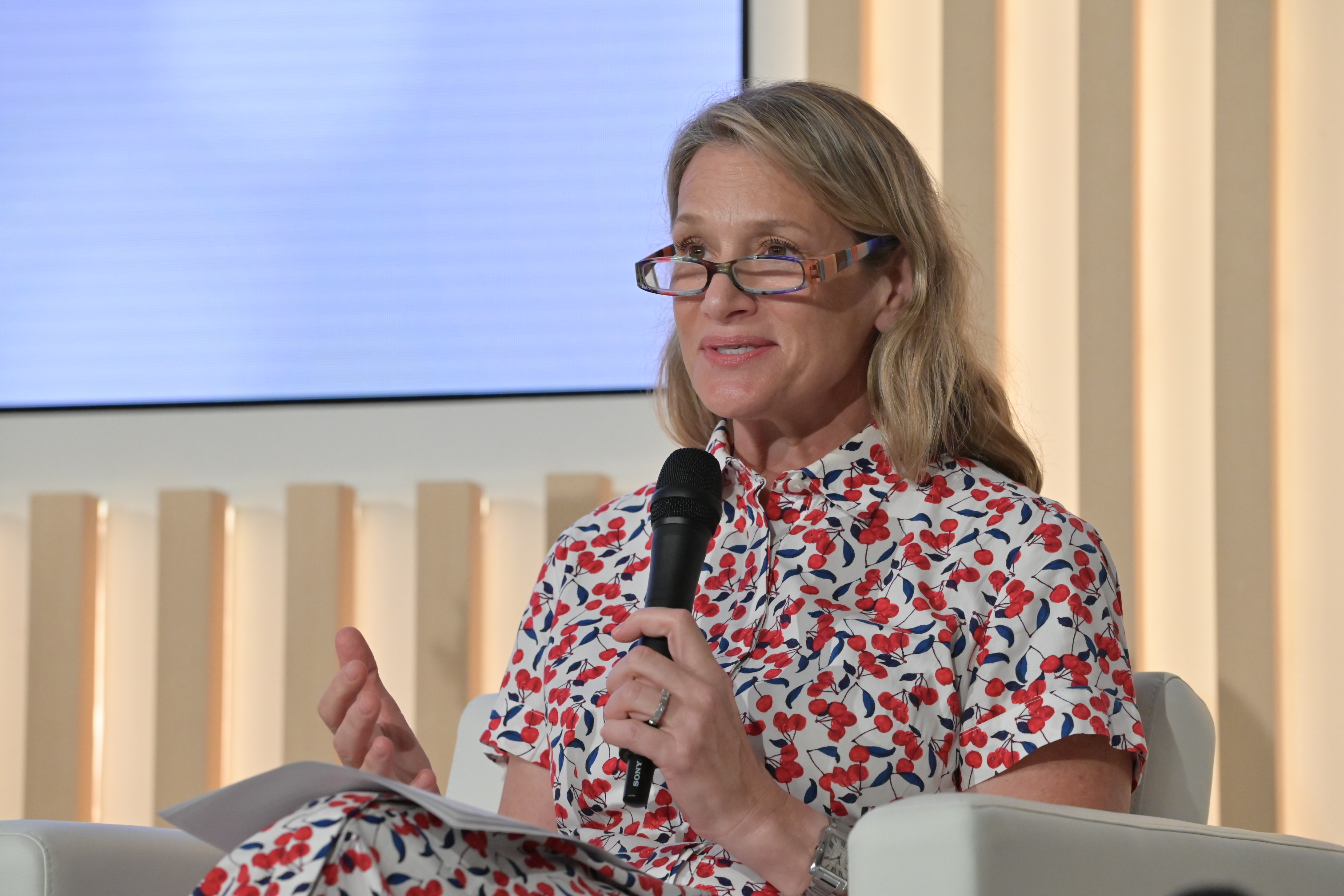
【Speaker Summary: Cynthia Veliko】
Cynthia Veliko, representing the Office of the United Nations
High Commissioner for Human Rights (OHCHR), delivered a
comprehensive and concrete analysis of the relationship
between contemporary conflicts and human rights. She began by
declaring that “human rights are not abstract ideals; they
derive their meaning only within the context of people’s daily
lives,” leaving a strong impression on the audience. She
highlighted the severe impact of conflict on civilian life:
fundamental rights such as education, healthcare, housing, and
employment are destroyed, and human dignity is stripped away
at its core. Drawing upon examples such as the Syrian civil
war and the persecution of ethnic minorities in Myanmar,
Veliko observed that when trust in institutions and government
is lost, cycles of violence inevitably ensue. This “collapse
of trust,” she stressed, lies at the heart of human rights
crises, while the “rebuilding of trust” forms the foundation
of sustainable peace. Veliko underscored that active
participation by civil society is indispensable to this
process, placing particular emphasis on the role of young
people. She noted that youth possess the flexibility to adopt
new values and the capacity to overcome prejudice and
discrimination. Human rights education in schools and dialogue
at the community level, she argued, are vital tools in this
effort. She also addressed the pervasive influence of
unconscious bias on human relationships and social structures.
Overcoming such bias, she explained, cannot be achieved solely
through legal frameworks; it must also be supported by
cultural and social transformation, as well as changes in
individual awareness. Turning to the role of international
organizations, Veliko stressed that they must not confine
themselves to intergovernmental negotiations but must act as
partners working alongside people on the ground. She
introduced the concrete initiatives of OHCHR’s Regional Office
for South-East Asia, which collaborates with local NGOs and
educational institutions to conduct human rights education and
awareness campaigns. These efforts, she explained, instill in
individuals the conviction that “their rights are to be
protected,” directly contributing to the restoration of trust
in society. Veliko concluded with a strong call to action:
“The struggle to protect dignity cannot be delegated to
others. It is a responsibility borne by each of us.” She urged
the audience to take concrete steps to safeguard human rights
in their everyday lives.
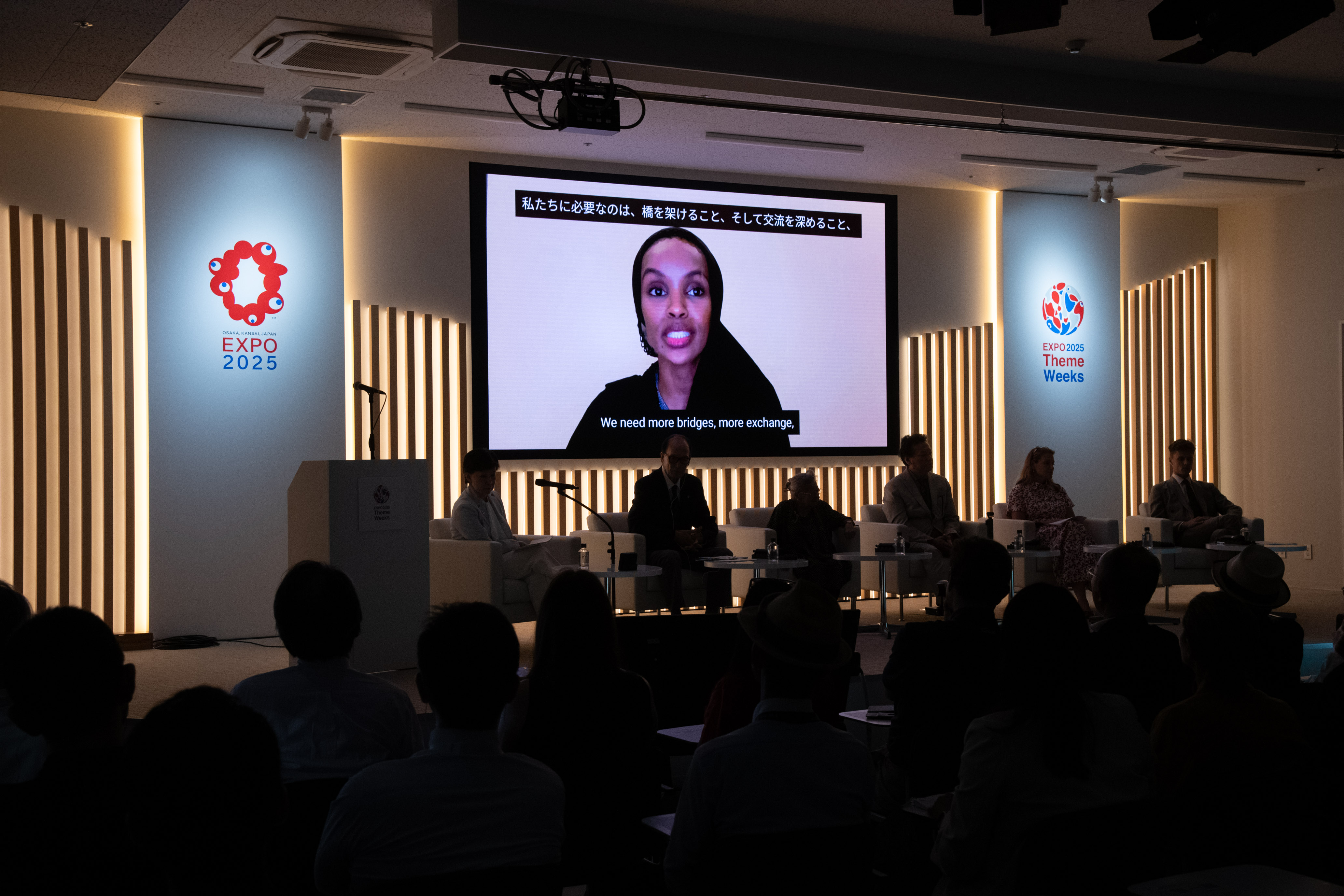
【Speaker Summary: Ilwad Elman】
Speaking on behalf of the Elman Peace Centre in Somalia
through a video message, Ilwad Elman delivered a powerful
statement on the role of civil society in contexts of
protracted conflict. She explained how she has inherited the
vision of her mother, Elman Ali, who founded the Centre, and
described her experiences in addressing the needs of
communities devastated by decades of violence. A central focus
of her remarks was the Centre’s program for the reintegration
of former child soldiers. She provided details on initiatives
designed to support children and youth who had been forcibly
recruited by armed groups, enabling them to rejoin society
through education and vocational training. For those suffering
from deep psychological trauma, the Centre offers counseling
and mental health support, helping them to develop the
strength to choose dialogue over violence. Elman also
highlighted the Centre’s efforts to promote women’s
empowerment. In societies where decision-making spaces have
traditionally been dominated by men, she emphasized the
importance of expanding educational opportunities for women
and cultivating female community leaders, as part of a broader
effort to correct gender-based inequalities. She repeatedly
stressed that “trust can be destroyed in an instant, but
rebuilding it requires years of persistent effort.” This
process, she argued, cannot rely solely on international
support; it must be driven by local communities themselves.
She underlined that sustainable peace can only be achieved
when people in conflict-affected areas take ownership of their
futures, with international partners playing a supportive
role. Elman further emphasized the need to amplify the voices
of young people. Youth, she asserted, are not only the
custodians of the future but also central actors in today’s
peacebuilding efforts. She called for their experiences and
perspectives to be incorporated into policy and community
initiatives. Concluding her message, Elman stressed that peace
is not something delivered from the outside but must be built
collectively from within communities themselves. “Peace is not
given to us from outside,” she declared, “it is something we
must build ourselves.” Her words left the audience deeply
moved. She added that the challenges of rebuilding trust are
not unique to Somalia, but are shared by societies across the
world. Dialogue, education, and local solidarity, she
concluded, are the essential pathways to restoring trust and
achieving sustainable peace.
【Speaker Summary: Ulysse Richard】
Ulysse Richard, serving as a consultant with the United
Nations Office for Disarmament Affairs (UNODA), delivered a
detailed reflection on the impact of rapidly advancing
technologies on human rights and security. At the outset, he
acknowledged that traditional weapons of mass destruction—such
as nuclear and chemical weapons—remain significant threats.
However, he emphasized that the most urgent challenges today
stem from the proliferation of new technologies, including
artificial intelligence (AI), autonomous weapons, and advanced
surveillance systems. Richard warned that AI-powered weapons,
capable of executing attacks without human judgment, pose the
risk of catastrophic harm to civilians through malfunction or
misidentification. Similarly, he cautioned that the spread of
surveillance technologies and large-scale data analytics could
severely undermine freedom and privacy, strengthening
authoritarian regimes and leading to new forms of oppression.
He underlined that these threats are not limited to the realm
of security but also jeopardize human dignity and fundamental
rights. He argued that the true purpose of disarmament is not
merely an abstract diplomatic ideal, but the tangible
reduction of human suffering caused by weapons. To achieve
this, he insisted, the international community must strengthen
legal and regulatory frameworks and coordinate responses to
emerging technologies. He specifically highlighted the urgent
need for international treaties restricting or banning the use
of lethal autonomous weapons, and he called for greater
involvement of civil society and academia in these
discussions. Richard also drew attention to the ethical
responsibilities of scientists and engineers. He stressed the
importance of transparency and oversight in research and
innovation, ensuring that technological progress does not
become co-opted for military purposes. At the same time, he
reminded the audience of the dual-use nature of technology. AI
and robotics, he noted, can also contribute positively to
peacebuilding and humanitarian assistance. For instance, they
can be applied to demining operations, disaster relief, and
medical support, saving lives and reinforcing human dignity.
In closing, Richard declared: “Technological progress itself
cannot be stopped. But whether it will serve the protection of
human dignity depends on us.” He issued a strong call for
collective responsibility across the international community,
urging all stakeholders to act together for the sake of future
security and the safeguarding of human rights.
【Discussion Summary】
During the discussion, all speakers explored the challenges of
respecting and protecting human rights from their respective
perspectives, generating a multifaceted exchange. Koko Kondo
and Taku Nishimae began by addressing the question of how to
transmit the memory of the atomic bombings to future
generations. Kondo, drawing on her long career as a
storyteller both in Japan and abroad, emphasized that “memory
is not merely a past event but the foundation for shaping the
future.” Nishimae added that film and visual media possess the
unique capacity to touch emotions directly, providing
audiences with an opportunity to regard peace as their “own
issue.” Both agreed on the crucial role of art and culture as
social mechanisms of memory, underscoring the importance of
systems that ensure the intergenerational transmission of
memory. Cynthia Veliko and Ilwad Elman, meanwhile, focused on
the issue of human rights violations and the collapse of trust
in the context of modern conflicts. Veliko noted that distrust
in institutions and governance perpetuates cycles of violence,
while the participation of civil society and youth is
indispensable for restoring trust. Elman, drawing from her
experiences in Somalia, introduced examples of reintegrating
former child soldiers and empowering women within local
communities. Both emphasized that “rebuilding trust”
constitutes the foundation of peace, and agreed that the
international community must support such grassroots efforts.
Expanding the discussion, Ulysse Richard addressed the
implications of technological progress for human rights and
security. He warned that concerns regarding AI and autonomous
weapons are not abstract fears of the future but urgent issues
already confronting humanity. He stressed the pressing need
for international regulation and ethical frameworks to address
these challenges. Responding to these contributions, Izumi
Nakamitsu summarized by reaffirming the interconnection of
three key pillars: peace, human security, and human dignity.
She emphasized that the realization of respect for human
rights requires three essential elements—memory, trust, and
dialogue. All participants concurred that respect for human
rights cannot be left solely to states or international
organizations, but is a task that must be implemented in the
daily lives of individual citizens. Taken as a whole, the
program served as a bridge between past and present,
presenting a pathway toward the respect for human rights with
an outlook toward the future.

Cast
Moderator

Izumi Nakamitsu
Under-Secretary-General and High Representative for Disarmament Affairs, UN
Ms. Izumi Nakamitsu assumed her position as
Under-Secretary-General and High Representative for
Disarmament Affairs on 1 May 2017. Prior to taking on
this post, Ms. Nakamitsu served as Assistant
Administrator of the Crisis Response Unit at the
United Nations Development Programme (UNDP) since
2014.
She has many years of experience within and outside
the United Nations system, most recently as Special
Adviser Ad Interim on Follow-up to the Summit on
Addressing Large Movements of Refugees and Migrants
between 2016 and 2017. She was previously Director of
the Asia and the Middle East Division of the United
Nations Department of Peacekeeping Operations between
2012 and 2014, and Director of the Department’s
Division of Policy, Evaluation and Training, from 2008
to 2012.
Between 2005 and 2008, Ms. Nakamitsu was Professor of
International Relations at Hitotsubashi University in
Tokyo, where she also served as a member of the
Foreign Exchange Council to Japan’s Foreign Minister,
and as a visiting senior adviser on peacebuilding at
the Japan International Cooperation Agency. Between
1998 and 2004, she was the Chef de Cabinet and
Director of Planning and Coordination at the
International Institute for Democracy and Electoral
Assistance, based in Stockholm, Sweden.
Earlier in her career, Ms. Nakamitsu was a member of
the United Nations Reform Team of former
Secretary-General Kofi Annan. She also held positions
with the Office of the United Nations High
Commissioner for Refugees (UNHCR), including within
the office of Assistant High Commissioner for Policy
and Operations Sergio Vieira de Mello, and in UNHCR
field operations in the former Yugoslavia, Turkey and
northern Iraq.
Born in 1963, Ms. Nakamitsu holds a Master of Science
degree in Foreign Service from Georgetown University
in Washington, D.C., and a Bachelor of Law degree from
Waseda University in Tokyo.
She is married and has two daughters.
View Profile
Close
close
Speakers
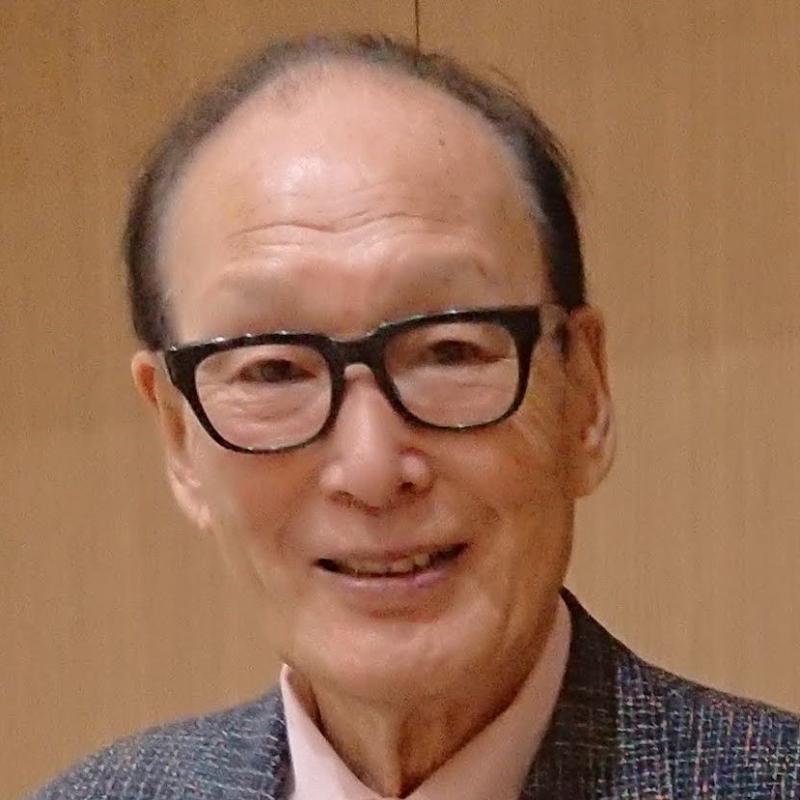
Hiroshi Kanamoto
President, Japan Confederation of A- and H-Bomb Sufferers Organizations; Chairman, Aichi Prefecture Association of Atomic and Hydrogen Bombs Sufferers
Born on November 15, 1944. Lived in Hiroshima from elementary school, junior high school, high school, and university. Raised to be sickly from birth. Sick all the time (low white blood cell and red blood cell count). Worked at Nagoya Ichimura High School - retired; at age 70, became a member of the Aichi Atomic and Hydrogen Bomb Survivors' Association (2014); in 2015, Representative Director of the Tokai-Hokuriku Block of the Japan Confederation of A- and H-Bomb Sufferers Organizations.
View Profile
Close
close
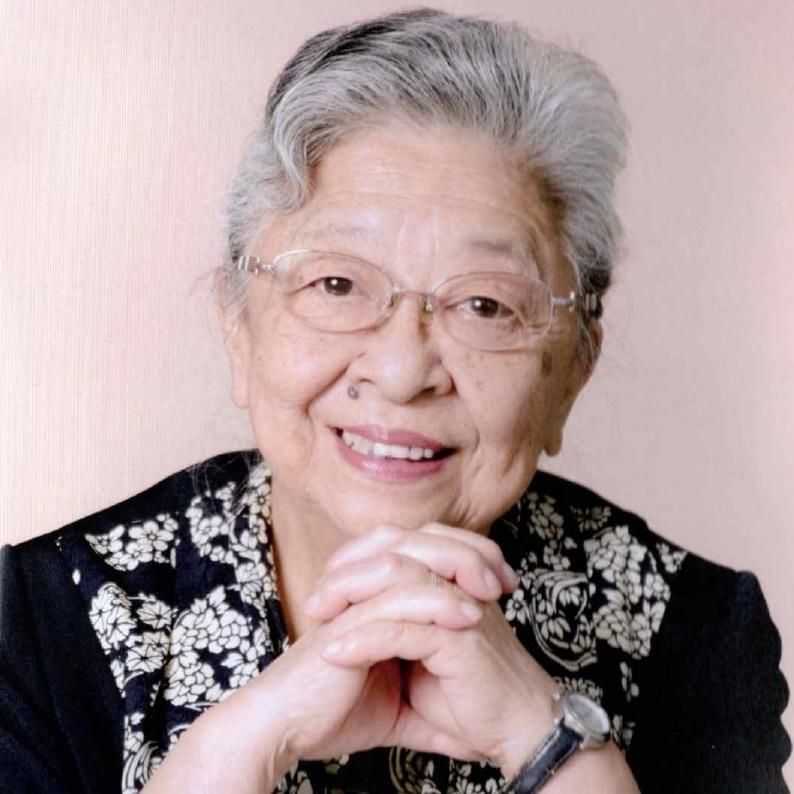
Koko Kondo
What Divides Us / Executive Producer
Born in Hiroshima in November 1944, A graduate of
American University in Washington. D.C. Ms. Kondo was
exposed to, and miraculously survived, the atomic
bombing on August 6, 1945 at the age of 8 months at a
parsonage 1.1 km from the hypocenter.
Her father Kiyoshi Tanimoto who was the pastor of
Hiroshima Nagarekawa Chutch and a graduate Kwansei
Gakuin School of Theology, helped many atomic bomb
survivors and worked for peace both in Japan and
abroad. Ms. Kondo has been active in the
"Children as the Peacemakers Foundation" and
others. She continues to speak out for peace through
lectures in Japan and abroad.
View Profile
Close
close
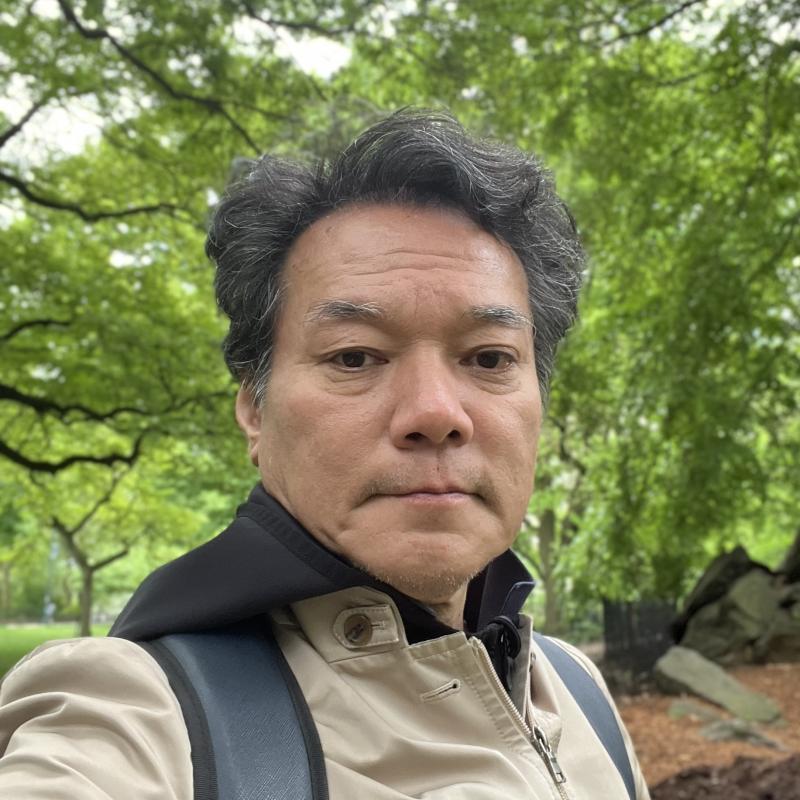
Taku Nishimae
1FUTURE Co Founder
Taku Nishimae, a New York-based Peabody Award-winning
journalist, filmmaker, and TV producer. He is a highly
regarded documentary producer and interviewer for NHK
(Japan Broadcasting Corporation), where he covers a
diverse range of topics including politics, economy,
technology, arts, and culture.
Taku is the founder of ZENGO and a co-founder of
1Future with Cannon Hersey. 1Future is a media company
dedicated to producing content that fosters social
innovation. Currently, He's producing a feature
film titled "WHAT DIVIDES US," which is
slated for release in 2026. This human drama centers
on the remarkable story of John Hersey, the American
journalist who first brought the truth about the
atomic bomb to the world, and Reverend Kiyoshi
Tanimoto, an atomic bomb survivor who became his ally.
This film is a groundbreaking Japanese-American
co-production that delves into the profound questions
of truth-telling and the possibility of hope amidst
despair.
View Profile
Close
close
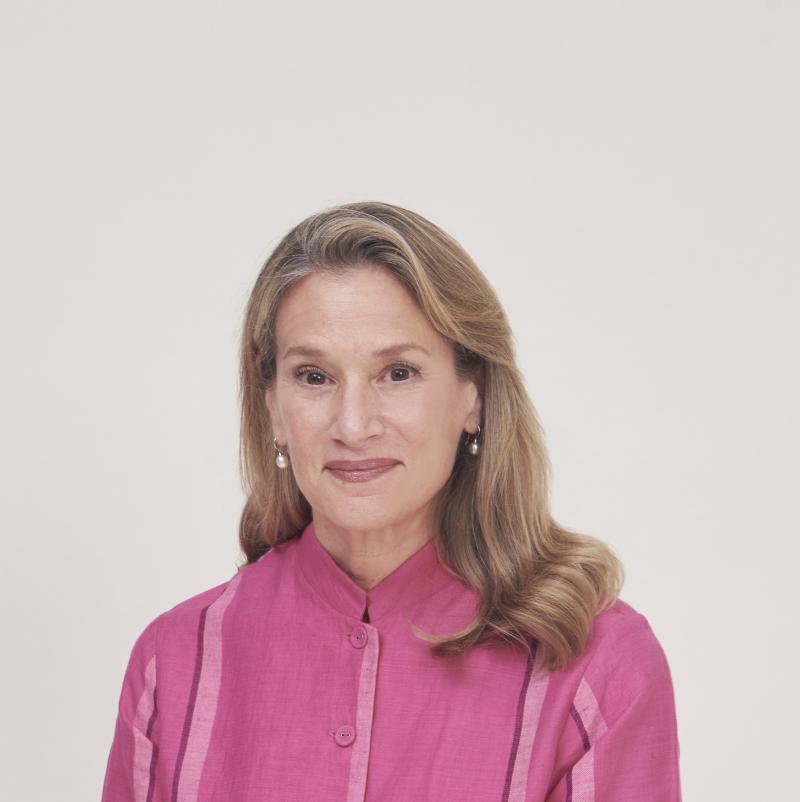
Cynthia Veliko
Regional Representative, OHCHR REGIONAL OFFICE FOR SOUTH-EAST ASIA
Ms. Cynthia Veliko has served with the Office of the United Nations High Commissioner for Human Rights (OHCHR) since 2006 as Human Rights Advisor in three countries - Pakistan, Sri Lanka and the Philippines - and was appointed in August 2017 as the Representative to OHCHR's Regional Office for South-East Asia. Prior to joining OHCHR, Ms. Veliko worked for five years at WHO for the Polio Eradication Initiative, supporting the efforts of the global implementing partners, governments and UNCTs in Asia and Africa. Ms. Veliko began her work with the UN in 1999 with the Department of Political Affairs where she was assigned to the Cyprus proximity talks in New York and then deployed to Haiti for the parliamentary and presidential elections in 2000.
View Profile
Close
close
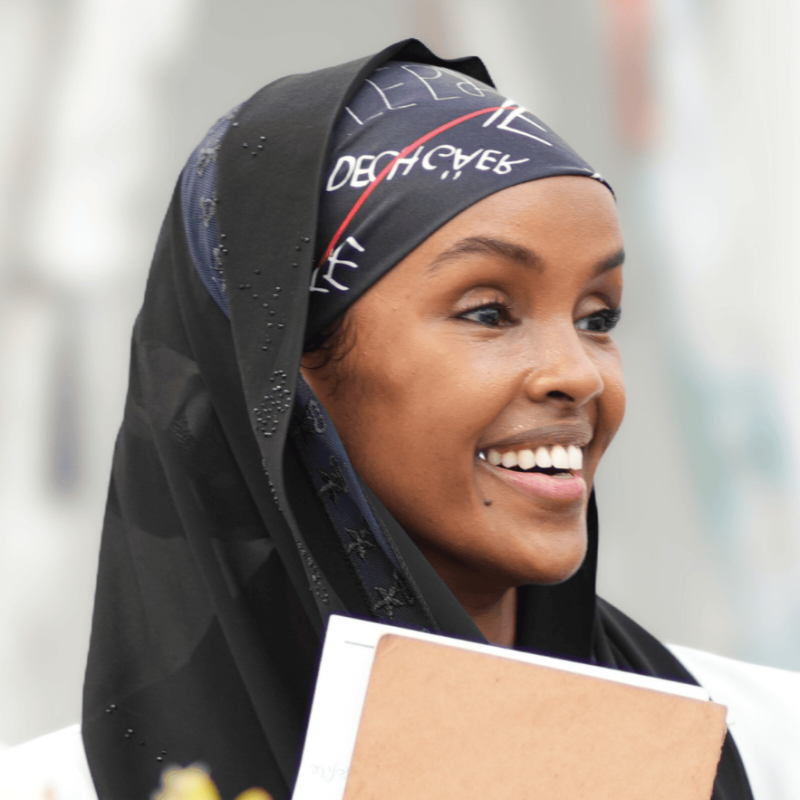
Ilwad Elman
Elman Peace Centre
Ilwad Elman is a peace and development practitioner
and social entrepreneur committed to building
inclusive, resilient communities. She works at the
intersection of conflict resolution, human rights, and
security sector reform, ensuring those most affected,
particularly women and youth, have a seat at the
table.
As Chief Operating Officer of the Elman Peace Centre
in Somalia, Ilwad has led pioneering initiatives in
disarmament, reintegration, and peacebuilding,
influencing both national policies and international
frameworks for sustainable security and social
justice.
Beyond her role at Elman Peace, she serves as an
advisor, commissioner, or board member to several
global initiatives, including the Every Woman Treaty
to End Violence Against Women, the Global Commission
on Modern Slavery and Trafficking, UNESCO’s Expert
Group on Culture for Peace, the Africa Fund, and the
Peace by Africa Network; which she co-founded to
connect grassroots peacebuilders across nine African
countries and elevate local solutions from community
to policy level.
She has participated in prestigious leadership
fellowships and is a member of several global impact
networks such as the World Economic Forum Young Global
Leaders, the Rockefeller Foundation’s Bellagio Alumni.
Ilwad is also a council member of the World Economic
Forum’s Global Future Council on Nature and Security,
an alumna of the UK Foreign Office International
Leaders Program, Harvard University’s Global
Leadership and Public Policy Program, and Spain’s
Ministry of Foreign Affairs supported RAISA Women’s
Leadership Fellowship.
Her work has been recognized with numerous awards,
including the Gleitsman International Activist Award
from Harvard University, the Hessian Peace Prize, The
Right Livelihood Award, multiple Nobel Peace Prize
nominations, and an Honorary Doctorate of Law from
SOAS University.
View Profile
Close
close
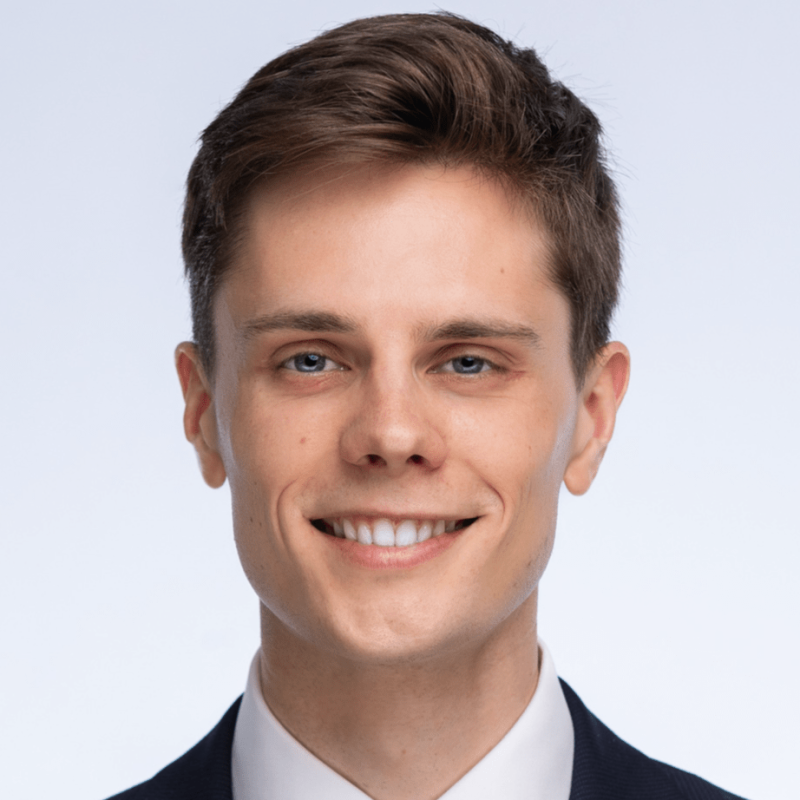
Ulysse Richard
Consultant, United Nations Office for Disarmament Affairs
Mr. Ulysse Richard is a Consultant with the Science, Technology, and International Security Unit at the UN Office for Disarmament Affairs (UNODA), focusing on the multilateral governance of AI in the military domain. Mr. Richard was an AI Policy Fellow at the Institute for AI Policy & Strategy, conducted cyber threat analysis at the CyberPeace Institute, and is part of the inaugural cohort of the Youth Leader Fund for a World Without Nuclear Weapons. He received a dual Master’s degree in international security and international relations from Sciences Po and Peking University.
View Profile
Close
close
Peace, Human Security and Dignity Week
Respect & protection of human rights
The programme, together with the General Sponsors, explores: 'What should we consider to overcome prejudice, discrimination & unconscious bias & respect/protect human rights?'
-
2025.08.12[Tue]
10:00~12:00
(Venue Open 09:30)
- Theme Weeks Studio
OTHER PROGRAM
Peace, Human Security and Dignity Week