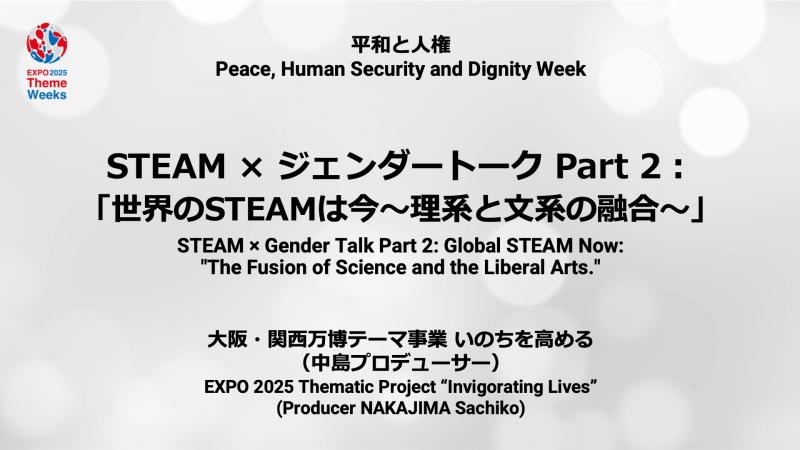
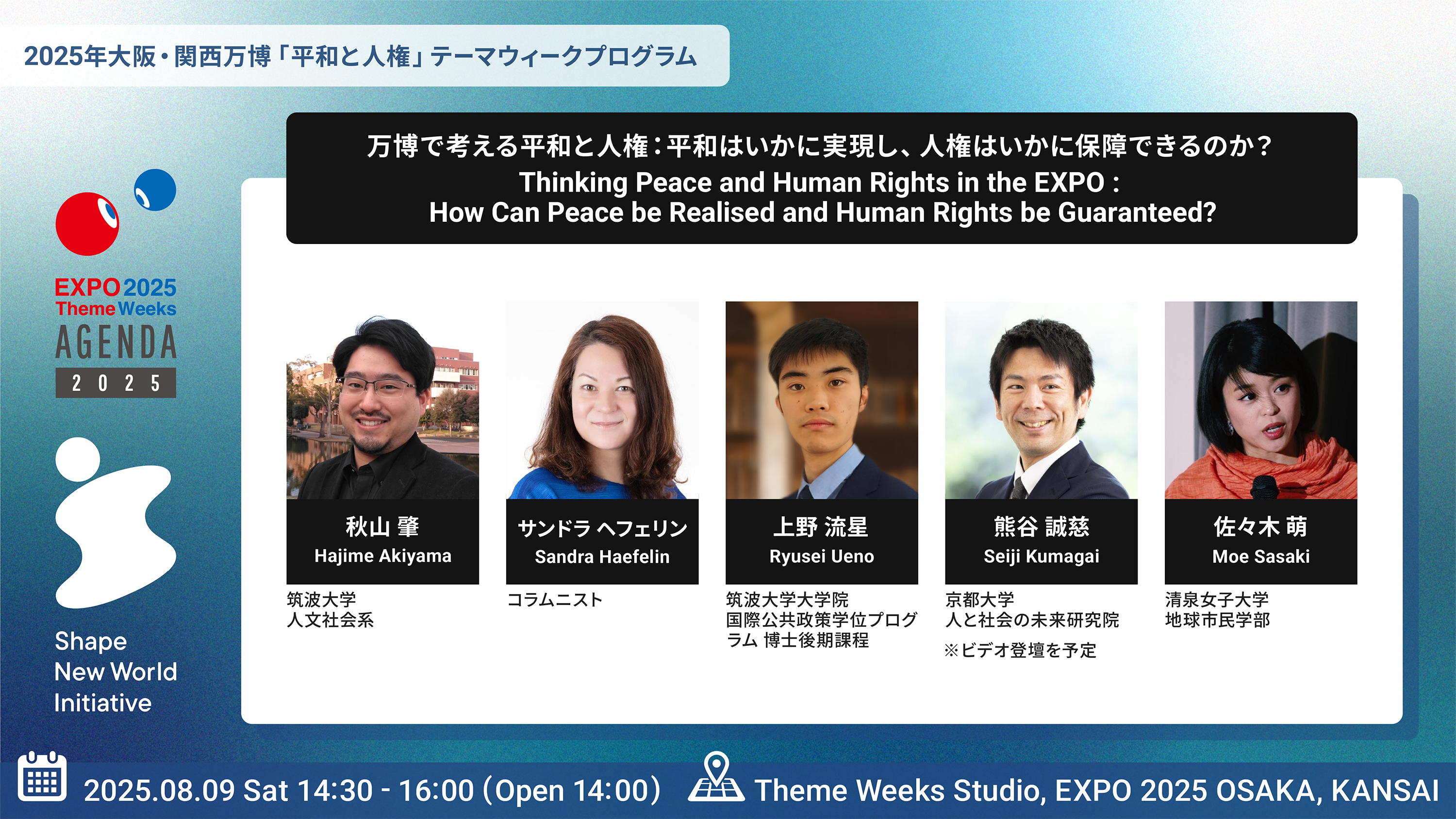
Peace, Human Security and Dignity Week
Thinking Peace and Human Rights in the EXPO: How Can Peace
be Realised and Human Rights be Guaranteed?
Agenda 2025 Co-created Programme
Shape New World Initiative
[Hypothesis for the future in 2050]
A certain consensus is reached on the ethical values and
social systems necessary to realise peace and guarantee
human rights.
Peace and human rights are values considered important in
society, but various global issues are occurring. What can
we do to realise peace and guarantee human rights? A diverse
participants will gather to discuss what peace is, what
human rights are and how such values can be realised. At the
end, they will consider the actions that need to be taken in
the future.
Recorded video available
Discussion
- Human rights violations
- Gender equality
- Immigration
| Transmission of simultaneous interpretation | Provided |
|---|---|
| Language of interpretation | Japanese and English |
-

Agenda2025
Co-created Programme
-
Time and
Date of
the event -
-
2025.08.09[Sat]
14:30 ~ 16:00
(Venue Open 14:00)
-
- Venue
- Theme Weeks Studio
Programme details
*Subtitles: Choose “Subtitles/CC” in the “Settings” (gear
icon) at the bottom right of the YouTube video.
*Subtitles may not show with multiple languages or overlapping
audio.
In this programme, the authors of the report of the research
examining visions for 2050 related to peace and human rights
present the results of the research such as what kind of
society is thought to be achieved in 2050 and what is thought
to be needed to realise such a future. We will then invite
people who will play an important role in considering peace
and human rights in the future to present their comments on
the results of this research and to introduce the issues to be
examined. Guest speakers from different backgrounds with an
interest in peace and human rights will discuss the issues. In
addition to typical topics related to peace, such as war, the
discussion will include perspectives on science and
technology, sexual orientation, school education and refugees,
and this allows participants to discuss peace and human rights
from multiple perspectives. The programme allows each
participant to think about peace and human rights, discuss
matters that need to be addressed in the future, and consider
the actions that need to be taken in the future.
Reports
【Reflection】
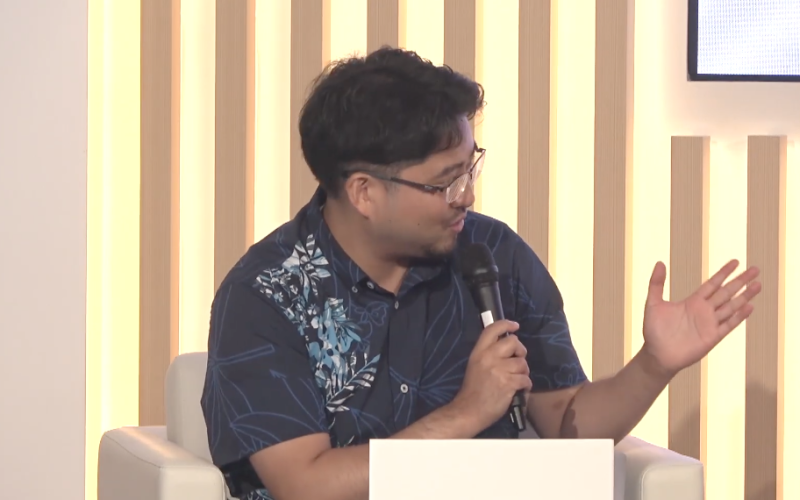
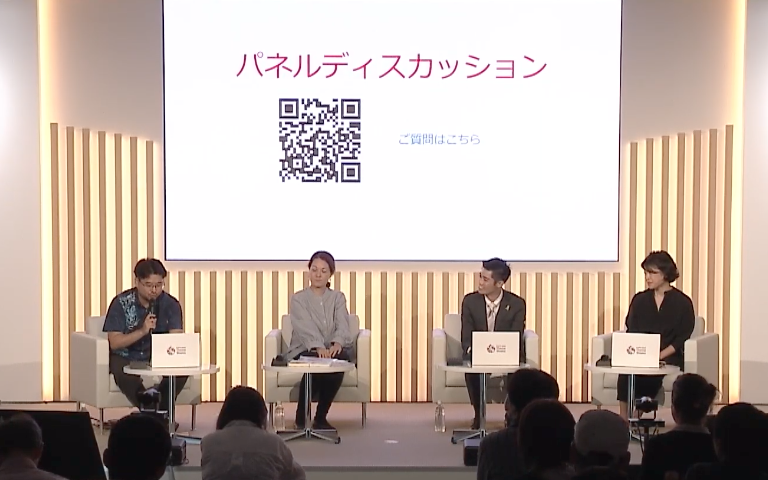
This session provided an opportunity to explore what kind of
social and ethical foundations are necessary to realise peace
and human rights from multiple perspectives. Hajime Akiyama
(University of Tsukuba), a moderator, began this session by
introducing research findings that envision the year 2050,
emphasising the need for a comprehensive understanding of
peace that goes beyond merely “the absence of war.” While many
people tend to think of peace in contrast to conflict, what is
truly needed is an ethical sense that respects life and
diversity, supported by social systems that embody those
values. He also pointed out that the homogenising effects of
social media have reduced opportunities to encounter differing
values, stressing that “the courage to choose uncomfortable
realities” is the first step toward overcoming division.
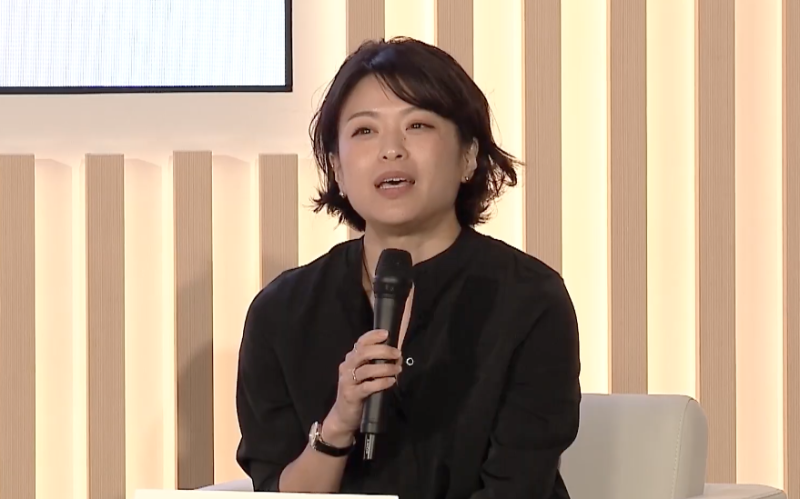
Sandra Haefelin, a columnist, drawing on her multicultural
background, highlighted the ambiguity of the distinction
between “Japanese” and “foreigner.” She argued that judging
people by nationality or appearance narrows society’s scope
and that, given Japan’s aging population and labor shortages,
embracing diversity is the only sustainable path forward.
Moe Sasaki (Seisen University) spoke about her experiences in
reconciliation activities in Rwanda, emphasising the
importance of creating “spaces for dialogue” between people.
Through dialogue, mutual understanding can deepen, allowing
people to rebuild relationships beyond the labels of victim
and perpetrator. She also stressed the necessity of skills
such as nonviolent communication and trauma care, which should
be nurtured through education and community activities.
Seiji Kumagai (Kyoto University) presented a Buddhist
perspective on linking “inner peace” and “outer peace.” He
explained that when individuals learn to control anger and
desire while cultivating compassion and altruism, it
ultimately leads to peace across society. He also noted the
potential of carefully utilising advanced technologies such as
AI to accelerate conflict resolution and mutual understanding.
Ryusei Ueno (Doctoral Program in International Public Policy,
University of Tsukuba) emphasised the need to think of
science, technology, and society in an integrated manner
rather than as separate spheres. He questioned the educational
structure that divides the humanities and sciences and argued
that expanding shared understanding through interdisciplinary
knowledge will be the key to building a dialogic society. In
conclusion, all the speakers shared the importance of having
the courage to cross boundaries, engage with others who hold
different perspectives, and continue evolving together.
【Post EXPO Initiatives】
The future vision presented in this session was the creation
of an inclusive society based on dialogue and co-creation.
First, Akiyama stated that in the future, educational
institutions and local communities will regularly provide
opportunities for people with diverse backgrounds to meet and
deepen mutual understanding through dialogue. To overcome
social divisions caused by social media, training programs
that intentionally expose participants to “uncomfortable
opinions” will also be implemented as part of civic education.
Haefelin pointed out that as Japan faces population decline,
foreign workers and immigrants will play an increasingly
important role, and systems for promoting mutual understanding
through education and media will be expanded. Multicultural
coexistence will no longer be treated as a special topic but
as a natural precondition of daily life.
Sasaki emphasised the importance of continuing to promote
peace education programs in Northeast Asia aimed at
cultivating citizens’ “capacity for dialogue.” To that end,
training programs in nonviolent communication and
trauma-informed care will be expanded, creating environments
where younger generations can collaborate without fear of
diversity.
Kumagai intends to link Buddhist concepts of “altruism” and
“interdependence” with technology, advancing research that
uses AI for visualizing the mind and analyzing conflicts. His
approach seeks to construct systems that expand social peace
through inner transformation—an effort to “change the world
from within.”
Ueno shared a plans to promote cross-disciplinary research and
strengthen transdisciplinary education. In particular, he
emphasised the importance to establish frameworks for
examining human rights and gender issues from the design phase
of technological development, proposing a social model in
which ethics and science coexist.
Overall, the speakers viewed peace and human rights not as
static ideals but as practices that must be continually
renewed. Toward 2050, people with diverse values are expected
to engage in ongoing dialogue and collaboration to shape
sustainable ethics and systems. The experience of Expo 2025
Osaka, Kansai, Japan is expected to serve as the first step
toward that future.
*Part or all of this report was generated by AI.
Cast
Moderator
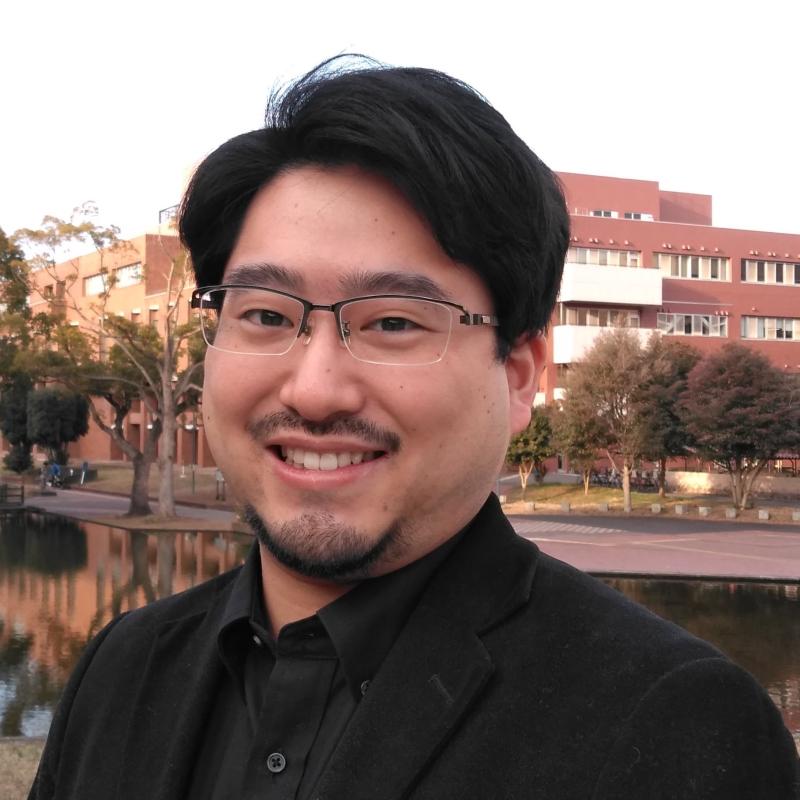
Hajime Akiyama
Institute of Humanities and Social Sciences, University of Tsukuba
Hajime Akiyama is an Assistant Professor at the Institute of Humanities and Social Sciences, University of Tsukuba and Visiting Partner Associate Prifessor at International Christian University (ICU). His specialisation includes peace studies, constitutional law, international law and international organisations. He acquired Bachelor of Arts, Master of Arts in Peace Studies and Doctor of Philosophy from ICU in Tokyo. Before the current position, he was a Research Fellow of the Japan Society for the Promotion of Science, Visiting Researcher at the University of Lausanne and Lecturer at the College of International Relations, Ritsumeikan University in Kyoto. He interests include statelessness and post-Anthropocene. He was awarded as the BEST FACULTY MEMBER of the University of Tsukuba in AY 2022 and 2024. He is also a Co-Representative of Stateless Network, a non-profit organisation in Japan.
View Profile
Close
close
Speakers

Sandra Haefelin
Columnist
Sandra Haefelin is from Munich, southern part of Germany. She is living in Japan more than 25 years and writing in Japanese about multiculturalism. Japanese book titles: "Taiikukaikei - Nihon wo mushibamu yamai"(Koubunsha Shinsho), "Doitsu no Josei wa heel wo hakanai"(Jiyu Kokuminsha). Both, Japanese and German are her "mothertongues".
View Profile
Close
close
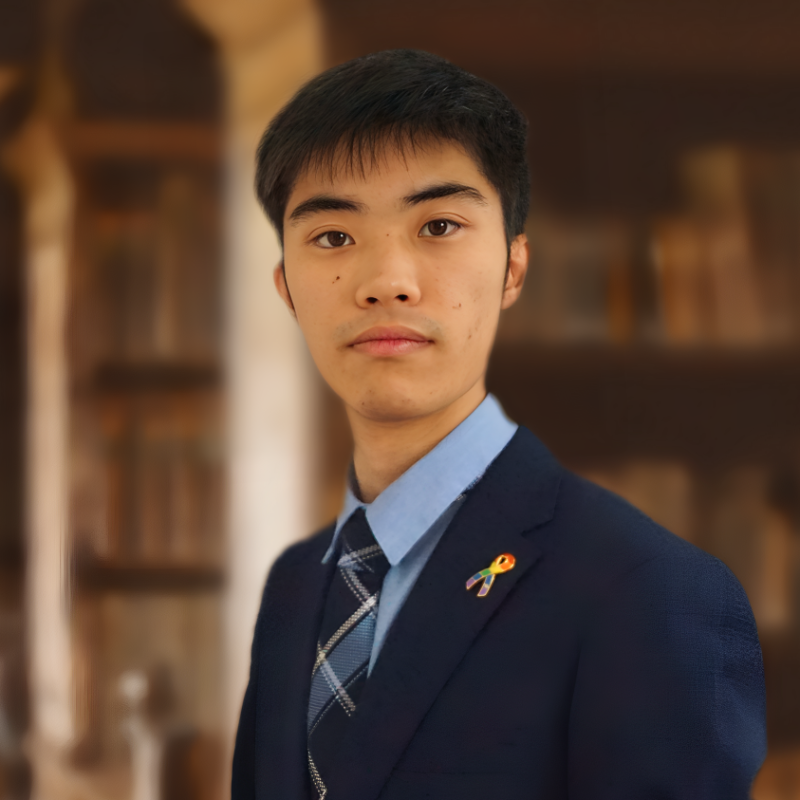
Ryusei Ueno
Doctoral Program in International Public Policy, University of Tsukuba
As a postgraduate student in the Doctoral Program in International Public Policy at the University of Tsukuba, he conducts research on queer individuals from an interdisciplinary perspective combining Peace Studies and Queer Studies. His work focuses particularly on unconscious bias and structural violence against queer individuals. He has been working to expand the Japan Queer Studies Network, which seeks to identify scholars in the field of Queer Studies, addressing the absence of dedicated academic association in Japan.
View Profile
Close
close

Seiji Kumagai (Expected to participate by video presentation)
Institute for the Future of Human Society (IFoHS), Kyoto University
While conducting philological research on philosophy and history of Buddhism in India, Tibet and Bhutan, he has also developed “traditional wisdom technology” and “kokoro-tech” (technology related to mind and spirit) to detect and improve mental status by integrating biology, neuro-science, social science and humanities.
View Profile
Close
close
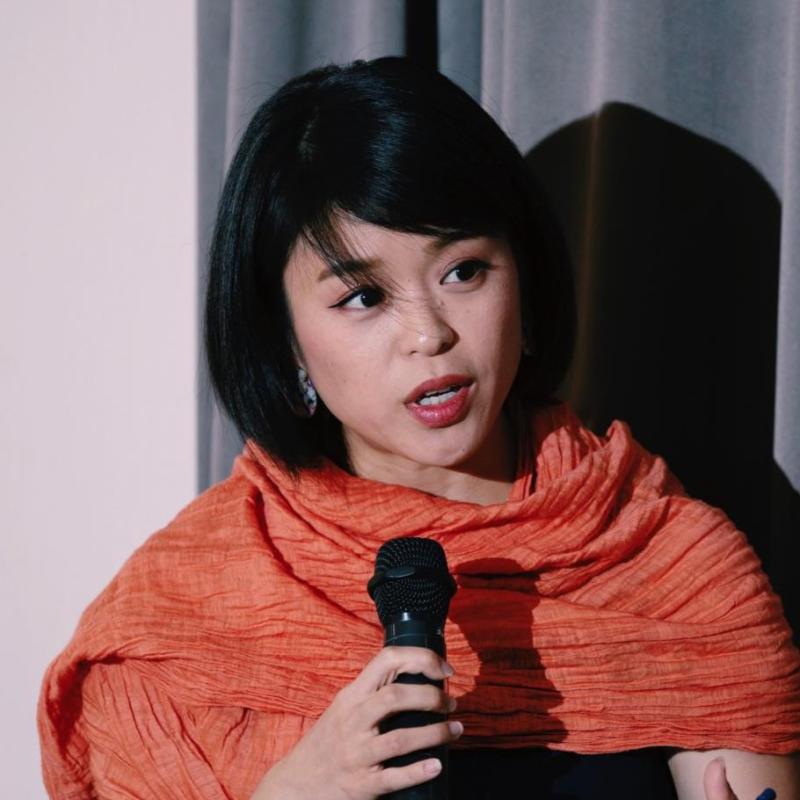
Moe Sasaki
Faculty of Global Citizenship Studies, Seisen University
Moe Sasaki is a lecturer of Peace and Conflict studies at the Department of Global Citizenship Studies at Seisen University. She is also the Vice Chair of the Northeast Asia Regional Peacebuilding Institute (NARPI) that works to build a culture of peace in the region through its peacebuilding training and educational programs. In addition, she has built her career in the international development field through her work with NGOs and UN organisations. She received a Masters in Development Studies at SOAS, University of London, and a Bachelors of Arts at International Christian University. Her current research looks at the politics of memory in peace and reconciliation processes.
View Profile
Close
close
Peace, Human Security and Dignity Week
Thinking Peace and Human Rights in the EXPO: How Can Peace be
Realised and Human Rights be Guaranteed?
Agenda 2025 Co-created Programme
[Hypothesis for the future in 2050]
A certain consensus is reached on the ethical values and
social systems necessary to realise peace and guarantee human
rights.
Peace and human rights are values considered important in
society, but various global issues are occurring. What can we
do to realise peace and guarantee human rights? A diverse
participants will gather to discuss what peace is, what human
rights are and how such values can be realised. At the end,
they will consider the actions that need to be taken in the
future.
-
2025.08.09[Sat]
14:30~16:00
(Venue Open 14:00)
- Theme Weeks Studio
OTHER PROGRAM
Peace, Human Security and Dignity Week