Peace, Human Security and Dignity Week
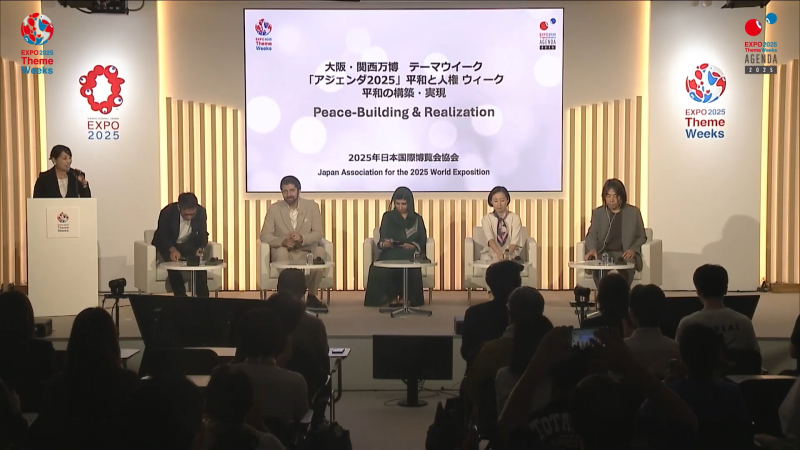
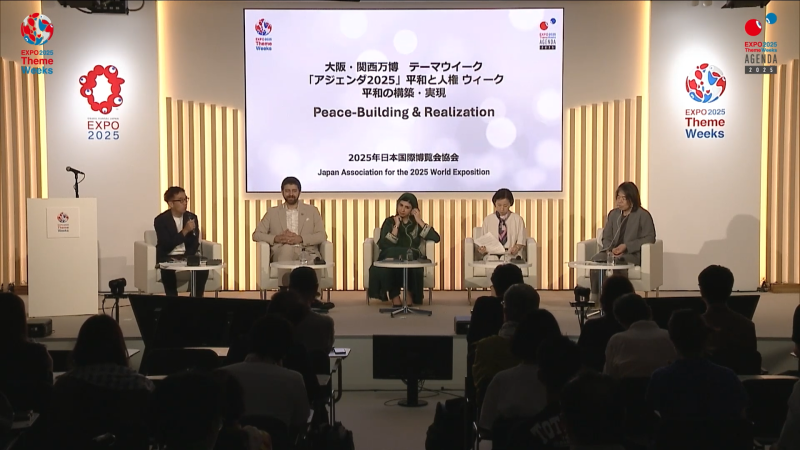
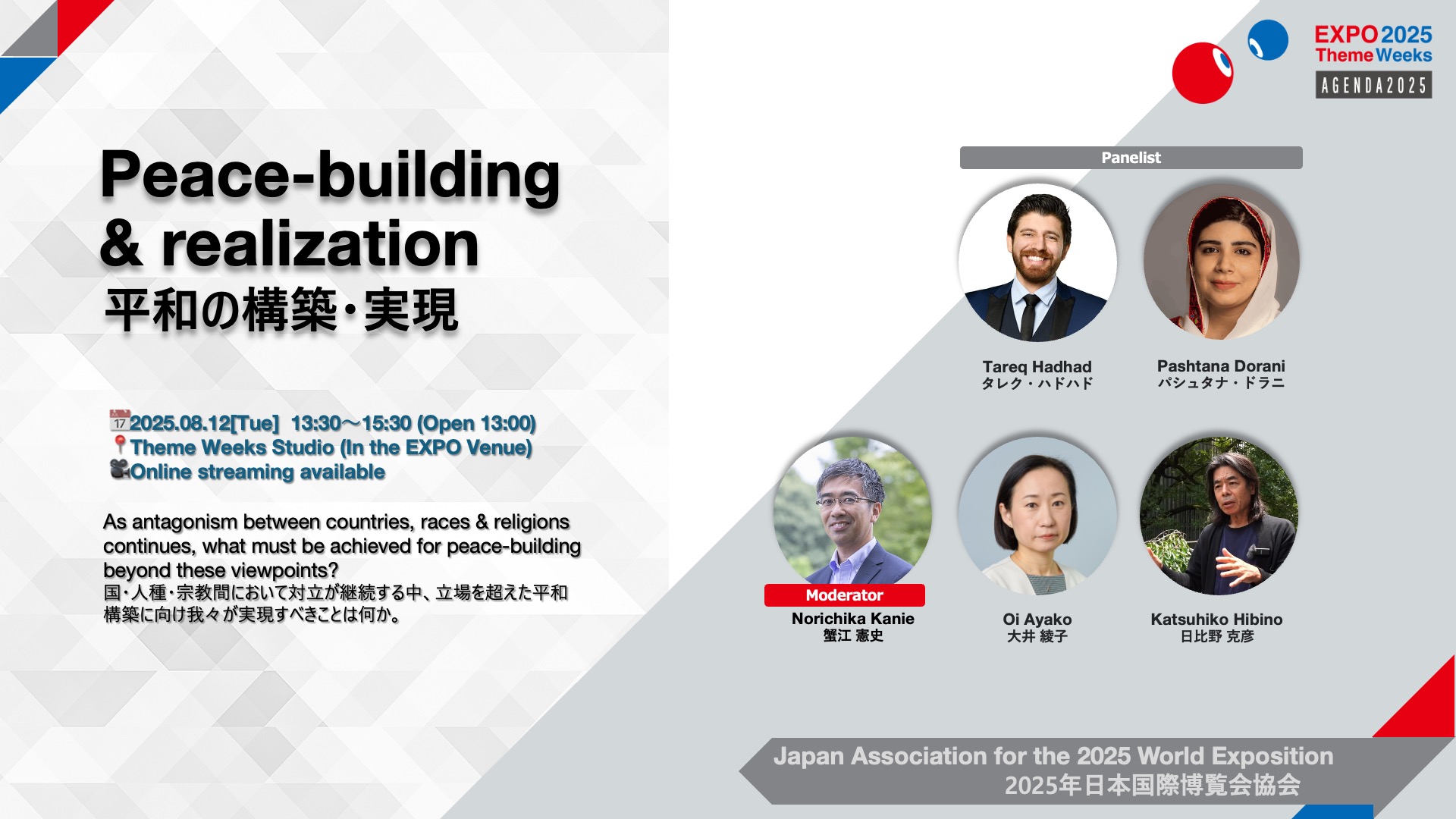
Peace-building & realization
Japan Association for the 2025 World Exposition
The programme, together with the General Sponsors, explores: 'As antagonism between countries, races & religions continues, what must be achieved for peace-building beyond these viewpoints?'
Recorded video available
Discussion
- Others
| Transmission of simultaneous interpretation | Provided |
|---|---|
| Language of interpretation | Japanese and English |
-

Agenda2025
Organised Programme
-
Time and
Date of
the event -
-
2025.08.12[Tue]
13:30 ~ 15:30
(Venue Open 13:00)
-
- Venue
- Theme Weeks Studio
Programme details
*Subtitles: Choose “Subtitles/CC” in the “Settings” (gear
icon) at the bottom right of the YouTube video.
*Subtitles may not show with multiple languages or overlapping
audio.
This session considers peace, security and human rights in the
light of sustainability. Peace is a necessary element of
sustainability, and sustainability requires peace; therefore
peace and sustainability can be considered as different sides
of the same coin. However, we often face destructions to peace
and to sustainability. Why is it so? And how can we overcome
obstacles? This session explores answers to these questions by
shedding lights on individual behaviors, collective actions
and normative thinking. The variety of background that the
panelists have will make the discussion truly global and
multi-dimensional, which is also an integral part of the
essence of the issue at hand. The background varies from macro
perspective to micro perspective, from social actions to arts,
from physical action to psychological action, and more. Please
be looking forward to dynamic discussion and to feeling how
diversity can create dynamic ideas.
Reports
【Program Summary】
The program “Peace-building & Realization” was held as
part of the Osaka–Kansai Expo 2025 Theme Weeks “Peace, Human
Security and Dignity Week.” The session addressed the question
of what perspectives and actions are necessary for the
international community to overcome conflict and division and
to realize peace. Speakers included an entrepreneur with
direct experience of conflict, an educational activist, an
expert from an international cooperation agency, and a
university president exploring peace through art. Drawing on
their diverse practices and philosophies, the session
developed into an in-depth discussion. Throughout the
dialogue, it was emphasized that peace is not merely the
absence of war. Rather, it is a daily practice rooted in human
dignity, trust, and empathy.
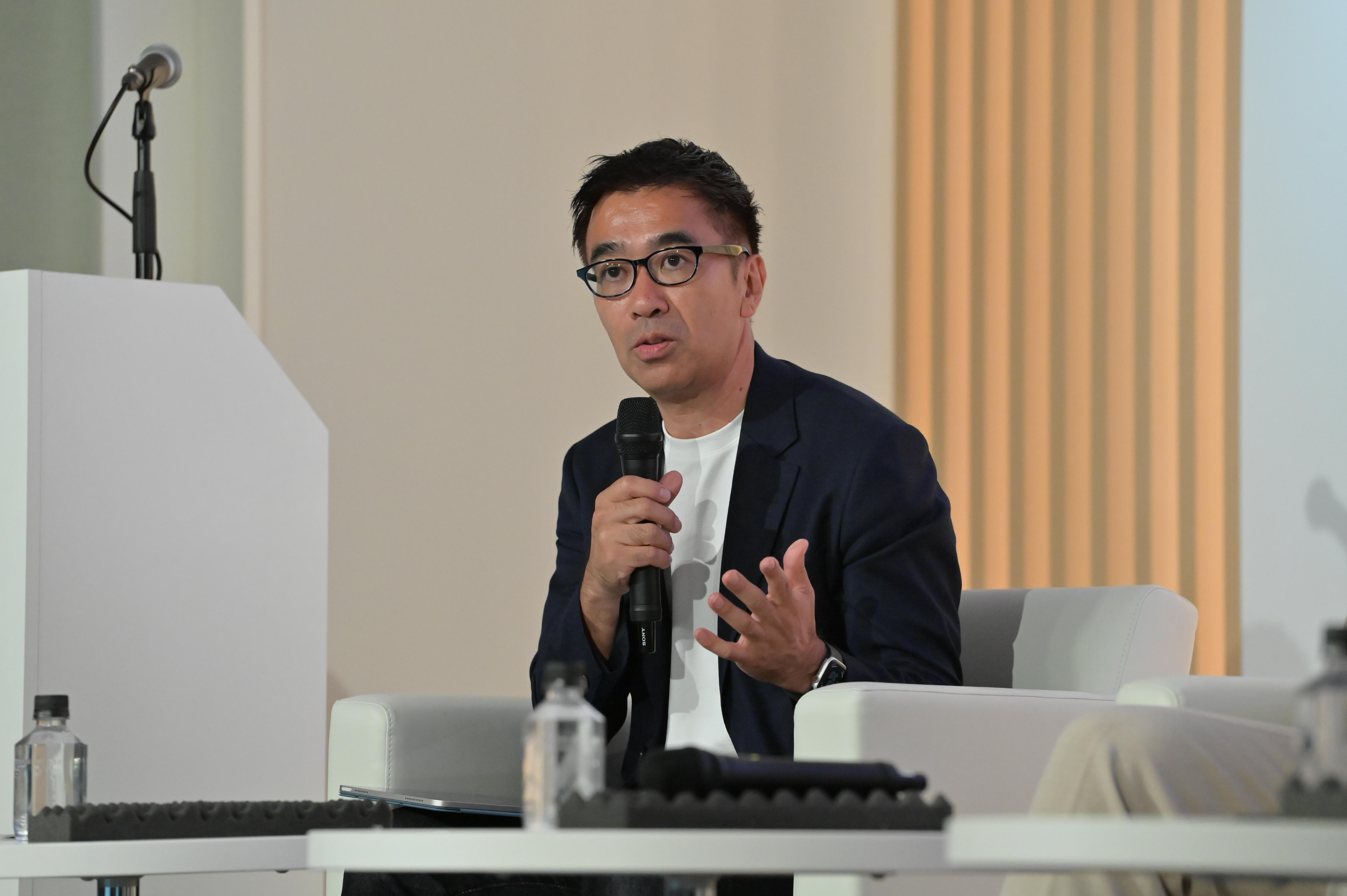
【Speaker Summary: Norichika Kanie】
Norichika Kanie began by highlighting the symbolic
significance of August in Japan. This summer marks the 80th
anniversary of the atomic bombings of Hiroshima and Nagasaki,
and he stressed that holding a dialogue on peace during this
milestone is both a historical responsibility and a promise to
future generations. He also drew attention to the increasing
threats posed by climate change, such as extreme heat and
flooding, which demonstrate that human security is undermined
not only by military threats but also by environmental change.
Since such crises transcend national borders, he argued that
the concept of peacebuilding must extend beyond the cessation
of armed conflict to include safeguarding the very foundations
of human survival. Kanie introduced the concepts of “negative
peace” and “positive peace.” Negative peace refers to a
temporary suspension of hostilities, in which the root causes
of conflict remain unresolved and violence may easily
resurface. Positive peace, on the other hand, represents a
state in which social justice and human dignity are
guaranteed, allowing for sustainable coexistence. He insisted
that contemporary society must aim for the latter, and that
achieving it requires cooperation across multiple
domains—including education, culture, and economic activity.
He also referred to Japan’s postwar history as a nation that
has pursued peace, calling for a renewed engagement with the
ideals of the Peace Constitution and Japan’s record of
international contribution. In an increasingly globalized
world, where multicultural coexistence is inevitable,
Japan—having directly experienced war—has a duty to lead in
preserving memory and fostering international dialogue. Kanie
stressed that preserving peace is not merely the task of
diplomacy but an activity deeply rooted in the daily habits
and values of citizens. The foundation of peace, he explained,
is “trust,” which requires the capacity to listen, to
empathize, and to respect differing opinions. In conclusion,
he described peacebuilding as a forward-looking and
sustainable endeavor. Only by individuals, communities, and
the international community working in solidarity and
continually building practices of peace can we leave tangible
hope for the next generation.
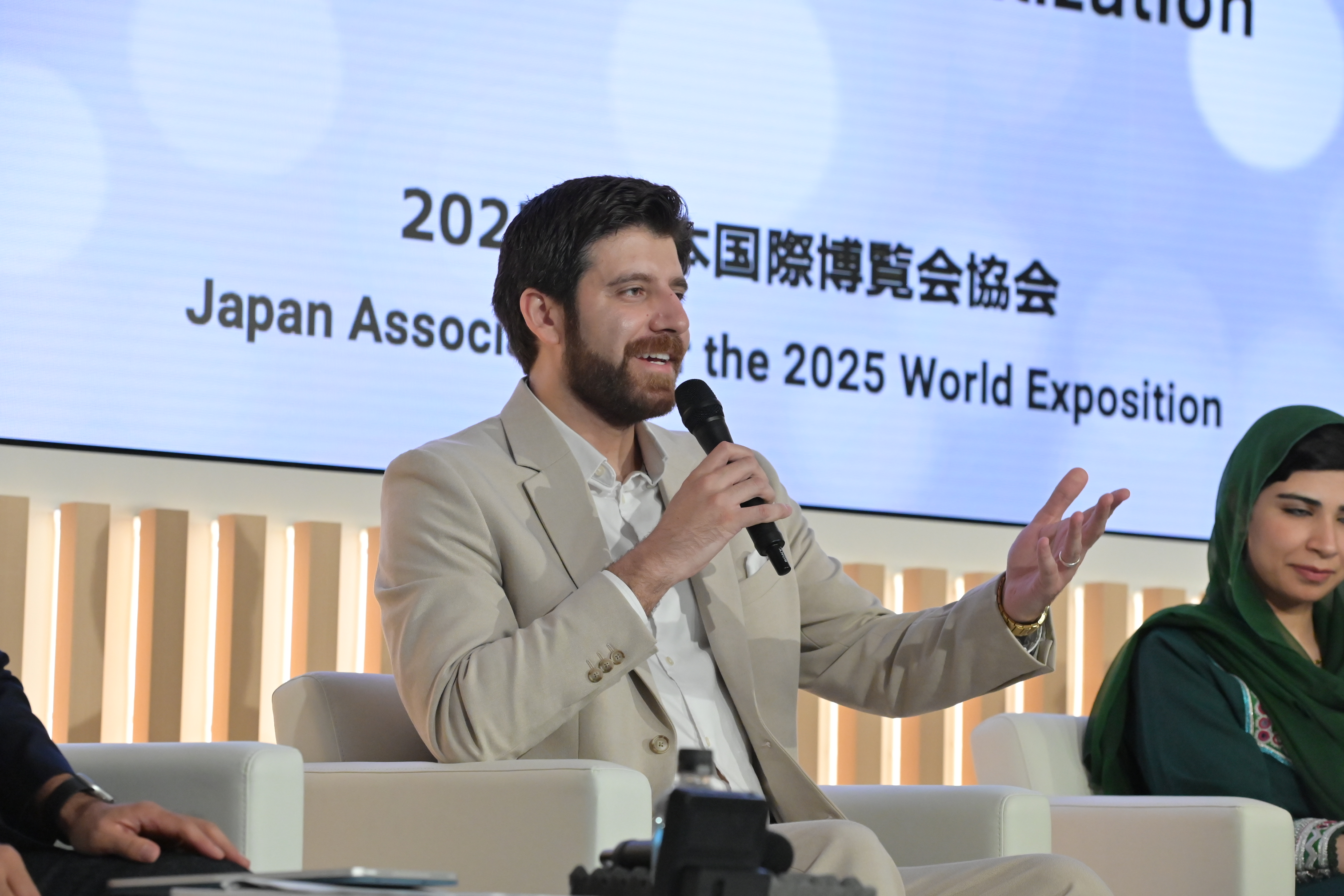
【Speaker Summary: Tareq Hadhad】
Tareq Hadhad began by sharing his personal experience of
losing his family’s chocolate factory during the Syrian civil
war and becoming a refugee. “Becoming a refugee is not a
choice, but a circumstance,” he said, stressing that anyone
could find themselves in the same position depending on their
environment. Having directly experienced the fragility of
everyday life, he explained that for him, peace is nothing
other than a state in which people can live with dignity.
After resettling in Canada in 2015, he and his family founded
Peace by Chocolate. The company’s philosophy is built upon
four pillars: Passion, Empathy, Contribution, and Excellence.
Each chocolate product is engraved with the word “peace” in
multiple languages, serving not merely as confectionery but as
a message that connects people across cultural and religious
divides. A portion of the profits is donated through the
charity Peace on Earth Society to support education and
community coexistence initiatives. Hadhad emphasized that
“peace is not created by governments, but by citizens,”
underscoring the power of communities. He drew upon the
concepts of “negative peace” and “positive peace.” The former,
he explained, is a false peace—where hostilities may have
ceased temporarily but oppression and inequality remain.
Positive peace, by contrast, is realized when diversity is
respected, social justice is secured, and human dignity is
protected. Drawing from the contrast between his experiences
in Syria and his life in Canada, he argued that positive peace
is what humanity must strive for. He further stressed the
importance of empathy and listening in building peace. While
people may hold different cultures and beliefs, mutual
understanding is born when they listen to one another.
“Beneath the skin, we all share the same bones and blood,” he
said, offering a vivid reminder of the superficial nature of
differences and the shared humanity underlying them. For
Hadhad, chocolate itself represents more than a sweet—it is a
“medium of peace,” creating smiles and conversations. He
explained that the accumulation of small acts of empathy
fosters trust within society, forming the very foundation of
greater peace. He concluded by declaring: “Peace is not
something that is given; it is something we create.” He called
on each individual to take responsibility as an active agent
in peacebuilding. His journey from refugee to entrepreneur to
engaged citizen served as living testimony to the
possibilities of peace, leaving a profound impression on the
audience.
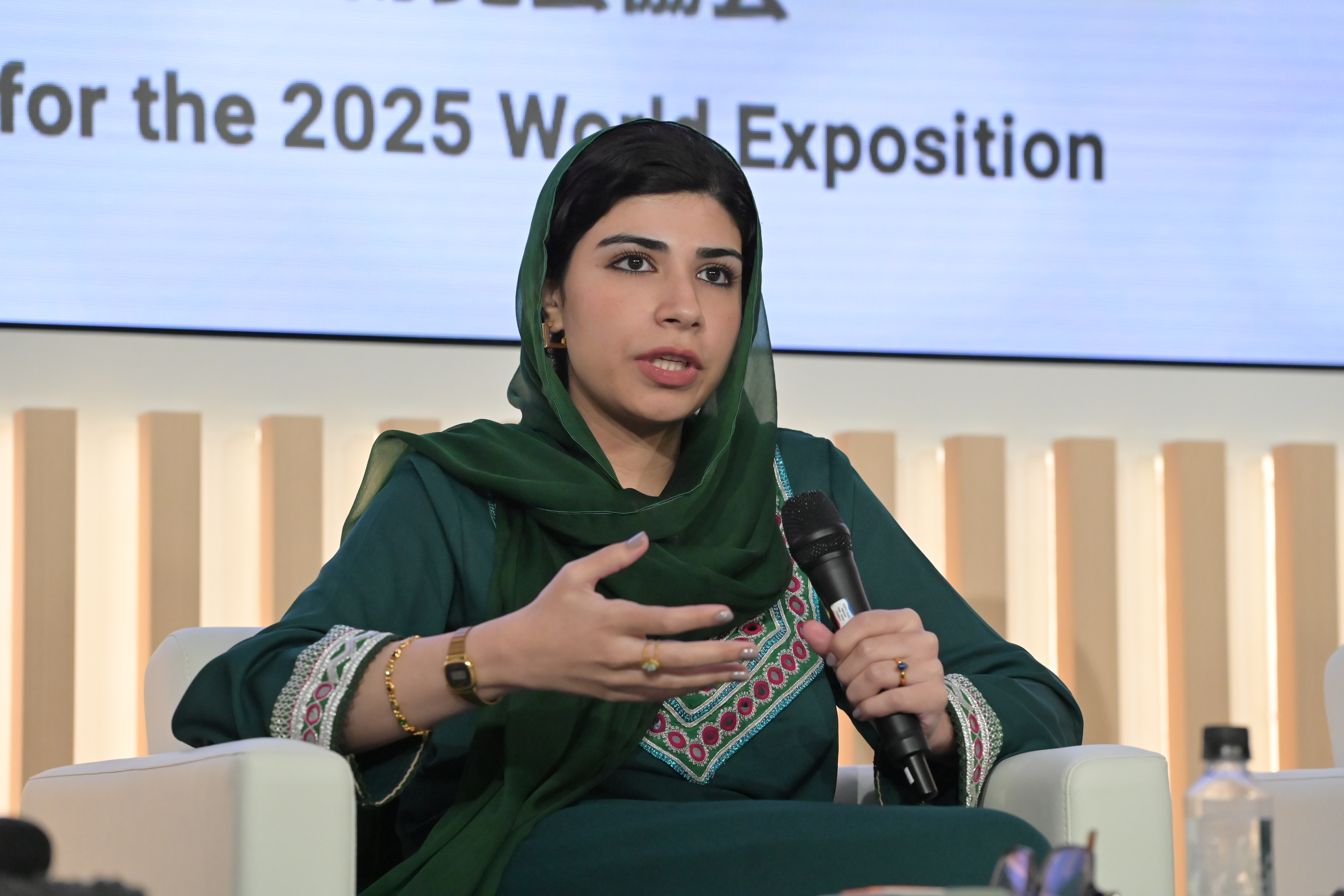
【Speaker Summary: Pashtana Dorani】
Pashtana Dorani spoke about the meaning of peace in Afghan
society from the perspectives of education and human dignity.
At the outset, she introduced the traditional Afghan value of
Personawali, an ethic that emphasizes honesty, trust, and
responsibility toward others. She explained that this cultural
foundation extends beyond the mere absence of violence,
representing a way of life in which people mutually respect
one another. For Dorani, peace does not simply mean the
silencing of gunfire. True peace is realized only when people
have access to education, healthcare, clean water, and a
dignified life. Without these basic conditions, peace cannot
take root. She highlighted figures in Afghan history who
embodied nonviolent practice. She also referred to the work of
Dr. Tetsu Nakamura of Japan, who brought stability to
communities through irrigation and medical support. These
examples, she argued, show that peace is not an abstract ideal
but an act of building the foundations of everyday life.
Dorani described the activities of her own educational
organization, LEARN Afghan, which enables girls to continue
learning from home using digital platforms. By introducing
tablets and solar-powered systems, her group has created
opportunities for education to persist even amid blackouts and
insecurity. She stressed that education is a power that cannot
be taken away by force or coercion, and that it gives women
and youth hope and agency. Her conviction was clear:
“Education is the strongest weapon for sustainable peace.” She
also posed a challenge to the international community,
insisting that peacebuilding is not the responsibility of a
single country but a global endeavor that requires solidarity.
In conflict-affected states, she noted, women and children
bear the greatest burden. Without systems that allow them to
participate in society through education and employment, the
cycle of violence will continue. In closing, Dorani described
peace as “an investment in the future.” She warned that
generations deprived of education by conflict and oppression
jeopardize social sustainability, while those guaranteed
education and dignity become the drivers of stability and a
better future. She concluded by affirming that “peace is not a
distant dream but the accumulation of small practices today,”
calling upon young people and the international community
alike to take action.
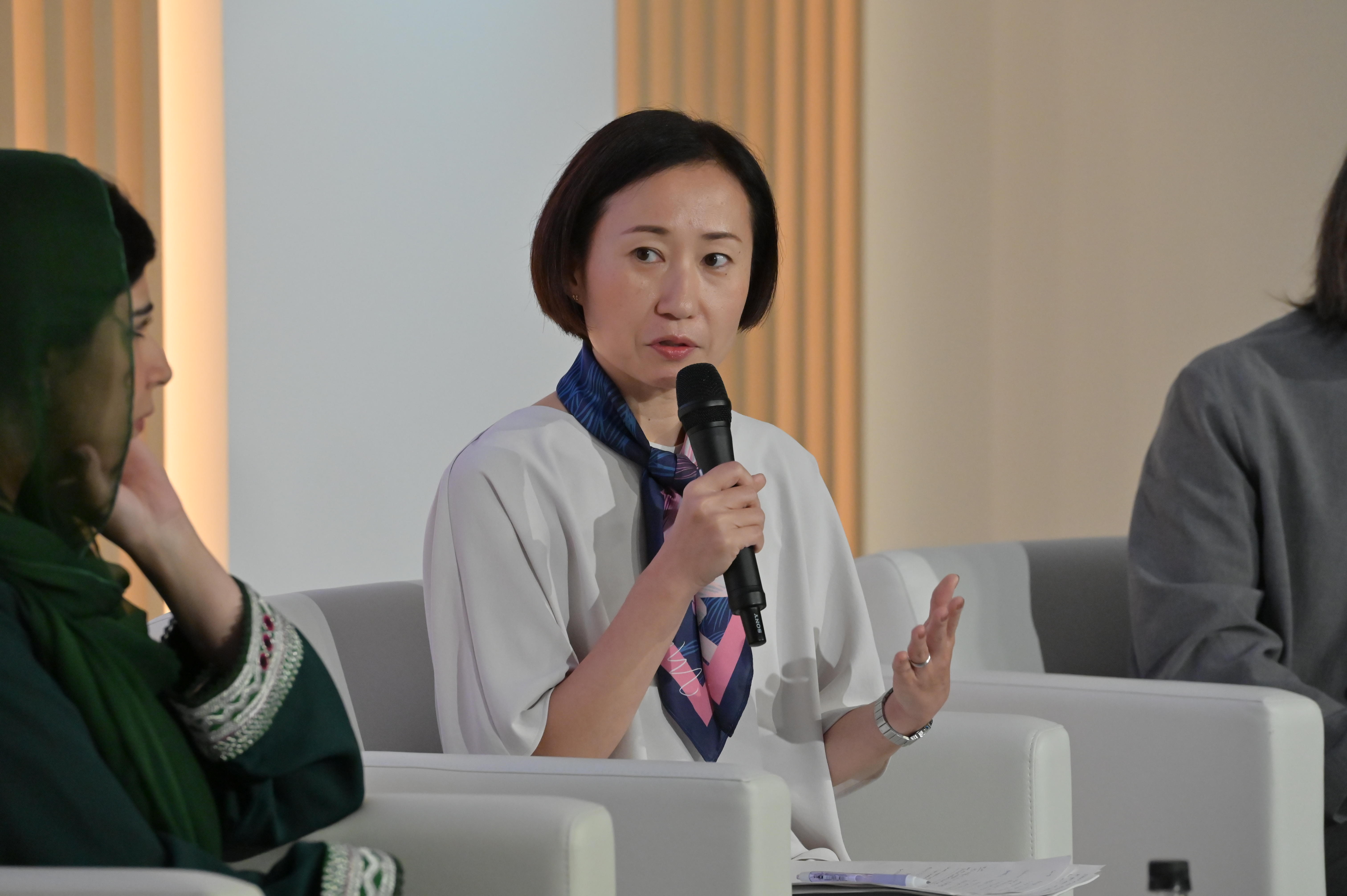
【Speaker Summary: Ayako Oi】
Ayako Oi emphasized that “peace cannot be sustained without
trust rooted in people’s daily lives, it will not endure.”
Drawing from her field experience, she outlined JICA’s (Japan
International Cooperation Agency) peacebuilding approach,
human security, which rests on two pillars: protection and
empowerment. Protection refers to safeguarding the lives and
livelihoods of vulnerable populations, while empowerment
focuses on fostering the capacity of people themselves to
rebuild their societies. Oi stressed that only when these two
pillars function in tandem can resilience and sustainable
peace be realized at the societal level. She illustrated this
with examples: in Mindanao, the Philippines, vocational
training has been provided for former combatants. Aiming to
reintegrate them into society and secure livelihoods directly
prevents the recurrence of violence. In Côte d’Ivoire,
dialogue between local officials and residents was promoted tp
buid trust and improve the quality of public services. In
Uganda, support was extended to both refugees and host
communities in agriculture imroving livelihoods of both
groups. Throughout her remarks, Oi repeatedly stressed the
importance of trust. Without trust between individuals,
between communities, and between citizens and the governnent,
institutions and agreements may become hollow. Trust, she
explained, is not built overnight, but through the
accumulation of small, everyday actions and dialogue. In this
sense, peacebuilding must not be imposed from the outside but
pursued as a process that respects the initiative of local
actors. She also touched on global-scale challenges such as
climate change and infectious diseases, both of which
transcend national borders and threaten human lives,
disproportionately affecting the most vulnerable. Oi argued
that addressing such challenges requires linking international
framework with the strength of local communities. Her remarks
strongly conveyed that the path to realizing peace lies not
only in institutions and policies but in the steady
accumulation of concrete practices to safeguard human
dignity.
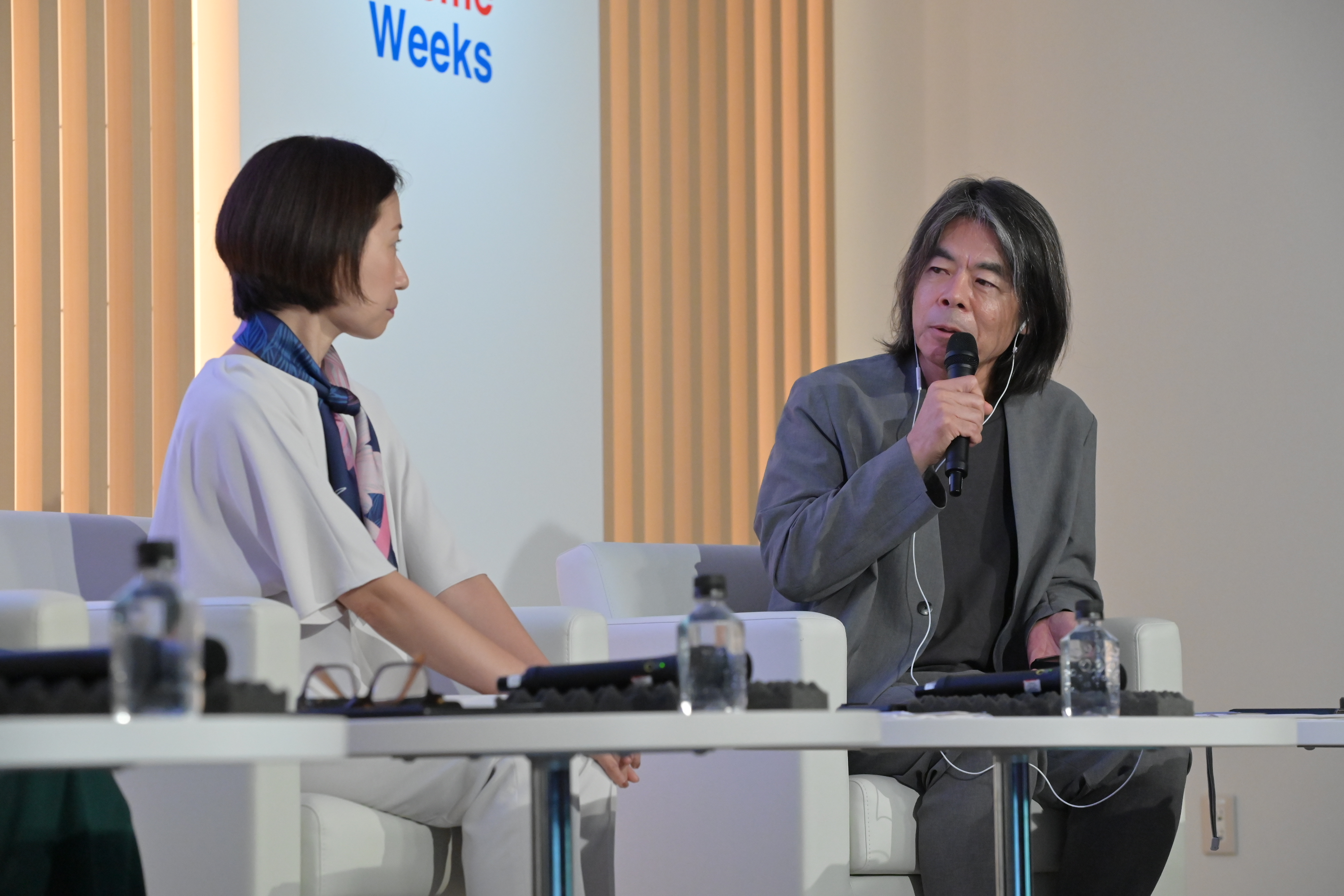
【Speaker Summary: Katsuhiko Hibino】
Katsuhiko Hibino offered a perspective on reinterpreting the
meaning of peace through the practice of art. Using the
metaphor that “even when drawing the same apple, no two
pictures are ever the same,” he underscored the fact that
every individual possesses unique perspectives and
sensitivities. Accepting these differences, he argued, is the
essence of art and, at the same time, the foundation of peace.
He warned that if societies demand excessive uniformity,
diverse forms of expression and existence are suppressed,
giving rise to conformity and exclusion. By contrast, art
transforms difference into value and becomes a means of
enabling coexistence. Hibino further stressed the importance
of the human capacity to “accept what cannot be understood.”
Confronted with the unfamiliar, people often feel anxiety or
fear; art, however, nurtures the ability to enjoy the
“unknown” and to engage with others’ perspectives. Without
this capacity, multicultural coexistence and dialogue cannot
flourish, and peace remains fragile. Art-based learning, he
explained, provides practical experiences of tolerance and
respect within human society. He also addressed art’s function
as a “generator of empathy.” Visual art, music, and
performance transcend language, creating spaces where emotions
and ideas are shared. This empathetic circuit, he stressed, is
indispensable for the realization of peace. From his position
as an educator, Hibino also spoke of the significance of art
education. Working closely with students at Tokyo University
of the Arts, he emphasized the value of “trial and error” in
the creative process. Rather than seeking a single correct
answer, cultivating an attitude that respects diverse
interpretations and practices nurtures the sensibility
necessary for the next generation of peacebuilders. He
concluded by characterizing art as a “medium that connects
peace.” Artworks and artistic activities, he explained,
transcend borders and languages to bring people together,
generating cycles of empathy and respect. “Peace is not a
distant ideal but the accumulation of small, everyday acts,”
he declared, adding that art makes this process visible.
Hibino’s remarks vividly demonstrated that art is not merely a
medium of expression but a practical force for realizing peace
in human society.
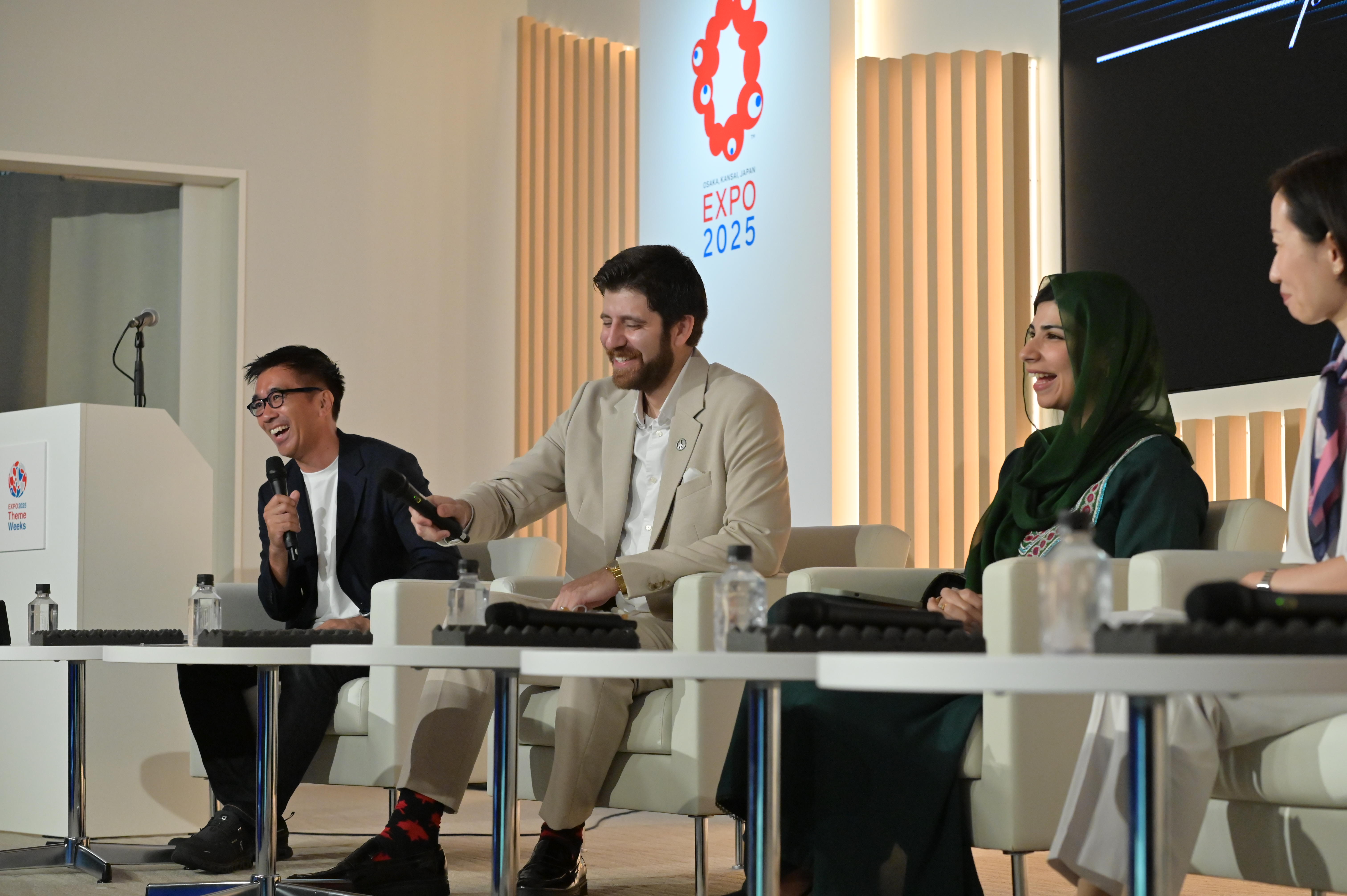
【Discussion Summary】
In this session, the discussion centered on how to foster
mutual understanding and build peace from multiple
perspectives. Tareq Hadhad, drawing on his experience of
moving from Syria to Canada, emphasized that peace is not
merely the “absence of conflict” but the state in which people
can live with dignity. He noted that “humans are born
peaceful, but hatred is something learned later in life,” and
stressed that overcoming division requires the art of
listening. He argued that beyond intergovernmental relations,
people-to-people exchanges and cultural activities play a
vital role in cultivating trust . Pashtana Durrani highlighted
the long-standing cooperation between Afghanistan and Japan,
stressing that support should not be a hierarchical
relationship but rather a partnership of equals. She pointed
out that areas directly connected to everyday life—such as
water resources and education—form the foundation of peace.
She further underscored that human kindness and empathy are
essential drivers of social transformation . Ayako Oi framed
peace within the concept of human security, which encompasses
freedom from fear and want, as well as to ne able to live with
dignity. She stressed that peacebuilding cannot be imposed
externally but must respect the history and culture of the
people concerned. She also introduced community-level
initiatives—such as refugees and local residents working
together on agriculture or water facilities—demonstrating how
cooperation toward “common interests” can build trust .
Katsuhiko Hibino examined peace through the lens of art. He
argued that art gives people the capacity to “embrace the
unknown” and provides opportunities to affirm difference and
diversity. Using the metaphor of paint colors, he suggested
that relying only on “familiar colors” maintains the status
quo, whereas daring to use “untried colors” generates new
values. For Hibino, such acts of experimentation illustrate
how diversity and tolerance are essential conditions for peace
. Throughout the discussion, a shared recognition emerged that
peace cannot be achieved solely through states or
institutions; rather, it is nurtured through the accumulation
of trust, empathy, and respect among individuals. The
participants also emphasized the potential for nations to
cooperate when facing shared global challenges—such as climate
change—as a “common enemy.” In addition, business and the arts
were highlighted as fields that can bridge divides and bring
societies together. The conclusion was that sustainable peace
requires cross-sector collaboration among civil society,
education, enterprises, and culture.


Cast
Moderator
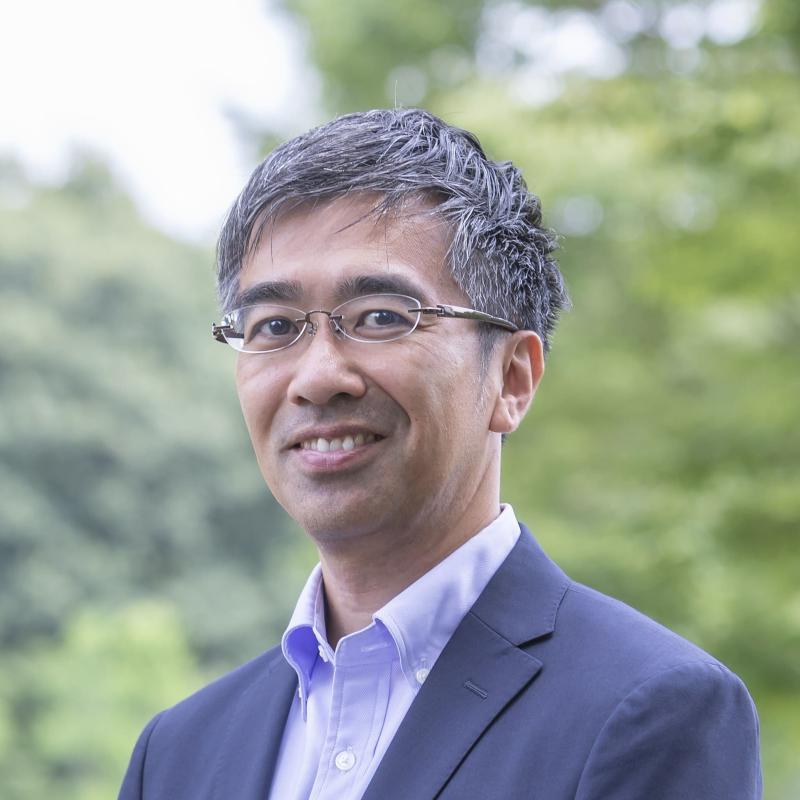
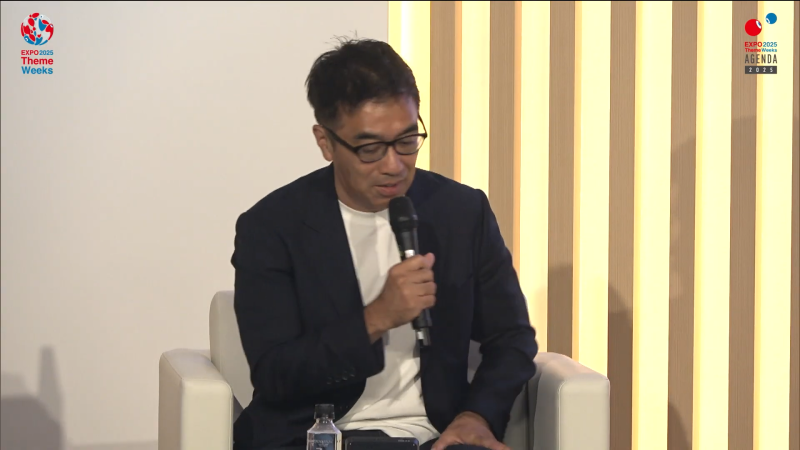
Norichika Kanie
Professor, Graduate School of Media and Governance, Keio University Representative of xSDG Laboratory of the SFC Research Institute, Keio University
After working as a lecturer and assistant professor at the Private University of Kitakyushu and associate professor at the Tokyo Institute of Technology, he has been in his current position since 2015. He was appointed by the UN Secretary-General as one of the 15 independent scientists to write the 2023 edition of the Global Sustainable Development Report (GSDR), an assessment report on the SDGs published every four years by the UN. He is also a member of the Roundtable on the SDGs Promotion Headquarters of the Government of Japan, a member of the Cabinet Secretariat for Regional Development Promotion's Expert Group on Municipal SDGs Promotion, and a member and ambassador of the Earth Commission, among many other international and domestic research and policy-related activities focusing on the SDGs and global environmental issues.
View Profile
Close
close
Speakers

Tareq Hadhad
Founder and CEO, Peace by Chocolate
Tareq Hadhad is telling his story. He was a Syrian refugee and now living his new life with his entrepreneurial family on Canada’s east coast. He is the founder and CEO of Peace by Chocolate. Passionate about peace and entrepreneurship, his family relaunched the family business to recreate the chocolates they exported across the Middle East and their story turned into an international inspiring phenomenon.Tareq has done over 1000 interviews with news teams across the globe and is a keynote speaker who talks about his family’s compelling story, the positive impact of Syrian newcomers and the spirit of entrepreneurship. Most recently, he was recognized as one of the Top 50 CEOs in Atlantic Canada by Atlantic Business Magazine.
View Profile
Close
close
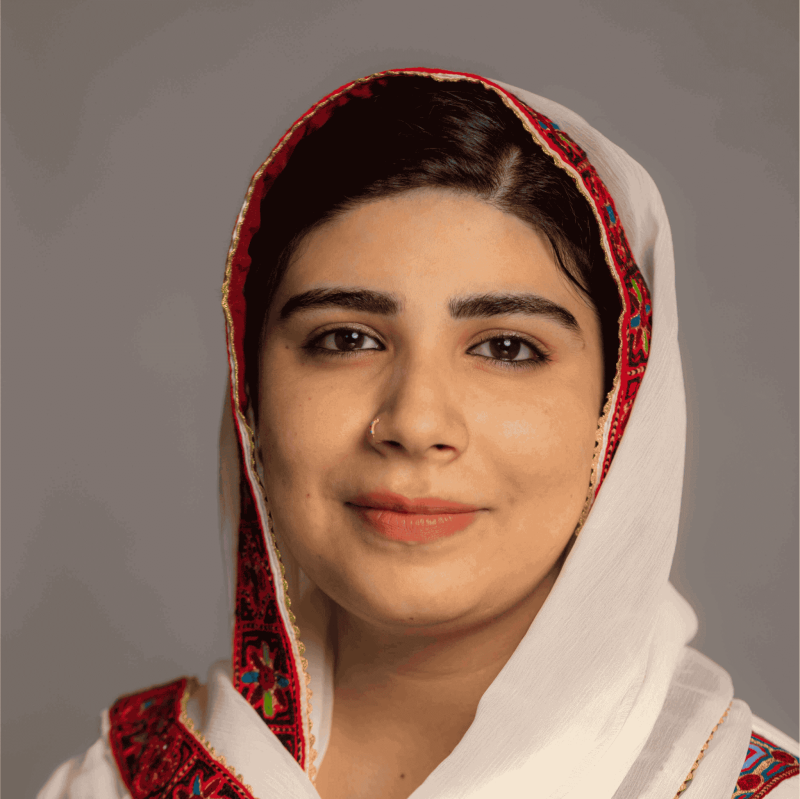
Pashtana Dorani
Executive Director, LEARN Afghan
Pashtana Durrani is an international scholar at the Wellesley Centers for Women. She is an Afghan human rights activist and community development expert who focuses on girls’ education. While at WCW, she continues in her capacity as a practitioner to develop models that support Afghan women and girls pursuing education and the health of Afghan mothers and infants. Durrani founded LEARN Afghanistan (@LearnAfg), a grassroots organization established to safely and securely educate girls through a distributed network of tablet computers using an offline platform. Through LEARN, she has educated 7,000 girls and boys in Kandahar, Afghanistan, and trained more than 80 teachers in digital literacy. LEARN also focuses on girls’ health and has trained 700 girls in menstrual hygiene management. Pashtana through LEARN runs six underground secret schools in Kandahar, Helmand, Daikundi, Samangan, Herat and Bamyan. These schools educate 700 girls daily. Pashtana Durrani served as a global youth representative for Amnesty International from 2017 to 2019. In recognition of her exceptional efforts to improve education for Afghan girls, she was named an Education Champion by the Malala Fund in 2020. Durrani's innovative approach to addressing complex global challenges earned her the 2021 Tällberg-SNF-Eliasson Emerging Leader Prize. She was also honored as one of the BBC's 100 Influential Women in 2021 and participated in #Times100talks in 2022. A graduate of the New Voices Fellowship in 2022, Durrani received the UN Young Activists Award 2022. Her accolades include the CEU Open Society Prize in 2023, the Global Citizen Award for Human Rights in 2023, the Muhammad Ali Humanitarian Award in 2023, and the Women’s Excellence Award from the World Economic Forum in 2024. Currently, she is pursuing her Master's degree at Harvard University.
View Profile
Close
close
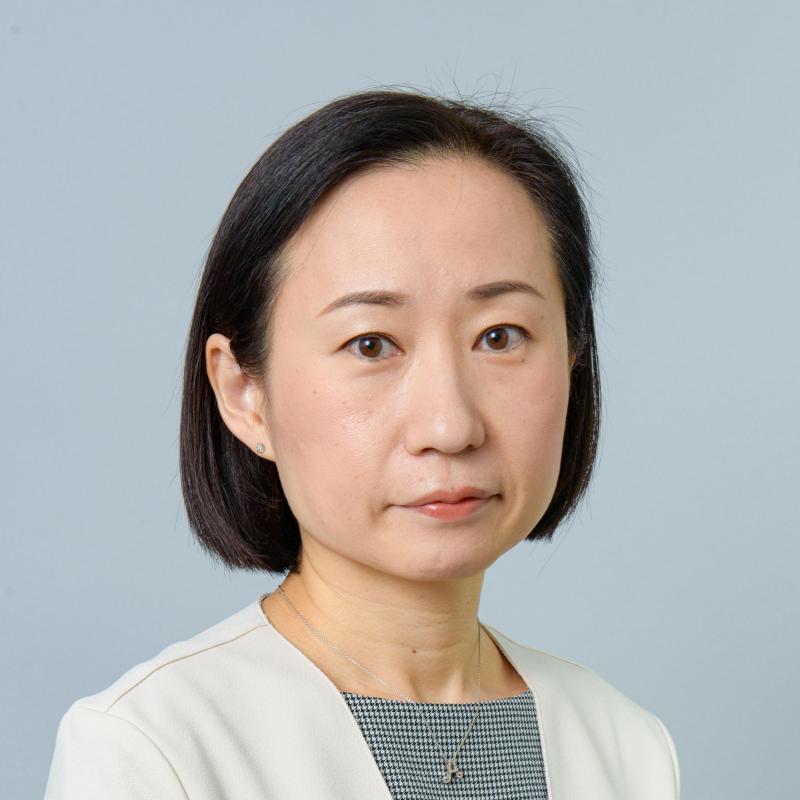
Oi Ayako
Senior Director, Office for Peacebuilding, Governance and Peacebuilding Department, Japan International Cooperation Agency
Oi Ayako, started her career as a journalist at Nippon Television Network. In 2002, she covered the International Conference on the Reconstruction Assistance to Afghanistan, and decided to get involved in peace and reconstruction work. After obtaining a Master’s degree in Governance and Development at the UK’s Institute of Development Studies, she joined UNDP Timor-Leste to support the return and reintegration of IDPs, and then the Embassy of Japan in Afghanistan focusing on the regional reconstruction. Since joining JICA in 2013, she worked with the South Sudan Office and the Africa Department before assuming the position of the Deputy Representative of the Afghanistan Office, and then as the Senior Director of Office for Peacebuilding in 2024.
View Profile
Close
close
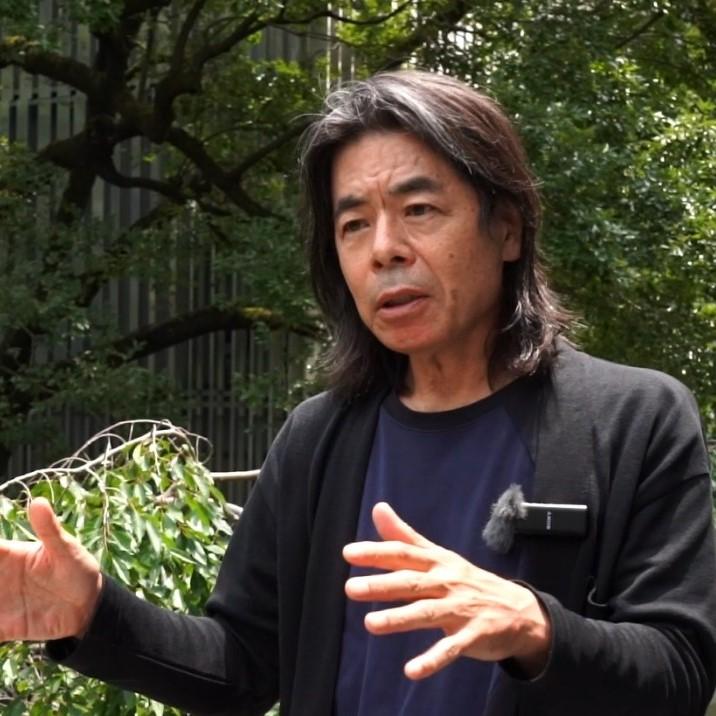
Katsuhiko Hibino
President, Tokyo University of the Arts
Born in Gifu Prefecture in 1958. Katsuhiko Hibino began his career as an artist in the early 1980s while studying at Tokyo University of the Arts, and has attracted much attention for his expansion of the field of expression that combines social media and art activities. Since then, he has participated in solo exhibitions, group exhibitions, and a variety of cross-disciplinary activities both in Japan and abroad, including the Sydney Biennale and the Venice Biennale. He also continues to promote workshops and art projects that take advantage of the characteristics of local locations. He is currently the director of The Museum of Fine Arts, Gifu and the Contemporary Art Museum, Kumamoto, and has been engaged in education and research at his alma mater, Tokyo University of the Arts, since 1995, and has served as president since 2022. He has launched the Art Future Research Center, pursues further possibilities for art in the modern world, actively collaborates with companies and local governments, and continues to research and practice the idea that "art is the power to live."
View Profile
Close
close
Peace, Human Security and Dignity Week
Peace-building & realization
The programme, together with the General Sponsors, explores: 'As antagonism between countries, races & religions continues, what must be achieved for peace-building beyond these viewpoints?'
-
2025.08.12[Tue]
13:30~15:30
(Venue Open 13:00)
- Theme Weeks Studio
OTHER PROGRAM
Peace, Human Security and Dignity Week