Peace, Human Security and Dignity Week
Panel: Gender, Dignity & Social Inclusion
Kingdom of Belgium
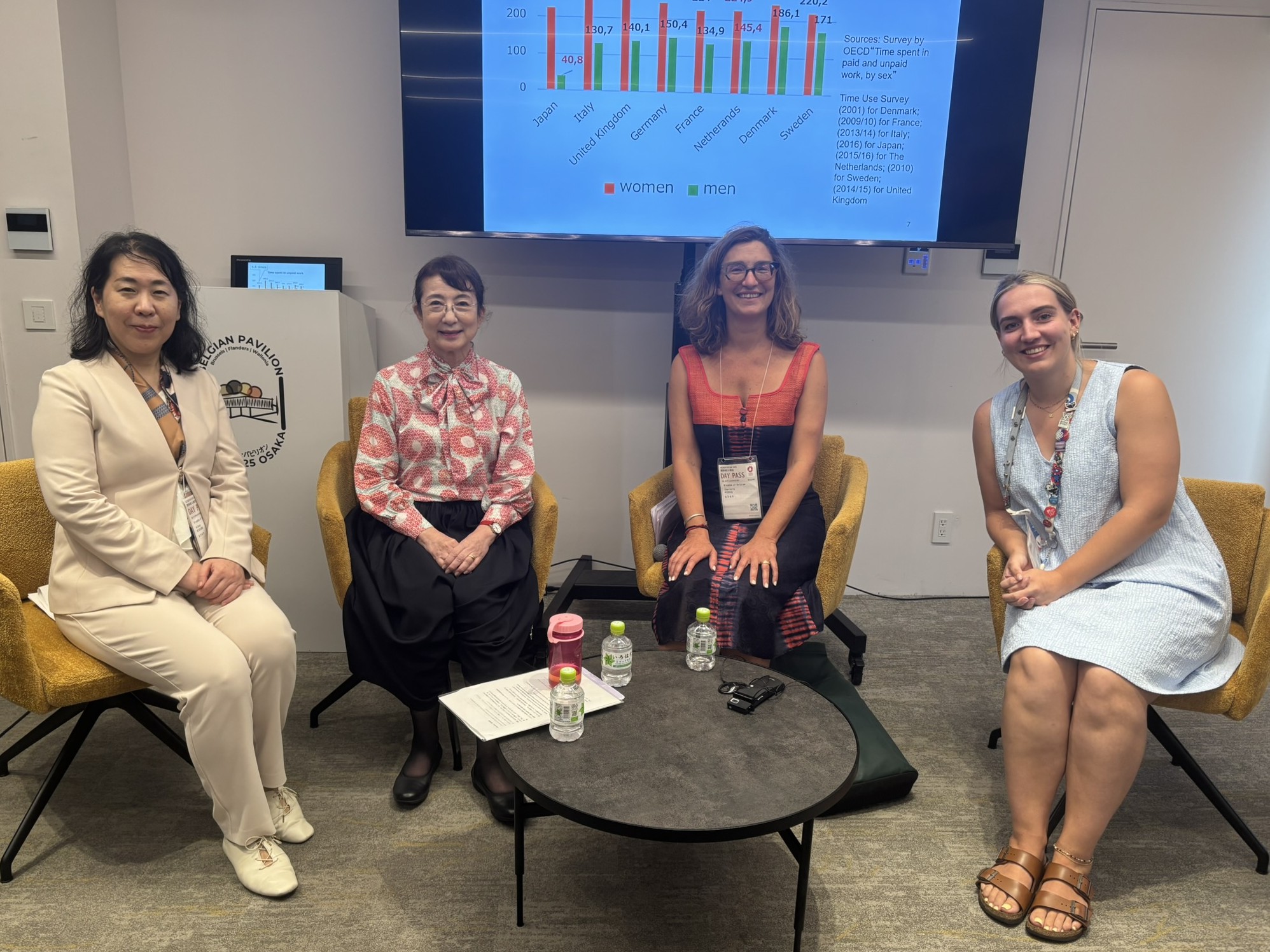
The panel on Gender, Dignity, and Social Inclusion explores
the vital connection between human dignity, equality, and
societal inclusion.
Through their extensive experience in academia, policy, and
advocacy, the speakers examine persistent forms of bias and
exclusion based on gender, sexuality, and social identity.
They highlight concrete institutional practices that promote
dignity and inclusion, from rights-based approaches in
public policy to innovative educational programs in gender
studies.
The discussion also addresses the challenges of engaging
conservative spaces, the role of legal frameworks, and
strategies to translate human rights principles into
practical outcomes, aiming to ensure that no individual is
left behind in both academic and societal contexts.
Recorded video available
Discussion
- Gender equality
- LGBTQ
- Promotion of women's participation and advancement
| Transmission of simultaneous interpretation | Provided |
|---|---|
| Language of interpretation | Japanese and English |
-

Track Programme
-
Time and
Date of
the event -
-
2025.08.04[Mon]
16:30 ~ 18:00
(Venue Open 16:15)
-
- Venue
- Pavilion
- Belgian Pavilion
Programme details
*Subtitles: Choose “Subtitles/CC” in the “Settings” (gear
icon) at the bottom right of the YouTube video.
*Subtitles may not show with multiple languages or overlapping
audio.
The panelists define dignity as the recognition of each
person’s inherent value, autonomy, and right to participate
fully in society. Dignity is central to discussions of gender
and inclusion because it underscores the human impact of
exclusion and discrimination. Beyond diversity policies,
institutions can actively promote inclusion through
transparent hiring and promotion practices, mentorship
programs, inclusive curricula, and rights-based policy
frameworks. Unintentional exclusion often occurs through rigid
hierarchies, gendered assumptions, or policies that overlook
marginalized groups. Persistent biases include assumptions
about competence, stigma around sexual orientation or gender
identity, and unequal access to leadership opportunities.
Engaging conservative or resistant institutional spaces
requires culturally sensitive approaches, framing inclusion as
a shared benefit, and building incremental trust. “Leaving no
one behind” means ensuring all voices are heard, particularly
those historically marginalized, and translating human rights
principles into actionable policies. Media narratives shape
public understanding by either reinforcing stereotypes or
promoting visibility for underrepresented groups. Legal
reforms are necessary but insufficient; cultural and
organizational change is essential for lasting impact.
Academic institutions have a dual role: analyzing inequalities
and actively dismantling structural barriers through
education, research, and policy engagement. Examples from both
Japan and Belgium illustrate successful initiatives that
restored dignity and inclusion, providing hope for
transformative change. Young generations play a key role in
reshaping norms, while sustained advocacy and cross-sector
collaboration offer paths toward equality and social
inclusion.
Reports
【Reflection】
The panel on Gender, Dignity and Social Inclusion proved to be
a truly powerful and thought-provoking discussion between
three distinguished academics. Several memorable quotes
resonated strongly with the audience, leaving a lasting
impression that carried into the keynotes and panels that
followed throughout the Peace, Human Security and Dignity
Week. These moments underlined the importance of the panel and
its contribution to shaping the week’s broader
conversations.
Beyond the intellectual depth of the discussion, the panel
also served as an important opportunity for exchange between
our universities. The speakers not only shared insights but
also took the concrete step of exchanging contact details in
order to remain in touch. This outcome aligned closely with
one of the central goals of the week: to foster connections
that extend beyond the Expo and lead to lasting
collaboration.
In fact, Belgian universities had expressed a clear need for
more international cooperation in the fields of gender studies
and related disciplines. This panel offered a meaningful step
forward in addressing that need. By bringing together scholars
from different backgrounds, the event helped lay the
groundwork for future partnerships, research collaborations,
and academic dialogue. I believe we succeeded in establishing
an initial bridge that can be built upon in the months and
years to come.
Another striking element of the discussion was the way the
speakers embraced the inclusion of dignity as a central theme.
Dignity is often overlooked in academic and policy
discussions, where the focus tends to be placed solely on
gender or social inclusion. By explicitly integrating dignity
into the conversation, the panel broadened the framework
through which these issues can be understood. It reminded us
that equality and inclusion cannot be fully achieved if the
inherent dignity of individuals is ignored. This aspect gave
the discussion a unique richness and set it apart from similar
debates.
Overall, the panel combined intellectual depth, emotional
resonance, and practical outcomes. It left a strong mark not
only on me personally but also on the wider audience, as
evidenced by how often its themes were revisited in later
sessions of the week. I came away with a sense of
encouragement, knowing that the discussions sparked here can
have a real impact in shaping future research and
collaborations in gender studies and beyond.
【Post EXPO Initiatives】
At this stage, there are no specific initiatives visibly
planned following the Expo. However, one of the key objectives
of our events, including the Gender, Dignity and Social
Inclusion panel, was to foster connections between
universities and scholars from different countries. The panel
successfully facilitated these exchanges, as evidenced by the
speakers sharing contact details and expressing interest in
continuing dialogue.
While concrete projects or programs have not yet been
formalized, the relationships established during the Expo
provide a strong foundation for future collaboration. Belgian
universities, in particular, have highlighted the need for
more international engagement in gender studies and related
fields. The connections made during the week offer promising
opportunities for joint research, academic exchanges, and
long-term partnerships.
In that sense, the impact of the Expo extends beyond immediate
initiatives: it has sparked conversations, built networks, and
opened doors for collaboration that could develop over time.
The focus remains on nurturing these connections so that the
shared knowledge, experiences, and ideas from the Expo can
evolve into meaningful, collaborative projects in the future.
Cast
Moderator

Justine Theunissen
BelExpo
Justine Theunissen is a Communication Manager at
BelExpo, the Belgian Commission-General for
International Exhibitions, where she oversees digital
communication for Belgium’s participation in Expo 2025
Osaka.
Since joining in 2022, she has managed the pavilion’s
website, social media, press relations, and event
communications. Justine holds a Master’s degree in
Multilingual Communication (Dutch, French, and
English) from KU Leuven, graduating cum laude. Her
expertise lies in cross-cultural communication,
digital strategy, and public diplomacy. Passionate
about bridging cultures and fostering international
collaboration, she plays a key role in promoting
Belgium’s presence at global exhibitions.
View Profile
Close
close
Speakers

Charlotte Pezeril
Free University of Brussels (ULB)
Charlotte Pezeril is an anthropologist at the Université Libre de Bruxelles and member of the Observatory of AIDS and Sexualities. Her research examines stigma and discrimination experienced by people living with HIV across gender, sexuality, race, class, and disability. She initiated Belgium’s interuniversity advanced master’s program in gender studies and teaches sexology and clinical sexuality studies.
View Profile
Close
close
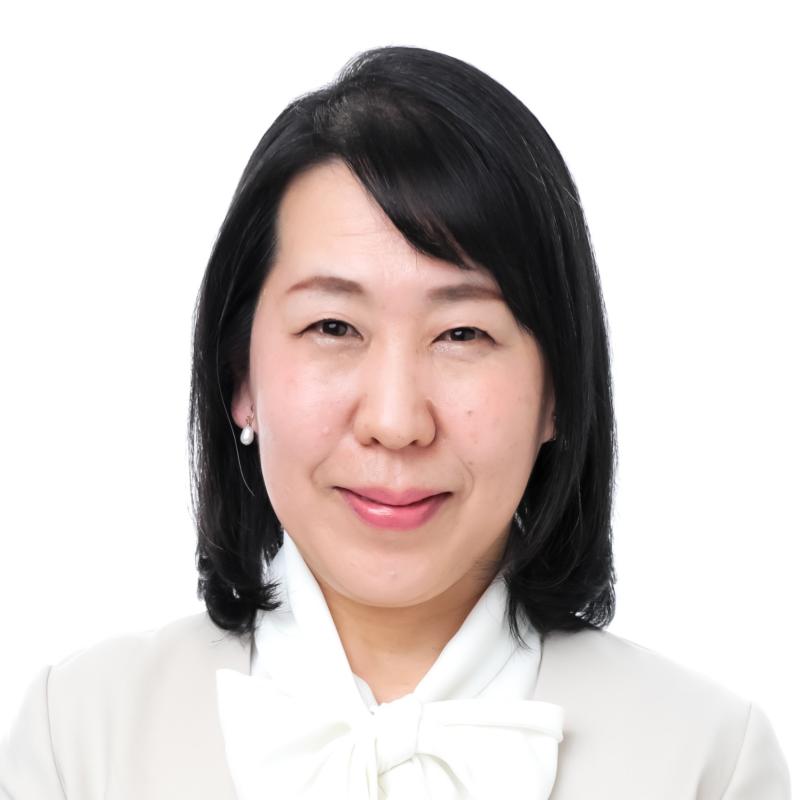
Hideko Nishioka
Professor of Osaka City University
She previously worked as a journalist for Mainichi
Newspaper and as a staff member of Takamatsu City
Women’s Center. In 2018, she invited the director of
the University of Wisconsin-Madison Inclusion in
Science & Engineering Leadership Institute
(WISELI) to conduct the “Searching for Excellence and
Diversity Workshop” in Japan, thereby introducing to
Japanese institutions a set of procedures recognized
by the US National Science Foundation as a leading
model for hiring procedures. She conducts field
research on gender equity at leading universities in
the US, UK, and Germany and has published articles in
journals such as Hougaku Seminar (Nihon Hyoronsha).
She has also published Japanese translations of the
books, Breaking the Bias Habit: A Workshop to Promote
Gender Equity, and Searching for Excellence &
Diversity: A Guide for Search Committees.
Her main research fields are gender law and policy,
violence against women and children, and disaster and
gender equality, all grounded in a human rights
perspective.
View Profile
Close
close

Atsuko Miwa
Professor at the School of Policy Studies of Kwansei Gakuin University
Atsuko Miwa is Professor at Kwansei Gakuin University’s School of Policy Studies, Director of the Asia-Pacific Human Rights Information Center, and Co-Chair of Japan Civil Society Network on SDGs. With extensive experience at UN Women and the Japanese Red Cross, she focuses on women’s empowerment, rights-based approaches, and leadership development. She has contributed to national and international initiatives on gender, human rights, and policy reform.
View Profile
Close
close
Peace, Human Security and Dignity Week
Panel: Gender, Dignity & Social Inclusion
The panel on Gender, Dignity, and Social Inclusion explores
the vital connection between human dignity, equality, and
societal inclusion.
Through their extensive experience in academia, policy, and
advocacy, the speakers examine persistent forms of bias and
exclusion based on gender, sexuality, and social identity.
They highlight concrete institutional practices that promote
dignity and inclusion, from rights-based approaches in public
policy to innovative educational programs in gender studies.
The discussion also addresses the challenges of engaging
conservative spaces, the role of legal frameworks, and
strategies to translate human rights principles into practical
outcomes, aiming to ensure that no individual is left behind
in both academic and societal contexts.
-
2025.08.04[Mon]
16:30~18:00
(Venue Open 16:15)
- Pavilion
OTHER PROGRAM
Peace, Human Security and Dignity Week