Co-creating Cultures for the Future Week
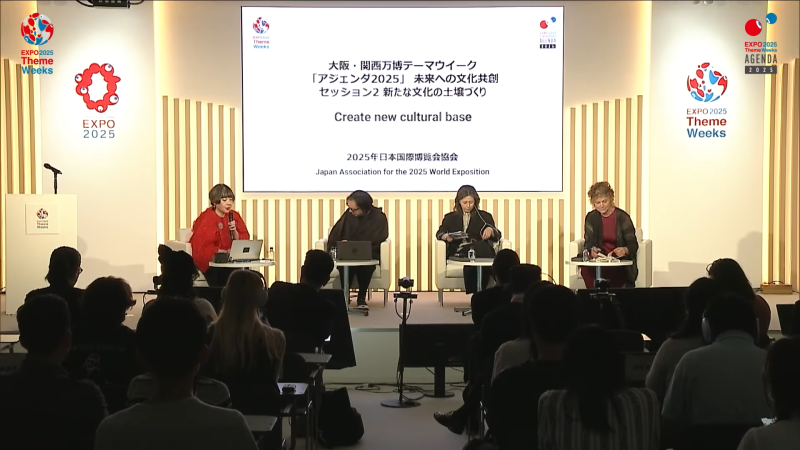
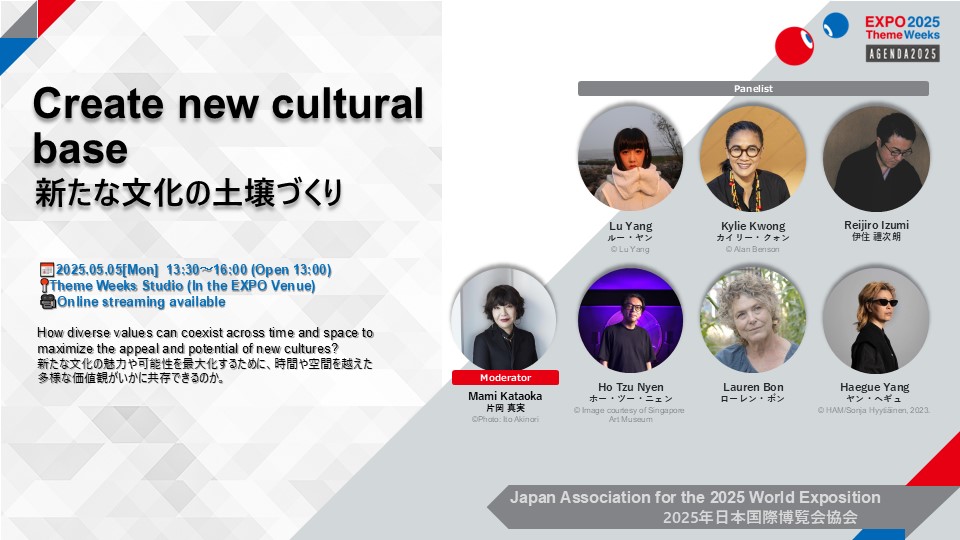
Create new cultural base
Japan Association for the 2025 World Exposition
The programme, together with the General Sponsors, explores: 'How diverse values can coexist across time and space to maximize the appeal and potential of new cultures?'
Recorded video available
Discussion
- Others
| Transmission of simultaneous interpretation | Provided |
|---|---|
| Language of interpretation | Japanese and English |
-
Agenda2025
Organised Programme
-
Time and
Date of
the event -
-
2025.05.05[Mon]
13:30 ~ 16:00
(Venue Open 13:00)
-
- Venue
- Theme Weeks Studio
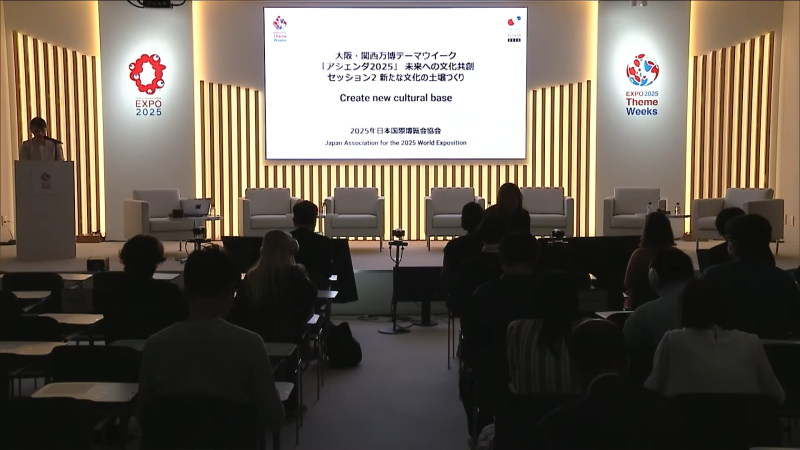
Programme details
*Subtitles: Choose “Subtitles/CC” in the “Settings” (gear
icon) at the bottom right of the YouTube video. *Subtitles may
not show with multiple languages or overlapping audio.
This session explores how diverse values can transcend
temporal and spatial boundaries to enhance the appeal and
potential of emerging cultures through two focused panel
discussions:
Panel 1: Timelessness and Fashionability – Finding Essence in
Evolution The first panel examines the delicate balance
between evolving trends and enduring principles across
cultural landscapes. In an era of rapid technological
advancement, alongside renewed appreciation for traditional
and indigenous wisdom, we will reconsider what truly
constitutes "newness" and which values remain
constant despite changing contexts.
Panel 2: Cultivating Fertile Ground for Cultural Coexistence
The second panel addresses how diverse cultural values can
meaningfully coexist despite regional, religious, and
political differences. We'll examine whether cultural
harmony emerges from identifying commonalities, maintaining
balanced relationships while preserving uniqueness, or
collaborating on shared societal challenges. Through this
exploration, we'll deepen our understanding of the
meaning of diversity and its role in nurturing innovative
cultural expressions.
*Due to circumstances, Suzanne Lacy has been replaced by
Lauren Bon.
*Simultaneous interpretation is available in both English and
Japanese. Please bring a smartphone, tablet or other
internet-enabled device with earphones to listen.
Subtitles for this program are available at the URL below.
EXPO2025 Theme Weeks 「Create new cultural base」
<Subtitles URL> https://us06web.zoom.us/j/87412928524
Live streaming and subtitle may not be matched each other.
Please note that the accuracy of the translation results is
not guaranteed.
Reports
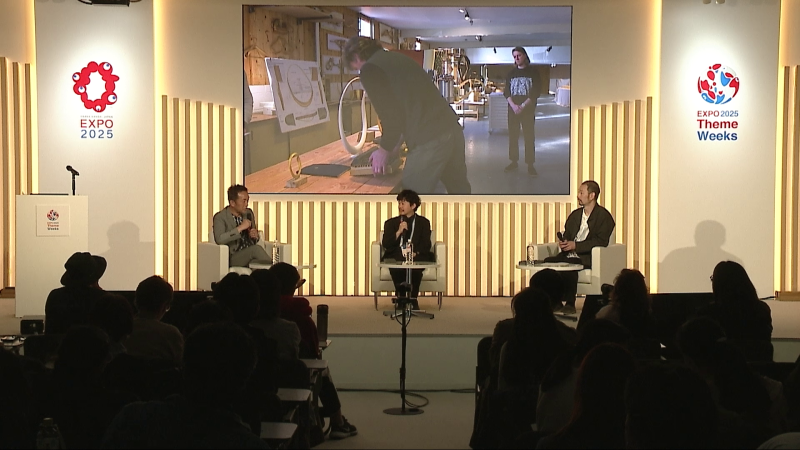
【Program Summary】
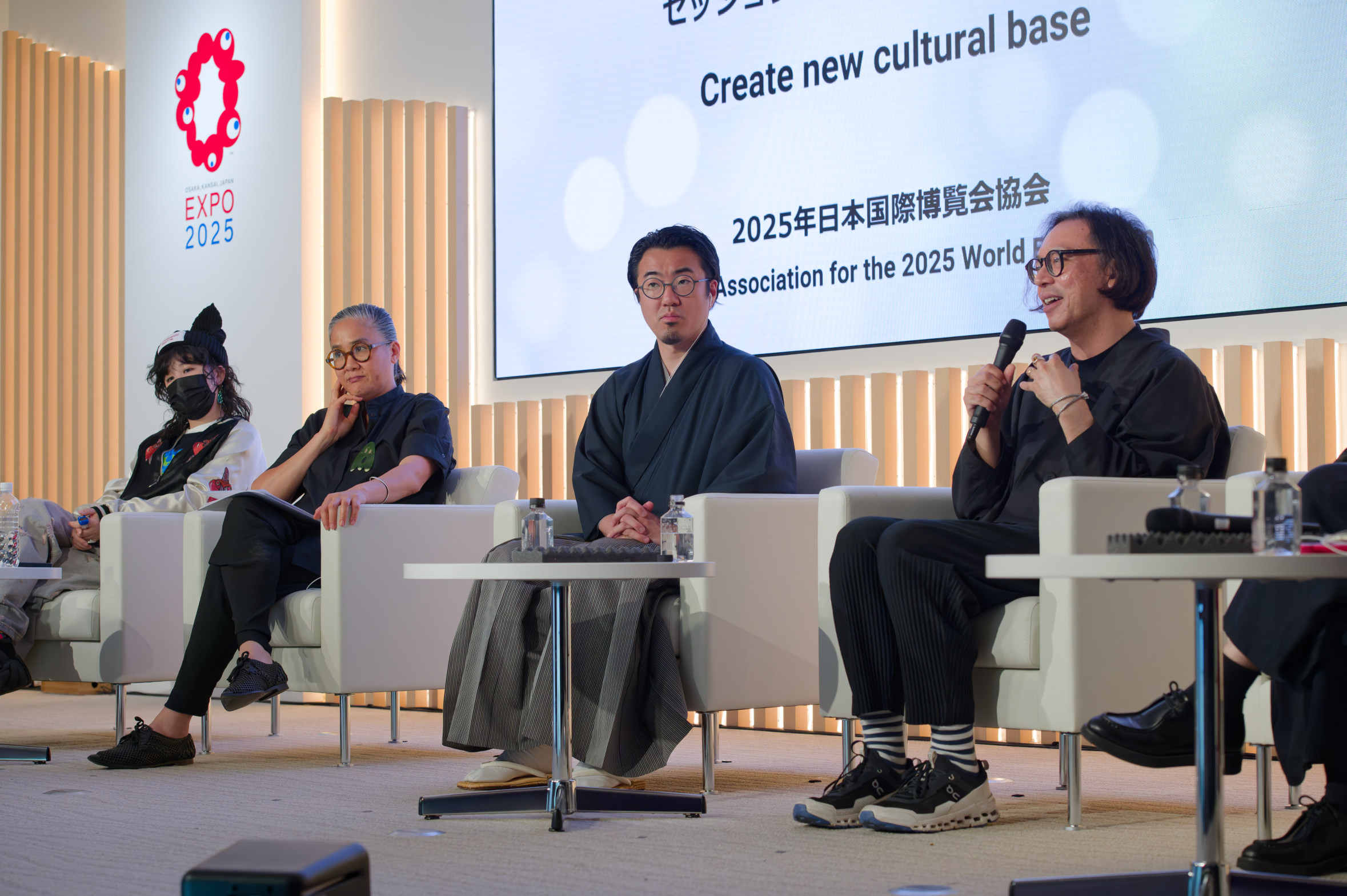
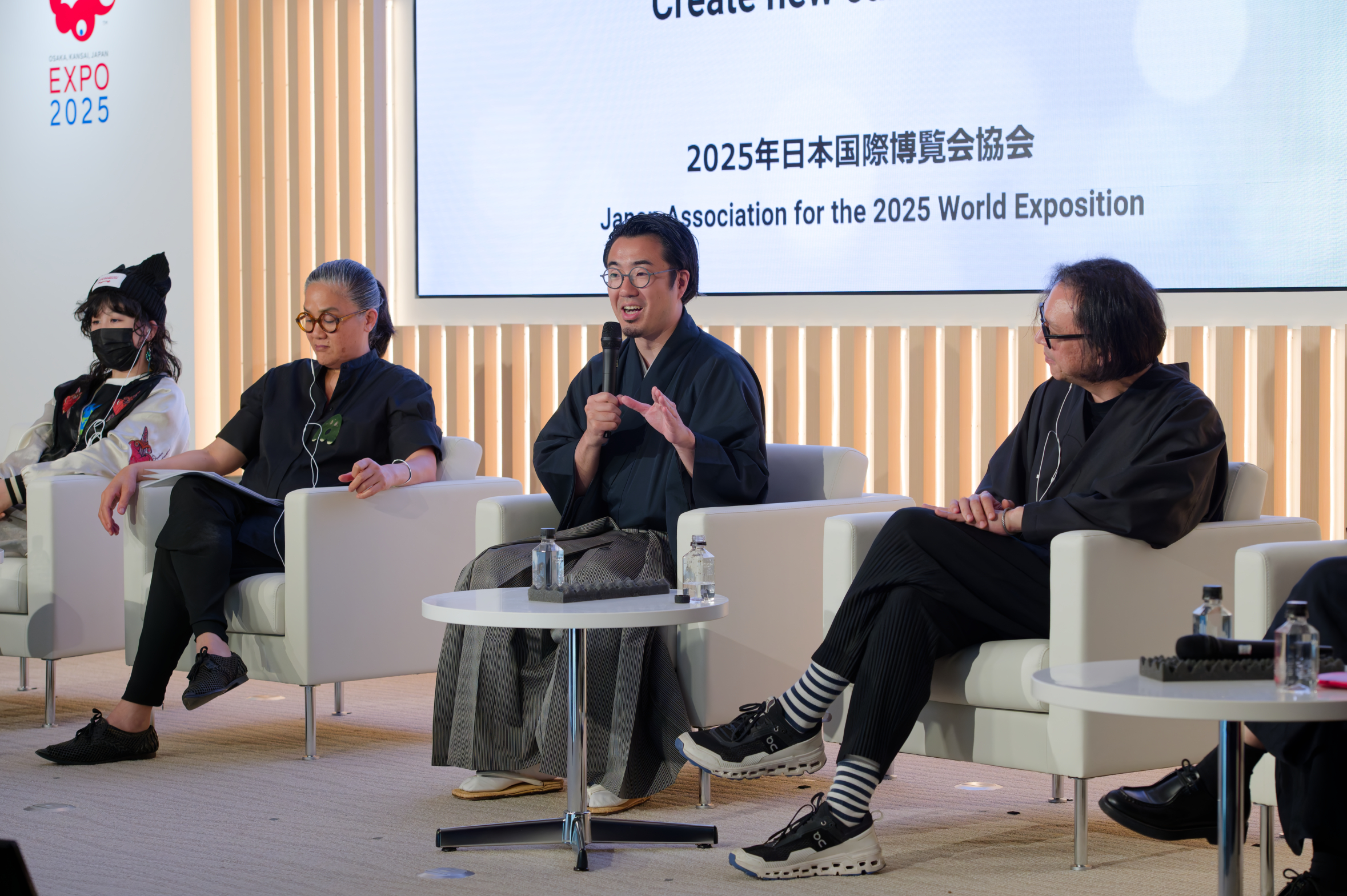
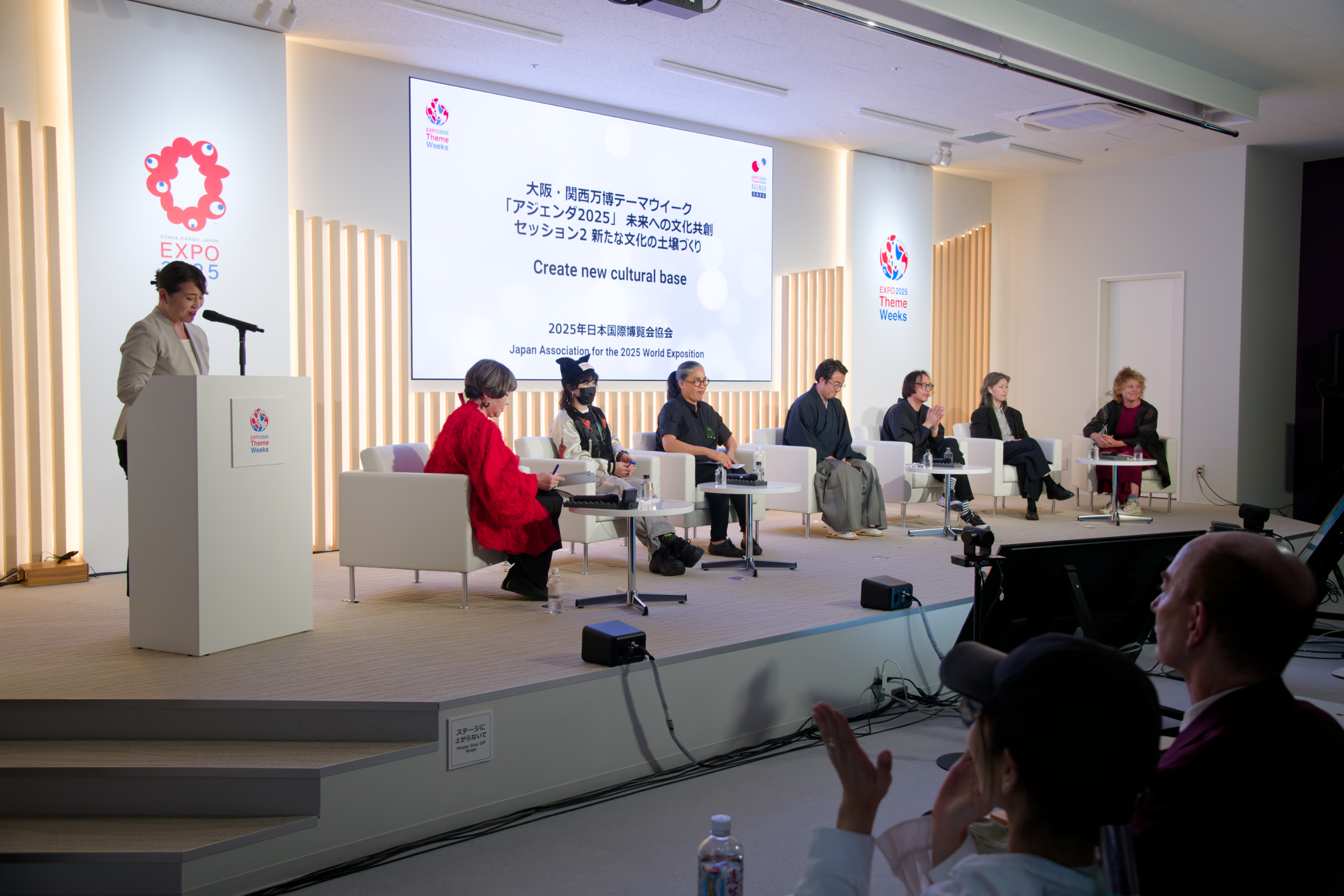
The session “Creating a New Cultural Base,” held as part of
the Theme Weeks at Expo 2025 Osaka-Kansai, was organized with
the aim of exploring the potential of contemporary cultural
expression and laying the groundwork for cultural co-creation
toward the future. The session addressed a wide array of
perspectives—including the interplay of tradition and
innovation, multicultural coexistence, indigenous wisdom, and
the relationship between culture, environment, and
technology—to consider how the foundationsof culture are
cultivated and sustained.
A diverse group of practitioners from fields such as
contemporary art, culinary arts, performance, and traditional
culture gathered to share insights from their respective
disciplines, each delving into the fundamental roots of
culture.
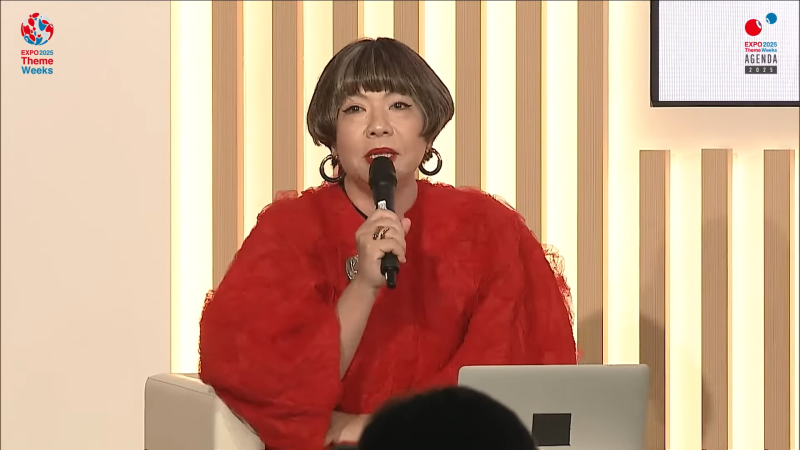
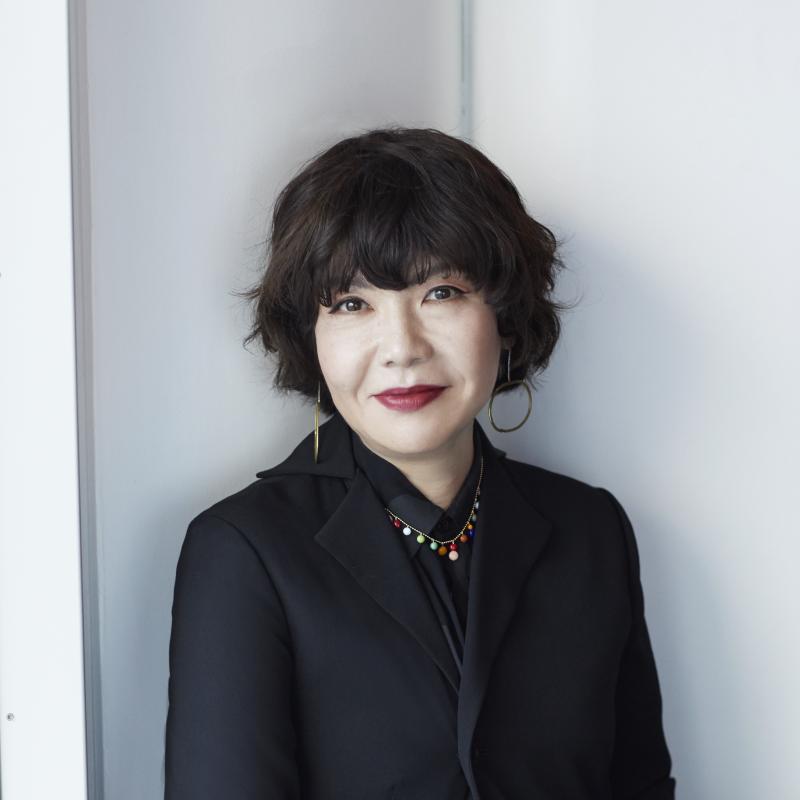
Moderator Mami Kataoka, Director of the Mori Art Museum,
framed the “soil of culture” not merely as a platform for
artistic expression, but as a site where social values
intersect and dialogue emerges. She encouraged reflection on
cultural continuity and change through the lens of fueki
ryūkō—a Japanese aesthetic concept referring to the balance of
permanence and transience. In today’s world, where
globalization and digitalization bring diverse values into
contact, the session emphasized that culture serves not only
as a means of self-expression, but as infrastructure that
nurtures empathy and connection among people.
【Speaker Summary:Mami Kataoka】
Mami Kataoka, Director, Mori Art Museum / Director, National
Center for Art Research, served as the moderator for the
session “Create new cultural base.” At the outset of the
program, she posed a key question: how can diverse values
coexist across time and space? Reflecting on the 1970 Osaka
Expo, which was held under the theme “Harmony and Progress for
Mankind,” she noted that Japan was then in the midst of rapid
economic growth and filled with hope for the future. In
contrast, she observed that today’s world has seen the
development of multiculturalism, in which increasing respect
is paid to diverse cultures beyond the Western framework and
coexistence is actively pursued. However, she also pointed out
that this shift has brought about cultural conflicts and
clashes of differing notions of justice. In contemporary
society, therefore, it is essential not only to respect
individual cultural backgrounds, but also to reimagine the
future of the planet from the perspective of universal
humanity and life beyond the human.
In the first part of the session, the discussion centered
around the theme of fueki ryūkō—the coexistence of unchanging
essence and evolving values—as a way to explore how tradition
and innovation can intersect. Kataoka emphasized the growing
recognition of traditional culture and Indigenous wisdom in
recent years, especially in the context of technological
advancement, and stressed the importance of reexamining the
very meaning of “newness.”
In the following segment, artists active across a variety of
cultural contexts took the stage to share their reflections on
how diverse values can coexist and how cultural foundations
are formed. Addressing the question of coexistence, Kataoka
proposed that it is important to consider both the approach of
identifying commonalities across cultural, religious, and
political differences, and the approach of maintaining a
respectful balance among these differences. She further
suggested that the collaborative process of solving social
issues may itself lead to the creation of new shared cultural
foundations.
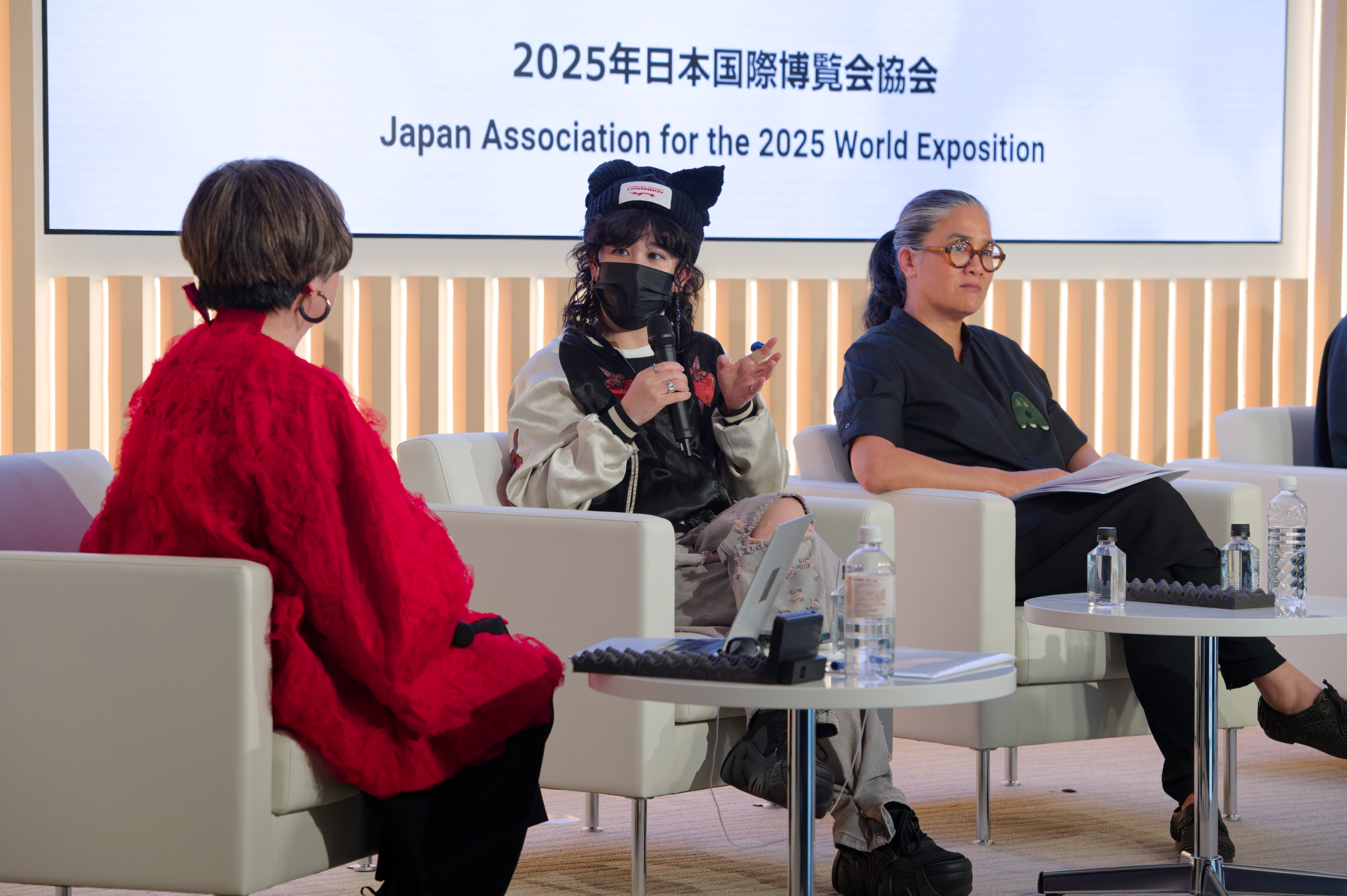
【Speaker Summary:Lu Yang】
Lu Yang, a contemporary artist based in China, creates works
that integrate digital technology, Eastern philosophy, and
bodily expression. In this session, she focused on her digital
avatar project series “DOKU,” where she constructed six
digital worlds based on the six realms of rebirth in Buddhist
cosmology. Through this project, Lu visualizes abstract themes
such as body and spirit in digital space, providing new forms
of spiritual experience for viewers.
Her works freely navigate the boundaries between reality and
virtuality, tradition and cutting-edge technology, thereby
challenging conventional cultural norms and perceptions of the
body. For example, by incorporating Balinese dance movements
into her own body and transferring them to her avatar using
motion capture, she simultaneously extends her self and
absorbs other cultures. This process gives rise to immaterial
expressions that transcend the physical limitations of the
body, presenting a realm where even the state between life and
death can be reimagined.
Lu’s avatars, particularly DOKU, are genderless beings that
embody both masculine and feminine characteristics. This
represents a resistance to fixed gender norms and bodily
constructs, while also serving as a strategy to fluidize
identity itself. Her style, which fuses religious iconography
with advanced technologies, poses shared spiritual questions
to audiences worldwide.
Lu views art not merely as a visual experience, but as
something that physically and spiritually resonates with
individuals. Through the DOKU series, her goal is to create a
space where people from different religious and cultural
backgrounds can share the same spiritual vibration. Just as
traditional religious rituals have carried social and cultural
significance, her art functions as a contemporary ritual made
possible through technology.
In this way, Lu Yang’s artistic expression embodies both the
inheritance and innovation of culture. Her practice is highly
regarded as an avant-garde approach to cultivating new
cultural foundations in digital space.
【Speaker Summary:Kylie Kwong】
Kylie Kwong, a chef and social entrepreneur based in Sydney,
Australia, integrates Buddhist philosophy with sustainable
food practices. Drawing from her identity as a
Chinese-Australian, she creates cuisine that reflects a fusion
of multicultural backgrounds and spiritual values, offering a
grounded and ethical approach to food.
Her former restaurant, 'Lucky Kwong,' operated not
just as a dining space, but as a collaborative hub involving
local farmers, Indigenous communities, young entrepreneurs,
and refugee support organizations. All ingredients were
sourced through organic or sustainable channels, making her
food a direct expression of environmental and ethical
responsibility. At the core of her philosophy lie Buddhist
teachings such as compassion, harmony, and the middle way,
which she applies in practical and contemporary ways through
her culinary work.
Kwong emphasizes that food is one of the most fundamental and
profound cultural practices. She underscores that cooking,
eating, and sharing meals all carry significant social and
cultural meanings. She also highlights her respect for
Indigenous cultures, actively incorporating Aboriginal
knowledge and ingredients into her cooking to present a model
of coexistence. This perspective—that culture is not only
inherited but also co-created—is central to her practice.
Moreover, Kwong is engaged in empowerment efforts through
food, aiming to create systems that allow young people and
minorities to participate confidently in society. She
considers food not only a sensory experience, but also deeply
embedded in social and political contexts, giving her role a
dimension beyond chef—that of a cultural activist.
Her practices clearly demonstrate that food is a vital
cultural resource. In this session, her perspective shed
important light on how cultural foundations can be cultivated
by illuminating societal issues and reconstructing culture
through the rhythms of daily life.
【Speaker Summary:Reijiro Izumi】
Reijiro Izumi, tea master of Urasenke, spoke about the essence
of 'Chanoyu'—the Japanese Way of Tea—and its
relevance to contemporary society. He emphasized that the tea
ceremony is not merely about aesthetic formality but a
cultural practice that fosters deep spiritual interaction by
creating 'ma' (intervals) and 'suki'
(intentional gaps) between people.
He particularly focused on the concept of 'suki. This
openness gives rise to a sense of spaciousness, enabling
interpersonal resonance and subtle communication. Izumi's
approach reflects the idea that what is important in cultural
inheritance is not the “completed form” but the “generation of
relationships.”
He also highlighted the tea ceremony’s flexibility to
incorporate diverse cultures, sharing his experience of
collaborating with contemporary artists from Europe and Asia
to explore new possibilities for the tea room. Such activities
demonstrate that cultural transmission is not about preserving
tradition rigidly, but about dynamic reinterpretation and
openness to the present.
Izumi further emphasized the importance of bodily
learning—such as the physical transmission of movement and
mentorship. In today’s increasingly digital world, regaining a
sense of space, time, and connection through the body is
essential to sustain cultural depth. Chanoyu provides a model
for such engagement, teaching respect for others and
coexistence with nature through the spirit of hospitality.
His remarks affirmed that culture is a 'living
practice' embedded in human relationships, and that
cultivating such soil is essential for the co-creation of
future cultures.
【Speaker Summary:Ho Tzu Nyen】
Ho Tzu Nyen, an artist based in Singapore, uses a variety of
media—including video, sound, installation, and algorithmic
systems—to reconstruct the history and mythology of Southeast
Asia. His works are characterized by a critical stance toward
official national historical narratives, instead offering
multi-layered reinterpretations of memory and storytelling
that reconfigure cultural consciousness.
In this session, Ho introduced major projects such as
'The Nameless' and 'The Critical Dictionary of
Southeast Asia.' These works involve re-editing
historical and cultural records and reconstructing them
through audiovisual forms, revealing themes such as
colonialism, nation-building, and the human relationship with
nature. This process is described as 're-enacting the
archive,' bringing history into the present.
Particularly notable is Ho’s use of symbolic motifs, such as
tigers and surveyors. Tigers represent nature but were also
targets of fear and control under colonial governments—symbols
of how nature was domesticated during modernization. Surveyors
serve as metaphors for spatial governance and memory
reconstruction. These motifs function not only as historical
references but as critical lenses on knowledge and
representation.
Ho’s work challenges the very framework of how knowledge is
organized, asking fundamental questions such as: What is
recorded as history? What is forgotten? He suggests that
cultural soil is not uniform, but multilayered and dialogical,
always in a state of formation.
He further emphasized the complexity of Southeast Asia, a
region defined by linguistic, ethnic, and religious diversity.
This complexity resists any single cultural narrative,
constantly demanding negotiation and renewal. His perspective
offered profound insights into the core theme of the
session—how to cultivate new cultural foundations.
【Speaker Summary:Haegue Yang】
Haegue Yang, a Korean artist, is known for her abstract and
symbolic installations crafted from diverse materials such as
metal, fabric, and bamboo. In this session, she discussed how
her works express cultural memory, multicultural coexistence,
and the legacy of violence.
Yang’s practice often starts from symbols and rituals rooted
in Korean folk traditions, which she reinterprets using modern
materials and formats. Her abstract forms frequently contain
critical reflections on historical trauma—such as the Korean
War, authoritarian regimes, and Confucian hierarchies. Through
her installations, she evokes the ambiguity of memory, the
violence of forgetting, and history inscribed on the
individual body, requiring the viewer to engage through
imagination and physical presence.
Her spatial installations are sculptural in their
construction, inviting the audience to walk through and
physically 'read' the space. This experiential
approach reflects her belief that culture is not merely
intellectual knowledge but something embodied and felt. Each
exhibition space becomes a cultural field of encounter and
interpretation.
Yang is also deeply attentive to the tactile quality of
materials, preferring textures that exist between industrial
and handcrafted, thereby expressing tensions between tradition
and modernity, local and global. One notable example is her
reconstruction of military metal components into aesthetic
objects—a transformation that turns memories of violence into
a medium for cultural dialogue, far from mere decoration.
She describes her own identity as
'plastic'—ever-changing and fluid—arguing that
deconstructing fixed notions of nationality and cultural
identity is a responsibility of contemporary art. In her view,
culture is a continual process of transformation through
interaction, a principle that underlies all her work.
Through her poetic and critical approach, Yang offered a
compelling response to the session’s theme, contributing a
deep exploration of how cultural foundations can be built
through intersections of material, memory, space, and the
body.
【Speaker Summary:Lauren Bon】
Lauren Bon, an artist based in Los Angeles, leads Metabolic
Studio—an initiative that combines art, ecology, and community
engagement. Her work centers on exploring new relationships
between humans, the environment, culture, and infrastructure,
especially focusing on the role of water as a natural and
symbolic resource.
In this session, she presented her long-term project aimed at
revitalizing the Los Angeles River, once inhabited and
sustained by Indigenous communities but now fragmented due to
urbanization and infrastructure development. Through art, she
attempts to 'revive' these lost landscapes and
memories, transforming them into living, present-day spaces.
Her projects bridge science and art, policy and poetic
imagination, and serve as platforms for multilayered
dialogue.
Bon stated that 'water is a medium that carries
memory.' She visualizes the reconnection of people,
landscapes, and history through the natural cycle of water.
For example, one of her installations temporarily restored
former wetlands by diverting water from the Los Angeles River,
creating a 'time-machine-like' space where the past
and future of the city intersect.
A key component of her projects is collaboration with
Indigenous communities. She emphasized that listening to those
who carry the memory of the land is essential for building a
sustainable future. Her practice demonstrates how art can
function as a tool for social transformation, reaching beyond
the boundaries of conventional artistic expression.
Bon’s remarks reaffirmed that the cultivation of cultural
foundations is deeply tied to the natural environment, and
that 'culture' is woven into the interrelations
between people and the land.
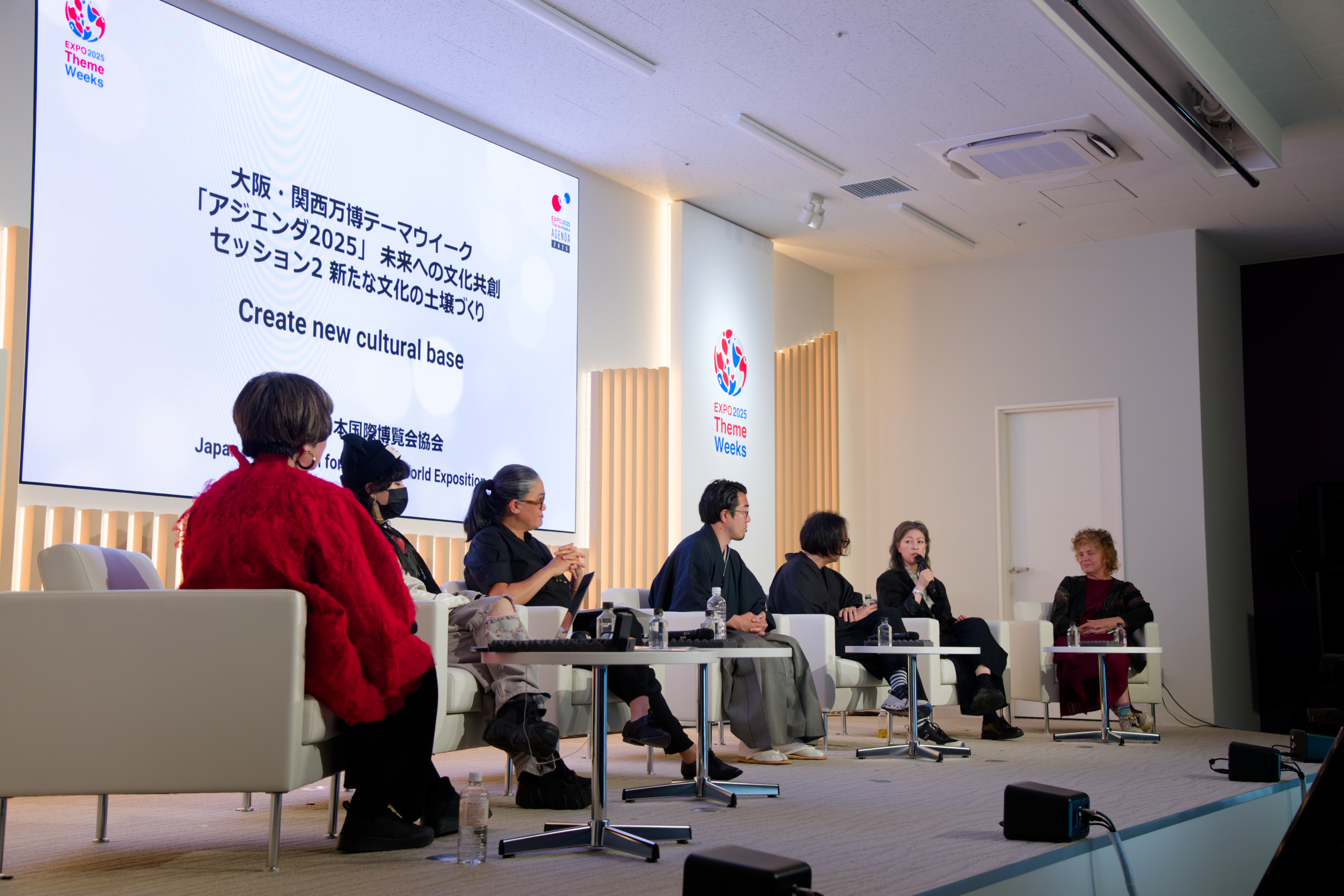
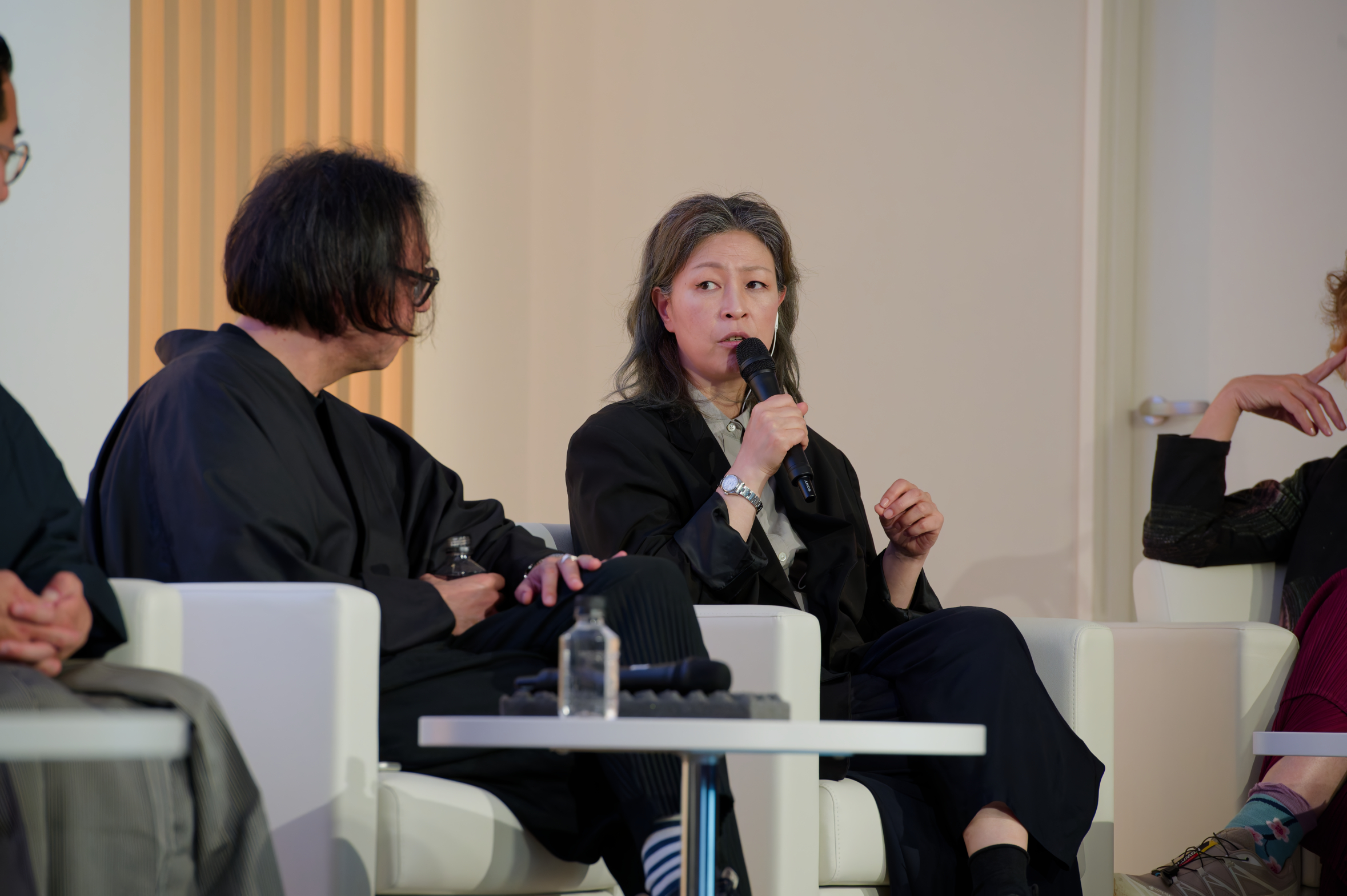
【Discussion Summary】
The concluding discussion of the session revolved around three
key themes: 'Cultural Continuity and
Transformation,' 'Body and Space,' and
'Resonance with the Other.' Each panelist offered
unique insights, weaving a rich, multifaceted dialogue.
Kylie Kwong emphasized the emotional and mnemonic power of
food, stating that 'values, not forms, are the core of
tradition.' She noted that the act of eating can embody
ethical and cultural principles, especially when grounded in
respect for community and the environment.
Reijiro Izumi discussed the role of spatial and temporal
gaps—concepts such as 'ma' and 'suki'—in
enabling cultural transformation. He stressed the importance
of bodily engagement and non-verbal communication,
highlighting how the tea ceremony fosters relational
creativity and mindfulness.
Lu Yang argued that the dichotomy between technology and
tradition is a false one, suggesting that Buddhist notions of
non-substantial and non-linear time could offer new frameworks
for integrating the two. Her perspective bridged ancient
spiritual philosophies with contemporary digital practice.
Ho Tzu Nyen presented the act of questioning as a cultural
practice in itself, focusing on issues of representation and
power in the organization of knowledge. He advocated for a
dynamic and participatory understanding of history and
culture.
Haegue Yang emphasized the need to re-evaluate the aesthetic
and symbolic dimensions of unconscious cultural exchange. She
proposed that non-verbal, sensory experiences are crucial to
the communication of cultural meaning, especially in
transnational contexts.
Lauren Bon highlighted the embedded memories within
infrastructure and environment, suggesting that visualizing
these memories is key to cultural reconstruction. She linked
ecological awareness with cultural vitality, making the case
for art as a medium for societal renewal.
Serving as the moderator, Mami Kataoka emphasized the
importance of not fixing tradition as a mere formality but of
preserving its core values while allowing it to evolve in
response to change. She concluded by noting that values such
as “trust,” “respect,” and “intuition” were central to the
discussion, and summarized that culture should not be static
but should remain a continuous process of inheritance and
transformation. In closing, she expressed her gratitude to the
participants and the audience, commending the session as a
meaningful opportunity for everyone to reflect on the future
of culture through dialogue.
Cast
Moderator
©Photo: Ito Akinori
Mami Kataoka
Director, Mori Art Museum / Director, National Center for Art Research
Kataoka Mami joined the Mori Art Museum in 2003,
taking on the role of Director in 2020. She has also
been the Director of the National Center for Art
Research, Japan since April 2023.
Beyond Tokyo, Kataoka has held position at the Hayward
Gallery in London as International Curator from 2007
to 2009, while she has also acted as Co-Artistic
Director for the 9th Gwangju Biennale (2012), Artistic
Director for the 21st Biennale of Sydney (2018) and
Artistic Director for the Aichi Triennale 2022.
Kataoka served as a Board Member (2014-2022) and the
President (2020-2022) of CIMAM [International
Committee for Museums and Collections of Modern Art].
View Profile
Close
close
Speakers
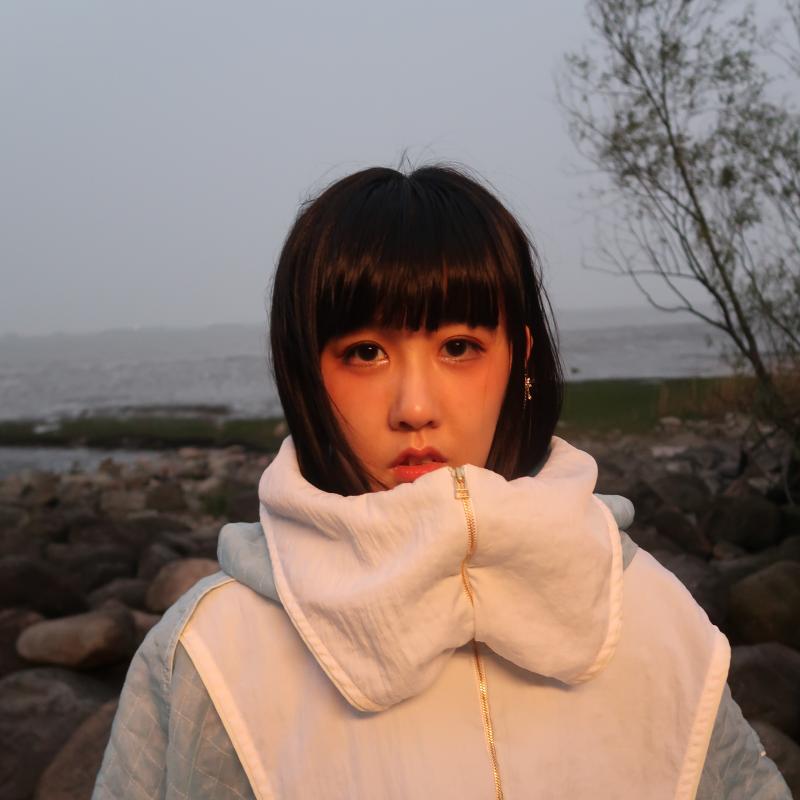
©Lu Yang
Lu Yang
Artist
Lu Yang is a contemporary interdisciplinary artist
based in Tokyo and Shanghai. His work, deeply
influenced by Buddhist philosophy, explores themes of
identity, life, technology, and spirituality.
Lu Yang extensively utilizes computer graphics (CG)
technology and game engines as creative media,
collaborating with experts from various fields such as
scientists, psychologists, designers, and music
producers.
He participated in the Venice Biennale in both 2015
and 2022 and has been involved in other major museum
exhibitions and biennials/triennials. Lu Yang was
awarded the BMW Art Journey in 2019 and was also the
recipient of the Deutsche Bank Artist of the Year
award in 2022.
View Profile
Close
close
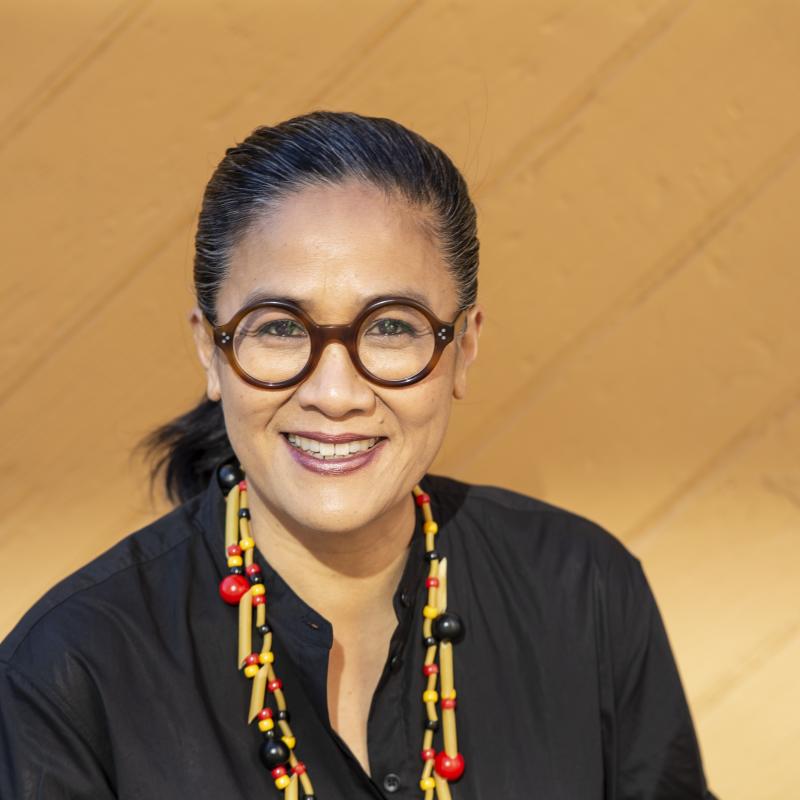
©︎ Alan Benson
Kylie Kwong
Chef, collaborator, Powerhouse Associate, Powerhouse Parramatta, Sydney
Kylie Kwong is an Australian-Chinese chef who uses food as a catalyst for positive social impact and cultural exchange. As a third-generation Australian, she has drawn on her southern Chinese heritage to reinterpret Cantonese cuisine, combining uniquely Australian ingredients with traditional Chinese cooking methods and flavours. Food remains a simple yet universal connector that brings us together. For Kwong, food and cooking is an exploratory and conscious act, not only a pleasure for the senses but also a platform for cultural exchange, storytelling and building community. Widely known for her former restaurants Billy Kwong and Lucky Kwong, and her cookbooks and TV series, Kwong recently hung up her restaurateur hat after 24 years, to focus on wider arts, cultural and community projects, including her current role as a Powerhouse Associate for Powerhouse Parramatta, Sydney.
View Profile
Close
close
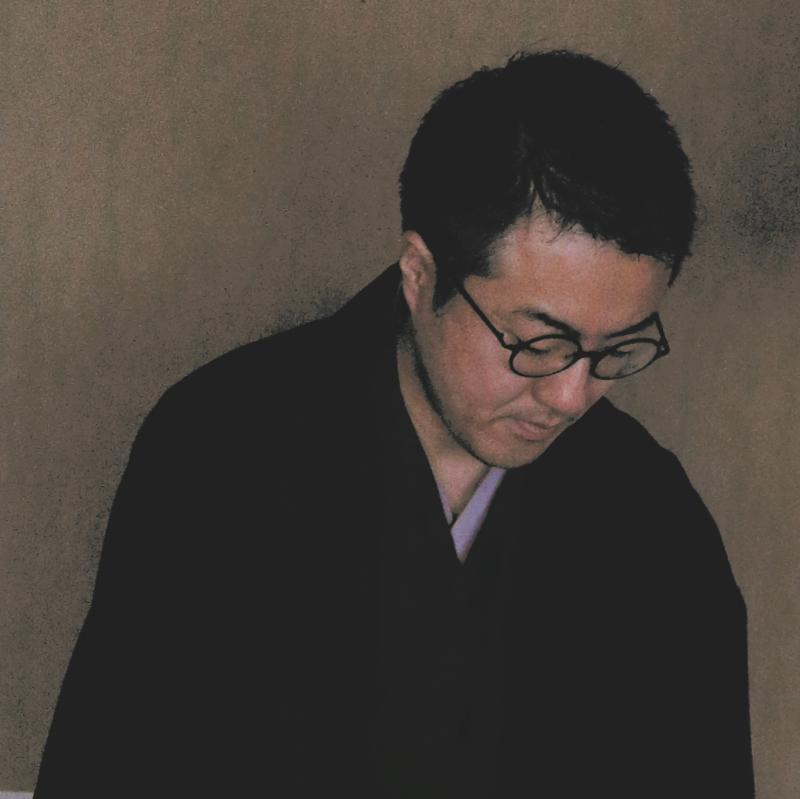
Reijiro Izumi
Urasenke
Reijiro Izumi is Tea master and researcher of the Way of Tea. He is the second son of Masakazu Izumi, the younger brother of Zabosai, the 16th head of the Urasenke school. Studied under architectural historian Toshinori Nakamura at Kyoto University of Art and Design Graduate School, and received a Ph.D for research on tea utensils especially kettle. After working as a curator for Sakai city museum, he currently serves as vice director of Chado research center, vice principal of Urasenke Gakuen Professional College of Chado, director of NPO Wa nogakko, and Head of SABIÉ.
View Profile
Close
close
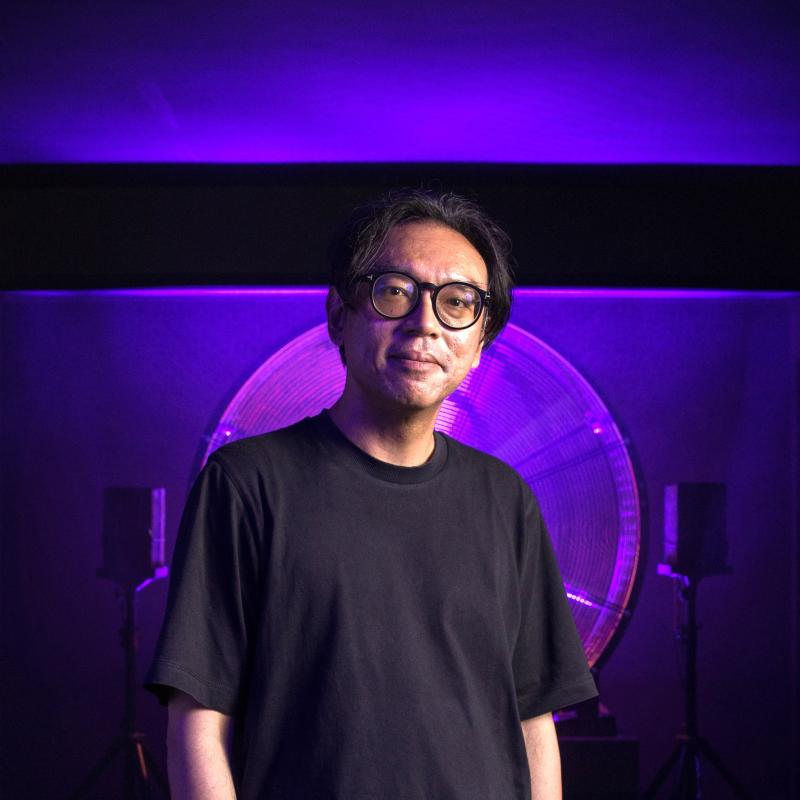
©Image courtesy of Singapore Art Museum
Ho Tzu Nyen
Artist
Born in 1976 in Singapore, where he lives and
works.
Steeped in numerous Eastern and Western cultural
references ranging from art history to theatre and
from cinema to music to philosophy, Ho Tzu Nyen’s
works blend mythical narratives and historical facts
to mobilise different understandings of history, its
writing and its transmission. The central theme of his
œuvre is a long-term investigation of the plurality of
cultural identities in Southeast Asia, a region so
multifaceted in terms of its languages, religions,
cultures and influences that it is impossible to
reduce it to a simple geographical area or some
fundamental historical base. This observation as to
the history of this region of the world is reflected
in his pieces which weave together different regimes
of knowledge, narratives and representations. From
documentary research to fantasy, his work combines
archival images, animation and film in installations
that are often immersive and theatrical.
One-person exhibitions of his work have been held at
the Hessel Museum of Art (2024), Art Sonje Center
(2024), Museum of Contemporary Art Tokyo (2024),
Singapore Art Museum (2023), Hammer Museum (2022),
Toyota Municipal Museum of Art (2021), Crow Museum of
Asian Arts (2021), Yamaguchi Center for Arts and Media
[YCAM] (2021), Edith-Russ-Haus for Media Art
(Oldenburg, 2019), Kunstverein in Hamburg (2018), Ming
Contemporary Art Museum [McaM] (Shanghai, 2018), Asia
Art Archive (2017), Guggenheim Bilbao (2015), Mori Art
Museum, (2012), The Substation (Singapore, 2003). He
represented the Singapore Pavilion at the 54th Venice
Biennale (2011).
View Profile
Close
close
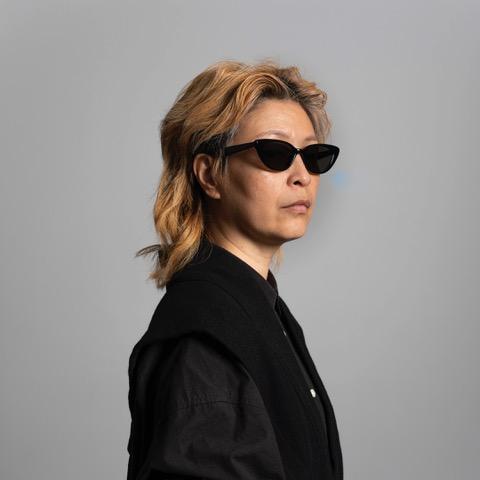
©HAM/Sonja Hyytiäinen, 2023.
Haegue Yang
Artist
Haegue Yang (b. 1971, Seoul) lives and works between Berlin and Seoul. Spanning a vast range of media—from collage to kinetic sculpture and room-scaled installations—Yang’s work links disparate histories and traditions in her distinctive visual idiom. The artist draws on a variety of craft techniques and materials, and the cultural connotations they carry: from drying racks to venetian blinds, hanji to artificial straw. Yang’s multisensory environments activate perception beyond the visual, creating immersive experiences that treat issues such as labor, migration, and displacement from the oblique vantage of the aesthetic. Her recent solo exhibitions have taken place at venues including: Hayward Gallery, London (2024); Arts Club of Chicago (2024); Helsinki Art Museum (2024); National Gallery of Australia, Canberra (2023); S.M.A.K. – Municipal Museum of Contemporary Art, Ghent (2023); Pinacoteca de São Paulo (2023); SMK – National Gallery of Denmark, Copenhagen (2022); MMCA, Seoul (2020); Tate St Ives (2020); MoMA – The Museum of Modern Art, New York (2019); and Museum Ludwig, Cologne (2018).
View Profile
Close
close
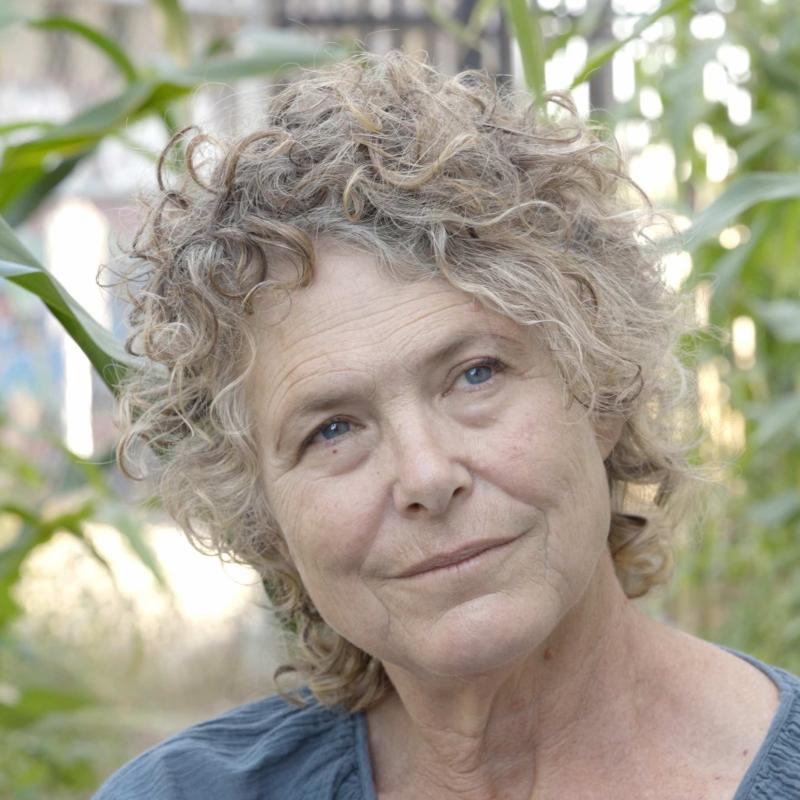
Lauren Bon
Metabolic Studio, Artist
Lauren Bon is an environmental artist based in Los
Angeles. Her work operates at the intersection of art,
infrastructure, and social engagement, often using
regenerative frameworks to reimagine urban systems and
landscapes. She founded Metabolic Studio in 2005 as a
platform for socially engaged art and ecological
transformation. Her projects, such as Not A Cornfield
and Bending the River, explore the metabolic potential
of cultural action to shift policy, support community
resilience, and restore connection between human and
non-human life.
metabolicstudio.org
View Profile
Close
close
Co-creating Cultures for the Future Week
Create new cultural base
The programme, together with the General Sponsors, explores: 'How diverse values can coexist across time and space to maximize the appeal and potential of new cultures?'
-
2025.05.05[Mon]
13:30~16:00
(Venue Open 13:00)
- Theme Weeks Studio
OTHER PROGRAM
Co-creating Cultures for the Future Week