Co-creating Cultures for the Future Week
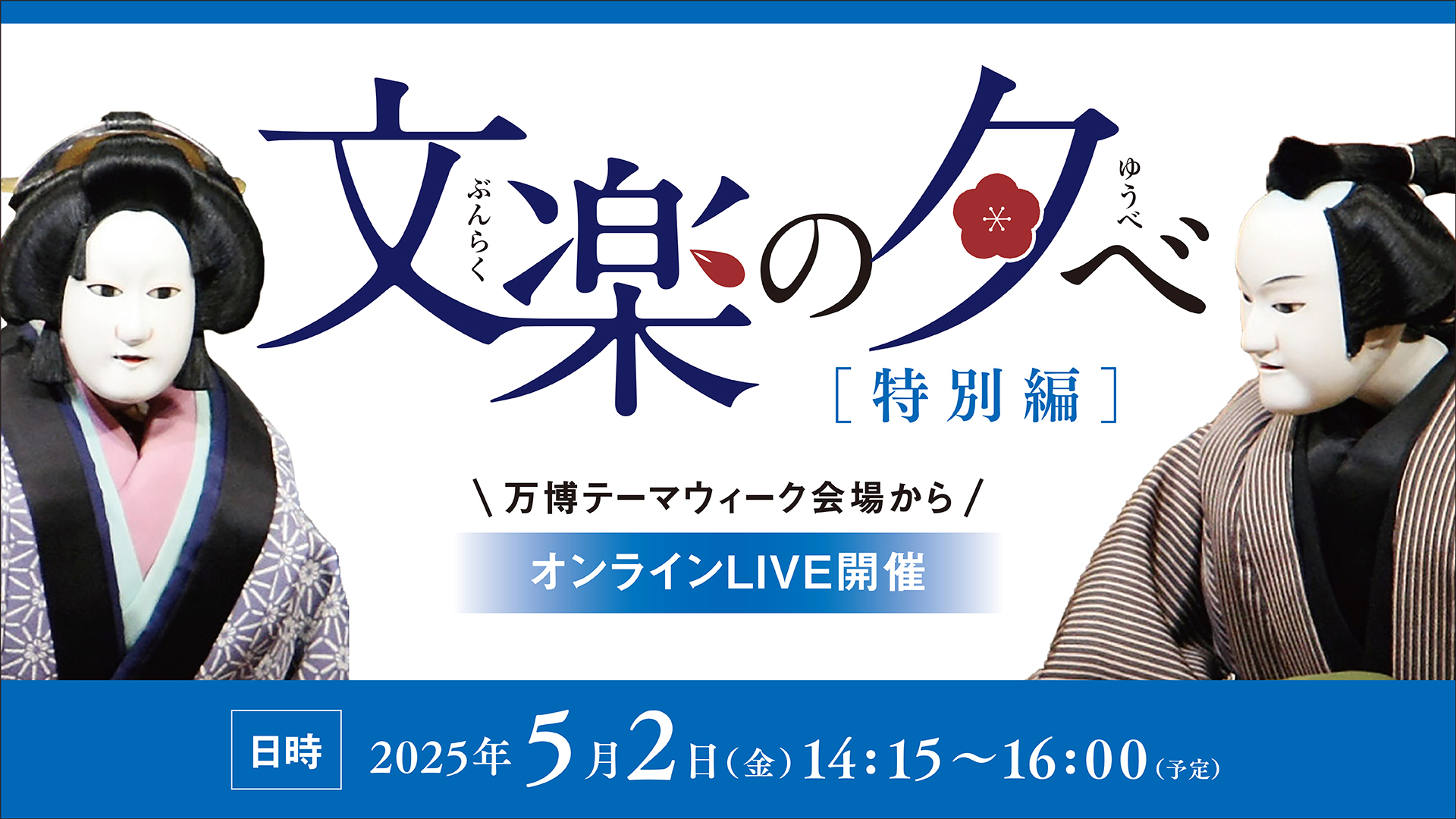
“Bunraku Evening” Special Edition
NIKKEI
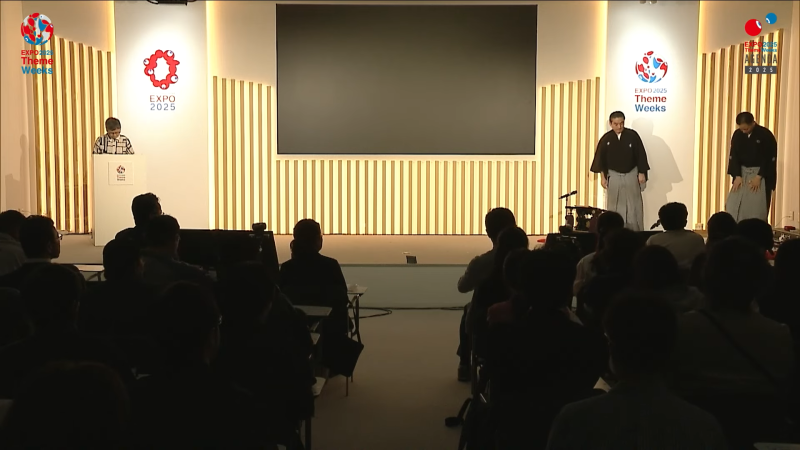
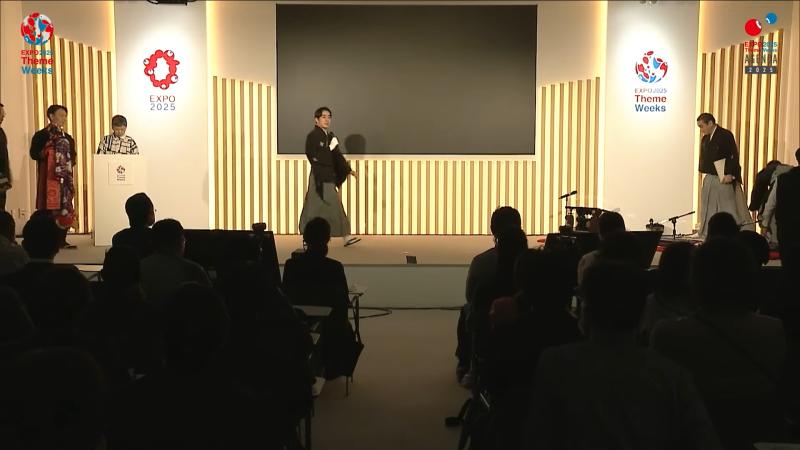
This is a program that conveys the charm of Ningyo Joruri Bunraku, a traditional performing art born in Osaka.
Recorded video available
Discussion
- Traditional performing art
- Cultural arts
- Music
| Transmission of simultaneous interpretation | Provided |
|---|---|
| Language of interpretation | Japanese and English |
-

Agenda2025
Participation Programme
-
Time and
Date of
the event -
-
2025.05.02[Fri]
14:15 ~ 16:00
(Venue Open 14:00)
-
- Venue
- Theme Weeks Studio
Programme details
**Subtitles: Choose “Subtitles/CC” in the “Settings” (gear
icon) at the bottom right of the YouTube video.
*Subtitles may not show with multiple languages or overlapping
audio.
Ningyo Joruri Bunraku is a traditional performing art that
originated in Osaka during the Edo period, and is registered
as a UNESCO Intangible Cultural Heritage. In order to pass on
this tradition to the next generation, NIKKEI has been holding
an event entitled "Bunraku Evening" every year since
2003. This special edition will introduce the appeal of
Bunraku to the younger generation and foreigners through
workshops, explanations and demonstrations by The Ningyo
Joruri Bunrakuza performers. The workshop participants are
current art university students, as well as students studying
vocal, instrumental and drama studies, who will be able to
experience the art of Bunraku, and will be able to convey the
characteristics and features of Bunraku to the audience in an
easy-to-understand manner by comparing it with Western music
and physical expression.
Reports
【Reflection】
Discoveries (New Insights)
Through live performances and workshops, this event provided
participants with a deep understanding of the three core
elements of Bunraku: narration (tayū), shamisen music, and
puppetry. It was especially meaningful to convey aspects of
Bunraku that are rarely encountered—such as the melodic
narration, the expression of the shamisen, and the intricate
coordination of the three-person puppetry—to younger
generations and international audiences. It was also
impressive to see students of vocal music, instrumental
performance, and theater absorbing Bunraku from their own
perspectives and seeking ways to apply it to their respective
fields.
Impact (Outcomes and Reactions)
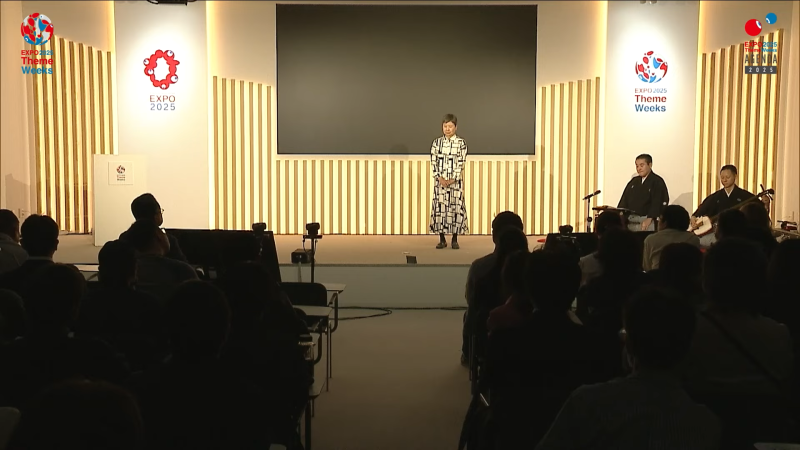
Despite the minimalist stage setup, the synchronized
performance by the skilled artists captivated the audience. In
the workshops, participants experienced the depth of Bunraku’s
techniques firsthand, expressing their amazement and emotional
responses. Additionally, the event was streamed on the
official Expo YouTube channel, successfully sharing the charm
of Bunraku with viewers both in Japan and abroad—an outcome
well aligned with the theme of cultural co-creation.
Reflections (Points for Improvement)
On the other hand, although it can't be helped, since it
was only a performance of one scene, the whole story was not
conveyed and some people may have felt unsatisfied.
We aim to continue promoting the multifaceted appeal of
Bunraku and building cultural bridges with future generations
and international audiences.
【Post EXPO Initiatives】
Following this special edition, this autumn's
"Bunraku Evening" is planned to be even more
substantial. We aim to delve into the appeal and potential of
Bunraku from various perspectives and provide audiences with
new insights. We hope that this will become a place where the
world of Bunraku becomes more accessible and diverse.
Cast
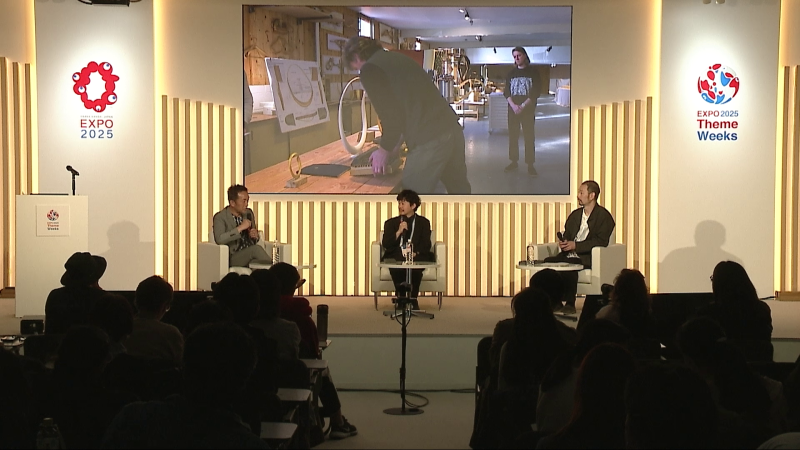
Moderator
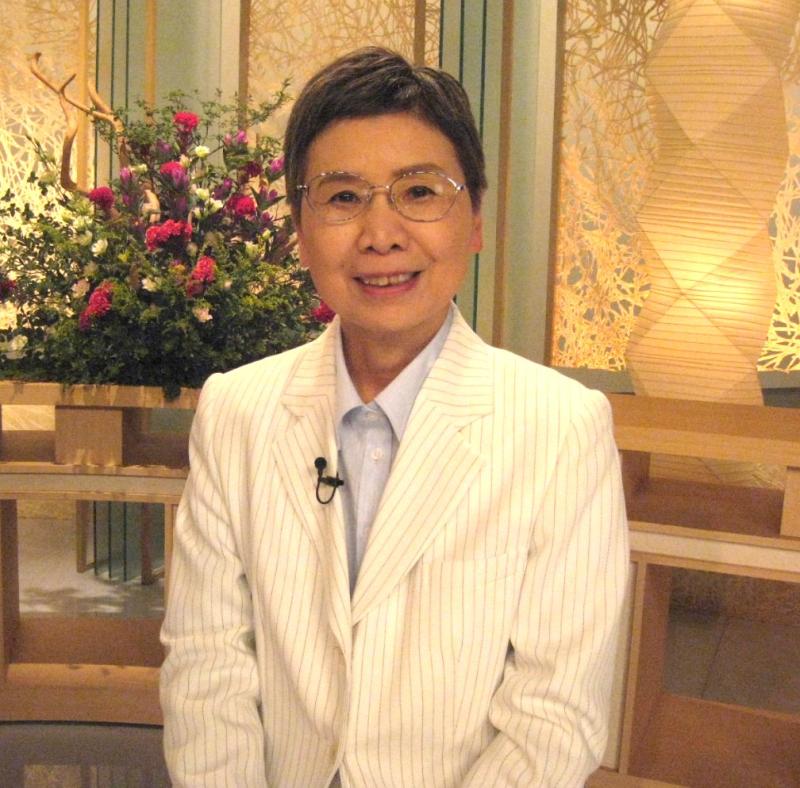
Mayumi Morinishi
Professor Emeritus at Osaka Shoin Women's University, former editor-in-chief of Kamigata Geino
She has served as a member of the Council for Cultural Affairs of the Agency for Cultural Affairs and a council member of the Japan Arts Council. She has appeared on NHK's "Invitation to Classical Performing Arts" and other programs. In 2009, she acted as an explainer to Her Majesty the Empress (now the Empress Emerita) at the Imperial Bunraku performance at the National Bunraku Theater.
View Profile
Close
close
Speakers
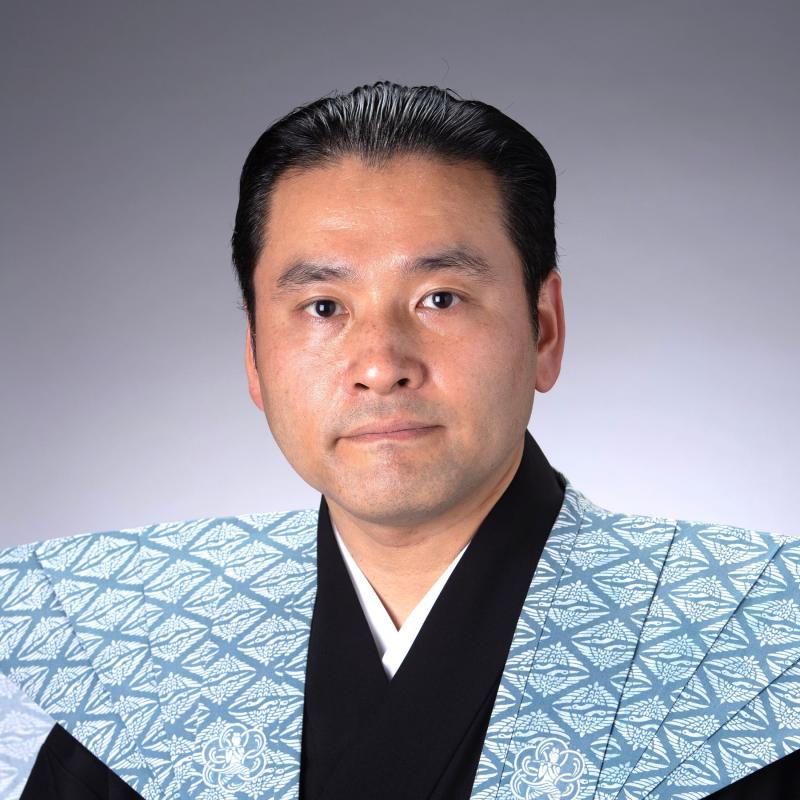
Mutsumidayu Toyotake
Bunrakuza narrator
April 1996: 17th Bunraku trainee at the National
Theater
April 1998: Became a disciple of Shimatayu Toyotake
and took the name Mutsumidayu Toyotake
July 1998: Debuted at the National Bunraku Theater
View Profile
Close
close
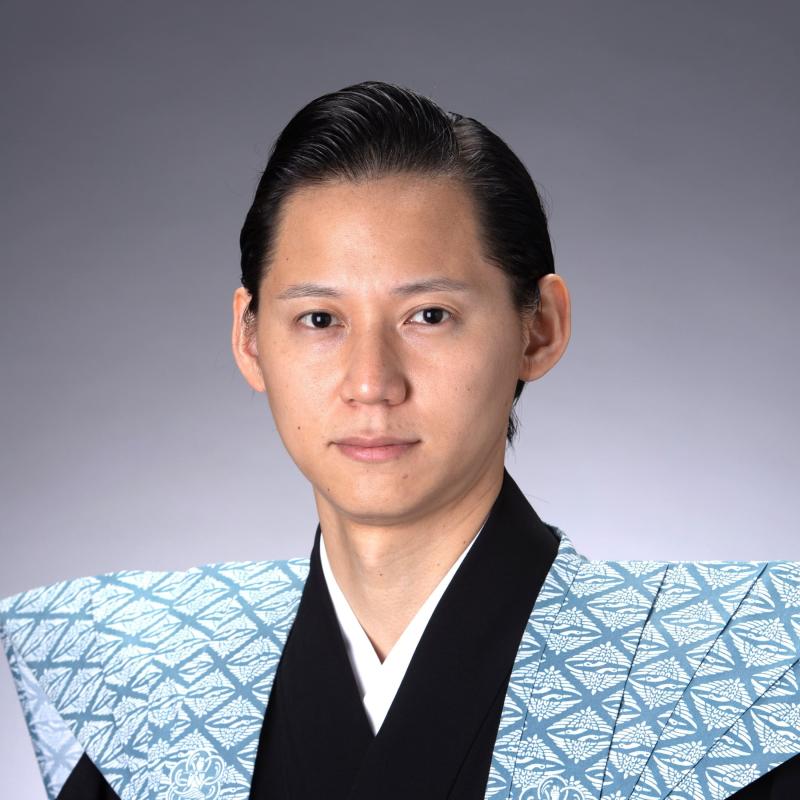
Tomonosuke Tsurusawa
Bunrakuza shamisen player
April 2000: Became a trainee for the 19th class of the
National Theater Bunraku.
April 2002: Became a disciple of Tomisuke Toyozawa and
took the name Ryouji Toyozawa .
July 2002: Debuted at the National Bunraku Theater.
May 2017: Became a disciple of Seitomo Tsurusawa and
took the name Tomonosuke Tsurusawa .
View Profile
Close
close
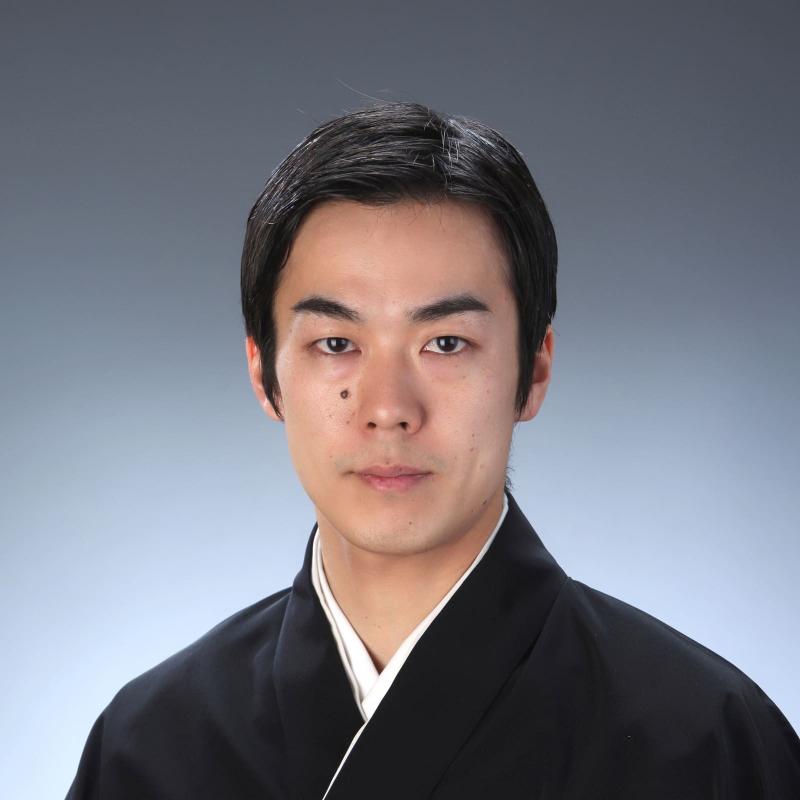
Kanjiro Kiritake
Bunrakuza puppeteer
February 2005: Became a disciple of Kanjuro Kiritake Ⅲ and a research student of the Bunraku Association. April 2006: Debuted at the National Bunraku Theater and took the name Kanjiro Kiritake.
View Profile
Close
close
Co-organiser
Sponsor: Osaka Chamber of Commerce and Industry
Production cooperation: Bunraku Association
Co-creating Cultures for the Future Week
“Bunraku Evening” Special Edition
This is a program that conveys the charm of Ningyo Joruri Bunraku, a traditional performing art born in Osaka.
-
2025.05.02[Fri]
14:15~16:00
(Venue Open 14:00)
- Theme Weeks Studio
OTHER PROGRAM
Co-creating Cultures for the Future Week