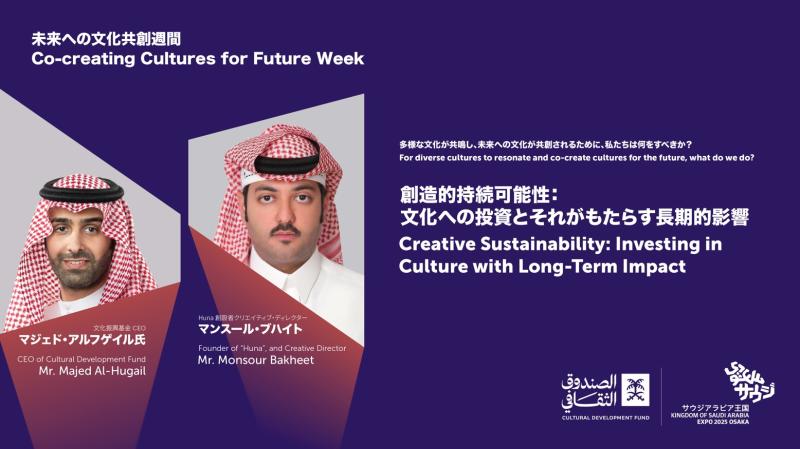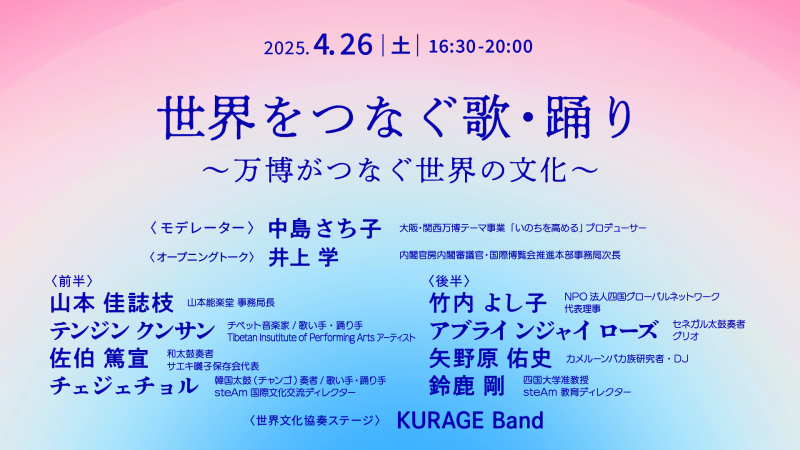
Co-creating Cultures for the Future Week
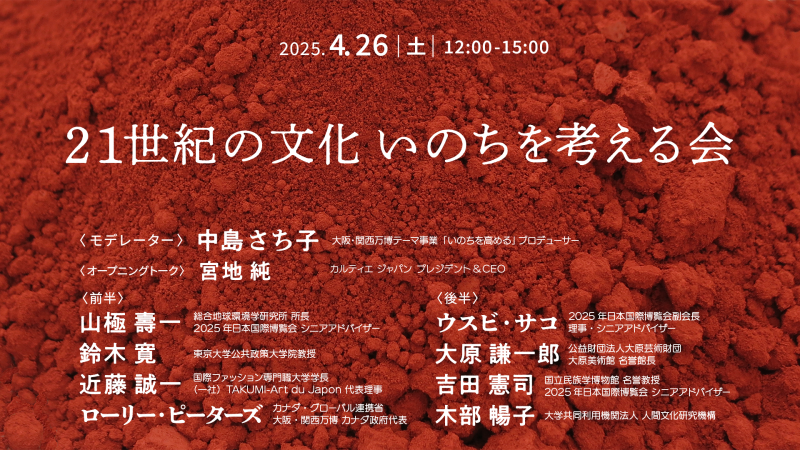
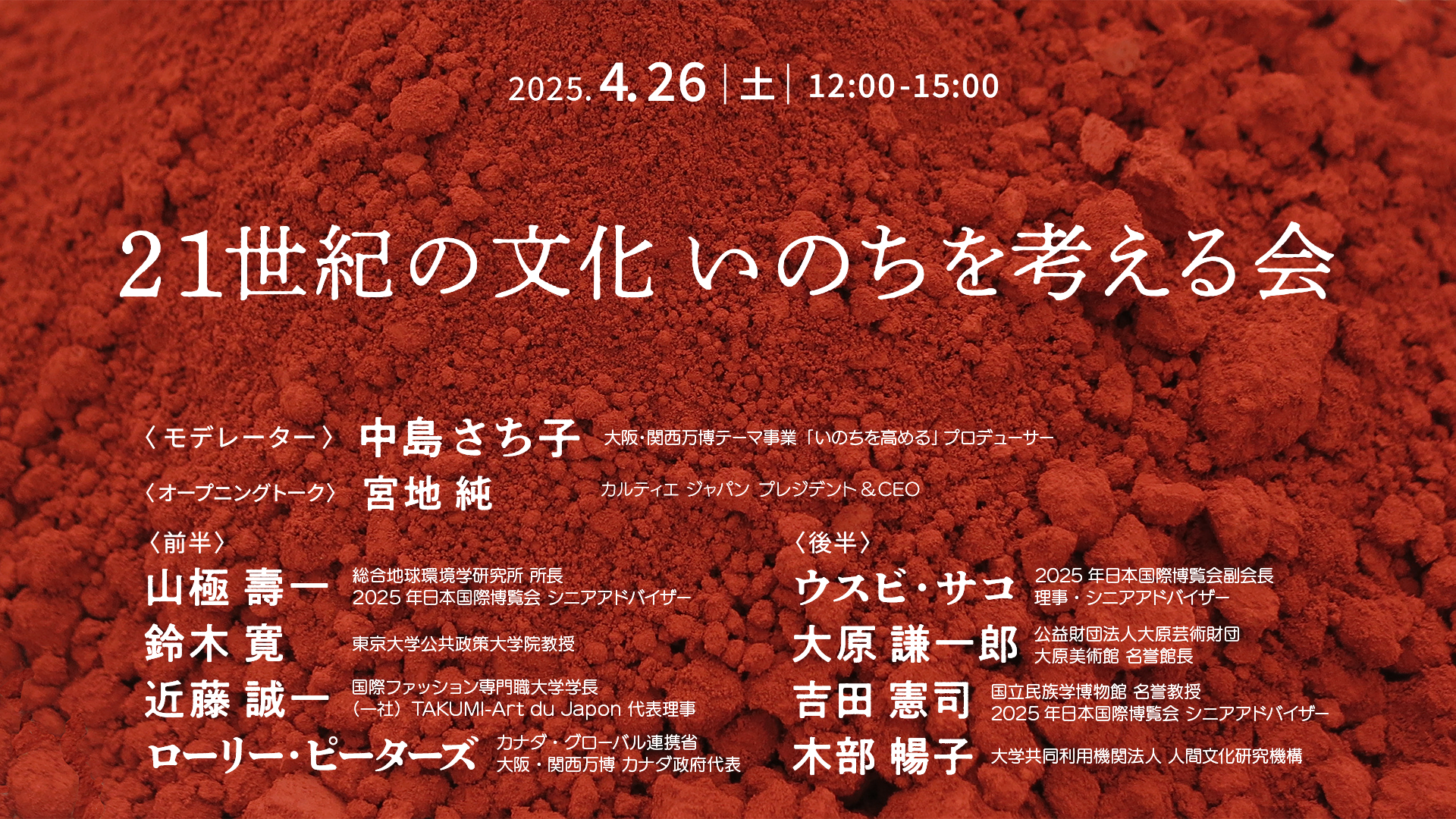
“Culture for the 21st Century: Reflections on Life”
"What should the World Expo be like now? - Exploring
the possibilities for the 21st century -"
EXPO 2025 Thematic Project “Invigorating Lives” (Producer NAKAJIMA Sachiko)
How Should Expos Be Today?
As part of ""21st Century Culture: The Society for
Thinking About Life,"" two sessions will be held.
The first session, ""How Should Expos Be
Today?"", explores the possibilities of cultural
collaboration through expos in partnership with diverse
countries and organizations.
Recorded video available
Discussion
- How Should Expos Be Today?
| Transmission of simultaneous interpretation | Provided |
|---|---|
| Language of interpretation | Japanese and English |
-

Signature Programme
-
Time and
Date of
the event -
-
2025.04.26[Sat]
12:00 ~ 14:55
(Venue Open 11:30)
-
- Venue
- Pavilion
- 「WA」space Women's Pavilion
Programme details
*Subtitles: Choose “Subtitles/CC” in the “Settings” (gear
icon) at the bottom right of the YouTube video.
*Subtitles may not show with multiple languages or overlapping
audio.
As part of "21st Century Culture: The Society for
Thinking About Life," two sessions will be held. The
first session, "How Should Expos Be Today?",
explores the possibilities of cultural collaboration through
expos in partnership with diverse countries and
organizations.The second session, "Why is the Humanities
Knowledge Necessary in the AI Era?", examines the
importance of humanities knowledge in the AI era through
discussions on the future of museums, local culture, and
traditional performing arts.
Reports
【Reflection 】
This program consisted of two sessions: one exploring how
future expositions should be conducted, and another
considering the significance of humanities knowledge in the
age of AI, under the theme of “21st Century Culture: A Forum
for Thinking about Life.” In particular, the case study of the
Canada Pavilion highlighted initiatives centered on the themes
of “SAISEI (regeneration),” “nurturing the next generation,”
and “respect for cultural diversity,” drawing on past Expo
experiences from 1970, 1985, and 2005. The Canada Pavilion
emphasizes the fusion of cutting-edge technology and analog
human interaction, offering visitors surprise and joy through
AR-based presentations, local staff, and cultural
performances. Respect for indigenous cultures was particularly
emphasized, with initiatives such as Indigenous Peoples'
Day and a joint festival with the Jellyfish Pavilion
showcasing multiculturalism. These examples served as a
reminder that expos are not merely technological exhibitions
but also venues for cross-cultural understanding and
collaboration. It was also impressive to hear discussions
about how, even in the age of AI, the value of humanistic
knowledge that connects regional culture, performing arts, and
history to the next generation will not be lost, but rather
will become even more important in today's
information-saturated society. Through international dialogue,
participants reaffirmed the cultural and educational role of
the Expo and had the opportunity to learn about diverse,
future-oriented models of exchange.
[Post-Expo Initiatives]
After the event, it is important to continue international and
regional cultural exchanges by utilizing the knowledge and
networks gained through this program. Initiatives rooted in
multiculturalism, such as the Canada Pavilion, can be
developed into online platforms and traveling events to
continue exchanges even after the Expo has ended. In addition,
the dissemination of humanities knowledge in the AI era should
be promoted through the digitization of museums and cultural
facilities and the archiving of regional cultures to improve
access both domestically and internationally. In particular,
it is hoped that information on indigenous peoples and
regional cultures will be disseminated in multiple languages
to build a foundation for international academic and cultural
exchange. Furthermore, by inheriting the value of “direct
connections between people” demonstrated in the discussions,
and by regularly holding workshops and cultural events created
jointly by experts from different fields and citizens, it will
be possible to form a sustainable place for co-creation. These
activities will expand the Expo's philosophy into
everyday social activities, providing participants with
lifelong memories and learning experiences, as well as
accumulating educational assets for future generations. Going
forward, it is important to continue collaborating with
national pavilions and cultural organizations to promote
international exchange programs that link global issue
resolution with cultural creation.
【Post EXPO Initiatives】
After the expo, it will be important to continue international
and regional cultural exchange by utilizing the knowledge and
networks gained through this program. Initiatives rooted in
multiculturalism, such as the Canada Pavilion, can be
developed into online platforms and traveling events to
sustain exchange even after the expo ends. In addition, the
dissemination of humanities knowledge in the AI era should aim
to improve access both domestically and internationally
through the digitization of museums and cultural facilities
and the archiving of regional cultures. In particular, it is
hoped that information on indigenous peoples and regional
cultures will be disseminated in multiple languages to build a
foundation for international academic and cultural exchange.
Furthermore, by inheriting the value of “direct connections
between people” demonstrated in the discussions at this event,
and by regularly holding workshops and cultural events created
jointly by experts from different fields and citizens, it will
be possible to form a sustainable place for co-creation. These
activities will expand the Expo's philosophy into
everyday social activities, providing participants with
lifelong memories and learning experiences, as well as
accumulating educational assets for future generations. Going
forward, it is important to continue collaborating with
national pavilions and cultural organizations to promote
international exchange programs that link global issue
resolution with cultural creation.
Cast
Moderator
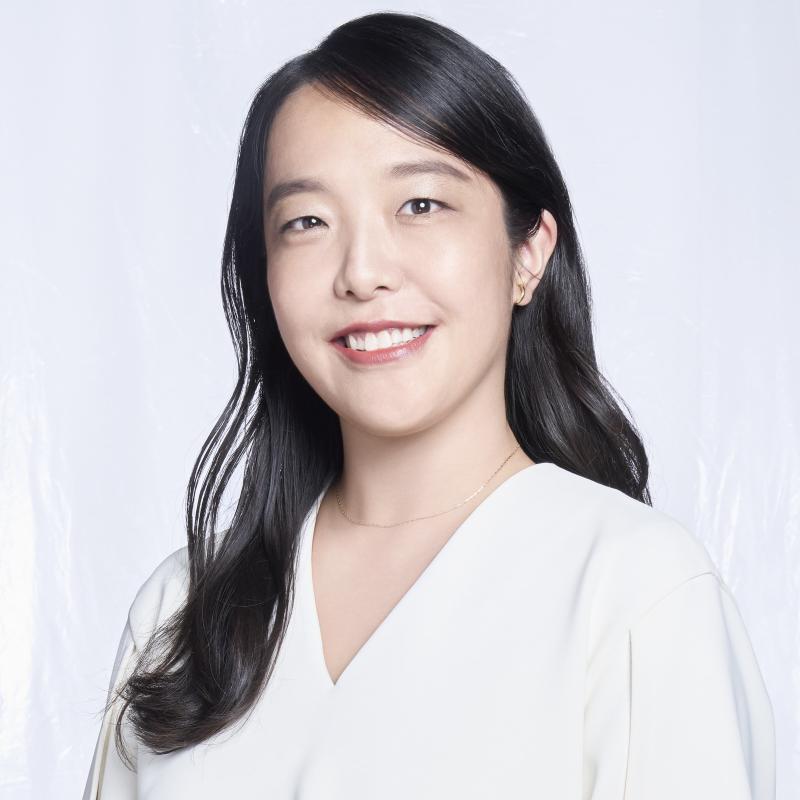
NAKAJIMA Sachiko
Thematic Project ”Invigorating Lives" (Japan Association for the 2025 World Exposition)
Musician, a mathematics researcher, and a STEAM Educator. She is also CEO of steAm, Inc.,the representative director of steAm BAND Association and a thematic project producer of Expo 2025, Osaka, Kansai, Japan. She also serves as a STEM Girls Ambassador, Cabinet Office, and project researcher of Graduate School of Mathematical Sciences The University of Tokyo. She won the gold medal as the first Japanese woman in the International Mathematical Olympiad. She passionately conducts research on art and technology as well as music, mathematics, and education.
View Profile
Close
close

Jun MIYACHI
Cartier Japan CEO
View Profile
Close
close
Speakers
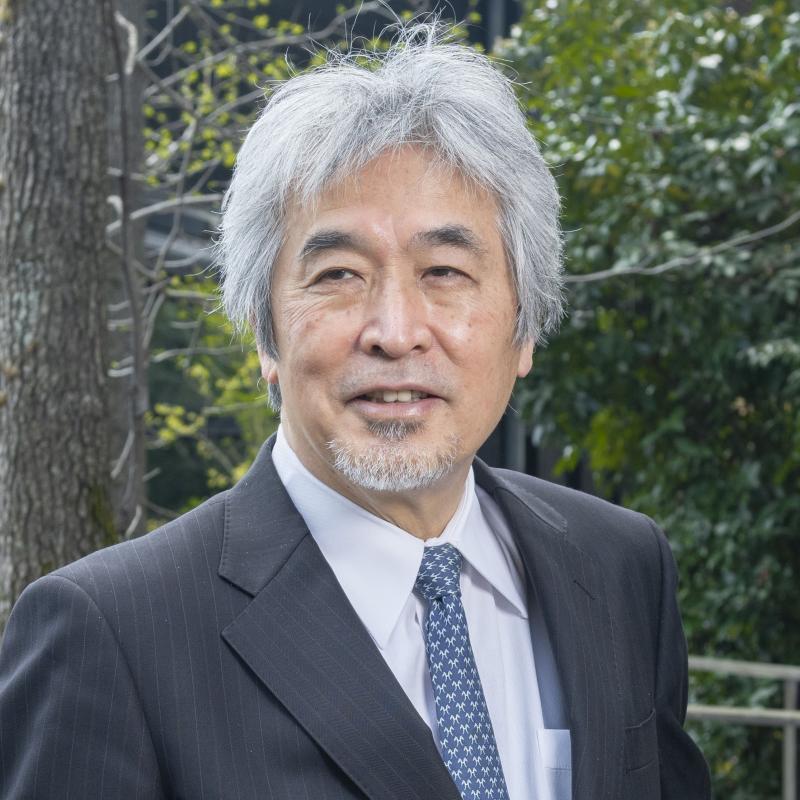
Juichi YAMAGIWA
Research Institute for Humanity and Nature Director-General, Senior Advisor of Osaka Kansai EXPO 2025
Dr. Juichi YAMAGIWA, Director-General of RIHN, is a
researcher and expert in the study of primatology and
human evolution. Awarded Doctor of Science from Kyoto
University. After holding positions at the Karisoke
Research Center, Japan Monkey Center, and Primate
Research Institute Kyoto University, he has been
Professor of Graduate School of Science at Kyoto
University, Dean of Graduate School and Faculty of
Science, 26th President of Kyoto University. Also
served as President of International Primatological
Society. Domestically, he served as the president of
Science Council of Japan and he is now serving as a
Senior Advisor of Osaka Kansai EXPO 2025 and others
His passion for fieldwork research frequently made him
travel to some countries in Africa, where he
discovered an abundance of new findings related to
gorillas, through his unique viewpoint of human
evolution.
View Profile
Close
close
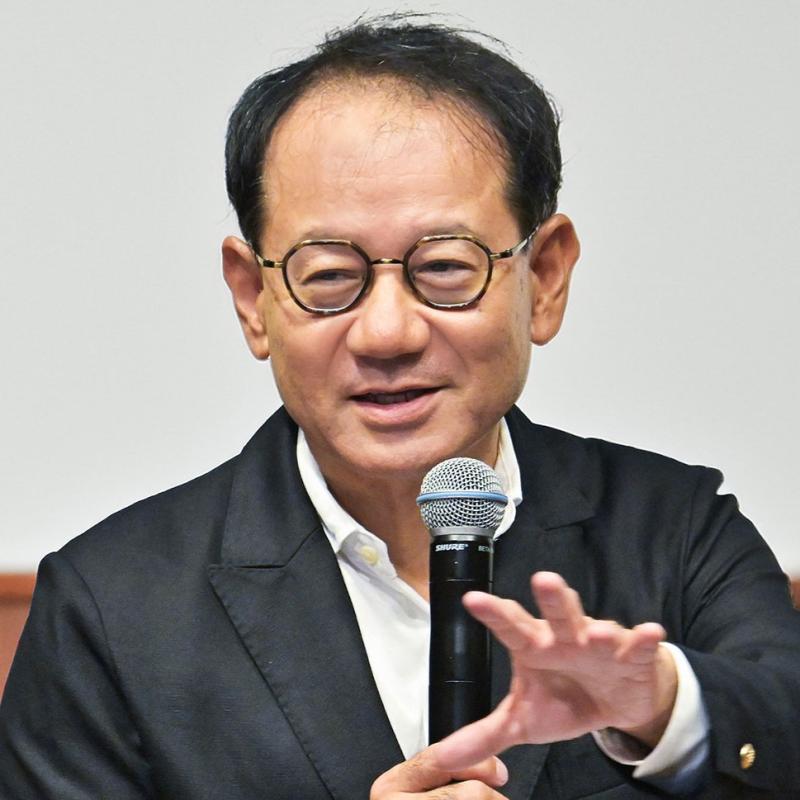
Kan Hiroshi SUZUKI
The University of Tokyo
He graduated from the University of Tokyo, entered the Ministry of International Trade and Industry (MITI). After serving as an associate Professor at Keio University SFC, he became a member of the House of Councilors for 12 years. He served two terms as State Minister of Education, Science, Technology, Sports and Culture and four terms as Chief policy Officer of MEXT, and was appointed as Professor at the University of Tokyo in 2014. He is also a Teach for All Global board member, Director for Representative of Japan Education (ROJE), and Vice President of the Society of Well-being.
View Profile
Close
close
Seiichi KONDO
President, Professional Institute of International Fashion, Chief Director, TAKUMI-Art du Japon
Kondo graduated from Tokyo University (Departmet of Liberal Arts), and joined Foreign Ministry in 1972. He was appointed Deputy-Secretary-General of the OECD(Organisation for Economic Co-operation and Development), Ambassador to UNESCO, and Ambassador to Denmark. He is currently President of Professional Institute of International Fashion, Chairperson of Yokohama Arts Foundation. He established TAKUMI-Art du Japon in 2017.
View Profile
Close
close
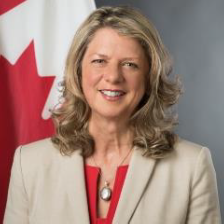
Laurie Peters
Global Affair Canada, Expo 2025 Osaka Kansai Canada Pavilion Commissioner General
In 2005, she worked at Expo 2005 Aichi Japan as the Head of Public Relations for the Canada Pavilion. From 2011 to 2015 she served as Director of Public Affairs at the Embassy of Canada in Japan. She served as High Commissioner in Jamaica and was Senior Advisor for Canada Pavilion at the 2020 Dubai Expo. She is currently Commissioner General of Canada Pavilion for the 2025 Osaka Kansai Expo.
View Profile
Close
close
Co-creating Cultures for the Future Week
“Culture for the 21st Century: Reflections on Life”
"What should the World Expo be like now? - Exploring the
possibilities for the 21st century -"
How Should Expos Be Today?
As part of ""21st Century Culture: The Society for
Thinking About Life,"" two sessions will be held.
The first session, ""How Should Expos Be
Today?"", explores the possibilities of cultural
collaboration through expos in partnership with diverse
countries and organizations.
-
2025.04.26[Sat]
12:00~14:55
(Venue Open 11:30)
- Pavilion
OTHER PROGRAM
Co-creating Cultures for the Future Week