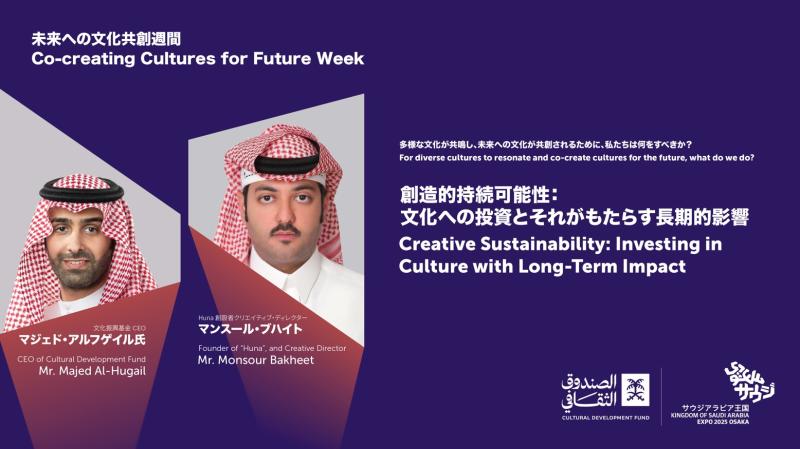
Co-creating Cultures for the Future Week
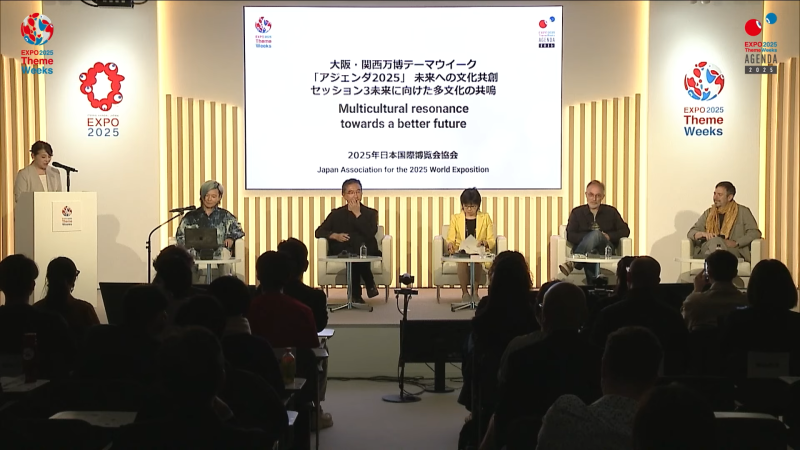
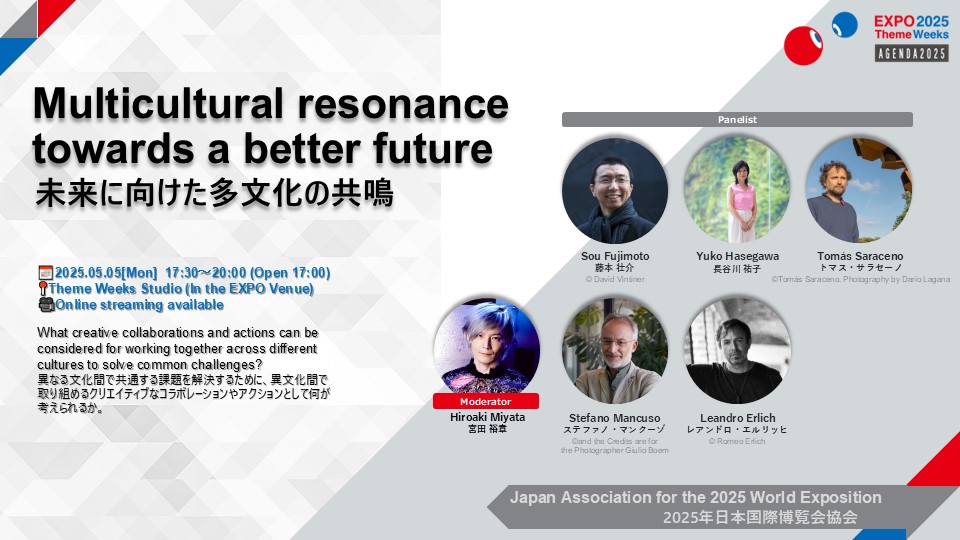
Multicultural resonance towards a better future
Japan Association for the 2025 World Exposition
The programme, together with the General Sponsors, explores: 'What creative collaborations and actions can be considered for working together across different cultures to solve common challenges?'
Recorded video available
Discussion
| Transmission of simultaneous interpretation | Provided |
|---|---|
| Language of interpretation | Japanese and English |
-

Agenda2025
Organised Programme
-
Time and
Date of
the event -
-
2025.05.05[Mon]
17:30 ~ 20:00
(Venue Open 17:00)
-
- Venue
- Theme Weeks Studio
Programme details
*Subtitles: Choose “Subtitles/CC” in the “Settings” (gear
icon) at the bottom right of the YouTube video. *Subtitles may
not show with multiple languages or overlapping audio.
Futures in Resonance
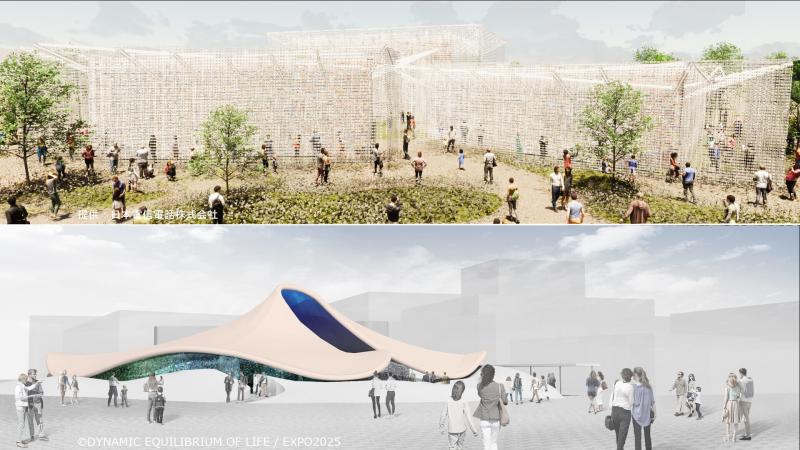
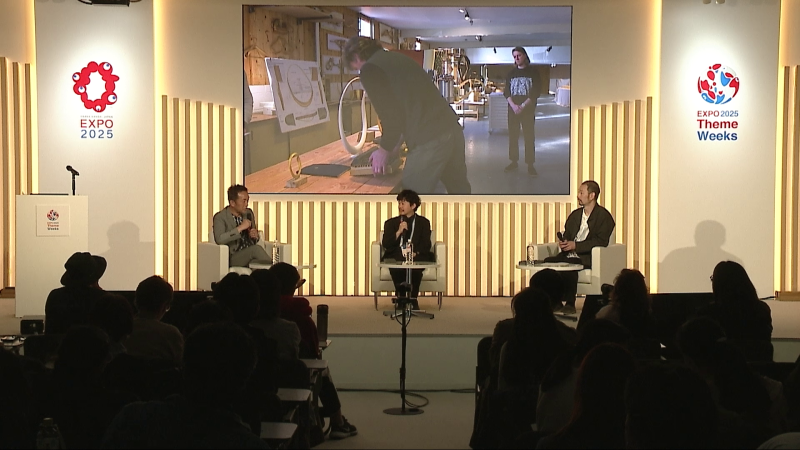
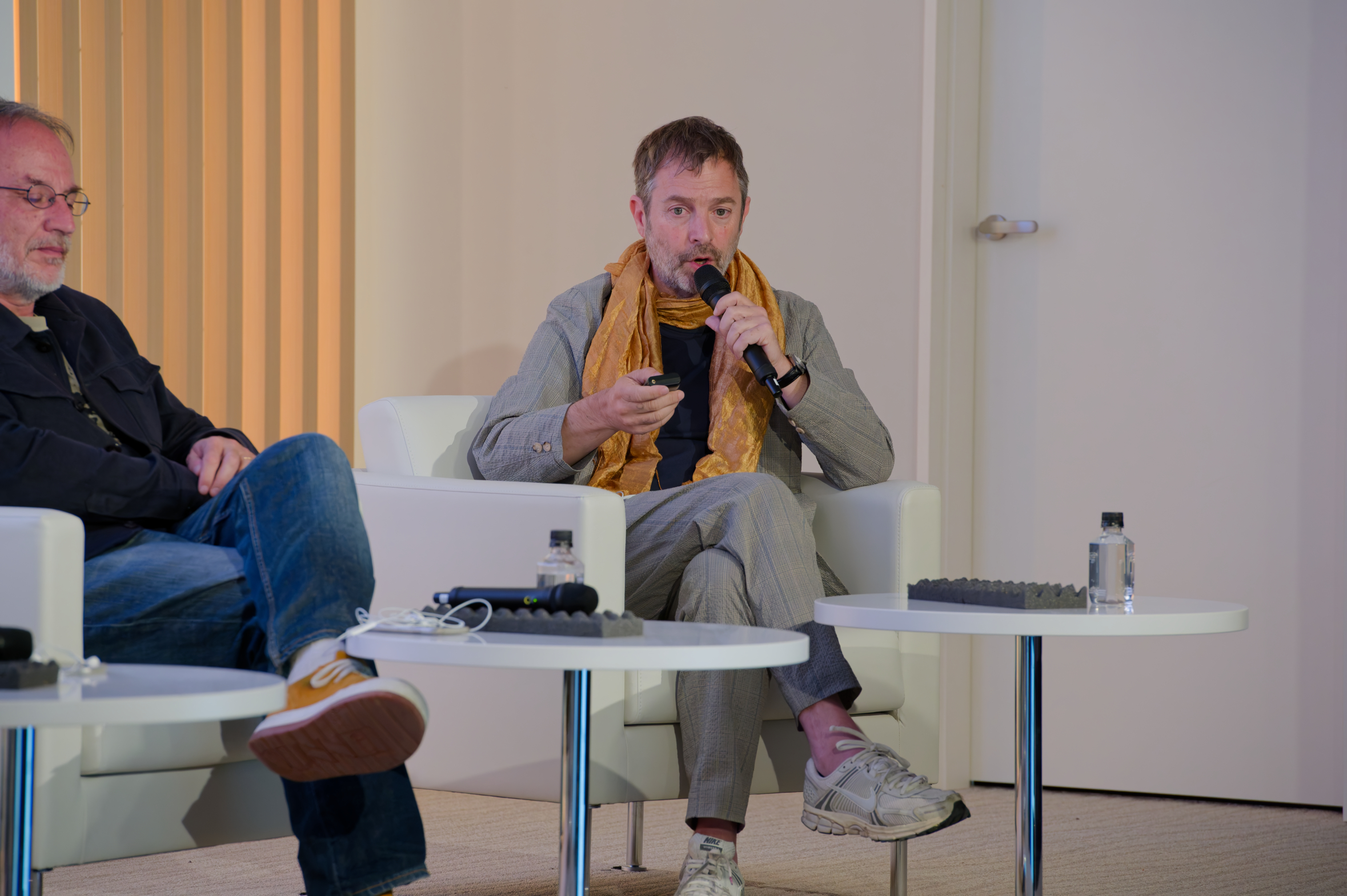
The six creators who jointly realised Expo 2025’s signature
trilogy—the Grand Roof Ring, Stillness Forest and the Better
Co-Being Pavilion—convene for a 120-minute dialogue entitled
“How can diverse cultures, intelligences and forms of life
truly resonate to co-design the future?”
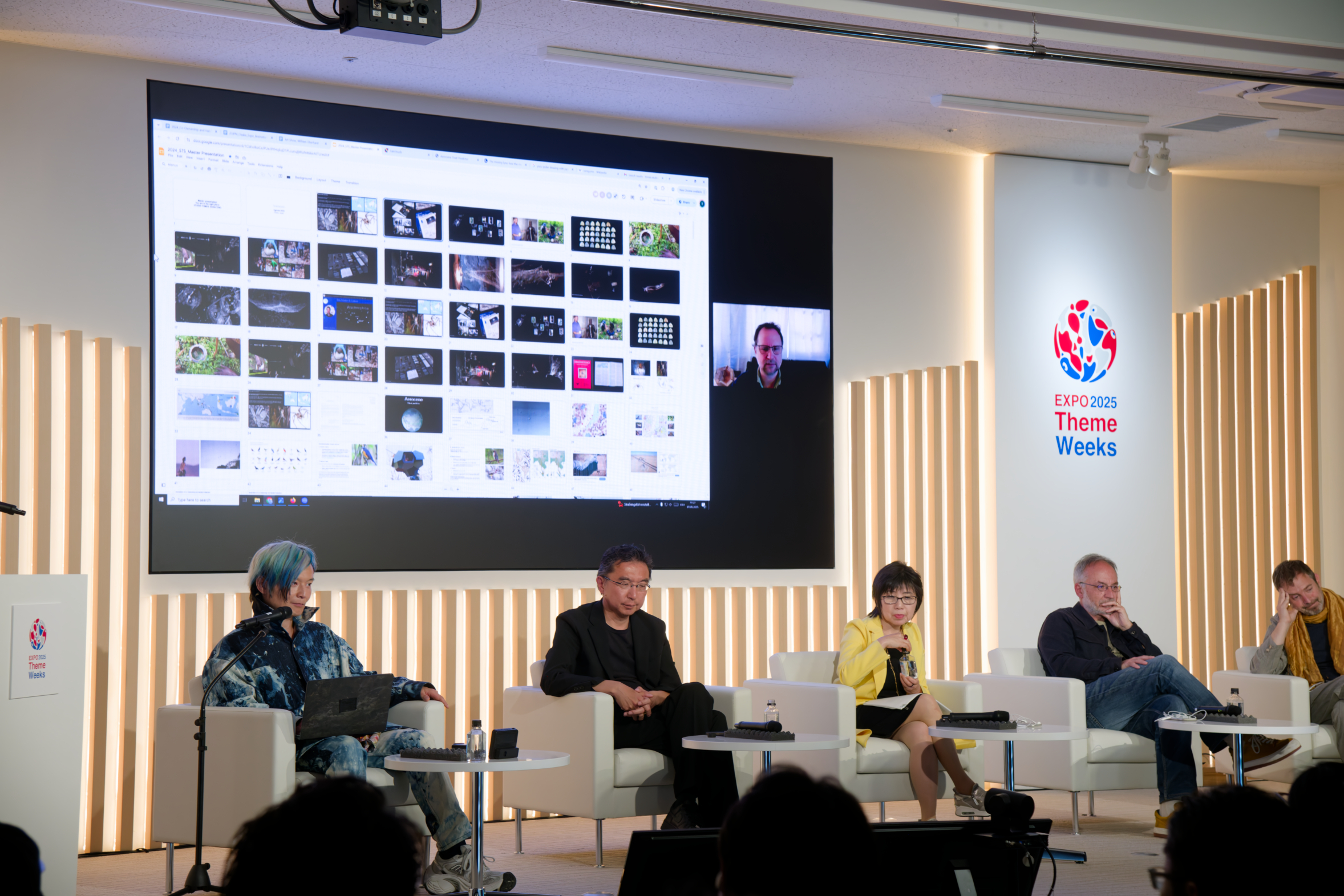
Part 1: each speaker delivers a 7-minute field report,
revealing the backstage process of collaborative making.
Part 2: three themed chapters—Planetary Resonance, Life
Resonance and Future Resonance—spark cross-questioning on
non-human intelligence, intercultural value weaving and better
co-being.
Whether or not audience members have walked the installations,
layered images, footage and narrative rebuild the on-site
experience inside the hall, letting everyone follow the
resonance process in real time. The session closes with
moderator Hiroaki Miyata handing the baton to the audience,
inviting each listener to ignite the next wave of resonance
beyond the Expo grounds.
*Tomás Saraceno will be appearing the session online.
Reports
【Program Summary】
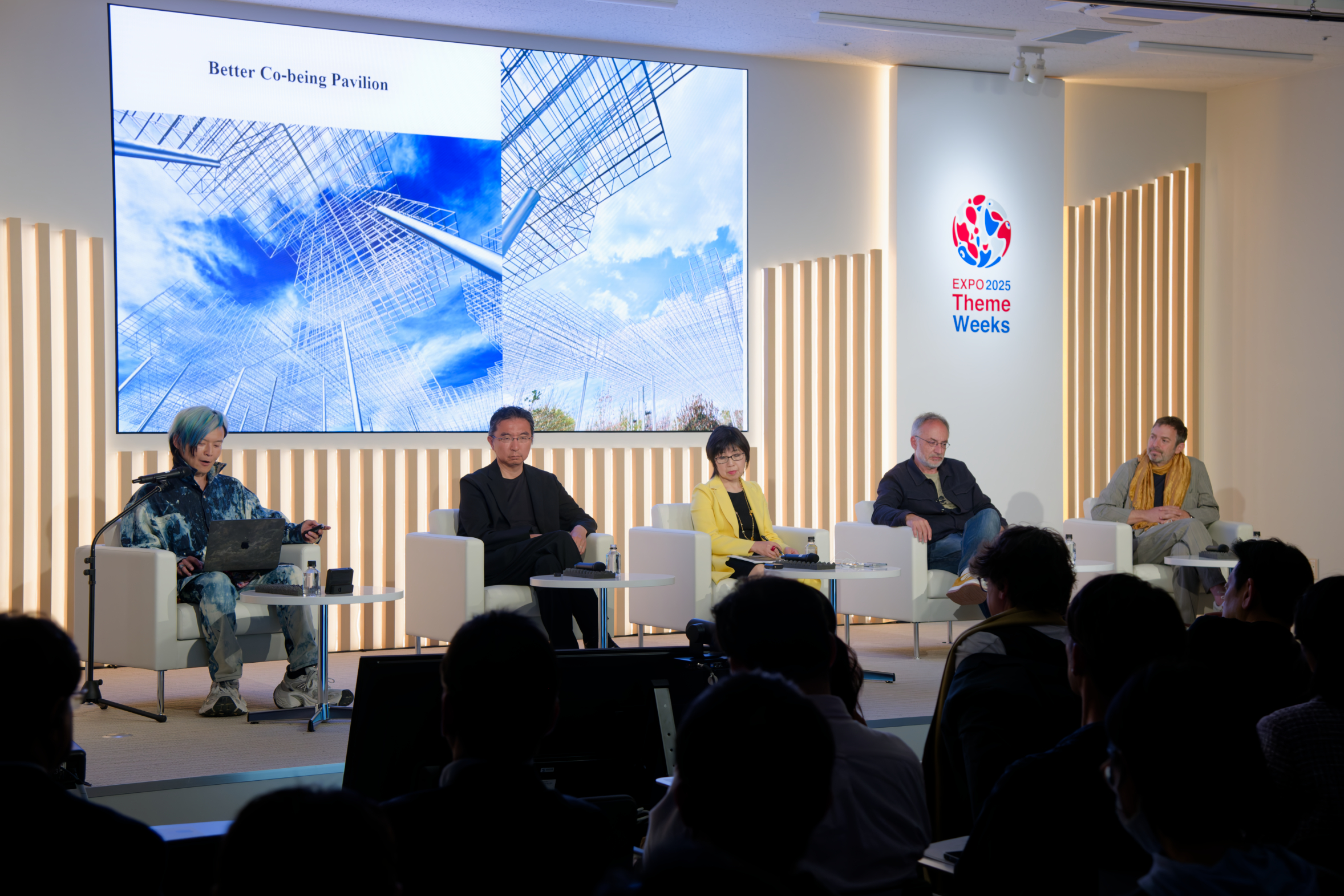
The session “Resonance of Multiculturalism Toward the Future”
at Expo 2025 Osaka, Kansai, Japan served as a platform where
intellect and sensibility from multiple fields intersected to
address the challenges of contemporary society and explore
visions for the future. In this program, speakers with diverse
expertise in fields such as science, architecture, art, and
philosophy engaged in dialogue centered around the theme of
“resonance,” seeking possibilities for new value creation and
harmonious coexistence for humanity.
【Speaker Summary: Hiroaki Miyata】
As moderator, Hiroaki Miyata brought his expertise as a data
scientist and philosopher to frame the significance of
'resonance' in a multicultural future. He emphasized
the critical role that culture and the arts must play in
addressing global challenges—such as environmental crises,
fragmentation, isolation, and inequality—beyond what existing
systems and institutions can solve. For Miyata, culture is a
'device for resonance' that connects people through
empathy and imagination beyond logic, offering a means to
uncover values that cannot be quantified.
He defined 'resonance' as the process of discovering
connections despite differences. It is not about homogenized
commonality but about the emotional reverberations that arise
from intersecting and respecting diverse values and
sensibilities. Such resonance holds essential insights for
constructing a future multicultural society. In a time when
meaning is being lost amidst technological advancement, he
asserted that storytelling and embodied cultural practices are
critical for restoring values beyond efficiency or data.
Especially for younger generations, navigating the overlap of
digital and real-world spaces depends on how they build
meaningful connections.
Throughout the session, Miyata underscored the need for a
society unafraid of heterogeneity. Resonance, he argued,
deepens not through harmony alone but also through friction
and conflict. His comments articulated a renewed mission for
culture in a fragmented world.
【Speaker Summary:Sou Fujimoto】
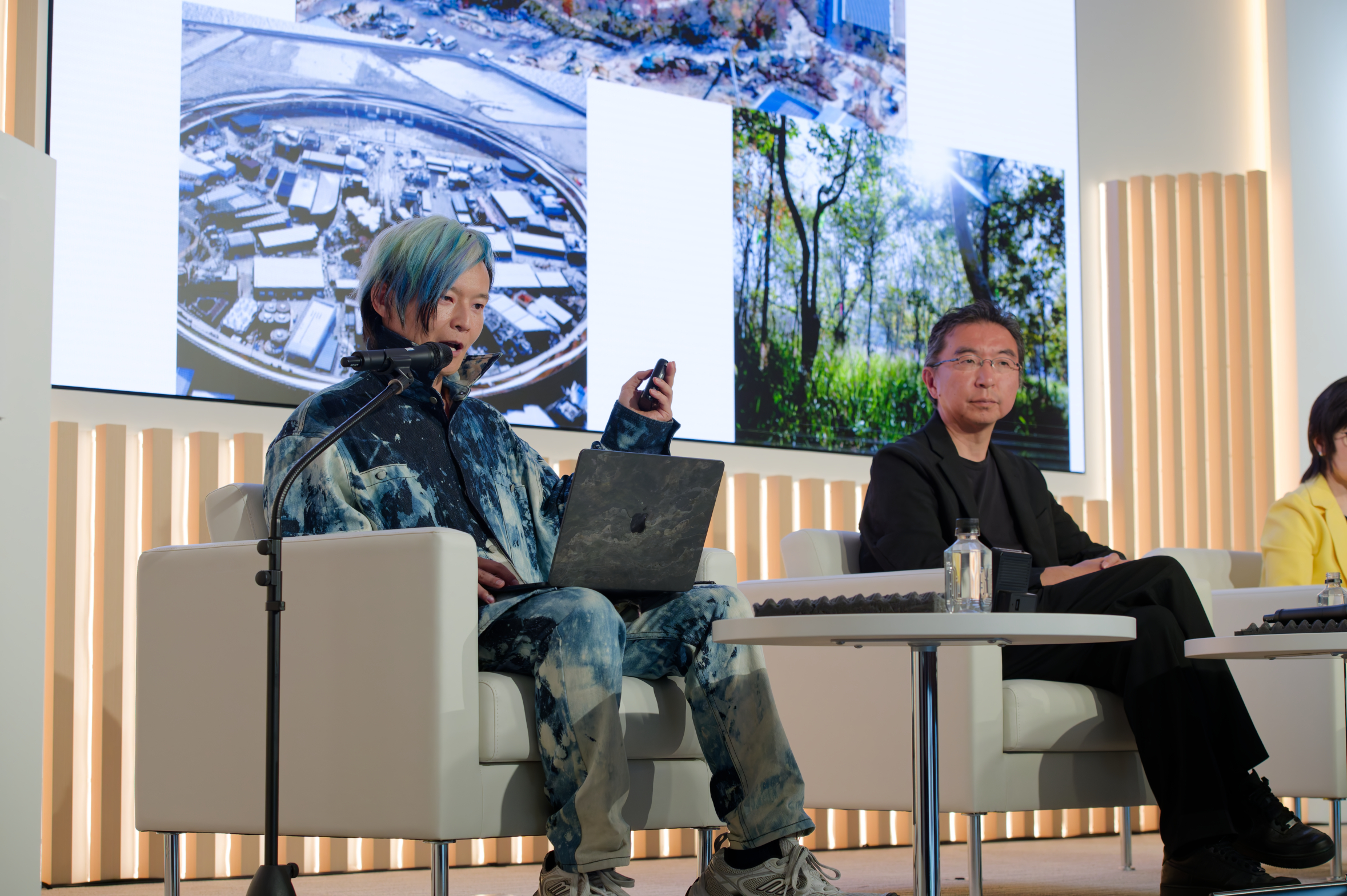
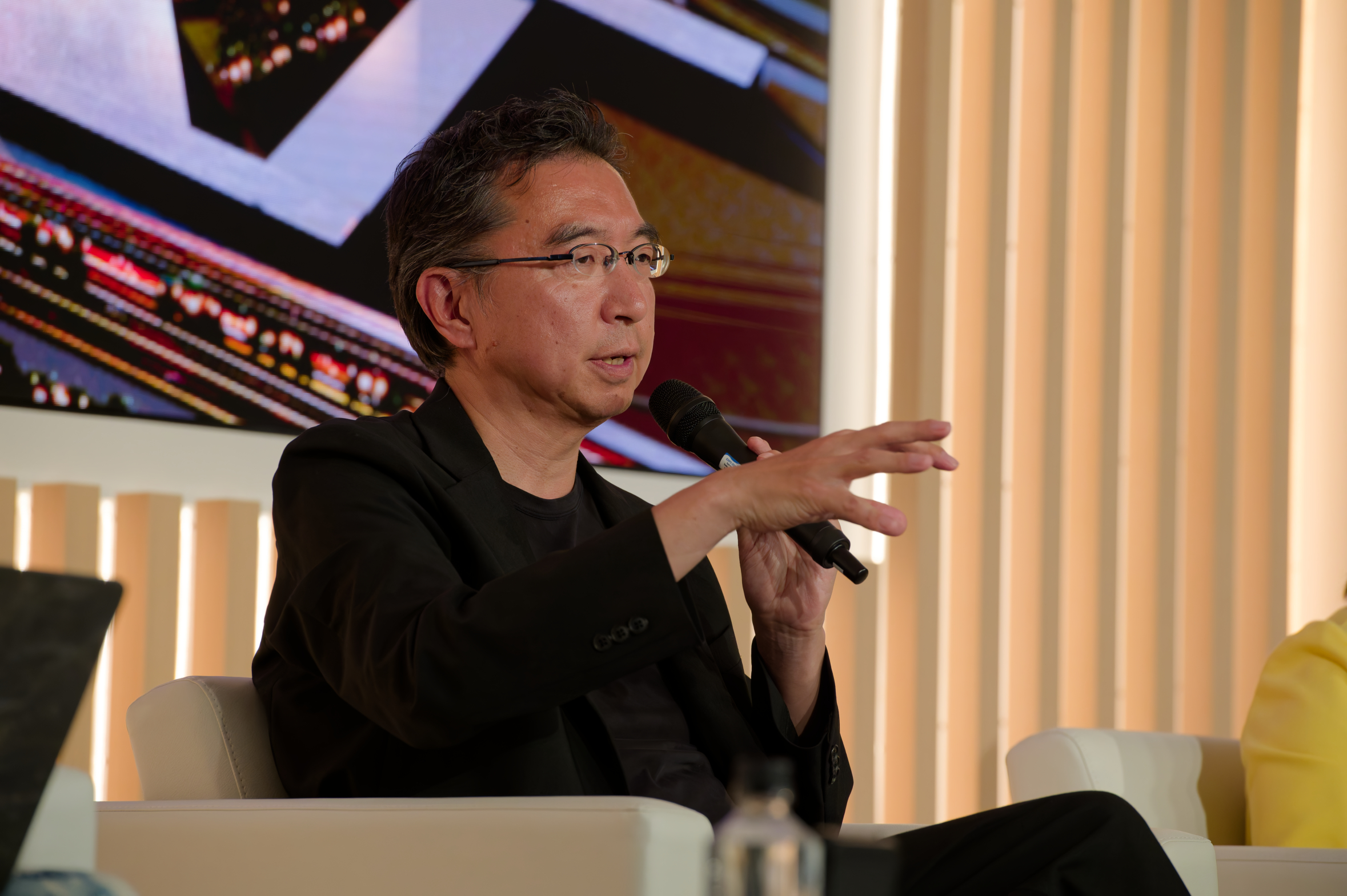
Architect Sou Fujimoto spoke on the possibilities of spatial
resonance through architecture, exploring new relationships
between nature and people. His design philosophy seeks to
redefine architecture not as a structure exclusively for
humans but as an open space that coexists with the environment
and other life forms. Citing examples such as homes inspired
by forests and public spaces merging parks and buildings,
Fujimoto emphasized that connection with nature is key to
creating new cultures in urban settings.
Particularly striking was his affirmation of
'ambiguity' and 'incompleteness' in
architecture. To Fujimoto, buildings are not fixed, finished
forms but open structures that evolve over time through their
users. This perspective overlaps with the flexibility needed
in multicultural societies and presents spatial conditions for
diverse people to live together.
Fujimoto also described architecture as a 'catalyst of
culture'—spaces that influence people’s behavior and
feelings while gradually acquiring new cultural significance.
He encouraged participants to move beyond binary distinctions
like nature versus city and instead adopt a gradient view that
reinterprets urban life.
He envisioned future urban spaces as 'places usable by
everyone, belonging to no one,' surpassing the concepts
of ownership and control. These shared spaces, shaped by
people's creativity, offer potential foundations for
coexistence across diverse cultural backgrounds. His statement
clarified that architecture is not just a physical shell but a
'living space' layered with memory, emotion, and
culture, offering a philosophical base to spatially support
multicultural resonance.
【Speaker Summary:Yuko Hasegawa】
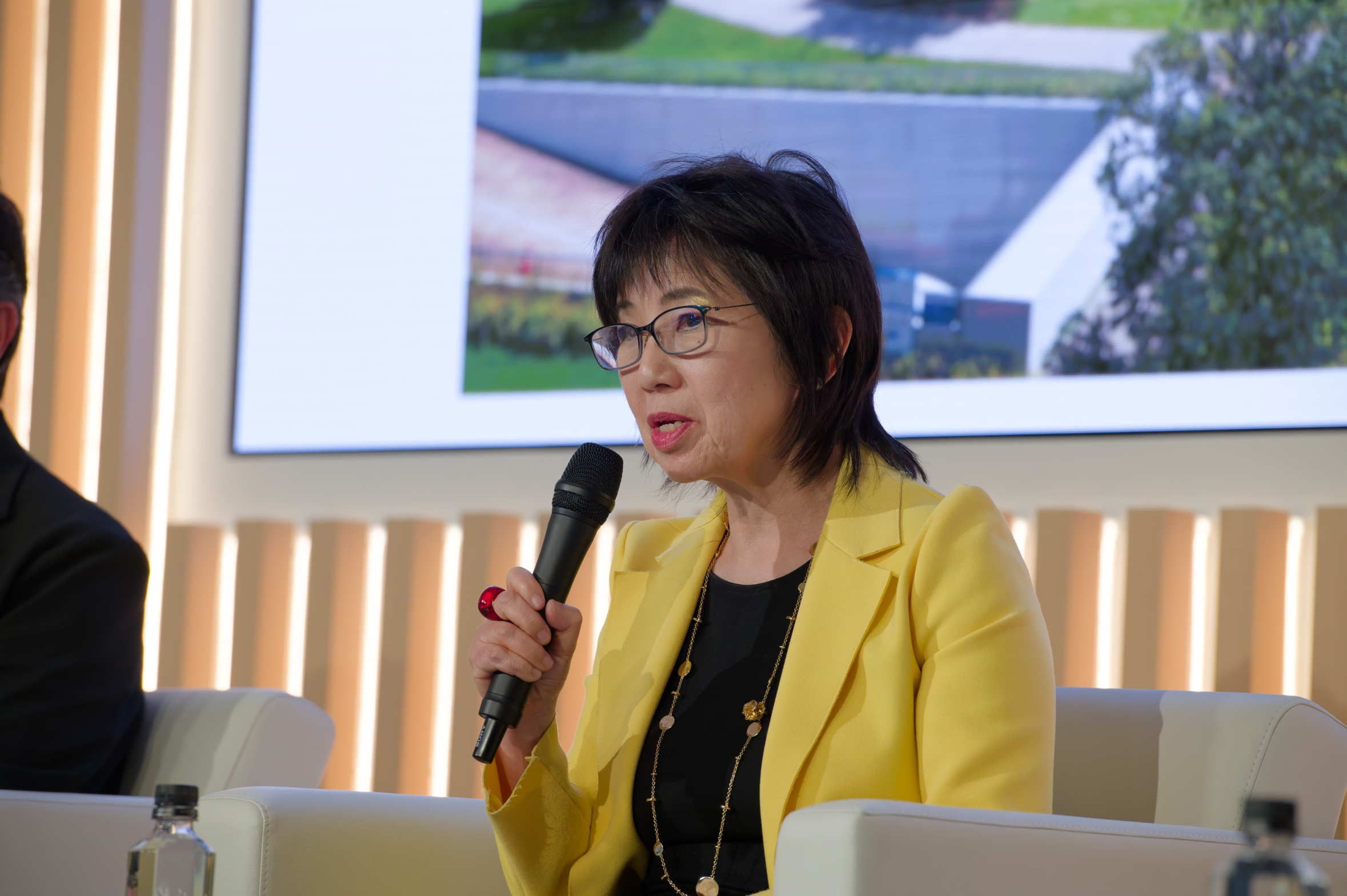
Drawing on her extensive experience as a curator of
contemporary art, Yuko Hasegawa spoke on the role of art in
society and how it fosters 'multicultural
resonance.' She emphasized that art is not merely a
visual expression but a device that illuminates the unseen
structures, values, and memories of society. Art, she argued,
has the power to make visible those who are overlooked or
silenced and to update our social map of awareness.
Hasegawa explained how international exhibitions and museum
programs she has curated often featured artists from Asia, the
Middle East, and Africa—non-Western regions that challenge the
traditional Western art historical canon. At the core of her
approach lies the belief that respecting multicultural voices
and understanding differences are essential to a future of
coexistence.
She also discussed the significance of imagination in art,
noting that art does not merely reproduce reality but reveals
the potential within it. Especially in today’s uncertain
world, art serves as a 'laboratory' for envisioning
the future and presenting alternative values and systems. Art,
she said, gives us the courage to embrace uncertainty and
positions the contradictions and frictions within
multiculturalism as sources of creative dialogue.
Hasegawa highlighted the active role of the viewer, asserting
that artworks are not complete until they are interpreted
through the feelings and experiences of the audience. Art
should be an open medium that accepts not only empathy but
also discomfort and resistance, offering a tolerant space
where diverse backgrounds are respected.
She concluded by stating, 'Art may not change the world,
but it changes how we see the world.' This perspective
eloquently captured the essence of art’s value, underlining
its mission in a future society built on diversity and
dialogue. Her remarks demonstrated that cultural resonance is
not merely emotional alignment but a thoughtful engagement
with otherness that opens new perspectives.
【Speaker Summary:Tomás Saraceno】
Tomás Saraceno, an Argentine-born artist, questions new social
structures and possibilities for resonance through the
integration of art and science. He presented the well-known,
international community project 'Aerocene', which
features floating structures that rely on solar energy and
buoyancy, requiring no fossil fuels, lithium or helium, all in
the context of eco-social justice. Through this work, he
considers alternative ways of relating to the Earth’s
environment. Saraceno described art as a laboratory for
rethinking future societal structures. By fusing scientific
knowledge with artistic imagination, he seeks to examine the
relationships between humans, nature, and other life forms.
A central theme in his work is the need to move beyond
anthropocentrism and establish equitable relationships with
more-than-human entities. Many of his installations are
inspired by and made in collaboration with spiderwebs, ones
which he regards not merely as structures but as
'embodied networks' capable of transmitting
information and adapting to their environment. These webs
function as metaphors for resonance, and he suggests that
their principles could be applied to the redesign of human
societies and urban environments. He stressed the importance
of 'listening to quiet voices'—voices of
more-than-human agents.
Saraceno’s approach is premised on collaboration with
'more-than-human intelligence,' including spiders,
wind, and gravity. His work presents a sensory and ethical
alternative to conventional technological responses to global
challenges like climate change and environmental degradation.
His pieces are not just visually compelling; they challenge
audiences to reflect on eco-social justice and responsibility
in the Capitalocene era. He concluded by affirming that art
has the power to prompt people to take action by posing
fundamental questions. By immersing viewers in his works, he
transforms them from passive observers into active
participants, fostering new forms of dialogue and awareness.
Saraceno’s practice demonstrated that future-oriented
resonance is not about simplistic harmony but a layered
interaction with the unfamiliar and the more-than-human.
【Speaker Summary: Stefano Mancuso】
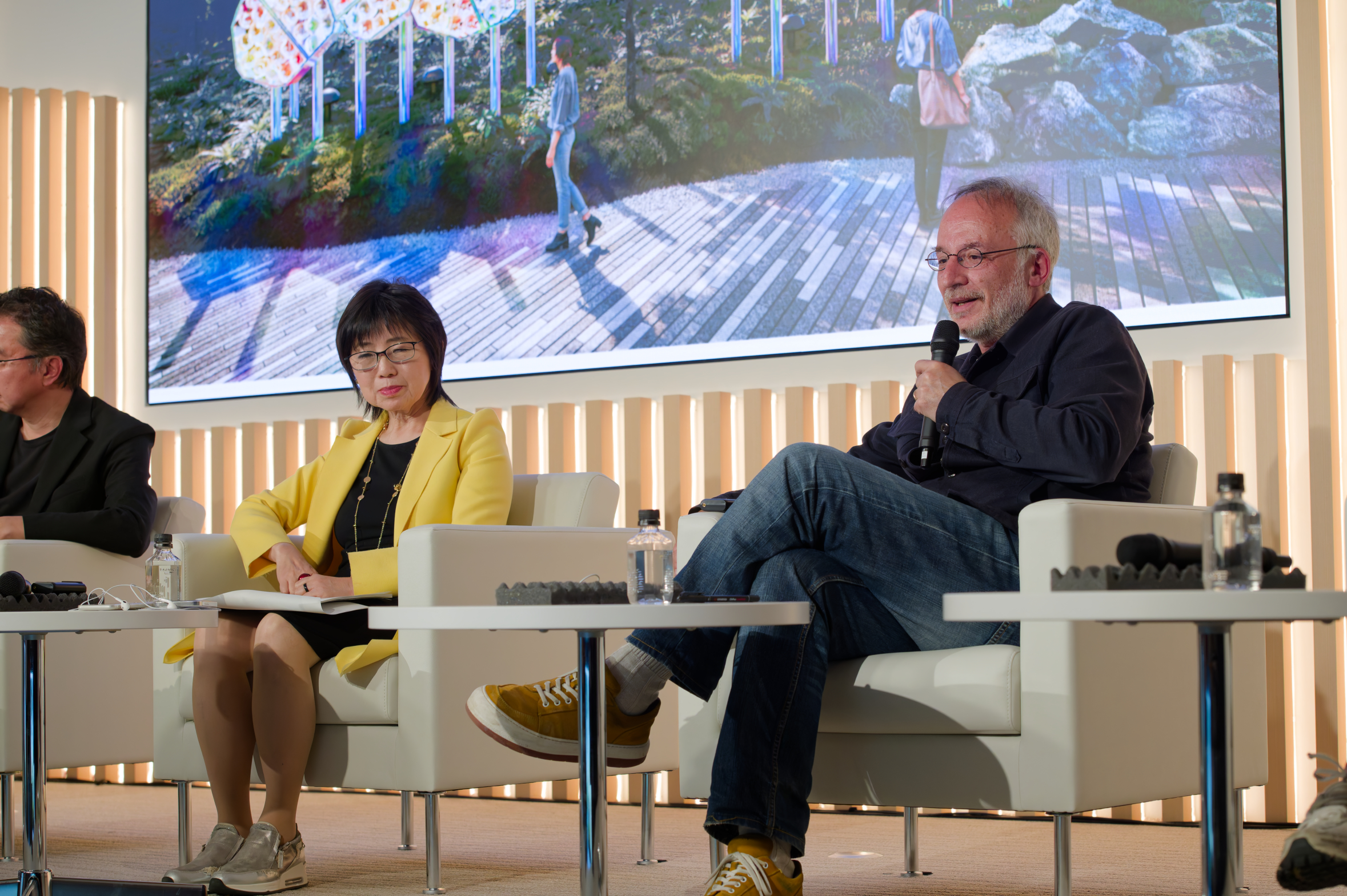
Stefano Mancuso, a leading expert in plant neurobiology,
presented groundbreaking insights into plant intelligence and
communication. He argued that plants, far from being passive
organisms, are highly adaptive beings capable of sensing
light, gravity, water, and the presence of other life
forms—making decisions accordingly.
He introduced the concept of the 'plant network
society,' where roots and leaves function as sensory
organs, and plants exchange information with one another.
Mancuso also highlighted scientific findings showing that
plants can 'remember' and 'choose,'
prompting a re-evaluation of the human–plant relationship.
He redefined plants as 'quietly intelligent beings,'
challenging human-centered assumptions. Plants, he noted, do
not waste energy but live in harmony with their environments.
Their sustainable way of life offers critical lessons for
building future societies. His remarks encouraged the audience
to rethink how humans resonate with nature.
Mancuso emphasized the idea of 'thinking of cities like
plants.' To function as living ecosystems, cities must
incorporate the wisdom of plants into their design—not just
through greening efforts but through a shift in perspective.
His message transcended the dichotomy of civilization versus
environment, proposing a symbiotic vision of the future.
He concluded by stating, 'Intelligence is not speed or
power—it is the ability to adapt and coexist.' This
declaration challenged conventional views of civilization and
underscored that resonance begins by listening to different
forms of life.
【Speaker Summary:Leandro Erlich】
Leandro Erlich, a contemporary artist known for his immersive
installations, challenges visual perception and spatial
awareness to question what we accept as 'reality.'
In this session, he introduced works that subvert everyday
assumptions and invited participants to reconsider how reality
is constructed through interpretation.
One example he described was an installation featuring mirrors
on a building façade that creates the illusion of people lying
on the ground appearing to scale the wall. Such spatial
inversions alter viewers’ bodily awareness and offer
experiential reconstructions of perception. Erlich emphasized
that 'art does not provide answers—it asks
questions,' and that the process of re-examining
one's senses leads to new forms of understanding.
His artworks are notable for their participatory nature.
Viewers physically enter his works and experience them with
their own bodies, rediscovering their sense of self and their
relationships with the surrounding environment. This bodily
engagement becomes a universal language that transcends
cultural and linguistic barriers, fostering resonance through
shared experience.
Erlich also noted that people from different cultural
backgrounds, when encountering his works, exhibit similar
responses—surprise, laughter, and contemplation—demonstrating
that art can function as a common language. Rather than
tackling complex societal problems directly, his work prompts
self-awareness by shaking unconscious assumptions and
revealing fixed beliefs.
He concluded with a poignant question: 'Is what we
believe to be real truly reality?' This question, he
suggested, becomes a seed for resonance in multicultural
societies where people hold diverse worldviews. His art makes
visible the experience of 'resonance' across
cultural and perceptual boundaries, engaging the viewer’s
imagination at a fundamental level.
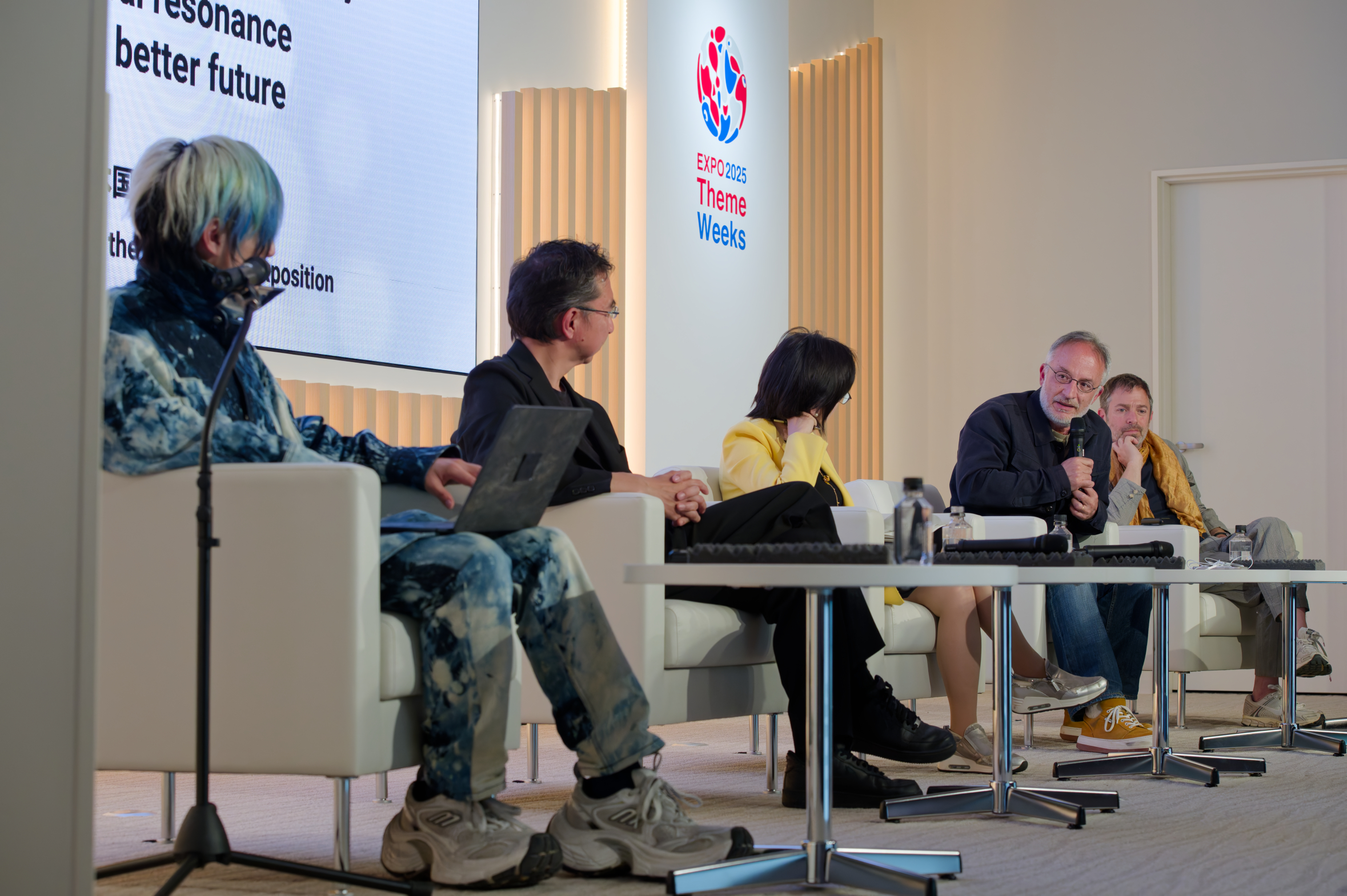
【Discussion Summary】
The session concluded with a discussion centered around the
theme of 'resonance' and how multiculturalism and
global challenges can be approached through it. Sou Fujimoto
spoke about creating symbolic spaces, such as large wooden
rings, that connect different cultures and nations, embodying
the hope of building a shared future while respecting
differences. Stefano Mancuso emphasized the importance of
recognizing nature as a 'ring' that envelops the
Earth, urging humanity to embrace coexistence as part of
nature. Leandro Erlich advocated for reconstructing perception
and sensitivity, calling for a departure from ego-centered
views. Tomás Saraceno proposed a new perspective that views
non-human species such as spiders and birds as active
participants in coexistence, challenging anthropocentrism.
Yuko Hasegawa highlighted the importance of creating spaces of
learning and coexistence through architecture and art, which
foster resonance across diverse scales via sensory and
imaginative engagement.
Together, their insights confirmed that 'multicultural
resonance' is not mere coexistence—it is a dynamic
process where different beings influence one another across
their differences, co-creating new values and futures.
Cast
Moderator
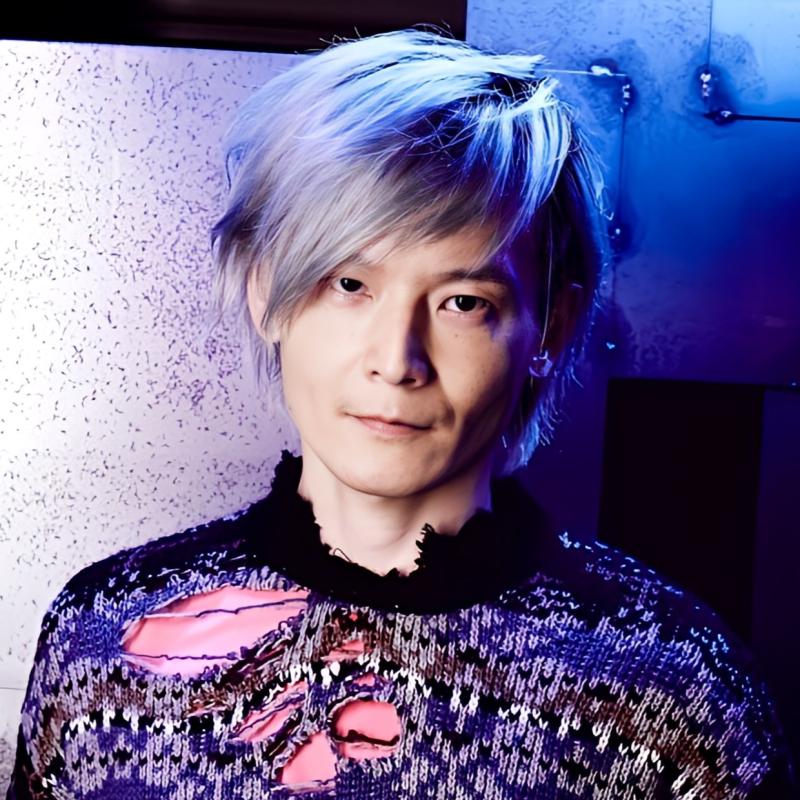
Hiroaki Miyata
Professor, School of Medicine, Keio University
Specialises in data science, scientific methodology,
and value co-creation;
His research revolves around promoting social reform
through utilising data science and other scientific
methods to change society for the better. Is involved
in a range of projects in and outside the field of
medicine, such as the National Clinical Database
involving 5,000 hospitals around Japan in
collaboration with the medical specialist system and
the nationwide COVID-related LINE surveys led by the
Ministry of Health, Labour, and Welfare. Also works
with the Keidanren and World Economic Forum to develop
a new vision of society. One of the visions of society
that Miyata has co-created is a “resonant society”
characterised by vibrancy and diversity where each
individual shines through experiencing that world with
others.
View Profile
Close
close
Speakers
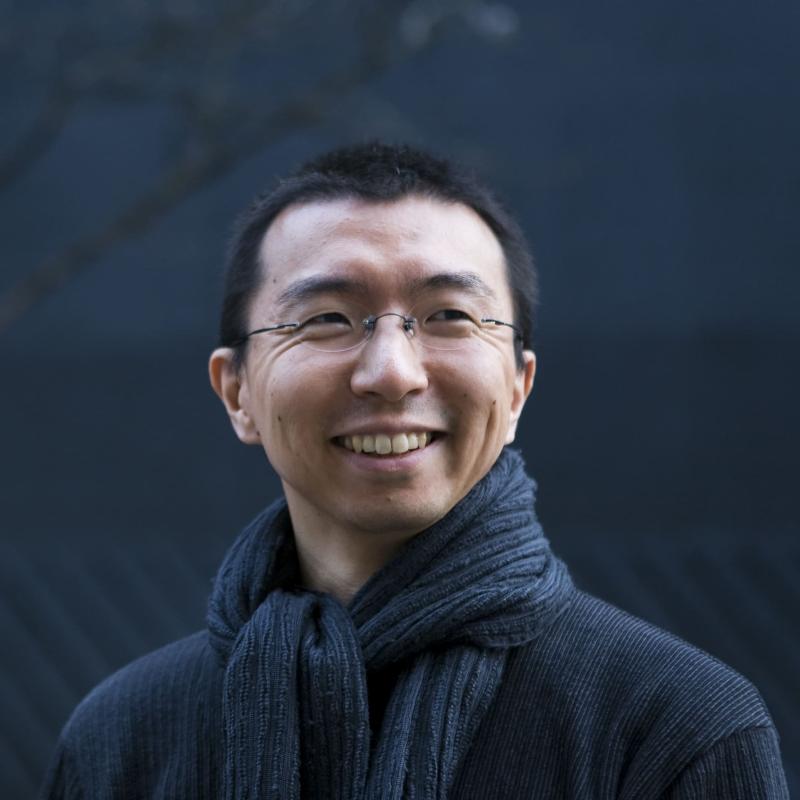
©David Vintiner
Sou Fujimoto
Sou Fujimoto Architects
Sou Fujimoto was born in Hokkaido in 1971.
Graduated from the Department of Architecture, Faculty
of Engineering at Tokyo University, he established Sou
Fujimoto Architects in 2000.
Among his recent renowned projects is the 1st prize
for the 2014 International Competition for the Second
Folly of Montpellier, France ("L'Arbre
Blanc"). Additionally in 2015, 2017 and 2018, he
won several international competitions with 1st prize
in various European countries. In Japan, he was
selected as the Expo site design producer for the 2025
Japan International Exposition (Osaka/Kansai Expo). In
2024, he was selected for “Subcontract for the Basic
Design of the International Center Station Northern
Area Complex (Tentative)” in Sendai, Miyagi.
His notable works include; “House of Music” (2021),
“MARUHON makiart terrace (Ishinomaki Cultural Center)”
(2021), “SHIROIYA HOTEL” (2020), “L’Arbre Blanc”
(2019), “Serpentine Gallery Pavilion 2013” (2013),
“House NA” (2011), “Musashino Art University Museum
& Library” (2010), “House N” (2008) and many more.
View Profile
Close
close
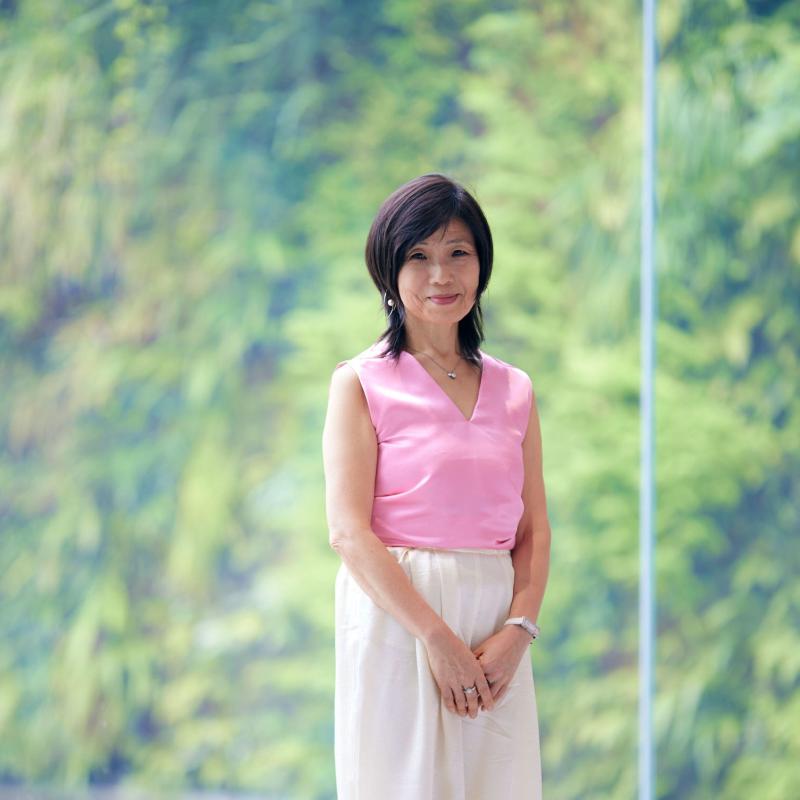
Yuko Hasegawa
Curator, Visiting Professor at Kyoto University
Yuko Hasegawa is a curator, educator and writer based
out of Tokyo. She currently holds positions as
Director of the 21st Century Museum of Contemporary
Art, Kanazawa, Director of Art and Design of the
International House of Japan, Curator of the Better
Co-being pavilion at Expo 2025 Osaka-Kansai, Artistic
Director of the Inujima Art House Project and
Professor Emeritus of Tokyo University of the Arts.
She was Artistic Director of the Museum of
Contemporary Art, Tokyo until 2021 and during her post
she curated solo exhibitions of Dumb Type, Olafur
Eliasson and rhizomatiks among others.
She has curated Japanese contemporary art and media
and technology extensively both domestically and
internationally. Her curatorial language is
interdisciplinary, encompassing not simply art but
also architecture, design, science and anthropology,
and combined with global curating experience, allows
her to view art as part of a single, holistic ecology.
Hasegawa has also curated, either solo or in a joint
capacity, international art biennials including the
7th International Istanbul Biennial (2001), the
Shanghai Biennale (2002), the 29th São Paulo Biennial
(2010), the Sharjah Biennial 11 (2013), and the 7th
Moscow Biennale (2017), Thailand Biennale, Korat
(2021) and also served as art advisor to the 12th
Venice Architecture Biennale (2010). She has been
honored with the Officier de l'Ordre des Arts et
des Lettres, France (2024).
View Profile
Close
close
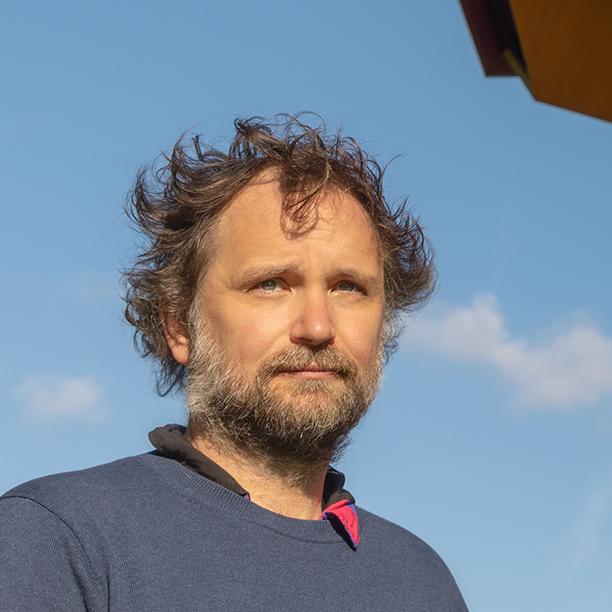
©Tomás Saraceno. Photography by Dario Lagana
Tomás Saraceno
Artist
Tomás Saraceno (b. 1973, he/him/his) is an Argentina-born, Berlin-based artist whose projects dialogue with forms of life and life-forming, rethinking dominant threads of knowledge and recognizing how diverse modes of being engage a multiplicity of vibrations on the Web of Life. For more than two decades, Saraceno has worked with local communities, scientific researchers, and institutions around the world, and has activated open-source, interdisciplinary, collective projects, including Museo Aero Solar (2007–), the Aerocene Foundation (2015–), and Arachnophilia, towards a society free from carbon emissions, for intra and interspecies climate justice. Saraceno has been the subject of solo exhibitions and permanent installations at museums and institutions internationally, including The Serpentine Gallery, London (2023), The Shed, New York (2022), Palais de Tokyo, Paris (2018); Museo de Arte Moderno, Buenos Aires (2017); K21 Kunstsammlung Nordrhein-Westfalen, Ständehaus, Dusseldorf (2013); the Metropolitan Museum of Art, New York (2012); and Hamburger Bahnhof – Museum für Gegenwart, Berlin (2011). Saraceno has participated in numerous festivals and biennales, including the 17th Venice Architecture Biennale (2021) and the 53rd and 58th Venice Biennales (2009, 2019).
View Profile
Close
close
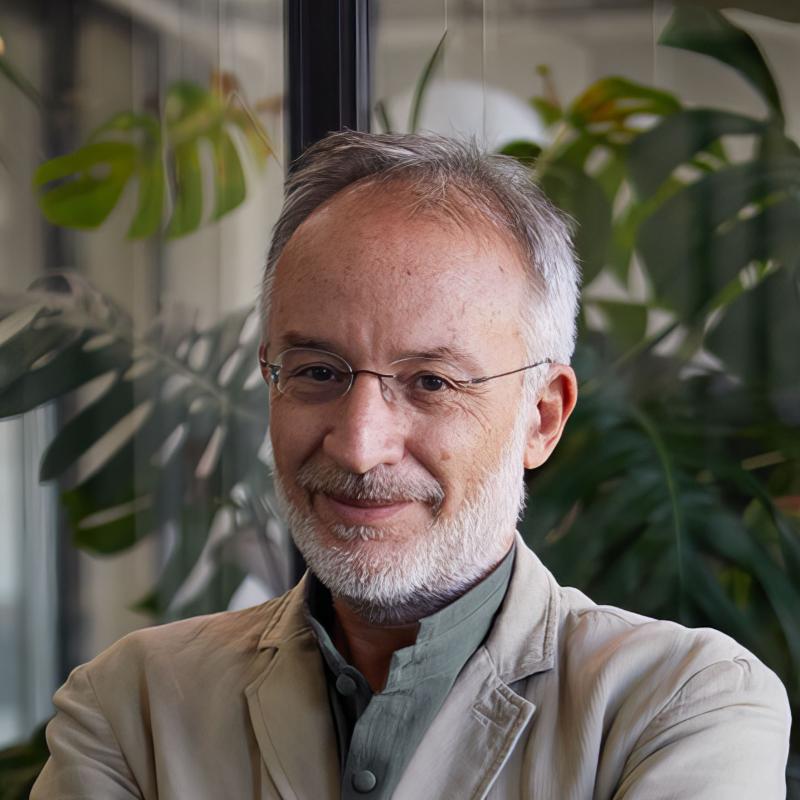
©and the Credits are for the Photographer Giulio Boem
Stefano Mancuso
University of Florence and Pnat founder
Stefano Mancuso, Professor at the University of Florence is the founder of plant neurobiology and one of the world's leading authorities in this field which explores signaling and communication at all levels of biological organization. He published more than 300 scientific papers in international journals. His last books (translated in 27 different languages) include Brilliant Green: The Surprising History and Science of Plant Intelligence; The Revolutionary Genius of Plants, a New Understanding of Plant Intelligence and Behavior (Galileo Award); The Nation of Plants; The Incredible journey of plants; Tree stories. Some of his recent exhibitions include: The Florence Experiment (with Carsten Holler) at Palazzo Strozzi (2018, Italy); The Nation of Plants during the XXII Triennale di Milano (2019; Italy); The Botany of Leonardo (with Fritjiof Capra) (2019, Italy). Symbiosia at Fondation Cartier (2019; France), Econtinuum (with Thijs Biersteker) at NXT Museum (2021, The Netherlands); Mutual aid at Architecture Biennale Venezia (2021; Italy); Talking God at the Thailand Biennale 2022
View Profile
Close
close
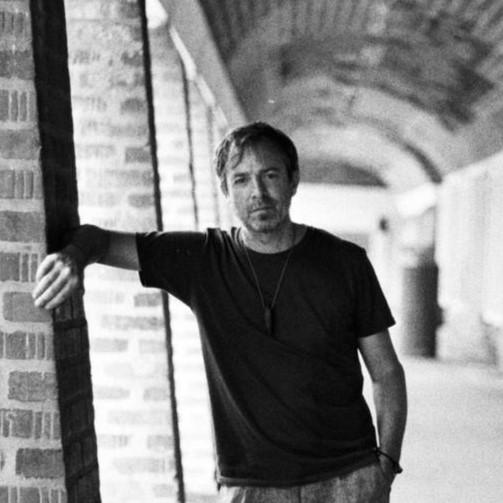
©Romeo Erlich
Leandro Erlich
Artist, Leandro Erlich Studio
Leandro Erlich was born in Argentina in 1973. He lives
and works between Paris, Buenos Aires and Montevideo.
In the last two decades, his work has been exhibited
internationally and is part of the permanent
collections of prestigious museums and private
collectors, including: Museo de Arte Moderno, Buenos
Aires; The Museum of Fine Arts, Houston; Tate Modern,
London; Musée National d'Art Moderne, Centre
Georges Pompidou, Paris; 21st Century Museum of Art
Kanazawa, Japan; MACRO, Rome; Jerusalem Museum and
many other institutions significant to his career.
Erlich has created several striking public works, such
as La Democracia del Símbolo at the Obelisco and MALBA
Museum in Buenos Aires, Maison Fond for the UN Climate
Change Conference in Paris, Bâtiment at Nuit Blanche
Paris, Ball Game for the Summer Youth Olympic Games in
Buenos Aires, Port of Reflections exhibited at the
MMCA in Seoul, and Palimpsest at the Echigo-Tsumari
Art Triennial in Japan. Currently, his monumental work
La Carte, À l’ombre de la ville is a permanent
installation of the city of Bordeaux, France.
During the past years, Leandro Erlich has participated
in major exhibitions at institutions such as CAFAM in
Beijing, the MALBA in Buenos Aires, CCBB in several
cities in Brazil, PAMM in Miami, and the Centre
Pompidou Metz in Paris, reaching several times the
record of visitors.
As a conceptual artist, his work explores the
perceptual bases of reality and our ability to
interrogate these same foundations through a visual
framework. The architecture of the everyday is a
recurring theme in Erlich’s art, aimed at creating a
dialogue between what we believe and what we see, just
as he seeks to close the distance between the museum
or gallery space and daily experience.
View Profile
Close
close
Co-creating Cultures for the Future Week
Multicultural resonance towards a better future
The programme, together with the General Sponsors, explores: 'What creative collaborations and actions can be considered for working together across different cultures to solve common challenges?'
-
2025.05.05[Mon]
17:30~20:00
(Venue Open 17:00)
- Theme Weeks Studio
OTHER PROGRAM
Co-creating Cultures for the Future Week