Co-creating Cultures for the Future Week
TUNA TALKS - WORLD TUNA DAY
Exploring Tradition, Heritage & Sustainability in
Indonesia’s Tuna Fisheries
Republic of Indonesia
Tuna Talks at the Indonesia Pavilion during the Osaka World Expo 2025 will explore the intersection of tradition, heritage, and sustainability in Indonesia's tuna fisheries.
Recorded video available
Discussion
- Historical heritage
- Local community revitalisation
| Transmission of simultaneous interpretation | Provided |
|---|---|
| Language of interpretation | Japanese |
-

Track Programme
-
Time and
Date of
the event -
-
2025.05.02[Fri]
10:00 ~ 12:00
(Venue Open 09:30)
-
- Venue
- Pavilion
- Indonesia Pavilion
Programme details
*Subtitles: Choose “Subtitles/CC” in the “Settings” (gear
icon) at the bottom right of the YouTube video.
*Subtitles may not show with multiple languages or overlapping
audio.
The session, organized by Indonesia Tuna Consortium, aims to
spotlight Indonesia’s traditional and sustainable tuna
fisheries.
Panel discussions will feature experts and industry leaders
addressing three main themes:
- Traditional & Sustainable Fisheries - Highlighting
one-by-one tuna fishing methods like pole-and-line and
handline, rooted in community wisdom and sustainability.
Coinciding with World Tuna Day, the session will highlight
traditional fishing methods such as huhate (pole-and-line),
kite fishing, and the sasi marine management system. By
showcasing these practices, the Indonesia Tuna Consortium aims
to promote sustainable fisheries and strengthen Indonesia’s
leadership in responsible seafood trade. The event will
feature panel discussions, presentations, and interactive
engagements, fostering dialogue between Indonesian and
Japanese stakeholders and emphasizing the shared cultural
heritage and sustainable practices of both nations.- Cultural
Heritage - Exploring the historical and culinary significance
of tuna in Indonesia and Japan, emphasizing shared traditions
and artisanal practices.
- Sustainability & Collaboration - Advocating for
responsible seafood sourcing and fostering international
cooperation.
Speakers will include representatives from YKAN, IPNLF, MDPI,
and Japanese partners(tbc), discussing topics like the sasi
system's impact, innovations in tuna fisheries, and
climate resilience for coastal communities. Interactive
sessions will provide opportunities for dialogue with
policymakers, industry experts, and the public.
By connecting Indonesia’s heritage-driven practices with
Japan’s culinary traditions, Tuna Talks aims to strengthen
international partnerships and position Indonesia as a leader
in sustainable fisheries.
Reports
【Reflection】
The “Tuna Talks and Business Forum,” held to mark World Tuna
Day 2025, successfully showcased the growing partnership
between Indonesia and Japan in promoting sustainable tuna
fisheries. As Indonesia accounts for approximately 17% of
global tuna supply and Japan is its largest importer, the
forum highlighted their shared commitment to responsible
fisheries and long-term marine resource management.
Indonesia presented a range of forward-looking initiatives,
including support for small-scale fishing communities, the
implementation of Fishery Improvement Projects (FIP), and the
use of electronic catch documentation and traceability
systems. These measures aim to improve both sustainability and
competitiveness in global markets, while aligning with
international standards.
The forum also highlighted the role of traditional,
community-led management practices such as sasi, which have
contributed to effective resource conservation. These locally
rooted systems are being integrated with modern techniques to
balance cultural continuity with scientific resource
management.
Japan contributed valuable expertise in pole-and-line fishing
methods and quality control, demonstrating how traditional
practices can be refined to meet evolving market demands. The
Japanese approach also reflected the importance of consumer
awareness and ethical sourcing, which are increasingly shaping
the global seafood trade.
A key theme throughout the discussions was the promotion of a
“blue economy”—an economic model that seeks to use ocean
resources sustainably for economic growth, improved
livelihoods, and the health of marine ecosystems. This concept
underpins the collaborative efforts between the two countries,
with both sides recognising the need to integrate
environmental responsibility into economic development
strategies.
The forum served as a platform for mutual learning and
exchange, fostering dialogue among policymakers, industry
actors, and fishing communities. It strengthened the
foundation for further bilateral cooperation in developing
resilient and sustainable tuna fisheries, while also
contributing to broader global efforts to protect ocean
resources for future generations.
【Post EXPO Initiatives】
Building on the success of the forum, post-event efforts are
focused on translating shared knowledge into practical
cooperation. A key priority is promoting technical exchanges
between fishers in both countries. Programmes are being
developed to transfer Japan’s expertise in pole-and-line
fishing and quality control to Indonesian small-scale
fisheries, thereby enhancing both sustainability and economic
value.
Joint pilot projects, mutual field visits, and hands-on
training sessions are planned to foster deeper engagement. In
parallel, both sides are working to strengthen digital
traceability and certification systems. Japan’s experience in
supply chain management will support Indonesia in establishing
internationally recognised frameworks to combat illegal
fishing and meet export standards.
Consumer awareness initiatives are also being prepared,
including campaigns to promote sustainable seafood and fair
trade products. Financial literacy education and support for
market access are set to empower small-scale fishers and
improve livelihoods at the community level.
These efforts reaffirm the shared vision of Japan and
Indonesia to co-develop a sustainable tuna industry. The
forum’s outcomes have laid the groundwork for long-term
collaboration, and both countries will continue to lead by
example in the global shift towards ethical, inclusive, and
environmentally responsible fisheries.
Cast
Moderator

THILMA KOMALING
INDONESIA TUNA CONSORTIUM
Thilma Komaling is an environment and technology leader with over 20 years of experience driving social impact. She pioneered Car Free Day, shaped Indonesia's National AI strategy, and facilitated the Indonesia Tuna Harvest Strategy. As Strategic Leader of the Indonesia Tuna Consortium and a leader at Women Earth Alliance, she advocates for sustainable fisheries and cross-sector collaboration to protect Indonesia’s tuna stocks.
View Profile
Close
close
Speakers

GLAUDY PERDANAHARDJA
YAYASAN KONSERVASI ALAM NUSANTARA
Glaudy Perdanahardja is a leading expert in conservation science and management with over two decades of experience in Indonesia and the Asia Pacific. He has been instrumental in supporting initiatives to protect Indonesia's environment and globally significant habitats, aiding their adaptation to climate change. With expertise spanning diverse ecosystems, from snowy peaks to tropical marine environments, he has effectively managed substantial government grants focused on marine and terrestrial ecosystems. Glaudy has led the development of new initiatives in small-scale fisheries management, including the application of Territorial Use of Rights for Fisheries. He is also a skilled relationship builder with key stakeholders, including government agencies, civil society, private entities, and local communities.
View Profile
Close
close
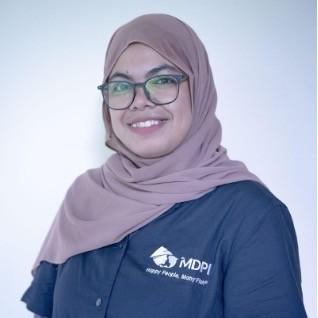
SRI SUMIATI JALIL
MASYARAKAT DAN PERIKANAN INDONESIA
Sri Jalil joined MDPI Foundation in 2019 as the
FairTrade Assistant in Maluku and became Fair Trade
Coordinator in 2023. With nearly six years of
experience in community empowerment and Fair Trade USA
certification compliance, she has played a key role in
strengthening coastal communities.
At MDPI, Sri has found purpose and fulfillment, making
a tangible impact on the lives of hundreds of
small-scale fishers while witnessing their growth
firsthand.
View Profile
Close
close

KAI GARCIA NEEFJES
Yayasan IPNLF Indonesia / IPNLF (International Pole & Line Foundation)
Kai is the Indonesia Program Lead at IPNLF, where he
develops and promotes Indonesia's one-by-one tuna
fisheries. He brings over three years of experience in
small-scale tuna fisheries in Indonesia, including his
previous work with MDPI, where he supported fisheries
and community organization programs. Kai has
cultivated partnerships with NGOs, governments, and
academics to advance sustainable tuna fisheries
management. His expertise stems from a combination of
academic foundations and field experience in Belize
and Indonesia, giving him a holistic understanding of
marine ecosystems and fisheries.
Innovation in Indonesia's one-by-one tuna
fisheries: learning from Japan's experiences
View Profile
Close
close
Co-organiser
Indonesia Tuna Consortium,
Co-creating Cultures for the Future Week
TUNA TALKS - WORLD TUNA DAY
Exploring Tradition, Heritage & Sustainability in
Indonesia’s Tuna Fisheries
Tuna Talks at the Indonesia Pavilion during the Osaka World Expo 2025 will explore the intersection of tradition, heritage, and sustainability in Indonesia's tuna fisheries.
-
2025.05.02[Fri]
10:00~12:00
(Venue Open 09:30)
- Pavilion
OTHER PROGRAM
Co-creating Cultures for the Future Week