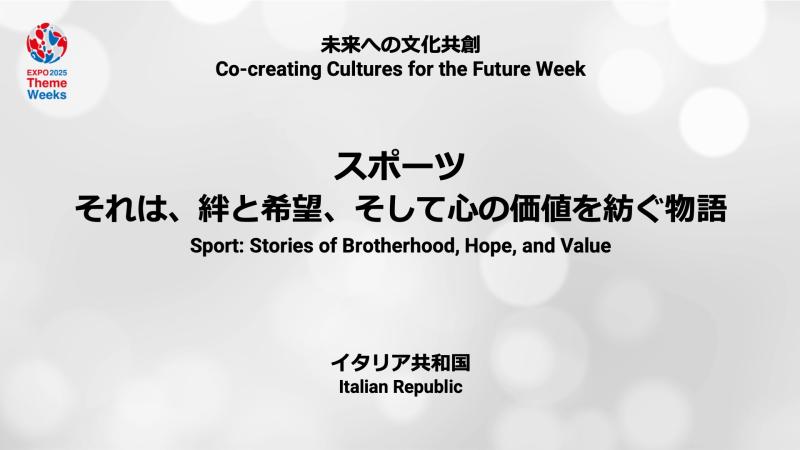
Co-creating Cultures for the Future Week
The Italian Anthropological Masks
Italian Republic
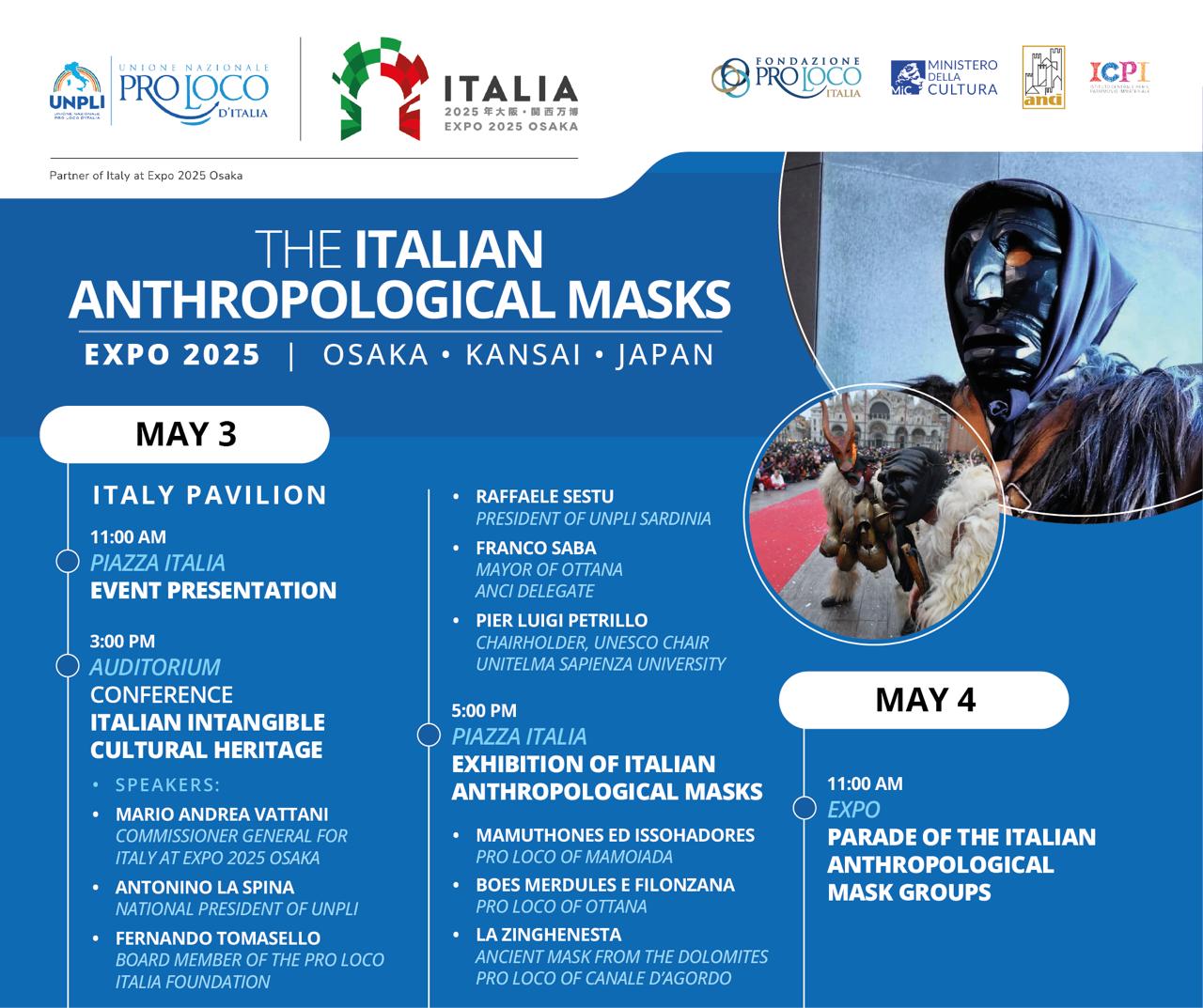
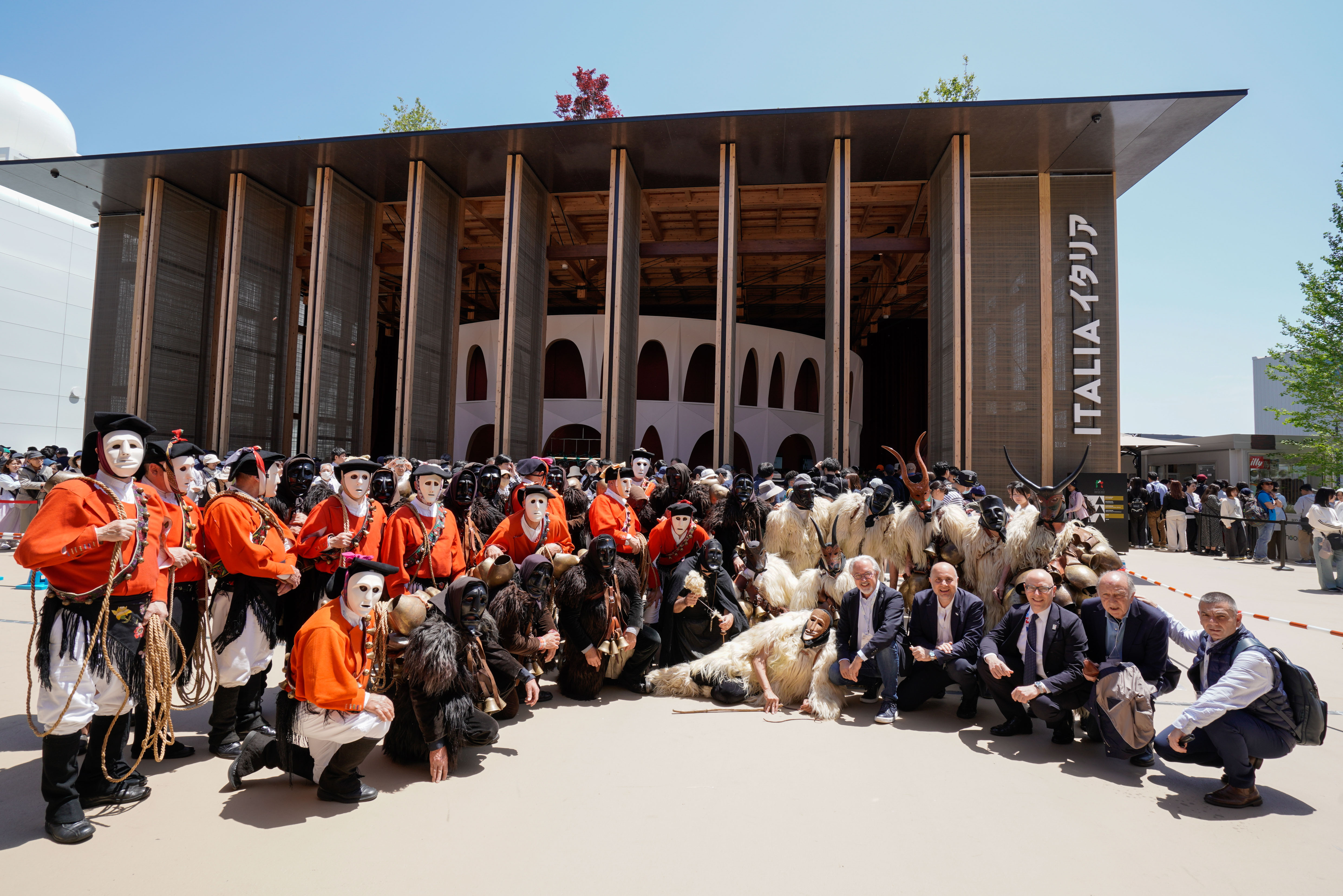
As part of Expo 2025 Osaka, the conference “The Italian
Anthropological Masks” aims to highlight Italy’s ancient
traditions through historical masks from various regions.
The event will feature presentations on the anthropological
and cultural significance of
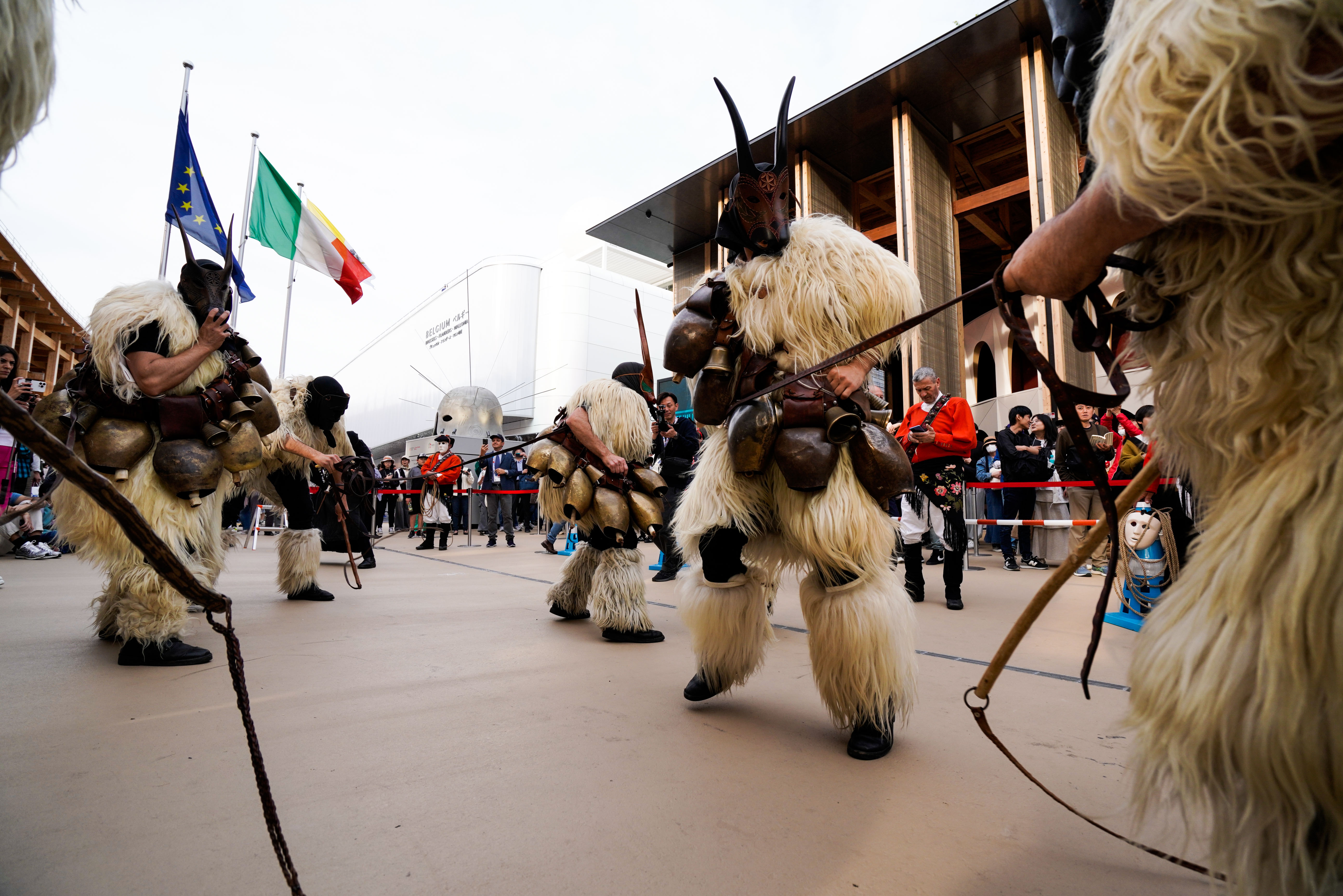
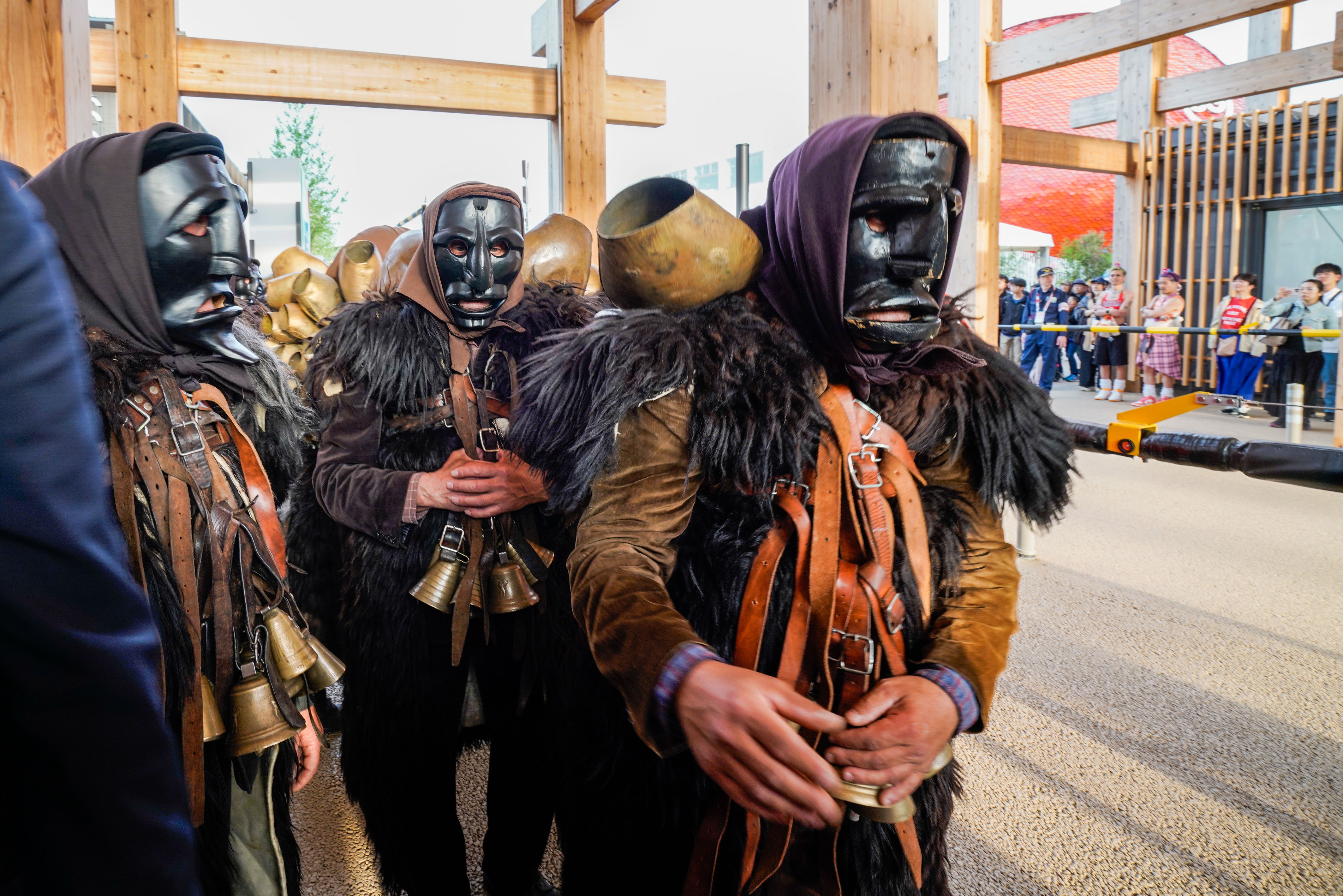
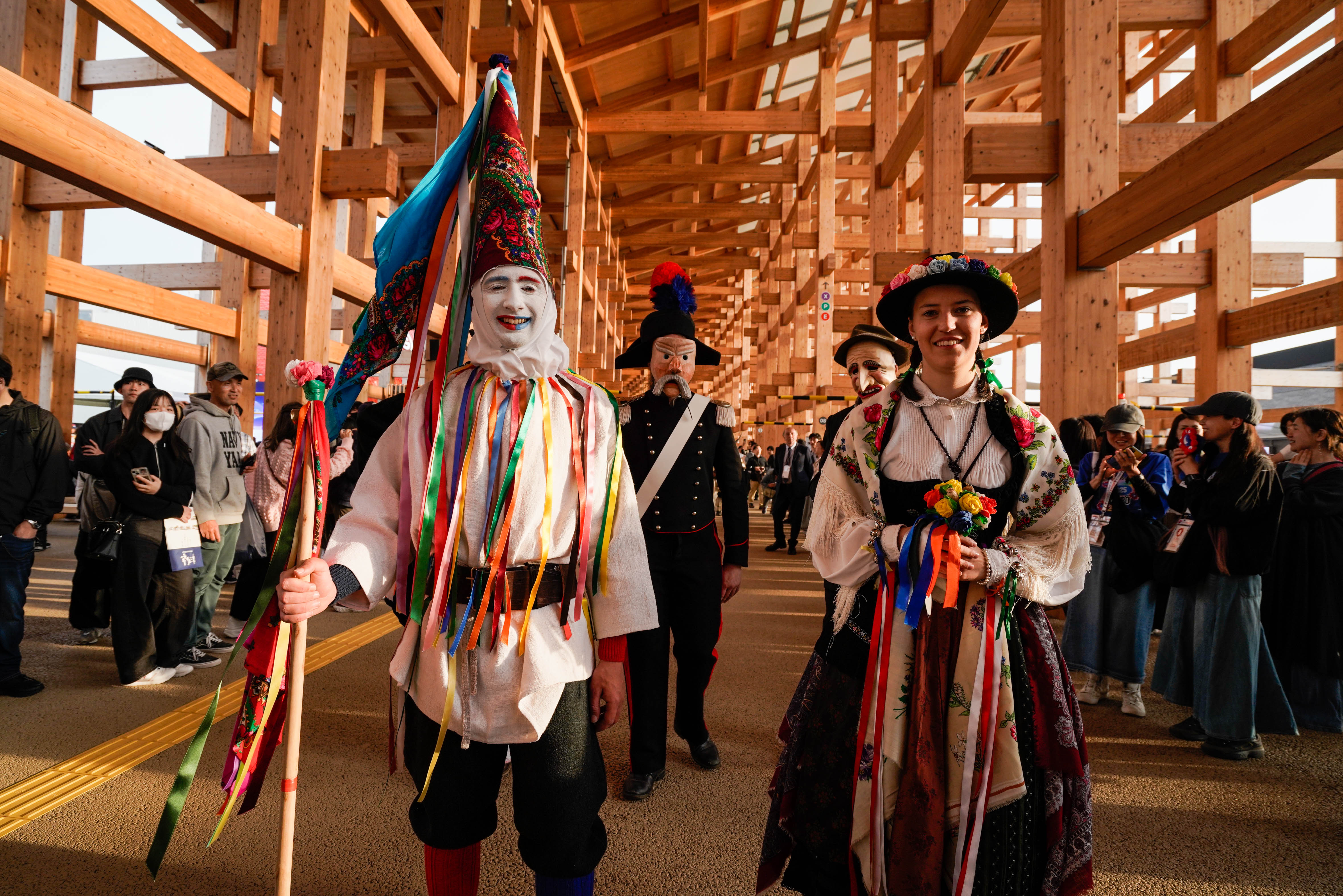
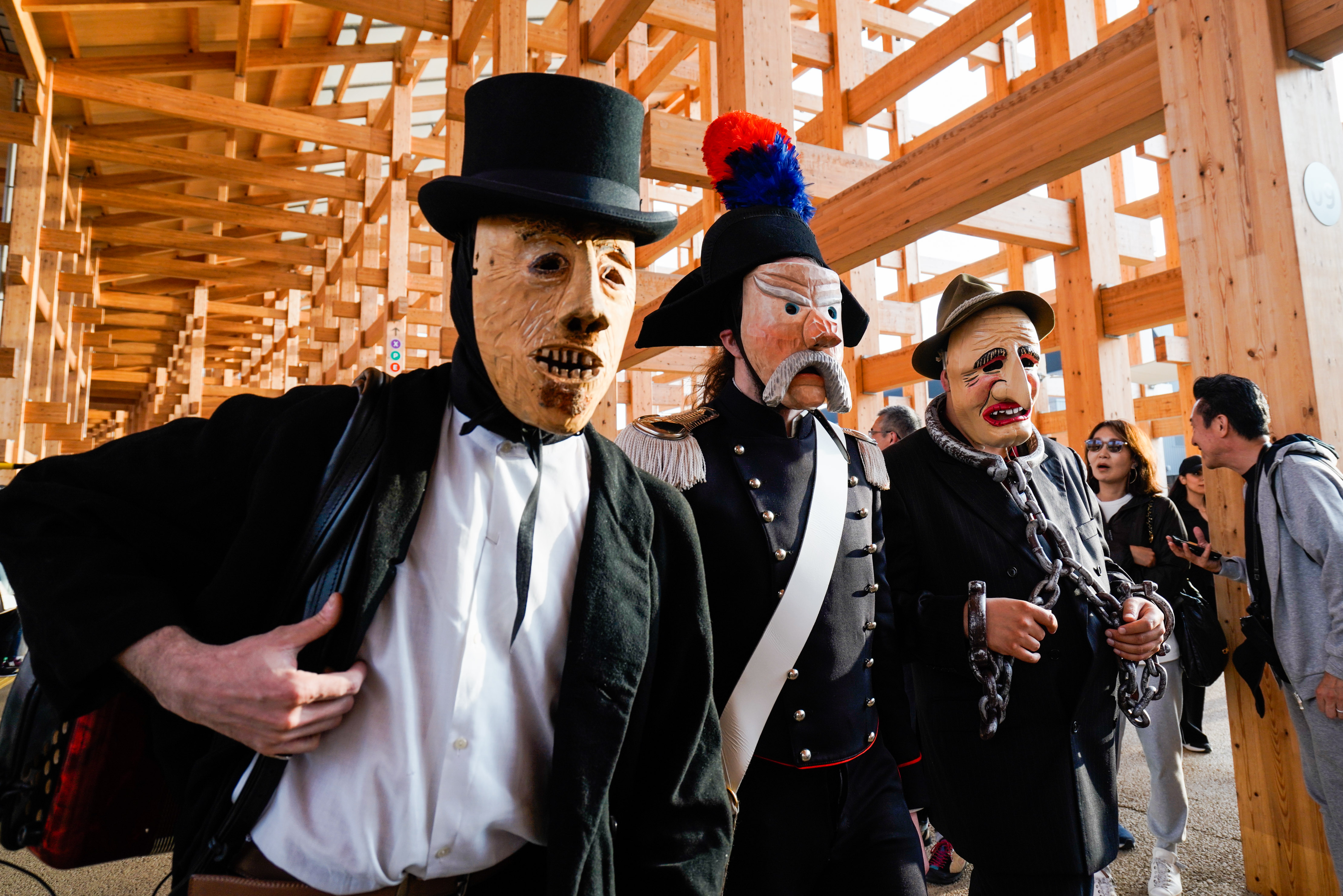
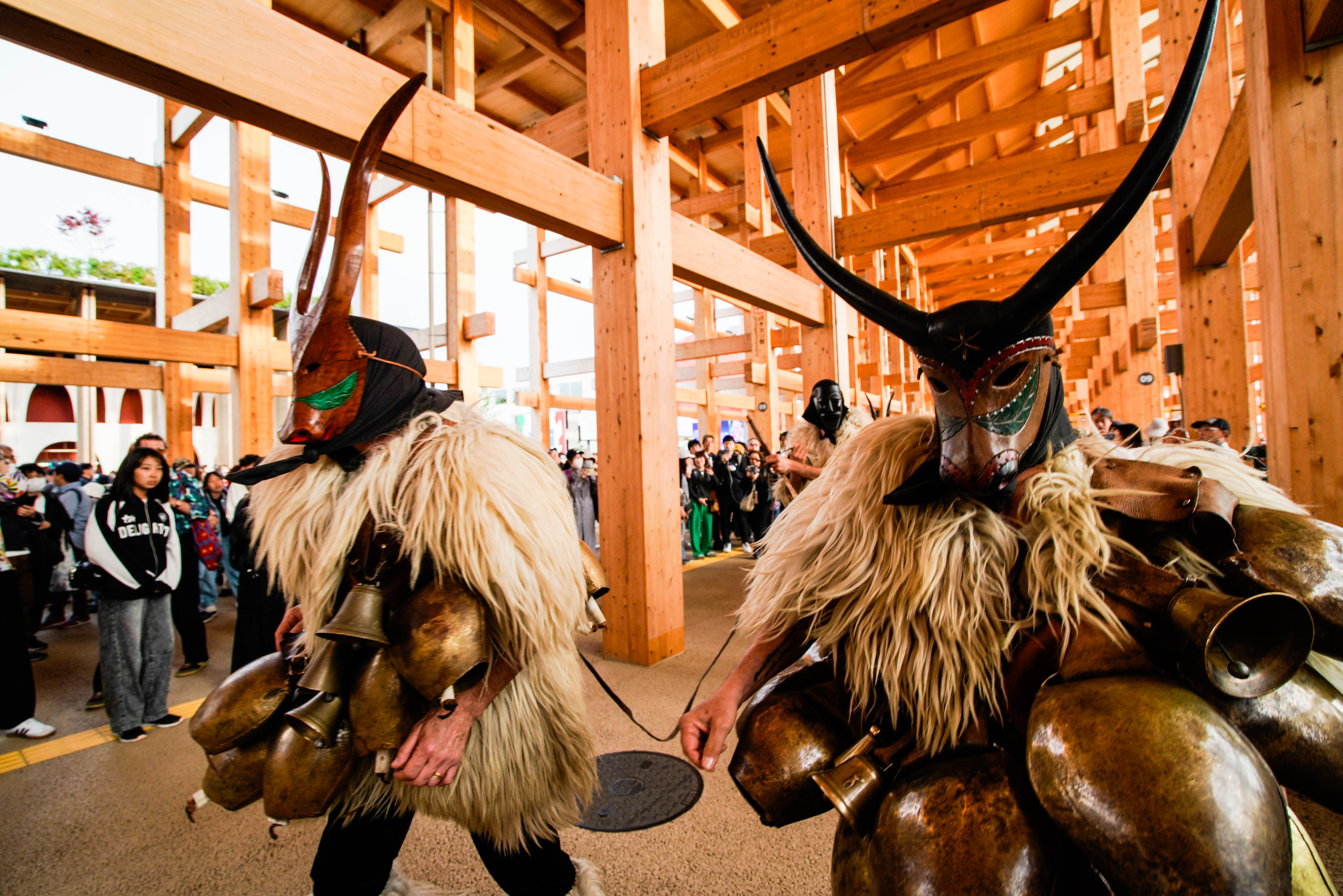
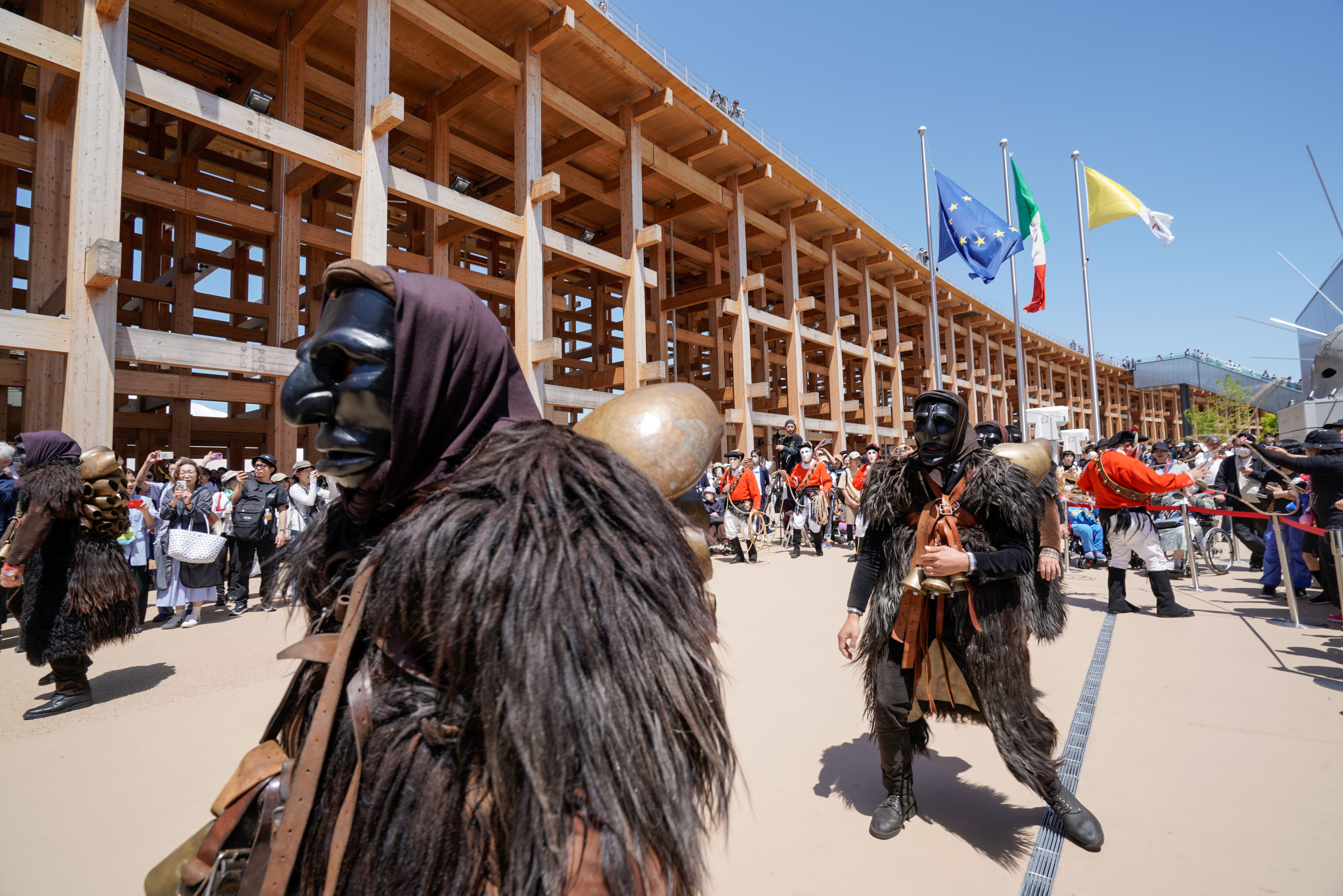
these masks, followed by an evocative parade. Among the
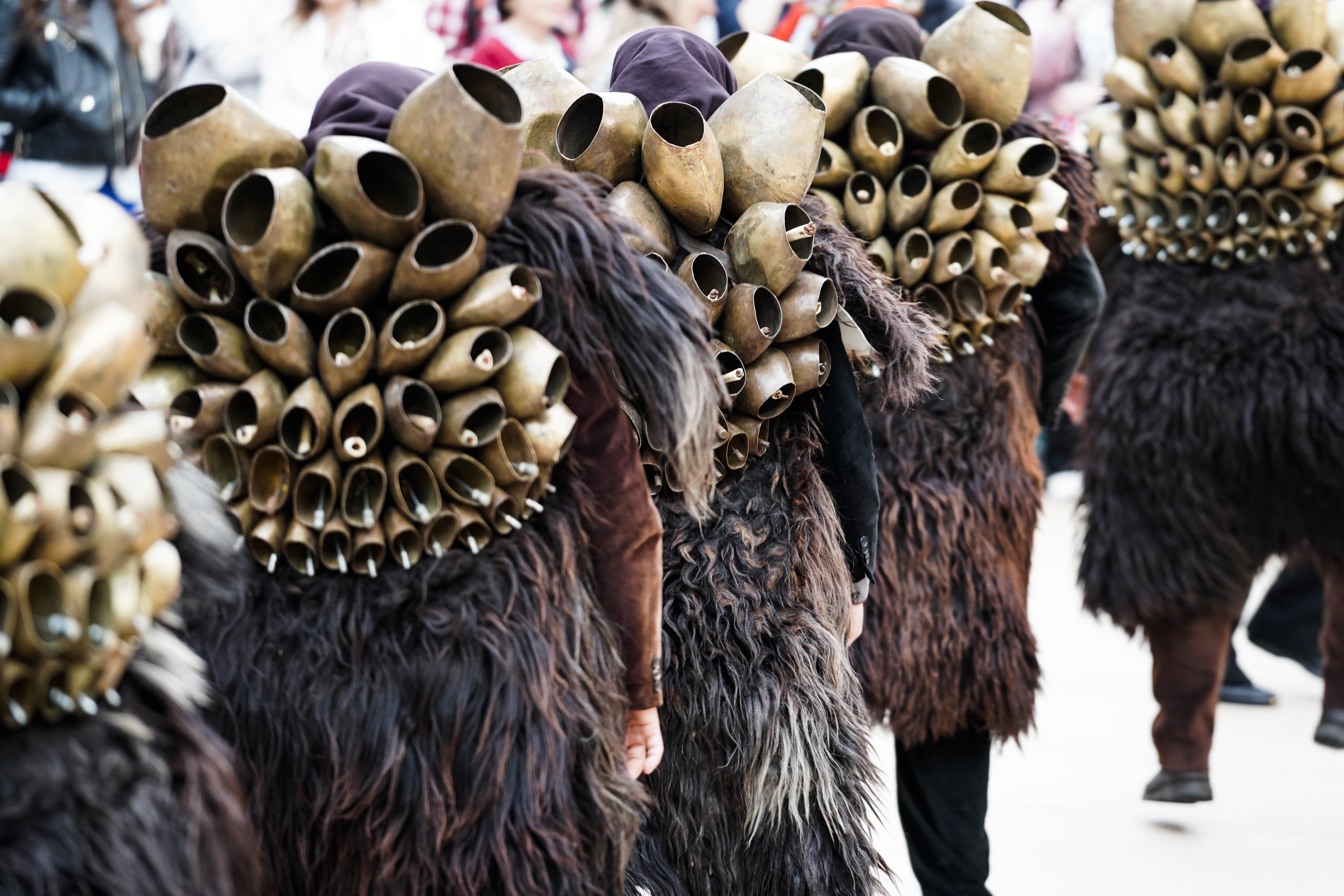
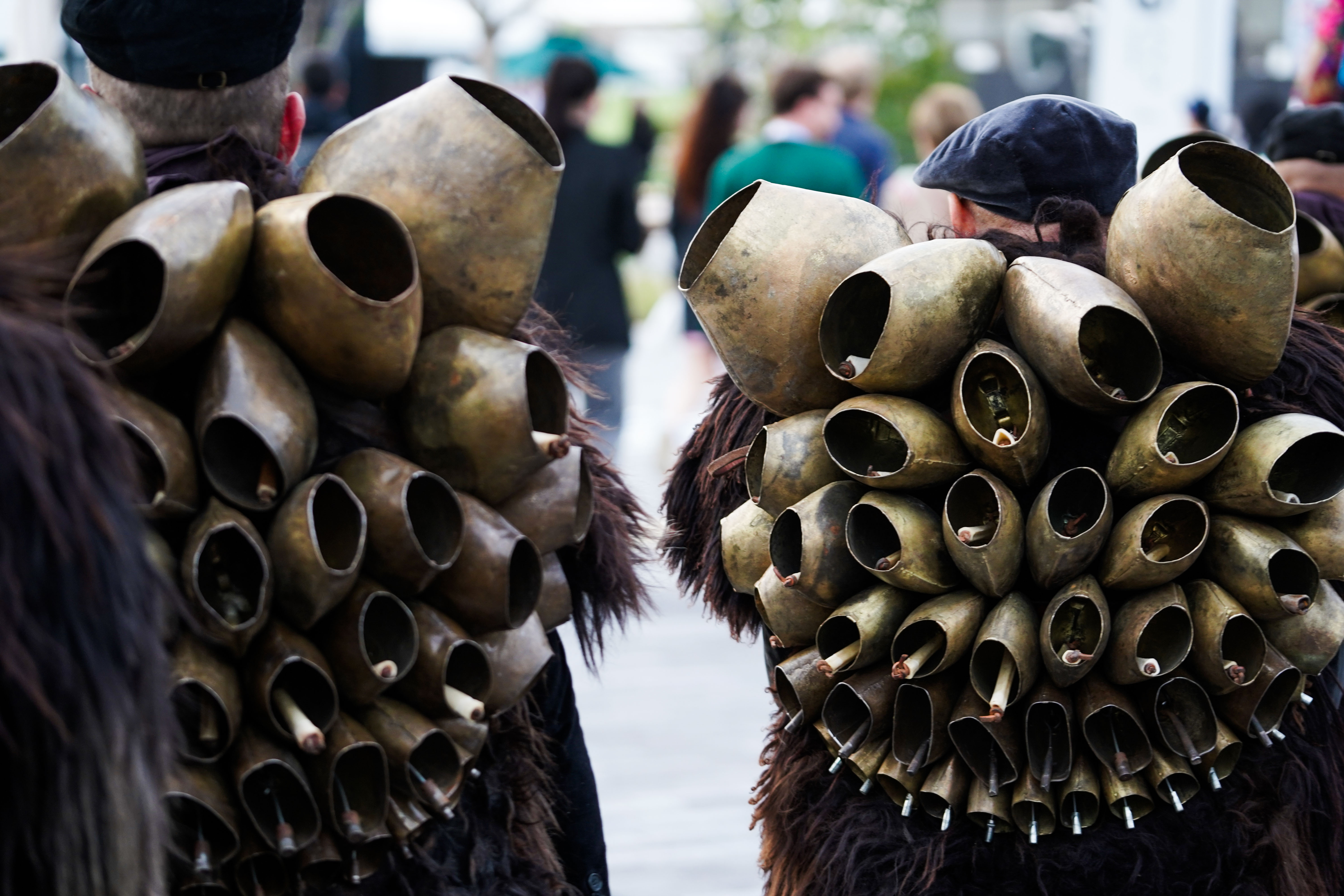
featured masks will be the Mammutthones and Issocadores from
the Pro Loco of Mamoiada, the Boes and Merdules from Ottana,
and the ancient Dolomite masks of "La Zinghenesta"
from Canale d’Agordo (Belluno).
This event offers a unique opportunity to introduce the
international audience to Italy’s folk traditions and their
crucial role in shaping the country’s cultural identity.
Discussion
- Traditional performing art
- Local community revitalisation
- Historical heritage
| Transmission of simultaneous interpretation | Provided |
|---|---|
| Language of interpretation | Japanese and English |
-

Track Programme
-
Time and
Date of
the event -
-
2025.05.03[Sat]
15:00 ~ 17:00
(Venue Open 15:00)
-
- Venue
- Pavilion
- Italy Pavilion
Reports
【Reflection】
Italy is home to a rich intangible cultural heritage, with
anthropological masks representing one of its most distinctive
and ancient traditions. During the event, Mario Vattani, the
Commissioner General for Italy at Expo 2025, highlighted the
importance of safeguarding and promoting these traditions as a
vital part of Italy’s cultural identity. The Unione Nazionale
delle Pro Loco d’Italia and the Fondazione Pro Loco are
working together to preserve these traditions, aiming to
catalogue over 200,000 italian traditional elements. Today,
more than 500 groups across the country use anthropomorphic
masks as a symbol of their community’s identity.
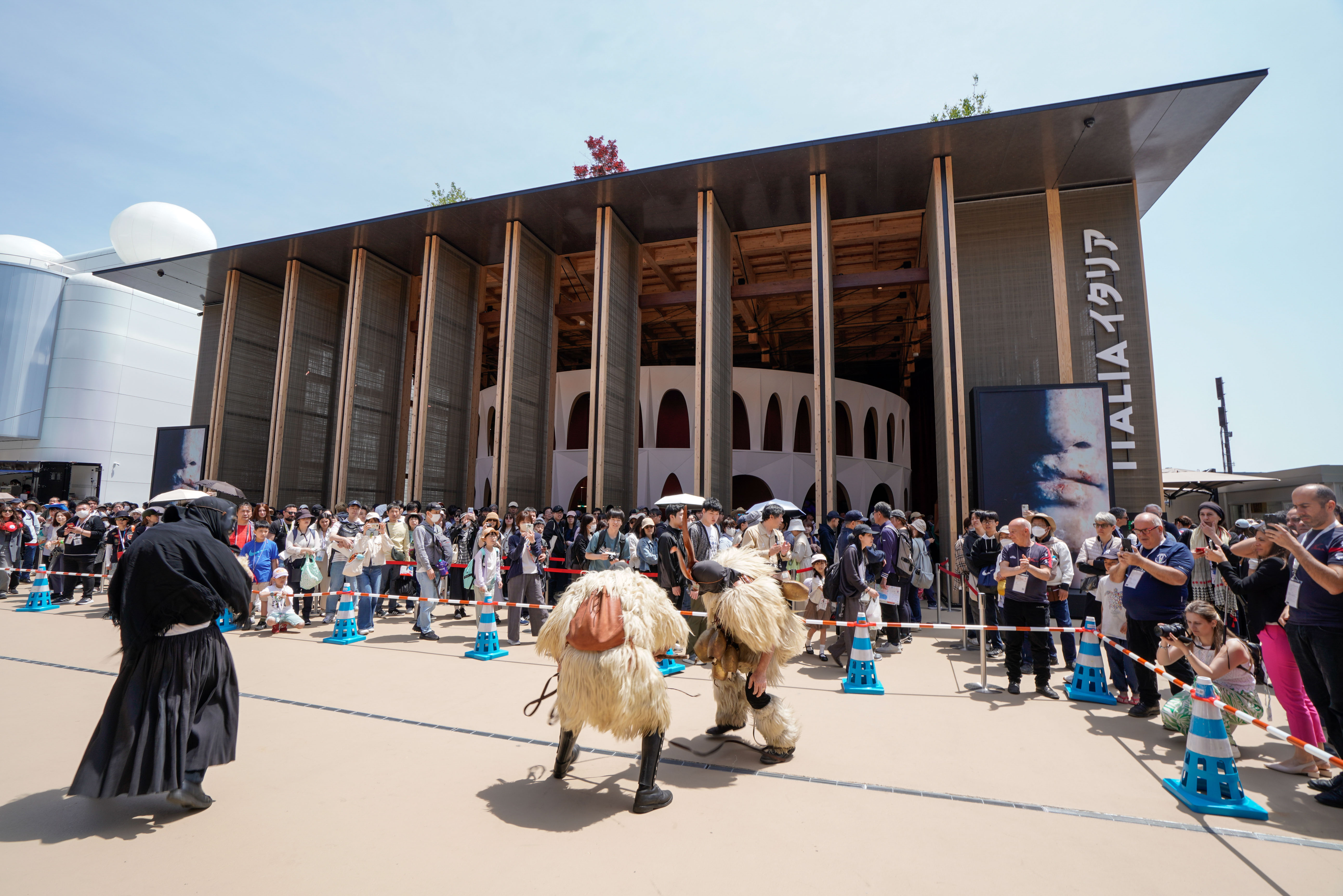
The conference explored the origins of Carnival, which dates
back to Venice in 1097 but has roots in ancient masked
rituals. Local rural festivals often preserve a more authentic
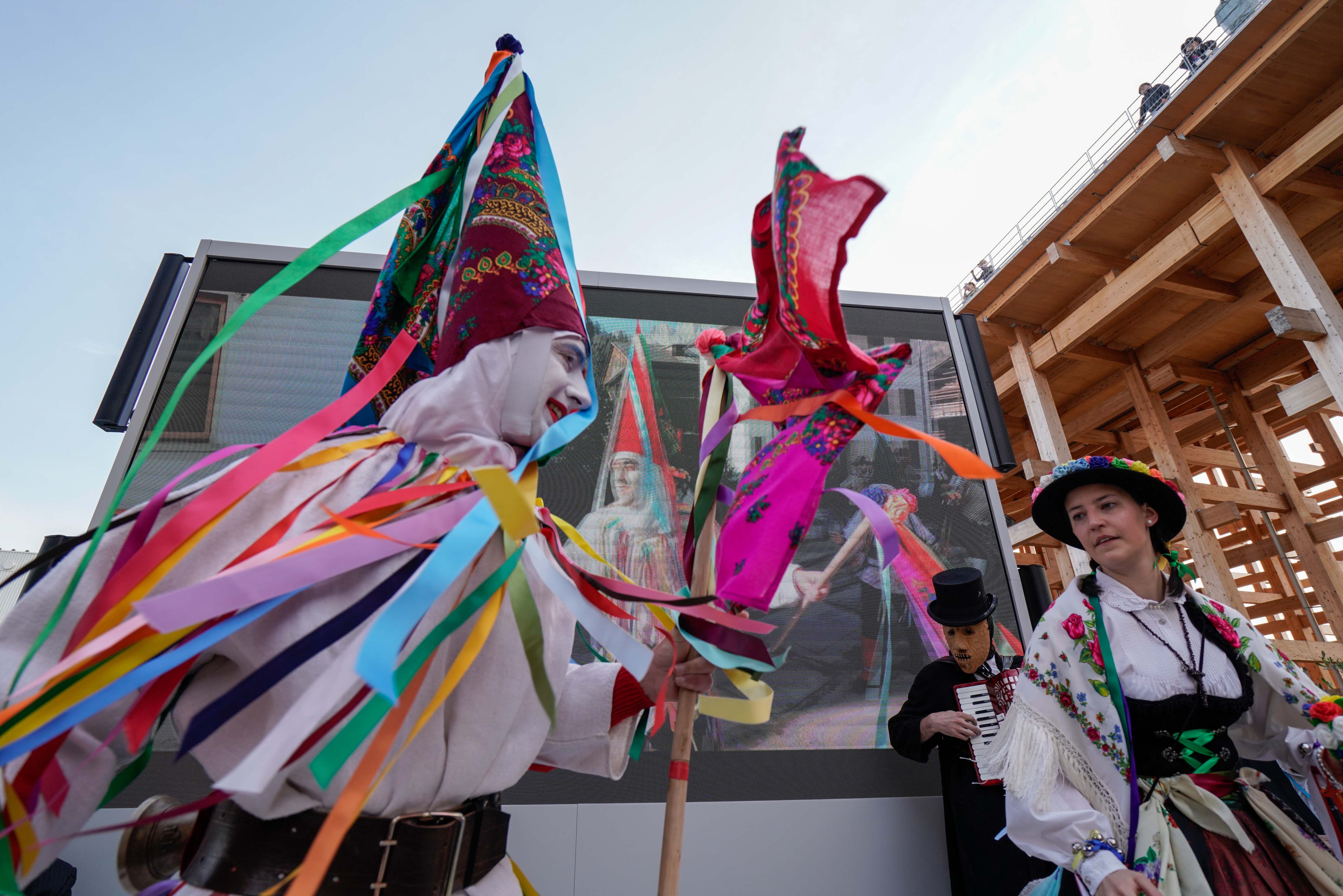
anthropological dimension of this celebration. Notable
examples include the Mamuthones and Issoadores from Sardinia
and the Zinghenesta from Canale d’Agordo, whose ritual
erformances re-sacralize the territory and carry wishes of
prosperity.
Sardinian culture holds a special place in this narrative.
Influenced by ancient Egypt, the Sardinians were skilled
navigators and warriors, known for building nuraghi, now
UNESCO World Heritage sites. The Nuragic people were adept in
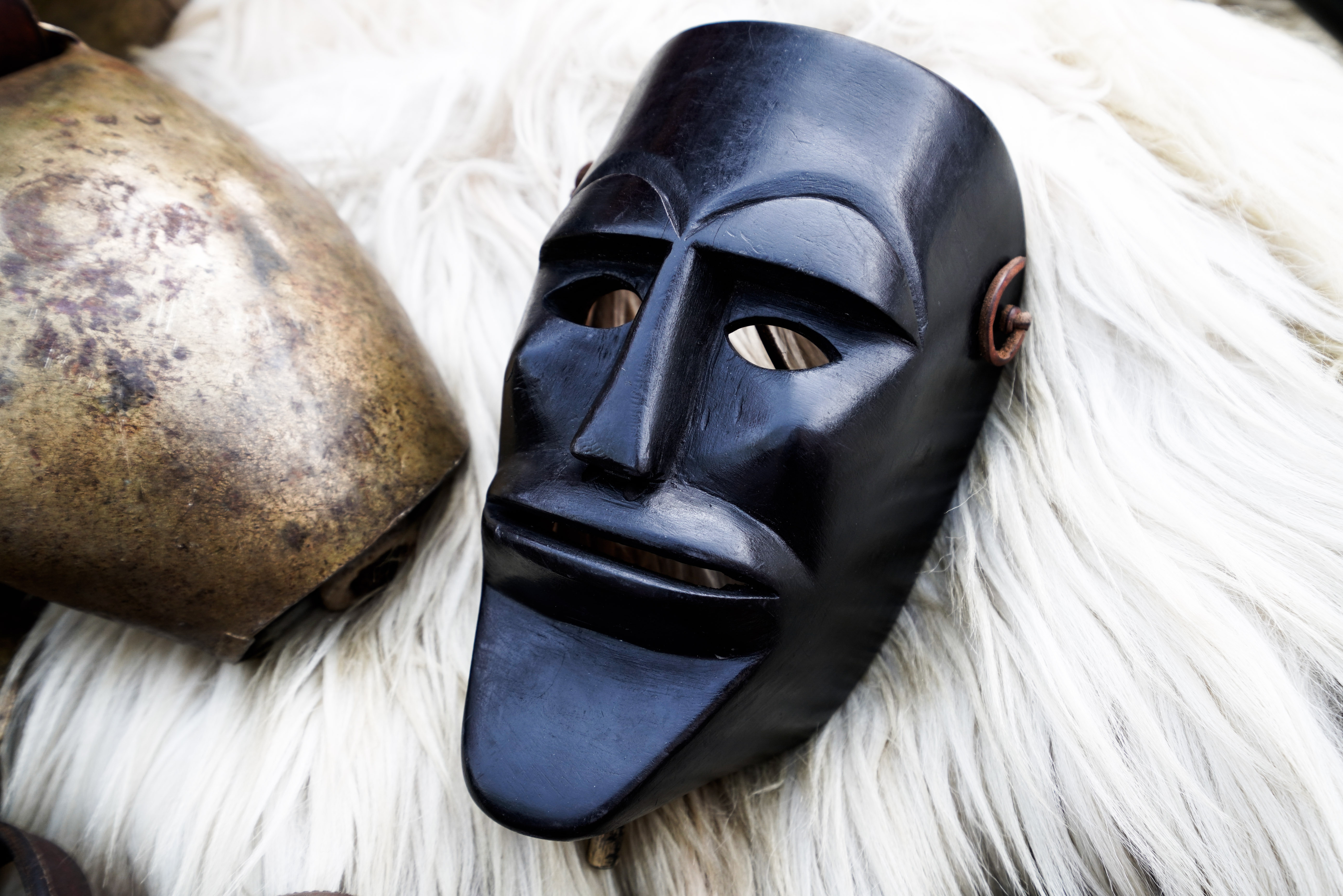
metalworking, astronomy, and sacred architecture. Rituals like
those of the Boes and Merdules tribes are distinct from
Carnival: masks, such as Mamutones and Isocado, often appear
frightening and produce loud sounds to ward off evil, while
figures like the Filonzana weave symbolic threads of life.
UNESCO has defined cultural heritage as intangible, but
although Italy has 19 recognized traditions, none are yet
linked to masks, unlike other nations such as Japan or
Bulgaria. Anthropological masks, together with intangible
heritage, transcend national boundaries, acting as bridges
between cultures and fostering dialogue across communities.
【Post EXPO Initiatives】
This conference has served as a catalyst for strengthening
connections between practitioners and researchers involved in
safeguarding intangible cultural heritage across Italy. In
particular, traditional mask cultures face challenges such as
a lack of successors and changing methods of transmission. By
sharing these issues in an international forum, new insights
have been gained towards finding solutions. Moving forward,
there are plans to promote more effective protection measures,
including the digital archiving and online dissemination of
the mask cultures featured at the event, as well as combining
these with local workshops and training programmes for future
successors. Additionally, knowledge gained through this
cultural event will be shared with other regions to support
their own safeguarding activities.
By broadening the universal value of traditional culture
globally, these initiatives aim to contribute not only to
addressing regional issues but also to the sustainable
development of cultural heritage.
Cast
Speakers

Mario Vattani
General Commissioner Expo Osaka 2025, Ambassador
Born in Neuilly-sur-Seine (France) on 7 July 1966, he
graduated in Political Science from the University of
Rome in 1989 and entered the diplomatic service in
1991, holding posts in Washington DC, Cairo, Tokyo and
Osaka, among others. In 2001, he returned to Rome as
diplomatic advisor to the Minister of Agriculture and
Forestry Policies, and in 2008 he served as diplomatic
advisor to the Mayor of Rome.
In 2014, he became coordinator for relations between
the European Union and Asia-Pacific countries, both on
a bilateral and multilateral level, taking care, among
other things, of relations with regional organisations
such as ASEAN.
View Profile
Close
close
Antonino La Spina
National President of UNPLI
View Profile
Close
close
Fernando Tomasello
Board Member of the Pro Loco Italia Foundation
View Profile
Close
close
Raffaele Sestu
President of UNPLI Sardinia
View Profile
Close
close
Franco Saba
Mayor of Ottana Anci Delegate
View Profile
Close
close
Pier Luigi Petrillo
Chairholder, UNESCO Chair Unitelma Sapienza University
View Profile
Close
close
Co-creating Cultures for the Future Week
The Italian Anthropological Masks
As part of Expo 2025 Osaka, the conference “The Italian
Anthropological Masks” aims to highlight Italy’s ancient
traditions through historical masks from various regions. The
event will feature presentations on the anthropological and
cultural significance of
these masks, followed by an evocative parade. Among the
featured masks will be the Mammutthones and Issocadores from
the Pro Loco of Mamoiada, the Boes and Merdules from Ottana,
and the ancient Dolomite masks of "La Zinghenesta"
from Canale d’Agordo (Belluno).
This event offers a unique opportunity to introduce the
international audience to Italy’s folk traditions and their
crucial role in shaping the country’s cultural identity.
-
2025.05.03[Sat]
15:00~17:00
(Venue Open 15:00)
- Pavilion
OTHER PROGRAM
Co-creating Cultures for the Future Week