Necessities of Life: Food, Clothing and Shelter Week
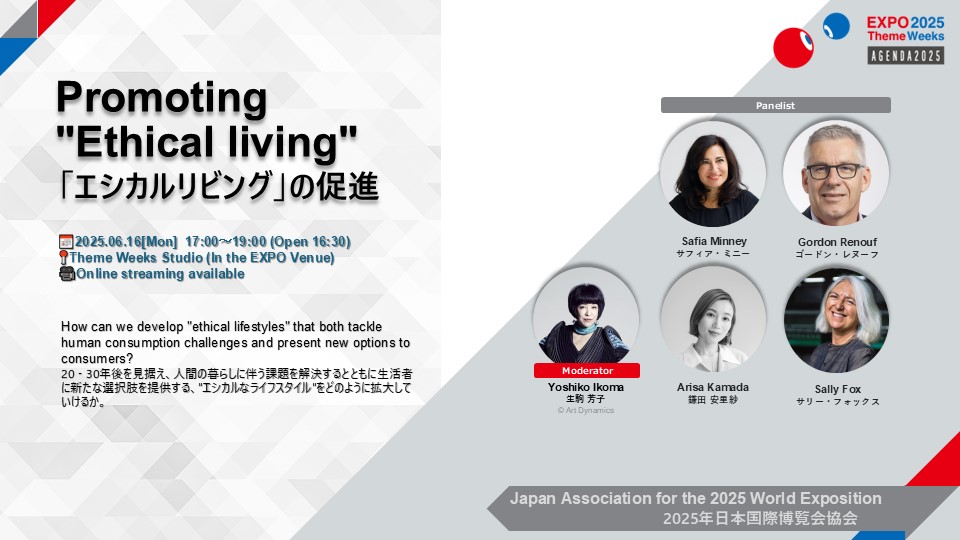
Promoting "Ethical living"
Japan Association for the 2025 World Exposition
The programme, together with the General Sponsors, explores: 'How can we develop "ethical lifestyles" that both tackle human consumption challenges and present new options to consumers'
Recorded video available
Discussion
- Others
| Transmission of simultaneous interpretation | Provided |
|---|---|
| Language of interpretation | Japanese and English |
-

Agenda2025
Organised Programme
-
Time and
Date of
the event -
-
2025.06.16[Mon]
17:00 ~ 19:00
(Venue Open 16:30)
-
- Venue
- Theme Weeks Studio
Highlights
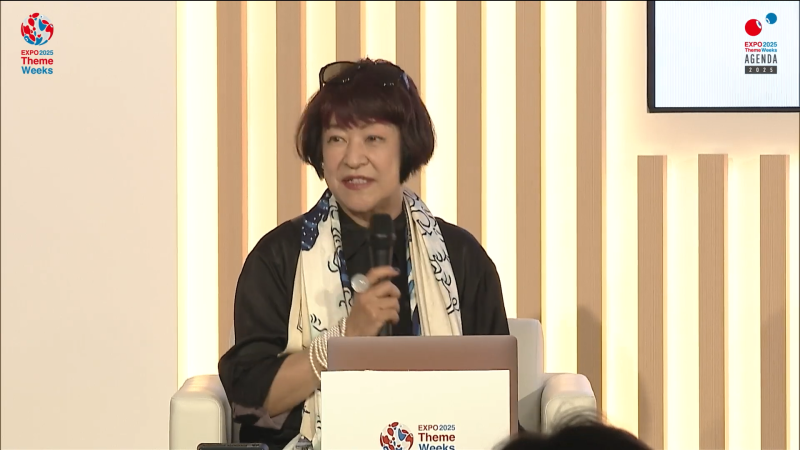
00:04:49 Introduction of Each Panelist’s Activities and Initiatives
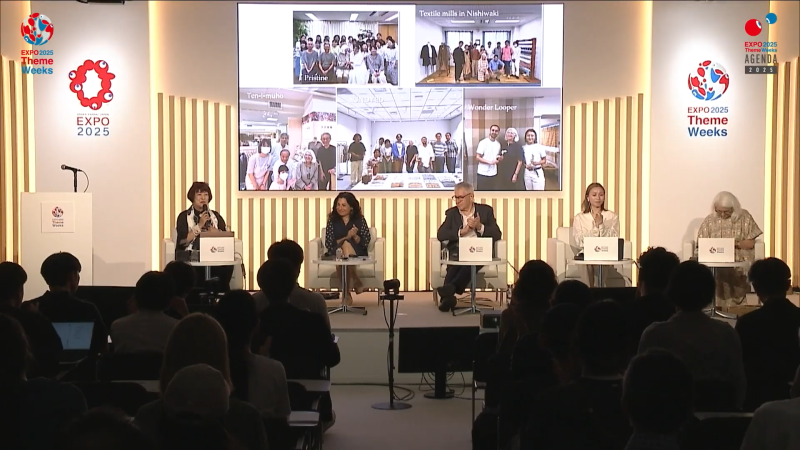
01:11:44 "What is the path to lead the Earth into the future with an ethical lifestyle?" ~Environment, Human rights, Animal welfare, Education, Spirituality, Creativity, Ethnicity, Digital~
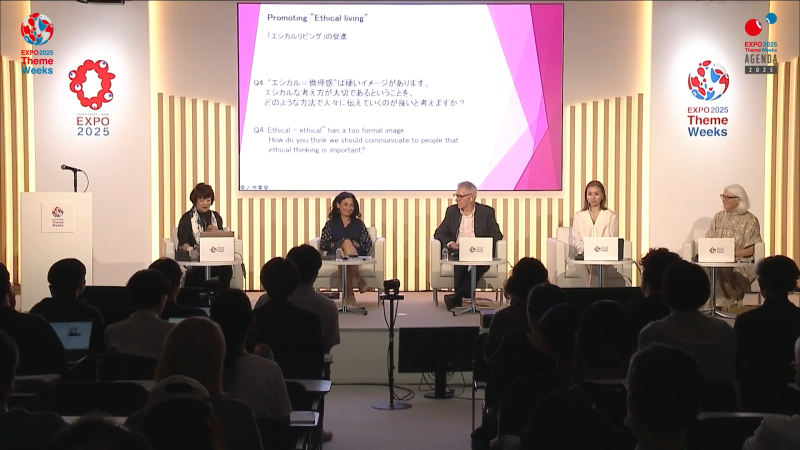
01:45:54 "What is the path to lead the Earth into the future with an ethical lifestyle?" ~Environment, Human rights, Animal welfare, Education, Spirituality, Creativity, Ethnicity, Digital~
Programme details
*Subtitles: Choose “Subtitles/CC” in the “Settings” (gear
icon) at the bottom right of the YouTube video.*Subtitles may
not show with multiple languages or overlapping audio.
From the destruction of the natural environment to the crisis
of democracy and capitalism, the global environment is in a
state of unprecedented turmoil. As we consider the future, the
choices we make for the next step are of critical importance.
In this session, which explores the concept of ‘ethical
living’—a lifestyle that prioritises ethical choices in
clothing, food, and housing—we would like to welcome legendary
pioneers and challengers who have opened new doors in areas
such as fair trade, organic products, and traceability, as
well as activists who continue to push the boundaries of
ethical fashion. Together, we aim to create a space for
meaningful dialogue to explore what the next crucial step
should be for our collective future.
Reports
<Programme Summary>
The session centered on the concept of 'ethical
living,' which encourages individual behavioral change to
build a sustainable society in response to global challenges
such as climate change, biodiversity loss, and social
inequality. It was made clear that ethical living is not just
a personal lifestyle choice but deeply tied to structural
transformation in society. Through the practices and research
shared by the panelists, the discussion reaffirmed that
ethical consumption and lifestyle choices can generate new
social value and that institutional design and education are
crucial to support them sustainably. The session emphasized
the importance of a shared vision and ongoing dialogue among
people of different backgrounds to co-create and deepen the
concept of ethical living.
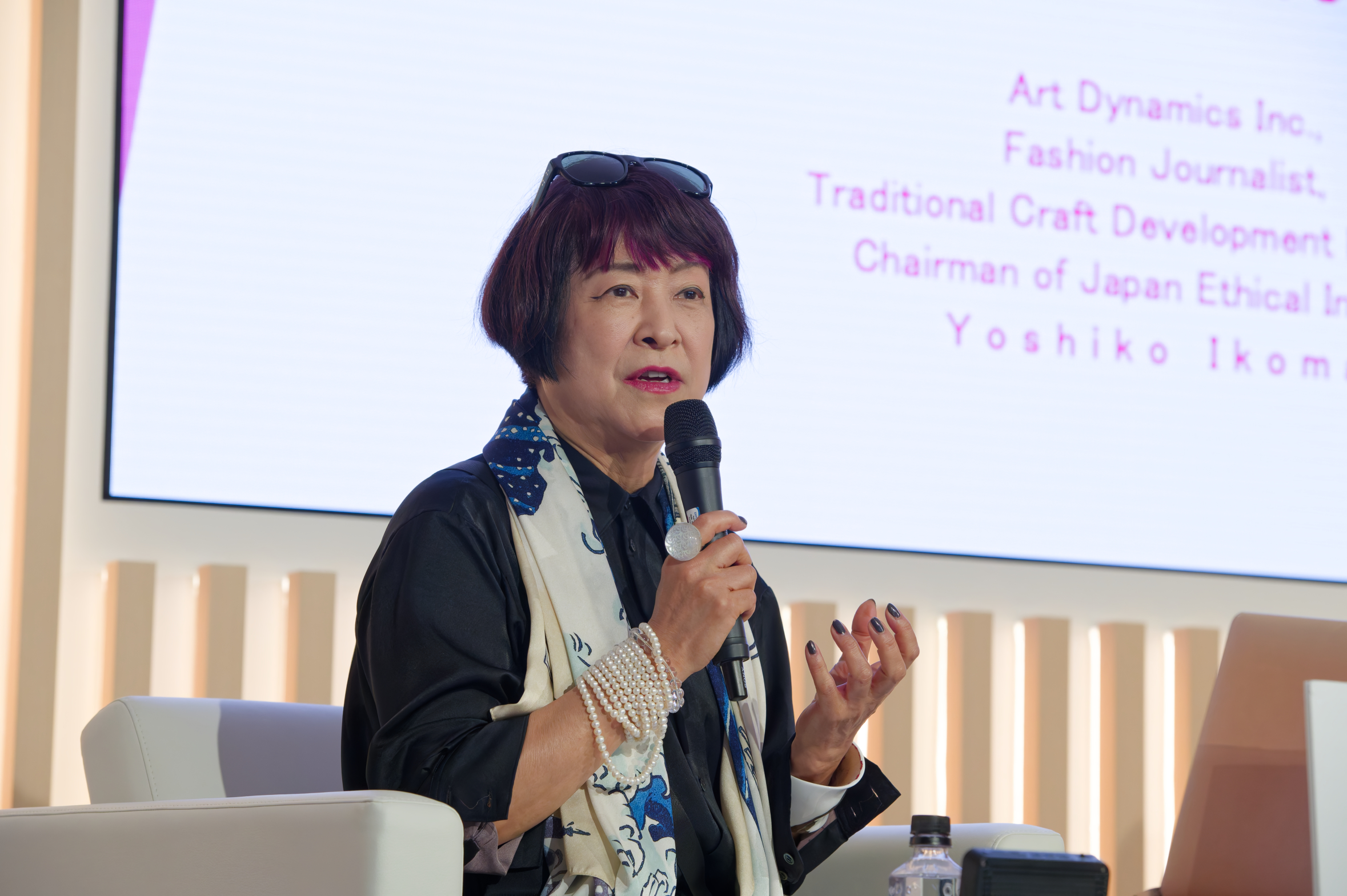
<Speaker Summary-Yoshiko Ikoma>
Yoshiko Ikoma, a long-time advocate of ethical fashion and
sustainable lifestyles, opened the session by stating that
'everyday ethical choices' can drive social change
in the face of global challenges. She pointed to issues
throughout the supply chain such as climate change,
biodiversity loss, and labor exploitation, emphasizing the
importance of embedding socially conscious decisions in daily
life. She highlighted the fashion industry’s significant
environmental impact and exploitative structures, stressing
the power of consumer engagement. Ikoma described
'ethical' not as a trend, but as a fundamental
philosophy for rebuilding relationships with people and
nature, requiring deep societal perspective. She introduced
alternative values emerging among the younger generation and
local circular economy models, advocating for collectively
nurturing the 'standard of the future.' She
concluded that ethical living is not about restriction, but
about transitioning to a richer and more meaningful way of
life, and stressed the value of Expo 2025 as a space for
co-creation across sectors.
<Speaker Summary-Safia Minney>
Social entrepreneur and founder of REAL Sustainability CIC,
Safia Minney, spoke passionately about the transformative
power of ethical consumption. She raised awareness about child
labor and exploitation within the fashion industry,
referencing her 'Slave to Fashion' campaign that
exposed the structural violence consumers unknowingly
contribute to. She emphasized that each piece of clothing we
choose can impact someone’s life and urged consumers to
understand the weight of their purchasing decisions. Minney
argued that both companies and consumers must undergo a shift
in consciousness to enable sustainable production and
consumption. She demanded full traceability and transparency
from global brands and ethical standards throughout the supply
chain. Citing youth-led movements for climate justice and
ethical consumption that are already influencing policies, she
emphasized the importance of offering alternative choices and
storytelling to inspire change. She concluded by stating that
education, business, and policy must collaborate to evolve
into an economy grounded in ethics, and expressed her
commitment to using Expo 2025 as a catalyst for this
change.
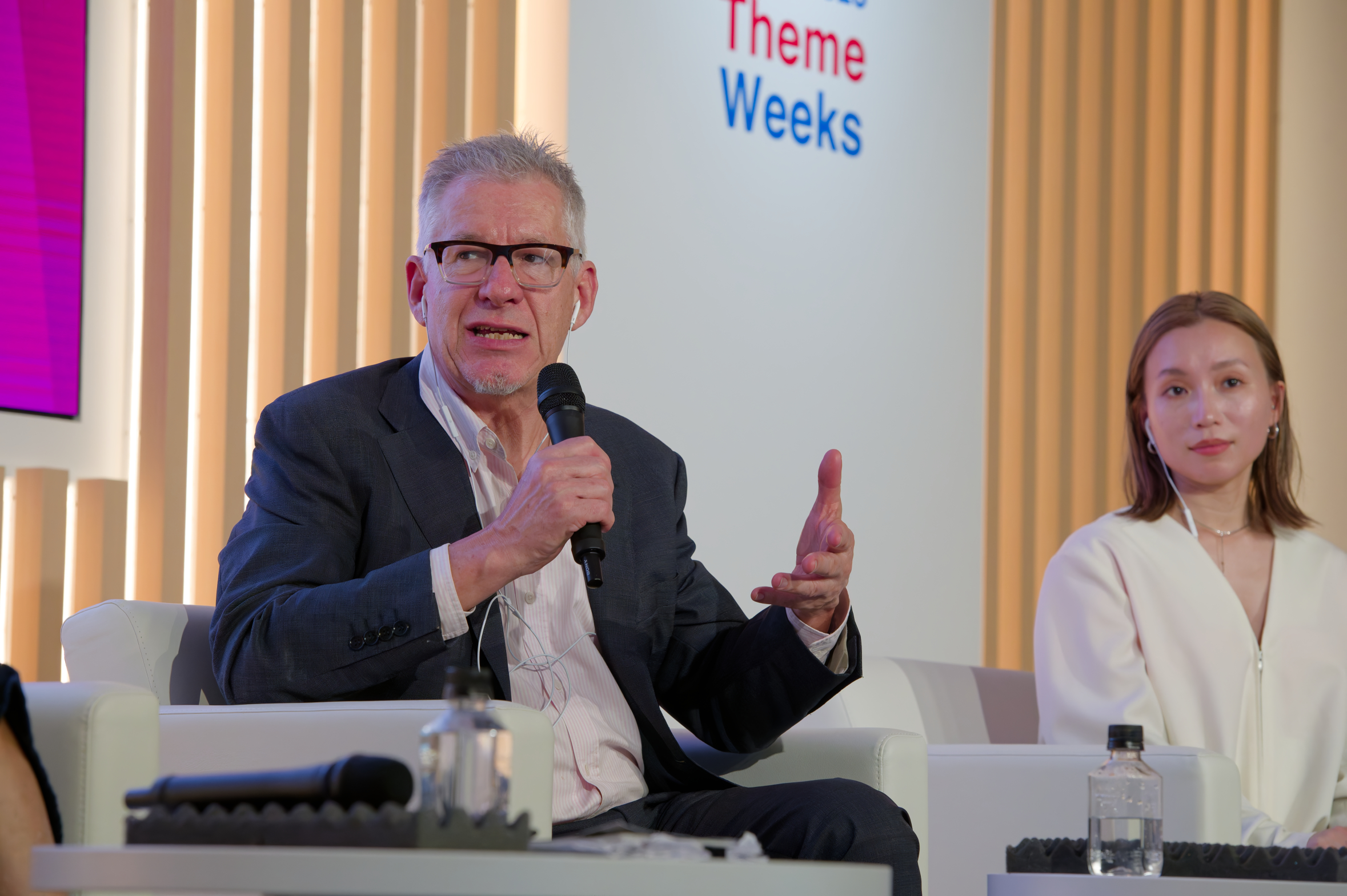
<Speaker Summary- Gordon Renouf>
Gordon Renouf, co-founder of Good On You, emphasized the
importance of providing information to empower consumers to
make sustainable and ethical choices. Based on his experience
developing evaluation criteria and data-driven platforms, he
stressed the necessity of both the 'power to choose'
and 'environments that enable choice.' Good On You
independently rates fashion brands on environmental impact,
labor rights, and animal welfare, providing consumers with
accessible scores. He explained that maintaining credibility
and fairness in evaluations requires extensive research and
cooperation across the industry. He noted that companies
increasingly use these evaluations to identify areas for
improvement. Renouf pointed out that information asymmetry
contributes to consumer indifference and advocated for greater
transparency to build trust. He also highlighted the
importance of respecting local contexts and cultural
differences when designing evaluation criteria. He concluded
by stating that consumption is a daily vote on the state of
the world and that spreading information literacy and ethical
decision-making is key to creating a better economy and
society.
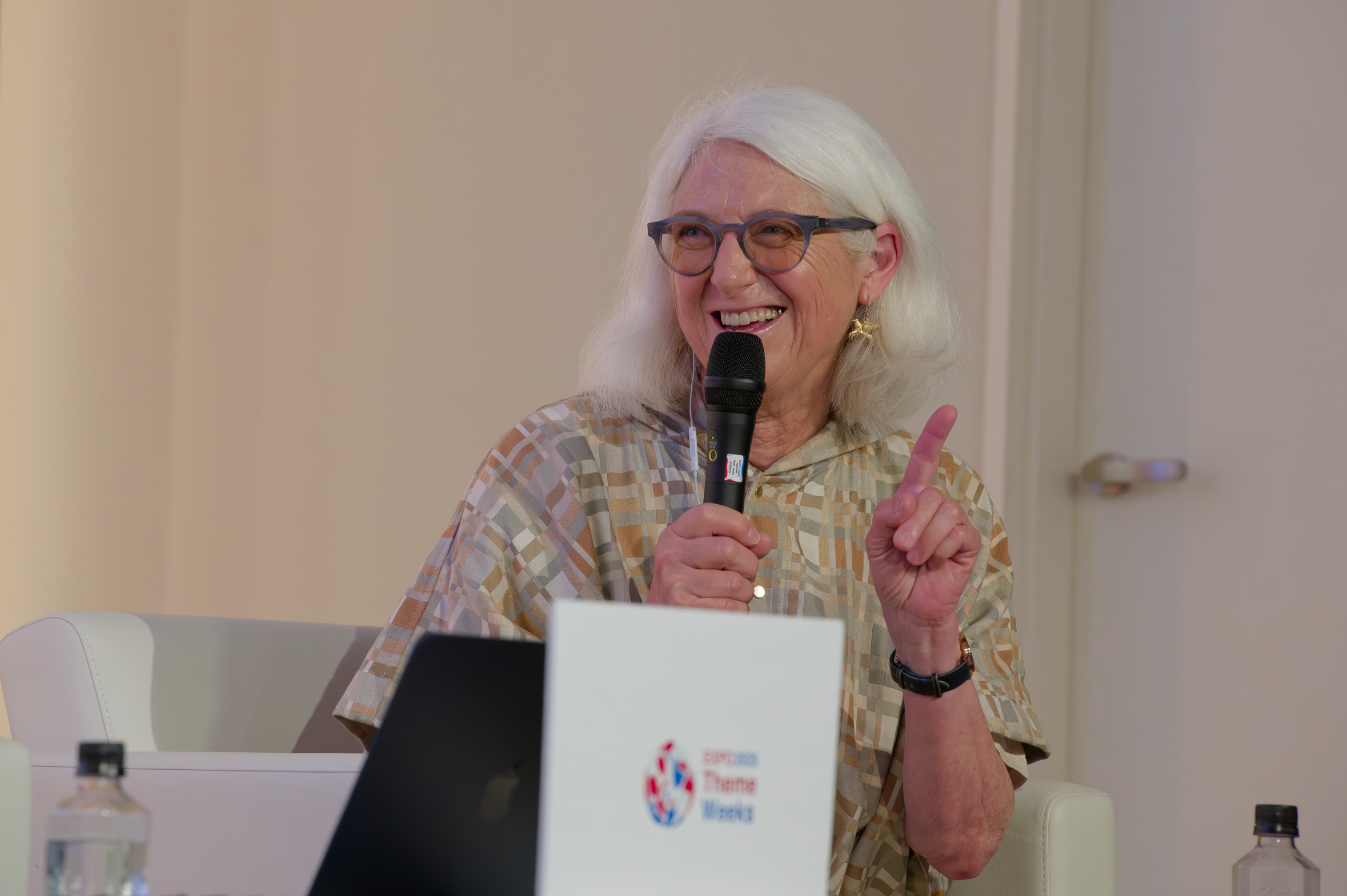
<Speaker Summary- Sally V. Fox>
Sally V. Fox, an organic cotton breeder since the 1970s,
offered a perspective connecting agriculture and clothing. She
criticized conventional agriculture for degrading soil and
ecosystems and promoted organic farming as an alternative. She
shared her long-term research on naturally colored cotton,
which reduces the need for chemical dyes and minimizes
environmental impact. Fox emphasized the link between textiles
and climate change and called for a redesign of supply chains
starting with agriculture. She spoke of blending scientific
knowledge with natural wisdom and collaborating with
generations of farmers and artisans to balance tradition and
innovation. She conveyed that 'what is good for the soil
is good for our bodies,' and framed soil health as
fundamental to ethical living. She also discussed the
potential of 'carbon-positive' agriculture, showing
that farming can be part of the solution to climate change.
She concluded by stating that sustainability means listening
to nature's cycles and living in harmony, expressing hope
that Expo 2025 will spread this message globally.
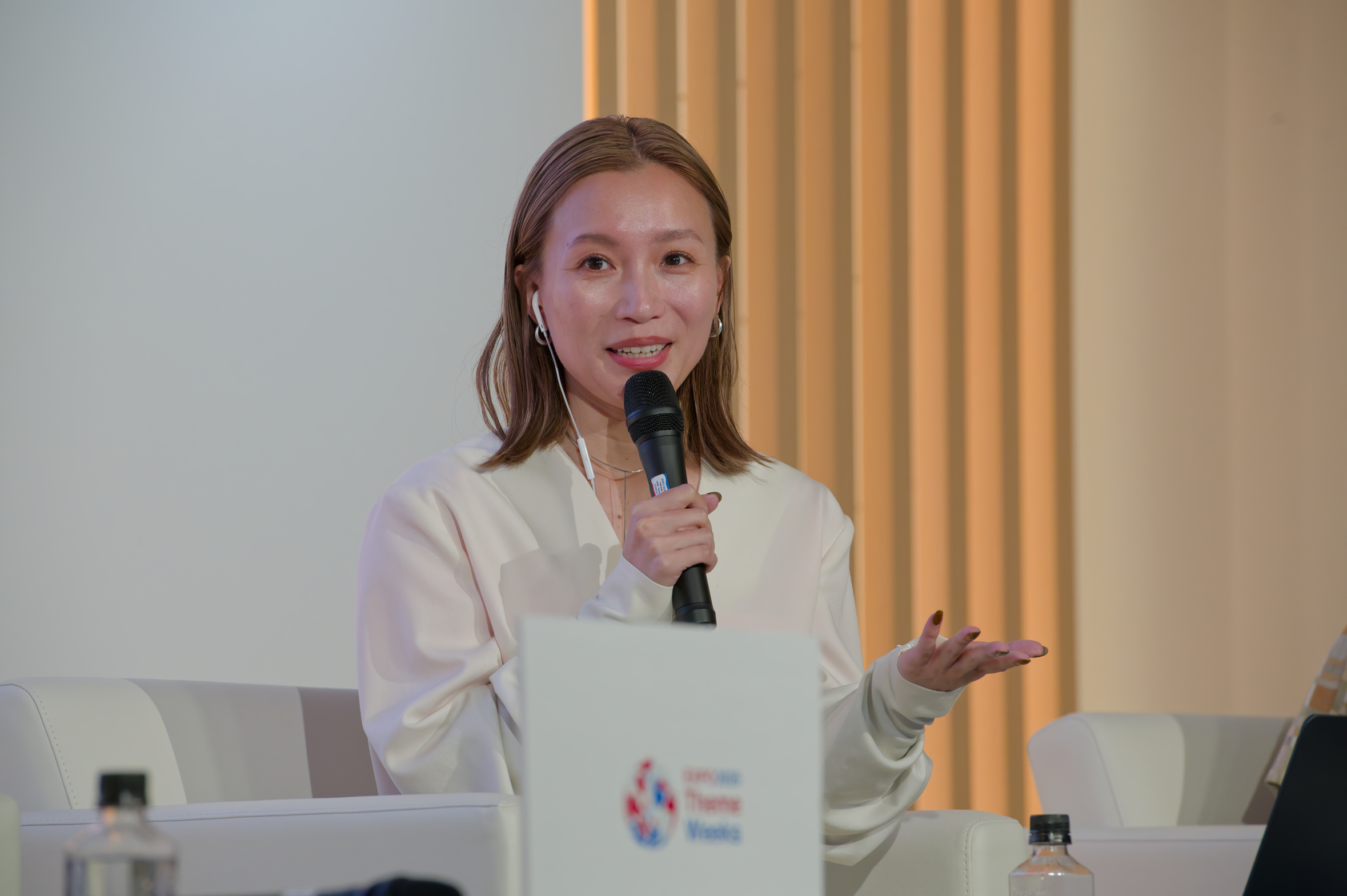
<Speaker Summary- Arisa Kamada>
Arisa Kamada, co-founder of unisteps and fashion model, shared
her insights on connecting sustainable living with social
activism through personal experience. She began by pointing
out that younger generations are increasingly sensitive to
future uncertainties and social issues, and stated that
personal questions and interests often serve as the starting
point for taking action.She shared her efforts to expand
empathy through clothing choices and communication. Kamada
emphasized the importance of promoting a positive perception
of sustainability not as sacrifice but as a discovery of
creative choices. She highlighted the significance of
'relationships' in sustainability—between people,
nature, and generations. She introduced initiatives to
visualize social impact and local circular economy projects
using regional cultural assets. Her message resonated deeply
with the audience, illustrating how grassroots action can
influence broader societal systems.
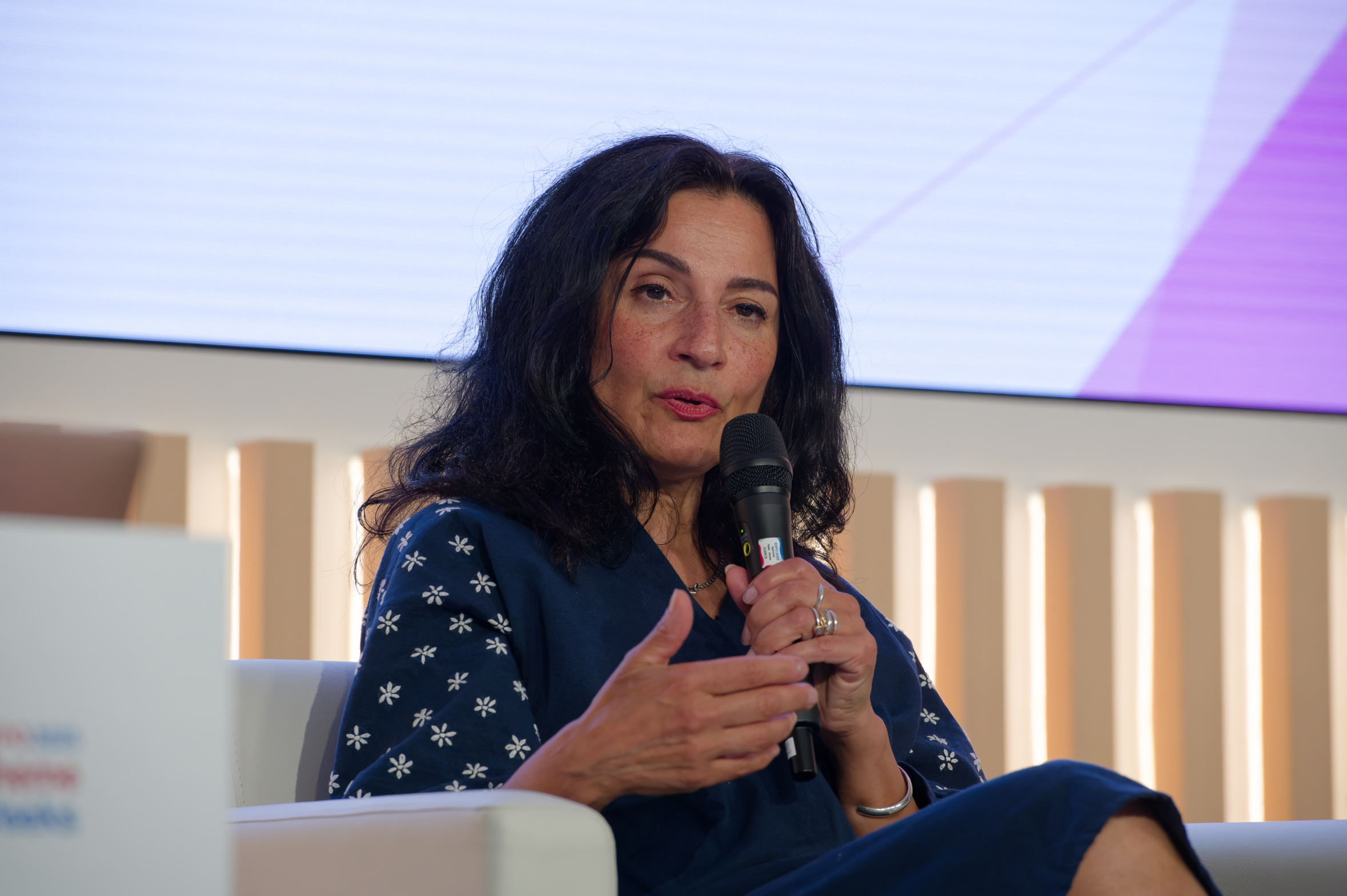
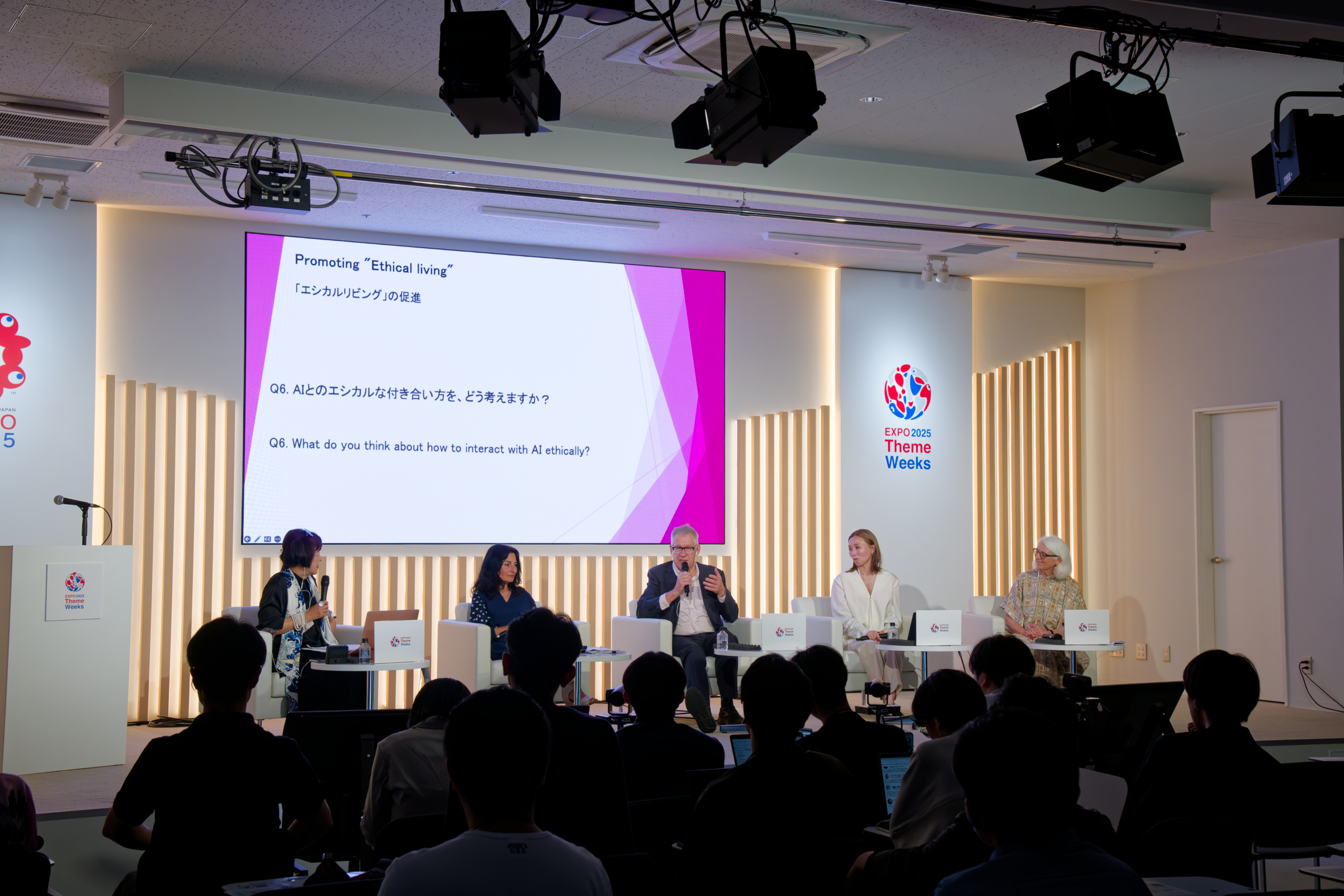
<Discussion Summary>
In the latter half of the session, all panelists exchanged
opinions on the practice, challenges, and future of ethical
living from their respective perspectives. Moderator Yoshiko
Ikoma emphasized that 'awareness is the foundation of
ethical living,' and raised the role of education and how
media communicates information. Safia Minney responded by
highlighting the need for consumer education and institutional
support to promote ethical choices. Gordon Renouf reiterated
the importance of transparency in influencing consumer
behavior, and also discussed the ethical responsibilities of
platform design and algorithms. Arisa Kamada emphasized that
personal emotions and everyday sensibilities can drive social
change, and shared how youth-led actions influence
institutions and companies. Sally V. Fox reflected again on
the philosophy of coexistence with nature and described ethics
as 'starting from listening to the voice of nature.'
Audience members raised concerns about the price and
accessibility of ethical products. In response, panelists
discussed viewing sustainability as a form of long-term
cost-saving and suggested the need for community-led
distribution reform. Toward the end, the discussion addressed
the challenge of differing ethical definitions across cultures
and religions, concluding with a shared recognition of the
need to build a common ethical foundation grounded in diverse
perspectives. Overall, the session reinforced the idea that
ethical living is not just about doing good deeds, but a
philosophical and social practice of 'how we live.'
The panelists closed the session with the hope that Expo 2025
will become a starting point to pose this question to the worl
Cast
Moderator
©︎Art Dynamics
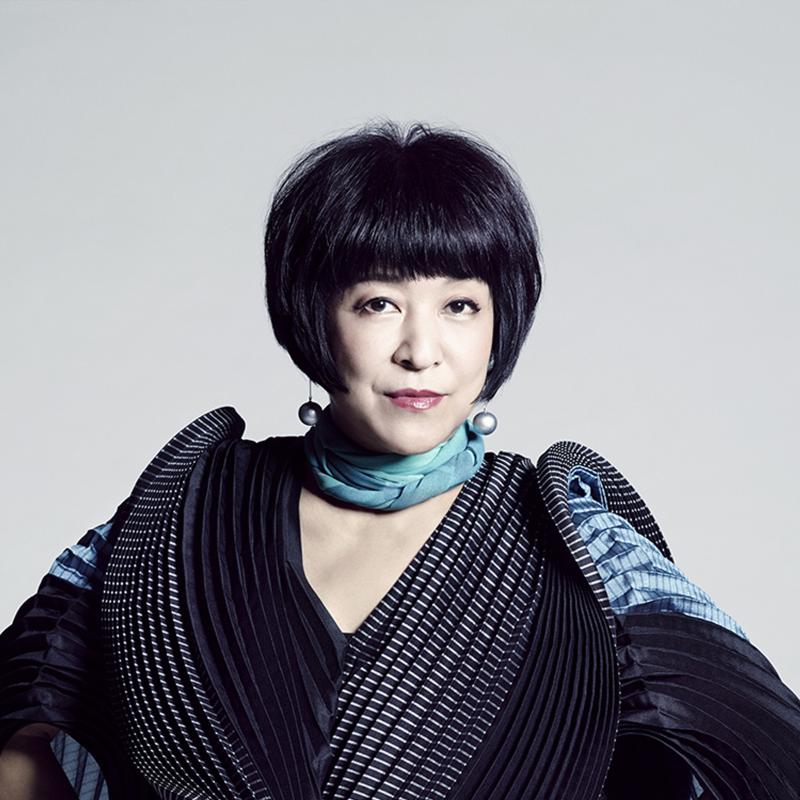
Yoshiko Ikoma
Fashion Journalist, Art Producer, Traditional Craft Development Producer, President of Art Dynamics Inc., Chairman of Japan Ethical Initiative
Consulting, directing, producing, and providing
branding advice in the cultural aspects of fashion,
art, and traditional crafts, as well as ethical
sustainability.
After working as deputy editor of VOGUE and ELLE, she
became editor-in-chief of “Marie Claire” in 2008
before going independent. She proposes a new
generation lifestyle based on culture and ethics, from
fashion, traditional crafts, art, and design to social
contribution and Cool Japan. She is involved in
development projects for local and traditional
industries.
Producer of Japanese Heritage for Agency for Cultural
Affairs since 2015, Mentor of LEXUS NEW TAKUMI PROJECT
since 2016, Producer of HIRUME, a luxury brand of
Japanese traditional crafts based on fashion and art
since 2018. And since 2024, HIRUME ART LABORATORY,
she started to transmit traditional crafts x art x
fashion x digital.
In June 2024, the Japan Council for Ethical Promotion,
of which she is the chairman, published “Ethical
Bible,” an explanatory book on ethical standards
written by 58 experts.
Temporary member of the Cultural Economy Subcommittee
of the Cultural Affairs Council, Agency for Cultural
Affairs; Sustainable Fashion Supporter, Consumer
Affairs Agency; Member of the Textile Subcommittee of
the Industrial Structure Council, Ministry of Economy,
Trade and Industry; Member of Edo Tokyo Kirari, Tokyo
Metropolitan Government; Creative Director, Mie
Terrace; Director, Japan Japanese Culture Promotion
Project; Brand advisor, Citizen L, Supervisor of
Underground Ltd. (Ai Tominaga's personal office),
etc. Lecturer at Musashino Art University and Sugino
Fashion College Graduate School.
View Profile
Close
close
Speakers

Safia Minney
Social entrepreneur, consultant and advisor
Safia Minney, MBE, FRSA, is an award-winning social
entrepreneur, consultant and advisor. Safia is
recognised by the World Economic Forum as an
Outstanding Social Entrepreneur and is a leading
influencer and international speaker on sustainable
fashion, sustainable supply chains, ethical business
and climate action.
Safia has authored 9 books including ‘Slave to
Fashion’, campaigning to eradicate modern day slavery
in the fashion industry, ‘Slow Fashion - Aesthetics
meets Ethics’ and in 2022 ‘Regenerative Fashion’.
Safia founded REAL Sustainability CIC in 2019, to
promote awareness and action for sustainable living
and leadership. In 2022 REAL launched Fashion Declares
– a bottom-up, industry wide movement to promote rapid
action to redesign the fashion industry to operate
within planetary boundaries.
View Profile
Close
close
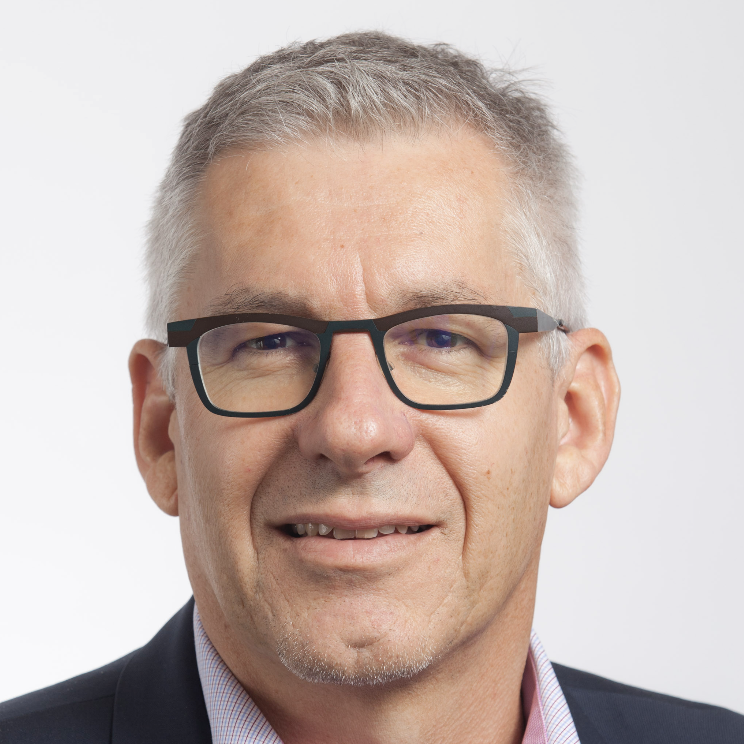
Gordon Renouf
Co-Founder, Good On You
Gordon Renouf is the co-founder of Good On You, the world's most trusted and easy to use sustainability rating system for consumer brands. Good On You ratings are used by global retailers, discovery platforms and shopping malls to advance sustainability performance and engage conscious shoppers. Since 2015, Good On You has rated over 6,000 brands across fashion and beauty and enabled millions of consumers to shop more sustainably. Mr Renouf has been an advocate for consumer rights for more than 30 years, including as a Board Member of Consumers International and Deputy Chair of the Consumers Federation of Australia. Gordon’s work is focused on consumers’ right to make sustainable and ethical choices in line with Sustainable Development Goal 12. As more and more people shop sustainably, together we will drive an increasing number of brands to put ethics and sustainability at the heart of their business. In 2016 Gordon gave the annual Ruby Hutchison Lecture, "Can Consumers Buy a Better World", at the invitation of the Australian Competition and Consumer Commission and CHOICE, Australia’s leading consumer organisation. The lecture explored consumers’ right to consume responsibly, and the corresponding obligations on producers to provide accurate information about their impact on the issues consumers care about. Gordon regularly presents on how we can support consumers to make more sustainable choices including at the 2020, 2021 and 2022 Tokushima International Consumer’s Forum. Gordon has also served as a Board Chair of Australia's leading Type 1 environmental certification scheme Good Environmental Choice Australia, and held numerous positions advancing consumer interests including as a Director on the Board of the Telecommunications Industry Ombudsman Scheme, and Chair of the Australian Securities and Investments Scheme Consumer Advisory Panel.
View Profile
Close
close

Arisa Kamada
Co-founder of unisteps
Co-founder of unisteps, the Association dedicated to fostering a "diverse and sustainable fashion industry." Leads a broad range of initiatives aimed at raising awareness about the environmental and social impacts of clothing production and disposal. Secretariat of the Japan Sustainable Fashion Alliance, the FASHION FRONTIER PROGRAM, and FASHION REVOLUTION Japan. Also leads "Seeds of Clothing," a project that grows cotton from seed to create garments.
View Profile
Close
close
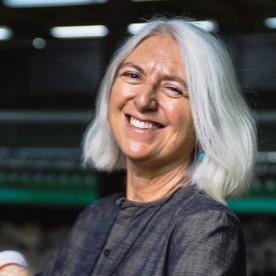
Sally V. Fox
Organic Cotton Breeder since 1982; owner of Vreseis Limited and the trademarks: Foxfibre® Colorganic®
As the first to breed cottons specifically for both organic production in the Southwestern United States while offering a natural pallet of colors within the fibers themselves - no dyes required- Sally helped usher in the organic and sustainable cotton conversation in the late 1980’s. Her personal background as both a hand spinner and hand weaver allowed her to direct her breeding in a way that included processing criteria crucial to the successful introduction onto the marketplace of these special cottons. She used sales proceeds from the cottons to offer the use of the trademarks to customers worldwide, while working with certification organizations in the US and later worldwide to develop systems of authentication of first the bales and then the products. Over the decades as the industry grew and developed, newer more sophisticated systems have arisen and have been adopted. But it began and remains alive today because of the sophistication and the artistry of the Textile Industry of Japan who were the first and remain the only industry offering the most exquisite organic naturally colored textiles available anywhere in the world.
View Profile
Close
close
Necessities of Life: Food, Clothing and Shelter Week
Promoting "Ethical living"
The programme, together with the General Sponsors, explores: 'How can we develop "ethical lifestyles" that both tackle human consumption challenges and present new options to consumers'
-
2025.06.16[Mon]
17:00~19:00
(Venue Open 16:30)
- Theme Weeks Studio
OTHER PROGRAM
Necessities of Life: Food, Clothing and Shelter Week