Necessities of Life: Food, Clothing and Shelter Week
What will you eat tomorrow? ーTo know the “food” of the past
is to change the “food” of the future.
Agenda 2025 Co-created Programme
Shape New World Initiative
【Hypothesis of the future vision in 2050】
We value the food culture that has been nurtured, but we
also see it as a culture that changes with the “now” and
look forward to a future in which each of us can pass on the
wisdom and ingenuity of “food” in our own way.In this
program, we have prepared three sessions to discuss ways to
look ahead to the future of “food” through knowledge of
“food” in the past: first, ways to connect food culture to
the future; second, efforts to connect the wisdom of “food”
in the past to the future; and third, exploring ways to pass
on “food” technology to the future. The third is to find
ways to pass on the technology of “food” to the future.
Recorded video available
Discussion
- Food culture
- Food tech
- Food History
| Transmission of simultaneous interpretation | Provided |
|---|---|
| Language of interpretation | Japanese and English |
-

Agenda2025
Co-created Programme
-
Time and
Date of
the event -
-
2025.06.14[Sat]
14:00 ~ 16:00
(Venue Open 13:30)
-
- Venue
- Theme Weeks Studio
Programme details
*Subtitles: Choose “Subtitles/CC” in the “Settings” (gear
icon) at the bottom right of the YouTube video.
*Subtitles may not show with multiple languages or overlapping
audio.
This programme consists of three sessions.
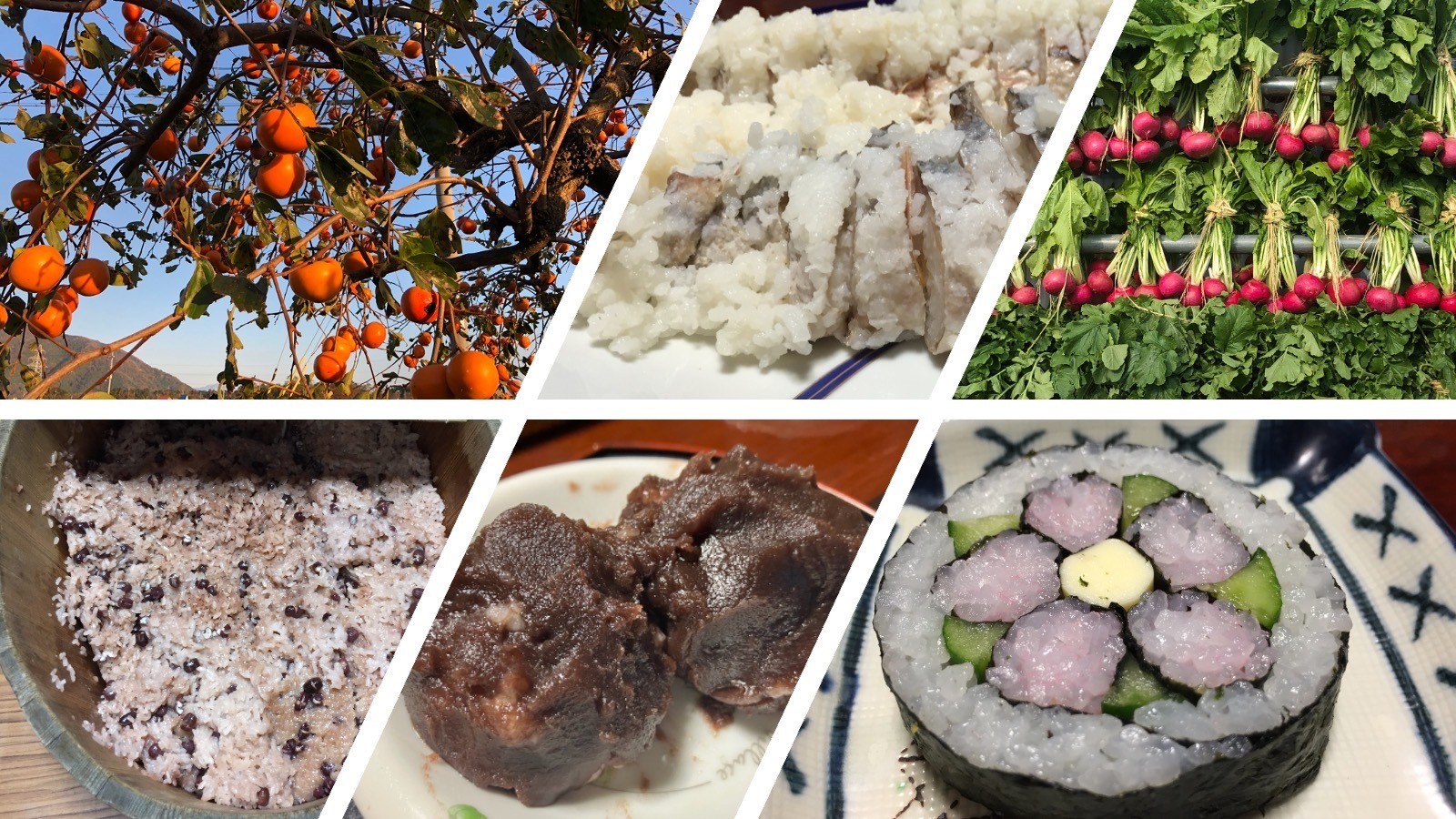
1.Ways to pass on food culture to the future: In this session,
we will consider the meaning and significance of connecting
the food culture long nurtured in Japan to future generations
and how to do so, using case studies of workshops to
experience making Wagashi and Tofu, and research
Modokiryori.
2. Initiatives to connect food wisdom from the past to the
future: In this session, we will use interviews with people
involved in efforts to preserve food culture in various parts
of Japan, and a project focusing on Japanese chestnuts, a
traditional Japanese food ingredient, to discuss what should
be done now to connect food wisdom from the past to the
future.
3. Searching for ways to pass on food technology to the
future: In this session, we will propose robot-friendly
Wagashi as a way to pass on food culture to the future. We
will discuss new ways of thinking about how to pass on the
handicrafts and techniques that support the food culture that
has been passed down for generations to the future.
Through these three sessions, we will consider what we can do
now to connect the "food" of the past with the
"food" of the future.
Reports
【Reflection】
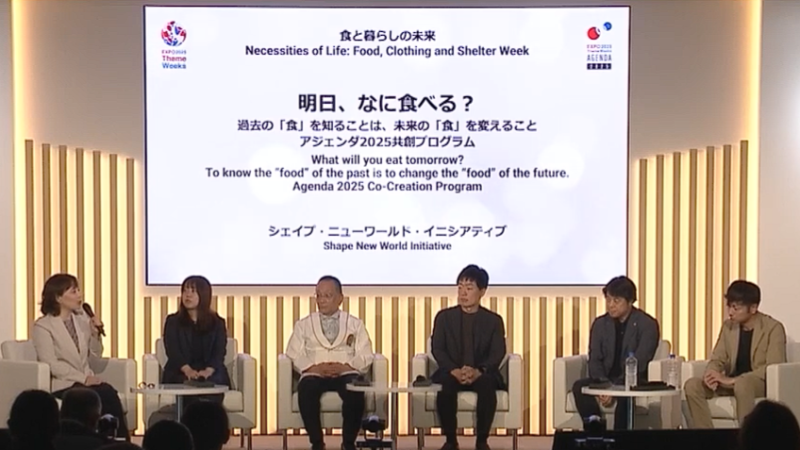
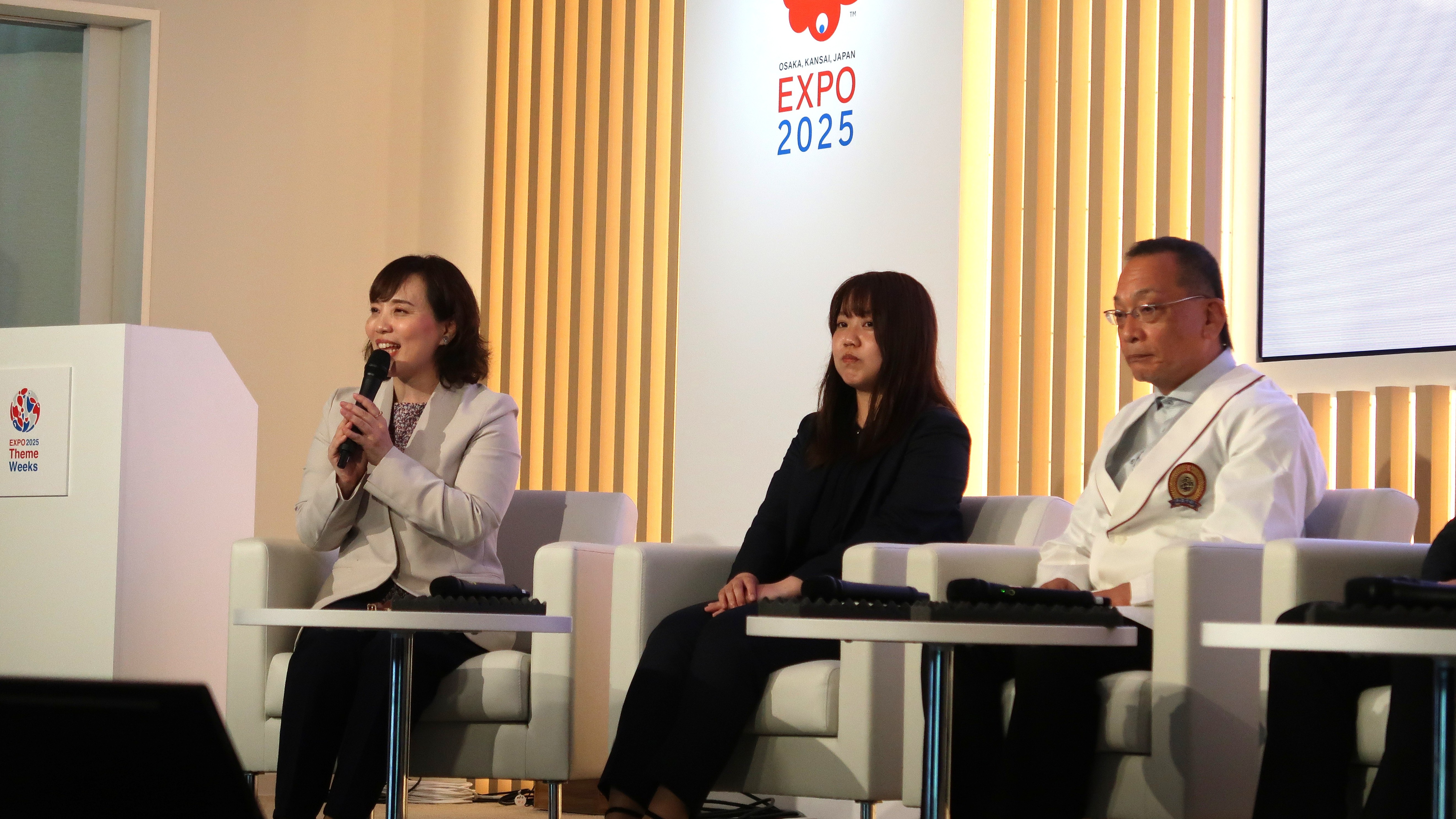
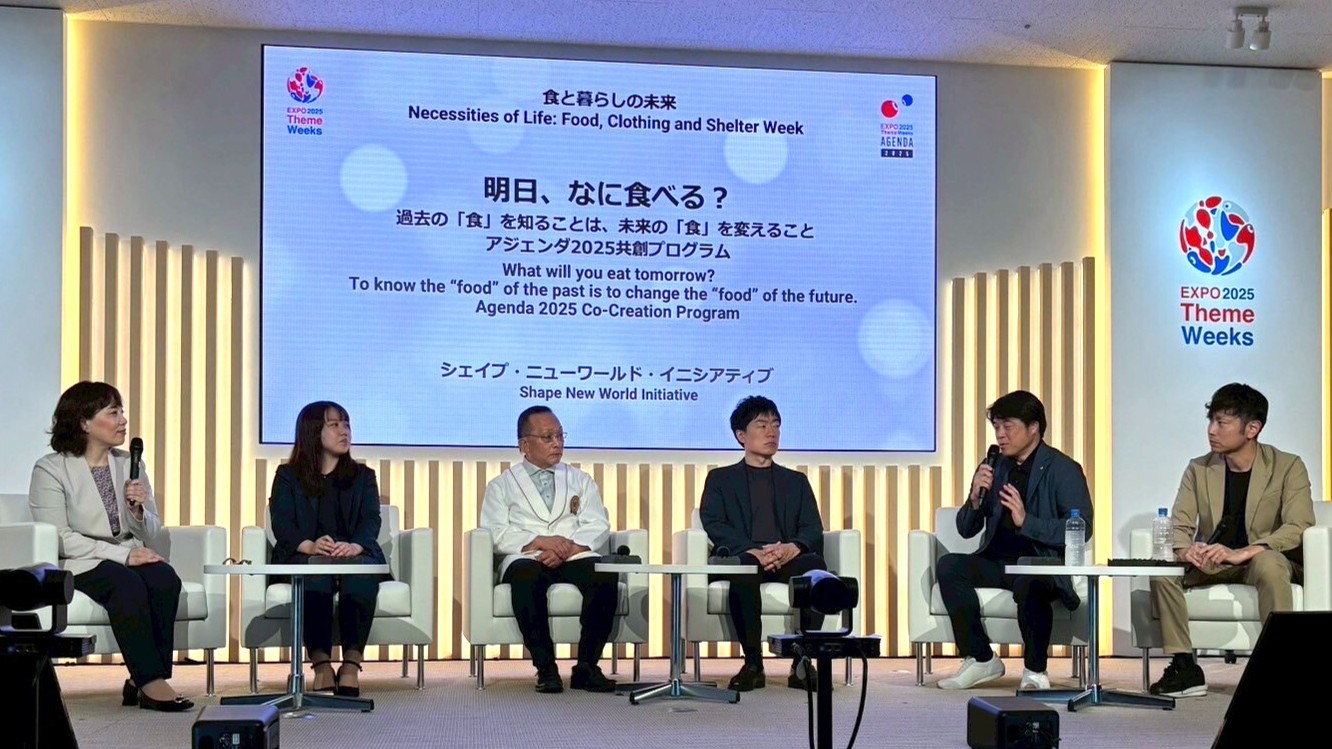
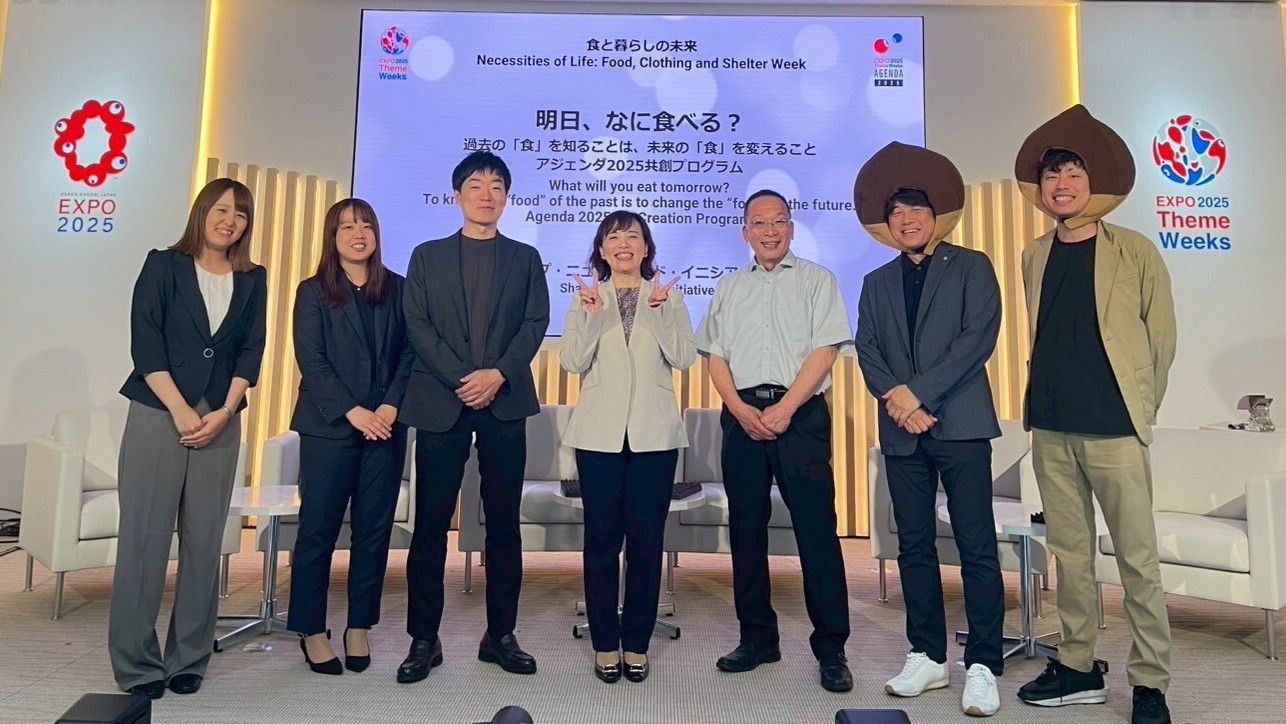
This session, titled “Understanding Past Food Practices to
Transform Future Food Systems”, was designed as a programme to
discuss the future of food in 2050. Moderator Kaoru Kamatani
(Ritsumeikan University) structured the discussion across
three sessions to explore this theme.
1. Methods for Connecting Food Culture to the Future
In this session, Japanese confectionery artisan Makoto
Yamakawa (owner of Chakayama) and Kaho Miura (Ritsumeikan
University) joined Kamaya to discuss the significance and
methods of connecting food culture from the past to the
future. Specifically, they introduced examples such as
Yamakawa's wagashi workshops and Kamaya and Miura's
research on Edo-period “mock dishes”, discussing ways to pass
on past “approaches to food” and “food values” to the
future.
2. Initiatives to Pass Past Culinary Wisdom to the Future
In this session, Junya Mamiya (Shunkado Ltd) and Tomoaki
Miyazaki (Shunkado Ltd) joined Kamaya and Yamakawa to discuss
concrete initiatives for passing culinary wisdom to the
future, using the activities of the Japanese Chestnut Council
(launched last year) as a case study.
3. Exploring Methods to Pass on Food-Related Techniques to the
Future
This session featured Kamatani, Atsushi Kakogawa (Ritsumeikan
University), and Yamakawa. They discussed methods for passing
on food-related techniques to the future. Specifically,
Kakogawa introduced his research on robotics, exploring how to
create a robot-friendly environment alongside artisans in
shops with limited staff.
Subsequently, all speakers engaged in a discussion
synthesising the three sessions. The gathering of speakers
from diverse perspectives to jointly explore approaches for
connecting past culinary wisdom, techniques, and values to the
future proved profoundly meaningful.
【Post EXPO Initiatives】
During the discussions in this programme, we gained several
insights into what is important when considering the future of
food. Rather than concluding with a single discussion, we wish
to regard this day as a starting point and continue to
establish forums for dialogue. Furthermore, regarding the
specific initiatives proposed, we plan to work together to
advance preparations for their realisation.
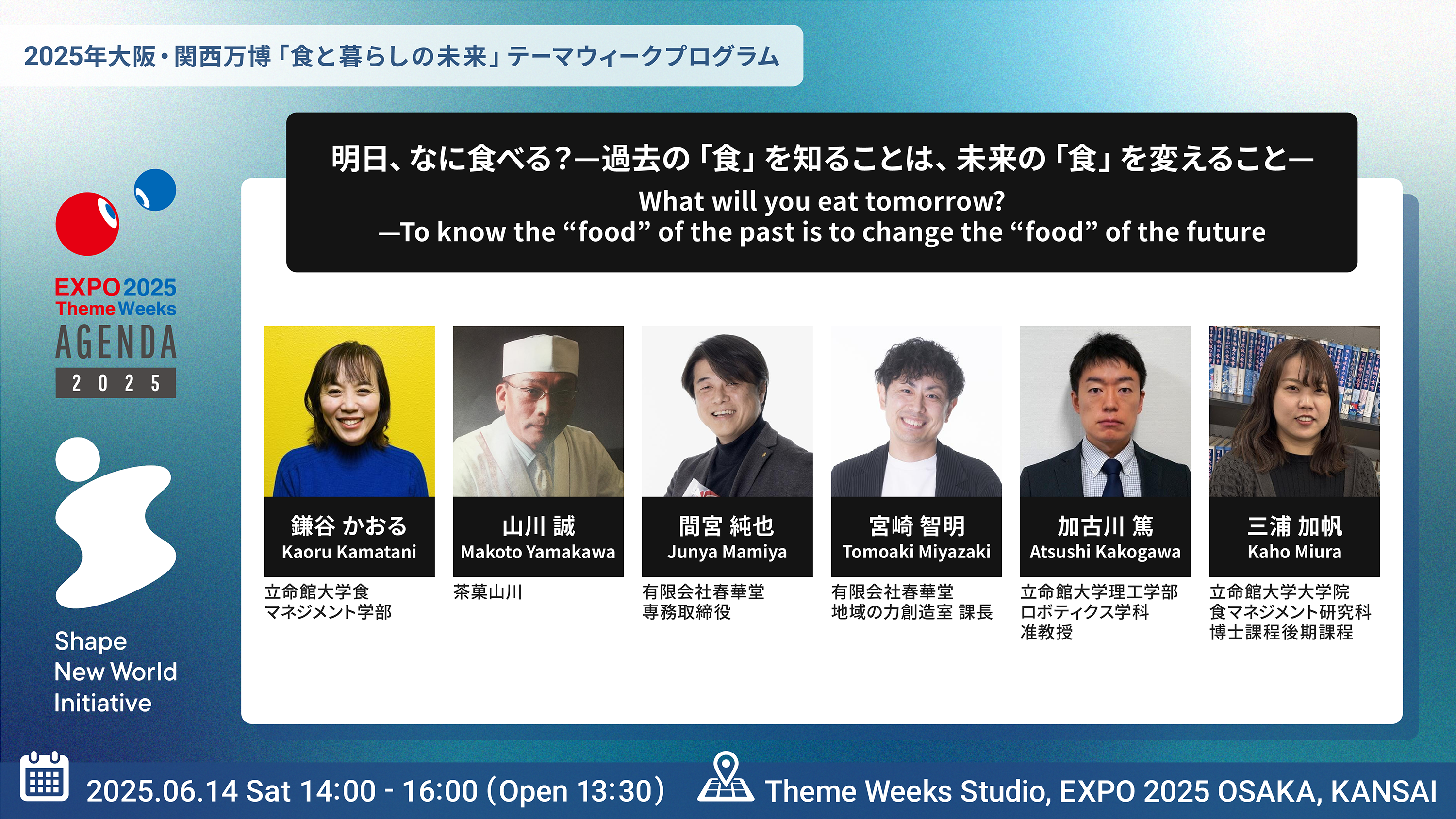
Cast
Moderator
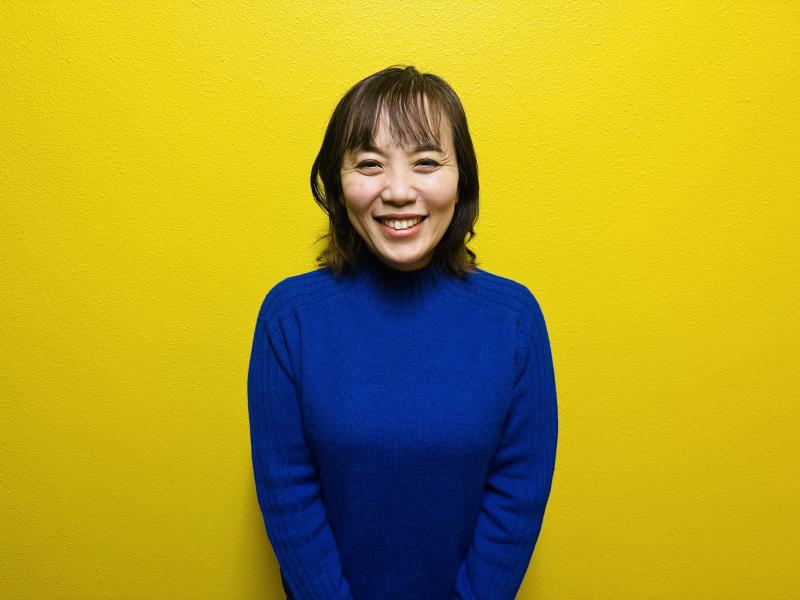
Kaoru Kamatani
College of Gastronomy Management, Ritsumeikan University, Professor
Born in Toyonaka, Osaka
Ph.D (Japanese history)
Assistant Professor at the Research Institute for
Human and Nature in 2017, Associate Professor at the
College of Gastronomy Managemen , Ritsumeikan
University in 2018, and current position.
I am researching the history of the relationship
between nature and people in the Edo period, and
historical studies from the perspective of food.
Through this program, I will attempt to convey the
significance of thinking about the future of
"food" from a historical perspective.
View Profile
Close
close
Speakers
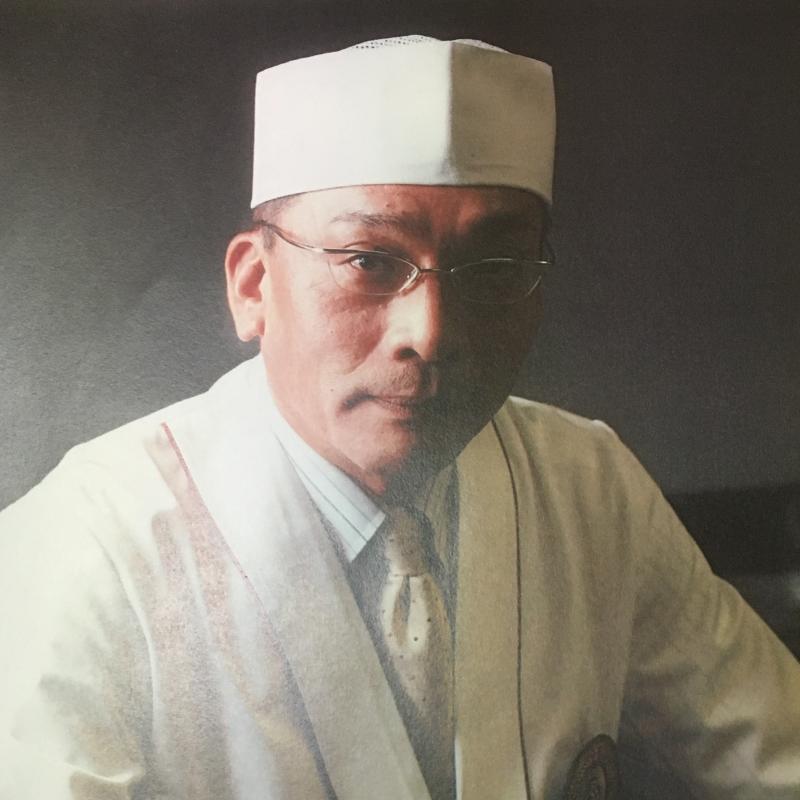
Makoto Yamakawa
Saka-Yamakawa
He worked for a Wagashi company for 33 years, then
started his own business.
In 2015, he opened Saka-Yamakawa, Otsu city, Shiga
pref.
In 2024, Saka Yamakawa LLC was established.
His philosophy is to "make Wagashi by carefully
preparing seasonal sweets using Dainagon azuki beans
grown by himself and the famous water of his
hometown."
1994:Awarded the Shiga Prefecture Governor's
Prize
2012:Japan Wagashi Association Selected Wagashi
Artisan - Excellent Wagashi Artisan certification
View Profile
Close
close
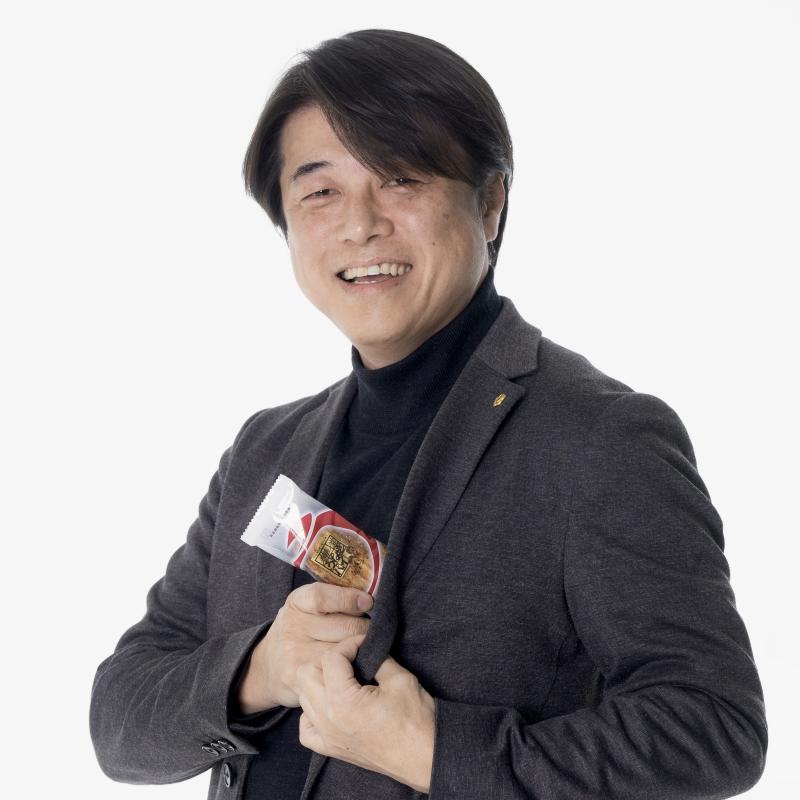
Junya Mamiya
Senior Managing Director, Shunkado Ltd.
After working as an elementary school teacher, a
secretary for a member of the Diet, he joined Shunkado
Ltd. in 2008.
After working in the president's office, as a
board member, he has been in his current position
since 2024.
Engaged in innovation and creativity while preserving
the history and tradition of Shunkado.
He is responsible for new brands such as “Gokokuya”
and “coneri” and new facilities such as “nicoe” and
“SWEETS BANK”.
Recently, he has launched new projects such as the
“Enshu Japanese Chestnut Project,” “Academy Project,”
and “Harakado Project.
He is committed to human resource development both
inside and outside the company, and is involved in
“community development” not only within the company
but also in the local community and society.
View Profile
Close
close
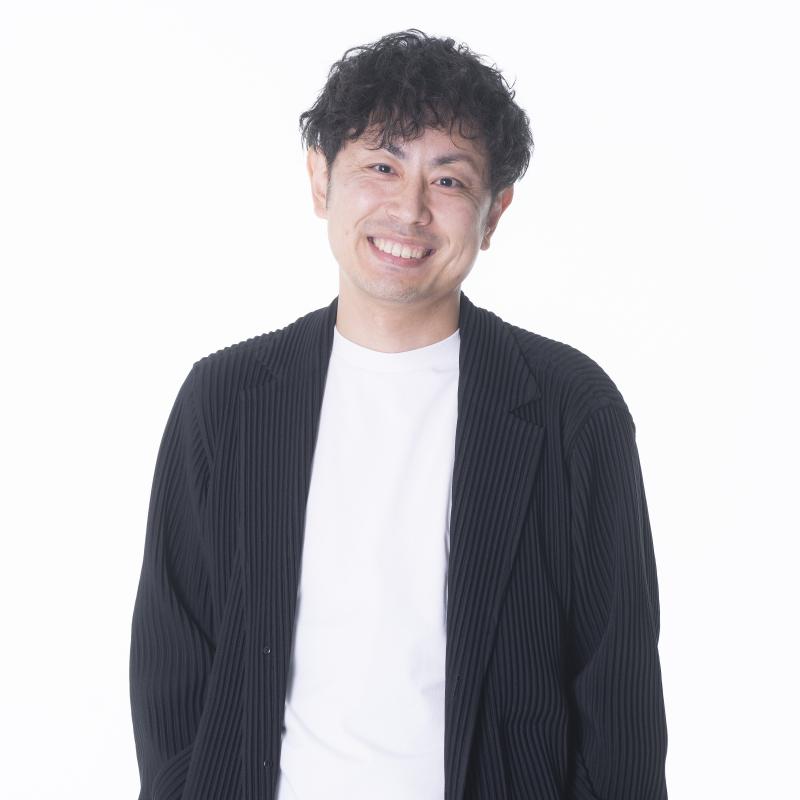
Tomoaki Miyazaki
Manager, Regional Power Creation Office, Shunkado Ltd.
Born in 1984, Fujisawa, Kanagawa Prefecture.
Studied psychology at Waseda University and entered
the bridal industry in 2008.
After working as a wedding planner and manager, he
joined Shunkado Ltd. in 2022.
He is in charge of the secretariat of the “Enshu
Japanese Chestnut Project” and is engaged in new
business projects of “regional co-creation” and
“community development” with the goal of marrying the
local community with the region.
View Profile
Close
close
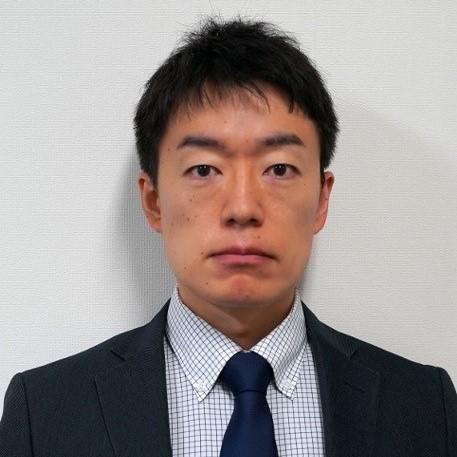
Atsushi Kakogawa
Department of Robotics, Faculty of Science and Engineering, Ritsumeikan University, Associate Professor
Completed the doctoral program in Advanced Mechanical Engineering and Roboticss at the Graduate School of Science and Engineering, Ritsumeikan University, in 2015. Doctor (Engineering). Assistant Professor at the College of Science and Engineering, Ritsumeikan University, in 2015, Visiting Assistant Professor at the Faculty of Engineering, University of Waterloo, in 2017, Lecturer at the College of Science and Engineering, Ritsumeikan University, in 2019, Associate Professor at the Research Organization of Science and Technology, Ritsumeikan University, in 2022, and current position.
View Profile
Close
close
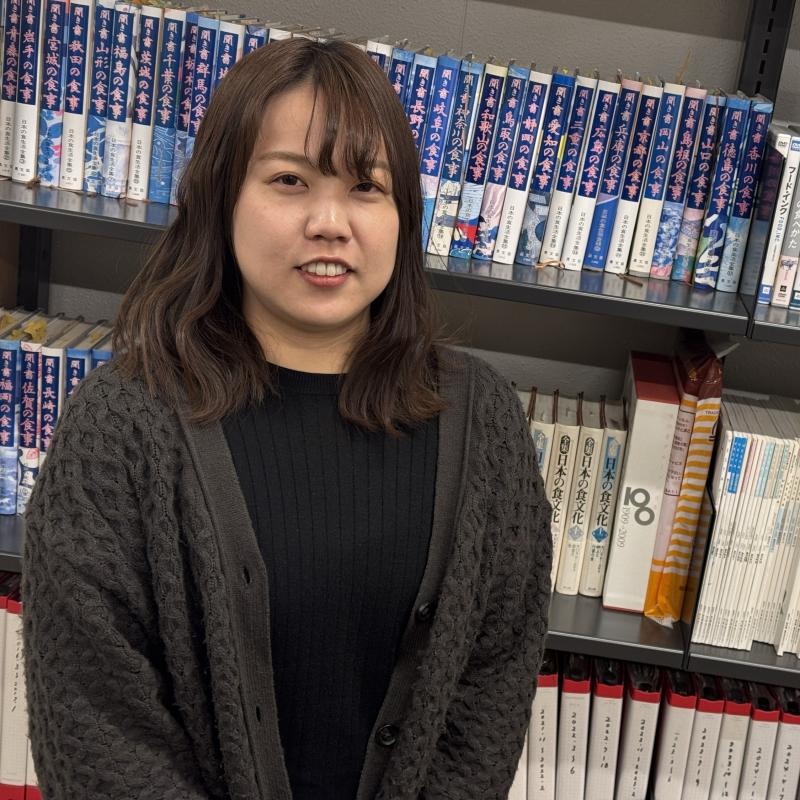
Kaho Miura
Graduate School of Gastronomy Management, Doctoral Program, Ritsumeikan University
Graduated from the College of Gastronomy Management,
Department of Gastronomy Management, Ritsumeikan
University, in March 2022. Currently enrolled in the
Graduate School of Gastronomy Management, Ritsumeikan
University, since April 2022.
Since my undergraduate studies, I have been conducting
research to elucidate the realities of food
consumption and dietary habits in the Edo period. In
particular, I focus on topics such as "shopping
practices," "tofu consumption," and
"modoki (mock) dishes."
View Profile
Close
close
Co-organiser
College of Gastronomy Management, Ritsumeikan University
Necessities of Life: Food, Clothing and Shelter Week
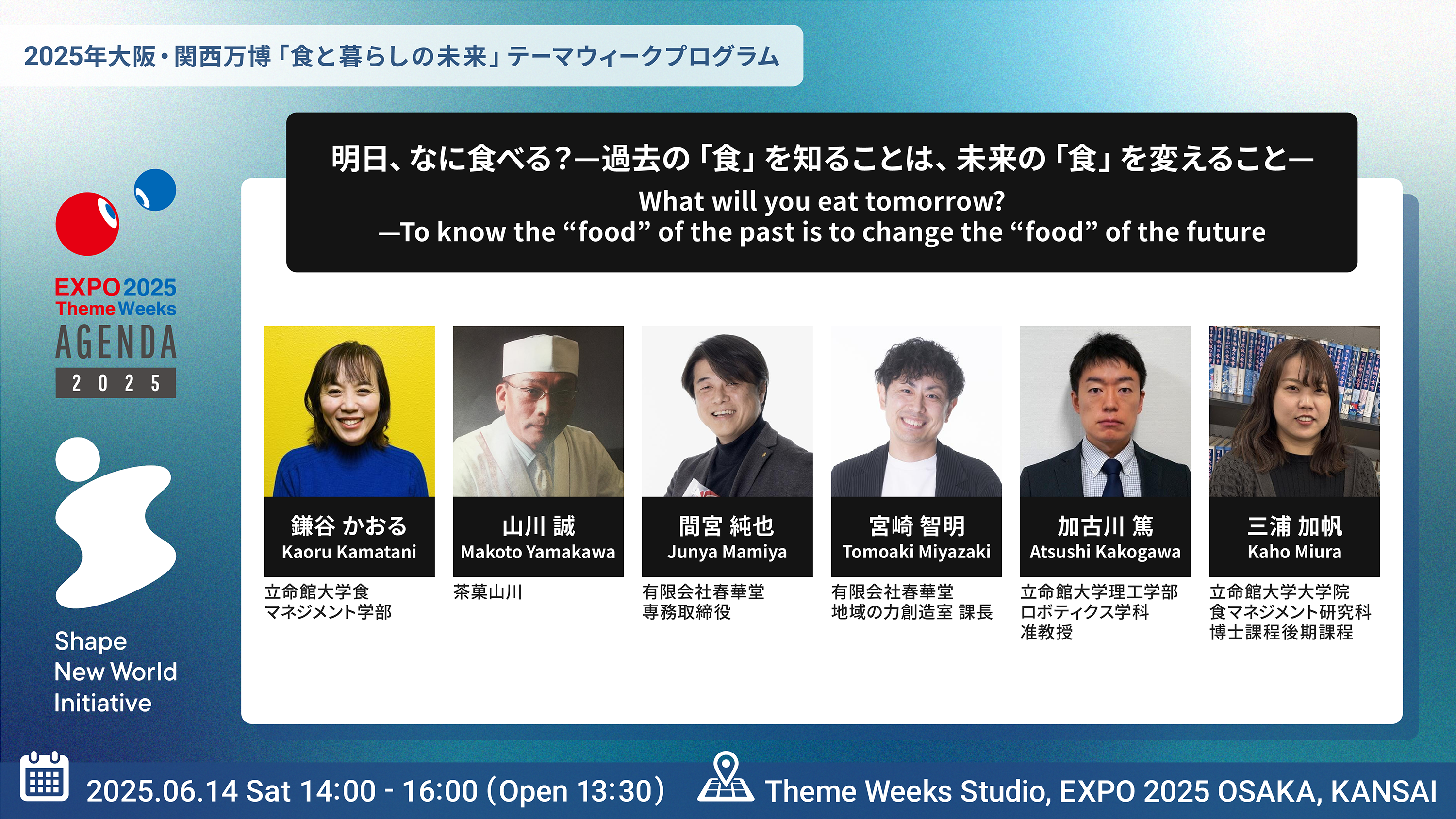
What will you eat tomorrow? ーTo know the “food” of the past is
to change the “food” of the future.
Agenda 2025 Co-created Programme
【Hypothesis of the future vision in 2050】
We value the food culture that has been nurtured, but we also
see it as a culture that changes with the “now” and look
forward to a future in which each of us can pass on the wisdom
and ingenuity of “food” in our own way.In this program, we
have prepared three sessions to discuss ways to look ahead to
the future of “food” through knowledge of “food” in the past:
first, ways to connect food culture to the future; second,
efforts to connect the wisdom of “food” in the past to the
future; and third, exploring ways to pass on “food” technology
to the future. The third is to find ways to pass on the
technology of “food” to the future.
-
2025.06.14[Sat]
14:00~16:00
(Venue Open 13:30)
- Theme Weeks Studio
OTHER PROGRAM
Necessities of Life: Food, Clothing and Shelter Week