Necessities of Life: Food, Clothing and Shelter Week
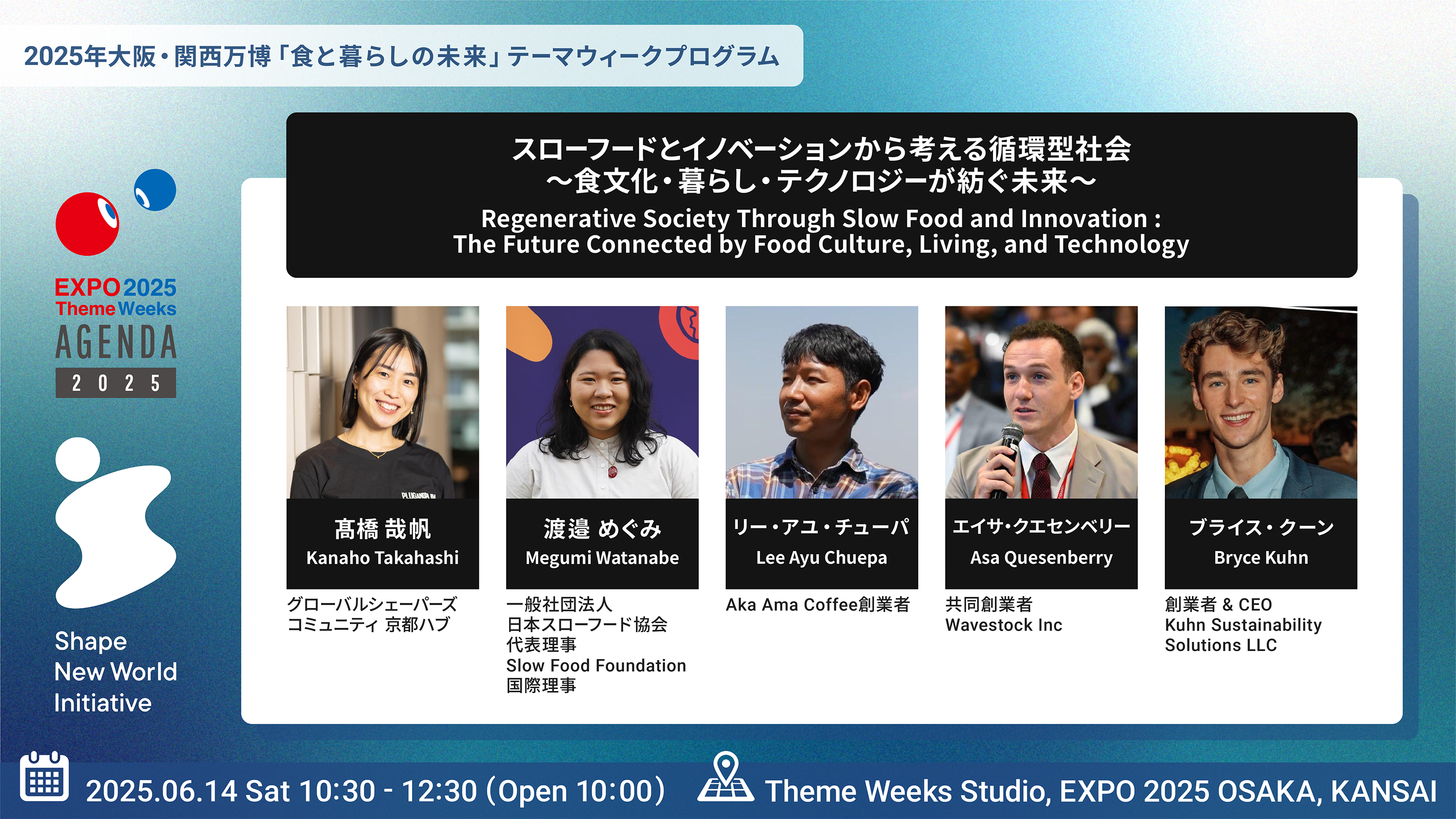
Regenerative Society Through Slow Food and Innovation: The
Future Connected by Food Culture, Living, and Technology
Agenda 2025 Co-created Programme
Shape New World Initiative
[Hypothesis of the Future in 2050]
How do food, agriculture, and our daily lives impact the
planet and society? In this session, we will explore the
idea of a circular society—one that improves the
environment—by rethinking past and present production and
consumption through the lenses of grassroots movements and
innovation. Together, we will consider concrete action plans
for creating a more sustainable future by bridging local
efforts and technological advances.
Recorded video available
Discussion
- Smart agriculture/forestry/fisheries industry
- Food tech
- Ethical consumption
| Transmission of simultaneous interpretation | Provided |
|---|---|
| Language of interpretation | Japanese and English |
-

Agenda2025
Co-created Programme
-
Time and
Date of
the event -
-
2025.06.14[Sat]
10:30 ~ 12:30
(Venue Open 10:00)
-
- Venue
- Theme Weeks Studio
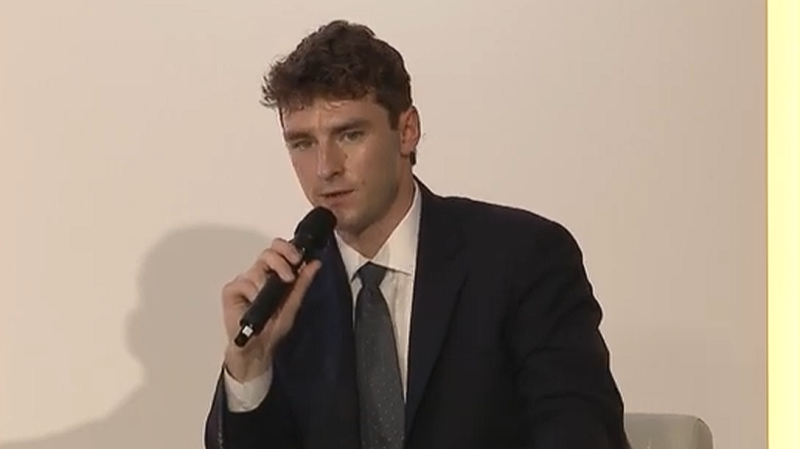
Programme details
*Subtitles: Choose “Subtitles/CC” in the “Settings” (gear
icon) at the bottom right of the YouTube video.
*Subtitles may not show with multiple languages or overlapping
audio.
The term “sustainability” has long gained public recognition,
yet voices are rising that sustainability alone is not enough
to solve today’s pressing environmental issues. To achieve a
truly circular society, we must reconnect the previously
divided realms of production and consumption and actively
improve our relationship with the Earth. In this session, we
welcome speakers from grassroots movements and the innovation
sector to explore how nature-based farming practices
contribute to sustainable food systems and revitalized local
economies. We will also discuss how technology can support the
transition to a circular society, address challenges faced by
producers, and emphasize the importance of consumer behavior
change. By highlighting domestic and international initiatives
in regenerative agriculture, fisheries, and food loss
reduction, we aim to reflect on the future of food from both
the perspectives of innovation and grassroots action.
Reports
【Reflection】
This program, titled "Regenerative Society Through Slow
Food and Innovation," fostered a dialogue that
reconnected diverse fields such as culture, nature, and
technology. A central question explored by all speakers was
how to integrate the ethical values embedded in slow
food—“good, clean, and fair”—with the transformative potential
of innovation, in order to realize a regenerative, circular
society for the future.
One particularly powerful theme that emerged was the shared
recognition among speakers from different sectors that
“relationships of trust between people form the true
foundation of circularity.” It was widely acknowledged that
neither technology nor policy alone can bring about societal
change; instead, mutual understanding, empathy, and dialogue
are essential. This perspective was deeply grounded in the
speakers’ diverse on-the-ground experiences—from agriculture
and indigenous knowledge to entrepreneurship and startup
ecosystems.
A key topic of discussion was how to reconnect the fragmented
realms of production and consumption, urban and rural,
technology and culture. The speakers emphasized the importance
of inclusive structures where everyone—regardless of their
background—can participate as active agents in shaping a
circular society. In this context, the concept of
"translation" became central—not merely linguistic
translation, but the adaptation of knowledge and information
to specific cultural and social contexts, ensuring messages
are communicated in ways that truly resonate.
Rather than treating circular society as a purely systematic
solution, this dialogue illuminated the need to redesign human
relationships themselves. The process of sharing field-based
wisdom and co-creating a common language for discussion served
as a major step toward building long-term networks catalyzed
by the Osaka-Kansai Expo 2025.
【Post EXPO Initiatives】
Through this program, a shared commitment emerged among
speakers and organizers to maintain cross-sector and
cross-cultural collaboration beyond the Expo, with a clear
goal: to put regenerative society into practice. Participants
deepened their understanding that realizing a circular society
requires more than advancing isolated efforts in each
specialized field—it demands reconnecting knowledge, culture,
and technology in a holistic and transdisciplinary manner.
One concrete initiative under consideration involves
uncovering and re-presenting the stories behind local food
cultures and production practices. These efforts aim to go
beyond simply conveying information, instead leveraging
storytelling and multimedia tools to foster emotional and
cultural connections between producers and consumers. This is
expected to help rebuild relationships between urban consumers
and rural producers, offering a renewed sense of shared
responsibility.
Another key area is the adaptation of technology through
localized translation—not just linguistically, but also in
terms of daily life, customs, and values. The speakers
expressed interest in launching joint research and pilot
projects to test and refine these approaches. Such efforts are
essential to overcome barriers that often accompany
cross-cultural technology transfers and to bring global
solutions into alignment with local realities.
Additionally, the formation of a collaborative network
spanning diverse fields—such as food, agriculture, technology,
and education—is already underway. This network is not just
about partnerships in name, but about redefining the very
nature of “who collaborates with whom, and how.” These
evolving relationships are expected to create new spaces for
continuous dialogue and co-creation.
Youth engagement was also positioned as a central pillar of
future efforts. The speakers emphasized the importance of
fostering the next generation of changemakers through
participatory education that bridges urban and rural
communities, producers and consumers, young and old.
Education, they agreed, is not only a means to transmit
knowledge, but a way to cultivate a deep sense of connection
to society.
In this way, the dialogue initiated at the Expo is already
leading to a series of practical actions across Japan and
internationally. These efforts are expected to continue
expanding and deepening, rebuilding relationships between
people, regions, and the world—going beyond sustainability and
toward true regeneration.
*Part or all of this report was generated by AI.
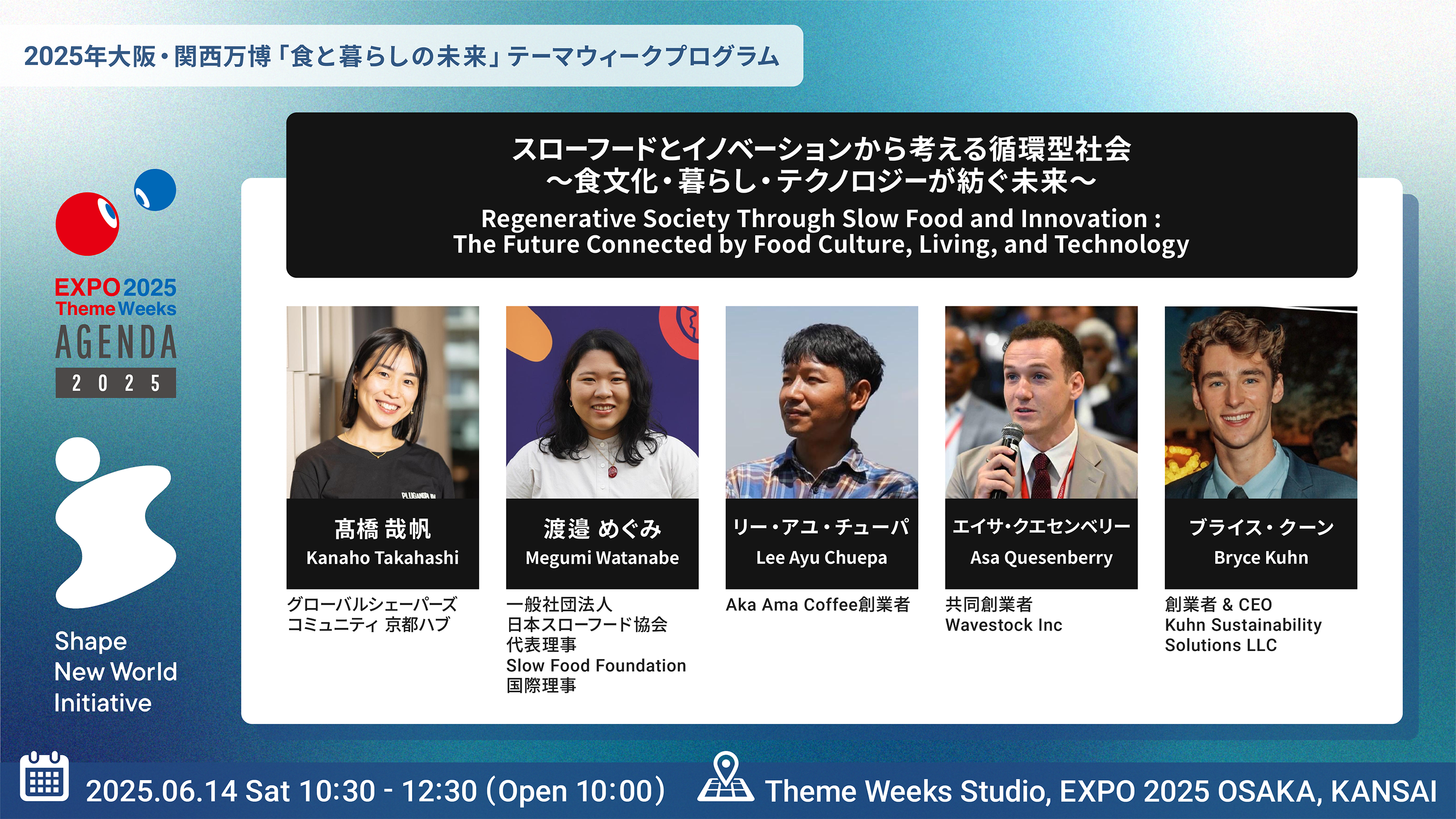
Cast
Moderator
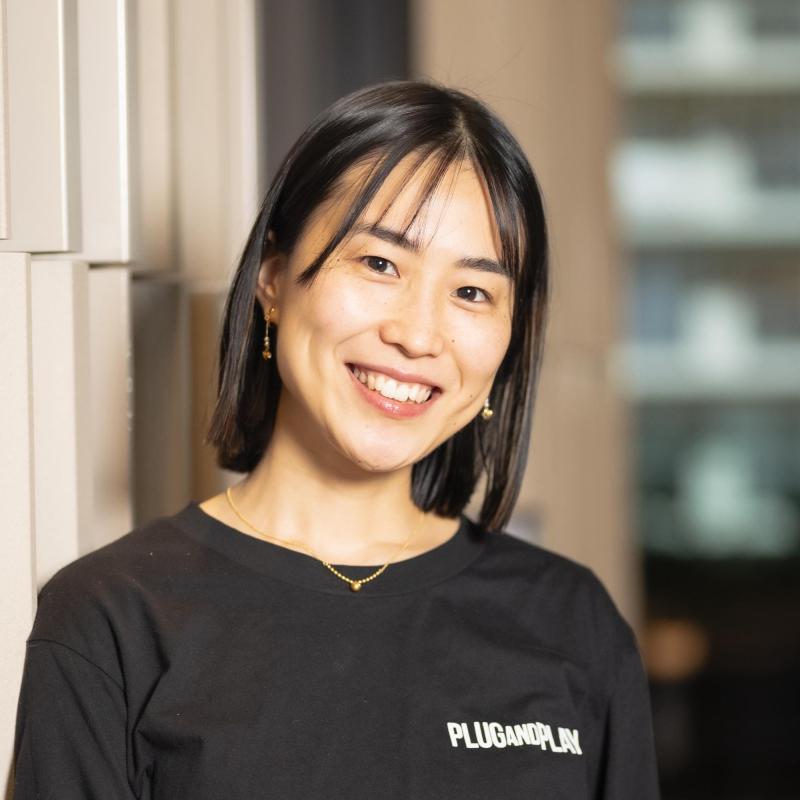
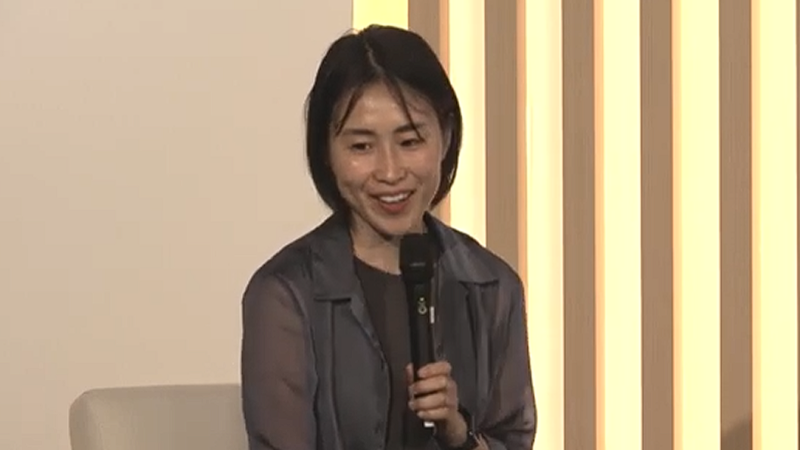
Kanaho Takahashi
Global Shapers Community Kyoto Hub
Kanaho had an interest in food issues as a child, which led to involvement in the Slow Food movement during university. She organized a food loss awareness project or supported the Japanese delegation at international Slow Food conferences. Currently based in the Kansai region, she engages in startup support. Passionate about creating a better society through both grassroots efforts and innovation, bridging community-based action with forward-thinking solutions.
View Profile
Close
close
Speakers
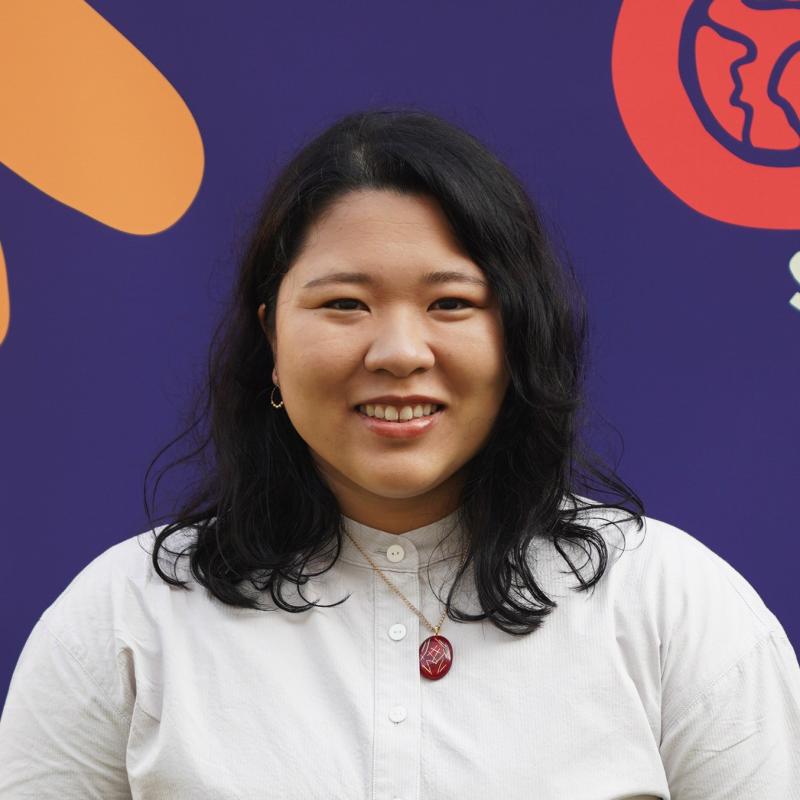
Megumi Watanabe
President, Slow Food Nippon Slow Food Foundation Member, Board of Directors
Megumi has been engaged as a Representative Director at Slow Food Nippon since 2019. She earned her master's degree at the University of Gastronomic Sciences, which the Slow Food Association founded.
View Profile
Close
close
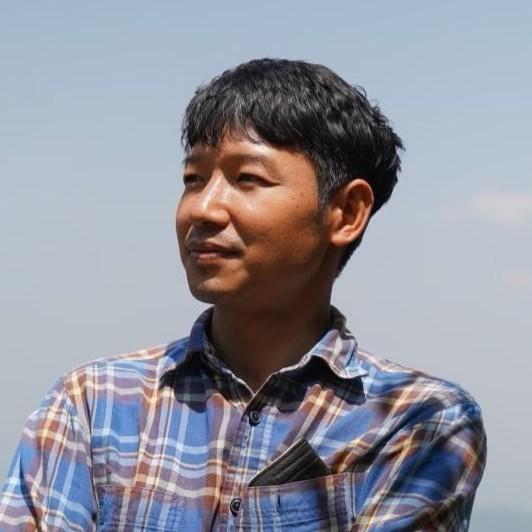
Lee Ayu Chuepa
Akha Ama Coffee
Lee Ayu Chuepa, founder of Aka Ama Coffee in Chiang
Mai, Thailand, grew up in the Akha indigenous
community. Witnessing the struggles of local farmers,
he launched Aka Ama in 2010 to create sustainable
change. The company specializes in high-quality,
single-origin coffee, working directly with farmers to
ensure fair trade and empower the community.
By blending traditional Akha farming techniques with
modern methods, Lee has transformed his village into a
recognized hub for specialty coffee, earning
international accolades. His work champions
sustainability, cultural preservation, and ethical
business, making Aka Ama a model for impactful social
enterprise.
View Profile
Close
close
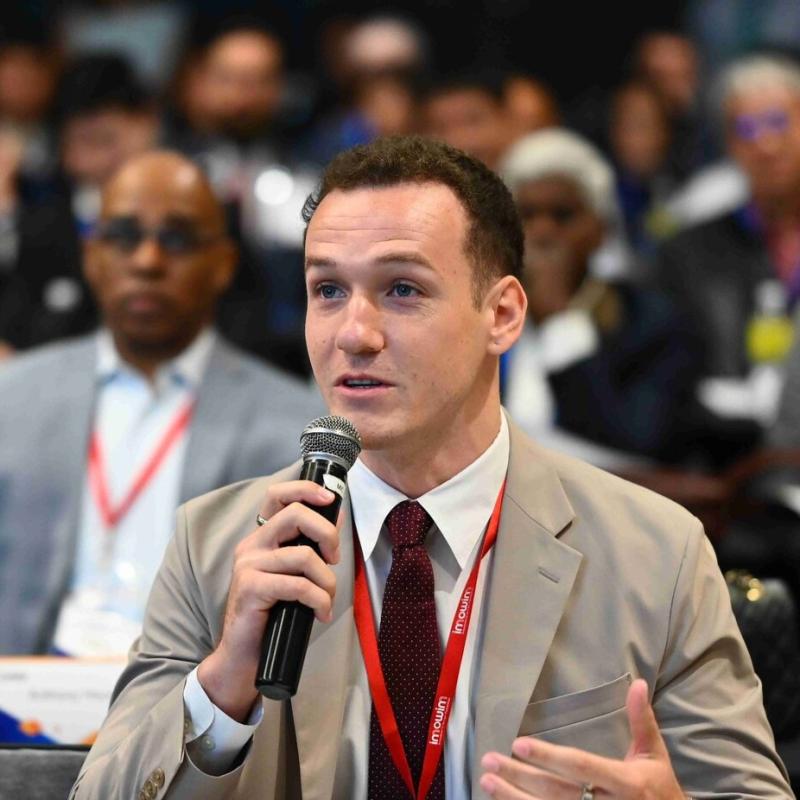
Asa Quesenberry
Co-founder, Wavestock Inc
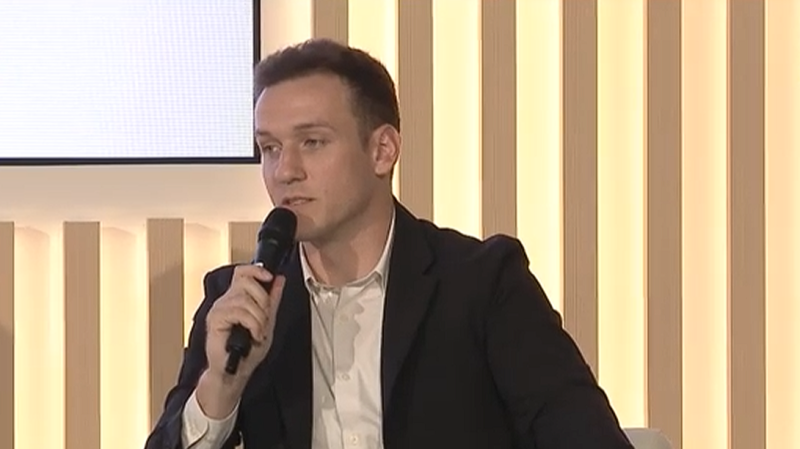
Asa Quesenberry is the co-founder of Wavestock, where he leads initiatives to connect everyday investors with regenerative aquaculture projects around the world. With over a decade of experience working with startups across the U.S. and Asia, Asa has shifted his focus to sustainable food systems. At Wavestock, he is working to make it easier for individuals to invest in and support local seafood production and the coastal communities that depend on it. His mission is to bridge the gap between investors and impact-driven aquaculture ventures that promote ocean health, food security, and resilient coastal economies.
View Profile
Close
close

Bryce Kuhn
Founder & CEO, Kuhn Sustainability Solutions LLC
Bryce Kuhn is the Founder & CEO of Kuhn
Sustainability Solutions, specializing in regenerative
food systems, aquaculture innovation, and
climate-adaptive business development. With over 10
years of experience, Bryce has worked with leading
companies in vertical farming, seaweed cultivation,
and climate tech across North and Central America.
He has led regulatory strategy for major projects
including a $500,000 U.S. government–funded seaweed
biostimulant research initiative involving Cornell and
Washington State Universities, as well as
farmer-driven innovation efforts in Belize. His
expertise spans regulatory strategy, product
development, capital planning, and market
expansion.
A frequent collaborator with startups, universities,
and nonprofits, he focuses on scaling sustainable
technologies and connecting traditional producers with
emerging innovations. Bryce is a sought-after speaker
on the future of food systems and presented at NYC
Climate Week 2024.
View Profile
Close
close
Necessities of Life: Food, Clothing and Shelter Week
Regenerative Society Through Slow Food and Innovation: The
Future Connected by Food Culture, Living, and Technology
Agenda 2025 Co-created Programme
[Hypothesis of the Future in 2050]
How do food, agriculture, and our daily lives impact the
planet and society? In this session, we will explore the idea
of a circular society—one that improves the environment—by
rethinking past and present production and consumption through
the lenses of grassroots movements and innovation. Together,
we will consider concrete action plans for creating a more
sustainable future by bridging local efforts and technological
advances.
-
2025.06.14[Sat]
10:30~12:30
(Venue Open 10:00)
- Theme Weeks Studio
OTHER PROGRAM
Necessities of Life: Food, Clothing and Shelter Week