Necessities of Life: Food, Clothing and Shelter Week
Let’s BEE sustainable! - Innovations and Sustainability in Hungarian Beekeeping
Hungary
Hungary is one of the leading beekeeping nations in the
European Union, with centuries-old traditions and a uniquely
high density of bee colonies — approximately 13 per square
kilometer. Home to nearly 1.2 million bee colonies and over
20,000 beekeepers, Hungary’s ecological conditions are ideal
for beekeeping across most of the country. Each year,
Hungary produces between 25,000 and 30,000 tons of honey,
60% of which is exported. Among its products, Hungarian
acacia honey stands out as a true rarity, recognized as a
Hungarikum, while the country’s multifloral and varietal
honeys are also of outstanding quality.
This event will spotlight how Hungarian beekeepers are
adapting to the challenges of a changing world to ensure the
long-term sustainability of the sector. Topics will include
adaptation to shifting floral resources, technological
innovation in beekeeping, and the importance of continuous
professional education. New Hungarian innovations in
apicultural tools will also be presented — solutions with
potential interest for the international beekeeping
community.
※
Recorded video available
Discussion
- Food tech
- Smart agriculture/forestry/fisheries industry
| Transmission of simultaneous interpretation | Provided |
|---|---|
| Language of interpretation | Japanese and English |
-

Track Programme
-
Time and
Date of
the event -
-
2025.06.13[Fri]
18:30 ~ 20:30
(Venue Open 18:00)
-
- Venue
- Theme Weeks Studio
Programme details
*Subtitles: Choose “Subtitles/CC” in the “Settings” (gear
icon) at the bottom right of the YouTube video.
*Subtitles may not show with multiple languages or overlapping
audio.
Programme:
- Opening speech
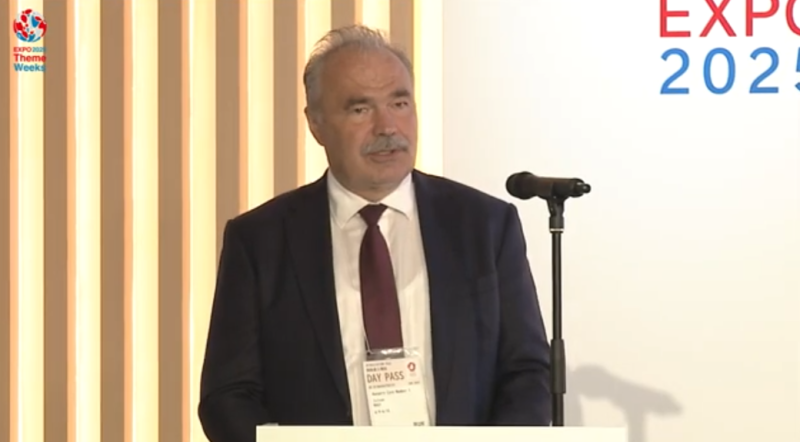
by Dr. István Nagy (Minister of Agriculture, Hungary)
- The ecological and agricultural importance of bees, and the
impact of climate change on beekeeping
Speaker: Ildikó Arany (Bükk National Park Directorate /
Hungarian University of Agriculture and Life Sciences)
- Environmental sustainability: Changes in floral resources
from natural and cultivated lands over the past 30 years
Speaker: Dr. András Bónai (Hungarian Beekeepers’
Association)
- Presentation of innovative Hungarian beekeeping
technologies
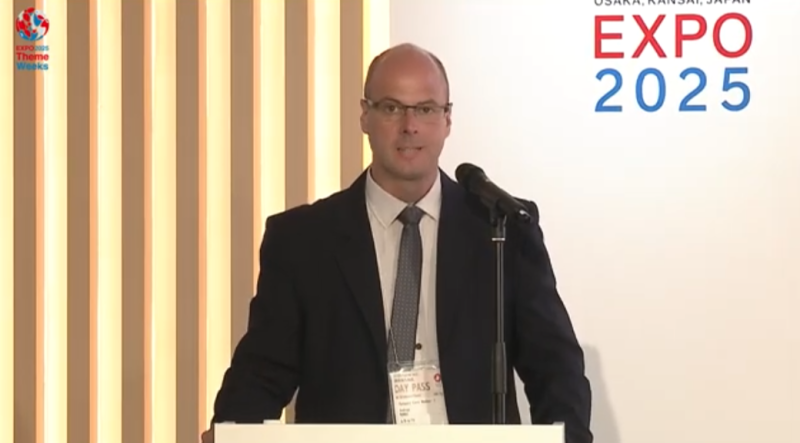
Speaker: Ferenc Stencli (Hungarian Beekeepers’ Association)
- Hungarian acacia honey in the context of social and
environmental sustainability: Educational programs and
national outreach
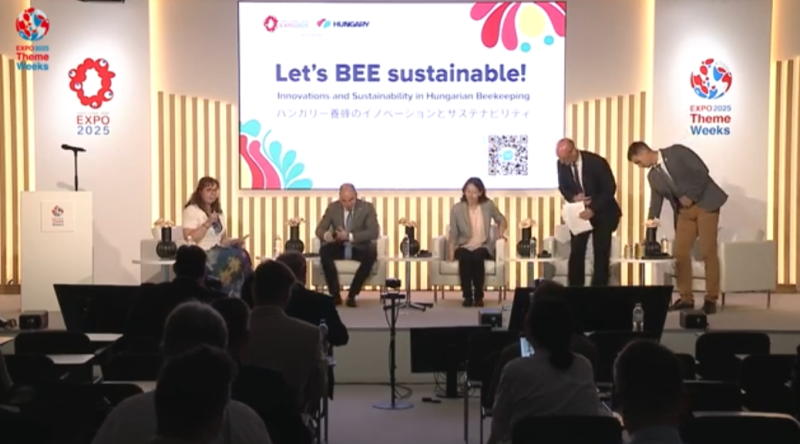
Panel Discussion Participants:
Péter Ondré (Agricultural Marketing Centre)
Ildikó Arany (Bükk National Park Directorate / Hungarian
University of Agriculture and Life Sciences)
Ferenc Stencli – (Hungarian Beekeepers’ Association)
Dr. András Bónai (Hungarian Beekeepers’ Association)
- Q&A Session
Reports
【Reflection】
The panel discussion titled “Let’s BEE Sustainable! -
Innovations and Sustainability in Hungarian Beekeeping” aimed
to highlight the integral role of bees in agriculture and
environmental sustainability. It welcomed distinguished
guests, including government officials and representatives
from various organizations, all dedicated to the preservation
of bee populations and the promotion of sustainable beekeeping
practices.
The opening remarks emphasized the importance of bees not only
for their production of honey but also for their critical role
in pollination, which is essential for the health of
ecosystems and the stability of food systems. The speaker
expressed gratitude to all attendees, indicating that their
presence signifies a shared appreciation for bees and the need
to protect them.
The keynote speaker, Dr. István Nagy, Hungary's Minister
of Agriculture, was invited to deliver an official address.
His speech highlighted the urgent need for supporting
beekeeping and protecting bee populations, addressing the
challenges posed by climate change and other environmental
factors.
Following Dr. Nagy’s remarks, a short film was presented to
showcase Hungary’s beekeeping traditions, enhancing
attendees' understanding of the cultural context within
which these practices occur. The film served as both an
educational tool and a way to foster appreciation for
Hungary's rich beekeeping heritage.
After the film, the presentations and the panel discussion
focused on the significance of pollination, particularly the
role played by bees. Pollination was described as a crucial
biological function that links the male and female parts of
flowering plants, facilitating their reproduction. It was
noted that about 90% of flowering plant species rely on animal
pollinators, with bees being the most efficient among them.
Various pollinators, including butterflies, moths, and
specialized flies, were acknowledged; however, bees were
highlighted for their unique adaptations that make them
champions of pollination.
The speeches and discussions also touched on the diversity of
bee species, with over 20,000 known throughout the world.
Their physical characteristics were detailed, such as their
hairy bodies, which can attract pollen due to electrostatic
charges, and specific structures like pollen baskets on their
hind legs for collecting pollen efficiently.
Furthermore, the phenomenon of buzz pollination, used by
bumblebees to release pollen tightly held in flowers, was
explained. This technique is particularly effective for plants
like cranberries and tomatoes, showcasing the specialized
behaviours that different bee species have developed over time
to enhance their role in ecosystems.
Overall, the conference aimed to foster dialogue about the
importance of bees for biodiversity, agriculture, and the
vulnerable ecological balance amid climate change. The
collaboration among experts, policy-makers, and advocates for
beekeeping was emphasized as vital for advancing innovations
that support sustainable practices and ensure the survival of
bee populations. The discussion concluded with a call to
action for all stakeholders to engage in efforts to protect
bees and their habitats, reflecting a collective commitment to
sustainability and the future of beekeeping in Hungary and
beyond.
【Post EXPO Initiatives 】
Following “Let’s BEE Sustainable! - Innovations and
Sustainability in Hungarian Beekeeping,” Hungary has several
initiatives aimed at promoting sustainable beekeeping and
protecting bee populations.
1. **National Beekeeping Strategy**: Hungary is developing a
comprehensive national strategy to protect bees and their
habitats. This strategy will focus on supporting beekeepers
through education and sustainable practices.
2. **Research and Innovation Grants**: The government will
allocate funds for research projects that aim to enhance bee
health and productivity, as well as develop new technologies
for sustainable beekeeping.
3. **Education and Awareness Programs**: To raise awareness
about the significance of bees, Hungary plans to implement
educational initiatives targeting schools and communities.
These programs will cover the role of bees in pollination and
the challenges they face.
4. **Collaborations and Partnerships**: Hungary will establish
partnerships with local and international organizations
dedicated to bee conservation. By sharing resources and
knowledge, these collaborations aim to improve sustainable
practices in beekeeping.
5. **Pollinator-Friendly Policies**: The government will
review agricultural policies to promote practices that are
beneficial to pollinators, including organic farming and
reduced pesticide use.
6. **Community Engagement Initiatives**: Local communities
will be encouraged to participate in workshops and projects
related to beekeeping, fostering a sense of responsibility
toward bee conservation.
7. **Monitoring and Data Collection**: Hungary plans to
enhance monitoring efforts regarding bee populations, creating
a database to track species diversity and health.
8. **International Collaboration**: Hungary aims to connect
with global initiatives focused on bee conservation, sharing
best practices and participating in international forums.
These initiatives reflect Hungary’s commitment to ensuring the
sustainability of its beekeeping industry and recognizing the
essential role bees play in the ecosystem.
Cast
Speakers
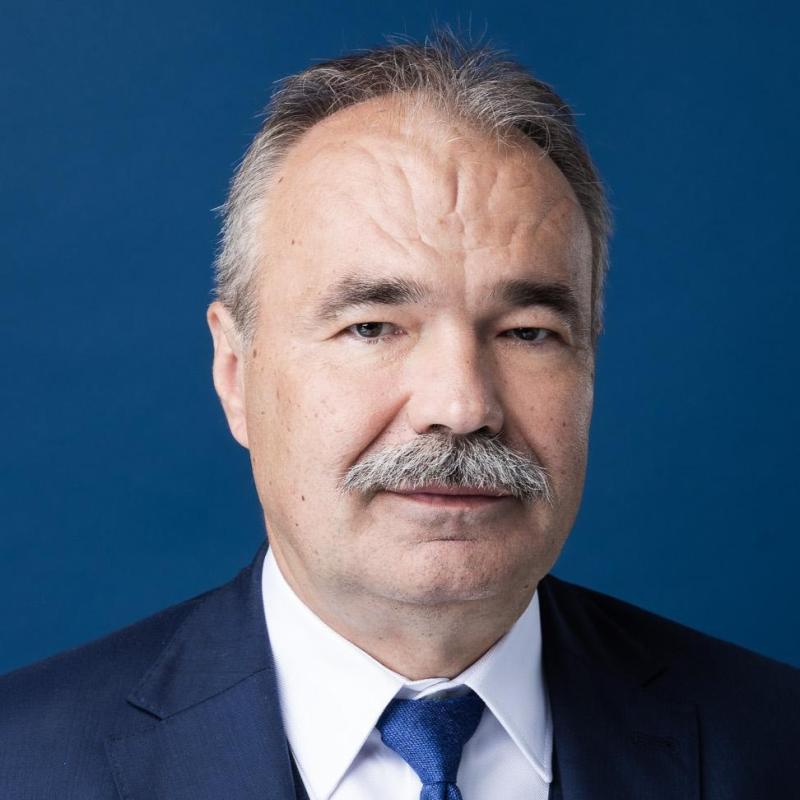
István Nagy
Minister of Agriculture, Hungary
View Profile
Close
close

Ildikó Arany
PhD, Advisor, Bükk National Directorate & Hungarian University of Agriculture and Life Sciences
Ildikó Arany has a background in biology and her early career experiences included research in vegetation ecology and biodiversity policy at national and EU level. She earned a PhD in the Hungarian University of Agriculture and Life Sciences in the topic of assessing honey provisioning capacity as an ecosystem service. During her research she has applied participatory methods, working with several beekeepers. Currently she works for the Bükk National Park Directorate, being responsible for, among other topics, the protection of pollinator species. She is an amateur beekeeper herself.
View Profile
Close
close

Dr. András Bónai
Full time beekeper, Vice President of the Hungarian Beekeepers’ Association
He graduated as an Animal Breeding Agricultural Engineer, and later as a Specialist Microbiologist. He earned a doctorate in Animal Breeding Sciences. He has taught Microbiology at the university level, while Animal Breeding and Animal Hygiene at the secondary school level. He has been involved in beekeeping for twenty years and has been a full-time beekeeper for the past ten years. He currently manages more than one hundred bee colonies. As a part of adult education, he teaches beekeeping, offering both online and practical training courses, and he also serves as an examiner within the beekeeping education and certification process. He has been active in beekeeping public affairs for five years, both nationally and internationally. Furthermore, he is the Vice President of the Hungarian National Beekeeping Association.
View Profile
Close
close

Ferenc Stencli
Full time beekeper, Member of the Presidency of the Hungarian Beekeepers’ Association
He is a full-time beekeeper. He holds a degree in Technical Management and a master’s in Economics. He initially worked for multinational companies in the fields of information management and service management. Fourteen years ago, he decided to leave that career path and join his family’s beekeeping business instead. Beekeeping has been a tradition in his family for more than a hundred years, therefore, he was born into this profession, and he also earned a professional qualification in beekeeping in 2012. Today, he and his father manage between 200 and 300 bee colonies. He is also a member of the executive board of the Hungarian National Beekeeping Association.
View Profile
Close
close

Péter Ondré
Managing Director of Agricultural Marketing Centre
He has been the Managing Director of the Agricultural Marketing Centre since 2018. Under his leadership, the organization has launched numerous campaigns to promote consumption, particularly in the honey sector. In recent years, promotional efforts have focused on showcasing the diverse range of honey types—especially varietal honeys—while also highlighting the sector's role in agriculture and the importance of pollination. In addition, the organization maintains continuous and close contact with honey producers, who are its regular professional partners. During international export promotions, they provide numerous exhibitors with the opportunity to present themselves, thereby enhancing the global reputation of Hungarian honey.
View Profile
Close
close
Necessities of Life: Food, Clothing and Shelter Week
Let’s BEE sustainable! - Innovations and Sustainability in Hungarian Beekeeping
Hungary is one of the leading beekeeping nations in the
European Union, with centuries-old traditions and a uniquely
high density of bee colonies — approximately 13 per square
kilometer. Home to nearly 1.2 million bee colonies and over
20,000 beekeepers, Hungary’s ecological conditions are ideal
for beekeeping across most of the country. Each year, Hungary
produces between 25,000 and 30,000 tons of honey, 60% of which
is exported. Among its products, Hungarian acacia honey stands
out as a true rarity, recognized as a Hungarikum, while the
country’s multifloral and varietal honeys are also of
outstanding quality.
This event will spotlight how Hungarian beekeepers are
adapting to the challenges of a changing world to ensure the
long-term sustainability of the sector. Topics will include
adaptation to shifting floral resources, technological
innovation in beekeeping, and the importance of continuous
professional education. New Hungarian innovations in
apicultural tools will also be presented — solutions with
potential interest for the international beekeeping
community.
※
-
2025.06.13[Fri]
18:30~20:30
(Venue Open 18:00)
- Theme Weeks Studio
OTHER PROGRAM
Necessities of Life: Food, Clothing and Shelter Week