Necessities of Life: Food, Clothing and Shelter Week
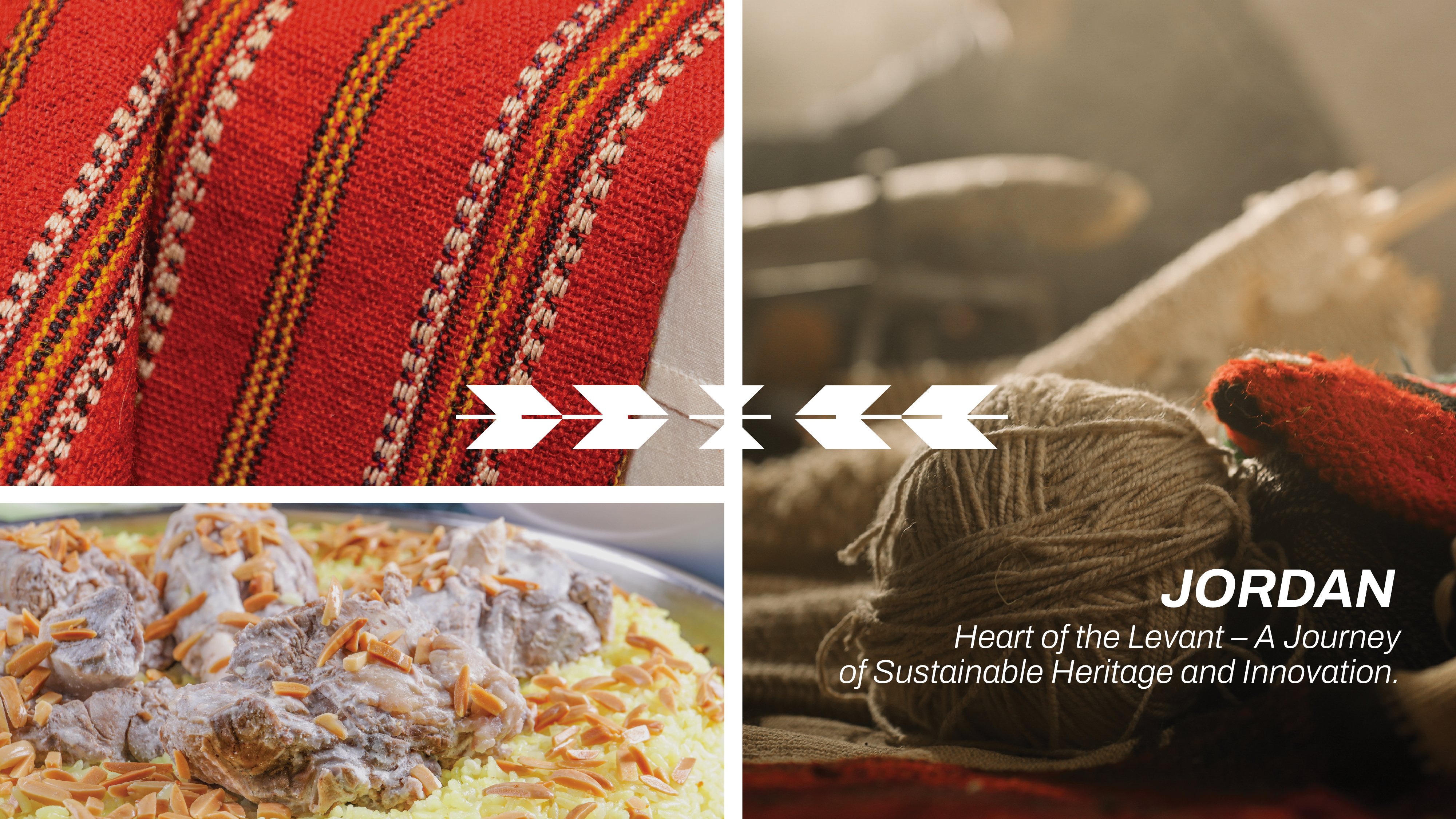
Jordan: Heart of the Levant – A Journey of Sustainable Heritage and Innovation.
The Hashemite Kingdom of Jordan
The event flows through three segments, each reflecting Jordan's heritage, sustainability, and innovation.
Recorded video available
Discussion
- Immigration #Diversity and inclusion #Sustainable Practices
| Transmission of simultaneous interpretation | Not provided |
|---|---|
| Language of interpretation | English |
-

Track Programme
-
Time and
Date of
the event -
-
2025.06.07[Sat]
14:00 ~ 16:30
(Venue Open 13:30)
-
- Venue
- Theme Weeks Studio

Programme details
*Subtitles: Choose “Subtitles/CC” in the “Settings” (gear
icon) at the bottom right of the YouTube video.
*Subtitles may not show with multiple languages or overlapping
audio.
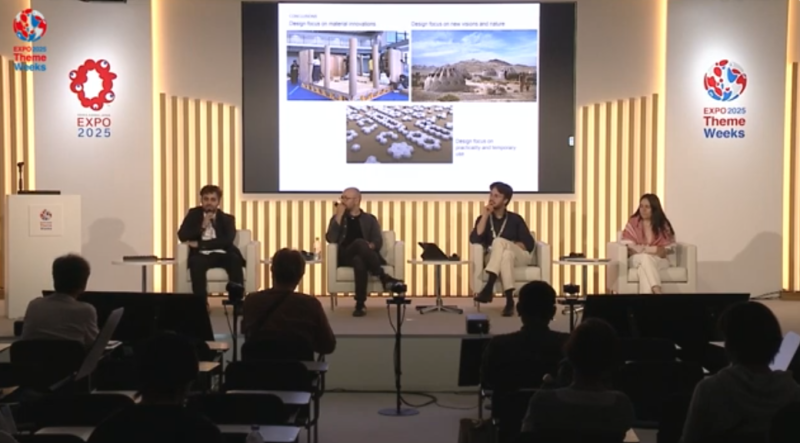
We begin with Jordan’s culinary traditions, exploring
sustainable practices where nothing goes to waste and making
Jordan a leader in Levantine cuisine. Then leads into the
evolution of textiles and fashion—from traditional garments to
modern innovations by Jordanian designers. Finally, we
highlight Jordan’s humanitarian efforts in refugee camps,
showcasing architecture students’ projects to improve refugee
living conditions. These segments celebrate Jordan's
commitment to culture, resilience, and progress.
Reports
【Reflection】
The panel discussion titled “Jordan: Heart of the Levant – A
Journey of Sustainable Heritage and Innovation”, presented by
The Hashemite Kingdom of Jordan at the Theme Weeks of EXPO
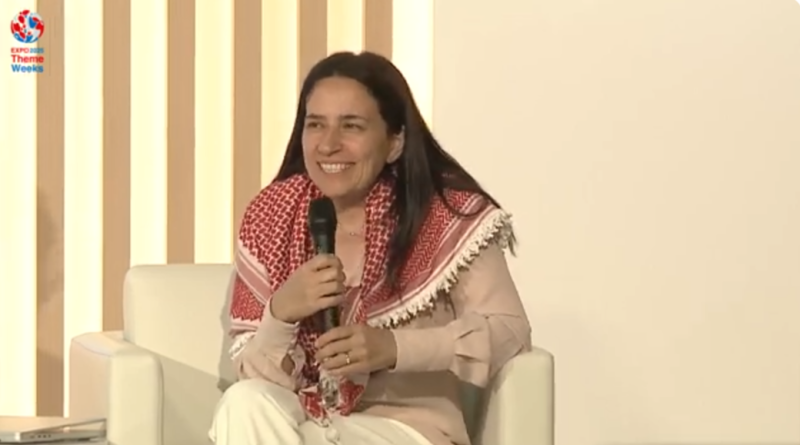
2025 Osaka, Kansai, Japan, featured Dr. Ayham Dalal, Assistant
Professor and researcher at the German University in Cairo.
The session explored Jordan’s rich cultural history,
sustainable traditions, and innovative approaches to
preserving heritage.
Dr. Dalal began by situating Jordan geographically as a
crossroads between Asia, Africa, and Europe. This strategic
location has made Jordan a melting pot of civilizations
including Persian, Assyrian, Egyptian, Greek, Roman,
Byzantine, Islamic, and Ottoman cultures. This diverse
heritage is reflected in Jordan’s culinary traditions,
architecture, crafts, and way of life.
The discussion highlighted Jordan’s ancient relationship with
food, tracing back to 14,000 years ago, when some of the
earliest evidence of bread-making was discovered in the
region. Food, in Jordan, is not just sustenance but a symbol
of hospitality, social bonding, and cultural continuity.
Traditional practices such as farming, foraging, and cooking
with local, seasonal ingredients are seen as vital to
sustainable living.
Jordan’s commitment to sustainability also extends to its
architectural and urban development. Traditional Jordanian
architecture utilizes local materials such as stone and mud,
designed to harmonize with the environment. Dr. Dalal
emphasized the importance of reviving and modernizing these
traditional construction methods to meet current
sustainability challenges while preserving cultural identity.
A key theme was the integration of innovation with heritage
preservation. Jordan is actively promoting eco-tourism,
sustainable agriculture, and community-based heritage projects
to both support local economies and protect the environment.
Initiatives include restoring historic sites, supporting craft
artisans, and encouraging sustainable tourism that respects
cultural and ecological balance.
The panel concluded by calling for global cooperation and
cultural exchange to address shared challenges such as climate
change, urbanization, and loss of cultural heritage. Dr. Dalal
stressed that sustainable development in Jordan is deeply
rooted in ancient wisdom and traditions that are adaptable to
modern contexts.
In essence, Jordan offers the world a model where history,
culture, and innovation coexist to create a resilient and
sustainable society. The country’s rich legacy of hospitality,
craftsmanship, and environmental harmony serves as inspiration
for global audiences navigating the complexities of the 21st
century.
【Post EXPO Initiatives】
Following the inspiring panel “Jordan: Heart of the Levant” at
EXPO 2025, the Hashemite Kingdom of Jordan is expected to
continue and expand its commitment to sustainability, heritage
preservation, and innovation.
One key initiative will likely focus on the revitalization of
local crafts and traditional industries. By supporting
artisans and promoting handmade products both domestically and
internationally, Jordan can empower communities economically
while preserving intangible cultural heritage.
Jordan may also advance sustainable tourism that highlights
its rich cultural and natural assets—such as Petra, Wadi Rum,
and eco-lodges—offering authentic experiences that balance
environmental protection with community development. By
strengthening eco-tourism and heritage tourism, Jordan can
position itself as a leader in responsible travel.
In architecture and urban planning, Jordan is likely to invest
in reviving traditional construction methods—such as using
local stone and mud—which can reduce environmental impact and
help communities adapt to climate change. Combining ancient
wisdom with modern technologies could make Jordan a model for
sustainable urban living.
Education and knowledge-sharing will also play a central role.
Jordan can create international exchange programs, academic
partnerships, and digital platforms to share its experiences
with global audiences and learn from others.
In essence, Jordan’s post-EXPO strategy will likely seek to
blend tradition and innovation, ensuring that heritage is not
only preserved but actively used to build a sustainable,
resilient, and inclusive future for its people and the world.
Cast
Speakers

Dr. Ayham Dalal
Assistant Professor and researcher at the German University in Cairo
View Profile
Close
close
Necessities of Life: Food, Clothing and Shelter Week
Jordan: Heart of the Levant – A Journey of Sustainable Heritage and Innovation.
The event flows through three segments, each reflecting Jordan's heritage, sustainability, and innovation.
-
2025.06.07[Sat]
14:00~16:30
(Venue Open 13:30)
- Theme Weeks Studio
OTHER PROGRAM
Necessities of Life: Food, Clothing and Shelter Week