Health and Well-being Week
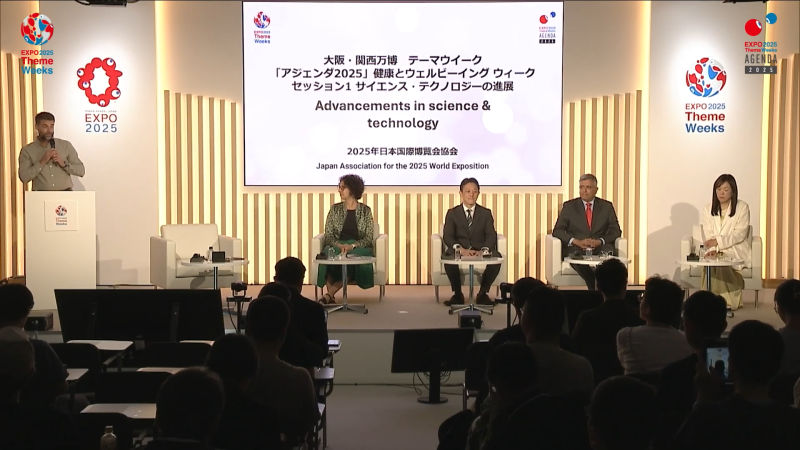
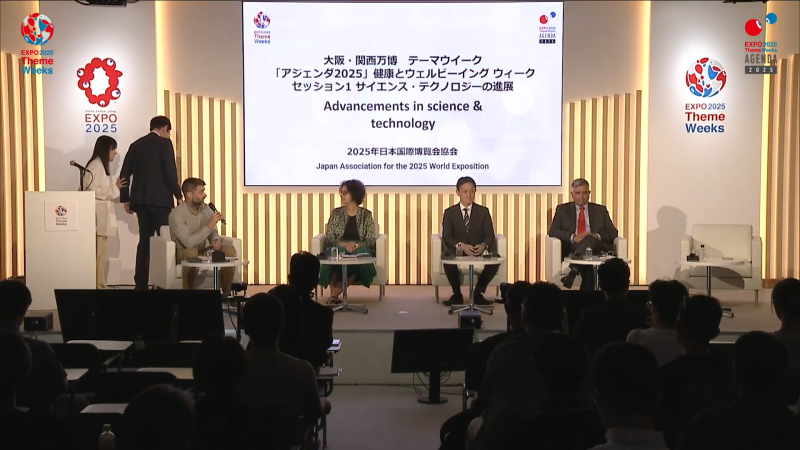
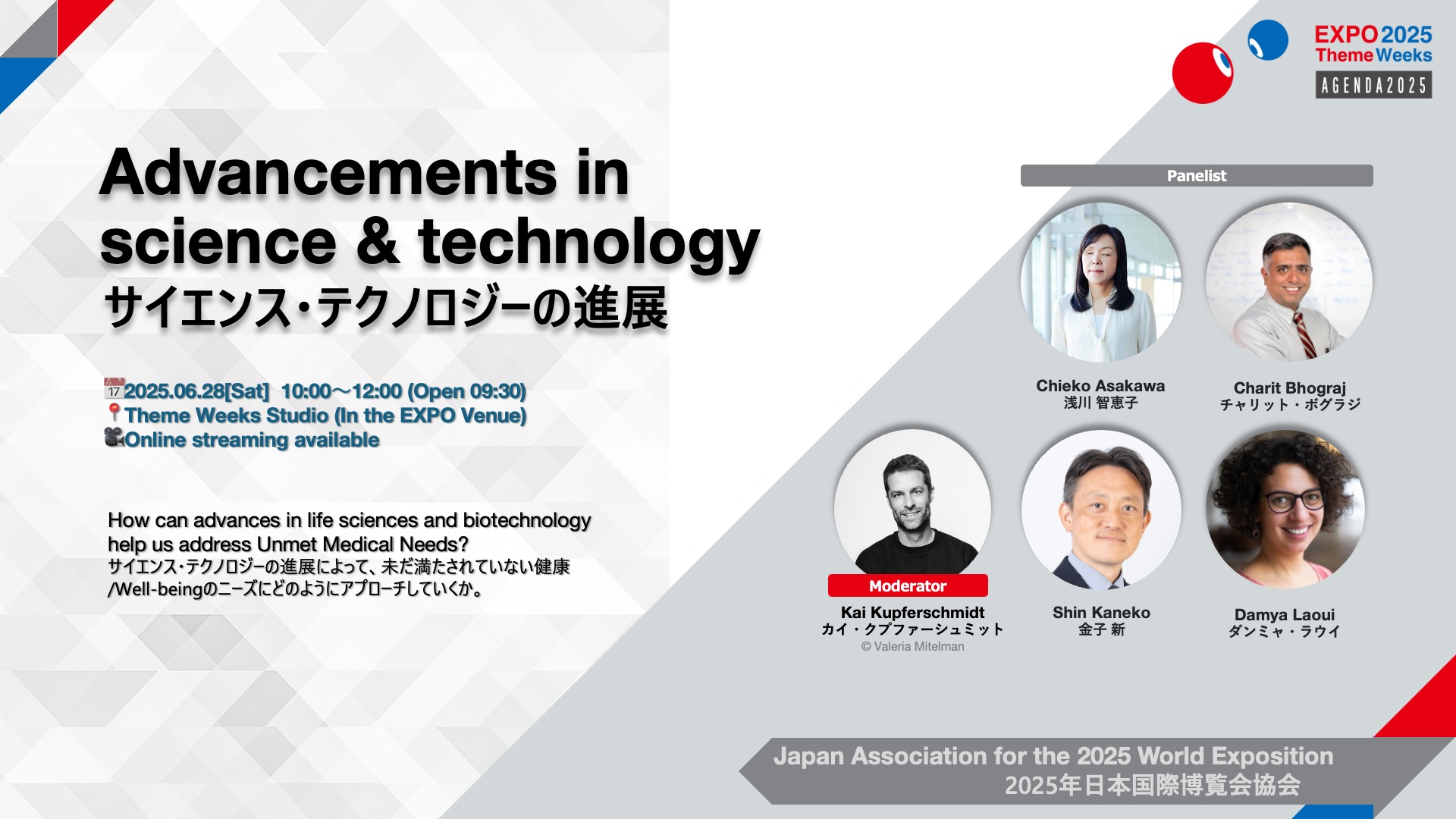
Advancements in science & technology
Japan Association for the 2025 World Exposition
The programme, together with the General Sponsors, explores: 'How can advances in life sciences and biotechnology help us address Unmet Medical Needs?'
Recorded video available
Discussion
- Others
| Transmission of simultaneous interpretation | Provided |
|---|---|
| Language of interpretation | Japanese and English |
-

Agenda2025
Organised Programme
-
Time and
Date of
the event -
-
2025.06.28[Sat]
10:00 ~ 12:00
(Venue Open 09:30)
-
- Venue
- Theme Weeks Studio
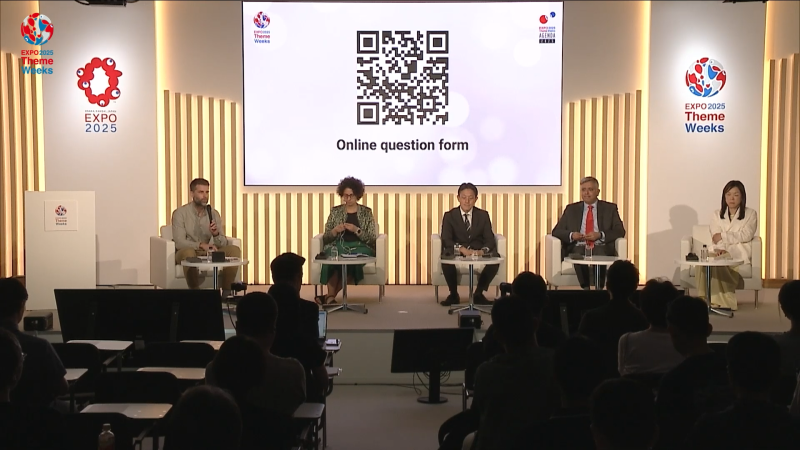
Programme details
*Subtitles: Choose “Subtitles/CC” in the “Settings” (gear
icon) at the bottom right of the YouTube video.
*Subtitles may not show with multiple languages or overlapping
audio.
Stem cells, artificial intelligence, smartwatches—these are
just a few of the breakthroughs with the potential to
transform human health in the years ahead. In this session,
we’ll hear from four innovators at the forefront of these
technologies, all working to meet pressing medical needs. What
does the future of medicine look like through their eyes? What
challenges do they face in making it a reality? And how can we
ensure that these advances benefit people everywhere—not just
those who can afford them?
Reports
【Program Summary】
The session “Advancements in science & technology,” part
of Health and Well-being Week, was held on June 28, 2025. The
session addressed the impact that rapidly evolving science and
technology can have on people’s health and well-being. The
discussion explored iPS cells, AI, digital transformation in
medicine, accessibility, science journalism, the
implementation of science in society, and the challenges of
public trust and ethics.
The panel discussed their visions for the future and current
challenges, focusing on how science should be integrated into
society and how science and technology will shape
humanity's future.
【Speaker Summary: Kai Kupferschmidt】
Kai Kupferschmidt, a contributing correspondent at Science
Magazine, gave a talk from the perspective of a journalist on
how science connects with society, using many concrete
examples. He first introduced his career and emphasized that
for science to become meaningful to citizens, “the power of
narrative” is indispensable. Especially in the pandemic era,
simply presenting scientific facts accurately is not enough;
how those facts are understood and accepted in society is the
decisive factor.
He stated, “Science is not merely an accumulation of
knowledge, but an activity that defines how we connect with
the world.” He further explained that building trust lies at
the core of science communication. He illustrated this by
describing how trust between scientists and citizens often
wavered over vaccine safety and mask effectiveness during the
pandemic, pointing out that science only holds meaning within
its relationship to society.
Kupferschmidt said similar issues exist with advanced
technologies such as AI and warned about the gap between
“technical correctness” and “social acceptance.” He emphasized
that scientists need the ability to explain why a given
technology is necessary in terms that citizens can understand.
He argued that the role of science journalists as
“translators” connecting science and the public is becoming
ever more important.
He also spoke about the significance of the World Expo,
calling it a rare opportunity for science and society to meet
and draw a vision of the future through dialogue. While the
advancement of technology poses a risk of accelerating social
division, he positioned the Expo as a platform to overcome
that division and create a “shared vision of the future.”
Finally, Kupferschmidt stressed that science’s role is not
only to solve problems but also to question society’s values.
In fields such as climate change and medical ethics, society
must decide what to prioritize based on scientific knowledge,
and he noted that the process of scientists and citizens
sharing values through dialogue is indispensable. He concluded
by emphasizing that in a society where distrust and
misunderstanding of science are widespread, journalism bears
great responsibility, particularly the “courage to convey
uncertainty.” Science is an accumulation of hypotheses that is
constantly updated, and faithfully communicating this fact
leads to a more mature society. He closed by saying, “Science
is a human endeavor and part of the story of all of us.”
【Speaker Summary: Damya Laoui】
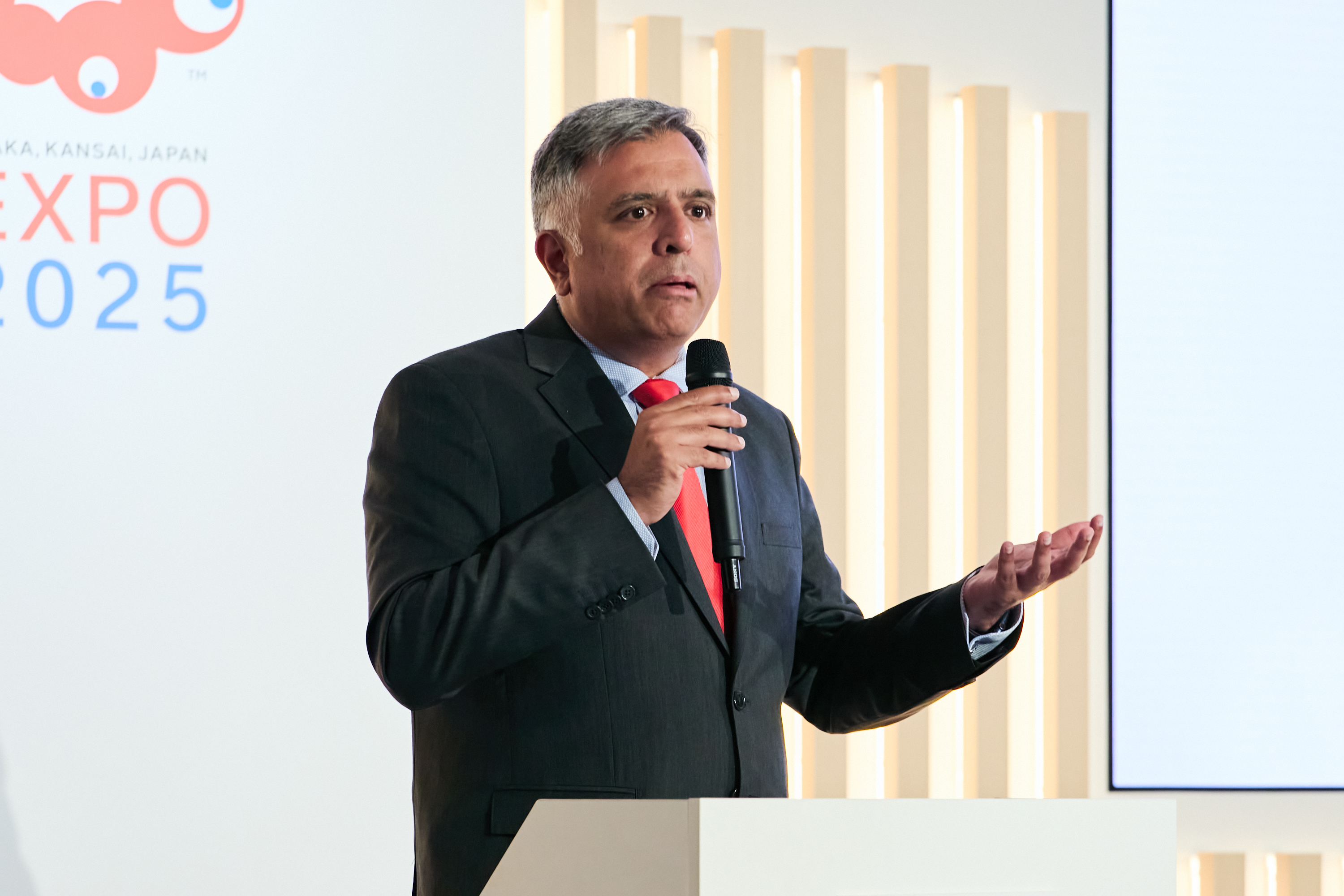
Professor Damya Laoui of the Brussels Center of Immunology,
Vrije Universiteit Brussel, presented the results and future
prospects of her research on cancer immunotherapy. She first
pointed out that cancer is still the second leading cause of
death worldwide and the leading cause in Japan, with
metastasis as the primary cause of death. Most patients do not
die from the initial tumor but from cancer cells spreading to
other organs, yet effective treatments for metastasis remain
limited.
Laoui stressed the need for personalized therapies, as cancer
has different genetic backgrounds in each patient. She focused
on the potential of the immune system, particularly dendritic
cells, which play a key role in cancer immunity. These cells
infiltrate tumors, take in tumor antigens, present them to T
cells, and activate immune responses while also generating
immune memory to prevent recurrence.
Her research team developed a personalized vaccine therapy
using mouse models, in which high-quality dendritic cells are
isolated from tumor tissue and reintroduced into the patient.
This approach targets even micro-metastases in the body and
could achieve long-term prevention of recurrence. Preparations
for clinical application are already underway, with Phase I
clinical trials planned in Belgium from 2026 to 2027, and she
expressed her hope for joint research in Japan as well.
Laoui also presented a vision of ideal cancer treatment for
the future: “personalized optimized treatment through AI and
multi-layered analysis.” Biopsies of patients’ tumors would be
analyzed using technologies such as spatial transcriptomics
and single-cell RNA analysis to visualize the immune
composition. AI would then design the optimal treatment
configuration for each patient (dendritic cell vaccines, mRNA
nanoparticles, antibodies, nanobodies, etc.). A “learning
medical model,” in which re-biopsies continuously evaluate and
improve treatment effectiveness, could significantly advance
cancer therapy.
She concluded her presentation by expressing strong
expectations that with technological advances and
international collaboration, personalized medicine could
create a future where cancer is overcome, while acknowledging
that many challenges still remain.
【Speaker Summary: Shin Kaneko】
Professor Shin Kaneko of the Center for iPS Cell Research and
Application, Kyoto University, introduced “T cell regeneration
therapy using iPS cell technology,” which is attracting
attention as the fourth pillar of cancer treatment.
Traditional cancer treatments consist of surgery,
chemotherapy, and radiation, but “immunotherapy” has recently
emerged as a new option. Treatments that activate T cells to
attack cancer cells are expected to be highly effective due to
their specificity and durability.
Kaneko explained that current cancer immunotherapies fall into
two main categories: immune checkpoint inhibitors that release
T cells from immune suppression and cell therapies such as
CAR-T therapy, which genetically modify T cells to
specifically recognize cancer. However, these therapies often
rely on the patient’s own T cells, and when these cells are
aged or dysfunctional, the therapeutic effect is limited.
To address this issue, Kaneko proposed a new approach using
iPS cells. Cancer-specific T cells derived from patients are
reprogrammed into iPS cells and regenerated into young, highly
active T cells, retaining their original antigen specificity.
This allows the mass supply of powerful T cells.
Proof-of-concept has been demonstrated in animal experiments,
and prospects for clinical application are now visible.
Initially, this therapy was deemed “too individualized to be
realistic,” and it was difficult to obtain corporate or
investor support. Kaneko and his team shifted their focus to
“off-the-shelf immune cell products” that could be used by
anyone, by using iPS cells from healthy donors and introducing
T cell receptors that target cancer-associated antigens such
as GPC3, along with gene editing to avoid immune rejection.
These iPS-T cell products can be mass-produced and
cryopreserved, with clinical trials planned for liver cancer,
colorectal cancer, and non-small cell lung cancer starting in
2026.
Kaneko also said, “I will not give up on the dream of
personalized therapy,” and introduced the concept of the “My
-T-server,” a compact device capable of fully automated
production of iPS-T cells on-demand for each patient. He
envisions a future by 2040 in which patient-specific
therapeutic cells can be generated as needed, balancing
personalized and universal treatments through technological
progress and industry-academia collaboration.
【Speaker Summary: Charit Bhograj】
Dr. Charit Bhograj, founder of Tricog Health Pte Ltd.,
introduced his efforts to realize “rapid and universal
diagnostic environments for heart disease,” interweaving
personal experiences and his entrepreneurial journey. He
pointed out that heart disease is the leading cause of death
worldwide, and by the end of 2025, approximately 20 million
people are expected to die from it. Half of these lives could
have been saved with accurate diagnosis and early treatment,
making “when and where a diagnosis is made” the key issue.
Bhograj has worked as a cardiologist for 20 years, mainly in
developing countries, where he saw structural problems such as
the shortage of specialists in rural areas. In 2009, he
founded Tricog Health in India to address these challenges.
Tricog’s system combines diagnostic devices such as ECGs and
ultrasounds installed in local clinics with a cloud-based AI
platform. Data collected from patients are analyzed by AI
within six minutes, and diagnostic reports on more than 140
types of heart disease are immediately returned to the site.
This enables advanced diagnosis even in areas without
specialists, dramatically improving the speed and quality of
care.
Currently, the service is deployed in more than 12,500 medical
facilities in over 14 countries and has screened more than 27
million people at risk of heart disease. Tricog aims to
support the diagnosis of 100 million people by 2030 and
envisions a future where AI enables “home-level heart disease
prediction.”
Bhograj also mentioned changes in society’s acceptance of AI.
When he started, there was strong resistance to AI in the
medical field, but the spread of generative AI like ChatGPT
has begun to lower these psychological barriers. He is working
with regulatory authorities to demonstrate the safety and
efficacy of medical AI and aims to obtain formal approval.
He further noted that AI-driven medical innovation holds the
potential for “reverse innovation”—technological breakthroughs
emerging from developing countries and spreading to advanced
economies. Because heart disease is a common condition
worldwide, AI-trained models can be applied across regions,
offering significant advances in global health.
【Speaker Summary: Chieko Asakawa】
Chieko Asakawa, IBM Fellow and Chief Executive Director of
Miraikan, spoke about her challenges in technology development
and social implementation based on her own experience as a
visually impaired person. She lost her vision at age 11 due to
an accident and was completely blind by age 14, but her strong
desire for independence drove her into technology development.
Since joining IBM in 1985, she has been conducting
groundbreaking research in information accessibility and is
now working on navigation technology that enables the visually
impaired to move freely.
The “AI Suitcase” being developed by Asakawa is a navigation
robot designed to help visually impaired individuals walk
freely through city environments. This robot is equipped with
a LiDAR sensor, an RGBD camera, a GNSS antenna, and an
AI-powered voice interaction system. These technologies enable
the suitcase to recognize its surroundings and the movement of
people nearby, allowing it to safely guide users to their
destinations.Users can set destinations through handle
operations or voice commands. Demonstrations showed the
suitcase autonomously guiding users to locations such as the
French Pavilion while avoiding obstacles.
This effort stems from her desire to realize future visions
she once dreamed of. As a child, she was inspired by a
character from the science fiction TV show Kousoku Esper and
envisioned an AI guide that provides visual information
through audio. Currently, proof-of-concept experiments are
underway at the Expo venue, and many participants have
expressed positive feedback, saying, “I could walk just like
sighted people” and “I felt hope for the future.”
Asakawa pointed out that there are not only technical
challenges to commercialization but also social and
institutional barriers. For example, passing through airport
security smoothly and interfacing with traffic signals at
intersections remain issues. She also mentioned privacy
concerns, as the AI suitcase is equipped with cameras, and
stressed the importance of social understanding and
acceptance.
She compared this process to how guide dogs gradually gained
social recognition and said, “Similarly, it will take time and
dialogue for AI Suitcases to become an ‘ordinary presence’ in
society.” At this stage, the technology is ready for use in
buildings such as shopping malls, museums, and airports. She
expressed her intention to accelerate efforts toward
full-scale deployment in offices and public spaces.
Asakawa emphasized that the pursuit of accessibility has been
a driving force behind several past technological innovations.
She pointed out that even technologies such as the telephone
and the internet were, in part, originally inspired by the
needs of people with disabilities. She advocated that
enhancing accessibility can serve as a catalyst for innovation
that transforms society as a whole. She concluded by stating,
“I hope the Osaka-Kansai Expo will be a catalyst for social
implementation.”
【Discussion Summary】
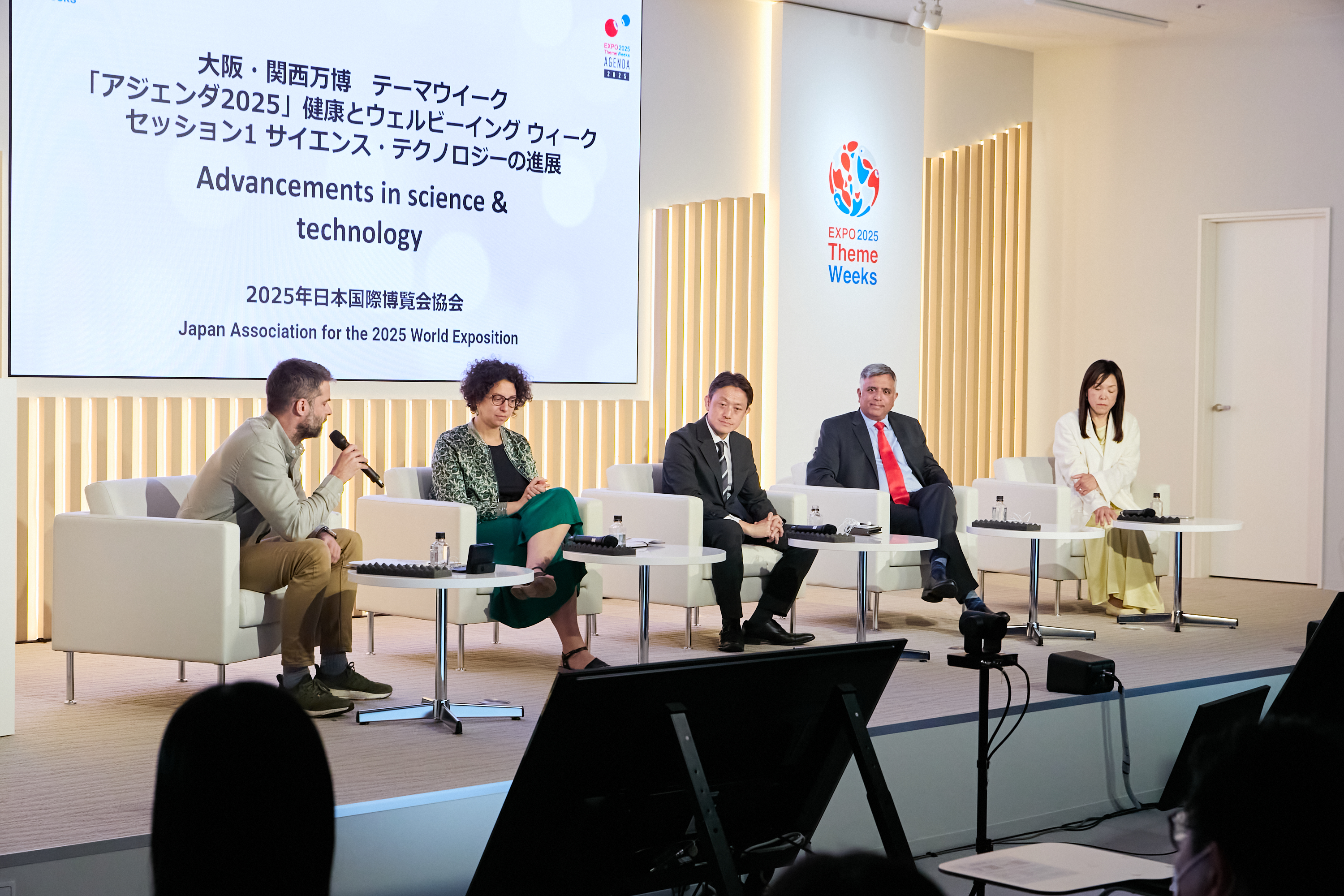
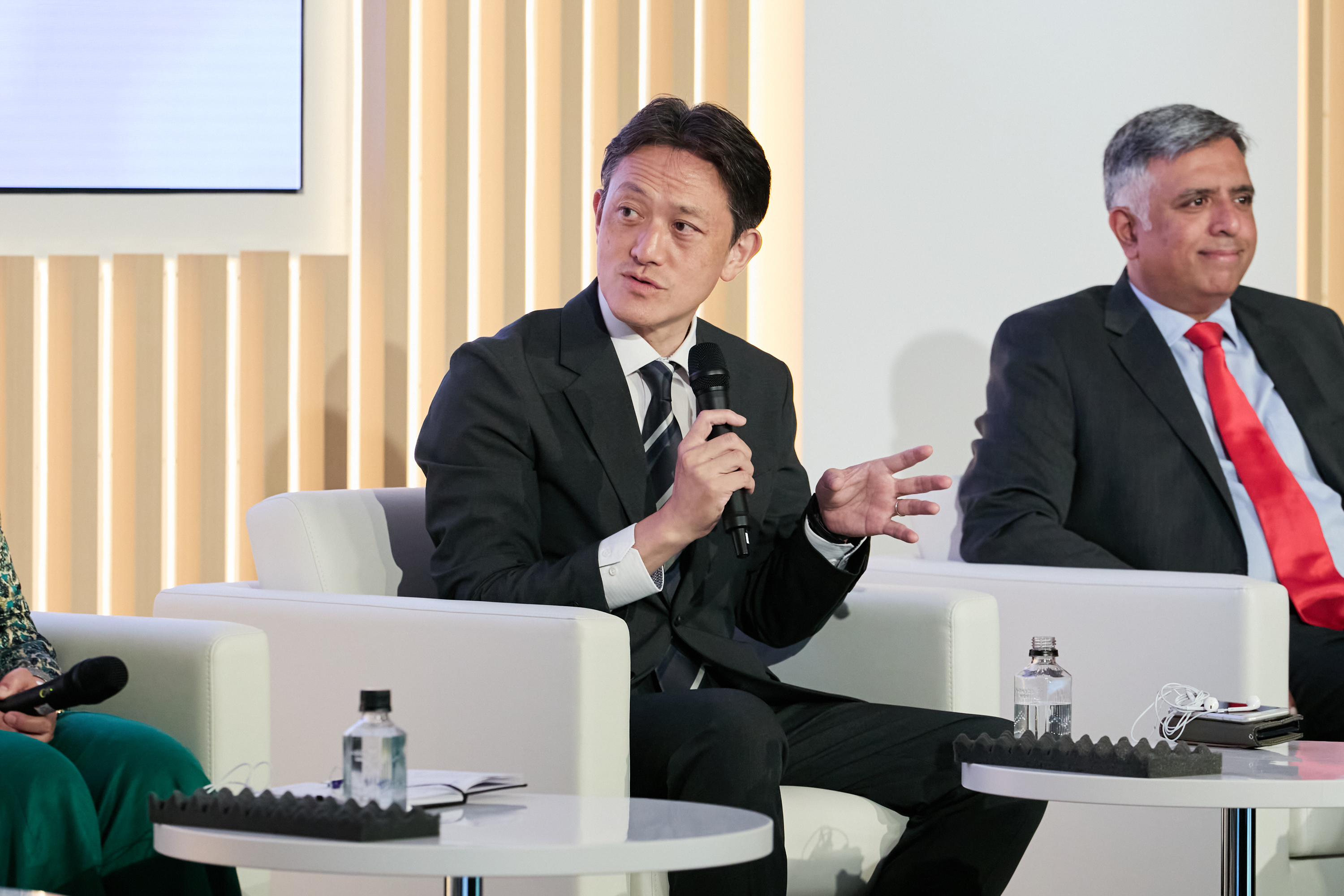
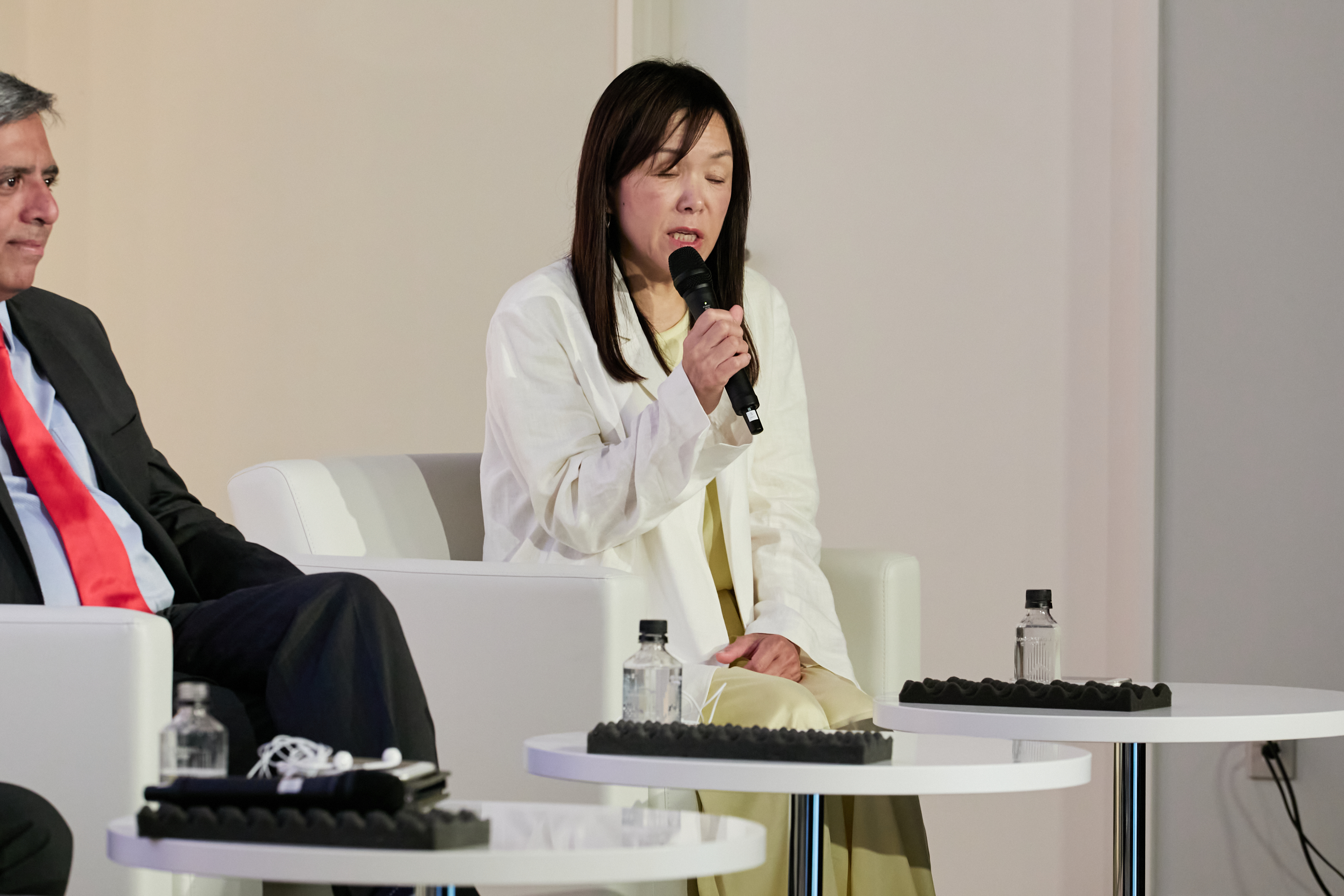
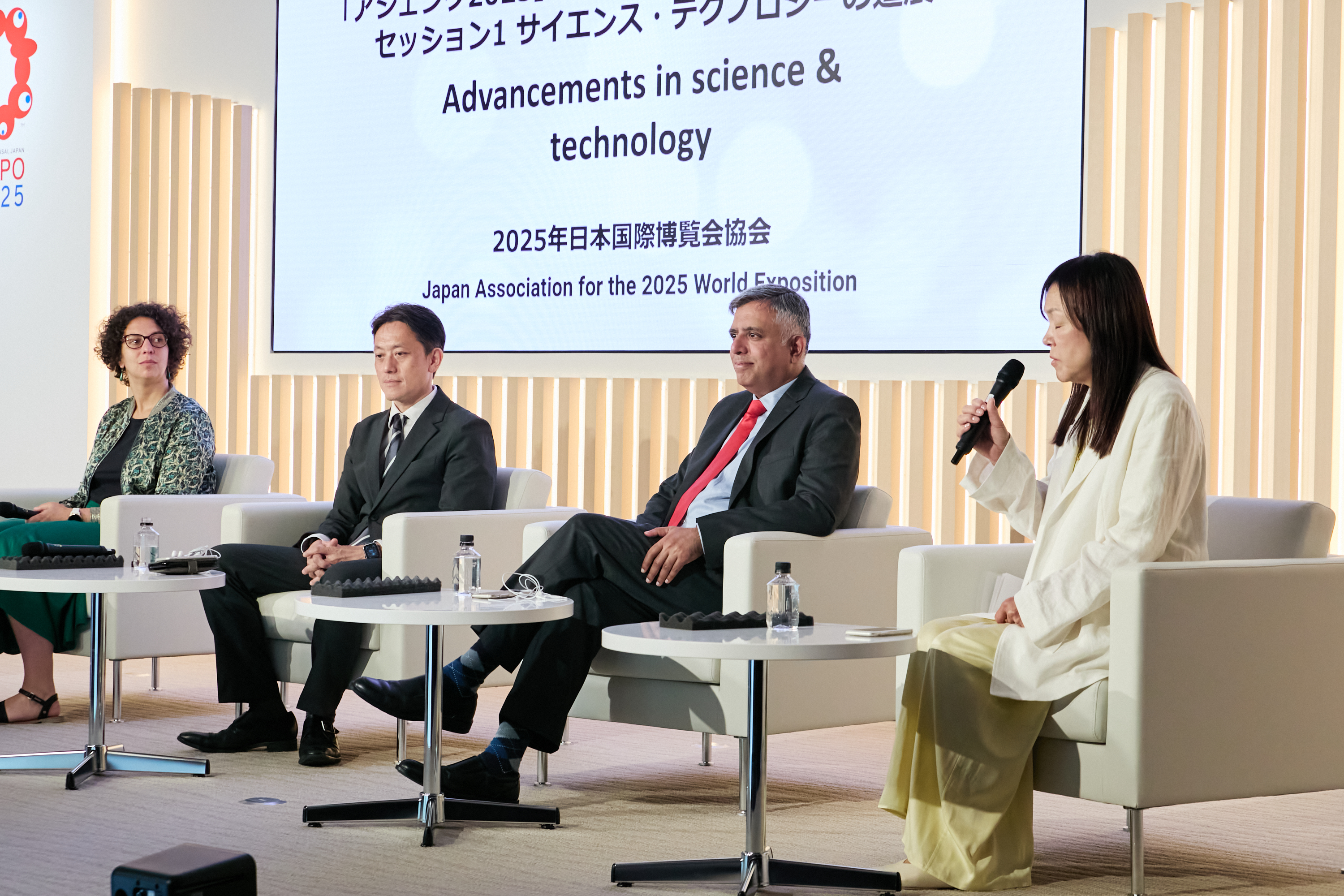
In the latter half of the session, moderator Kai Kupferschmidt
posed questions to each speaker, leading to lively discussions
on core issues in modern society, such as “the future of
health and well-being brought about by technology” and
“building trust as a bridge between science and society.”
Asakawa stressed that “scientists and engineers should develop
technology while listening to society’s voices,” citing the AI
Suitcase as an example of development based on the voices of
the visually impaired. She emphasized that technologies rooted
in social issues are the ones truly needed.
Kaneko cited cutting-edge medical therapies such as “T cell
regeneration therapy using iPS cells” and stated, “Scientific
progress comes with ethical and social impacts, and to enhance
its acceptance, clear and honest explanations and dialogue are
important.” He added that regenerative medicine is both a
“dream” and a “responsibility,” highlighting the challenge of
balancing transparency and trust in science.
Bhograj said that technology should be used “to bring people
closer together” and introduced examples of AI-based medical
diagnostic support systems saving patients’ lives. He
particularly emphasized that “AI can be a tool to correct
medical disparities” and called for the importance of
spreading technology regardless of whether countries are
developing or developed.
Laoui focused on “fostering scientific trust in the Global
South,” suggesting that even in regions without research
infrastructure, science and technology can take root more
easily by integrating with local cultures and medical
practices. She added that in different cultural contexts,
scientists need to build trust not as “explainers” but as
“co-creators.”
Reflecting on the discussion, Kupferschmidt concluded that
scientists, engineers, and journalists each need to play the
role of “translators” who contextualize complex technologies
in the lives of ordinary people. He also stated that “the
courage to communicate uncertainty, even as it is, is
essential for a mature society,” presenting both challenges
and hopes for deepening mutual understanding between science
and society.
Cast
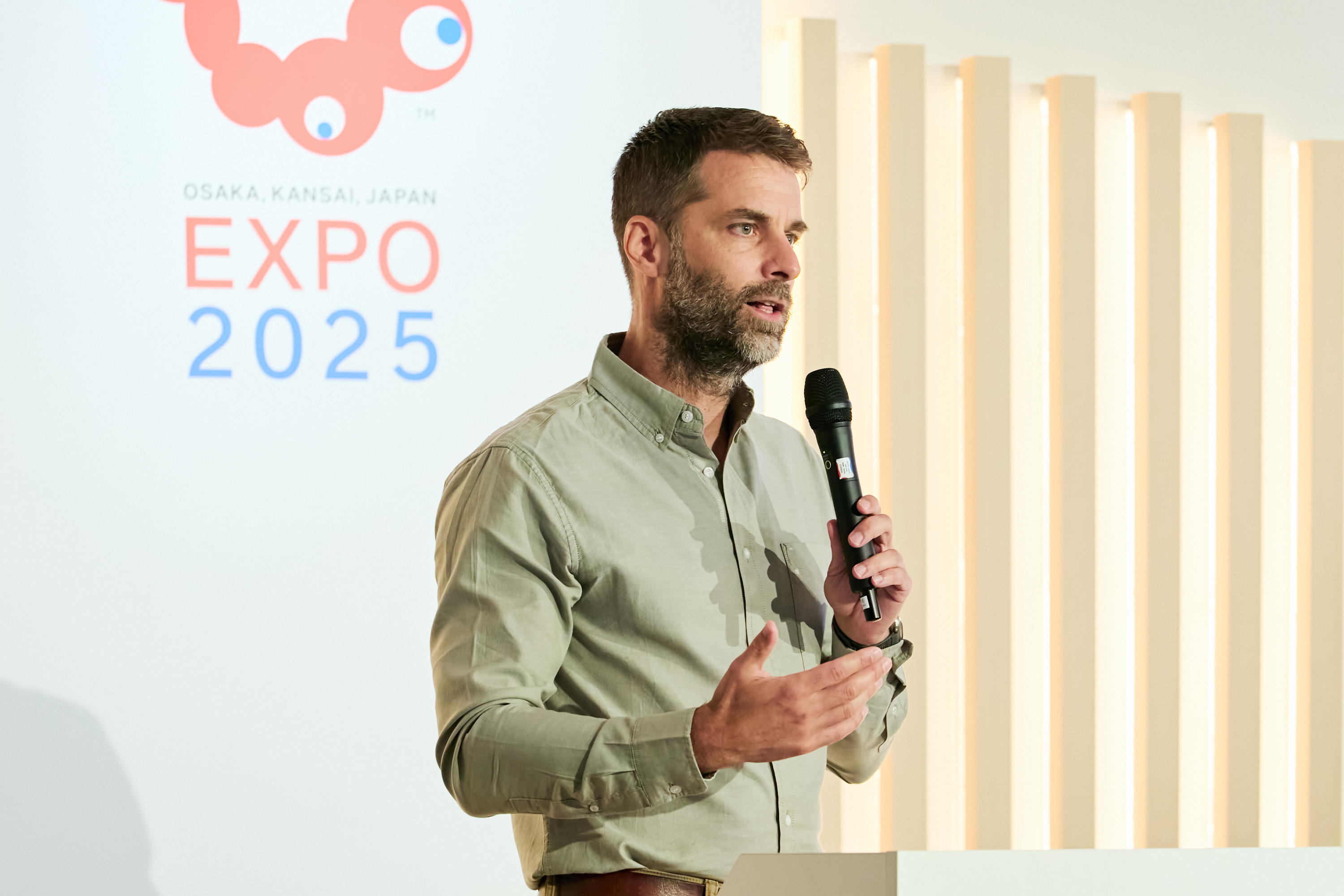
Moderator
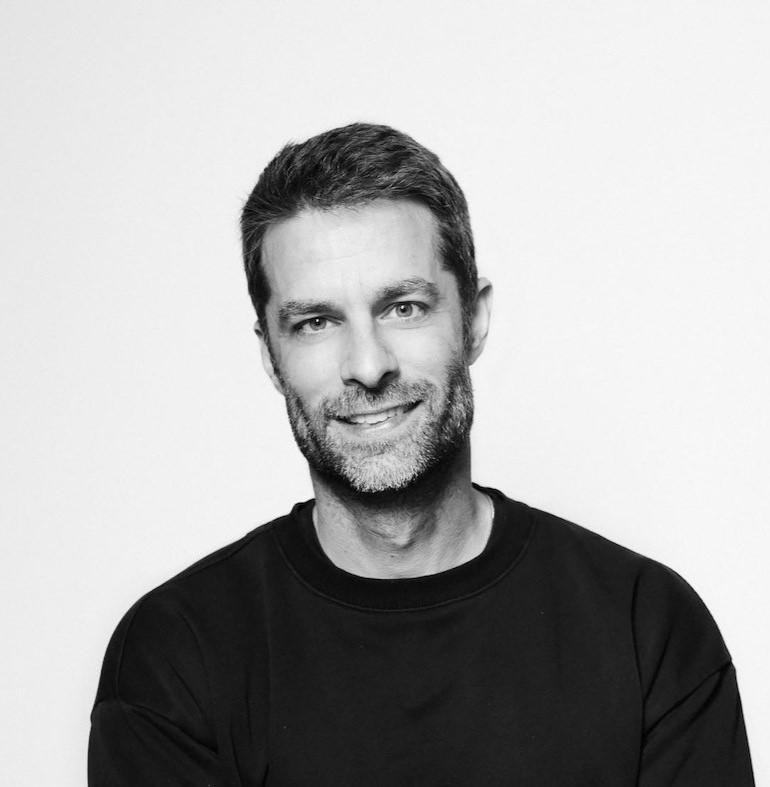
©Valeria Mitelman
Kai Kupferschmidt
Contributing Correspondent at Science Magazine
Kai Kupferschmidt is a freelance science journalist. As a contributing correspondent for Science Magazine he has long covered infectious diseases and global health, but he also writes about research into psychedelics and the science of misinformation. His writing has appeared in many German outlets, and he has won several awards, including the Journalism Award of the German Aids Foundation and an NASW Science in Society Journalism Award. He is co-creator and co-host of the podcast “Pandemia.” Kai has a degree in molecular biomedicine and has written two books, one on infections and one on the color blue: “Blue. In Search of Nature’s Rarest Color”.
View Profile
Close
close
Speakers
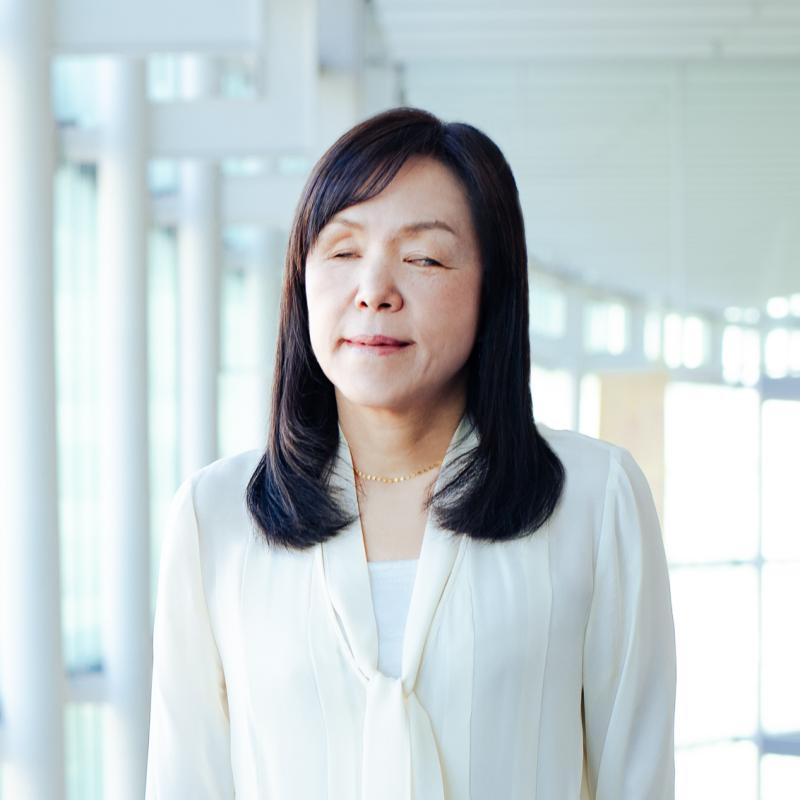
Chieko Asakawa
IBM Fellow,IBM Research/Chief Executive Director of the Japanese National Museum of Emerging Science and Innovation (Miraikan)
After joining IBM Japan in 1985, Chieko Asakawa began working on research in information accessibility. She holds a Ph.D. in Engineering. She was appointed an IBM Fellow in 2009. In 2014, she started serving as an IBM Distinguished Service Professor at Carnegie Mellon University, focusing on real-world accessibility research. In 2018, she moved to IBM T.J. Watson Research Center. Currently, she is leading the development of the AI suitcase, a navigation robot for the visually impaired. Since 2021, she concurrently serves as Chief Executive Director of the Japanese National Museum of Emerging Science and Innovation (Miraikan).
View Profile
Close
close
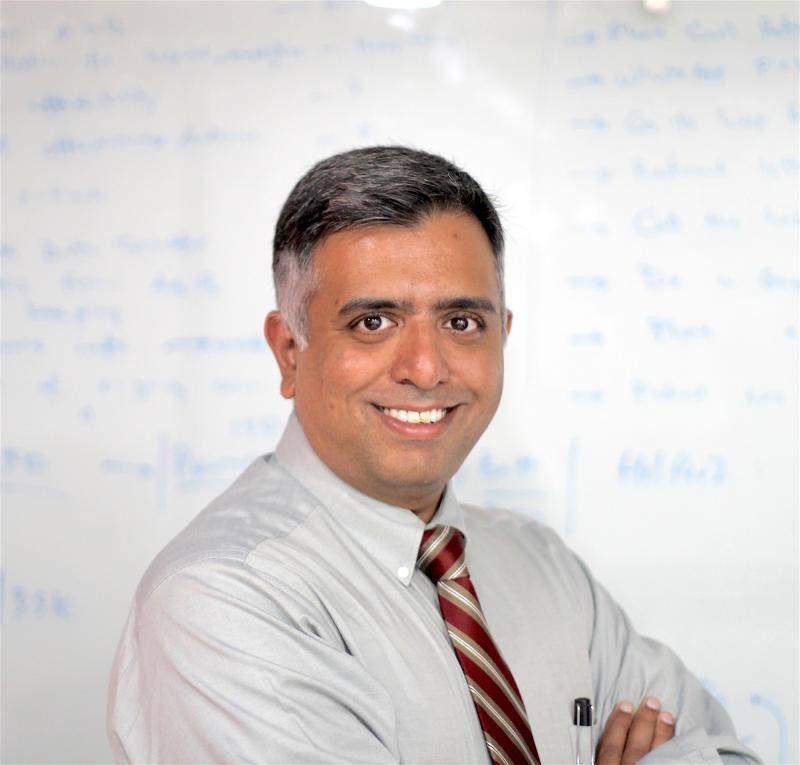
Charit Bhograj
Founder, Tricog Health Pte Ltd., Doctor
Dr. Charit Bhograj is a distinguished Interventional Cardiologist and the founder of Tricog Health, a leading AI-driven healthcare company. With an MD in Internal Medicine and a DM in Cardiology, Dr. Bhograj has accumulated over two decades of experience in the cardiology field. His professional journey includes prominent roles such as consultant cardiologist at Manipal Hospital and head of clinical services at Baptist Hospital in Bangalore. Motivated by the critical need to improve healthcare delivery and reduce preventable deaths from heart disease, Dr. Bhograj established Tricog Health. The company leverages advanced technology to facilitate rapid diagnosis and management of cardiac conditions, significantly enhancing patient outcomes globally. Tricog has touched the lives of over 23 million patients across Asia, and Africa. More than 25,000 doctors, 11,500 providers, and governments across 14 countries trust Tricog to help care for heart patients. Tricog aims to screen 100 million heart patients by 2030, striving to reduce the global burden of heart disease using AI.
View Profile
Close
close
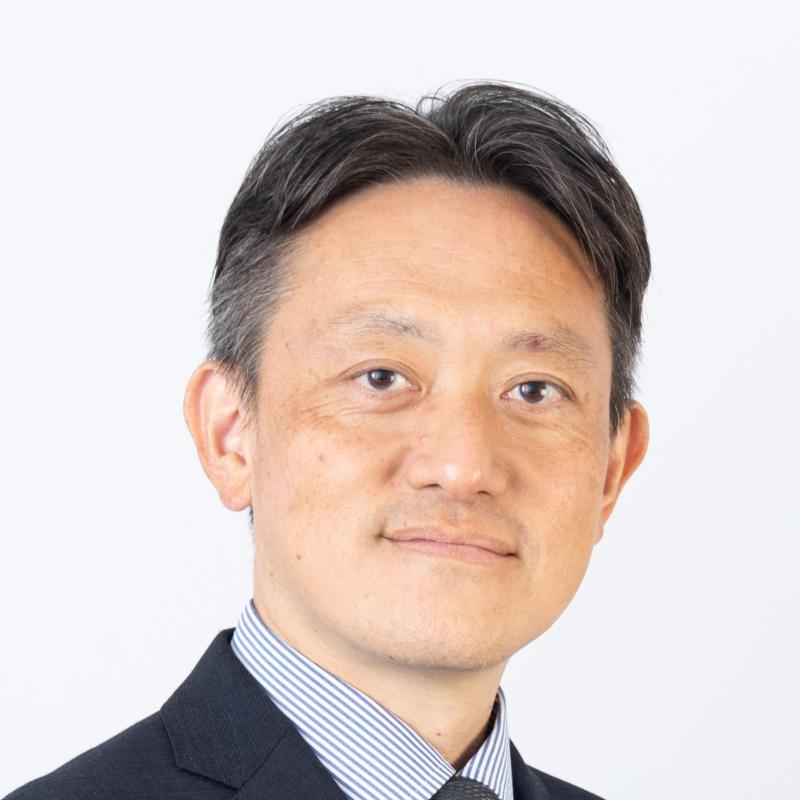
Shin Kaneko, M.D., Ph.D.
Professor, Center for iPS Cell and Research Application, Kyoto University, Professor, Faculty of Medicine, University of Tsukuba
Professor Shin Kaneko is affiliated with the Center for iPS Cell Research and Application at Kyoto University. He holds a degree in medicine and a PhD from the University of Tsukuba. He then accepted a position as a lecturer of clinical hematology at the University of Tsukuba, where he conducted a clinical study of immune-gene therapy against relapsed leukemia. In 2005, he relocated to Milan, Italy, to accept the position of postdoctoral fellow at the San Raffaele Institute. He returned to Japan in 2008, where he began studying immuno-regeneration through iPSC technology as an Assistant Professor of the Division of Stem Cell Therapy at the University of Tokyo. In 2012, he relocated to Kyoto University as an Associate Professor, a position he has held since 2020. Concurrently, he serves as a Professor at the University of Tsukuba and as the director of Shinobi, a spinout bio-venture company from his laboratory.
View Profile
Close
close
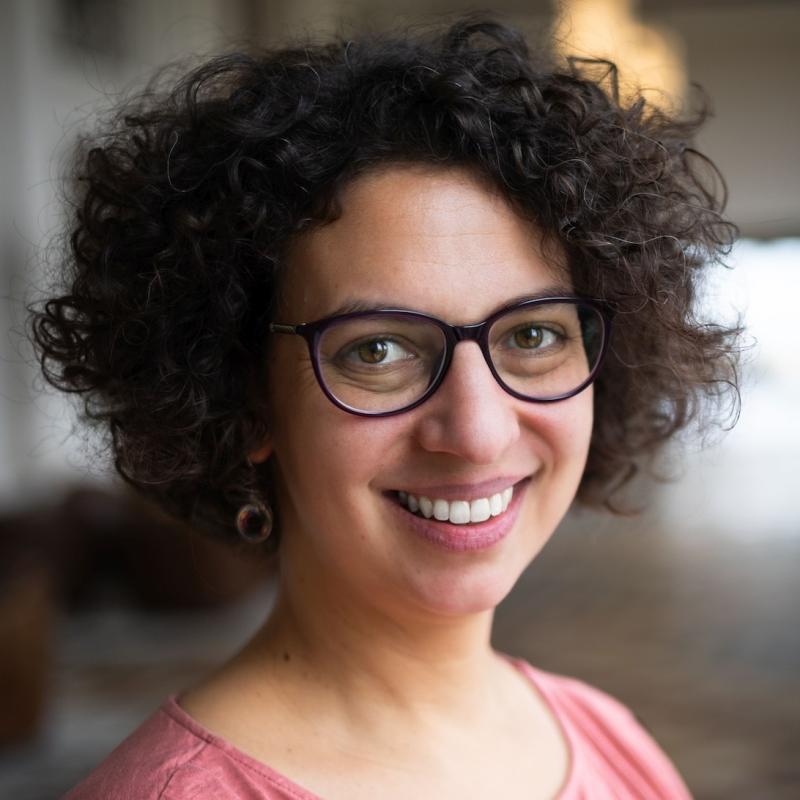
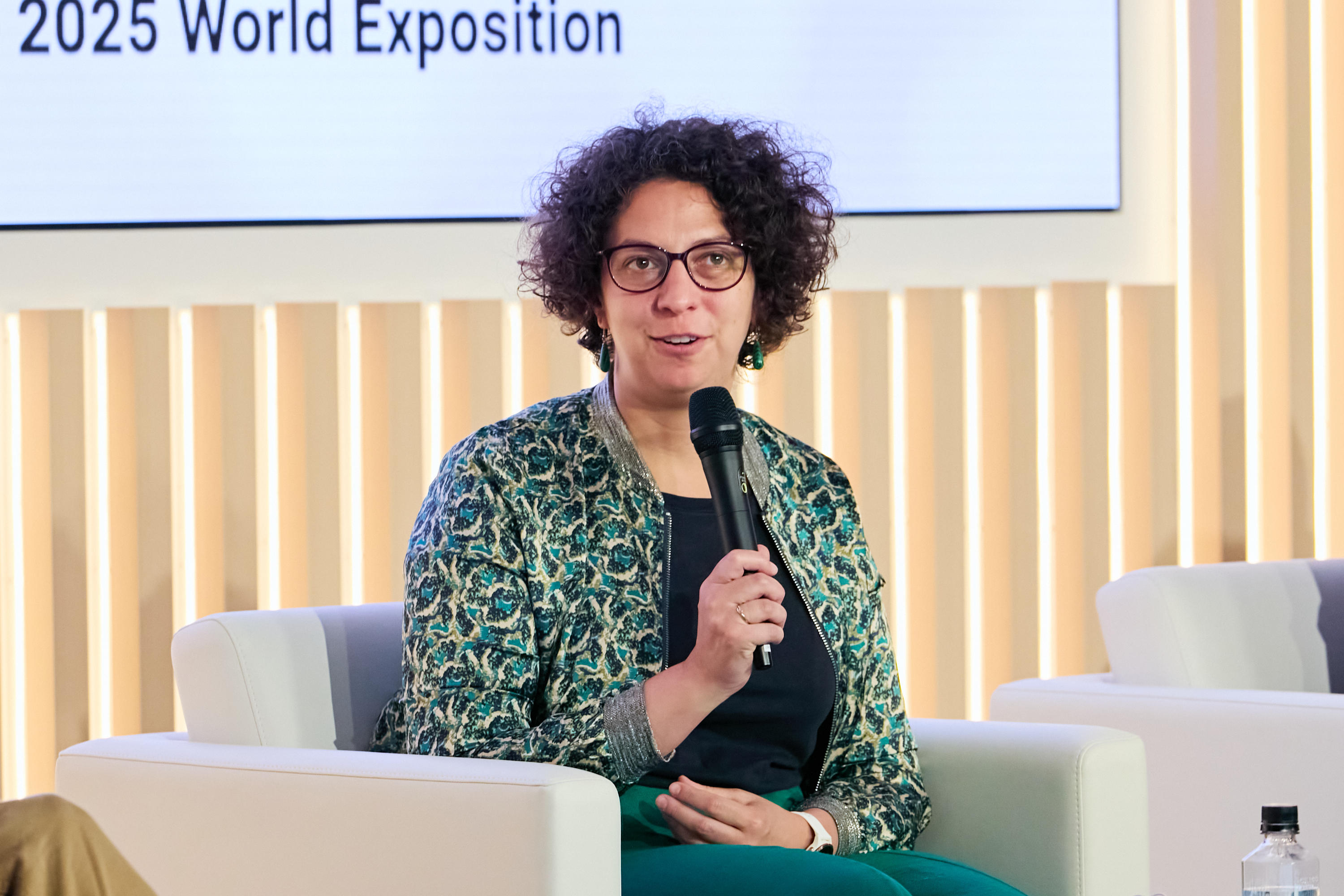
Damya Laoui
Professor, Brussels Center of Immunology, Vrije Universiteit Brussel, Brussels, Belgium Group leader of the Lab of Dendritic Cell Biology and Cancer Immunotherapy, VIB, Belgium
Dr. Damya Laoui holds a degree in Bio-Engineering
Sciences and earned her PhD from the Vrije
Universiteit Brussel, Belgium. Following a
postdoctoral fellowship at the École Polytechnique
Fédérale de Lausanne in Switzerland, she was appointed
Research Professor at the Brussels Center for
Immunology at VUB in 2020 and became a Group Leader at
the Flemish Institute for Biotechnology (VIB) in
2022.
Her research focuses on the role of immune cells
—particularly dendritic cells — in tumor progression.
She is pioneering the development of novel
personalized (combinatorial) immunotherapies based on
dendritic cells to enhance cancer treatment. Her team
employs cutting-edge technologies, including
single-cell RNA sequencing, CITE-seq, advanced flow
cytometry, spatial transcriptomics, and mRNA-based
immunotherapies.
In recognition of her research and contributions to
science communication, she received the MIT Innovator
under 35 Europe Award 2017, the New Scientist Award
2018 , the Collen-Francqui startup-chair in 2020 and
was appointed Commander of the Order of the Crown of
Belgium in 2024. Besides her research activities, she
is encouraging young women to start and pursue studies
and careers in STEM.
View Profile
Close
close
Health and Well-being Week
Advancements in science & technology
The programme, together with the General Sponsors, explores: 'How can advances in life sciences and biotechnology help us address Unmet Medical Needs?'
-
2025.06.28[Sat]
10:00~12:00
(Venue Open 09:30)
- Theme Weeks Studio
OTHER PROGRAM
Health and Well-being Week