Health and Well-being Week
Nature Connectedness: How can Home Design improve our Health and Wellbeing?
European Union
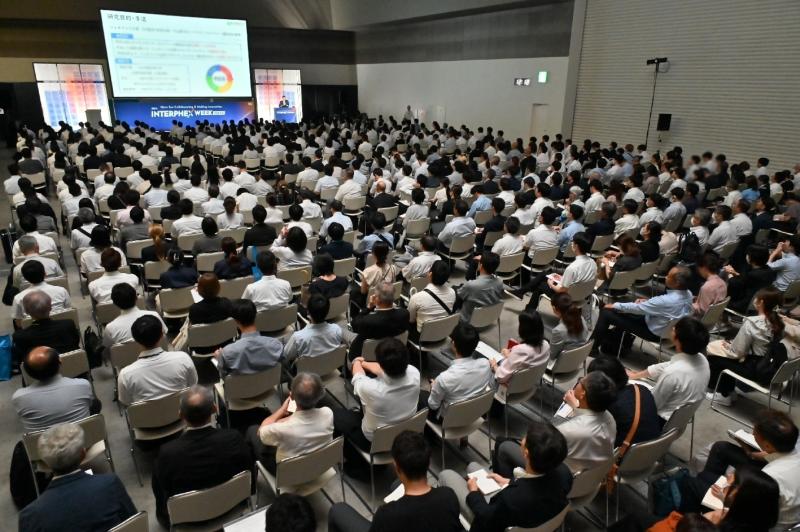
Presentations and discussions with Dr. Garcia Sánchez and Dr. Ryo Murata on the health benefits of connecting with nature, followed by guided walks to designated pavilions.
Recorded video available
Discussion
- Well-being
- #design #nature #biophilia #architecture #ecology #sustainability #health #well-being #interiordesign #beauty #Europe, #Japan #Denmark #homedesign
| Transmission of simultaneous interpretation | Provided |
|---|---|
| Language of interpretation | Japanese and English |
-

Track Programme
-
Time and
Date of
the event -
-
2025.06.20[Fri]
15:00 ~ 16:30
(Venue Open 14:45)
-
2025.06.21[Sat]
11:00 ~ 12:30
(Venue Open 10:45)
-
2025.06.21[Sat]
13:00 ~ 14:30
(Venue Open 12:45)
-
- Venue
- Pavilion
- EU Pavilion
Programme details
*Subtitles: Choose “Subtitles/CC” in the “Settings” (gear
icon) at the bottom right of the YouTube video.
*Subtitles may not show with multiple languages or overlapping
audio.
We spend up to 93% of our time indoors and around 11 hours a
day on technology. The benefits of daily exposure to nature
for human health and well-being are many. However, our built
environment and lifestyles disconnect us from Nature and
deprive us of these benefits.
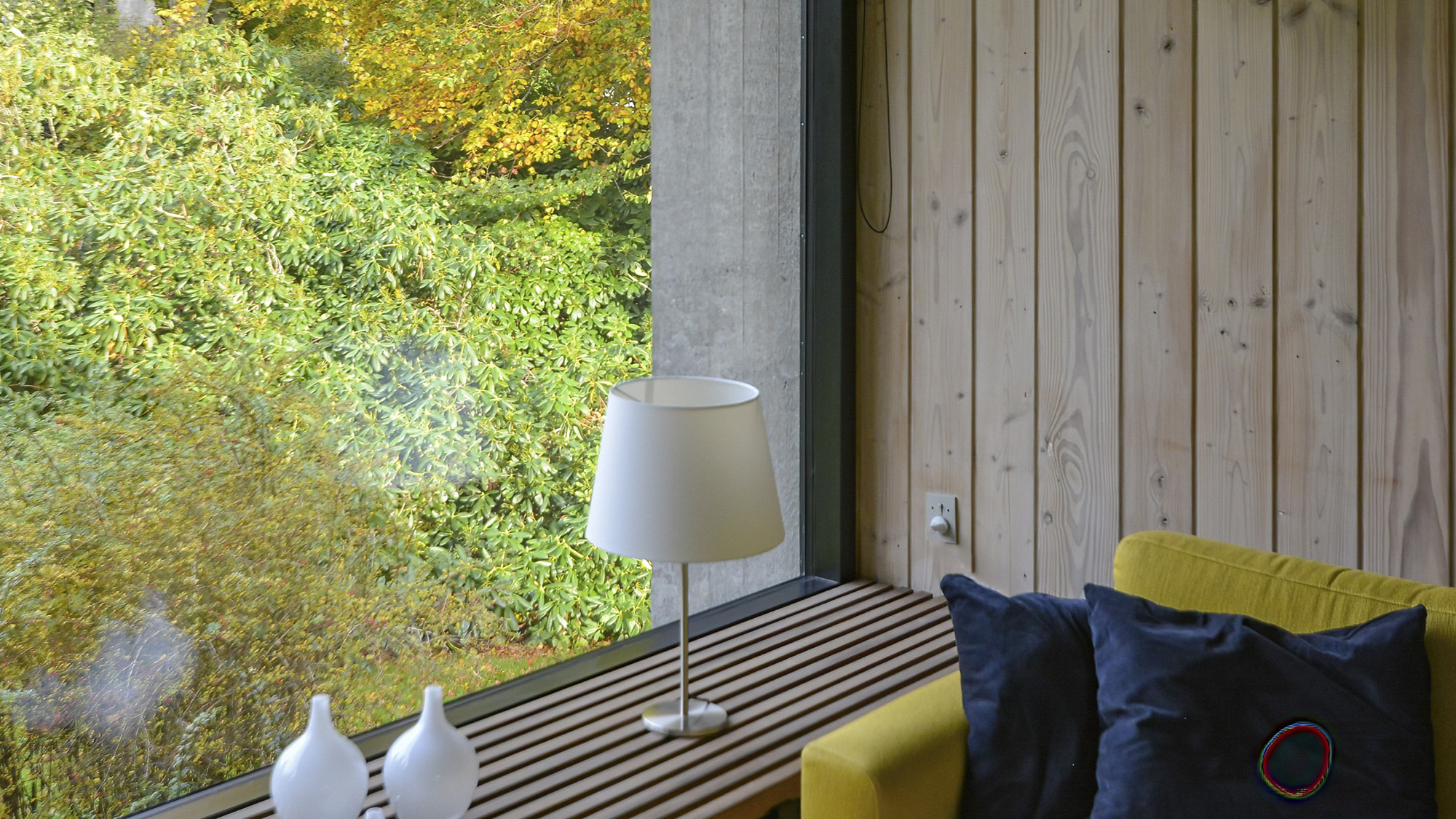
Architectural spatial design can improve our health and
well-being by enhancing our experience of connection with
Nature. Through an artistic immersion and open discussion, we
will explore how some traditional and contemporary buildings
in Japan offer exemplary sensory experiences of Nature
connectedness, sometimes without visual contact with the
natural world. These are profound lessons for our time that
can easily be applied in domestic spaces.
The aim is threefold: to enrich participants´ vision of
Japanese architecture, to stimulate interest in scientific
perspectives on nature-connecting architecture and its
benefits, and to give some tips on how to improve health and
well-being through home design.
Reports
【Reflection】
The presented concept highlights a growing concern in modern
life: the disconnect between humans and the natural world.
With up to 93% of our time spent indoors and an average of 11
hours daily on technology, it is evident that our current
lifestyles are heavily mediated by built environments and
screens. This disconnection deprives us of the well-documented
benefits of nature exposure—from reduced stress and improved
mood to enhanced cognitive functioning and immune support.
The central insight is that architectural spatial design can
serve as a bridge—a way to restore our sense of connection
with nature, even when direct access is limited. Traditional
and contemporary Japanese architecture, in particular, offers
compelling examples of sensory integration with nature. These
buildings often evoke a strong feeling of nature-connectedness
through subtle cues such as light, texture, sound, and spatial
flow, rather than overt visual references. This provides a
powerful model for design in other parts of the world,
especially in urban and domestic contexts where access to
greenery is restricted.
The immersive and interactive format of the session
underscores the importance of experiential learning.
Participants not only reflect on architectural theory but also
engage with their senses, which deepens their understanding of
how design can foster well-being.
Key reflections include:
• Design matters: The way we shape our spaces significantly
influences our psychological and physiological state.
• Nature-connectedness is multisensory: Visual contact with
nature is not the only path to well-being—sound, scent, air
flow, and materials all contribute.
• Cultural heritage offers valuable lessons: Japanese
architecture illustrates that the wisdom of traditional design
can be applied in modern contexts for health-enhancing
results.
• Everyday changes can have impact: Even small adjustments in
home design—introducing natural materials, optimizing light,
or creating sensory-rich spaces—can improve our overall
well-being.
In conclusion, this exploration encourages participants to
reimagine their living environments not just as shelters or
functional spaces, but as active contributors to health and
harmony, rooted in a deeper, more mindful relationship with
nature.
【Post EXPO Initiatives】
Participants were encouraged to reflect on their own homes and
workspaces, and to consider small, practical changes they
could make to enhance their connection to nature—from lighting
and materials to layout and flow. The program emphasized that
many of these principles are already deeply rooted in
traditional Japanese architecture, where a sense of harmony
with nature is integrated through elements such as shoji
screens, natural materials, and indoor-outdoor transitions.
Following the talks and presentations, participants had the
opportunity to engage with the Expo environment and apply what
they had learned by walking through the various pavilions and
displays. This hands-on experience allowed them to observe
real-life examples of the concepts discussed, such as
nature-connected design, sensory architecture, and sustainable
innovation.
This initiative helped turn abstract ideas into tangible
insights. By moving through spaces designed to evoke emotional
and sensory responses, participants were able to deepen their
understanding of how architecture and environment influence
well-being. It also highlighted the value of experiential
learning—learning that continues beyond the lecture hall and
into the built environment.
By connecting the Expo experience to their personal
environments, participants left not only with new knowledge,
but with inspiration to apply it—creating healthier, more
mindful living and working spaces rooted in the wisdom of both
tradition and innovation
Cast
Speakers
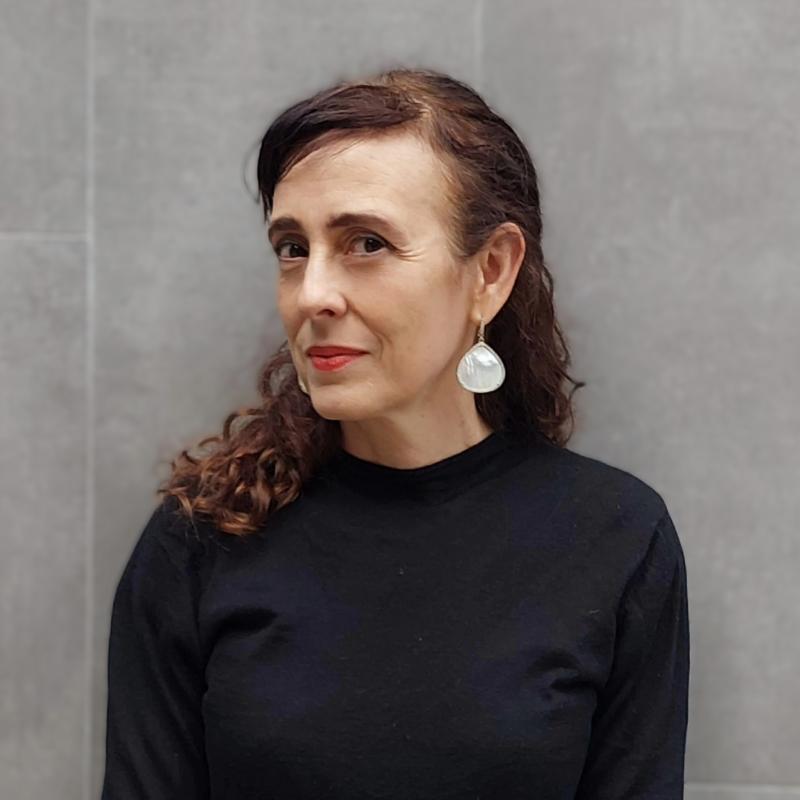
Carmen García Sánchez
Assistant Professor/ Ph. D. in Architectural Design/ Architect, University of Copenhagen, PRIVACY/ Rey Juan Carlos I University, Faculty of Arts and Humanities/The Royal Danish Academy Architecture Design Conservation, IBD
Carmen García Sánchez is an experienced practising architect and an active researcher. She specialises in modern architecture, with a focus on Nordic and Japanese architecture, the creative interaction of tradition and modernity, and small-scale nature-based solutions. Her research project NATURE-IN, funded by the European Union’s Marie Skłodowska-Curie Actions (grant agreement 896651), provides strategies and inspiration to enhance the health and well-being of communities by increasing human contact with nature through the experience of the domestic interior. The study was conducted as a post-doctoral researcher at the Royal Danish Academy Architecture_Design_Conservation and as a visiting researcher at the Institute Science Tokyo (formerly Tokyo Tech). She has lectured on the subject in Japan, Denmark, Sweden and Spain. She currently combines her practice with her activities as an Assistant Professor at the Rey Juan Carlos I University, an affiliated researcher at the Centre for Privacy Studies at the University of Copenhagen, and an external scientific expert for the European Commission.
View Profile
Close
close
Ryo Murata
Associate Professor / Dr. Eng. / Architect, Institute of Science Tokyo, Department of Architecture and Building Engineering
Ryo Murata is developing the theory of passive solar design throughout practicing of architectural design, research and education with the theme of “creating architecture and cities in response to the environment“. He is leading his design and research laboratory in Science Tokyo (formerly, Tokyo Tech) as an associate professor at the Department of Architecture and Building Engineering. His major architectural design works are Courtyard House A (2017), Tokyo Tech Materials Research Center for Element Strategy “Genso Cube” (2015), Architectural Institute of Japan Archi Books (2012) and LCCM Demonstration House (2011).
View Profile
Close
close
Health and Well-being Week
Nature Connectedness: How can Home Design improve our Health and Wellbeing?
Presentations and discussions with Dr. Garcia Sánchez and Dr. Ryo Murata on the health benefits of connecting with nature, followed by guided walks to designated pavilions.
-
2025.06.20[Fri]
15:00~16:30
(Venue Open 14:45)
-
2025.06.21[Sat]
11:00~12:30
(Venue Open 10:45)
-
2025.06.21[Sat]
13:00~14:30
(Venue Open 12:45)
- Pavilion
OTHER PROGRAM
Health and Well-being Week