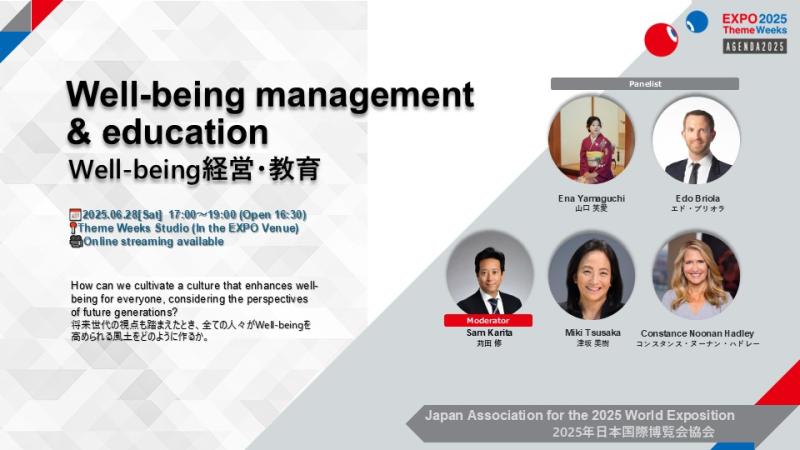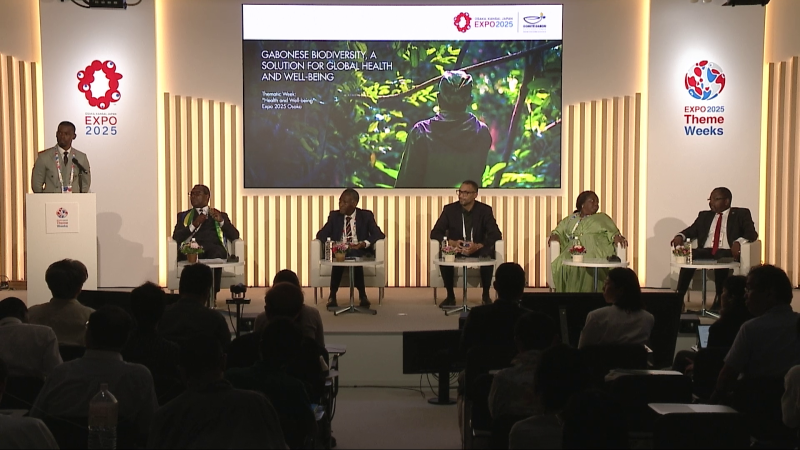
Health and Well-being Week
Agenda2025 business exchange programme‘Visionary Exchange'
Japan Association for the 2025 World Exposition
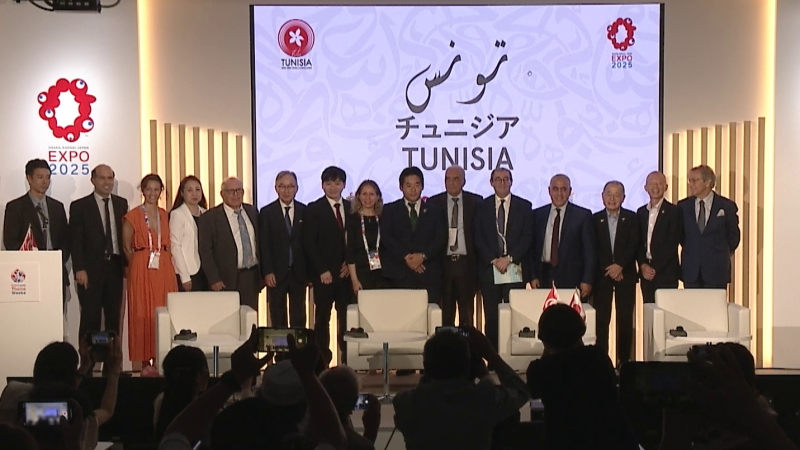
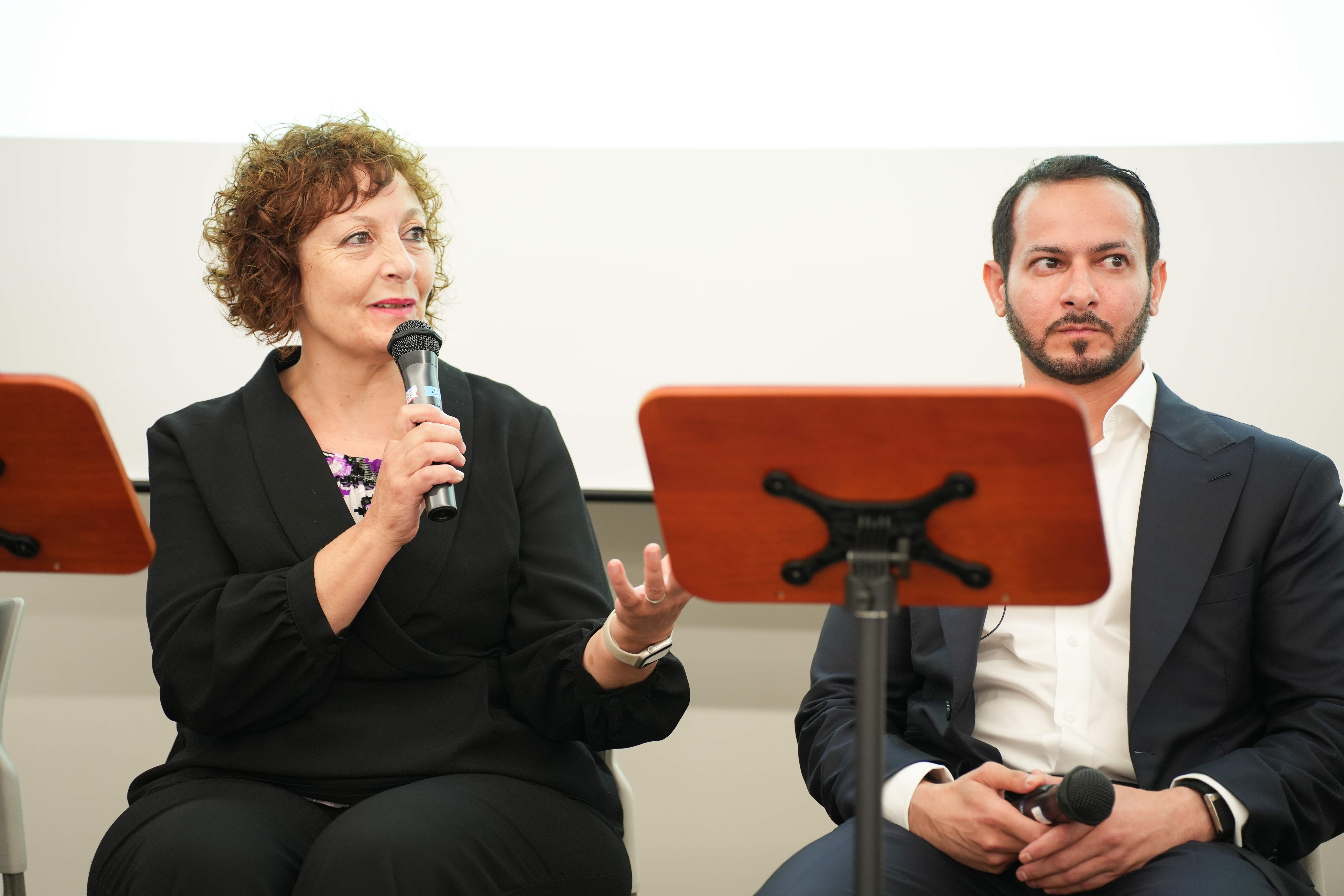
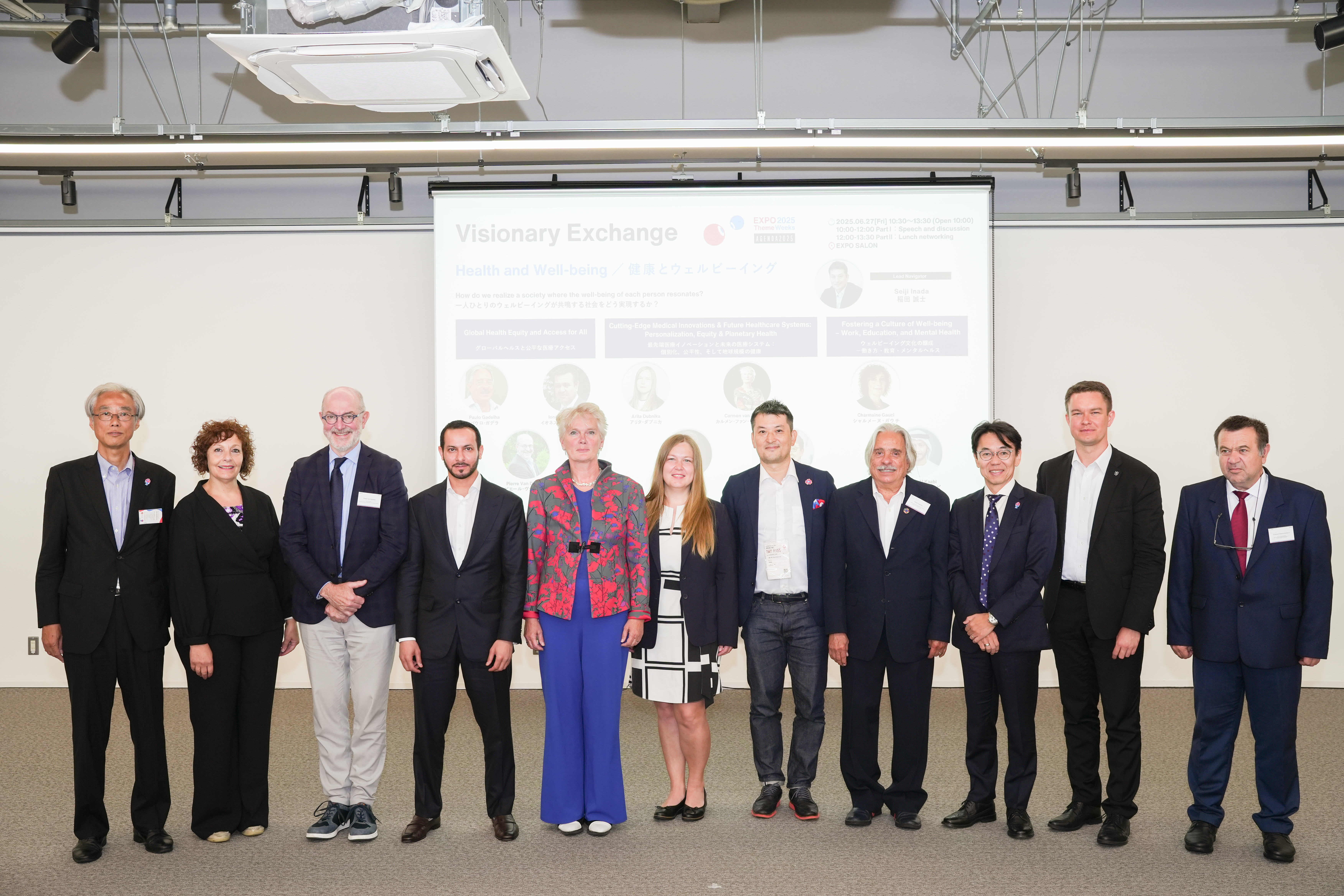
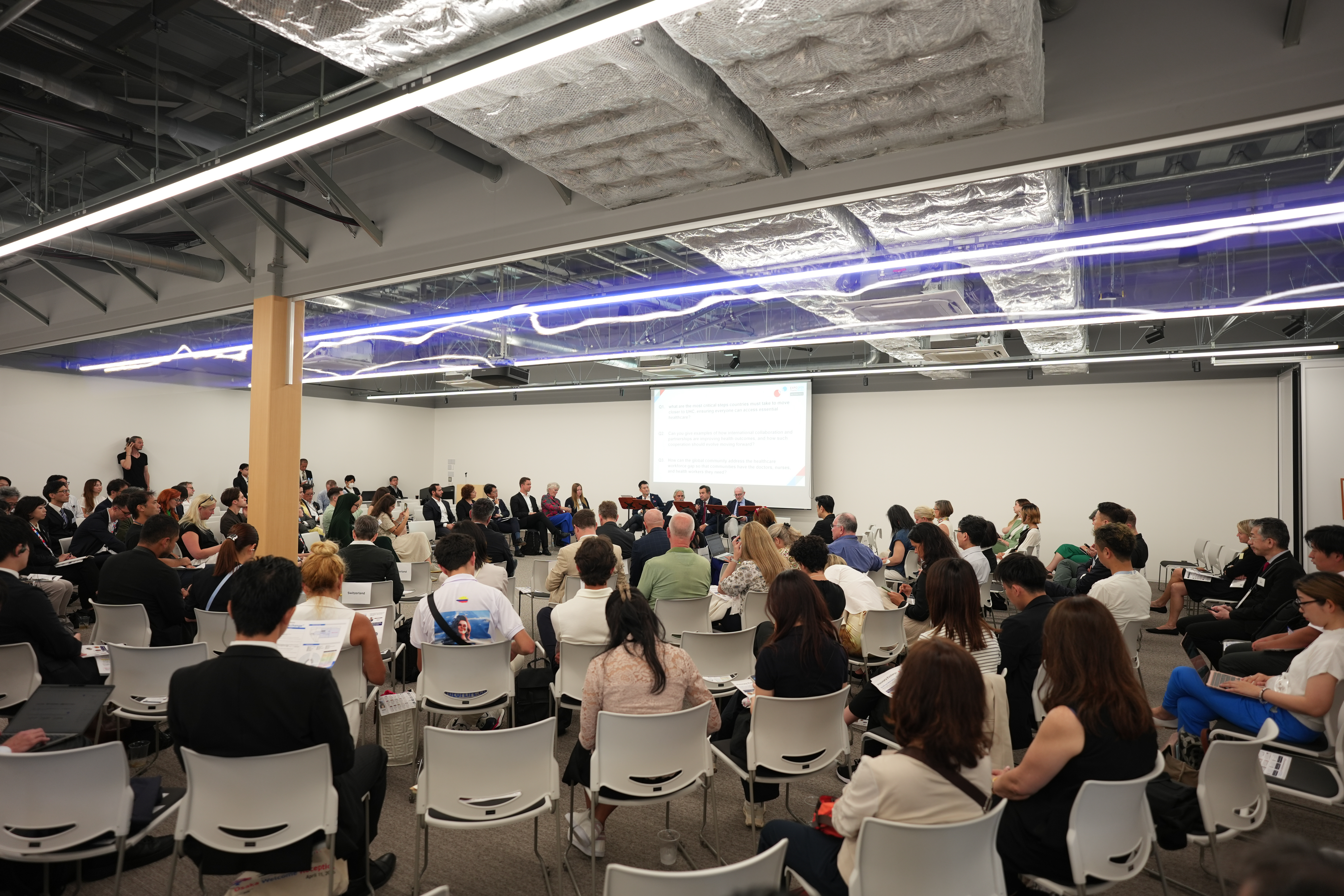
We are pleased to organise a speech and discussion event, as well as a lunch networking event, on the theme of the Agenda programme ‘Health and Well-being’, entitled ‘Visionary Exchange’, as part of the Agenda2025 programme.This gathering aims to include business delegations, universities, scientists, government officials, Agenda2025 panelists, and relevant Japanese leaders from government, industry, and academia. Participants will engage in keynote addresses and networking sessions aligned with each Theme's focus.(Invitation only)
Business Exchange
- Well-being
- Healthy life expectancy
- Regenerative medicine/cell, therapy/gene therapy
| Transmission of simultaneous interpretation | Provided |
|---|---|
| Language of interpretation | Japanese and English |
-

Agenda2025
Organised Programme
-
Time and
Date of
the event -
-
2025.06.27[Fri]
10:30 ~ 13:30
(Venue Open 10:00)
-
- Venue
- EXPO Salon
Programme details
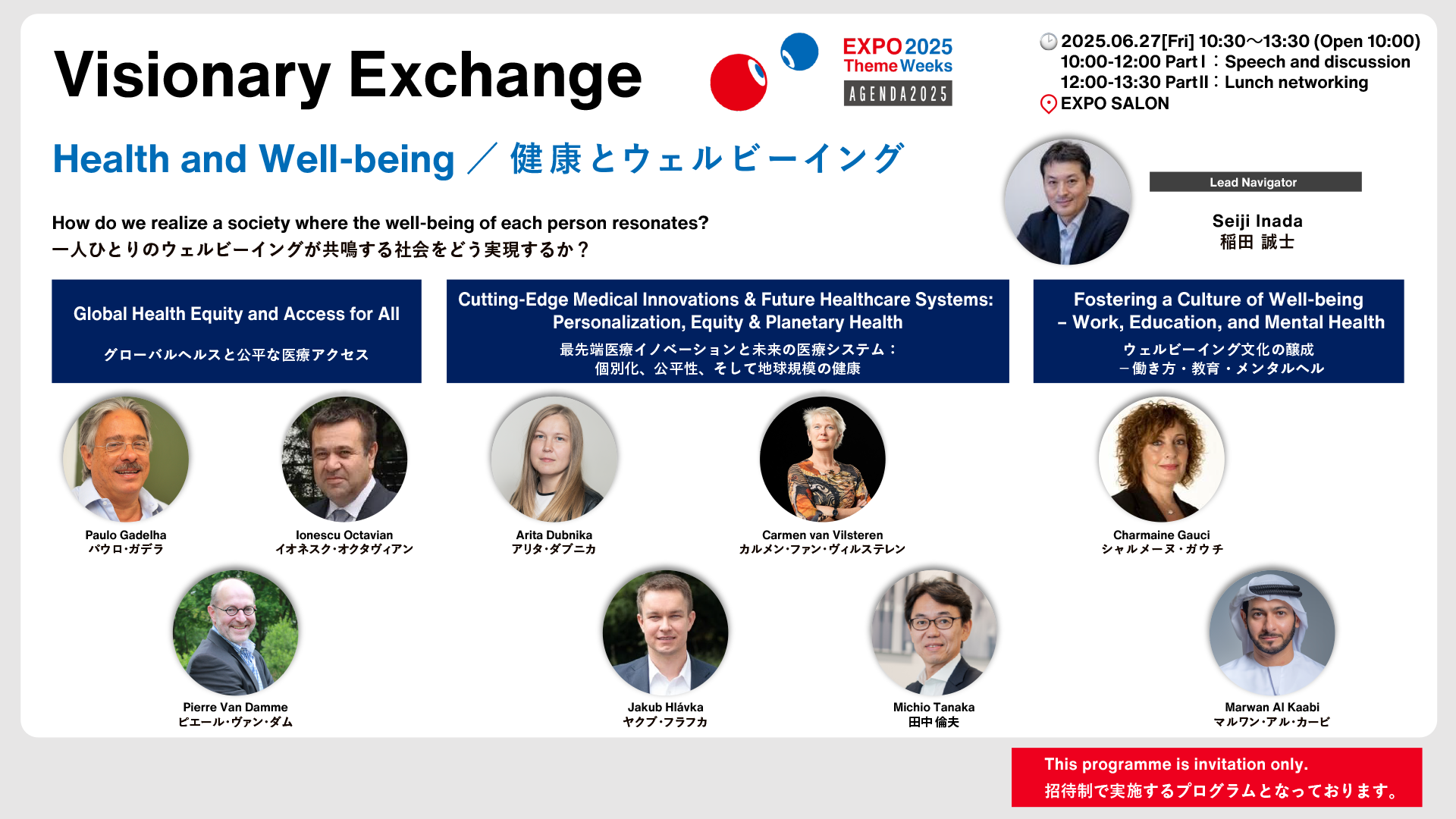
‘Visionary Exchange’ is an invitation-only programme that will
be held three times, and this is the second programme. To
establish a meaningful forum that fosters ongoing
collaboration among stakeholders, both during and beyond the
Theme Weeks, thereby building shared understanding and
connections that contribute to designing the future of
society.
10:00 Venue open/Welcome coffee
10:30-12:00 PartⅠ:Speech and discussion
Main Topic:Health and Well-being(How do we realize a society
where the well-being of each person resonates?)
・Lead Navigator:Seiji Inada(Agenda2025 Advisor)
1. Global Health Equity and Access for All
Speakers:Paulo Gadelha(Coordinator of the Fiocruz Strategy for
the 2030 Agenda =EFA 2030, Brazil)
Ionescu Octavian(Romanian's National Institute for
Research and Development for Microtechnologies)
Pierre Van Damme(MD, PhD,Director of the Centre for the
Evaluation of Vaccination =CEV, University of Antwerp,
Belgium)
2. Cutting-Edge Medical Innovations & Future Healthcare
Systems: Personalization, Equity & Planetary Health
Speakers:Arita Dubnika(Assist. Prof., Dr.sc.ing., Direction
Leader, Institute of Biomaterials and Bioengineering, Riga
Technical UniversityFaculty of Natural, Latvia)
Carmen van Vilsteren(Chair of the Top Sector Life Sciences
& Health, The Netherlands)
Jakub Hlávka(Director of the Health Economics, Policy and
Innovation Institute (HEPII) at Masaryk University, Czech
Republic)
Michio Tanaka(VP, Medical, AstraZeneca, United Kingdom)
3. Fostering a Culture of Well-being – Work, Education, and
Mental Health
Speakers:Charmaine Gauci(Superintendent of Public Health and
Director General of Health Regulation at the Ministry for
Health, Republic of Malta)
Marwan Al Kaabi(Chief Executive Officer - Sheikh Shahbout
Medical City, a PureHealth Entity Company, United Arab
Emirates)
12:00-13:30 Part Ⅱ: Lunch networking
Reports
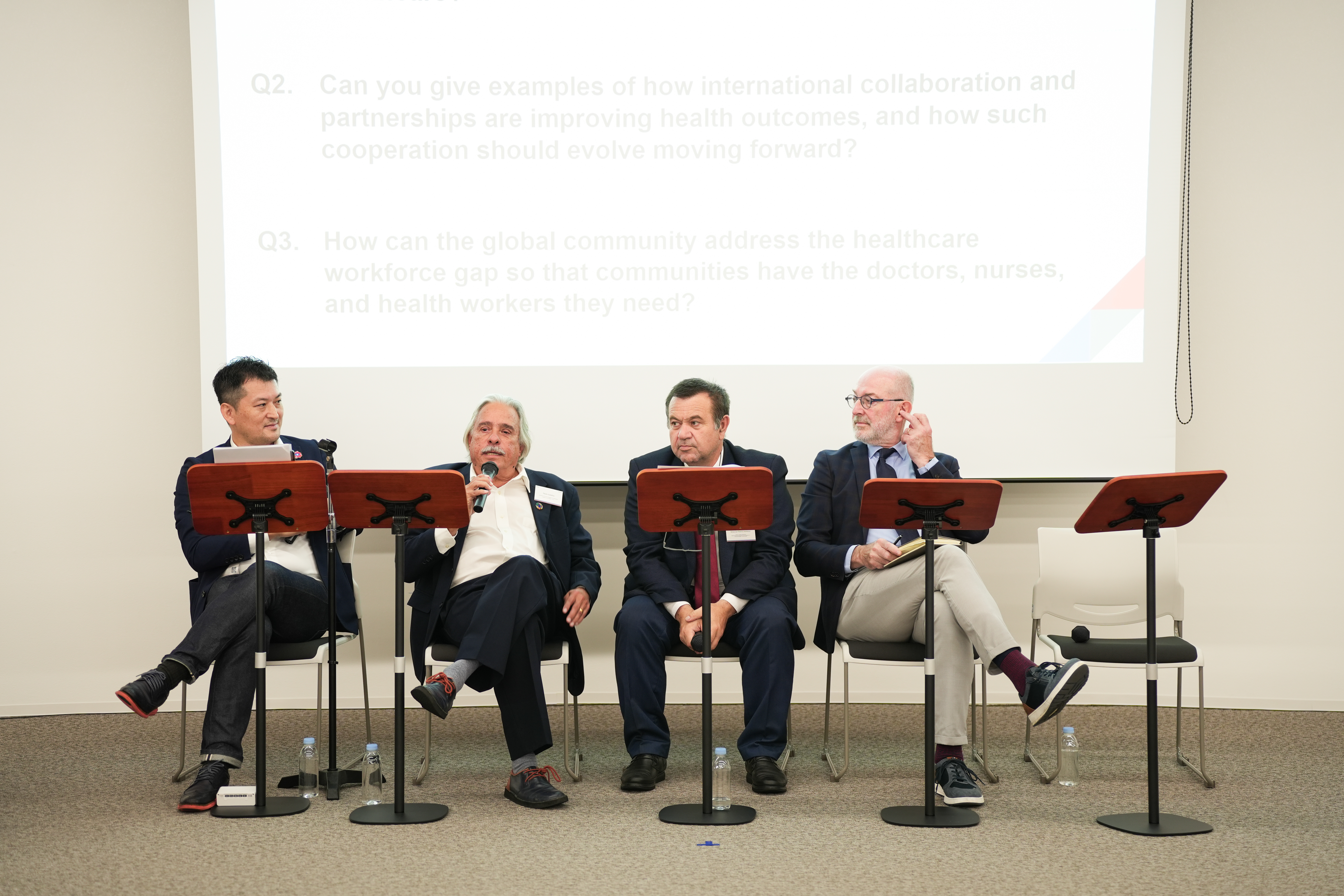
【Session 1: Global Health Equity and Access for All】
-Programme Summary
This session explored global efforts to ensure access to
essential healthcare for all, in response to complex
challenges such as population ageing, pandemics, and climate
change. Discussions focused on universal healthcare system
design, expanding access through advanced technologies, and
strengthening international cooperation from the perspectives
of human resource development and preventive care.
Speakers Paulo Gadelha (Brazil), Ionescu Octavian (Romania),
and Pierre Van Damme (Belgium) shared national practices and
challenges. Through themes such as system-industry
collaboration, co-development of medical innovations, and
building region-based healthcare infrastructure, the session
offered perspectives on how to establish equitable and
sustainable healthcare systems.
-Remarks by Paulo Gadelha
Gadelha emphasized that Universal Health Coverage (UHC) lies
at the heart of the 2030 Agenda, with SDG 3 acting as a proxy
for all goals. He noted that realizing UHC requires clear
recognition of healthcare as a right, backed by a state
responsibility to deliver it.
In Brazil, this principle is enshrined in the Constitution.
The government has advanced strategies linking healthcare
systems and industries, promoting domestic production of
pharmaceuticals and technology. During the COVID-19 pandemic,
Brazil ensured national-scale vaccine supply through
partnerships such as with AstraZeneca and the Oswaldo Cruz
Foundation.
He concluded that equitable access to healthcare is essential
to address global threats like pandemics and climate change.
Each country must pursue UHC according to its own context to
achieve a sustainable future for humanity.
-Remarks by Ionescu Octavian
Octavian, speaking as an engineer rather than a physician,
introduced the NERVAC project—an advanced initiative in
neuro-interface technology that helps people with disabilities
regain function. The system reads and returns signals via
implanted modules, complementing neural activity.
The project involves 18 organizations from 12 countries.
Romania handles implant modules, the Netherlands ASIC design,
Turin University AI, while others contribute to
biocompatibility testing and hardware
integration—demonstrating a robust division of labor.
He highlighted that such cutting-edge projects exceed the
capacity of any single country in terms of funding,
infrastructure, and expertise, underscoring the necessity of
international partnerships.
-Response by Pierre Van Damme
Van Damme highlighted five key concepts to address the global
shortage of healthcare workers: “attractiveness,” “task
shifting,” “digitalization,” “prevention,” and “shared
responsibility.” As ageing populations drive rising healthcare
demand, he stressed the need for country-specific training and
robust talent pipelines.
He noted that temporary staff relocation is not a long-term
solution. Instead, redesigning task allocation and integrating
digital tools can relieve pressure on healthcare workers.
Reframing roles for doctors, nurses, and administrators
enables more efficient use of limited resources. Public
engagement, such as self-monitoring and self-administered
vaccines, also plays a vital role.
Lastly, he emphasized that investing in prevention is key to
long-term healthcare sustainability. Promoting healthy
lifestyles and vaccinations allows more older adults to
maintain independence.
-Audience Comment / Question①
Ms Vona from the Netherlands posed a question regarding the
workforce shortage. She asked which of the three suggested
solutions—IT integration, workforce recruitment, or preventive
healthcare—would prove most effective in ten years. Rather
than treating the measures equally, she encouraged a
prioritized approach, seeking perspectives on the comparative
impact and strategic urgency of each intervention.
-Response by Pierre Van Damme①
Pierre Van Damme stated that digital transformation is
inevitable and that multiple strategies must be pursued
concurrently. However, he emphasized that enhancing the appeal
of medical education is essential for workforce recruitment.
This includes fair remuneration and better career development
to ensure healthcare professions are valued by society. He
also urged immediate action on prevention, stressing that the
responsibility should not lie solely with healthcare
professionals. He argued that individual engagement in
maintaining personal health is the most essential and
cost-effective strategy.
Moreover, he pointed out the importance of public attitudes
towards knowledge and information sharing, noting that
healthcare providers should act as advisors, not sole
decision-makers. He underscored the need for shared societal
responsibility and governance to support behavioral change
around health.
-Audience Comment / Question②
A participant asked about the relationship between universal
health coverage (UHC) and primary prevention, with particular
focus on how living environments—such as urban planning and
transportation systems—intersect with public health. They
cited recent studies identifying air pollution as a major
health determinant and emphasised the importance of close
collaboration between healthcare professionals and the fields
of urban planning and environmental policy. The question
called for insights into how health perspectives can be
integrated across all policies and highlighted best practices
from different countries.
-Response by Paulo Gadelha②
Paulo Gadelha stated that health must be discussed in terms of
integration—not only at the level of care delivery, but also
with respect to the social determinants of health. In Brazil,
the universal health system already incorporates this
integrative perspective, although challenges in intersectoral
collaboration remain.
He stressed that addressing climate change requires both
mitigation and adaptation, and that the health sector plays a
crucial role. Noting that the healthcare industry accounts for
roughly 5% of global CO₂ emissions, he advocated for efforts
to reduce environmental impact while building localized
resilience and awareness. He concluded that a cross-sectoral
vision integrating prevention and care should be central to
future health policy.
-Response by Pierre Van Damme②
Pierre Van Damme agreed with Gadelha’s remarks and highlighted
the education sector as a concrete example of an integrative
approach. He emphasized the importance of incorporating
preventive health education into primary and secondary school
curricula to enhance future generations’ health literacy.
From his background in immunology, he introduced "Immune
Patrol," an educational toolkit developed by the WHO
Regional Office for Europe. Comprising six game-based modules
on topics such as transmission and the role of vaccines, the
toolkit is offered free to schools and aims to help
10-year-olds assess the reliability of health information.
He concluded that such initiatives should be embedded in a
broader preventive health strategy, and that early educational
interventions are particularly effective in fostering a
culture of prevention throughout society.
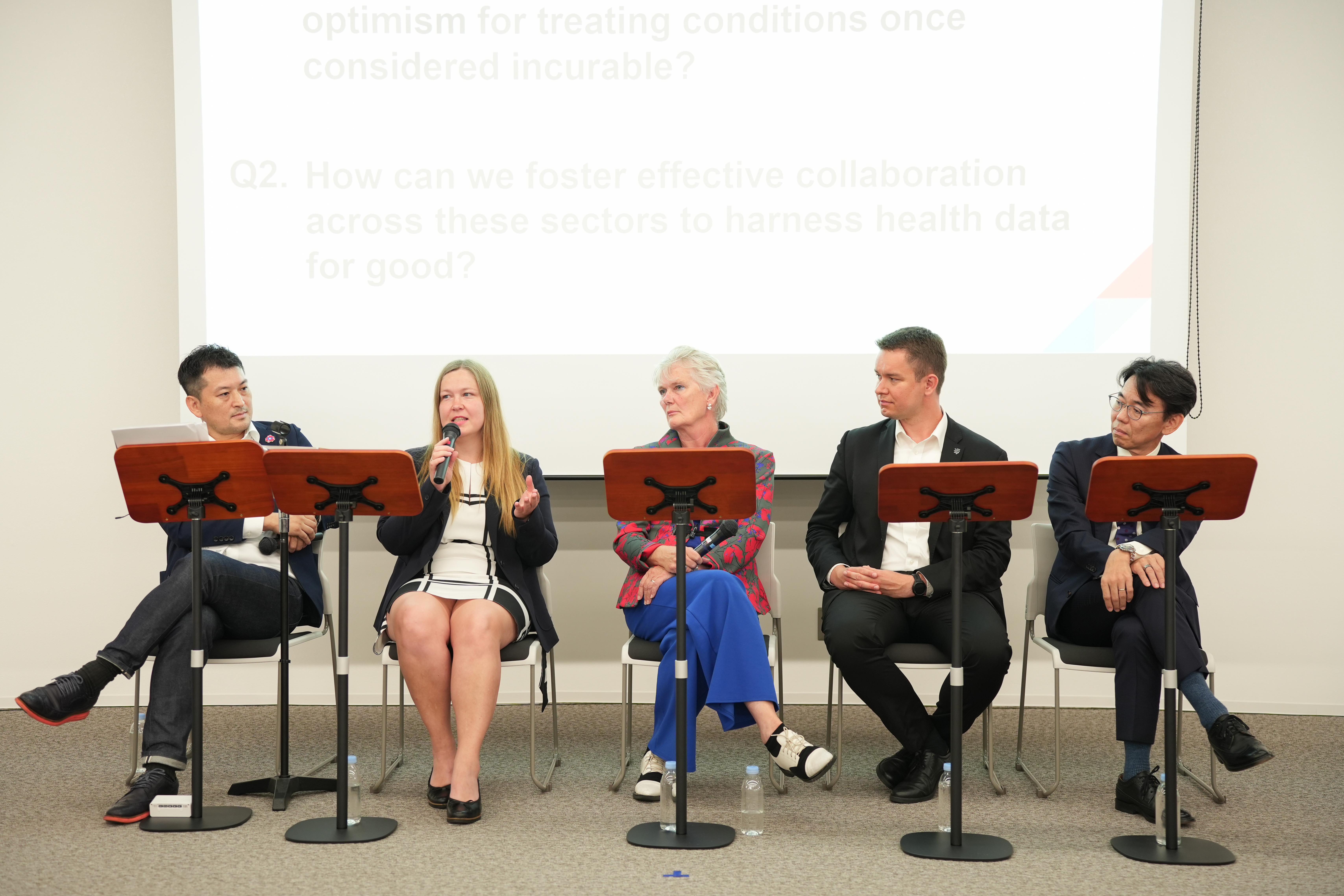
【Session 2: Cutting-Edge Medical Innovation and the Future of
Healthcare Systems: Personalisation, Equity, and Global
Health】
-Programme Summary
This session explored the transformative potential of medical
innovation alongside the institutional, ethical, and economic
challenges it entails. As treatments become more advanced and
costly, the need to allocate limited resources fairly through
value-based healthcare came to the forefront.
Speakers—Arita Dabnika (Latvia), Carmen van Vilsteren
(Netherlands), Jakub Hlavka (Czech Republic), and Tomoo Tanaka
(UK, AstraZeneca)—shared concrete insights on system–industry
collaboration, the role of evidence in policymaking, and the
scope for international cooperation.
-Remarks by Arita Dabnika
Arita Dabnika introduced cutting-edge research in regenerative
medicine, focusing on biomaterials designed to stimulate
regeneration and self-healing rather than merely repair
tissue. She explained that the role of scaffolds in
regenerative therapy has shifted—no longer passive structures,
they now support healing by releasing biological signals,
delivering drugs, and possessing antibacterial properties.
These advanced materials serve both therapeutic and preventive
functions.
She stressed the need for collaboration across the
ecosystem—including researchers, industry, policymakers, and
regulators—to bring these innovations to society. In Latvia,
the Baltic Biomaterials Centre was established to foster
partnerships with clinicians and companies, expediting the
delivery of innovative materials to patients.
-Remarks by Carmen van Vilsteren
Carmen van Vilsteren highlighted the importance of the
“quadruple helix” framework, involving government, business,
academia, and citizens/patients, as a foundation for health
innovation, particularly in addressing chronic diseases. She
emphasized that patients and society are essential
stakeholders in this model.
She then introduced the Dutch government's efforts to
build a health data infrastructure accessible to all, akin to
utilities like water or electricity. While patients are
generally open to data sharing, the lack of a clear consent
process remains a major barrier. Trust and privacy are central
issues.
Finally, she stressed that multisectoral collaboration is key
to ecosystem development and called for stronger international
ties, including with Japan. Reflecting on the delegation’s
visit to Japan, she reiterated the value of dialogue and joint
action for building a healthier future.
-Remarks by Jakub Hlavka
Jakub Hlavka identified population ageing and workforce
shortages as Europe’s most pressing healthcare challenges,
stating that current systems cannot sustain adequate staffing.
He highlighted the vast underuse of existing hospital data and
advocated for data-driven clinical decision-making. In the
Czech Republic, integration of healthcare and social welfare
data has already informed elderly care planning.
Citing the EU’s European Health Data Space and Finland’s
model, he emphasized the need for national platforms and
expanded secondary use of data. Institutional frameworks for
cross-sectoral collaboration must also be strengthened.
He further argued for enhanced data literacy, digital training
for healthcare workers, and prioritizing health in
policymaking. He stressed that ageing is an existential issue
for society, and investments and collaboration today will
determine the sustainability of healthcare and social systems
in the future.
-Remarks by Michio Tanaka
Michio Tanaka offered a practical perspective from the private
sector on implementing data-driven healthcare at the regional
level. In addition to national policy frameworks, he
emphasized the need to build early intervention systems within
local communities. He argued that setting shared goals among
stakeholders is essential for effective collaboration.
He cited an initiative in a mid-sized Japanese city, where
municipal data is analyzed by healthcare professionals and
used by general practitioners to detect illnesses early and
extend healthy life expectancy. Tanaka noted that while
stakeholders—such as local governments, healthcare providers,
and private physicians—may share values, aligning individual
incentives is critical.
He particularly highlighted that private physicians operate as
businesses, and public interest alone may not motivate them.
Therefore, defining shared goals that make sense to all
parties is key to building a sustainable ecosystem. He
concluded that scaling successful local initiatives to
national and global levels is a central objective.
-Audience Comment/Question①
An Attendee referred to the recurring themes of
“patient-centered approaches” and “data utilization”
throughout the session. She asked how standardized health
outcome indicators could contribute to the development of data
ecosystems across countries and sectors.
-Response by Carmen van Vilsteren①
Carmen van Vilsteren acknowledged the value of standardized
indicators but cautioned that value-based healthcare could be
misused to justify expensive treatments. While appreciating
ICHOM’s work, she stressed the need for critical
implementation. In budget-constrained systems like the
Netherlands, decisions must balance treatments such as €1
million cancer care versus €10,000 cardiac ablation. She
emphasized the importance of aligning quality improvement
frameworks with policymaking, ensuring both ethical and
economic considerations.
-Audience Comment/Question②
An Attendee raised a critical point, questioning whether
standardized outcome measures are being used to justify rising
healthcare costs. She argued that the true value of outcome
data lies in its application to prevention, early
intervention, risk stratification, and the optimization of
resource allocation. She expressed concern that costly
treatments such as GLP-1 agonists should not be used
indiscriminately and emphasized that outcome measurement
should not serve as a tool to priorities high-tech solutions
but rather to determine what is needed to achieve meaningful
results.
-Response by Carmen van Vilsteren②
She responded to the follow-up question on the value of
standardized outcome indicators by reaffirming her strong
support for value-based healthcare and her understanding of
ICHOM’s work. She clarified that her earlier remarks reflected
the Dutch government’s cautious stance toward numeric-based
value assessments.
She noted that within the government, there is a degree of
“allergy” to frameworks built solely on value-based
healthcare. This sentiment stems from both pressures to
control costs and the difficulty of making policy decisions.
Nonetheless, she explained that value-based healthcare also
enables performance comparisons and mutual learning among
medical institutions. This has become widely utilized in the
Netherlands. She reiterated that the true purpose of outcome
measurement should not be to justify expensive treatments, but
rather to drive improvement and cooperation.
-Audience Comment/Question ③
An Attendee raised concerns about companies justifying
expensive medical technologies, especially cell therapies,
based on predicted rather than proven benefits. She noted that
while such therapies show scientific promise, they often lack
sufficient clinical track records, and their high prices are
frequently justified by long-term cost-saving assumptions.
She asked how these therapies could be made more accessible
globally and how to overcome cross-border regulatory barriers
to ensure equitable access to innovation.
-Responses from Speakers ③
In response to the audience question, Arita Dubnika pointed
out the strict regulations surrounding cell therapies and
explained that in Latvia, a collaborative ecosystem is being
developed between the government and medical institutions with
clean rooms to promote regulatory reform. Carmen van Vilsteren
highlighted the challenges of high-cost treatments in the
Netherlands and the US, including cases exceeding USD 800,000
per patient, and noted the existence of outcome-based payment
agreements.
Jakub Hlavka stressed the need for standardized outcomes,
real-time data collection, and reduced spending on low-value
care in the face of growing healthcare demands from ageing
populations. Transparent decision-making, he said, is
essential. Norio Tanaka pointed out that private sector
engagement in public healthcare reform is driven by mutual
benefit, especially in response to municipal cost pressures
and rising drug prices. Van Vilsteren further emphasized that
drug approvals and reimbursement decisions must be based on
sufficient evidence, or risk being reversed. Finally, a
participant raised concerns over the lack of transparency in
Australia’s health technology assessments and called for
greater accountability in the evaluation process.
-Audience Comment/Question ④
An Attendee, the CEO of a startup offering early vision
impairment screening for children under five, raised two
concerns regarding data use. First, he noted that while
regulations are vital, they may hinder innovation in medical
technologies, highlighting the importance of effective data
utilization. Second, he cautioned that monetization of data
could inflate prices in the private sector, potentially
limiting access to valuable health data for public healthcare
systems. He asked for views on how to strike an appropriate
balance in system design.
-Responses from Speakers and Participants ④
In response, Jakub Hlavka stressed the need to balance patient
privacy with public interest. He advocated for broad data
utilization under systems like universal health coverage,
supported by cybersecurity investments, talent development,
and public-private collaboration.
Carmen van Vilsteren noted that over 95% of patients in the
Netherlands consent to data use, which is anonymized and
securely managed, with fees applied for commercial access.
Charmaine Gauci highlighted the importance of sharing medical
data within the EU's free movement area, stressing the
need to exchange only essential information while safeguarding
privacy. She also cited EU regulations as a global model.
Carmen van Vilsteren endorsed the opt-out model being adopted
in parts of Europe, with Gauci agreeing that allowing
individuals to make informed choices was essential.
【Session 3: Fostering a Culture of Well-being – Work,
Education, and Mental Health】
-Programme Summary
This session explored comprehensive approaches toward a
healthier future society, centered on the theme of fostering a
culture of well-being across work, education, and mental
health.
Discussions addressed the significance of social
determinants—such as education, housing, and the workplace—and
the development of a sustainable society that supports mental
and physical health for all generations.
Speakers Charmaine Gauci (Malta) and Marwan Al Kaabi (UAE)
presented multifaceted strategies including reforms in
emotional intelligence and conflict resolution education,
promotion of preventive care, technology-driven health
management, and community engagement
-Remarks by Charmaine Gauci
She highlighted the importance of imagining the future of
health, noting that in addition to conventional elements like
healthcare delivery, prevention, and primary care, social,
economic, and political factors play a major role. She
proposed “schools of the future” where students learn not only
math's and science but also emotional intelligence,
conflict resolution, and how to learn. Exposure to different
cultures, she argued, develops critical thinking and fosters
understanding of issues such as NCDs, harmful substances, and
the role of housing and environment in health.
She also pointed out the need for workplaces to support mental
health by addressing family-related issues holistically. She
suggested moving beyond GDP as the primary national indicator
and focusing instead on health and well-being.In closing, she
called for the responsible use of social media to spread
empathy and cooperation, envisioning a healthier and happier
future shaped by shared action.
-Remarks by Marwan Al Kaabi
Representing the UAE, he underscored the urgent need for
governments to invest in preventive healthcare, particularly
to combat non-communicable diseases (NCDs), which account for
over 60% of global deaths and up to 80% in certain
communities. Shifting to prevention not only improves health
management but also helps mitigate long-term economic loss.
He cited Abu Dhabi’s mandatory national screening system as a
successful example that enabled early detection and
intervention. He also highlighted the “Emirates Genome”
programme, which has analyzed over 100,000 samples to identify
health risks and guide strategic responses based on genetic
insights.
In closing, he stressed the importance of empowering
communities to take ownership of their health through
education and access to data. Encouraging lifestyle changes,
improving infrastructure, and ensuring access to supportive
services—alongside technology—were presented as essential
elements for enhancing overall well-being.
-Audience Comment / Question ①
An Attendee expressed interest in promoting employee health
and well-being from an employer's perspective. She noted
the challenge of limited access to employee health data,
especially for organizations operating across multiple
countries. Explained that her team is exploring how available
data could be used to support healthier lifestyles among
employees. She asked the speakers for their views on how
employers in various countries can play a meaningful role in
advancing employee well-being.
-Responses from Speakers and Participants②
In response to the audience question, Charmaine Gauci noted
that employee health is linked to productivity and called for
greater collaboration between workplaces and health
authorities. She explained that Malta has guidelines and
systems for employer-provided insurance. Pierre Van Damme
pointed out that occupational physicians can monitor workforce
health through aggregated data, while Marwan Al Kaabi cited
the UAE’s “Pura” app as a tool enabling employees to track
their own health.
Carmen van Vilsteren noted that reaching low-income
populations remains difficult and shared examples of
interventions through corporate HR channels. She also
mentioned that past health apps were mostly used by highly
educated users.
Other participants stressed the importance of empowering
people with data and education and highlighted grassroots
efforts alongside national policy. Referring to US cases, they
noted the limits of mandates and underlined the need for
individual and community engagement. Gauci agreed and
concluded by advocating for patient involvement and stronger
cross-ministry ties.
-Audience Comment / Question ②
An Attendee reflected on the difficulty of encouraging
behavioral change among patients. He noted that while healthy
eating and exercise are promoted as social initiatives, such
efforts have rarely succeeded in practice. He pointed out that
increased life expectancy has largely resulted from
technological advances and questioned whether new challenges
would emerge if average lifespans reached 100.
He asked whether such challenges should be addressed through
technology or society and expressed concern that technological
solutions might widen socioeconomic disparities.
-Response by Marwan Al Kaabi ②
He acknowledged that achieving behavioral change remains
difficult in many communities. He suggested that one reason is
the short-term affordability of unhealthy lifestyles. To
address this, he emphasized the need to make healthy choices
more affordable and accessible. He added that promoting
understanding of the value and incentives of healthy behavior
is essential, and that encouraging voluntary engagement could
support broader adoption.
【Closing Reflections by Moderator Seiji Inada】
This Visionary Exchange served as a moment to fundamentally
reexamine what “health” truly means in our modern era. From
ancient struggles against epidemics
in agrarian societies, to the rise of public health
infrastructure, and now toward Society 5.0 and AI-powered
medicine, the meaning of health has evolved alongside societal
transformation. Today, health can no longer be confined to
curing illness - it must encompass the ability of each
individual to live fully, in both body and mind, with equal
opportunity assured on a global scale. This discussion
became a space to imagine, through concrete examples, a future
in which everyone can live with vitality in a way that is true
to themselves - a future that is inclusive and leaves no one
behind.
Health Is Not About Medicine, But About How We Live: A central
insight that emerged was the recognition that health is mostly
cultivated outside hospitals - in the conditions of daily
life, shaped by the environments we inhabit. Investments in
prevention and lifestyle, from vaccinations to nutrition and
physical activity, are more critical than treatment alone.
Health is shaped less by access to medicines
than by the social, economic, and environmental contexts in
which people live. In this light, a paradigm shift is
underway: one in which health is no longer defined by the
absence of illness, but by the ability to live well. Beyond
healthcare professionals and institutions, communities and
education systems must empower individuals to take agency over
their well-being.
Cross-Border Co-Creation and Data Ecosystems: Another striking
realization was that healthcare challenges cannot be solved
within national boundaries - they must be reconsidered within
a framework of international cooperation. Addressing
infectious and chronic diseases, as well as health risks posed
by climate change, requires global co-creation and data
sharing. To fully leverage the potential of AI-driven
healthcare, we need collaboration across borders, diverse
datasets, and shared governance. In addition to technological
innovation, the advancement of institutional frameworks, such
as universal health coverage (UHC) and public-private
innovation ecosystems, was emphasized. A society in which “no
one is left behind” in healthcare can only be achieved through
international partnerships that resemble a new kind of social
contract.
AI and Technology Are Redefining Well-being: The third key
realization was that the advent of the AI era is prompting a
fundamental redefinition of what we mean by “well-being.”
Digital technologies are enabling increasingly personalized
and sophisticated medical care, offering new possibilities for
human experience. Yet as our lives grow more entangled with
technology, we are confronted with profound questions about
what it truly means to live well. In this era, well-being must
extend beyond physical health to include mental resilience,
meaningful social connections, and coexistence with a
sustainable planet.
Mental health -long overlooked despite its central role in
community well-being - must now take its rightful place in the
global health agenda. The challenge ahead is to harmonize the
power of technology with human values, and to continue asking
what constitutes a “rich and fulfilling life” in a rapidly
changing world.
This dialogue marked only the beginning of a longer journey
toward reimagining the future of health and well-being. We now
carry the responsibility to transform these insights into
concrete action, building upon continued dialogue and
collaboration.
Health is not merely a personal matter - it is a shared asset
of society, and a promise we owe to future generations. To
meet the challenges posed by climate change and artificial
intelligence, we must evolve into a more inclusive and
sustainable society - one that embraces well-being not as an
individual pursuit, but as a collective commitment.
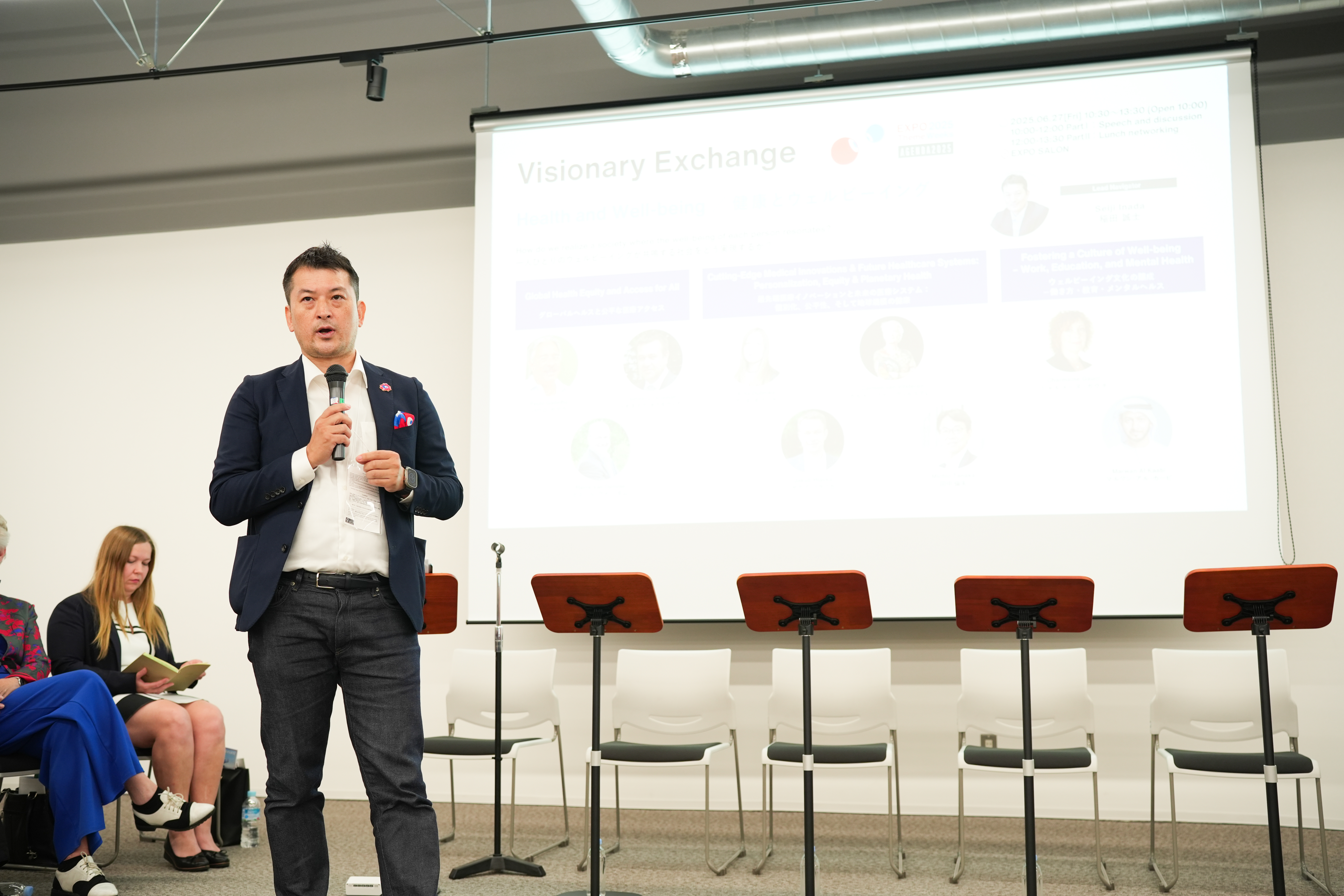
Cast
Moderator
Seiji Inada
Advisor, Agenda2025, Expo 2025 Osaka-Kansai
Seiji Inada blends government insight with global business acumen. After shaping foreign and national security policy at Japan’s Ministry of Foreign Affairs and the Prime Minister’s Office, he honed his commercial edge with a global consulting firm. He then steered high level initiatives at the World Economic Forum and became Japan Representative for Eurasia Group, advising C suites on geopolitical risk. Now Managing Director at FGS Global, he counsels public institutions and global companies integrate geopolitical realities into long-term business strategy. He also acts as an Agenda 2025 Advisor for Expo 2025 Osaka Kansai, driving forward looking dialogue on innovation and the future of society. He continues to counsel several private-sector organizations.
View Profile
Close
close
Speakers
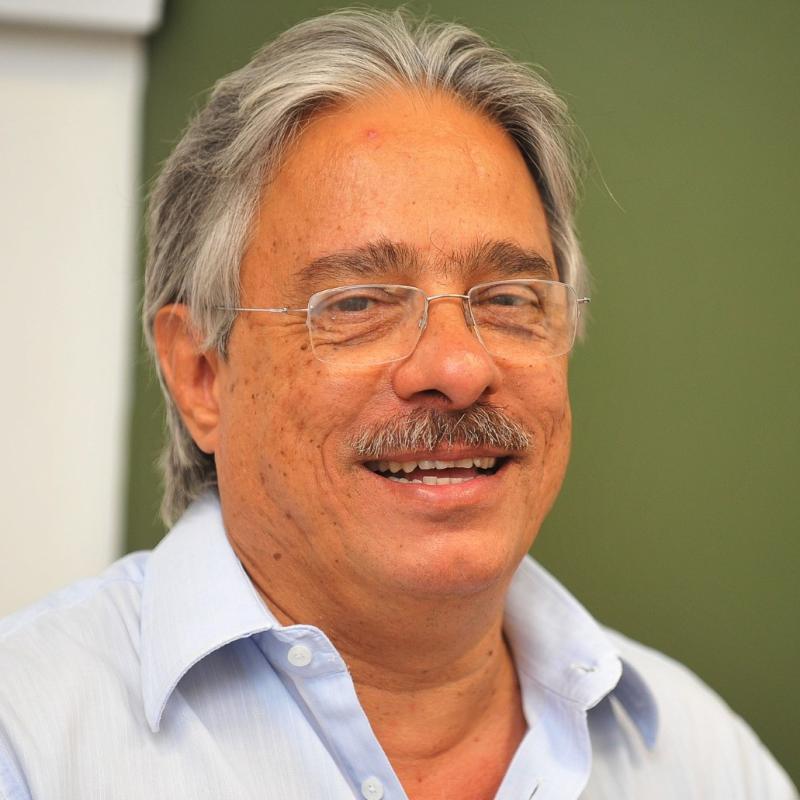
Paulo Gadelha
Oswaldo Cruz Foundation, Fiocruz Strategy for the 2030 Agenda (EFA 2030/Fiocruz), Brazil
Dr. Paulo Gadelha (M.D.), former President of the Oswaldo Cruz Foundation - Fiocruz (from 2009 to 2016) and Brazilian representative under the United Nations 10-Member-Group of High-level Representatives (from 2016 to 2020). Dr. Gadelha coordinates the Fiocruz Strategy for 2030 Agenda (EFA 2030/Fiocruz) since its establishment in 2017, contributing to Brazilian federal planning, and the territorialization of the SDGs at the local level.
View Profile
Close
close

Pierre Van Damme
Director Vaccinopolis and Centre for the Evaluation of Vaccination, University of Antwerp
Pierre Van Damme (PhD in epidemiology and public
health, 1994) is emeritus professor at University of
Antwerp, after a career of full professorship since
2000.
He is for more than 35 years active in vaccine trial
and infectious disease research, and conducted as PI
or co-PI more than 550 vaccine trials, and authored
more than 600 peer-reviewed papers.
He was (since 2000) full professor in Vaccinology at
the University of Antwerp, Faculty of Medicine and
Health Sciences, and teaches vaccinology in national
and international courses. Pierre Van Damme is heading
the Centre for the Evaluation of Vaccination (CEV,
University of Antwerp), which he founded in 1994, and
director of Vaccinopolis, a unique facility in Europe
for vaccine trials and human challenge studies. The
CEV is a WHO Collaborating Centre for the WHO European
Region for the control and prevention of infectious
diseases. With Arnaud Marchant he set up the recently
founded European Plotkin Institute for Vaccinology, an
initiative to accelerate the evaluation of vaccines
for pandemic and endemic pathogens. He recently was
awarded with the IVI-SK Bioscience award for the
contribution to the development and delivery of
vaccines for global health (Seoul, 2025).
View Profile
Close
close
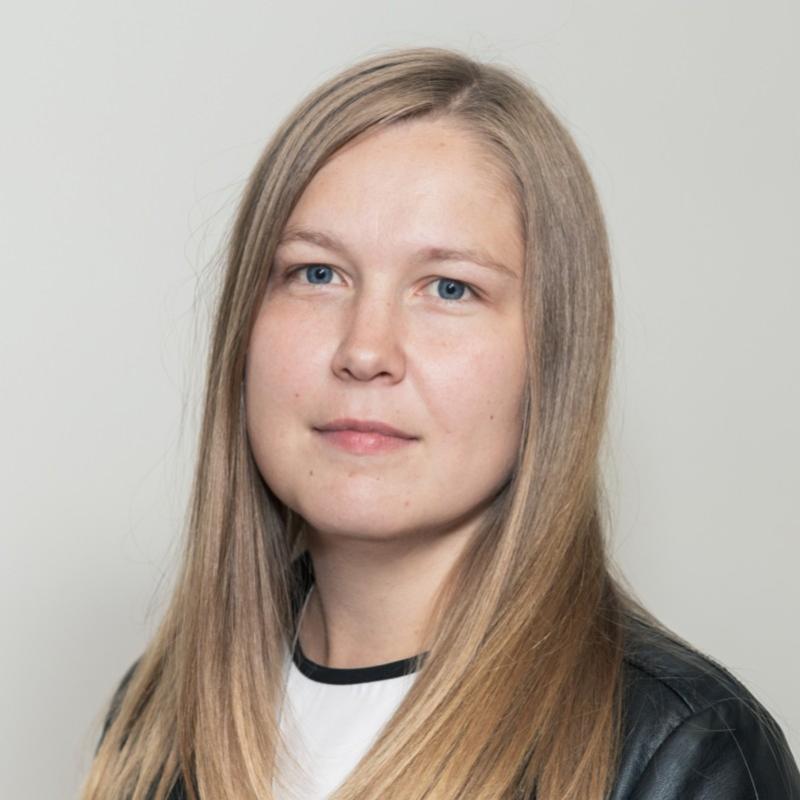
Arita Dubnika
Assist. Prof., Dr.sc.ing., Direction Leader, Institute of Biomaterials and Bioengineering, Riga Technical UniversityFaculty of Natural
Dr.sc.ing. Arita Dubnika has 15 years of expertise in bone biomaterials development, tissue engineering, and bioactive agent delivery systems. She specializes in the development of advanced biomaterials, including autologous blood derivatives like platelet-rich fibrin for tissue engineering. Her research also focuses on antimicrobial and anti-inflammatory properties, with applications in oral and maxillofacial surgery. Since 2020, Dr. Dubnika has been the leader of the "Materials in vitro" direction at the Riga Technical University, Institute of Biomaterials and Bioengineering, Latvia. She has received Julia Polak European Doctorate Award for her contributions to regenerative medicine and Baltic American Freedom Fellowship for research studies at Stanford University, USA. Dr.Dubnika is leading numerous international collaborations with academia, clinics, and industry, coordinating several research and commercialization projects. She also supervises Postdoctoral and PhD students, actively contributing to the next generation of researchers in biomaterials and regenerative medicine. As a young researcher in Latvia, she has secured more than €30M for biomaterials research in the region.
View Profile
Close
close
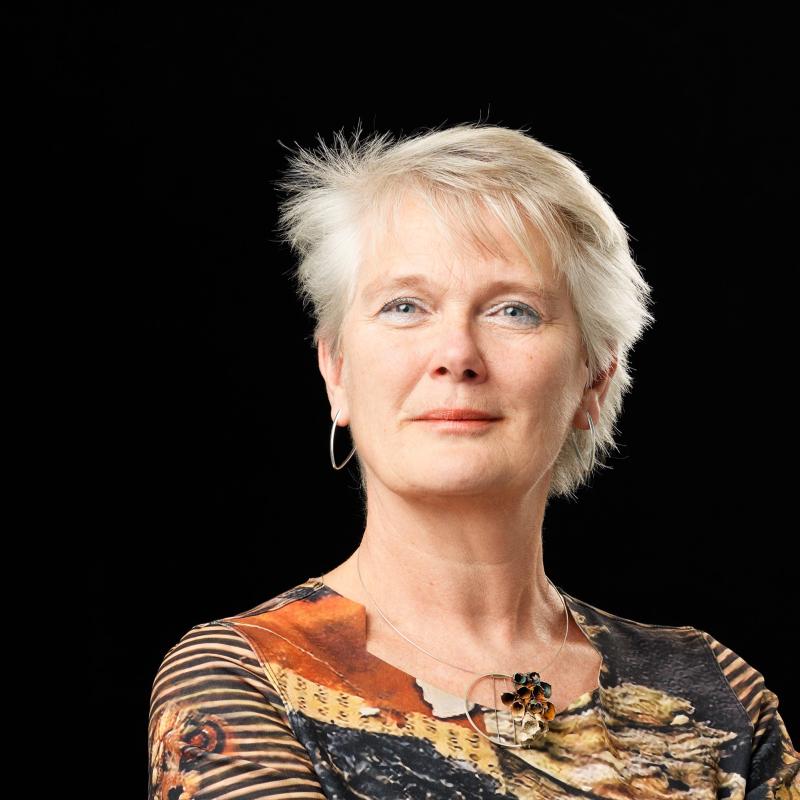
Carmen van Vilsteren
Chair of the Top Sector Life Sciences & Health, The Netherlands
Carmen van Vilsteren is Chair of the Top Sector Life Sciences & Health. She has earned her spurs in the medical industry, at Philips and Thermofisher and is also a serial entrepreneur including as CEO and co-founder of Microsure, a TU/e spin-off in the field of micro-surgery robots. She is now mainly committed to helping other startups as a mentor and investor. She was also Director of e/MTIC: the Eindhoven MedTech Innovation center, a research collaboration of Maxima Medical Center, Kempenhaeghe, Catharina Hospital. Philips and TU/e, with the ambition to bring innovation in the field of Sleep, Perinatal and Cardio-vascular.
View Profile
Close
close
Jakub Hlávka
Director of the Health Economics, Policy and Innovation Institute (HEPII) at Masaryk University, Czech Republic
Jakub Hlávka, Ph.D. is the Director of the Health Economics, Policy and Innovation Institute (HEPII) at Masaryk University, Brno, Czech Republic, Clinical Associate Professor (Adjunct) of Population and Public Health Sciences at the University of Southern California (USC) and Founder of the non-profit Initiative for Effective Healthcare based in the Czech Republic. He also serves as the Healthcare Advisor to the President of the Czech Republic. His research focuses on health system sustainability, Alzheimer’s disease and access to innovative technologies in healthcare. Jakub holds holds a PhD degree from the RAND School of Public Policy, a master’s degree from Georgetown University, Edmund A. Walsh School of Foreign Service, and an undergraduate degree from the University of Economics in Prague. He has studied and worked in the Czech Republic, United States, United Kingdom and Germany and enjoys classical music and triathlon in his free time.
View Profile
Close
close

Michio Tanaka
VP, Medical, AstraZeneca, United Kingdom
Michio joined Zeneca K.K. in 1997 as a member of Japan
Product Team for compounds in breast cancer area. Upon
the approval of Arimidex® for treatment of breast
cancer in year 2000, he led the regulatory strategy
through the bridging study utilizing overseas clinical
data which was the first case in Japan. He has worked
extensively in regulatory, clinical development, and
pharmacovigilance. He also holds vast experience
negotiating with regulatory agency. He successfully
negotiated local development initiation of Nexium® and
intranasal flu vaccine with the regulatory agency,
which had been dead stocks in the Japanese product
pipeline due to difficulties in gaining agreement from
the agency.
Since 2009, Michio has led a global team responsible
for the development of early-stage oncology compounds
at the AstraZeneca, Macclesfield UK, where is home of
the Product Strategy Team and supply chain. He also
has developed an alliance management framework for
co-development with other companies and academia
during his time in the UK.
He returned to Japan in 2013 being responsible for
product development in the areas of oncology,
neuroscience, and infectious diseases in R&D.
Remarkably he brought a new paradigm of flu vaccine
development by delivering the first ever largest
clinical study locally.
Became Head of Science & Data Technology Division
in 2016 and has made significant operational
contributions to the company in addition to his
contribution to strategic aspects, including the
introduction of the new CTD (Common Technical
Document) structure to enable minimizing the time gap
between US/Europe and Japan while filing new drug
applications as well as leading a collaboration with
National Institute of Communication and Technology
(NICT) and pharma peers to adapt a neural machine
translation engine to pharmaceutical and global drug
development.
From year 2020 to 2022, as the Japan Lead for the
pandemic vaccine project, he directed the entire
project for the COVID-19 vaccine, Vaxzevria™,
including the signing of the supply agreement with the
Japanese government, establishment of the local
manufacturing scheme, and its emergency regulatory
approval.
He was appointed VP of Medical in September 2022. He
has contributed to the implementation of the
"J-Pathway Study," Japan's first
nationwide study utilizing the National Cancer
Registry Information," and achieved Japan's
first certification as an "Accredited
Pseudonymous Medical Information User" based on
the Next-Generation Medical Infrastructure Law.
Through these initiatives, he has been leading our
data generation efforts.
View Profile
Close
close

Charmaine Gauci
Superintendent of Public Health and Director General of Health Regulation at the Ministry for Health, Malta
Professor Charmaine Gauci is the Superintendent of
Public Health and Director General for Public Health
within the Ministry for Health and Active Ageing in
Malta with wide responsibility of public health to
safeguard and enhance the health status of the people.
She had previously occupied the position of Director
of the Health Promotion and Disease Prevention
Directorate for nine years.
She graduated as a medical doctor in 1991. Over the
years she has developed skills in the wide aspect of
the public health specialty. She pursued her studies
with MSc in public health and consequently followed
the European Programme in Epidemiological Training.
She attained her PhD Degree in epidemiology in 2006.
Dr Gauci is also a Prince practitioner in project
management. She is a fellow of the UK Royal Society
for Public Health and a fellow of the UK Faculty of
Public Health.
Professor Gauci is a professor at the University of
Malta and delivers lectures in public health with
special interest in Public Health, Epidemiology,
Communicable Diseases, Health Promotion and Policy
development. She is an advocate for public health
having served as secretary, vice president and
president of the Malta Association of Public Health
Medicine for four years.
Professor Gauci acts as a focal point for a number of
bodies within the European Commission including ECDC
and Health Security and for the World Health
Organisation.
Profs Gauci has led the public health response to the
COVID-19 pandemic in her capacity of SPH. On Republic
Day, 13th December 2020, the President, on behalf of
the government and people of Malta, paid her public
tribute for distinguishing herself in the work on the
pandemic and appointed her in the grade of officer to
The National Order of Merit. This is the state order
of the Republic of Malta.
Her aim is to protect, support and improve people’s
health and wellbeing.
View Profile
Close
close
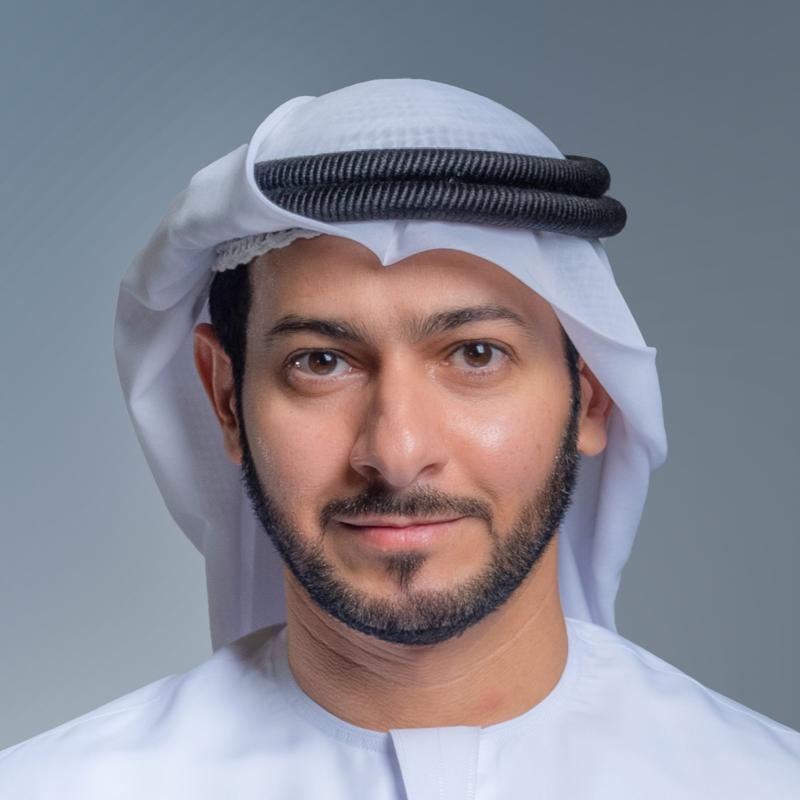
Marwan Al Kaabi
Chief Executive Officer - Sheikh Shahbout Medical City, a PureHealth Entity Company,United Arab Emirates
Dr. Marwan Al Kaabi is the chief executive officer
(CEO) of Sheikh Shakhbout Medical City(SSMC). With
over 17 years of hands-on experience in successfully
leading comple operations and large teams, Dr. Al
Kaabi has earned a reputation as an expert in driving
operational efficiency, improving customer care and
enterprise risk management. Before joining SSMC, Dr.
Al Kaabi held the position of chief of critical
infrastructure management and response at PureHealth,
where he played a pivotal role in safeguarding
critical infrastructure. His role included developing
and implementing incident and crisis management plans
and establishing stringent security protocols and
health and safety standards.
Dr. Al Kaabi also served as the chief operations
officer (COO) at Abu Dhabi Health Services Company
(SEHA), where his visionary leadership steered the
organisation through multiple strategic initiatives.
Driven by a commitment to advancing healthcare
delivery, Dr. Al Kaabi brings a wealth of experience
and a proven track record of success to SSMC.
Additionally, he serves on the Advisory Board of the
United Arab Emirates University and has recently
joined the Leaders Advisory Board of the Arab
Hospitals Federation.
Dr. Al Kaabi is a Medical Doctor (M.D.) and holds a
Master’s degree in Health Emergency Management from
Boston University, as well as an executive certificate
in Managing Healthcare Delivery from Harvard Business
School. His academic pursuits have equipped him with
extensive experience in both medical practice and
healthcare management.
View Profile
Close
close
Prof. Dr. Eng. Ionescu Octavian
Romanian's National Institute for Research and Development for Microtechnologies
Professor Dr Eng Ionescu Octavian is an experienced researcher working at Romanian's National Institute for Research and Development for Microtechnologies. He is also lecturing at Petroleum and Gas University from Ploiesti. Professor Ionescu held 4 USPTO, 1EPO, and 5 national patents, authored over 65 WOS indexed articles.
View Profile
Close
close
Health and Well-being Week
Agenda2025 business exchange programme‘Visionary Exchange'
We are pleased to organise a speech and discussion event, as well as a lunch networking event, on the theme of the Agenda programme ‘Health and Well-being’, entitled ‘Visionary Exchange’, as part of the Agenda2025 programme.This gathering aims to include business delegations, universities, scientists, government officials, Agenda2025 panelists, and relevant Japanese leaders from government, industry, and academia. Participants will engage in keynote addresses and networking sessions aligned with each Theme's focus.(Invitation only)
-
2025.06.27[Fri]
10:30~13:30
(Venue Open 10:00)
- EXPO Salon
OTHER PROGRAM
Health and Well-being Week