Health and Well-being Week
Empowered Minds: New Challenges in Mental Health in the 21st Century
Hungary
This programme examines the changing concept of health in the 21st century, focusing on the rise of mental health issues and new physical health threats in developed societies. It explores whether medical innovations can address these challenges or broader lifestyle changes are needed.
Recorded video available
Discussion
- Measures against infectious diseases
- Well-being
- Healthy life expectancy
| Transmission of simultaneous interpretation | Not provided |
|---|---|
| Language of interpretation | Japanese and English |
-

Track Programme
-
Time and
Date of
the event -
-
2025.06.24[Tue]
18:30 ~ 20:30
(Venue Open 18:00)
-
- Venue
- Theme Weeks Studio
Programme details
*Subtitles: Choose “Subtitles/CC” in the “Settings” (gear
icon) at the bottom right of the YouTube video.
*Subtitles may not show with multiple languages or overlapping
audio.
As life expectancy rises, maintaining cognitive and mental
health becomes a growing personal, family, and societal
challenge.
Cognitive decline, chronic stress, and attention-related
issues already affect a significant portion of the population
all over the world, and the cost is high, both emotionally and
economically.
Mental health is no longer just about illness and therapy.
It’s about building daily resilience, fostering cognitive
vitality, and enhancing interpersonal skills through
continuous, proactive support.
The 2025 World Expo is the perfect venue to explore how
innovative tools – including biofeedback, neurofeedback,
virtual reality, and their integration – are being integrated
into everyday life to support mental health at work and
beyond. These solutions draw on both cutting-edge science and
thousands of years of traditional practices.
Reports
【Reflection】
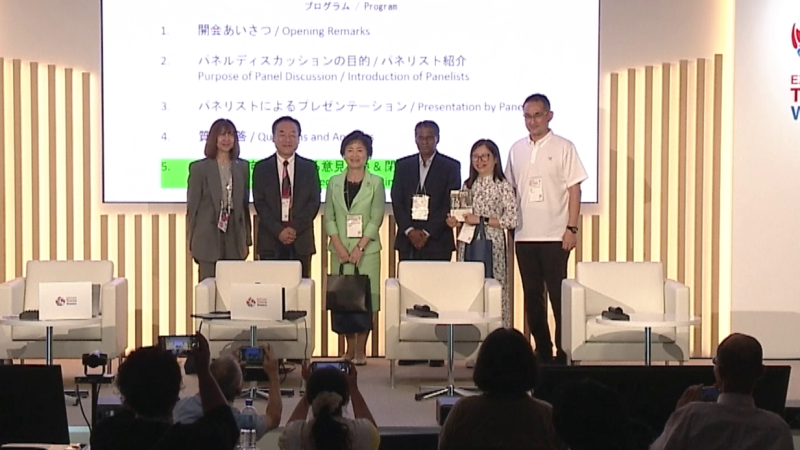
The session “Empowered Minds: New Challenges in Mental Health
in the 21st Century”, co-organised by Hungary during Expo
2025, offered a deeply human and cross-cultural exploration of
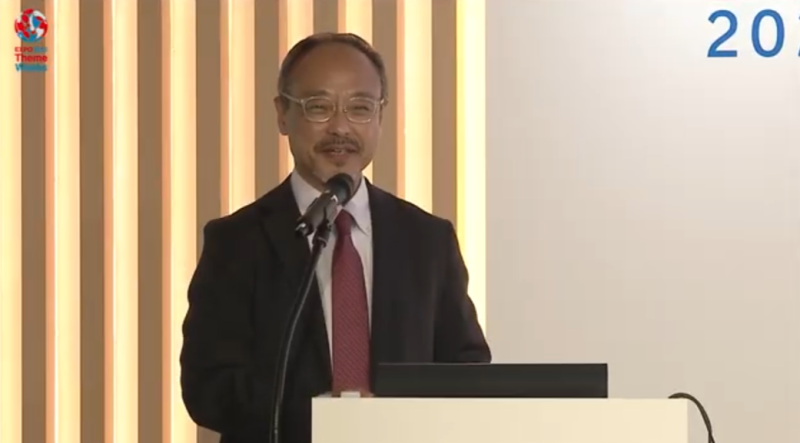
mental health in contemporary society. Professor Yoshinori
Cho, Director of the National Institute of Mental Health
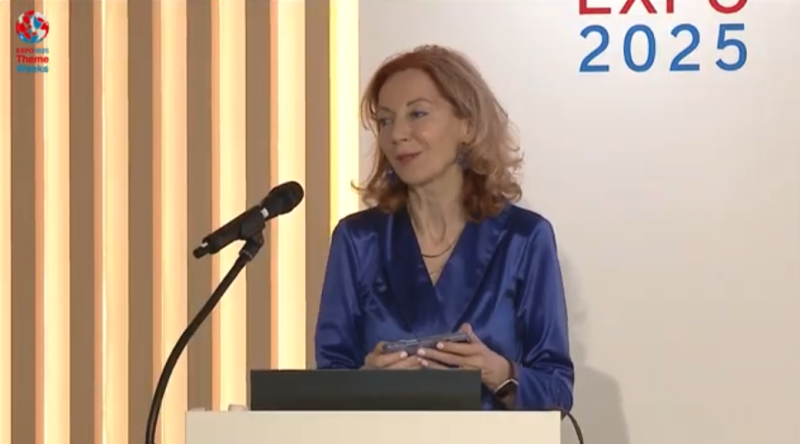
(Japan), and Associate Professor Ágnes Jenei from the National
University of Public Service (Hungary) engaged in a thoughtful
dialogue that underscored both national and global dimensions
of mental wellbeing.
Professor Cho addressed the shifting landscape of mental
health in Japan, drawing attention to the impact of rapid
social and demographic changes, particularly in an ageing
society. He emphasised the growing mental health needs of
younger populations in digitalised environments, as well as
the long-standing stigma surrounding mental illness. His call
for a transition from institutionalised models to more
community-based, inclusive care was both urgent and
forward-looking.
Associate Professor Jenei brought a personal and comparative
lens, highlighting the challenges and cultural barriers faced
in Hungary, particularly in reaching young people and
addressing suicide prevention. Her remarks revealed a growing
recognition of the importance of emotional openness in public
discourse on mental health.
Together, both speakers stressed the need for “empowerment” in
mental health – not only for those seeking care, but for
families, educators, and communities. Empowerment was framed
as the ability to speak openly, access resources without
shame, and build systems where mental wellness is a shared
responsibility. The panel highlighted that while local
contexts differ, the core human concerns – loneliness, social
pressure, identity, intergenerational trauma – are shared
globally.
This programme stood out for its sincerity and balance between
professional insight and human storytelling. It offered a
hopeful, honest space that reflected Expo 2025’s broader
vision: a future society grounded in care, connection, and
co-creation. In doing so, it invited all participants to
reflect not only on policy or systems, but on the emotional
fabric of community life.
【Post EXPO Initiatives】
As a direct outcome of this session, both Japanese and
Hungarian representatives expressed strong interest in
strengthening collaborative mental health initiatives that
continue beyond Expo 2025. The programme provided fertile
ground for potential bilateral exchanges in training, policy
design, and culturally-sensitive public engagement.
On the Japanese side, there is interest in incorporating
Hungarian approaches to youth empowerment and community-based
suicide prevention, particularly by involving universities and
civil society in early intervention strategies. Professor Cho
highlighted that Japan is moving toward less institutionalised
care models, and such a shift would benefit from
knowledge-sharing with European frameworks.
Hungary, in turn, seeks to develop emotionally supportive
communication strategies that destigmatise mental health.
Professor Jenei proposed further collaboration with Japanese
experts to co-develop public awareness campaigns that are
rooted in empathy and cultural nuance. Her presence at Expo
2025 has already sparked institutional discussions within her
department regarding incorporating Japanese mental health case
studies into academic curricula.
Both countries also noted the importance of involving younger
generations in future mental health dialogue through digital
storytelling, youth-led seminars, and cross-cultural exchange.
There was an informal proposal to initiate a “Youth Voices in
Mental Health” virtual symposium co-hosted by institutions
from Japan and Hungary in 2026, allowing students to share
experiences, research, and policy ideas.
In summary, this programme planted the seeds for a longer-term
partnership focused on empowering people, dismantling stigma,
and building resilient mental health ecosystems that transcend
national boundaries. The dialogue initiated at Expo 2025
serves as a valuable catalyst for the formation of sustained,
empathetic international cooperation.
Cast
Speakers
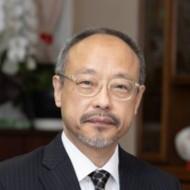
Yoshinori Cho
Director, National Institute of Mental Health, National Center of Neurology and Psychiatry (NCNP), Japan
Professor Yoshinori Cho was born in 1965, Osaka,
Japan.
1991: M.D., Faculty of Medicine, The University of
Tokyo. Then joined the Department of Neuropsychiatry,
Faculty of Medicine, Teikyo University
1997: Ph.D. in Psychiatry, University of Cambridge,
United Kingdom
2008–2021: Professor, Department of Psychiatry,
Faculty of Medicine, Teikyo University; Head of
Psychiatry, Teikyo University Mizonokuchi Hospital
2021– : Visiting Professor, Department of Psychiatry,
Teikyo University Mizonokuchi Hospital. Then Director,
Rokubancho Mental Clinic; Vice President, Japan
Depression Center
April 2024–present: Director, National Institute of
Mental Health, National Center of Neurology and
Psychiatry (NCNP), Japan
Specialization:
Clinical psychiatry and suicidology. Also has strong
interests in social psychology and the study of
religion.
View Profile
Close
close
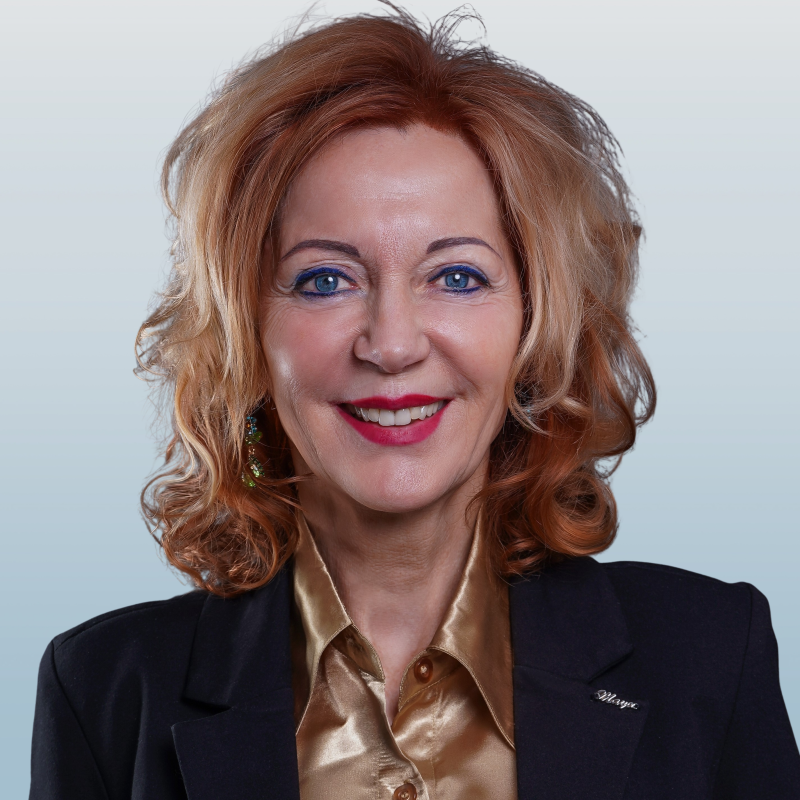
Ágnes Jenei
Associate Professor at the National University of Public Service, Department of Social Communication
Dr. Ágnes Jenei is an Associate Professor at the
National University of Public Service, Department of
Social Communication. Her work focuses on leadership
development, soft skill enhancement, and educational
innovation, with a special emphasis on the application
of virtual reality, biofeedback, and neurofeedback
technologies. She co-leads the NUPS XR Research Group
together with Dr. Noémi Császár Nagy, which
investigates the effectiveness of these disruptive
tools across various sectors.
She is engaged in research and development within the
XR Working Group of the Psychosomatic Outpatient
Clinic. She collaborates closely with Gergely Kovács,
lead XR researcher at the Defence Innovation Research
Institute (VIKI), as well as with the neurotechnology
startup Mindrove and the innovation platform
Tech-In-the-City.
Her international projects involve partners from Italy
(IDEGO), the UK (Bodyswaps, Virtual Speech), Portugal
(ISCTE), and South Africa (DUT). Core values in her
work include a global perspective, interdisciplinary
thinking, and the creation and sharing of knowledge
that is practical and applicable.
View Profile
Close
close
Health and Well-being Week
Empowered Minds: New Challenges in Mental Health in the 21st Century
This programme examines the changing concept of health in the 21st century, focusing on the rise of mental health issues and new physical health threats in developed societies. It explores whether medical innovations can address these challenges or broader lifestyle changes are needed.
-
2025.06.24[Tue]
18:30~20:30
(Venue Open 18:00)
- Theme Weeks Studio
OTHER PROGRAM
Health and Well-being Week