Health and Well-being Week
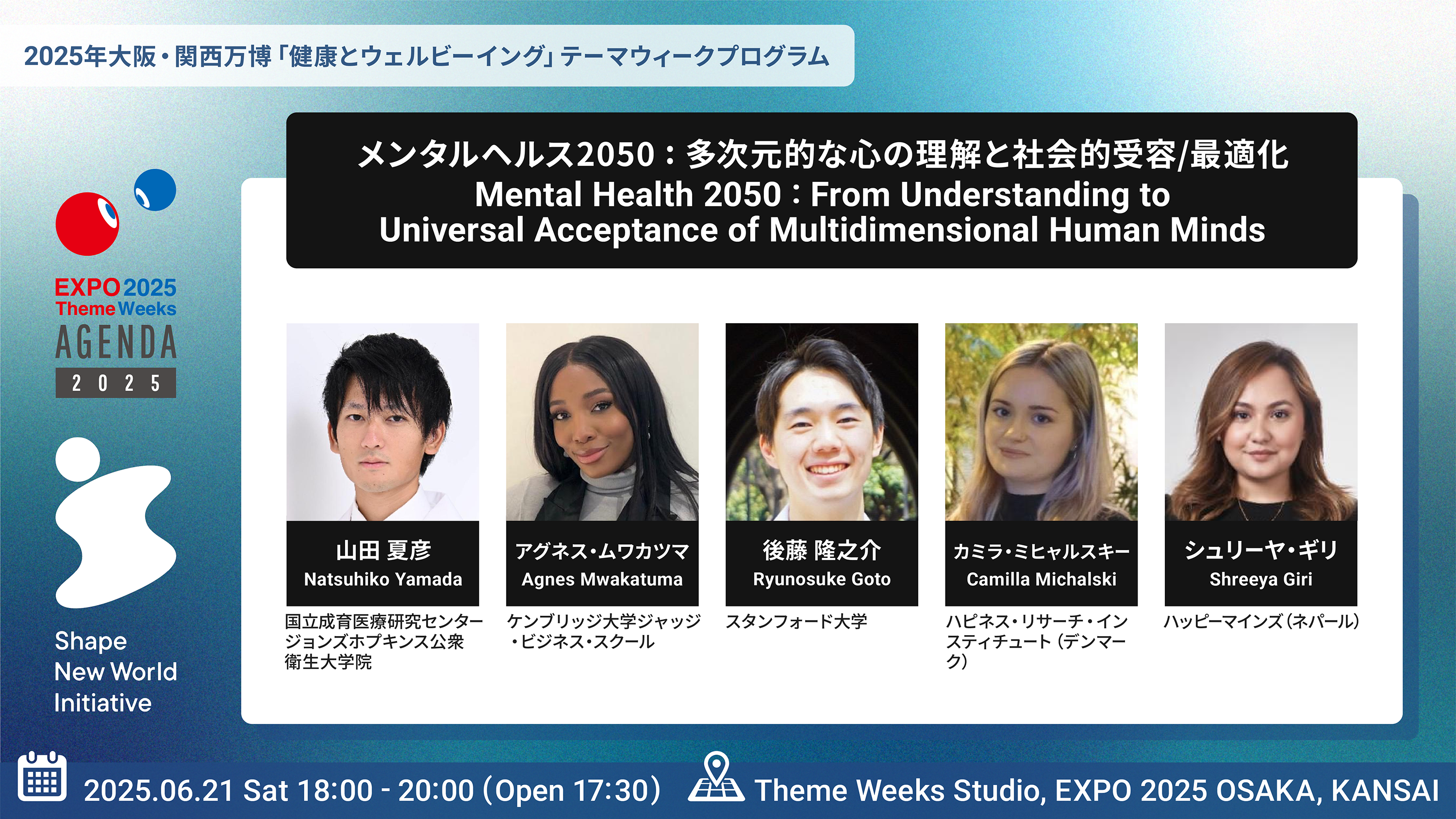
Mental Health 2050: From Understanding to Universal
Acceptance of Multidimensional Human Minds
Agenda 2025 Co-created Programme
Shape New World Initiative
How can we tackle unexplored areas of mental health to find
the best scientific and social solutions?
Discussion points for ideal 2050
1. How much can we learn about the complex human mind, from
happiness to mental illness?
2. How well can society understand and support mental health
across all cultures and backgrounds?
Recorded video available
Discussion
- Well-being
- mental health #no one left behind
| Transmission of simultaneous interpretation | Provided |
|---|---|
| Language of interpretation | Japanese and English |
-

Agenda2025
Co-created Programme
-
Time and
Date of
the event -
-
2025.06.21[Sat]
18:00 ~ 20:00
(Venue Open 17:30)
-
- Venue
- Theme Weeks Studio


Programme details
*Subtitles: Choose “Subtitles/CC” in the “Settings” (gear
icon) at the bottom right of the YouTube video.
*Subtitles may not show with multiple languages or overlapping
audio.
Mental health has gained significant global attention in
recent years. However, the intricacies of human emotions, the
challenges in psychiatric theory and practice, and persistent
social stigma indicate that numerous issues in the field of
mental health remain unresolved.
As we approach 2050, a pivotal juncture in this century,
emerging activists and researchers from diverse global
backgrounds will be invited to participate in our session.
This discussion aims to redefine our vision for the future
through dialogues that transcend racial, cultural, and
value-based boundaries.
In the context of rapid technological advancements and social
transformations, this forum will address two critical
questions:
1. To what extent can we, as a global community, investigate
and comprehend the multidimensional and heterogeneous nature
of the human mind?
2. How can we foster a world that universally accepts and
optimizes the varied manifestations of mental states of
diverse individuals?
This collaborative effort seeks to navigate the complexities
of mental health in an ever-evolving societal landscape,
striving for a more inclusive and nuanced understanding of
human cognition and emotional well-being.
Reports
【Reflection】
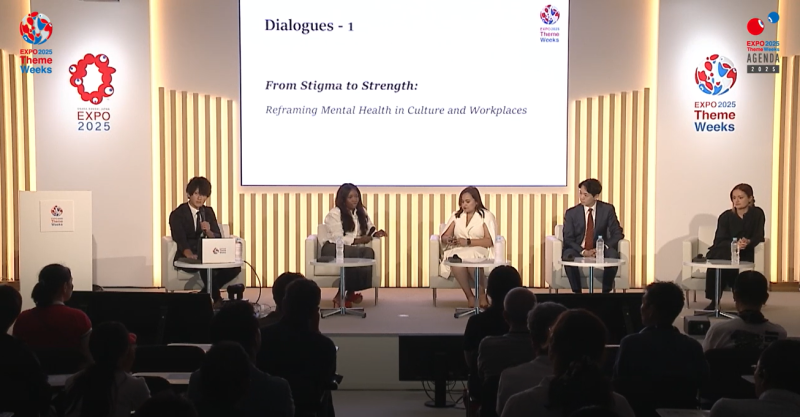
The session “Mental Health 2050: From Understanding to
Universal Acceptance of Multidimensional Human Minds” was
convened to explore how humanity can scientifically and
socially comprehend the complexity of the human mind, and how
societies can transcend cultural and value-based differences
to achieve genuine acceptance and optimization.
Mental health remains a field marked by persistent global
challenges. By convening emerging researchers and
entrepreneurs from across the world, the session fostered a
dynamic and diverse dialogue that addressed a broad spectrum
of critical issues.
Speakers underscored the relative underdevelopment of mental
healthcare, the urgent need for innovative and human-centered
approaches, and the importance of early investment in
acceptance and education. They also stressed the necessity of
joint efforts by governments and individuals, while presenting
optimistic perspectives even amidst ongoing international
conflicts. During the off-record Q&A, practical issues
such as the role of AI in mental health and workplace-based
interventions were actively discussed.
Overall, the session provided a meaningful platform to examine
multidimensional and constructive pathways for overcoming
stigma and systemic barriers regarding mental health. The
passion and optimism of young leaders resonated strongly with
the audience, encouraging them to recognize mental health as
both a personal and collective responsibility. This dialogue
marked an important first step toward shaping a future where
mental well-being is universally respected and safeguarded.
【Post EXPO Initiatives】
To ensure that the theme of “Understanding, Social Acceptance,
and Optimization” translates into tangible impact, we will
continue sustained efforts beyond the Expo:
・ Policy Proposals and Global Dissemination
Insights and recommendations from this session will be
consolidated into a formal policy proposal to the World
Economic Forum, contributing to international dialogue and
global policymaking.
・Strengthening Global Networks
We will expand frameworks enabling next-generation leaders to
collaborate across borders. A dedicated platform will be
developed to transform innovative ideas and research into
real-world applications, supported by funding mechanisms and
technical assistance.
・Promoting Acceptance and Education
Building on the session’s emphasis on early intervention, we
will implement awareness campaigns and educational programs in
communities, workplaces, and schools. These initiatives aim to
dismantle stigma and foster environments where individuals
feel safe seeking support.
Through these efforts, the Expo will not remain a one-time
event, but serve as a catalyst for lasting change. By carrying
forward the hope and vision generated in this session, we will
continue to chart a roadmap for the future, advancing each
initiative with determination and delivering a positive impact
on society.
Cast
Moderator
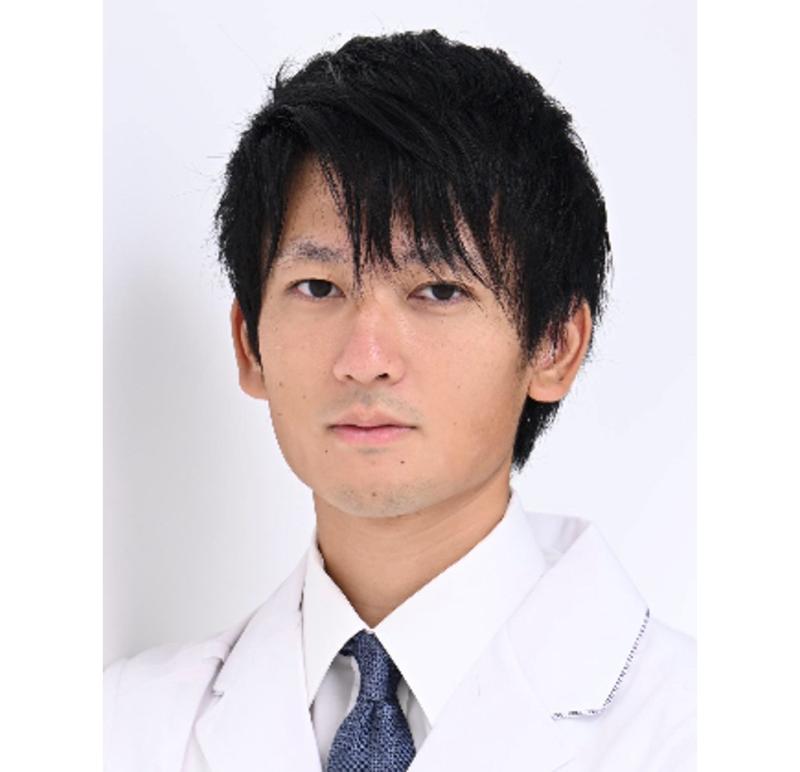
Natsuhiko Yamada
the National Center for Child Health and Development, Johns Hopkins Bloomberg School of Public Health
Natsuhiko Yamada, MD, is a pediatrician at the National Center for Child Health and Development and an MPH student at Johns Hopkins Bloomberg School of Public Health. He obtained a medical degree from Tokyo Medical and Dental University (current Institute of Science Tokyo) and finished the junior residency program at Okinawa Chubu Hospital. He received the WILLY Top Cited Article for his molecular biological research in cancer and the Outstanding Leadership Award and Visionaries Award for his philanthropic activities, trying to solve health disparities in remote islands and rural areas by addressing social determinants of health. He belongs to the Global Shapers Community, an initiative of the World Economic Forum. As a project lead, he successfully made policy proposals for the Okinawa prefectural government to solve its health crisis, uniting the power of its youth.
View Profile
Close
close
Speakers

Agnes Mwakatuma
Cambridge Judge Business School
Agnes Mwakatuma has distinguished herself as a social
innovator in the mental health sector, having raised
in excess of £2M between 2020 and 2023 to support the
provision of free mental health resources to the Black
community in the UK. She is currently leveraging her
expertise in client relations and executive education
at the prestigious Cambridge University (Judge
Business School). With a wealth of experience in the
development and management of large-scale, diverse,
and impactful programmes and partnerships, Agnes has
made significant contributions to a variety of
sectors, including healthcare, banking, consulting,
and technology. Her work over the years continues to
garner international recognition, further solidifying
her reputation as a leader in her field.
She was a recipient of Forbes 30 Under 30 in 2022.
View Profile
Close
close
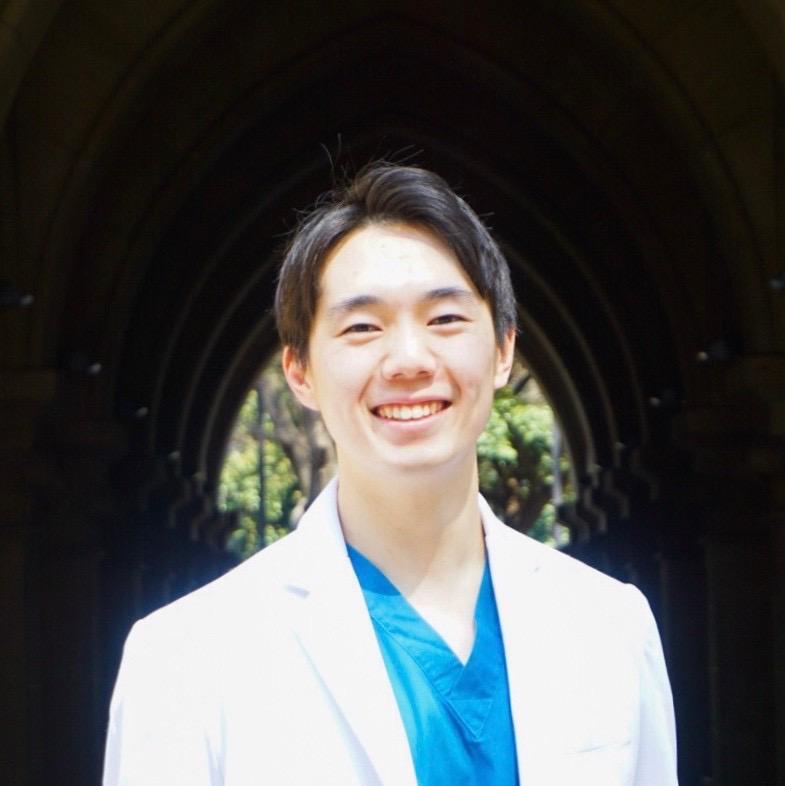
Ryunosuke Goto
Stanford University
Ryunosuke Goto, MD is a pediatrician, a PhD student in biomedical data science at Stanford University, and a Knight-Hennessy Scholar. Prior to Stanford, he obtained a medical degree from the University of Tokyo and completed his pediatrics residency at the University of Tokyo Hospital and Nagano Children’s Hospital. In 2022, Ryunosuke founded the AUDRI project, which aims to improve the mental health of adolescents exposed to the war in Ukraine. With more than 10,000 Ukrainian adolescents currently enrolled, he has received the Stanislav Kostyuchenko Award from the Ukrainian Psychiatric Association for his ongoing commitment to protecting the mental health of Ukrainian children. His work has been published in prominent journals such as The Lancet and JAMA Pediatrics, and Ryunosuke aspires to continue to improve the health of children around the world with data science.
View Profile
Close
close
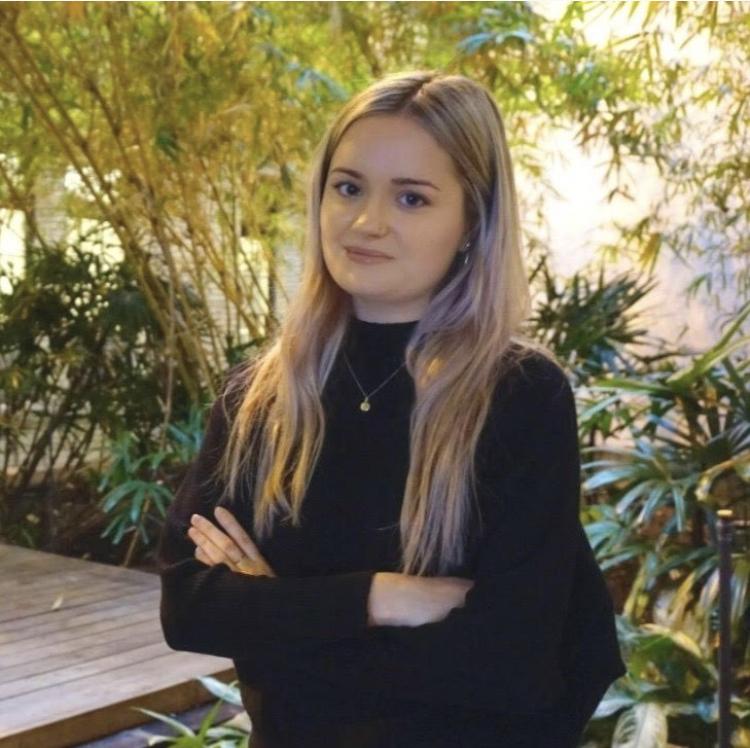
Camilla Michalski
Happiness Research Institute (Denmark)
Camilla Michalski is an epidemiologist and senior analyst at the Happiness Research Institute in Copenhagen, Denmark. Prior to this, she worked as a population health researcher at the University of Toronto where she also previously obtained her Master of Public Health degree. Camilla has spearheaded and published both quantitative and qualitative studies on population wellbeing, exploring its connection to mental and physical health outcomes, the social determinants of health, as well as its impact on community building and fostering a sense of belonging. Her work spans a broad spectrum, from large-scale projects examining wellbeing on national levels, to targeted, community-led initiatives aimed at creating localised impact. This breadth of experience has fueled her passion for translating research into actionable insights to promote stakeholder investment into population wellbeing.
View Profile
Close
close

Shreeya Giri
Happy Minds (Nepal)
Shreeya Giri is the Founder and Managing Director of
Happy Minds, one of Nepal’s pioneering mental health
and wellbeing startups. She holds an MSc in
International Business Management from London,
specializing in Project Management. Shreeya's
core interest lies in inclusive project planning, and
she has directed her passion toward creating impactful
projects that promote mental healthcare.
Recognized by Forbes 30 Under 30, Shreeya’s
initiatives are dedicated to destigmatizing mental
health across Nepalese communities and encouraging
help-seeking behaviours. She works to uplift mental
health literacy across various demographics through
campaigns focusing on men’s mental health, workplace
wellbeing, and RUOK.
Under her leadership, Happy Minds offers services that
are inclusive of geolocation, language, culture,
gender, and time differences. With a network of over
20+ psychotherapists, the platform has served 29
nations, 15+ industries, and 57,000+ direct service
seekers and continues to promote a healthy and happy
mind.
View Profile
Close
close
Health and Well-being Week
Mental Health 2050: From Understanding to Universal Acceptance
of Multidimensional Human Minds
Agenda 2025 Co-created Programme
How can we tackle unexplored areas of mental health to find
the best scientific and social solutions?
Discussion points for ideal 2050
1. How much can we learn about the complex human mind, from
happiness to mental illness?
2. How well can society understand and support mental health
across all cultures and backgrounds?
-
2025.06.21[Sat]
18:00~20:00
(Venue Open 17:30)
- Theme Weeks Studio
OTHER PROGRAM
Health and Well-being Week