The Future of Community and Mobility Week
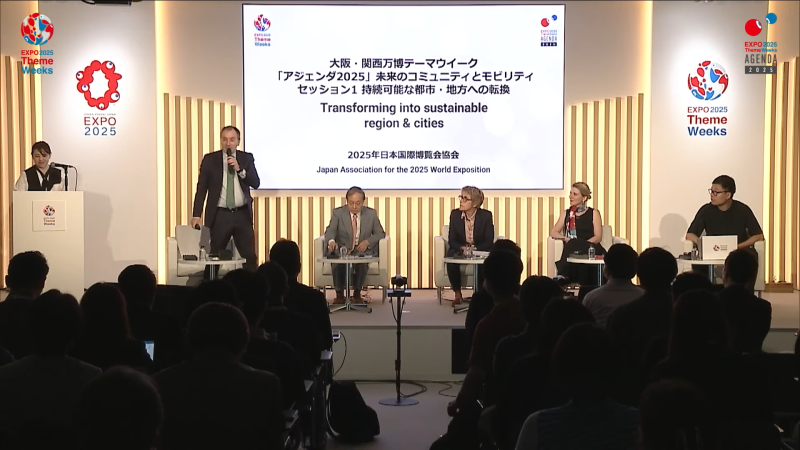
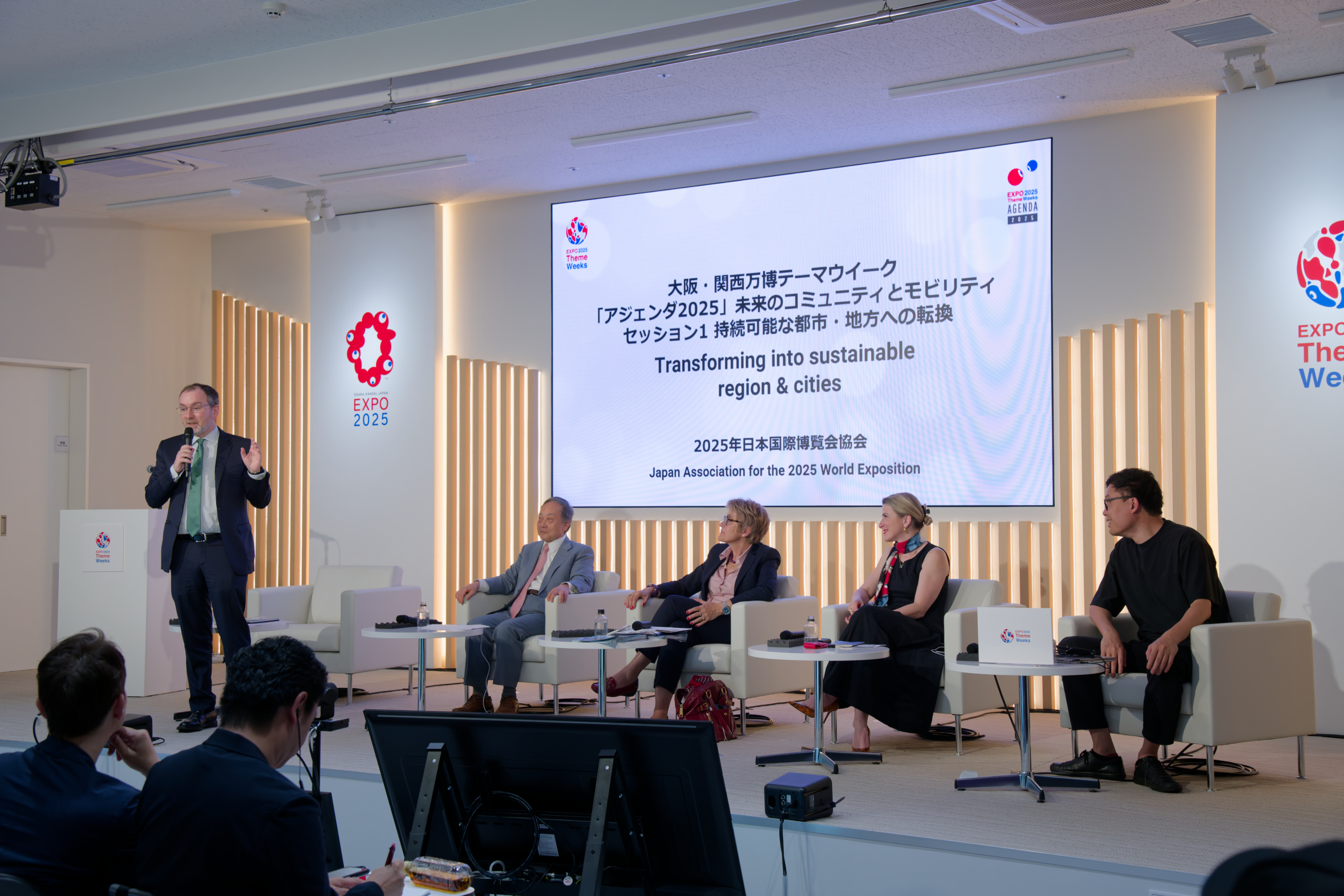
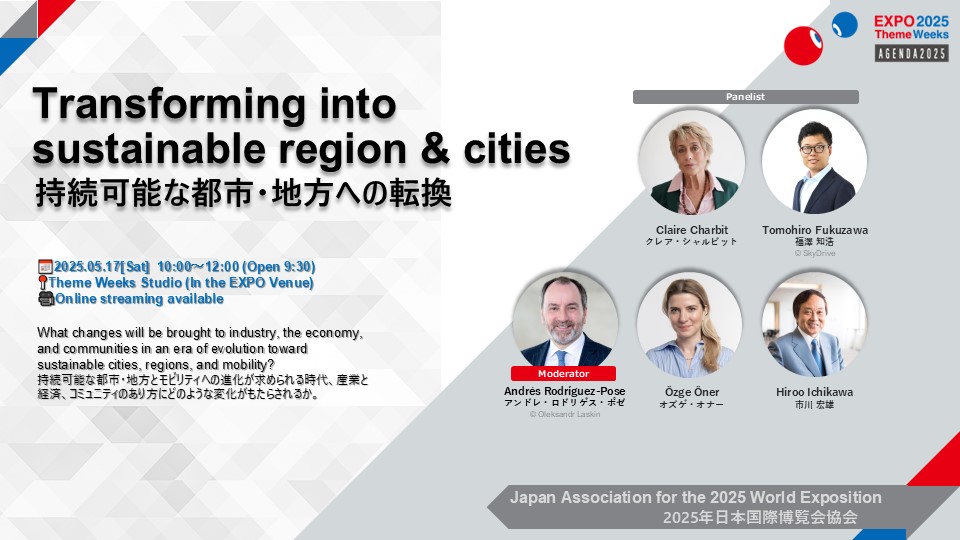
Transforming into sustainable region & cities
Japan Association for the 2025 World Exposition
The programme, together with the General Sponsors, explores: 'What changes will be brought to industry, the economy, and communities in an era of evolution toward sustainable cities, regions, and mobility?'
Recorded video available
Discussion
- Others
| Transmission of simultaneous interpretation | Provided |
|---|---|
| Language of interpretation | Japanese and English |
-

Agenda2025
Organised Programme
-
Time and
Date of
the event -
-
2025.05.17[Sat]
10:00 ~ 12:00
(Venue Open 09:30)
-
- Venue
- Theme Weeks Studio
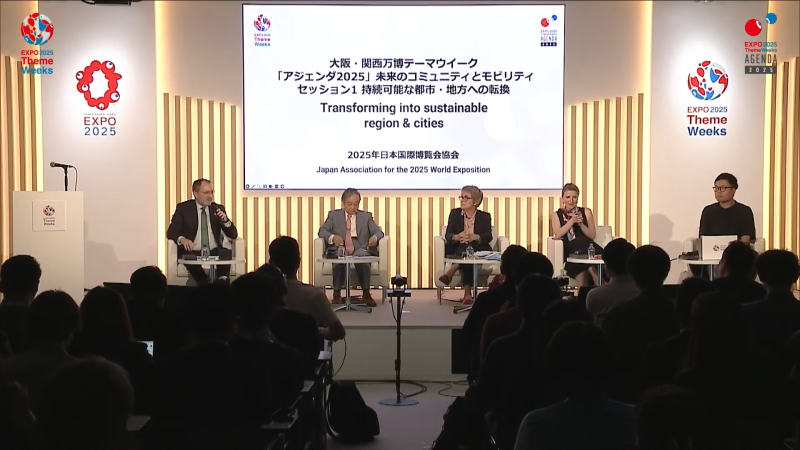
Programme details
*Subtitles: Choose “Subtitles/CC” in the “Settings” (gear
icon) at the bottom right of the YouTube video.
*Subtitles may not show with multiple languages or overlapping
audio.
Reinventing urban and regional futures: Cities and regions in
the age of sustainability
Cities and regions globally stand at a crossroads, grappling
with significant challenges on their path towards sustainable
transformation. Sustainability, once a niche concern, now
defines urban and regional development agendas, integrating
economic resilience, social inclusivity, and environmental
stewardship. Economically, regions must ensure continued
growth and competitiveness amidst rapid technological shifts
and global market volatility, striving to balance innovation
with stability. Social sustainability demands cities enhance
the quality of life by fostering inclusive communities,
ensuring equity, and delivering accessible services and
amenities. Environmentally, the imperative is clear:
drastically reduce carbon footprints, protect natural
ecosystems, and effectively manage scarce resources. And as
mobility emerges as a defining aspect of this transformation,
cities and regions must rethink how people and goods move in
more sustainable, efficient, and equitable ways. Sustainable
mobility is not only about transport. It is a way of
facilitating access to opportunity, while improving
environmental outcomes and spatial equity within and across
places.
These multi-faceted challenges compel cities and regions to
simultaneously sustain economic vibrancy, enhance social
cohesion, and rigorously safeguard their environment. The
necessity for an innovative rethinking of traditional urban
development strategies becomes urgent. Strategies that
integrate adaptability, institutional effectiveness, and
technological advancements to craft resilient and inclusive
communities are more needed now than ever.This session at the
Osaka World Expo 2025 will critically examine these pressing
themes, exploring how cities and regions can successfully
harness the complexities of sustainable transformation.
Reports
【Session Summary】
The Agenda 2025 program “Transforming into sustainable region
& cities,” held during the “Future of Community and
Mobility” theme week of Expo 2025 Osaka-Kansai, aimed to
comprehensively explore the sustainability challenges faced by
urban and regional areas and discuss practical strategies for
addressing them. The session was structured around
multidimensional approaches to building sustainable
communities from economic, social, and environmental
perspectives.
Experts from a wide range of disciplines shared insights on
key topics including intercity collaboration, innovations in
mobility, governance resilience, and the role of technology
and human capital in enhancing regional appeal. The
discussions were rooted in both theory and practice, covering
data from global city rankings, policy case studies from the
OECD, and implementation examples of next-generation mobility
such as flying vehicles.
By bringing together local and international perspectives, the
session provided a platform for rethinking sustainability
through both institutional innovation and spatial design.
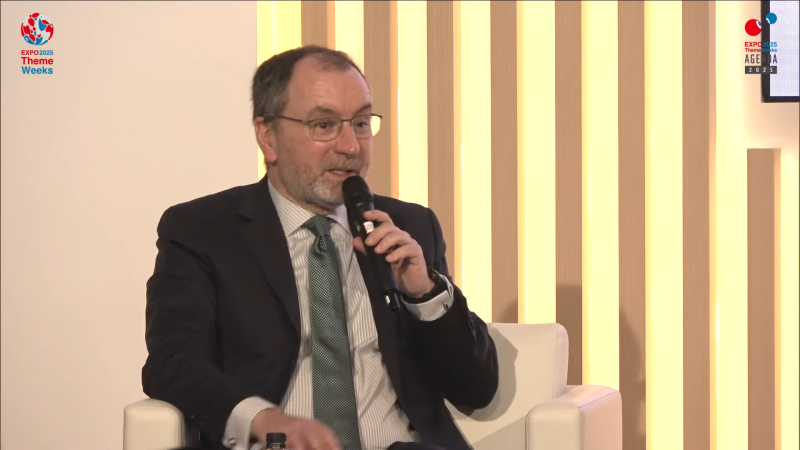
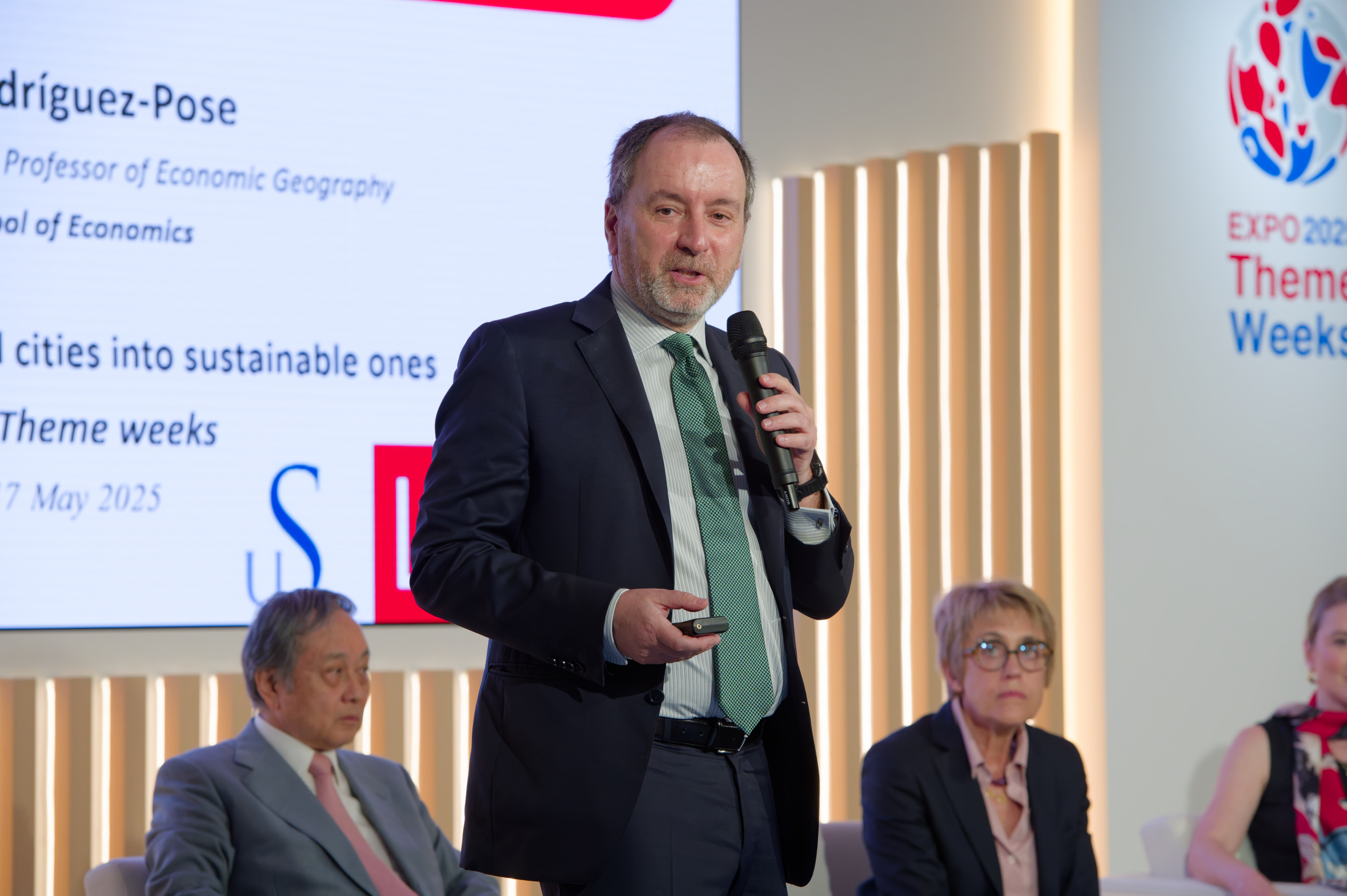
Speaker Summary: Andrés Rodríguez-Pose
Andrés Rodríguez-Pose, a leading scholar on regional economic
development and inequality, provided a compelling analysis of
structural issues facing both cities and rural areas and
underscored the need for inclusive and sustainable policy
solutions. He warned of widening regional disparities driven
by globalization and called for redistributing political
attention and investment to “left-behind regions.”
Opening his remarks, Rodríguez-Pose asserted that “economic
growth and inclusivity are not mutually exclusive” and
emphasized the importance of long-term regional strategies.
Particularly in advanced economies, the gap between urban
economic dynamism and rural decline is expanding, creating
fertile ground for populism and social instability. To counter
this, he advocated for “bottom-up policies” led by local
governments tailored to regional needs.
Drawing from policy cases in Europe, he emphasized that beyond
financial transfers, sustainable regeneration requires
innovation, human capital development, and robust
infrastructure. He highlighted the importance of long-term
strategies accompanied by governance reform and institutional
change rather than short-term results. Institutional
inclusion—ensuring that local voices are part of policymaking
from the outset—was presented as a core principle.
He rejected the binary framing of “cities versus rural areas,”
proposing instead a framework of interdependence. Cities need
to reinvest in surrounding regions for mutual benefit, while
rural areas can reciprocate with knowledge, resources, and
cultural value. A “bidirectional regional policy” approach is
needed—one that embraces cooperation and exchange rather than
unilateral support.
Rodríguez-Pose also highlighted the transformative potential
of technological innovation. Digitalization and green
transitions, he argued, offer rural areas opportunities to
transcend traditional geographical constraints and redefine
themselves as laboratories for future society. He also pointed
to spontaneous migration from overcrowded urban areas to rural
communities, a trend which should be strategically supported
through policy.
His presentation concluded with a call to see regional
development not as peripheral, but as central to national and
global transformation. His vision recast local areas as
critical agents of sustainable change.
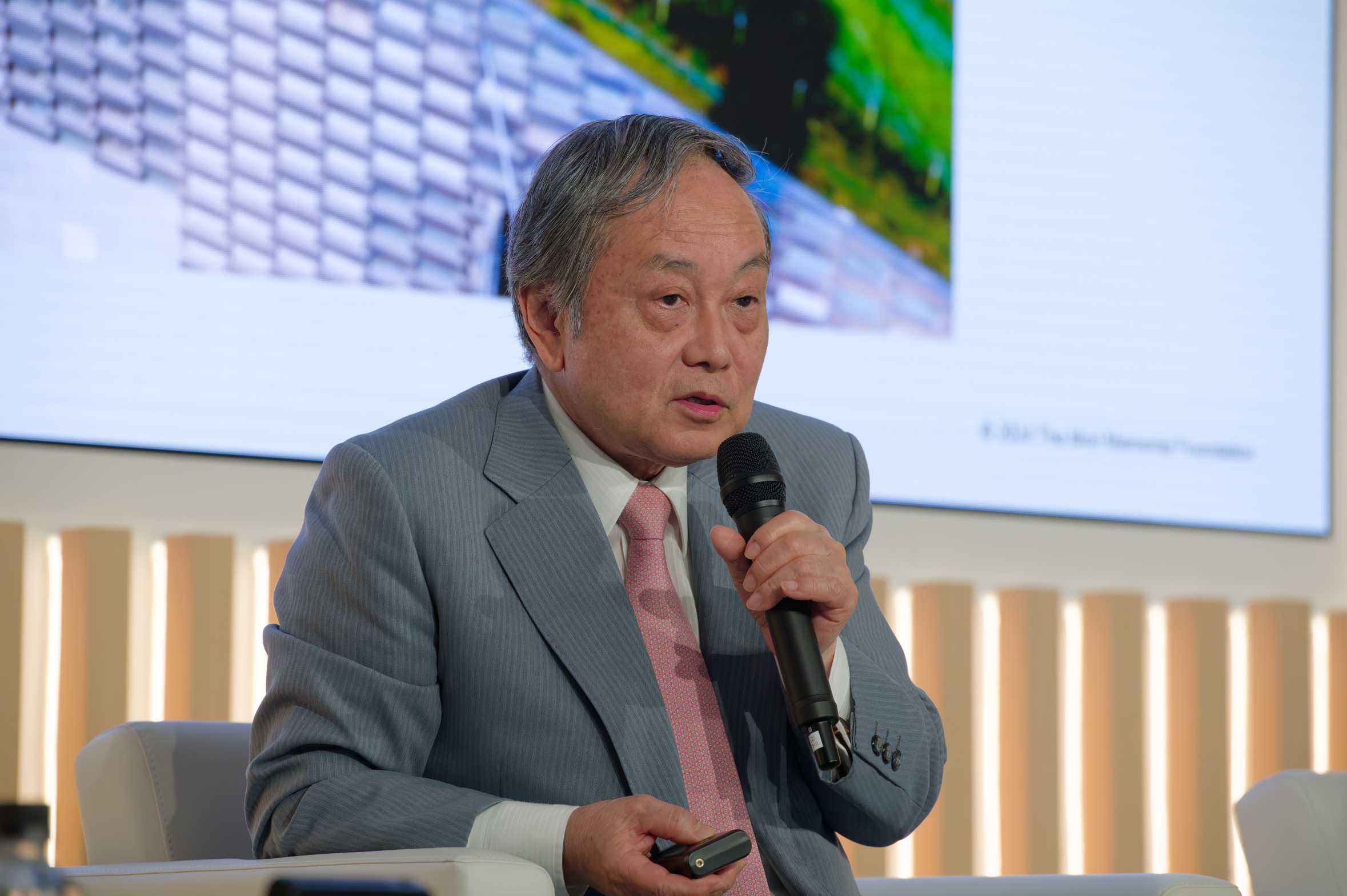
【Speaker Summary: Hiroo Ichikawa】
Hiroo Ichikawa, an authority on urban policy and city
competitiveness, explored the concept of urban sustainability
from a multidimensional perspective. Referencing his
long-standing involvement with the Global Power City Index
(GPCI), he explained how cities are globally assessed across
factors such as economy, R&D, cultural exchange,
livability, environment, and accessibility.
Ichikawa argued that urban sustainability encompasses not only
the capacity to be livable but also to be continually “chosen”
by people and organizations. In other words, sustainability
involves cultural and social richness in addition to
environmental and infrastructural factors. In the face of
Japan’s population decline, cities must compete to be
selected, and doing so requires leveraging intercity
collaboration and metropolitan-scale advantages.
Citing changes in Tokyo’s urban policy, Ichikawa emphasized
the importance of evidence-based, internationally comparable
metrics. He illustrated how Tokyo has used GPCI comparisons
with cities like London, Paris, and New York to improve its
own policies. Such benchmarking provides cities with an
objective understanding of their global positioning and helps
enhance strategic planning.
On the issue of sustainability, Ichikawa framed cities as
“testing grounds” for sustainable societies. Densely populated
and diverse urban environments can optimize resource use,
implement centralized energy systems, and promote public
transport, achieving a form of “urban sustainability.”
However, he cautioned that cities must also address internal
disparities and isolation.
He concluded by referencing Expo 2025’s vision of creating a
“laboratory for future society,” proposing that cities should
serve as dynamic prototypes of future living. Cities, he said,
are not static constructs, but “living systems in constant
renewal.” Therefore, collaboration among governments,
researchers, and citizens is essential in co-designing the
cities of tomorrow. Ichikawa’s remarks framed cities as
mirrors of society, shaped by collective intention and vision.
【Speaker Summary: Claire Charbit】
Claire Charbit ,drawing on her work at the OECD in urban and
regional policy, shared international trends and insights
toward achieving sustainable cities and regions. Based on
OECD’s data collection and comparative analysis, she outlined
shared challenges and best practices across member countries.
She began by noting that the definition of sustainability has
recently expanded to include not only environmental, economic,
and social dimensions but also governance. This means that
institutional flexibility, decentralization, and citizen
participation are key factors for resilience and innovation.
Charbit argued that balancing urban concentration and rural
dispersion, reconfiguring urban-rural relationships, and
redefining spatial policies through public-private
partnerships are common challenges across countries.
She highlighted the importance of “place-based policies,”
which are tailored to the unique resources, issues, and
cultures of individual cities and regions. Centralized
approaches, she noted, are ill-equipped to address the
complexity of today’s challenges. Drawing from OECD indicators
and policy examples, she underscored the value of inter-city
networks and sharing of best practices to improve policy
effectiveness.
Charbit introduced emerging trends in city collaboration,
particularly “networking among mid-sized cities,” where
digital and green infrastructure enables regional innovation
and human capital exchange. This approach aims to balance
development without over-concentrating in megacities. She
praised such models as examples of “coopetition”—collaborative
competition that enhances sustainability across territories.
Charbit insisted on the importance to consider sustainability
as a city attractive driver to Investors and Talent. She
underlined the situation of Japan vis a vis FDI and renewable
energy. I proposed the original methodology of the Regional
attractiveness compasses to identify priorities in regions and
cities strategies and took the example of the Kansai region
and the 2 sub regions of Osaka and Wakayama to highlight the
benefits of collaboration among neighbour places to address
them.
She also emphasized the importance of global coordination in
adapting to climate change and advancing green infrastructure.
Japan’s disaster resilience and recovery experience, she
noted, offers valuable lessons to other countries. Charbit
reaffirmed OECD’s commitment to supporting data-driven urban
policy and cross-sectoral integration.
In closing, she stated that sustainable cities and regions are
not just physical spaces, but “societal structures where
institutional, cultural, and human innovation are layered
together.” Her insights pointed to the necessity of
integrating global perspectives with local contexts for future
policy design.
【Speaker Summary: Özge Öner】
Özge Öner, drawing on her expertise in European urban policy
and the case of Amsterdam, offered practical insights into the
future of cities and mobility. Her talk focused on how
Amsterdam addresses pressing urban challenges such as climate
change, social inclusion, and local economic revitalization
through human-centered urban design and transportation policy.
She introduced Amsterdam’s adoption of the “Doughnut
Economics” model, which balances environmental limits with
social foundations in policymaking. This approach shifts the
focus of urban development from pure economic growth to
enhancing quality of life and environmental sustainability.
Central to this model is engaging marginalized
groups—low-income residents, immigrants, and the elderly—in
shaping the city’s future.
Öner described how Amsterdam applies the “15-minute city”
concept, prioritizing pedestrians and cyclists. Infrastructure
development favors public transport and walkability over cars,
resulting in improvements in public health, environmental
impact, and community revitalization. She emphasized that
mobility is not merely about transportation—it is a tool that
transforms how people live and how cities function.
She also discussed participatory planning processes that
involve young people, minorities, and other underrepresented
groups. Amsterdam has institutionalized mechanisms such as
town hall meetings and digital platforms to ensure residents’
voices are heard. Designing technology and policy to be
“life-centered” was a recurring theme.
Reflecting on Japan’s context, Öner noted common urban
challenges including aging populations, density, and cultural
diversity. She emphasized the value of sharing best practices
among cities globally and highlighted the power of “local
action with a global perspective.”
In her concluding message, Öner stated, “The future of cities
lies not in institutions or technology, but in the will and
collaboration of people.” Her heartfelt remarks reminded
participants that every citizen has a role to play in urban
transformation.
【Speaker Summary: Tomohiro Fukuzawa】
Tomohiro Fukuzawa, CEO of SkyDrive Inc., presented a
forward-looking vision for seamless urban-rural mobility and
its transformative impact on society through the
implementation of “flying cars.” Reflecting on the origins of
SkyDrive, he explained why aerial mobility is urgently needed
and how it contributes to urban and regional sustainability.
Fukuzawa opened by addressing long-standing transportation
challenges—traffic congestion, time loss, environmental
burden, and access inequality. In countries like Japan with
mountainous terrain and remote islands, flying cars can offer
infrastructure that corrects the imbalance in urban-rural
accessibility.
SkyDrive is developing vertical takeoff and landing (eVTOL)
aircraft, aiming for a demonstration flight at Expo 2025.
Fukuzawa emphasized that this is not just a tech showcase but
a step toward integrating aerial mobility into public
transportation. He stressed the importance of aligning
mobility with legal frameworks, urban planning, and energy
infrastructure.
He also discussed the value of “reconstructing time,” arguing
that optimizing travel time—not just distance—enhances
efficiency and flexibility across domains such as urban
commuting, intercity transit, emergency medical transport, and
disaster response. Aerial mobility could enable new lifestyles
like working remotely from the countryside while enjoying
urban leisure.
Fukuzawa highlighted the need for societal acceptance, citing
concerns about noise, safety, cost-effectiveness, and
automation. He shared SkyDrive’s efforts to engage with local
communities, governments, and regulators to foster
understanding and collaboration. His community-centered
approach positioned flying cars as a public good, not a
luxury.
Concluding his talk, he stated, “Aerial mobility is not a
far-off dream, but a real solution to today’s social
challenges.” His passion for using mobility to connect cities
and regions inspired participants to reimagine Japan’s spatial
and societal future.
【Discussion Summary】
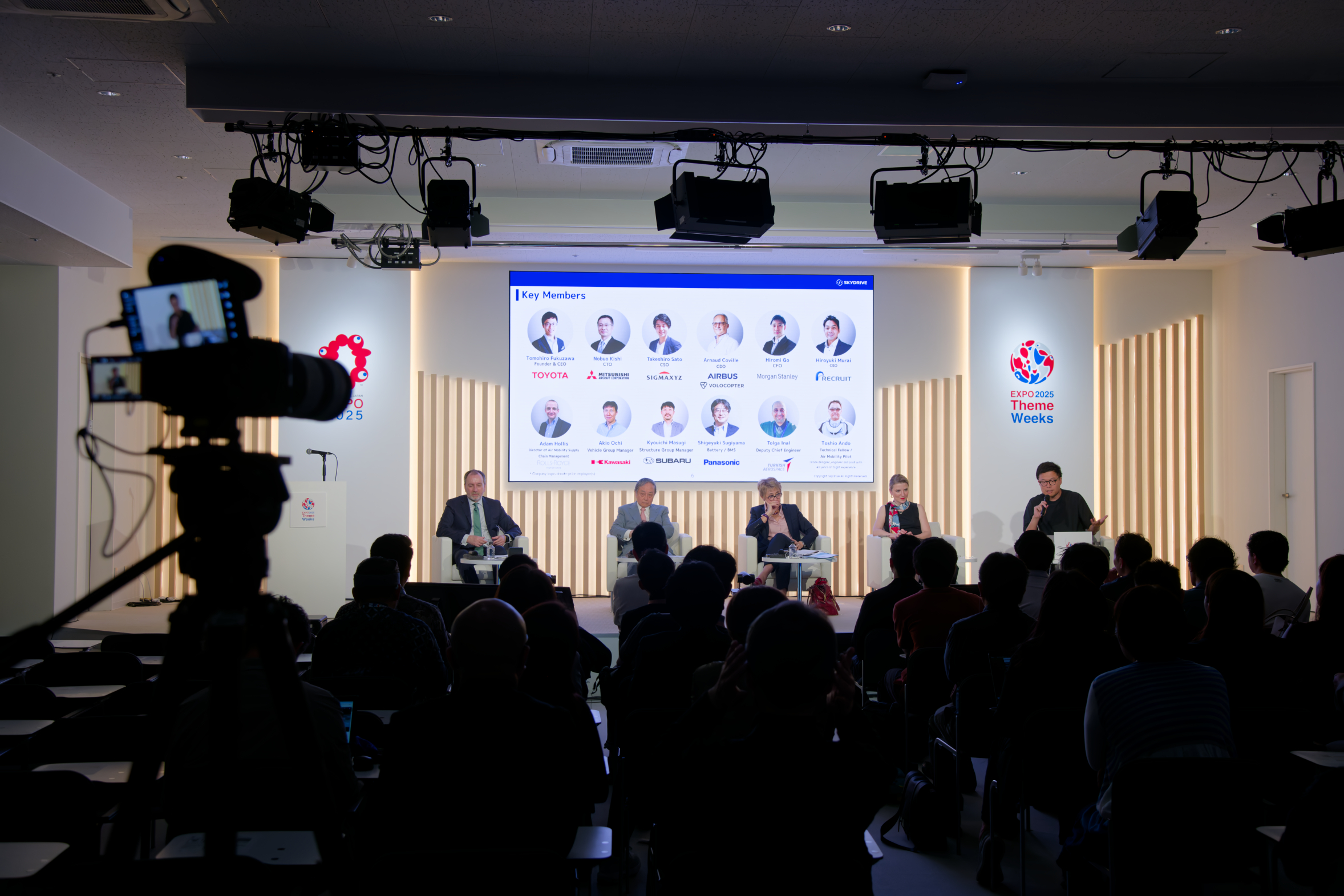
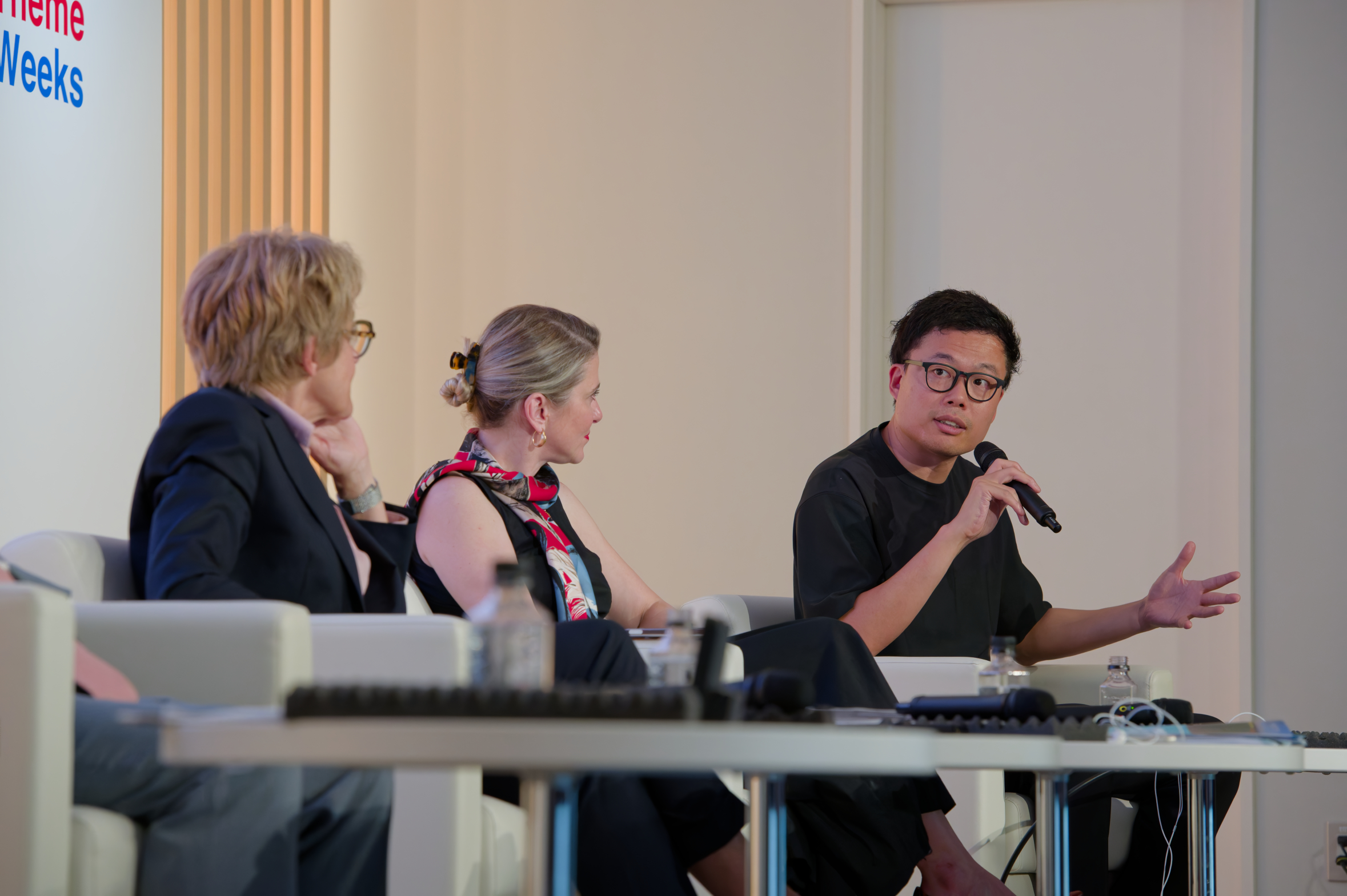
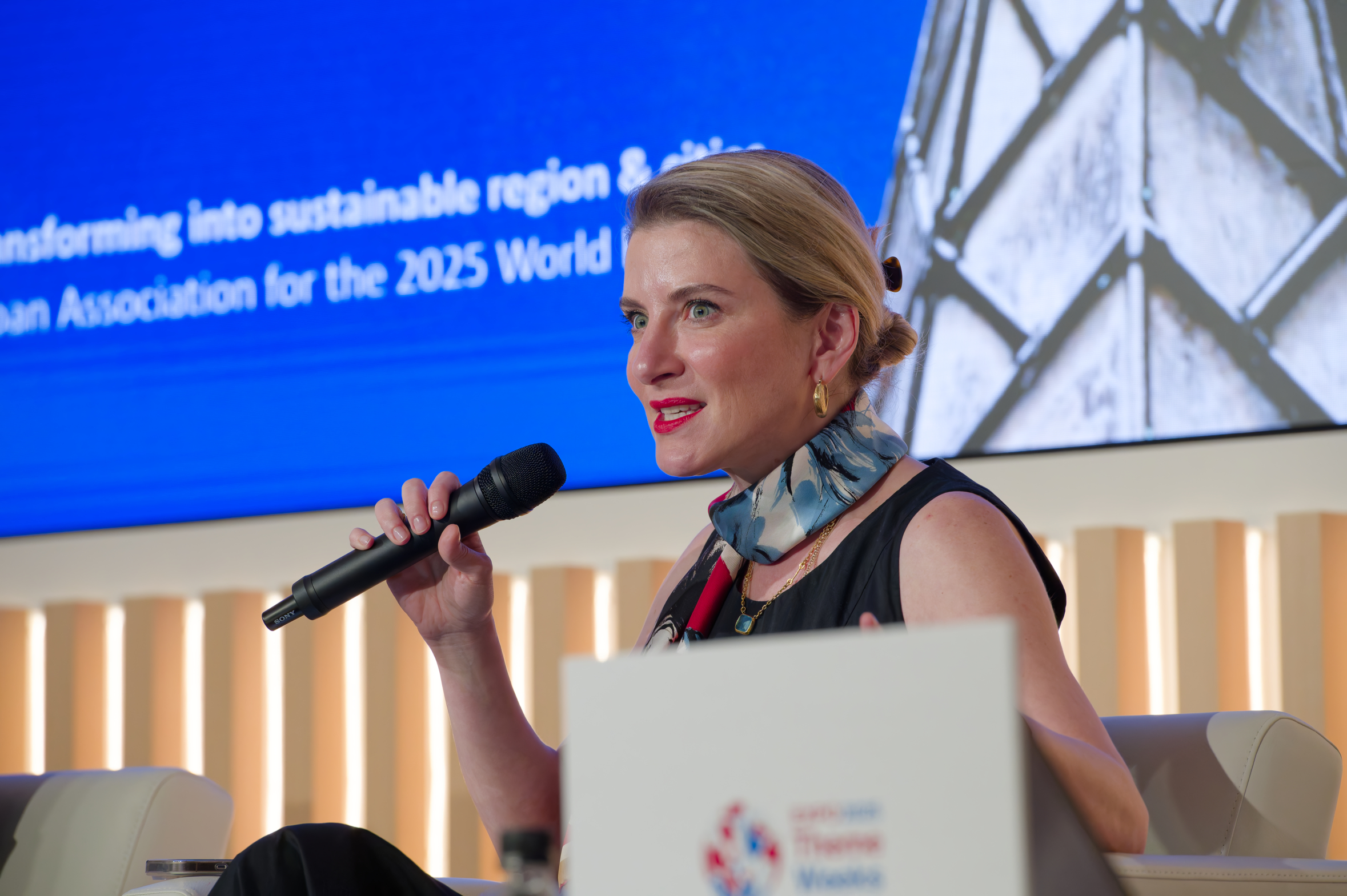
In the second half of the session, a dynamic panel discussion
unfolded among all speakers, exploring core questions such as:
“How can sustainable futures for cities and regions be
realized?” and “What transformations will new mobility and
spatial design bring?”
Moderator Andrés Rodríguez-Pose opened by declaring that
“regions are not destined to be left behind—they can become
key actors of transformation.” He urged participants to look
beyond urban-centric development and to recognize the
uniqueness and creativity inherent in regional areas. Building
on this, Claire Charbit emphasized the need for “collaborative
governance beyond the urban-rural divide,” drawing from OECD
policy trends.
Hiroo Ichikawa pointed out that to remain “cities of choice,”
urban areas must prioritize not just infrastructure, but also
cultural inclusivity and safety. He underscored the importance
of visualizing intangible values not captured by city rankings
and noted that comparative metrics can enhance policy
effectiveness.
Özge Öner, reflecting on Amsterdam’s experiences, argued that
“the heart of sustainability lies in collaboration with
citizens.” She stressed the importance of urban planning
rooted in lived experiences rather than administrative logic.
Her remarks on integrating the voices of youth, immigrants,
and minorities highlighted the power of inclusive governance.
Tomohiro Fukuzawa reiterated that flying cars can connect
urban and rural areas by overcoming the constraints of time
and space. However, he emphasized that their implementation
requires not only technology, but also institutional readiness
and public understanding. He proposed that aerial mobility
could even redefine the very concept of a city.
Across the discussion, two shared themes emerged: the
importance of “designing futures from regional strengths” and
the need to perceive cities and regions not as divided, but as
interlinked. As creativity, cultural resources, and mobility
innovations intersect, designing inclusive and adaptable
systems and spaces becomes an urgent task.
In closing, Rodríguez-Pose stated, “The challenges we face are
complex, but the answers lie within our regions.” He
emphasized the significance of Expo 2025 as an international
forum for dialogue and concluded that reimagining cities and
regions as hubs of both global connection and local vitality
is essential for building a sustainable future.
Cast
Moderator
©Maria Moore
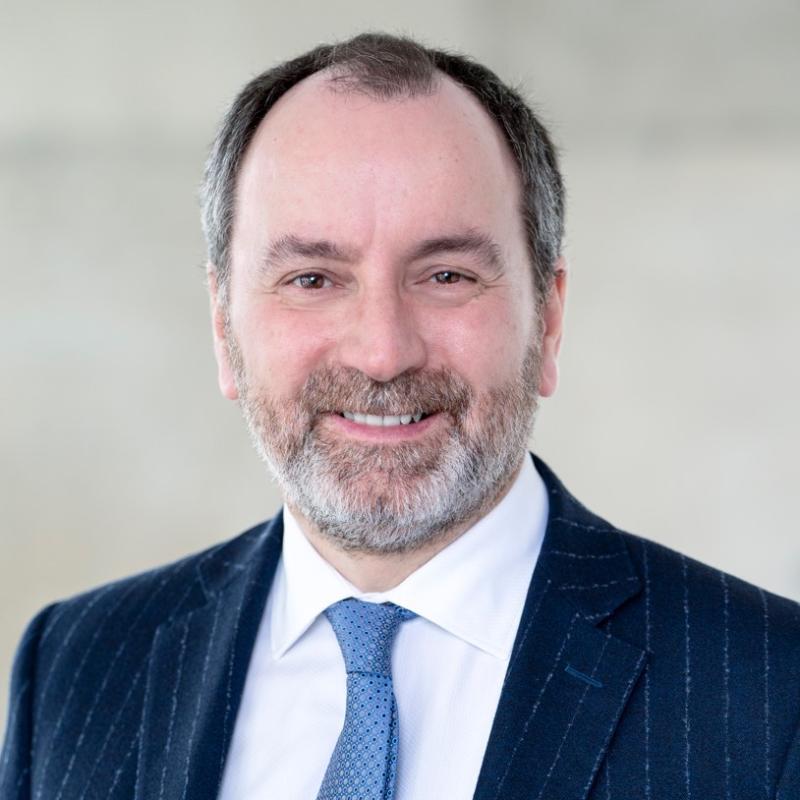
Andrés Rodríguez-Pose
Princesa de Asturias Chair and Professor, London School of Economics
Andrés Rodríguez-Pose holds the Princesa de Asturias
Chair and is a Professor of Economic Geography at the
London School of Economics (LSE). He currently directs
the Cañada Blanch Centre at LSE and has previously
served as Head of the Department of Geography and
Environment. He also chairs the European Union’s
High-Level Group on the Future of Cohesion Policy,
which is tasked with shaping the EU’s Cohesion Policy
beyond 2027. In addition, Rodríguez-Pose has held
prominent positions in regional science, including
President and Vice-President of the Regional Science
Association International (RSAI), as well as
Vice-President and Secretary of the European Regional
Science Association.
His research spans regional growth and inequality,
fiscal and political decentralisation, institutions,
discontent and populism, innovation, migration, and
development strategies. Highly influential, his work
frequently informs policy decisions, and he regularly
advises international organisations and governments.
He is also widely cited in academic circles and
recognised as one of the leading scholars in urban and
regional studies. For three of the last four years, he
has been ranked the top scientist globally in this
field by the Stanford/Elsevier ranking, which
identifies the top 2% of scientists across all
disciplines. He has also featured on Clarivate’s Web
of Science list of Highly Cited Researchers for the
past five years.
Among his many honours, Rodríguez-Pose was awarded the
2018 ERSA Prize in Regional Science, considered the
most prestigious accolade in the field. He also holds
honorary doctorates from Utrecht University
(Netherlands) and Jönköping University (Sweden).
View Profile
Close
close
Speakers

Claire Charbit
OECD (Organisation for Economic Cooperation and Development)
Claire CHARBIT is an expert in regional development and Head of the Regional Attractiveness and Integration of Migrants Unit at the OECD. She has developed a standard methodology for analysing multi-level governance, which is used in numerous sectoral and national studies. She is responsible for the ‘Regions in Globalisation’ programme, which offers original statistical analysis tools, the ‘regional attractiveness compass’, and numerous case studies around the world to prepare for demographic, environmental and technological transitions at a sub-national level. Claire Charbit holds a PhD in Economics from the University of Nice-Sophia-Antipolis in France. Before joining the OECD in 2004, she was a professor-researcher at Telecom Paris and Mines Paris. linkedin.com/in/claire-charbit
View Profile
Close
close
©SkyDrive
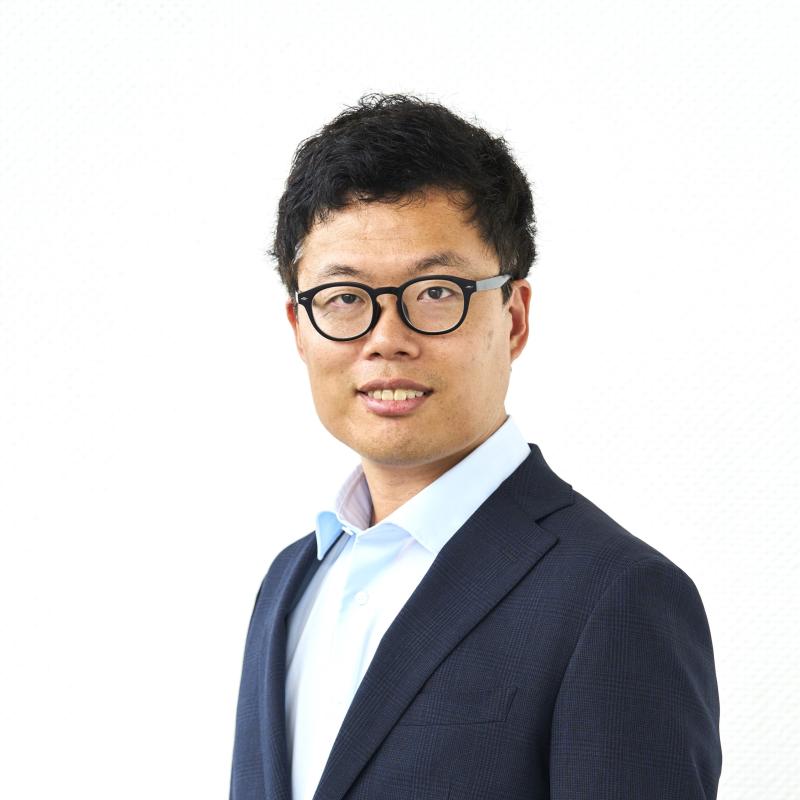
Tomohiro Fukuzawa
Chief Executive Officer, SkyDrive Inc.
After graduating from the Faculty of Engineering at the University of Tokyo, he joined Toyota Motor Corporation in 2010, where he was engaged in global procurement. He received the Cost Improvement Award for his improvement activities using the Toyota Production System at many workplaces. He established SkyDrive Inc. in 2018 to promote the development of "zero-emission flying vehicles" and "cargo drones". As a member of the "Public-Private Council for the Air Mobility Revolution" organized by the Ministry of Economy, Trade and Industry (METI) and the Ministry of Land, Infrastructure, Transport and Tourism (MLIT), he is working with the government to create new rules for the practical use of flying vehicles. He was awarded "Innovators Under 35 Japan 2020" by MIT Technology Review and was selected as one of the top 20 entrepreneurs in Forbes Japan's "Japan Entrepreneur Ranking 2023".
View Profile
Close
close

Özge Öner
Associate Professor, University of Cambridge
Associate Professor at the Department of Land Economy and Fellow in Economics and Land Economy at Sidney Sussex College. Öner is also an affiliated Research Fellow at the Centre for Entrepreneurship and Spatial Economics (CEnSE) in Jönköping. Öner’s research is rooted in Urban and Regional Economics, and deals with issues related to migration, labour mobility, micro geography of segregation and ethnic enclaves, retail and service geography, urban amenities, as well as the geography of entrepreneurship. She has previously worked on several research projects related to the prosperity of retail and hospitality sectors in urban and rural Sweden, in collaboration with sector organizations such as The Swedish Retail and Wholesale and Council (Handelsrådet) and the R&D Fund of the Swedish Tourism & Hospitality Industry (BFUF), as well as on commissioned reports on the integration of immigrants in Sweden. She has spent part of her PhD studies at the Regional Economics Applications Laboratory (REAL), University of Illinois. Öner is a former recipient of Handelsbanken Wallander post-doctoral scholarship in Sweden, and Young Investigator Award in Italy. She received the Young Research Award 2019 in Sweden for her research on the importance of geography for entrepreneurship. Öner is a member of the editorial board of Spatial Economic Analysis and Geographical Analysis. Previously she was a columnist for the newspaper Swedish Daily (SvD), and currently writes weekly columns at the Turkish Newspaper Oksijen.
View Profile
Close
close
Hiroo Ichikawa
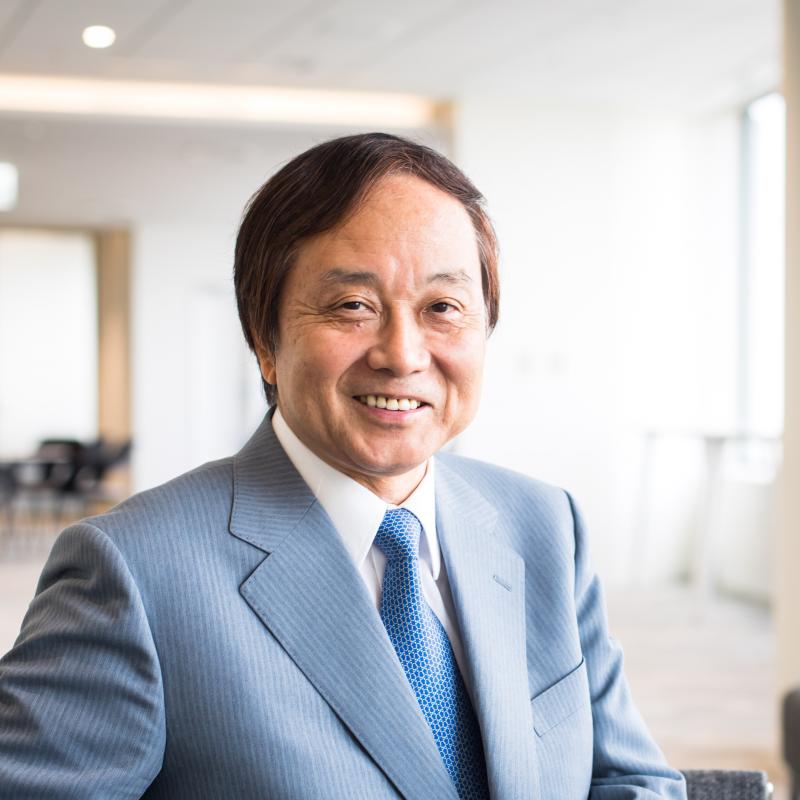
Professor Emeritus, Meiji University
Hiroo Ichikawa has been in his current position since
2018 after serving as Dean of Meiji University
Professional Graduate School. He serves as Executive
Director at the Mori Memorial Foundation's
Institute for Urban Strategy, Chairman at the
Institute of Metropolitan Policy, and Chairman at the
Japan Institute of Emergency Managers, as well as a
Steering Board Member of the Future of Urban
Development and Services Committee at the World
Economic Forum, among others.
He is an expert in such fields as urban policy,
international urban competitiveness, crisis
management, and telework, and has published numerous
works about Tokyo and large megaropolises. Some of his
selected published works include Future Configuration
of Tokyo in 2030(2023), A New Evolutionary Theory for
Tokyo (2019), City's Écriture (2018), Creative
Tokyo Reborn (2017), Tokyo's Unipolar
Concentration Will Save Japan (2015), Lesson from
Japanese Disaster (2011), and Building Japan's
Future (2009).
In addition to working with the Japanese and Tokyo
Metropolitan Governments, he has also served several
public and private institutions in roles such as
President, Chairman, and policy committee member.
Presently, he is Chairman of the Japan Emergency
Management Association as well as the Japan Telework
Society. He graduated from Waseda University with a
Bachelor of Architecture and a Master of Urban
Planning, and further studied at the University of
Waterloo where he was granted a Ph.D. in urban and
regional planning. He was born in 1947, in Tokyo, and
is a first-class registered architect in Japan.
View Profile
Close
close
The Future of Community and Mobility Week
Transforming into sustainable region & cities
The programme, together with the General Sponsors, explores: 'What changes will be brought to industry, the economy, and communities in an era of evolution toward sustainable cities, regions, and mobility?'
-
2025.05.17[Sat]
10:00~12:00
(Venue Open 09:30)
- Theme Weeks Studio
OTHER PROGRAM
The Future of Community and Mobility Week