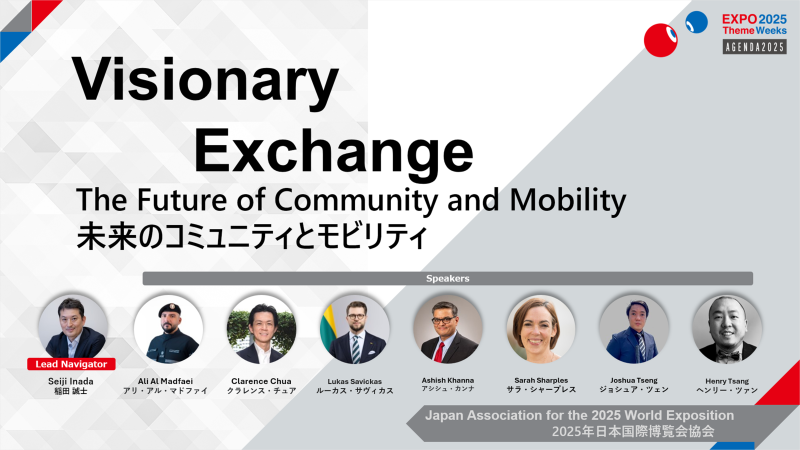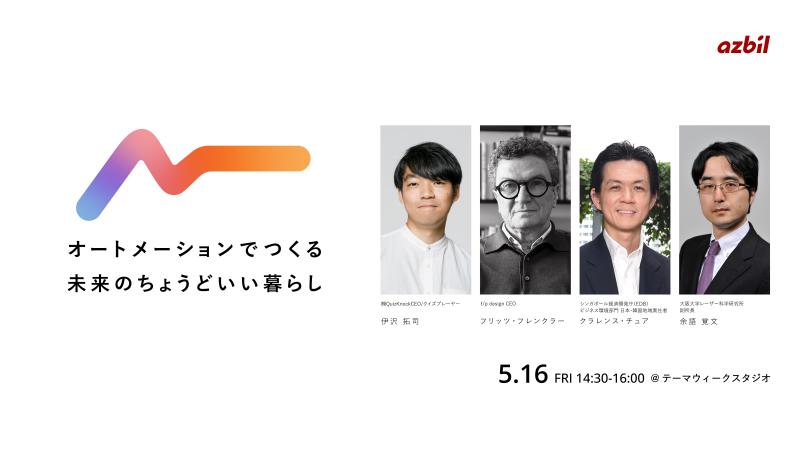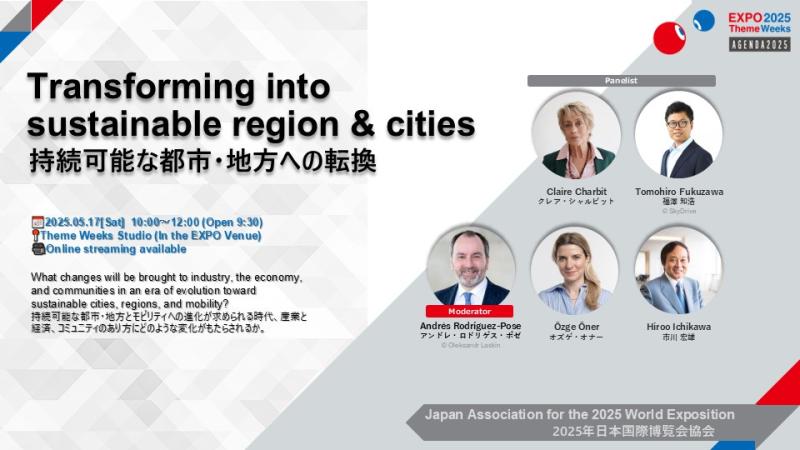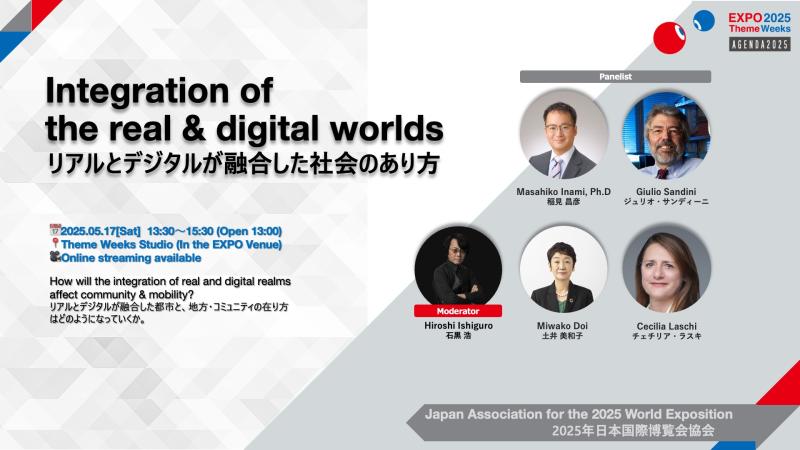
The Future of Community and Mobility Week
Addressing the 'Diagnostic lag' in Rare Diseases: Achieving Health Equity through Technology and Societal Efforts
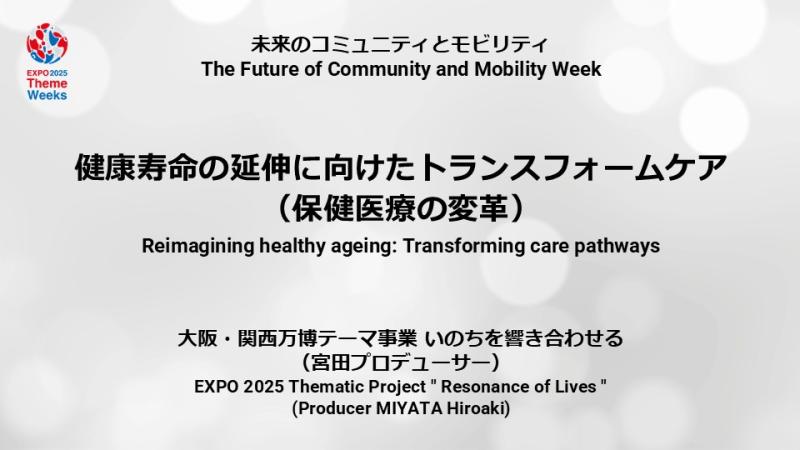
EXPO 2025 Thematic Project "Resonance of Lives" (Producer MIYATA Hiroaki)
To ensure Health Equity for patients with rare diseases, the issue of reducing the 'diagnostic lag'—the extended time from disease onset to diagnosis—will be addressed. Discussions will be made with specialists, including medical professionals, patient organizations, and AI companies, to explore solutions from various perspectives and to deepen the understanding of the challenges faced by patients with rare and intractable diseases.
Recorded video available
Discussion
- Health #Rare Disease #Health Equity
| Transmission of simultaneous interpretation | Provided |
|---|---|
| Language of interpretation | Japanese and English |
-

Signature Programme
-
Time and
Date of
the event -
-
2025.05.23[Fri]
18:30 ~ 20:15
(Venue Open 18:00)
-
- Venue
- Theme Weeks Studio
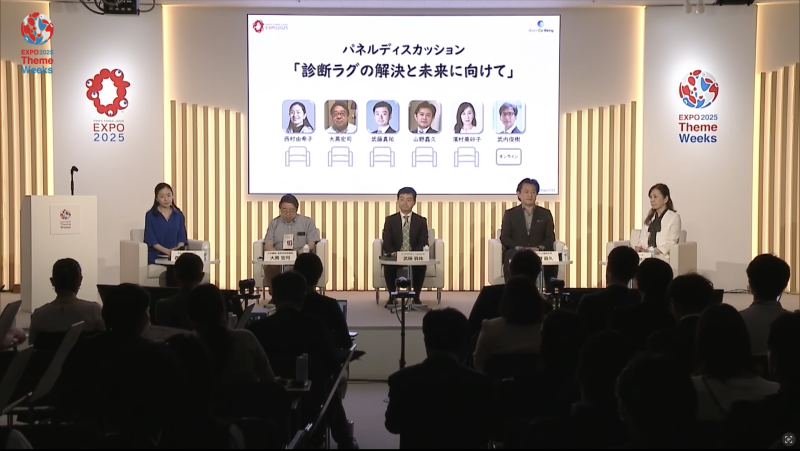
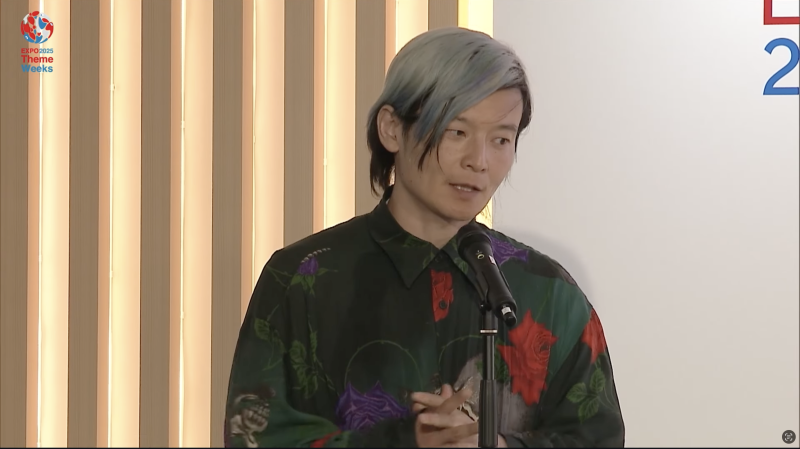
Programme details
Rare disease patients face a variety of challenges, but one of
the most significant obstacles to health equity is the
“diagnostic lag.” This event will focus on the theme of
“diagnostic lag,” with experts from various fields, including
physicians, patient group, and AI companie, discussing the
issue from multiple perspectives to deepen understanding of
the challenges faced by rare and intractable disease
patients.
Opening
Key Note
・Exploring and Discussing Rare Diseases with Stakeholders
・Expectations for Whole Genome Testing in Critically Ill
Newborns
・Innovation in Medical Digital Technology
・The Path to Overcoming Rare and Intractable Diseases Through
Patient Data
Panel Discussion
・Solving the Diagnostic Lag and Moving Towards the Future
Closing
Reports
【Reflection】
This event focused on the significant challenge of the
"diagnostic lag" in rare diseases—the delay many
patients face from the onset of symptoms to receiving a
definitive diagnosis. Experts from a variety of backgrounds,
including patient advocacy group, medical professionals, AI
company, and intermediary organization, engaged in an in-depth
discussion from multiple perspectives.
Yukiko Nishimura highlighted the reality of the “diagnostic
lag” for rare disease patients, reporting that, on average, it
takes 3.4 years to receive a correct diagnosis. Notably, about
35% of patients wait more than five years, and nearly 60%
experience misdiagnoses. She emphasized that solving this
challenge requires open exchange and collaboration among all
stakeholders.
Toshiki Takenouchi explained that approximately 10% of
critically ill newborns in NICUs have genetic diseases,
underscoring the importance of early diagnosis through whole
genome sequencing. He presented achievements showing that, for
infants whose diagnoses were challenging even for experienced
neonatologists, about half had their genetic causes identified
through genomic analysis. He also noted that fostering a
society without discrimination requires legal reforms and
broader public understanding.
Shinsuke Muto discussed the potential of AI to detect rare
diseases from patient interviews and imaging data, as well as
the development of SaMD (Software as a Medical Device) and
telemedicine. These technological advances enable integrated
analysis of medical information, improve access to
specialists, and support more accurate diagnoses. However, He
also addressed ongoing challenges, including the difficulty of
data collection, as well as ethical and security
considerations.
Based on dialogue with patient communities, Yoshihisa Yamano
described persistent issues such as delays in diagnosis,
shortages of specialists, and the isolation or discrimination
faced by patients. He stressed that each patient’s medical
data represents a powerful tool to change the future, and
explained that establishing and utilizing patient registries
can be key to advancing treatment development and addressing
rare disease challenges.
In the panel discussion, joined by Hiroshi Oguro and Misako
Hamamura, participants explored solutions to the diagnostic
lags. The conversation confirmed the importance of not only
implementing new diagnostic technologies such as AI and
genomic testing but also strengthening national policies and
disseminating accurate information to the public. The
collection of medical data before definitive diagnosis and
closer cooperation with patients were also recognized as
essential. Participants strongly agreed that wide social
understanding is indispensable to resolving the diagnosis
lag.
The event reaffirmed that the "diagnosis lag" is not
merely a medical problem but a broader societal issue that
impacts patients’ quality of life, social participation, and
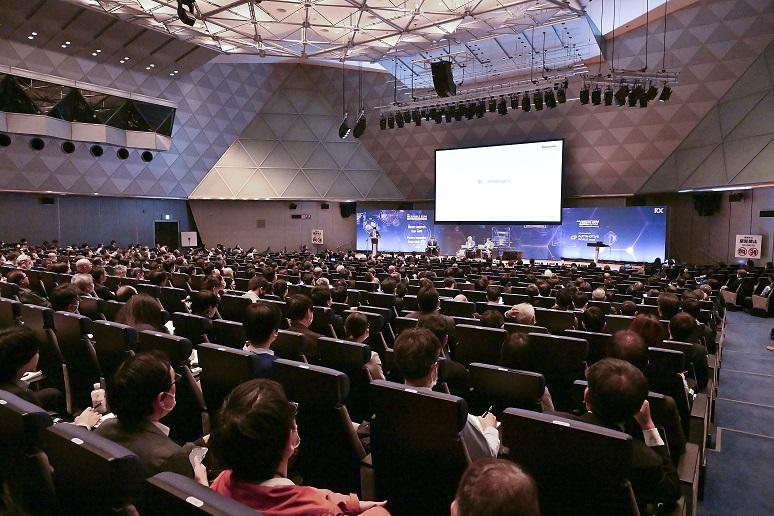
the future development of medical technology. The event was
attended by approximately 70 rare disease patients and general
participants in person, with over 300 additional views online.
It is hoped that this event will further advance dialogue and
action to eliminate the diagnosis lag for rare diseases.
Reference 1) Alexion Pharma GK, “White Paper on Rare Diseases:
The Reality of Diagnostic Lags and Recommendations for
Resolution”
https://alexionpharma.jp/-/media/alexionpharma_ajp/expo2025/rare-disease-wp_alexion_20250514.pdf
【Post EXPO Initiatives】
There are more than 10,000 types of rare diseases across the
globe, affecting an estimated 400 million people worldwide.
Approximately 80% of these diseases are linked to genetic
abnormalities, and about half of the patients are diagnosed
during childhood. Individuals with rare diseases and their
families face numerous challenges in daily life and in
accessing appropriate medical care, and health equity remains
insufficiently addressed. On average, it takes about 3.4 years
for a rare disease patient to receive a definitive diagnosis—a
phenomenon known as the diagnostic lag. Furthermore, even
after diagnosis, established treatment options exist for only
around 10% of rare diseases.
In an effort to address these issues, Alexion Pharma G.K.
released a white paper on May 14, 2025, entitled “White Paper
on Rare Diseases: The Realities of Diagnostic Lag and
Proposals for Resolution*—Enabling Health Equity Through
Cutting-edge Technology and Societal Collaboration.” The white
paper identifies diagnostic lag as a significant barrier to
achieving health equity for rare disease patients. It provides
quantitative data on the burdens caused by diagnostic lag,
including direct medical costs, and presents realistic and
actionable mid- to long-term strategies for faster diagnosis
and improved equality in medical access.
The white paper presents the following six key
recommendations:
• Expand the range of diseases included in newborn mass
screening and promote the necessary infrastructure to
introduce whole genome sequencing for critically ill
newborns.
• Enhance the use of AI diagnostic support tools (such as
SaMD) to help physicians make early discoveries of rare
diseases.
• Establish Centers of Excellence for rare diseases to
strengthen the connections between general practitioners and
specialists.
• Improve infrastructure so that rare disease data can be
leveraged for early diagnosis.
• Ensure patient voices are reflected in policy development by
promoting greater participation from patient advocacy groups
and supporting the financial foundations needed for their
activities.
• Incorporate measures to resolve diagnostic lag and
diagnostic loss for rare diseases into core government
initiatives and strategies.
At the event, diverse specialists—including medical
specialists, patient advocate, AI company, and intermediary
organization —held in-depth discussions on the white paper’s
analysis and recommendations. Alexion is dedicated to sharing
the outcomes of the white paper and the event more widely to
stimulate societal dialogue regarding rare diseases and
diagnostic lag. By advancing collaboration with all
stakeholders, Alexion aims for a future where health equity is
achieved, and all those affected by rare diseases can benefit
from timely and appropriate medical care.
*White Paper on Rare Diseases: The Reality of Diagnostic Lags
and Recommendations for Resolution
https://alexionpharma.jp/-/media/alexionpharma_ajp/expo2025/rare-disease-wp_alexion_20250514.pdf
Cast
Speakers

Hiroshi Oguro
Chairperson of Japan Patient Association
He is a board member of the National Collagen Disease Patients Association, and the secretary of the Osaka branch. He is also the chairperson of the Japan Patient Association (JPA). He lives in Sakai City, Osaka Prefecture, and is the director of the Osaka Intractable Disease Consultation Support Center. He was diagnosed with mixed connective tissue disease (MCTD), a type of collagen disease, in 1999, and 25 years have passed since then. He has national qualifications as a physiotherapist and social worker.
View Profile
Close
close
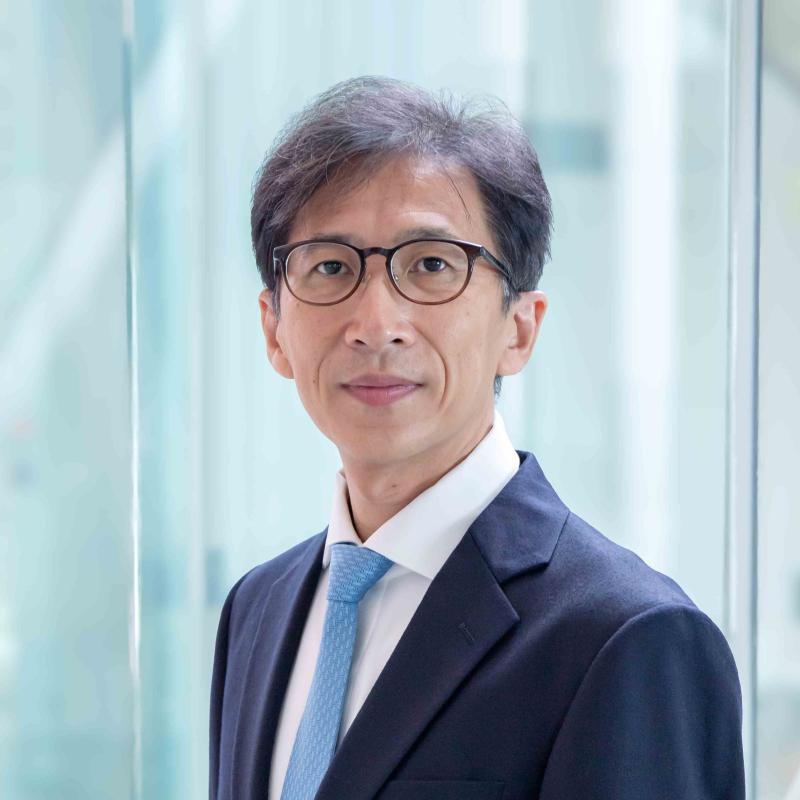
Toshiki Takenouchi
Professor, Department of Pediatric Neurology, Dentistry and Pharmaceutical Sciences, Okayama University Graduate School of Medicine
He holds a Doctor of Medicine (MD, PhD) and graduated
from the Keio University School of Medicine in 2002.
His specialties include general pediatrics, pediatric
neurology, and clinical genetics. He is also
specialists in pediatrics and pediatric neurology in
the United States. He serves as a council member of
the Japanese Society of Child Neurology and a director
of the Japanese Society of Pediatric Genetics.
In 2023, he received the President's Award of
Japan Agency for Medical Research and Development
(AMED). As the lead researcher of the national project
“Priority-i,” he is dedicated to advancing the rapid
genetic diagnosis in sick neonates and infants.
View Profile
Close
close
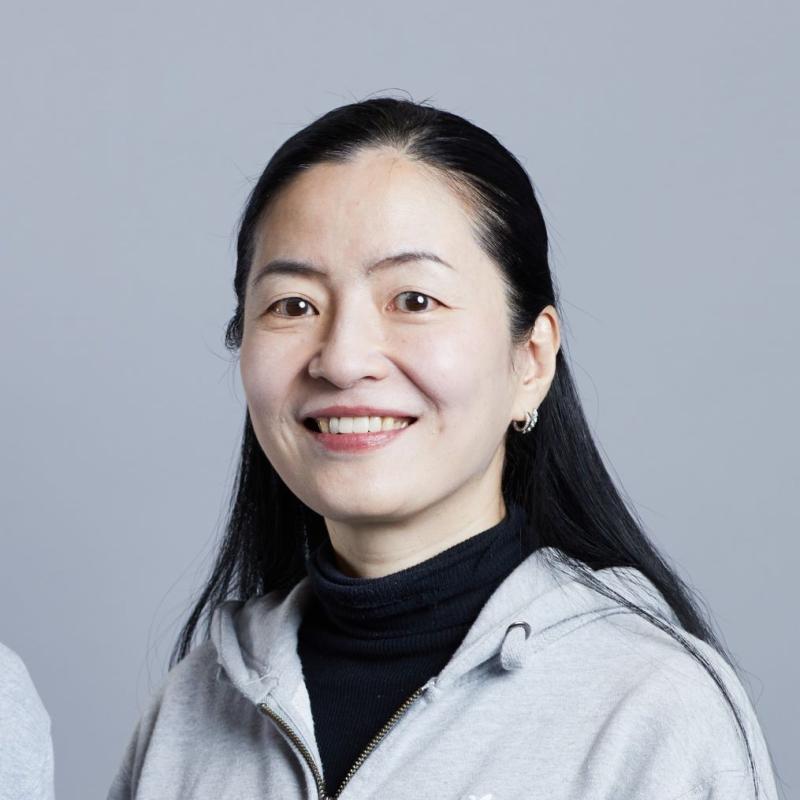
Yukiko Nishimura
President and founder, ASrid (Advocacy Service for Rare and Intractable Diseases)
Yukiko Nishimura is the President and founder of NPO ASrid (Advocacy Service for Rare and Intractable Diseases’ multi-stakeholders in Japan). She has worked and collaborated with patients, patients’ families, and all stakeholders in the rare and intractable diseases and orphan drug field for over 15 years. She has been a board director of APARDO since 2021. She has served as the Vice Chair of PACC, IRDiRC (2017-2021). She has also served as an advisory board member of JPMA and AMED since 2024. She obtained her BSc and MSc from Meiji University and also graduated from The University of Tokyo, Graduate School of Science.
View Profile
Close
close
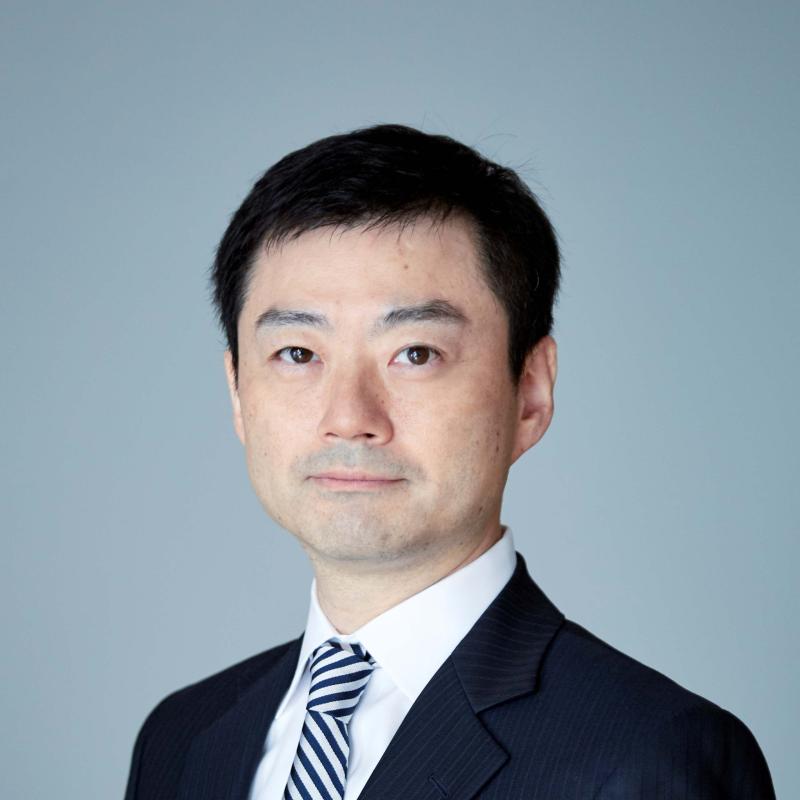
Shinsuke Muto
CEO, Integrity Healthcare Co., Ltd.
After working in cardiology at the University of Tokyo Hospital and Mitsui Memorial Hospital, he served as a physician to the Imperial Household Agency. After working at McKinsey & Company, he founded the Tetsuyu Institute Medical Corporation. He is the Chairman of the Board of Directors of Integrity Healthcare Co., Ltd. and the Community Healthcare Collaboration Platform Co., Ltd. He is also a clinical professor at Tokyo University of Science, a board member of the Japan Health Policy Institute, a member of the Keizai Doyukai (Japan Association of Corporate Executives), and a trustee of the International House of Japan.
View Profile
Close
close
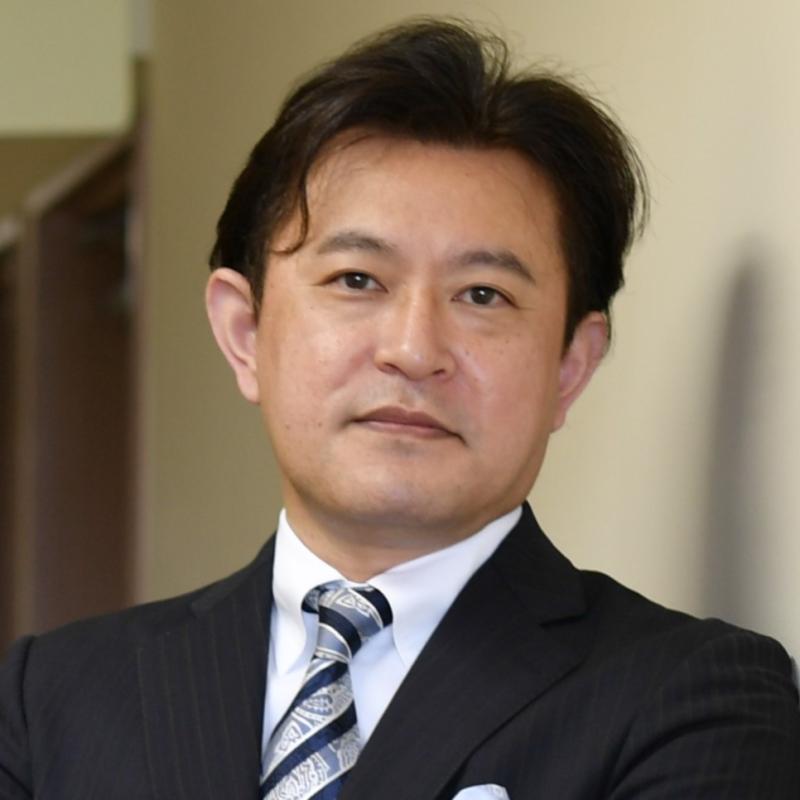
Yoshihisa Yamano
Director, Center for Genomic Medicine and Clinical Research Data Center / Chair Professor, Department of Neurology, St. Marianna University School of Medicine
He graduated from the Faculty of Medicine at Kagoshima University and completed his graduate studies at the same university. After working as a researcher at the U.S. National Institutes of Health (NIH), he joined St. Marianna University School of Medicine in 2006. Since 2020, he has served as the Chair Professor of Neurology. He also holds dual roles as the Director of the Center for Genomic Medicine and the Director of the Clinical Research Data Center at the university hospital, where he conducts research on rare and intractable diseases using patient data. His areas of expertise include neurology, HTLV-1-associated myelopathy (HAM), and neuroimmunological infections. He is a board member of the Japanese Society of Neurology, the Japanese Society of Neurological Therapeutics, the Japan HTLV-1 Association, and other professional organizations.
View Profile
Close
close
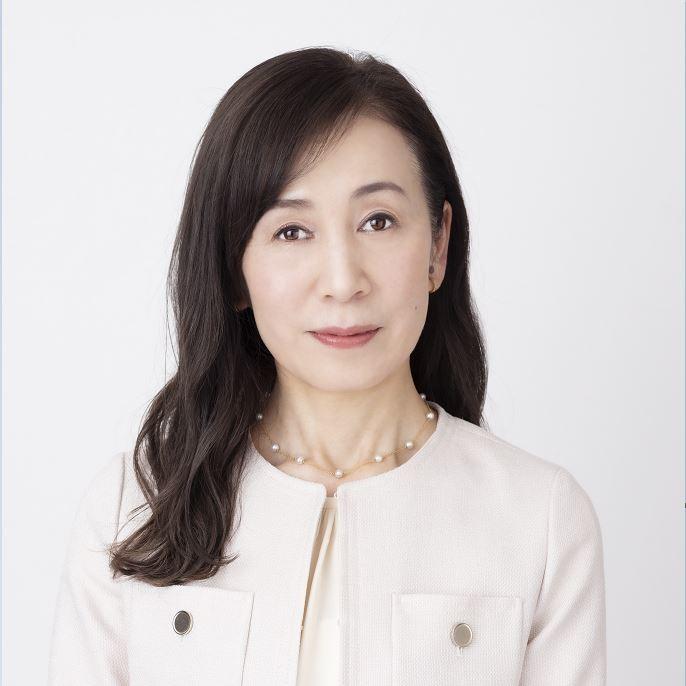
Misako Hamamura
President, Alexion Pharma GK
She worked at Takeda Pharmaceutical Company in R&D
and portfolio management, including an assignment in
the U.S. She later served as the Head of Business
Development for the Japan Pharma Business Unit (JPBU)
and as the Kobe Branch Manager. Since Takeda's
integration with Shire in 2019, she has led the Rare
Disease Business Unit within JPBU.
In 2022, following the integration of Nihon
Pharmaceutical (plasma-derived therapy business), she
expanded the Rare Disease Business Unit and served as
its head until 2024. She contributed to the creation
of the White Paper on Rare Disease Challenges in
Japan, as well as the establishment of diagnostic
consortia and patient support programs.
She joined Alexion Pharma GK in July 2024.
She holds a bachelor's degree in pharmacy from
Kyoto University, a Ph.D. from Juntendo University
Graduate School of Medicine, and an MBA.
View Profile
Close
close

Hiroaki Miyata
Theme Producer, the Expo 2025 Osaka, Kansai / Professor, School of Medicine, Keio University
Specialises in data science, scientific methodology, and value co-creation; His research revolves around promoting social reform through utilising data science and other scientific methods to change society for the better. He collaborates with a wide range of stakeholders, including not only academia but also government bodies, economic organizations, NGOs, and companies, to envision a new social vision. One of the visions of society that Miyata has co-created is a “resonant society” characterised by vibrancy and diversity where each individual shines through experiencing that world with others.
View Profile
Close
close
Co-organiser
Alexion Pharma GK
The Future of Community and Mobility Week
Addressing the 'Diagnostic lag' in Rare Diseases: Achieving Health Equity through Technology and Societal Efforts
To ensure Health Equity for patients with rare diseases, the issue of reducing the 'diagnostic lag'—the extended time from disease onset to diagnosis—will be addressed. Discussions will be made with specialists, including medical professionals, patient organizations, and AI companies, to explore solutions from various perspectives and to deepen the understanding of the challenges faced by patients with rare and intractable diseases.
-
2025.05.23[Fri]
18:30~20:15
(Venue Open 18:00)
- Theme Weeks Studio

©SANNA
OTHER PROGRAM
The Future of Community and Mobility Week