The Future of Community and Mobility Week
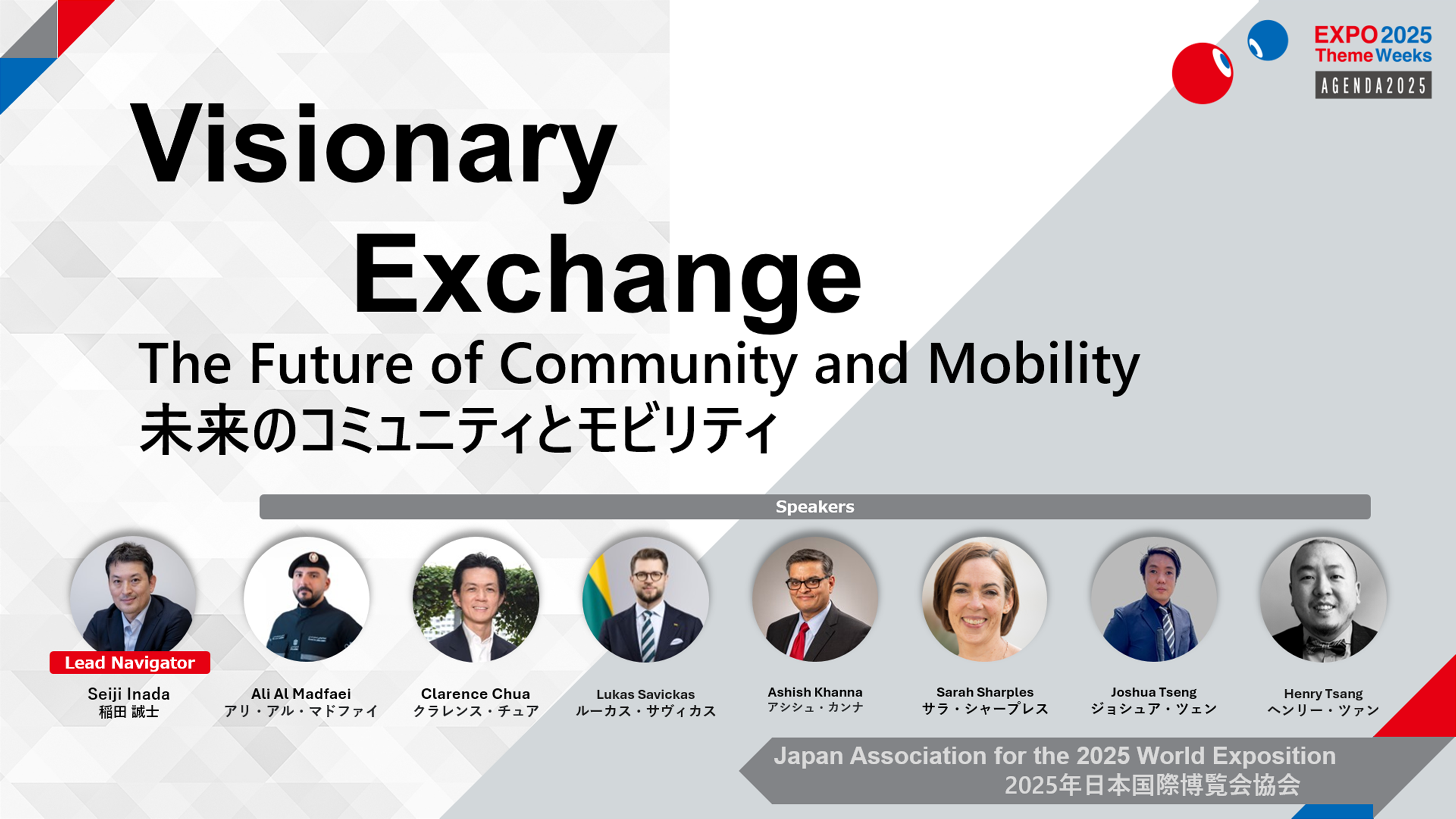
Agenda2025 business exchange programme‘Visionary Exchange'
Japan Association for the 2025 World Exposition
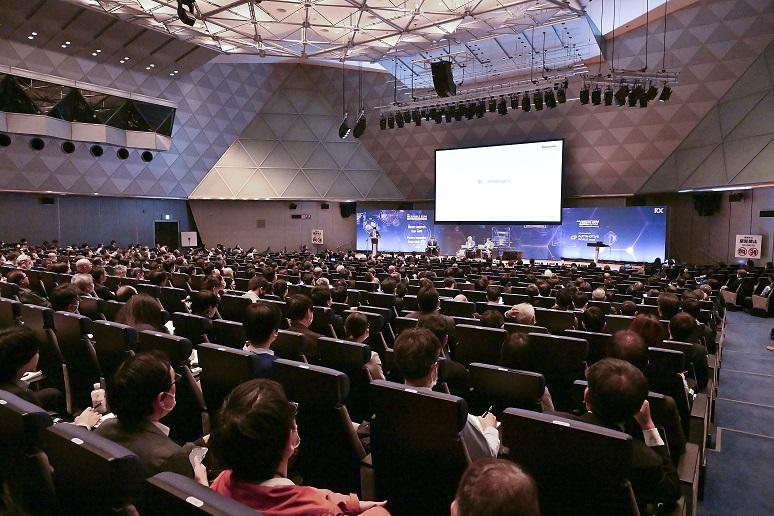
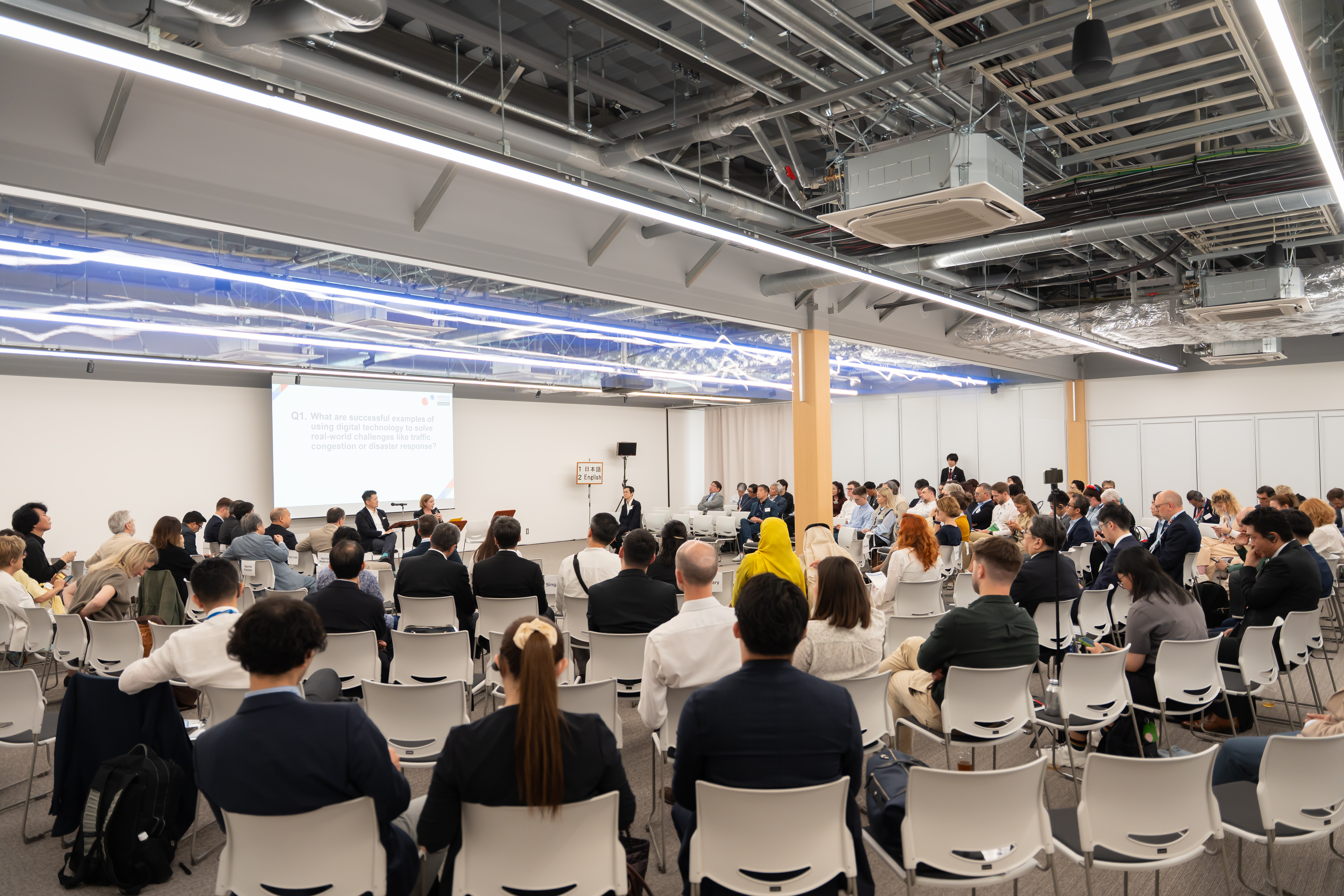
We are pleased to organise a speech and discussion event, as well as a lunch networking event, on the theme of the Agenda programme ‘The Future of Community and Mobility’, entitled ‘Visionary Exchange’, as part of the Agenda2025 programme.This gathering aims to include business delegations, universities, scientists, government officials, Agenda2025 panelists, and relevant Japanese leaders from government, industry, and academia. Participants will engage in keynote addresses and networking sessions aligned with each Theme's focus.(Invitation only)
Business Exchange
| Transmission of simultaneous interpretation | Provided |
|---|---|
| Language of interpretation | Japanese and English |
-

Agenda2025
Organised Programme
-
Time and
Date of
the event -
-
2025.05.16[Fri]
10:30 ~ 13:30
(Venue Open 10:00)
-
- Venue
- EXPO Salon
Programme details
‘Visionary Exchange’ is an invitation-only programme that will
be held three times, and this is the first programme. To
establish a meaningful forum that fosters ongoing
collaboration among stakeholders, both during and beyond the
Theme Weeks, thereby building shared understanding and
connections that contribute to designing the future of
society.
10:00 Venue open/Welcome coffee
10:30-12:00 PartⅠ:Speech and discussion
Main Topic:The Future of Community and Mobility(What is a
community where we can live as we are?)
1. Community Building through Resilience and Co-Creation
2. Sustainable Urban and Regional Development and Mobility
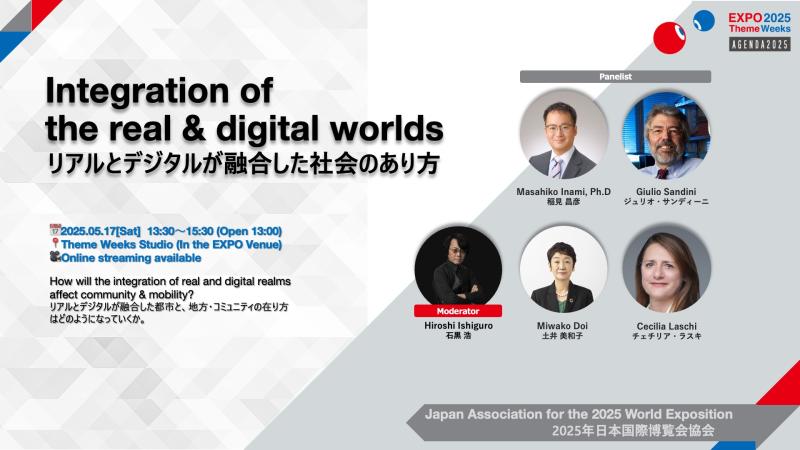
3. A Society Integrating the Physical and Digital Worlds
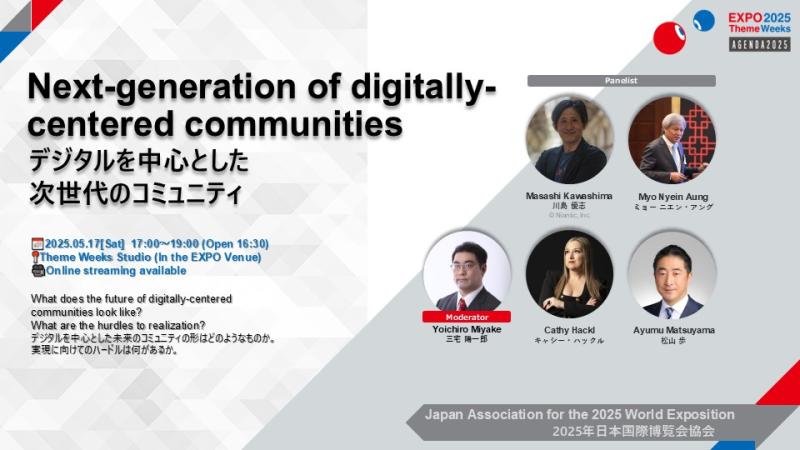
4. Inclusive and Digitally-Centric Next-Generation
Community
12:00-13:30 Part Ⅱ: Lunch networking
Reports
【Session 1: Community Building through Resilience and
Co-Creation 】
-Programme Summary
This session focused on “urban and regional resilience” in an
era of frequent natural disasters and rapid changes. It
explored how sustainable, safe, and secure communities can be
built through collaboration among citizens, businesses, and
governments. By sharing case studies of revitalization through
public-private partnerships and effective governance, the
session aimed to discover practical ideas that lead to the
formation of "decision-making committed to the
future."
Speakers included Mr. Ali Al Madfaei from the UAE and Mr.
Clarence Chua from Singapore, who discussed enhancing
community safety and resilience through the fusion of
traditional wisdom and advanced technology.
-Remarks by Mr. Ali Al Madfaei
Mr Ali Al Madfaei introduced the UAE’s national strategies and
philosophical values under the theme “Community Building
through Resilience and Co-Creation.” Reflecting on the
nation’s participation in World Expos since 1970, he discussed
how the UAE has pursued not only economic and technological
development, but also societal sustainability amid crises and
uncertainty. He emphasised the importance of value-based
decision-making as a core element of resilience.
He asserted that true national progress is not measured by the
height of buildings or technological advancement, but by the
protection of human life and the creation of safe, cohesive
communities. Highlighting the UAE’s integration of traditional
wisdom and smart disaster prevention technologies, he
illustrated how such practices underpin resilience and
long-term sustainability.
He also redefined innovation as a responsible action in
support of people’s wellbeing, rather than a pursuit of
competitive advancement. Stressing the importance of
international cooperation and mutual learning, he concluded
that resilience cannot be achieved by one nation alone, but
must be built through shared values and complementary
strengths.
-Remarks by Mr. Clarence Chua
Mr Clarence Chua emphasised the importance of a strategic,
whole-of-society approach to building communities that are
resilient to climate change and natural disasters. He
introduced Singapore’s practical framework based on “three
pillars” — government support, community engagement, and
expert knowledge — and explained that multi-sector,
multi-stakeholder collaboration is essential for building
resilience.
He particularly highlighted Singapore’s cross-governmental
coordination that fosters a shared vision and goals, alongside
the creation of sandbox-like experimental spaces where
communities are empowered to tackle challenges proactively.
These environments emphasise the importance of understanding
trade-offs and forming consensus through mechanisms such as
focus groups and dialogue councils to ensure diverse voices
are heard.
Furthermore, Mr Chua spoke about inviting experts to bridge
knowledge and information gaps, and implementing concrete
measures based on successful case studies. Citing greening
initiatives along Cambridge Road, he illustrated that
resilience goes beyond disaster preparedness — it also
contributes to community revitalisation.
-Audience Comment / Question①
An attendee asked Mr Ali Al Madfaei about how majlis—a
traditional community gathering space unique to the
UAE—contributes to enhancing community resilience through
cultural practices. He explained that the majlis serves
multiple purposes, including weddings, funerals, and community
meetings, and functions as a venue for dialogue and
decision-making. He requested a more detailed explanation of
its specific role and mechanisms.
-Response by Mr. Ali Al Madfaei①
Mr Al Madfaei emphasised how the majlis has long fostered
trust and solidarity within the community in the UAE. He
explained that, historically, it has been customary to consult
tribal leaders—sheikhs—for support and judgement, establishing
a societal structure grounded in trust that continues to this
day. He referred to the COVID-19 pandemic, during which a
leader’s words, “You do not bear the burden alone,” brought
reassurance to society as a whole.
He stated that the majlis serves as a space for
consensus-building and comfort, and forms the cultural core of
resilience in the UAE.
-Audience Comment / Question②
An attendee posed a question regarding what other countries
can learn from the UAE’s experience, particularly in an era
where traditions and cultural knowledge are increasingly being
lost. She expressed interest in universal lessons drawn from
the UAE’s practices, given a growing concern over the
weakening of cultural foundations in contemporary society.
-Response by Mr Ali Al Madfaei②
Mr Al Madfaei explained that the wisdom developed in the UAE’s
harsh desert environment and resource-scarce conditions offers
valuable insights for the present day. Precisely because
resources were limited, people cultivated a sense of
minimising waste and making the most of what they had. He
noted that this mindset stems from values nurtured through
humble beginnings and constraints.
He concluded that difficult circumstances can in fact become
the starting point for creativity and sustainability.
【Session 2: Sustainable Urban and Regional Development and
Mobility】
-Programme Summary
This session focused on how evolving infrastructure and
mobility technologies can enable citizen-centric and
sustainable growth in both urban and regional settings.
In light of pressing challenges such as climate change and
global energy transitions, the session explored the need to
reimagine urban and regional frameworks and examined the
possibilities of environmentally sustainable and
life-enhancing urban design.
By discussing the impact of sustainable infrastructure
development and mobility innovation on daily life—and the
respective roles of the public and private sectors—the session
aimed to envision inclusive and resilient future cities.
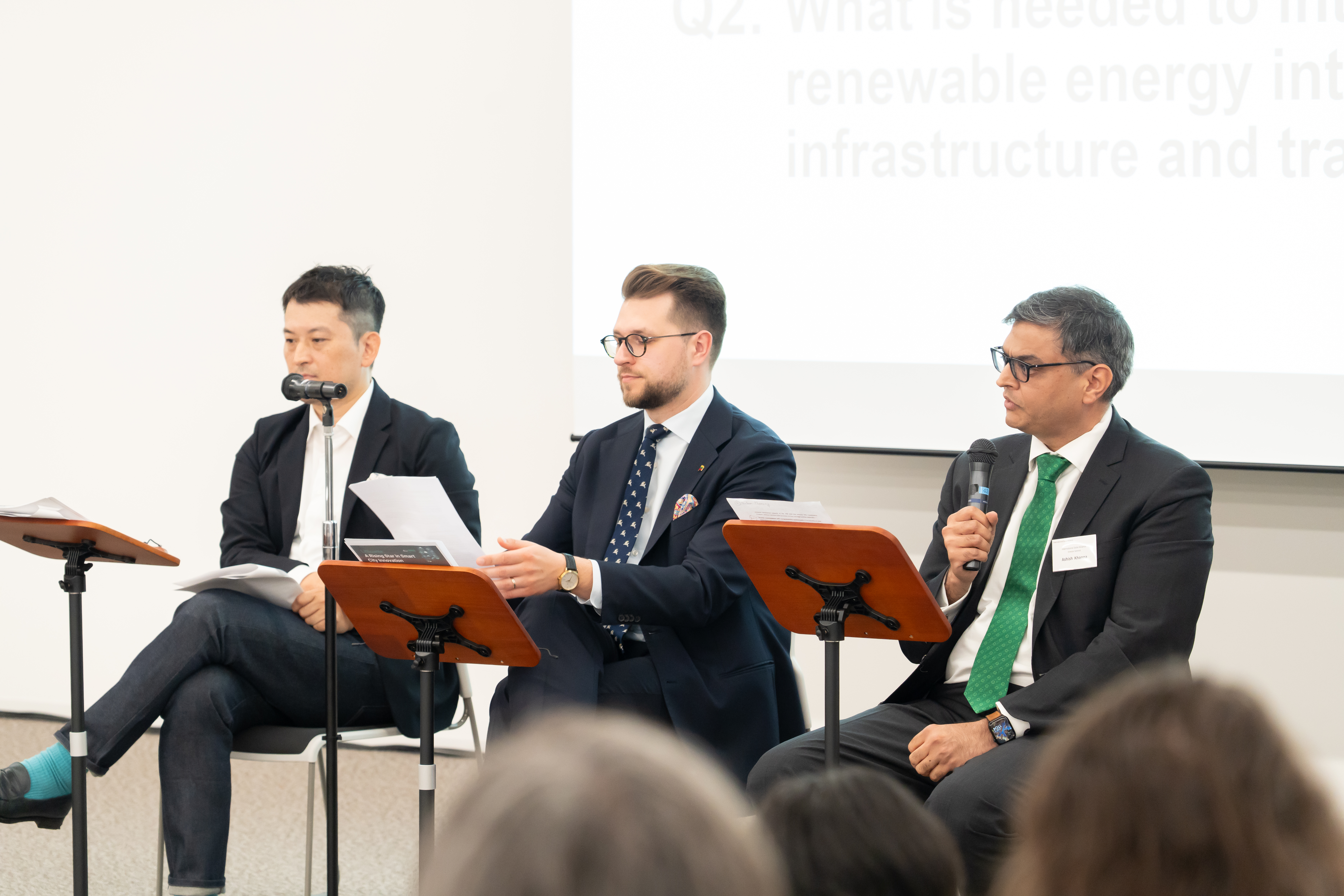
Speakers included Mr. Lukas Savickas, who leads smart city
policy in Lithuania, and Mr Ashish Khanna, who promotes
solar-powered urban development. Each shared strategies for
sustainable urban growth from differing vantage points.
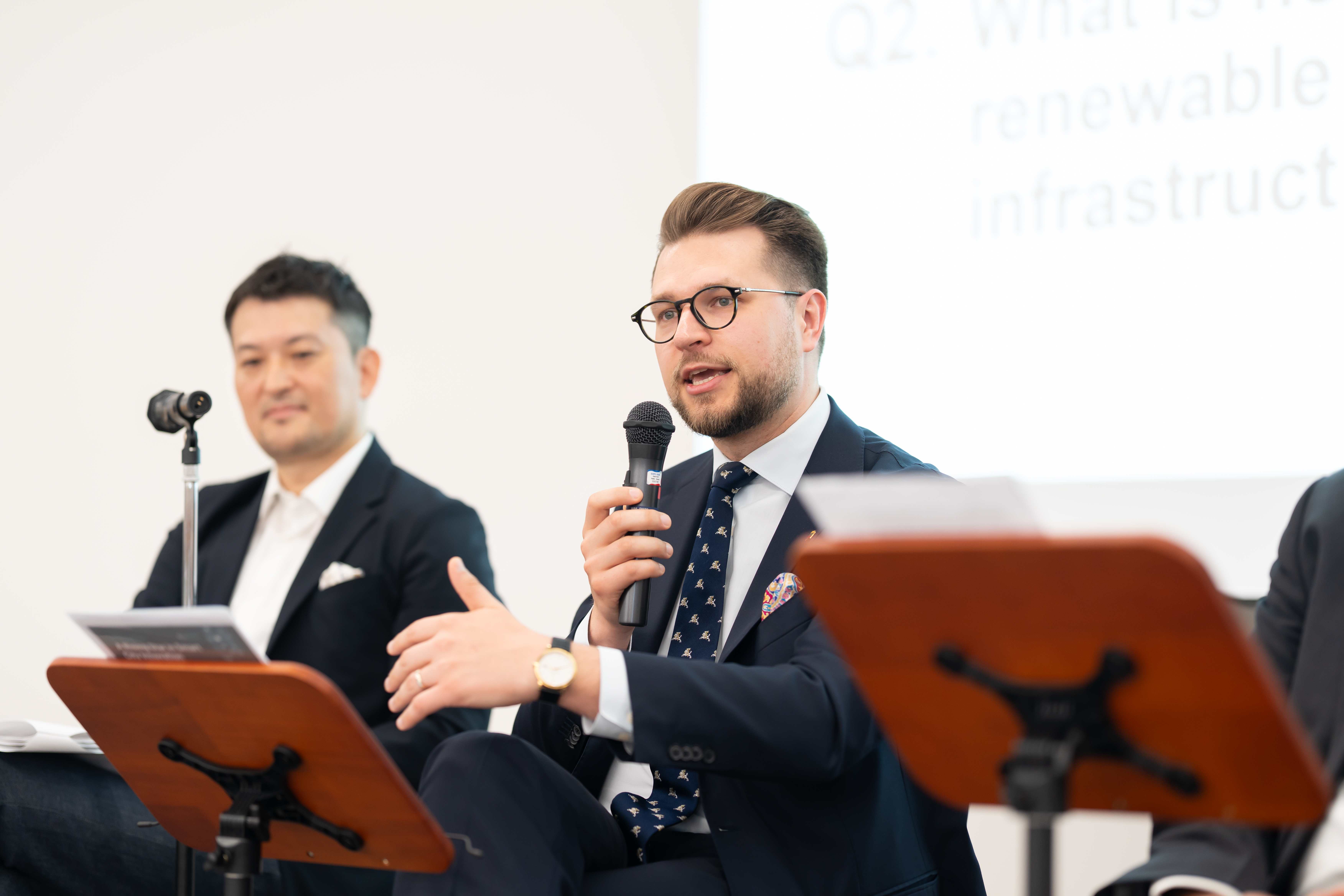
-Remarks by Mr Lukas Savickas
Mr Lukas Savickas outlined Lithuania’s smart city strategy,
highlighting the government’s role and practical examples of
innovation.
He showcased advanced efforts in various fields, including the
integration of e-mobility and renewable energy, traffic
management using Sentinel satellites, and reforms in the
proptech (property technology) sector.
The Lithuanian government regards public procurement as a tool
to foster innovation, promoting co-creation with private
companies through initiatives such as GovTech Labs, alongside
proactive institutional and financial support.
He also referenced the national vision of achieving 100%
renewable energy by 2030, aiming to integrate green
infrastructure and urban energy self-sufficiency.
By turning bureaucratic systems to their advantage and
creating a flexible environment for pilot testing and
implementation, Lithuania is enhancing both the sustainability
and competitiveness of its cities.
He concluded that the government must act as a facilitator of
innovation rather than merely a regulator—an approach that
serves as the driving force behind urban development in
Lithuania.
-Remarks by Mr Ashish Khanna
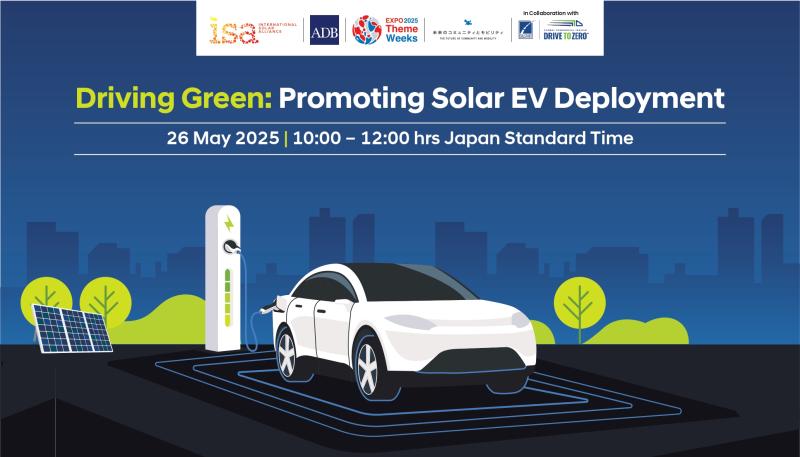
Mr Ashish Khanna, representing the International Solar
Alliance (ISA), emphasised the critical importance of
integrating renewable energy with urban planning in today’s
rapidly urbanising world. He pointed out that around 70% of
buildings yet to be constructed will be located in developing
countries, highlighting that we are currently at a pivotal
stage in designing the “cities of the future.” He noted how
advancements in e-mobility, solar rooftops, and autonomous
technologies are reshaping transport and housing systems.
He categorised the key factors for expanding renewable energy
into three domains: “policy and regulation,” “social
acceptance,” and “integration with urban design.” Citing the
example of India’s ambitious 1,000 GW solar deployment goal,
he stressed the need for legal frameworks to address
infrastructure challenges such as land use, transmission, and
balancing. Furthermore, he mentioned that mechanisms like
carbon credits can help encourage household- and
community-level adoption, and that success in urban energy
transitions requires not only technology but also
institutional design and public understanding.
-Audience Comment/Question①
An attendee addressed a question to Minister Lukas Savickas
concerning the relationship between digital-green investment
and talent strategies in smart city policy. Based on the
premise that “the scarcest resource is talent,” she inquired
what efforts were being made not only in urban areas but also
in rural regions to attract, cultivate, and retain skilled
individuals.
-Response by Mr Lukas Savickas①
Mr Savickas responded that not only Vilnius but also regional
cities in Lithuania are rapidly emerging as green and digital
hubs within Europe. He emphasised the government’s
collaboration with educational institutions to foster talent,
citing university-backed skill-building support, specialised
programmes for new competencies, and the steady annual growth
of local talent pools. He concluded by stating that swift and
agile policymaking underpins both the competitiveness and
sustainability of cities across Lithuania.
-Audience Comment/Question②
A question was posed to Minister Savickas by an attendee
asking how citizens are involved in decision-making processes.
Based on the notion that future cities belong to their
citizens, the question centred on the importance of
incorporating civic voices into urban planning and how this is
practically achieved.
-Response by Mr Lukas Savickas②
Mr Savickas emphasised that involving citizens in
decision-making is key to building trust. He shared that
Lithuania has adopted a system in which local residents vote
directly on how a portion of municipal budgets is allocated.
Communities can propose their own projects, and those
receiving public support are implemented. While he
acknowledged that overlaps or friction may occur, he
underscored the significance of civic engagement in
policymaking and the importance of a co-creative relationship
between government and citizens in shaping the cities of the
future.
-Audience Comment/Question③
A question was directed to Mr Ashish Khanna of the
International Solar Alliance (ISA), inquiring how skill
development and capacity-building are being addressed across
the ISA’s 123 diverse member countries in the context of
integrating renewable energy into urban infrastructure and
transport systems.
-Response by Mr Ashish Khanna③
Mr Khanna explained that one of ISA’s core initiatives is the
establishment of Centres of Excellence focused on skill and
capacity development across various countries. Sixteen such
centres have already been set up, with requests from an
additional 50 nations. By leveraging digital hubs such as
those in India, ISA is building a global collaboration network
to support human resource development. He stressed that
capacity-building goes beyond technical assistance, serving as
a source of hope and dignity for local communities, and
expressed his commitment to further international cooperation.
【Session 3: A Society Integrating the Physical and Digital
World】
-Programme Summary
This session re-examines the societal impact of digital
technology as it integrates with the physical world. In urban
environments, including transport and mobility, increasing
intersections occur between physical embodiment and
connectivity, perception and computation. The discussion
explores how technology influences human life and
sensibilities, as well as our approaches to ethics and
responsibility.
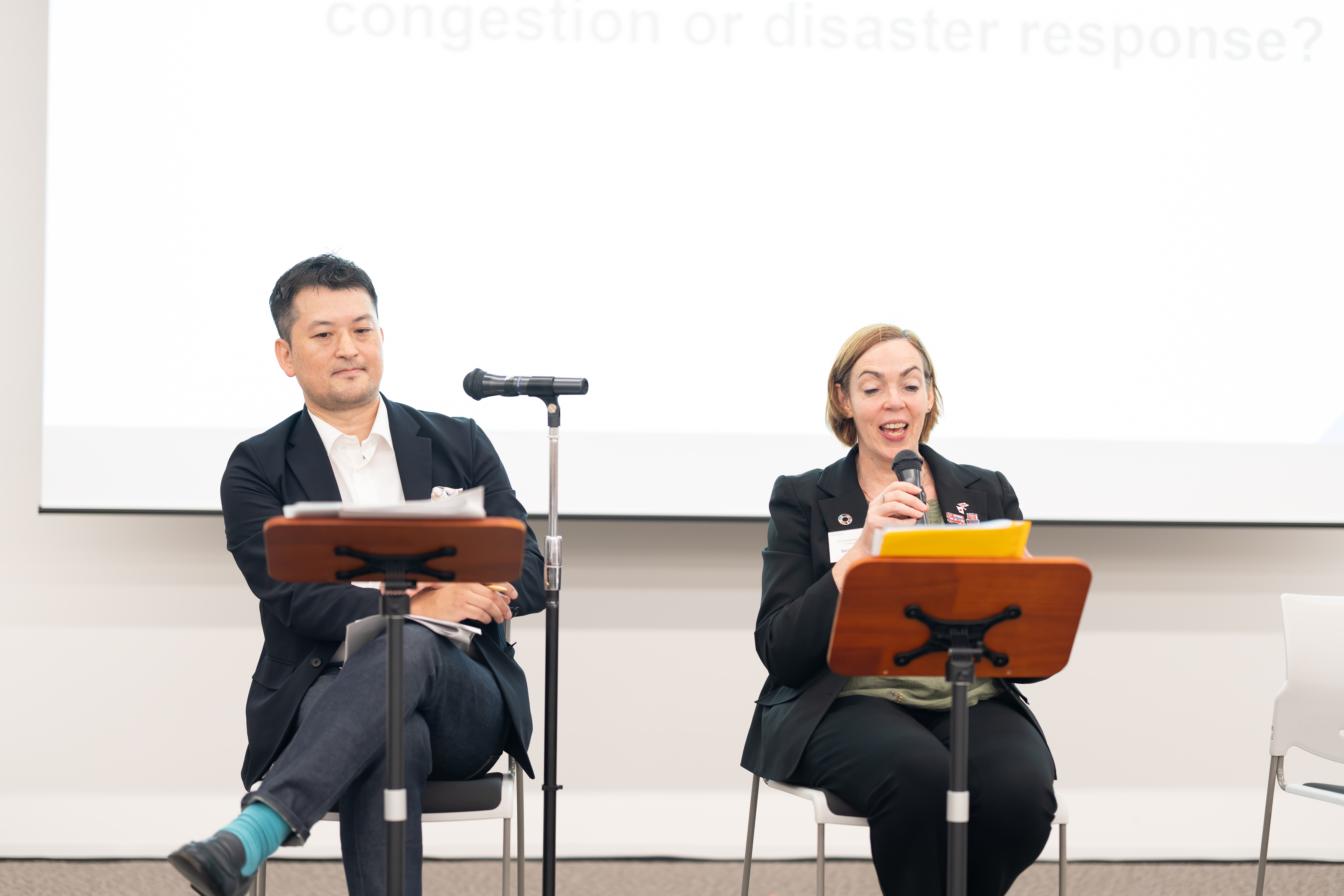
The speaker, Ms Sarah Sharples, Chief Scientific Adviser at
the UK Department for Transport and an expert in human-centred
transport technologies, presents how advancements in quantum
technologies, AI, and interactive media can foster inclusive
and sustainable societal experiences. The session further
explores how, in a future where physical and biological
dimensions converge, society should harness these technologies
for the common good.
-Remarks by Ms Sarah Sharples
Ms Sarah Sharples explored the convergence of the physical and
digital in the context of transport experiences, offering a
broad outlook from everyday mobility to quantum computing and
the metaverse. She noted that technological progress is
transforming mobility beyond traditional constraints of space
and time, with integrated activities such as cinema viewing,
3D visualisation, and smart payments already becoming reality.
Furthermore, she described a future where AI and biometric
sensing technologies can analyse our emotions and bodily data,
enabling socially rich and lifelike experiences within the
metaverse.
At the same time, she emphasised the dual nature of these
changes—highlighting both the convenience of contactless
interaction and the risk of losing spontaneous human
connections. She called for ethically responsible
implementation, recognising both the positive potential of
expanding access for marginalised groups and the associated
risks to privacy and security. Ms Sharples concluded by
stressing the importance of all stakeholders working together
to ensure that technological advancements contribute to a
society where no one is left behind.
-Audience Comment/Question①
An attendee from the metaverse industry raised a question
about the role of gaming technologies in urban planning and
transport. The participant, who is involved in the development
of Apple Vision Pro, asked how spatial computing technologies
may influence future urban and mobility experiences.
-Response by Ms Sarah Sharples①
Ms Sharples acknowledged the gaming community’s significant
contribution to the advancement of spatial technologies,
particularly through the proliferation of low-cost sensing and
monitoring technologies and the promotion of 3D visualisation
tools. She highlighted that such visualisation technologies
can assist with urban navigation and help users prepare for
unexpected situations. For people with neurological
disabilities in particular, being able to understand and
predict environments in advance helps reduce anxiety and
provides a safer, more confident way to travel.
-Audience Comment/Question②
An attendee commented on the use of social media for
communication during disasters. Citing the effectiveness of
Twitter during the 2011 Great East Japan Earthquake, she noted
that in ageing societies like Japan, many elderly people are
left behind due to difficulties using smartphones. She asked
about strategies in the UK to support older populations.
-Response by Ms Sarah Sharples②
Ms Sharples acknowledged that the UK faces similar challenges,
particularly the risk of excluding older people as transport
services become increasingly digital. She emphasised the
importance of collaboration with local communities. Citing
findings from the Royal Academy, she explained that digital
literacy is closely linked to general literacy. She stressed
that the government's key responsibility is to raise
levels of numeracy and literacy, thereby enabling older
individuals to engage with technology confidently.
-Audience Comment/Question③
An attendee referred to the advancement of technology-based
startups in Japan and the United States that integrate digital
technology with healthcare. She also pointed out that public
authorities and medical institutions are often not effectively
adopting AI and digital technologies. Referring to initiatives
like the NHS in the UK, she asked whether there are specific
policies or initiatives in the UK to promote the use of
digital technologies in the medical sector.
-Response by Ms Sarah Sharples③
Ms Sharples explained that the UK has drawn inspiration from
Japan’s home-based robotics technologies, noting that enabling
elderly individuals to live and receive care independently at
home also contributes to cost reduction for the government.
As concrete examples, she cited the “Hospital at Home”
initiative and the use of sensor-based vital monitoring,
observing that younger doctors are increasingly adopting
portable medical devices.
However, she also cautioned that allowing doctors to remotely
monitor patients from home has had unintended side effects,
such as making it harder for them to rest physically and
mentally. She emphasised the importance of carefully assessing
not only the implementation of new technologies but also how
they are actually used and the impact they have on medical
professionals.
【Session 4: Inclusive and Digitally-Centric Next-Generation
Community】
-Programme Summary
The final session explored the nature of next-generation
communities where diverse individuals can connect and live
together through technology. Going beyond economic efficiency
and convenience, the session aimed to envision a society where
everyone can participate with dignity. Discussions were
grounded in real-world practices through the lens of
inclusivity and digital empowerment.
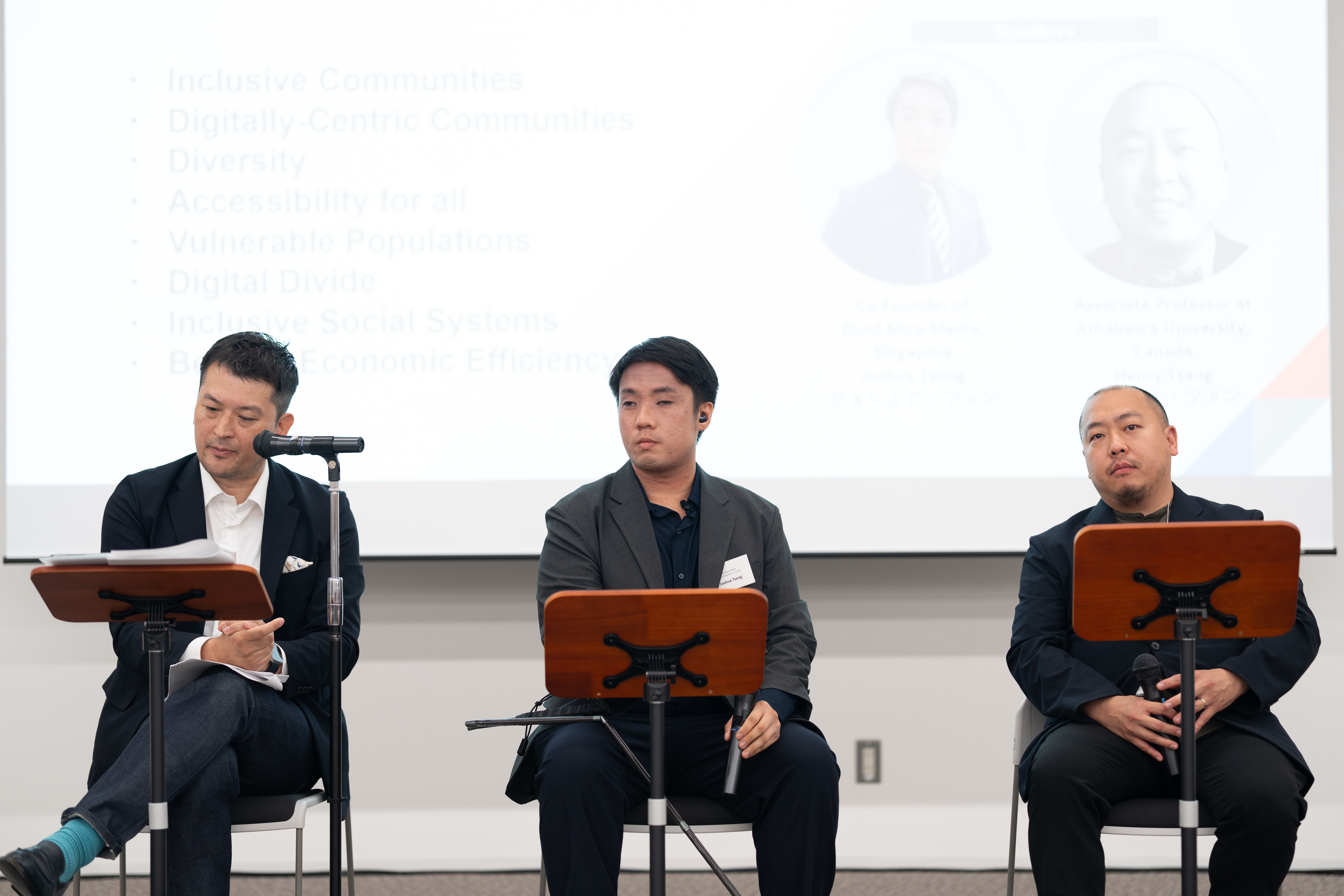
Speakers included Mr Joshua Tseng, a communications strategist
amplifying the voices of persons with disabilities, and Mr
Henry Tsang, an architect and professor from Canada advancing
accessible design and mind-friendly environments. Each
presented possibilities for a digitally inclusive society
rooted in diversity.
-Remarks by Mr Joshua Tseng
As a person with a disability and a specialist in media
strategy, Mr Tseng launched a campaign rooted in a heartfelt
desire: “to be understood.” In this campaign, persons with
disabilities shared their own stories in their own words, not
through government channels, but directly via TikTok and
Instagram. Seven individuals with disabilities and their
caregivers posted 42 videos, which garnered over 20 million
views.
One key to the campaign’s success was humour—incorporating
laughter and warmth into even heavy topics helped build
engagement and empathy. By honestly answering basic questions
about disability, the campaign sparked curiosity and
encouraged natural learning.
Rather than portraying disability as distant, the campaign
highlighted real lives, emotions, and aspirations, reframing
social minorities as familiar and relatable. Mr Tseng argued
that such curiosity-driven community building is more
effective than conventional educational approaches and
represents an inclusive form of social participation that only
digital platforms can make possible.
-Remarks by Mr Henry Tsang
Mr Tsang drew upon Canada’s experience as a multi-ethnic and
multicultural society, emphasising that inclusion is not
merely about bringing others in, but about developing the
awareness to ask, “Who is being left out?” He stressed that
the onus should not be placed on marginalised individuals, but
rather on society to reflect on how it engages with them.
He pointed to the lack of representation in architecture and
urban planning as a structural issue, using the design of
women’s toilets as an example to illustrate the failure to
incorporate female perspectives. He also noted that current
building codes are typically based on minimum safety standards
for emergencies, and criticised the absence of a rights-based
approach to accessibility.
Rather than symbolic or superficial accessibility, Mr Tsang
called for inclusive design shaped by the direct involvement
of persons with disabilities. He highlighted the importance of
capacity building initiatives—such as those by the Rick Hansen
Foundation—that support learning for inclusive design.
Ultimately, he concluded that the inclusivity of society is
determined by who holds decision-making power in spatial
planning.
-Audience Comment/Question
An attendee posed a question regarding the benefits of
technology for diverse communities, citing two real-life
examples. The first involved how the advent of Apple Vision
Pro has enabled blind individuals to better navigate physical
spaces, suggesting a new way of engaging with the built
environment. The second referred to an incident in San
Francisco, where a woman was able to travel home safely late
at night using a self-driving car. This illustrated the sense
of “freedom” and “liberation” made possible by enhanced safety
through technology. The question asked for views on the social
impact of such emerging technologies, especially for those who
are often overlooked, and the associated challenges of social
integration.
-Response by Mr Henry Tsang
Mr Tsang stated that safety is fundamentally about building a
society where people support each other and feel protected. He
cited the example of children walking to school alone in Japan
as a reflection of strong community networks. Regarding the
role of technology, he emphasised the function of IoT and
sensor-based systems in gathering and delivering information
about physical spaces to those who need it. He argued that the
critical issue is not merely the existence of information, but
how and to whom it is communicated. The use of mobile devices
and thoughtful delivery methods holds great potential. He
concluded that technologies aimed at ensuring safety and
security only become meaningful when they are linked to wider
structures of social support.
-Response by Mr Joshua Tseng
Mr Tseng remarked that the ability to access and utilise
information for navigating physical spaces is a critical issue
for people with visual impairments. He emphasised that the
starting point lies in the accessibility of basic app
information, such as availability and tutorials. Highlighting
the limitations of visual information—such as image-based
signage in train stations—he pointed to promising developments
like NaviLens, which offers audio navigation for the blind.
However, he stressed that access alone is not sufficient;
literacy education is also crucial to empower users. He
advocated for inclusive thinking to be incorporated from the
earliest stages of technological development, ensuring that
people with disabilities are able to fully benefit from new
tools and innovations.
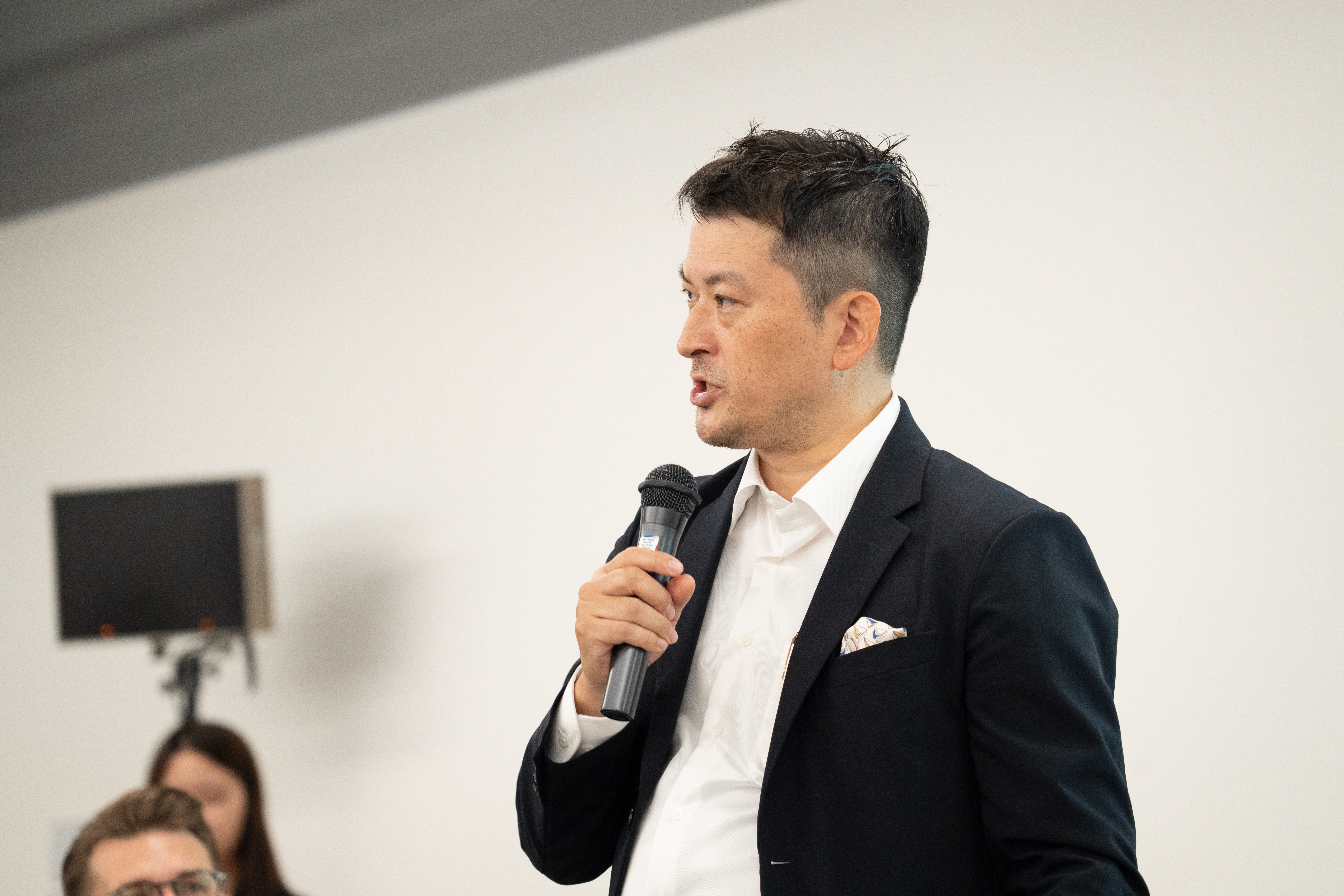
【Closing Reflections by Moderator Mr. Seiji Inada】
This Visionary Exchange provided a rare opportunity to
confront a fundamental question: What does “community” truly
mean in the world we live in today? From the agricultural era
through the Industrial Revolution to the age of “Society 5.0,”
humanity has repeatedly redefined the conditions for living
with dignity. I believe this discussion served as an attempt
to illustrate, through concrete examples, a vision for a
future where everyone can live true to themselves, and where
no one is left behind in inclusive and empathetic
communities.
Resilience and the Infrastructure of Shared Values
What left the deepest impression on me was the recognition
that the essence of resilience lies not only in physical
infrastructure, but also in shared values and cultural
foundations. Certainly, the physical conditions of a city -
such as safe, walkable urban spaces - are important. Yet more
essential are the systems and cultural norms that allow people
from diverse backgrounds to understand and support one
another. I was reminded that true resilience must be built
upon this “infrastructure of values.”
Cities, Mobility, and the International Community
Another insight was how the discourse around sustainable
cities and mobility has moved beyond the traditional dichotomy
of economic growth versus environmental protection. These
discussions now touch on the emergence of new social contracts
and global norms. In an era where aging infrastructure,
inefficiencies in logistics, and increasing exposure to
various risks - including natural disasters -challenge cities
everywhere, urban development is no longer a domestic issue.
As cities and mobility platforms become increasingly
interconnected across borders, I believe it is essential to
recognize that urban planning is now inherently tied to the
landscape of international politics and economics.
Coexistence of Digital and Physical Realms in Community
Life
A third realization was how the fusion of physical and digital
space is reshaping the structure of society and human
perception. New experiences made possible by technology
challenge the way we understand emotion and empathy - and
require us to rethink education and the design of our
societies. While AR/VR, and sensor technologies continue to
evolve, this only reaffirms the importance of non-verbal
communication and embodied experience. To me, the key to
building inclusive communities lies in how we continue to ask,
and answer, the question: How can we preserve harmony between
technology and humanity?
Cast
Moderator
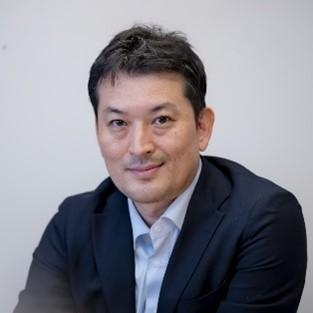
Seiji Inada
Advisor, Agenda2025, Expo 2025 Osaka-Kansai
Seiji Inada blends government insight with global business acumen. After shaping foreign and national security policy at Japan’s Ministry of Foreign Affairs and the Prime Minister’s Office, he honed his commercial edge with a global consulting firm. He then steered high level initiatives at the World Economic Forum and became Japan Representative for Eurasia Group, advising C suites on geopolitical risk. Now Managing Director at FGS Global, he counsels public institutions and global companies integrate geopolitical realities into long-term business strategy. He also acts as an Agenda 2025 Advisor for Expo 2025 Osaka Kansai, driving forward looking dialogue on innovation and the future of society. He continues to counsel several private-sector organizations.
View Profile
Close
close
Speakers
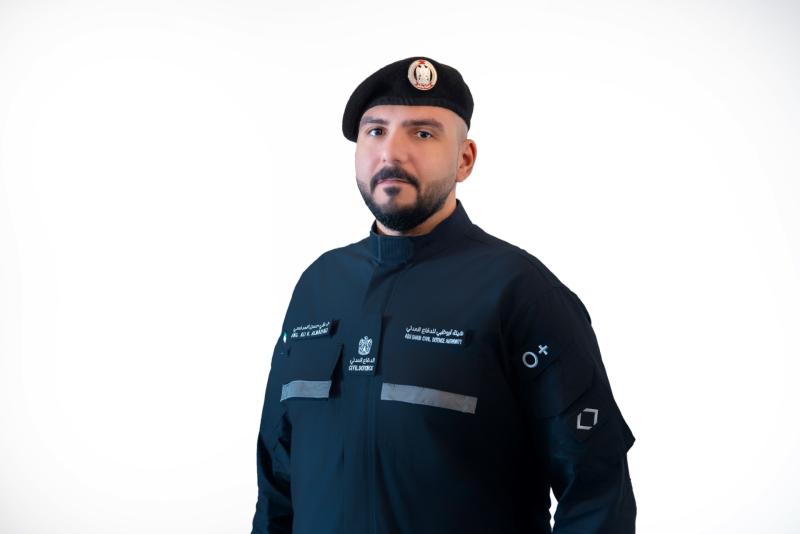
Ali Al Madfaei
Abu Dhabi Civil Defense Authority, United Arab Emirates
Ali Almadfai is a strategic advisor and innovation
leader in the field of public safety and emergency
response at Abu Dhabi Civil Defense. With a background
in engineering and a passion for forward-looking
solutions, he works at the intersection of technology,
policy, and resilience. His portfolio includes
overseeing special projects that integrate advanced
systems such as AI, UAVs, and autonomous platforms
into real-world emergency operations, as well as
guiding national-level initiatives that enhance civil
protection and disaster preparedness.
Ali is widely recognized for his ability to bridge
high-level vision with practical implementation,
ensuring that safety strategies remain both
future-ready and rooted in local relevance. He
actively contributes to shaping long-term frameworks
for sustainable development, public safety innovation,
and international cooperation. With a commitment to
service and progress, Ali continues to play a leading
role in fulfilling the mission of positioning the UAE
as a global model for resilience and technological
excellence in emergency management.
View Profile
Close
close
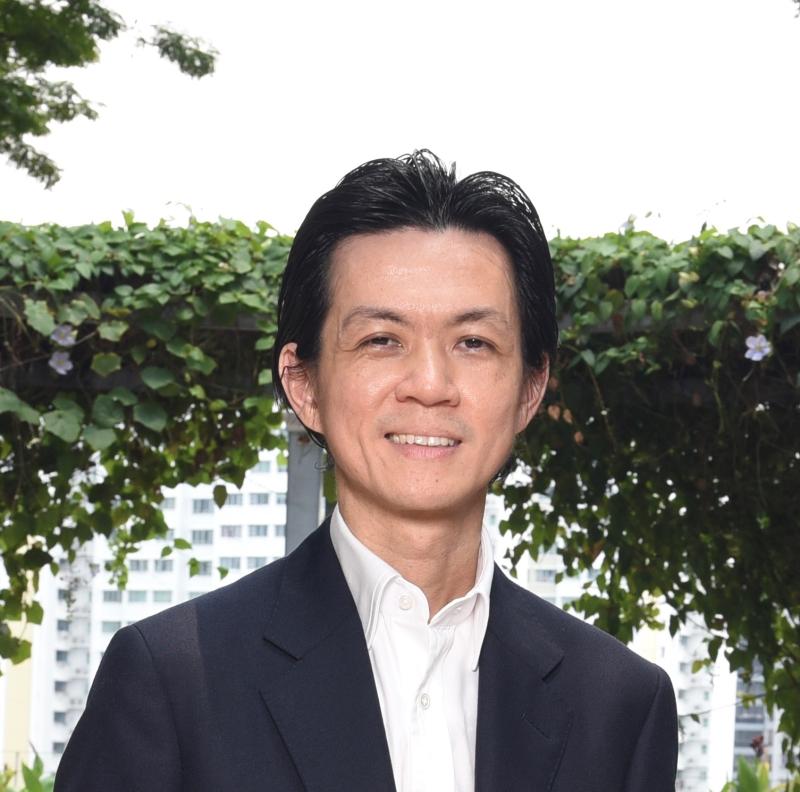
Clarence Chua
Senior Vice President at the Singapore Economic Development Board
Clarence Chua leads the Business Environment division at the Singapore Economic Development Board (EDB) which oversees policies related to incentives and trade. He is also Head for Japan and Korea region. After graduating from the University of Tokyo with a Bachelor of Economics, he worked in EDB’s International Policies and Electronics divisions. From 2008 to 2013, Clarence was based in Japan, managing EDB’s operations in Japan and Korea. Upon his return to Singapore, he was appointed as Director for EDB’s Corporate Planning division which oversees EDB’s performance as Singapore’s lead economic development agency. He oversaw the development of the Professional Services cluster from 2015-2018 and Hub Services strategy from 2018-2019, followed by the Strategic Planning division in 2019-20. He was Director Strategic Planning Division in the Ministry of Communications and Information in 2020-22.
View Profile
Close
close
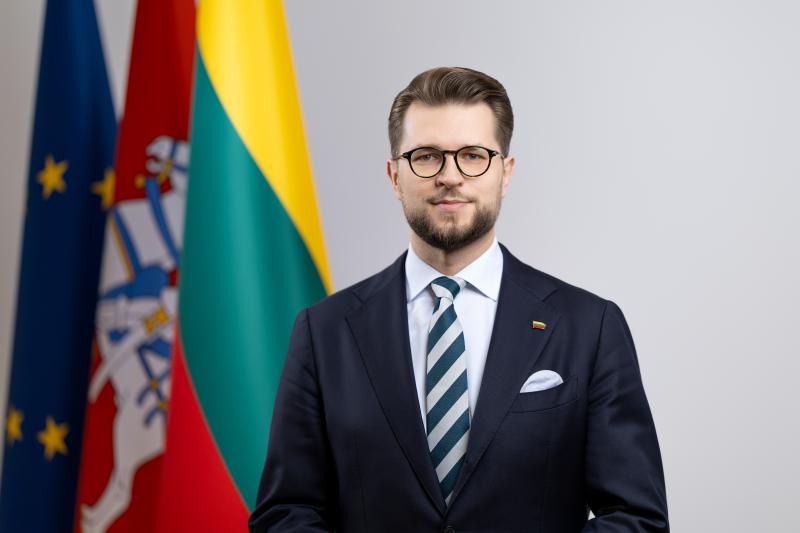
Lukas Savickas
Minister of Economy and Innovation, Republic of Lithuania
Lukas Savickas is Minister of the Economy and
Innovation of the Republic of Lithuania since November
2024. He has been a member of the Seimas of the
Republic of Lithuania since 2020 currently serving
there a Member of the Committee on Human Rights.
His experience includes roles as Deputy Chair of the
Committee for the Future and membership in the
Committee on Economics and the State Progress Council
of the Seimas. Previously, he held leadership
positions within the Lithuanian Government, including
First Deputy Chancellor of the Government, where he
coordinated strategic EU policy implementation,
managed budget negotiations, worked on the National
Progress Plan and led the Government's COVID-19
response.
Also, Lukas has contributed to fostering economic
growth as Adviser to the Prime Minister as well as
through roles at Invest Lithuania and the Association
Investors’ Forum. He holds a BA in Politics and
International Relations from University of York and a
MA in European Public Affairs from Maastricht
University.
View Profile
Close
close
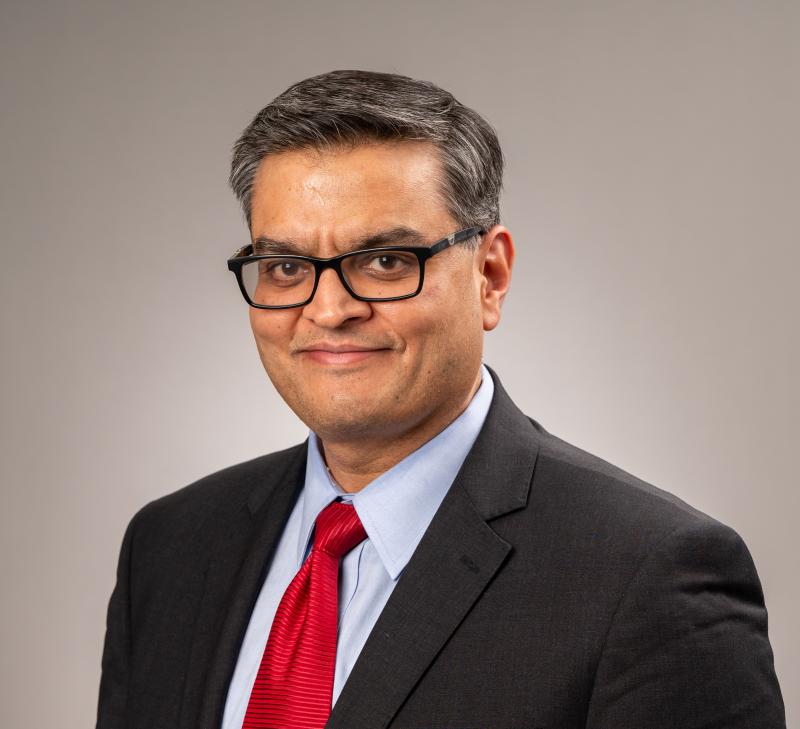
Ashish Khanna
Director General, International Solar Alliance (ISA)
Mr Ashish Khanna has over 26 years of experience in
the energy sector across more than 15 developing
countries in South Asia, the Middle East and North
Africa, and Sub-Saharan Africa. He has worked across
the solar value chain—from project conceptualisation
to financing and implementation. As former Head of the
World Bank’s West and Central Africa Program, he led
Mission 300 to expand energy access to 300 million
Africans by 2030. In the MENA region, he led a program
enabling $20 billion in private energy investment in
Egypt.
In India, as Lead Energy Specialist at the World Bank,
he supported MNRE on policy reforms for private sector
participation in solar. Born and raised in India, he
understands the challenges of energy access. He
believes that ISA’s success hinges on strong
institutional capacity and accountability. Mr Khanna
holds dual postgraduate degrees in Management and
Public Administration and was named a Littauer Fellow
for Global Leadership Potential at Harvard Kennedy
School.
View Profile
Close
close

Sarah Sharples
Chief Scientific Adviser at the UK Department for Transport
Professor Sarah Sharples is Chief Scientific Adviser
for the Department for Transport. She is a Professor
of Human Factors in the Faculty of Engineering at the
University of Nottingham and from 2018 to 2021 was Pro
Vice-Chancellor for Equality, Diversity and Inclusion
and People.She has led research in transport,
manufacturing and healthcare. Her academic work is
focused on understanding how to design complex systems
that enable both people and technologies to work to
their highest potential. In her DfT role she ensures
that advice to policy makers and politicians is drawn
from the highest quality research from the transport
sector, and works closely with academia and industry.
She was President of the Chartered Institute of
Ergonomics and Human Factors from 2015 to 2016 and was
elected as a Fellow of the Royal Academy of
Engineering in 2024.
View Profile
Close
close

Joshua Tseng
Co-Founder of Blind Mice Media, Singapore
Josh Tseng is the co-founder of Blind Mice Media, a
consultancy dedicated to breaking societal barriers
through Inclusive Design and Social Impact
Storytelling. He works with public and private sectors
to create accessible technology and digital
infrastructure, ensuring equal access for all,
regardless of age, income, or disability. His media
campaigns spotlight under-represented voices, using
social media to drive awareness and representation.
Josh received the Goh Chok Tong Enable (Promise) Award
in 2020 for his advocacy in accessibility and
inclusion. In 2024, he represented Singapore at the
17th UN Conference of State Parties to the Convention
on the Rights of Persons with Disabilities. As an
iChamp with SG Enable and a Board Member of the
Singapore Association of the Visually Handicapped
since 2022, Josh continues to champion inclusivity
across all aspects of society.
View Profile
Close
close

Henry Tsang
Associate Professor at Athabasca University, Canada
Chair Elect & Associate Professor, Royal
Architectural Institute of Canada Centre for
Architecture, Athabasca University
Visiting Research Fellow, Institute of Social Science,
The University of Tokyo
Dr. Henry Tsang is an acclaimed Canadian architect,
professor, and expert in sustainability and IDEA
(Inclusion, Diversity, Equity & Accessibility) in
the built environment. He is the Chair-Elect of the
RAIC Centre for Architecture at Athabasca University.
Tsang is a registered architect and accessibility
designer through the Rick Hansen Foundation
Accessibility Certification (RHFAC) program, which
aims to "create a world without barriers."
Also, he is an appointed advisor and fellow of the
Royal Architectural Institute of Canada, advocating
for excellence in the built environment. He has
lectured at universities worldwide (including UTokyo,
Waseda, McGill, UBC, Hanyang, etc.), and spoken on
global stages including academic/industry conferences,
TEDx talks, and UN summits. Accolades include the
Canadian Educator of the Year, Canadian Architect
Award of Excellence, Construction Canada Emerging
Leader Award, and Asian Changemaker Award.
View Profile
Close
close
The Future of Community and Mobility Week
Agenda2025 business exchange programme‘Visionary Exchange'
We are pleased to organise a speech and discussion event, as well as a lunch networking event, on the theme of the Agenda programme ‘The Future of Community and Mobility’, entitled ‘Visionary Exchange’, as part of the Agenda2025 programme.This gathering aims to include business delegations, universities, scientists, government officials, Agenda2025 panelists, and relevant Japanese leaders from government, industry, and academia. Participants will engage in keynote addresses and networking sessions aligned with each Theme's focus.(Invitation only)
-
2025.05.16[Fri]
10:30~13:30
(Venue Open 10:00)
- EXPO Salon
OTHER PROGRAM
The Future of Community and Mobility Week