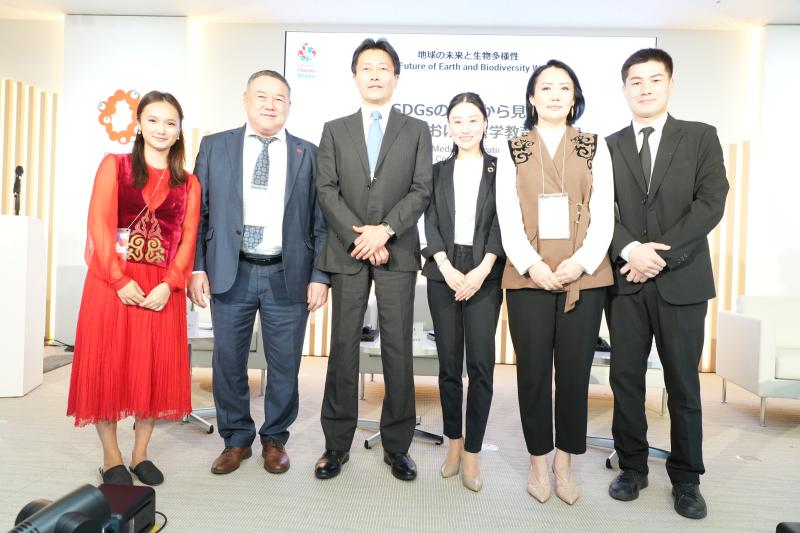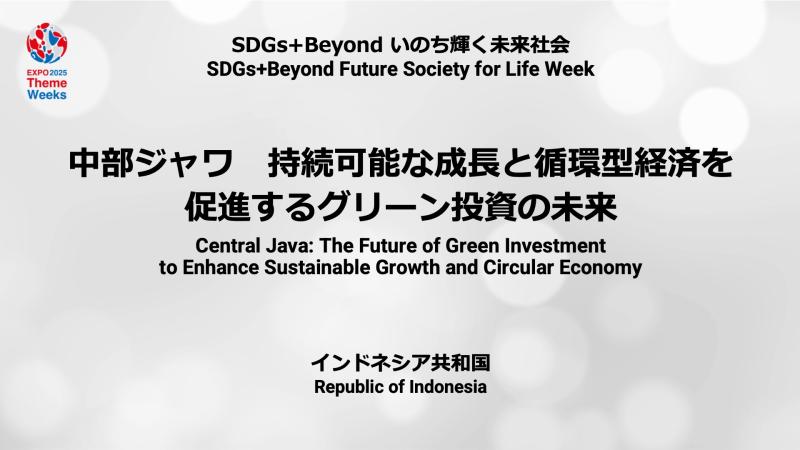
SDGs+Beyond Future Society for Life Week
Sustainable mountain development
Kyrgyz Republic
As “Sustainable Mountain Development” is an important part of the United Nations Sustainable Development Goals, we consider it highly important to highlight and discuss this topic. *Admission is on a first-come, first-served basis.
Recorded video available
Discussion
- SDGs
- Society 5.0
- future society
| Transmission of simultaneous interpretation | Not provided |
|---|---|
| Language of interpretation | English |
-

Track Programme
-
Time and
Date of
the event -
-
2025.10.03[Fri]
18:00 ~ 20:00
(Venue Open 17:30)
-
- Venue
- Theme Weeks Studio
Programme details
*Subtitles: Choose “Subtitles/CC” in the “Settings” (gear
icon) at the bottom right of the YouTube video.
*Subtitles may not show with multiple languages or overlapping
audio.
Background:
The event takes place in the context of Expo 2025 Osaka,
Kansai, during the Five Years of Action for the Development of
Mountain Regions (2023–2027), as proclaimed by the UN General
Assembly. It aims to raise global awareness of the critical
importance of mountains and mountain ecosystems for the
sustainable future of the planet.
Mountains provide essential services such as fresh water,
biodiversity, cultural heritage, climate regulation, and
livelihoods for millions of people, including some of the most
vulnerable communities. At the same time, mountain regions
face negative impact of climate change, glacier melting,
biodiversity loss, and socio-economic challenges etc.
This side event will:
• Mobilize international partnerships to support sustainable
mountain development;
• Provide a platform for stakeholders to share innovative
practices and amplify the global visibility of mountain
issues.
Key message:
Mountain ecosystems provide people and the planet with
essential goods and services such as water, food and
biodiversity. Home to about 1.1 billion people, the mountains
are also centres of cultural diversity and traditional
knowledge. However, biodiversity loss, climate change, land
degradation, pollution and other impacts are severely and
increasingly affecting mountain livelihoods and ecosystems.
Mountain communities are highly dependent on small-scale and
family-based agriculture. Mountain regions are facing multiple
and significant economic challenges. However, at the same time
they can provide economic opportunities for the benefit of
their own communities, especially in the field of sustainable
tourism and organic production. Despite their vulnerabilities,
mountains represent key ecosystems that can reduce a range of
climate change risks and provide multiple co-benefits through
the implementation of adaptation and resilience measures.
Theme:
Sustainable Mountain Development
Main discussion topics:
• The impact of climate change on mountain regions and
disaster risk reduction;
• The state of glaciers and the cryosphere in the context of
the International Year of Glacier Preservation (2025);
• Conservation of mountain ecosystems and biodiversity;
• Supporting mountain communities through diversified income
sources and improved access to healthcare, education, energy,
internet, and fresh water;
• Promoting sustainable mountain development through mountain
products, geoparks, and ecotourism;
• Tackling degradation of mountain pastures and forests for
climate resilience and livelihoods;
• Elevating mountain initiatives of the Kyrgyz Republic on the
global arena.
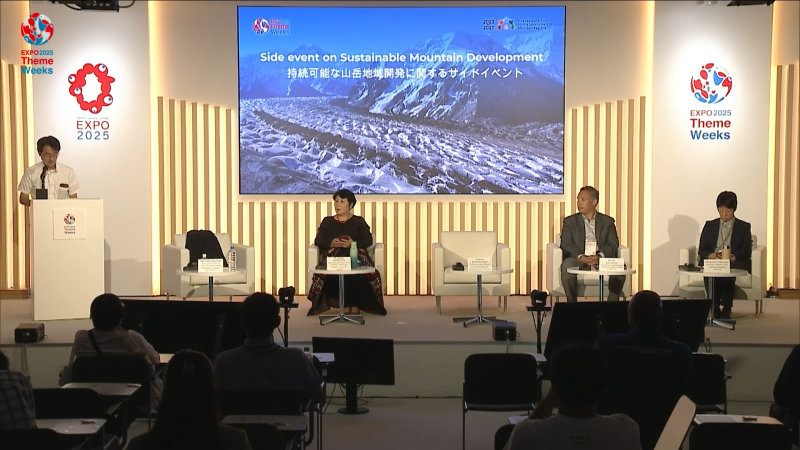
18.00-18.15
Opening remarks
Moderator: Mr. Ueda Takafumi, Senior Advisor on Private Sector
Development, Japan International Cooperation Agency (JICA)
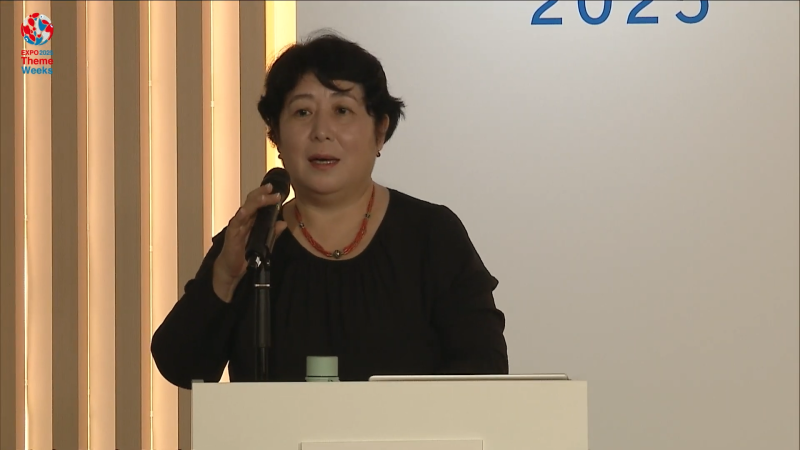
• Mrs. Dinara Kemelova, Special Representative of the
President of the Kyrgyz Republic on mountain agenda
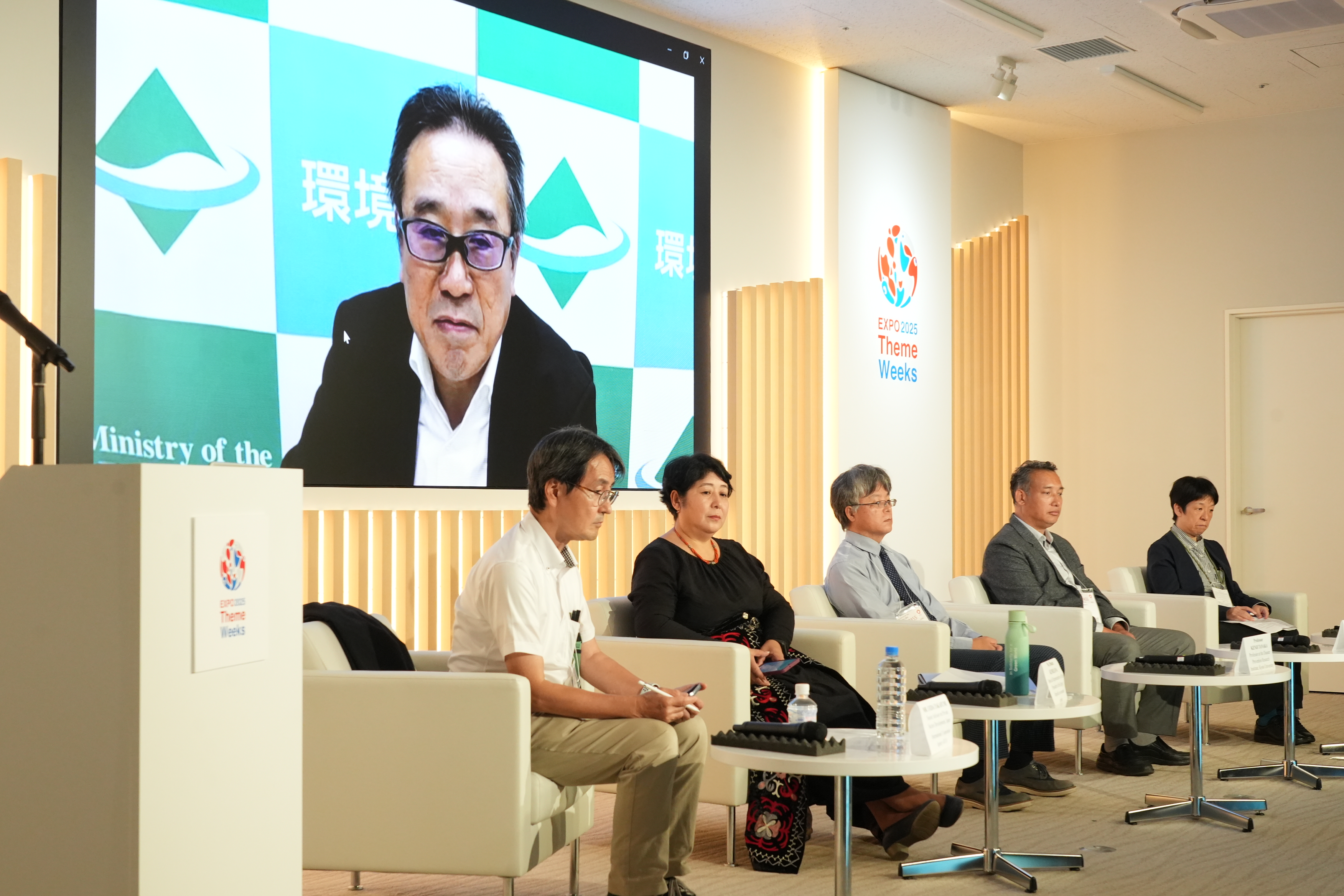
• Mr. Yutaka Matsuzawa, Senior Advisor to the Minister of
Environment of Japan (online)
18.15-18.35 Ms. Dinara Kemelova, Special Representative of the
President of the Kyrgyz Republic on mountain agenda Keynote
presentation
Sustainable mountain development and Five years of action for
development of mountain regions
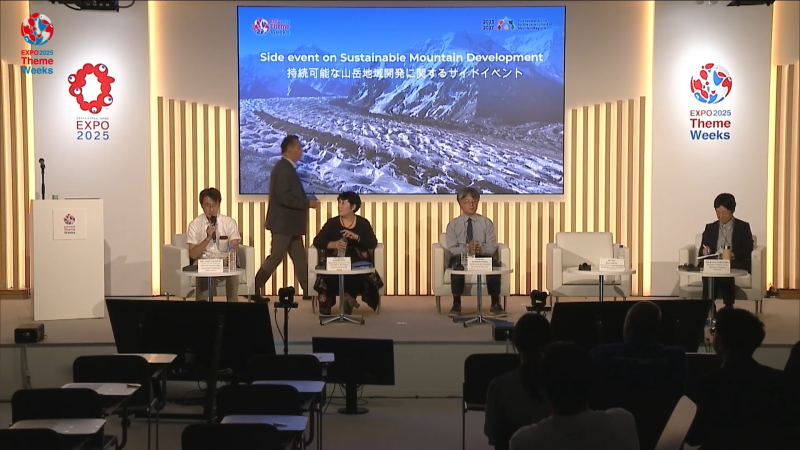
18.35-18.50 Professor Kenji Tanaka, Disaster prevention
research institute, Japan Presentation
The importance of the glacier melting component in summer
season
18.50-19.05 Ms. Kana Furusawa, Japanese geoparks network,
Japan Presentation
Geoparks and sustainable mountain development
19.05-19.20 Mr. Deo Raj Gurung, Senior Advisor - Climate
Resilience and Mountain Science, University of Central Asia,
Kyrgyz Republic Speech
19.20-19.50 Q&A Session
19.50-20.00 Closing summary -Moderator
Reports
【Reflection】
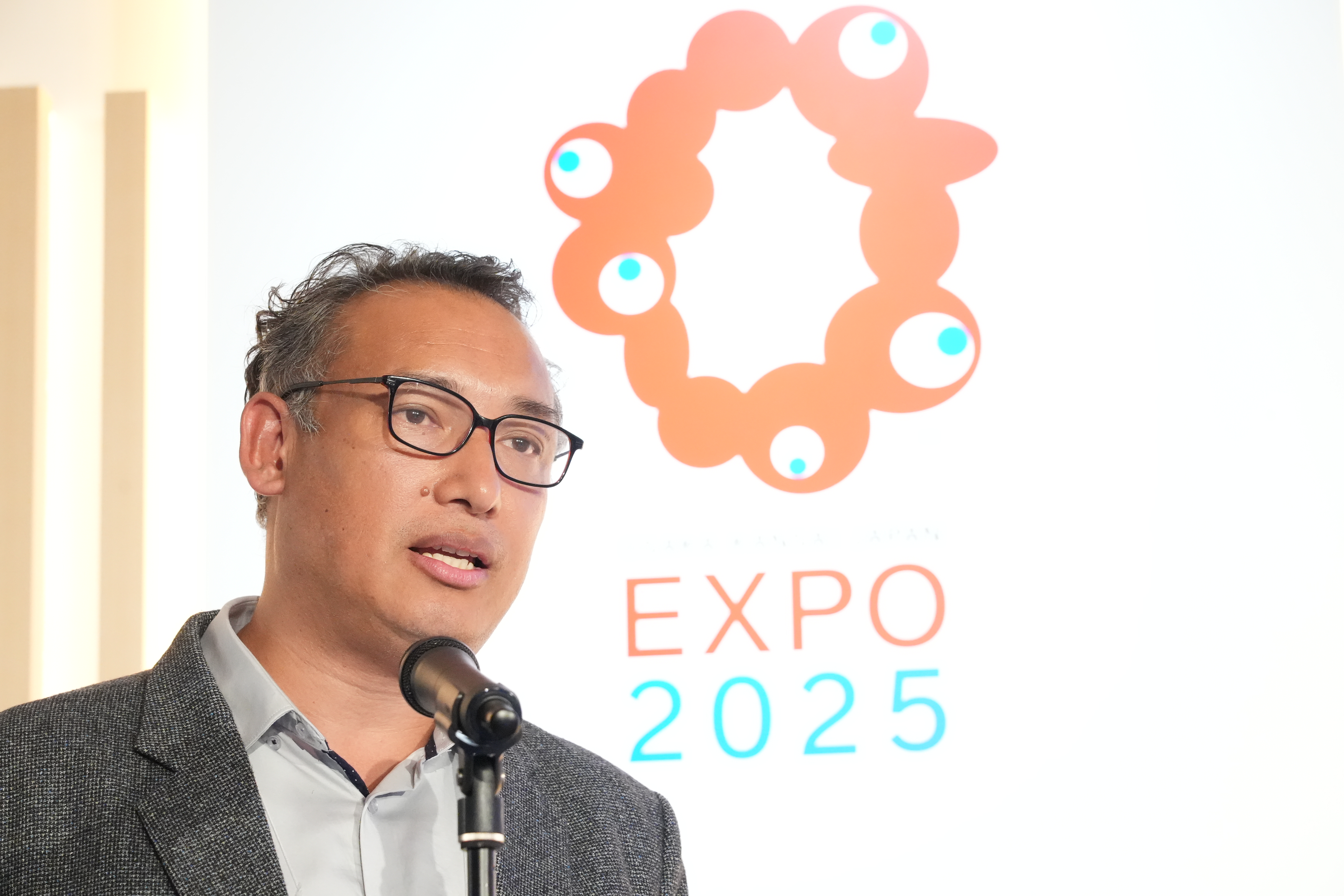
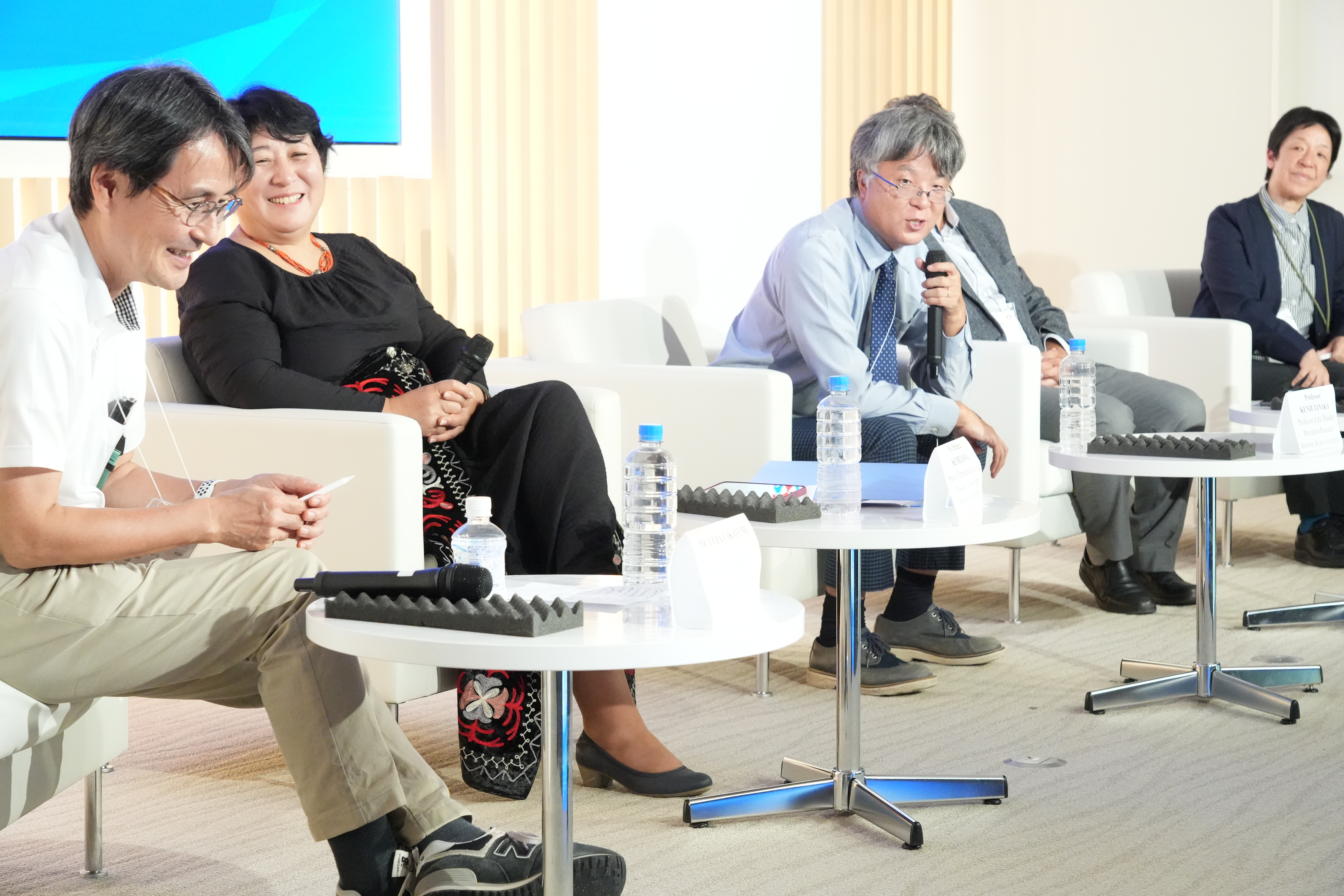
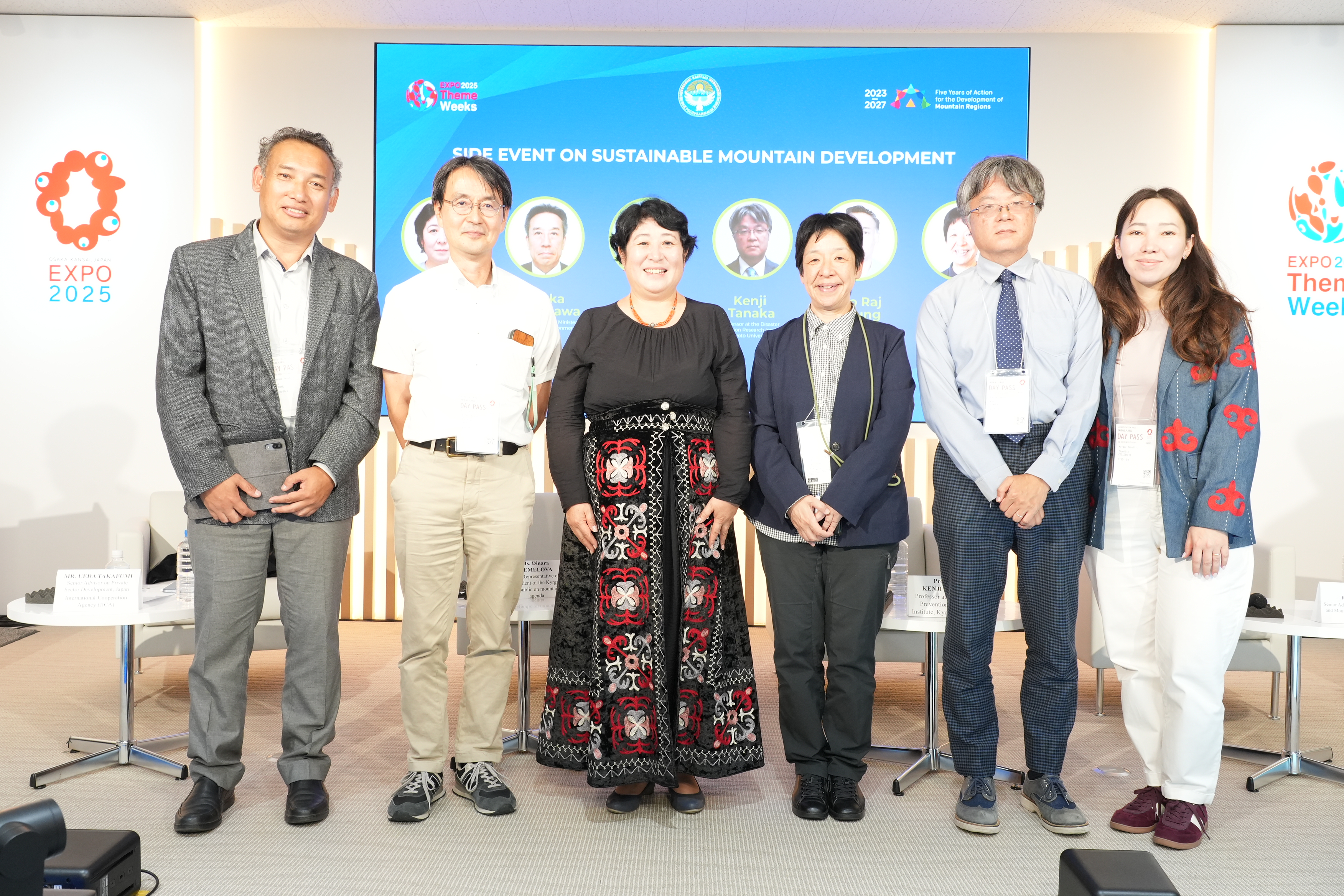
The side event “Sustainable Mountain Development” organised by
the Kyrgyz Republic during SDGs + Beyond: Future Society for
Life Week at Expo 2025 Osaka, Kansai, placed mountains at the
centre of global sustainability discussions. Moderated by Mr.
Takafumi Ueda (JICA), the session brought together key voices
including Mrs. Dinara Kemelova, Special Representative of the
President of the Kyrgyz Republic on the mountain agenda, Mr.
Yutaka Matsuzawa, Senior Advisor to Japan’s Minister of the
Environment, and several international experts and
researchers.
Mrs. Kemelova emphasised that mountain ecosystems are vital
for humanity, providing fresh water, biodiversity, and
cultural heritage for more than a billion people. She outlined
Kyrgyzstan’s leadership role in promoting the “Five Years of
Action for the Development of Mountain Regions (2023–2027)”
declared by the UN General Assembly, and its national roadmap
integrating the Sustainable Development Goals into policies
for mountain communities. Her keynote drew attention to the
country’s efforts in biodiversity preservation, glacier
protection, and empowering women and youth as agents of
mountain sustainability.
Mr. Matsuzawa, speaking online, underlined Japan’s cooperation
through the Satoyama Initiative, national park management, and
climate adaptation platforms. He also introduced the Joint
Crediting Mechanism (JCM) between Japan and Kyrgyzstan to
promote decarbonisation and climate resilience in schools and
public facilities.
Together, the speakers affirmed that protecting mountain
ecosystems is essential not only for the environment but also
for the livelihoods and cultures of mountain peoples. The
session embodied Expo 2025’s spirit of “Designing Future
Society for Our Lives,” demonstrating how international
partnerships can transform vulnerability into resilience and
action.
【Post EXPO Initiatives】
Following Expo 2025, the Kyrgyz Republic will continue
implementing its Five-Year Action Plan for the Development of
Mountain Regions, with a focus on translating dialogue into
concrete outcomes. Initiatives include the organisation of the
Second Global Mountain Summit in 2027, the advancement of a
global framework for mountain policies, and strengthened
monitoring of glaciers and biodiversity under UNESCO and UN
frameworks.
Collaboration with Japan will deepen through the Joint
Crediting Mechanism (JCM) and the Satoyama Initiative,
promoting clean technologies, renewable energy, and
sustainable land management in mountain areas. Educational and
research partnerships with institutions such as the University
of Central Asia and Japanese universities will enhance
scientific exchange and innovation in climate adaptation and
ecosystem restoration.
Domestically, Kyrgyzstan will scale up its National Roadmap
for Sustainable Mountain Development, focusing on rural
infrastructure, access to education and healthcare, women’s
empowerment, and the promotion of sustainable mountain
products and ecotourism.
Through these initiatives, Kyrgyzstan aims to solidify its
position as a global advocate for mountain sustainability,
transforming Expo 2025’s platform into lasting international
cooperation that safeguards the natural and cultural heritage
of the world’s mountain regions.
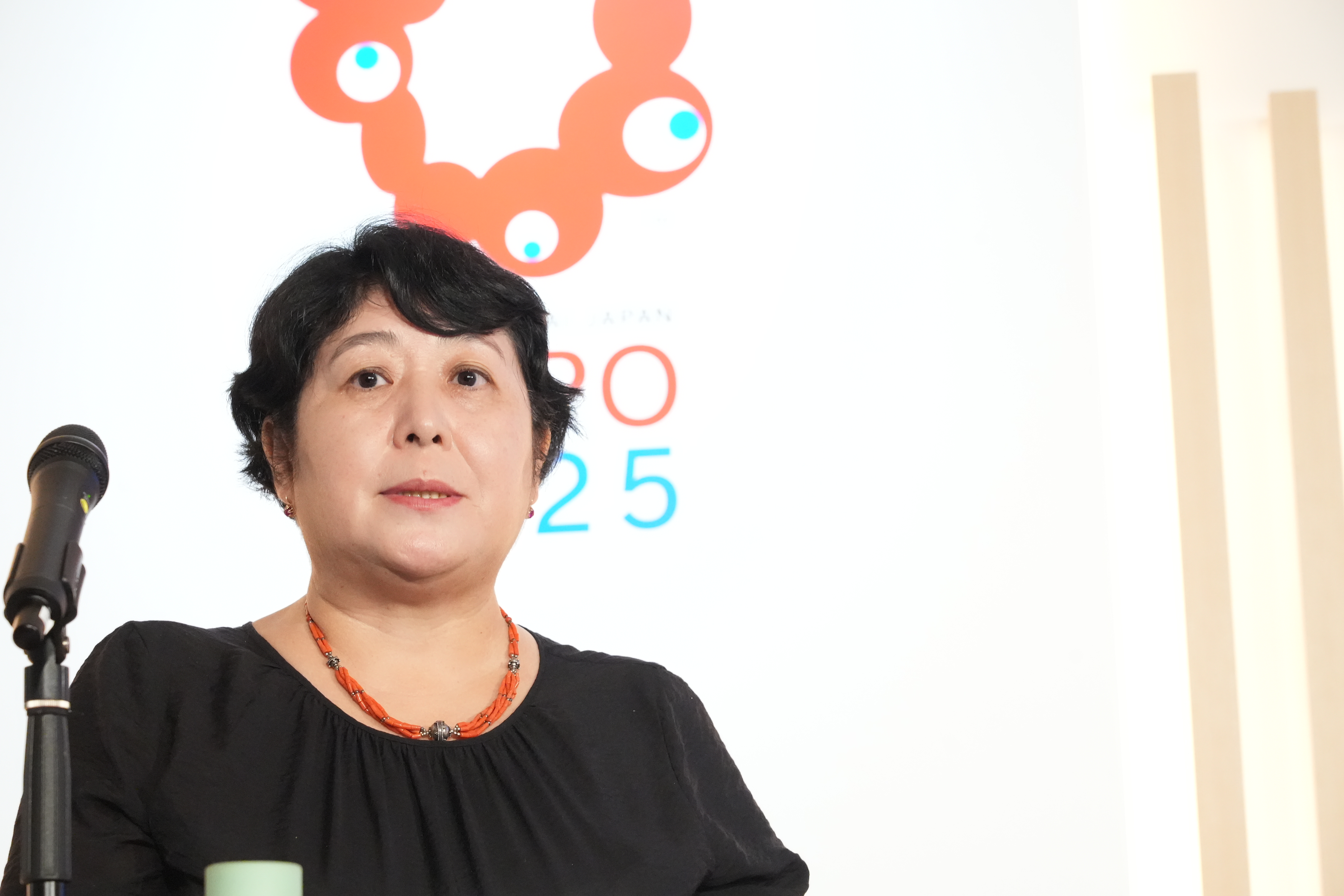
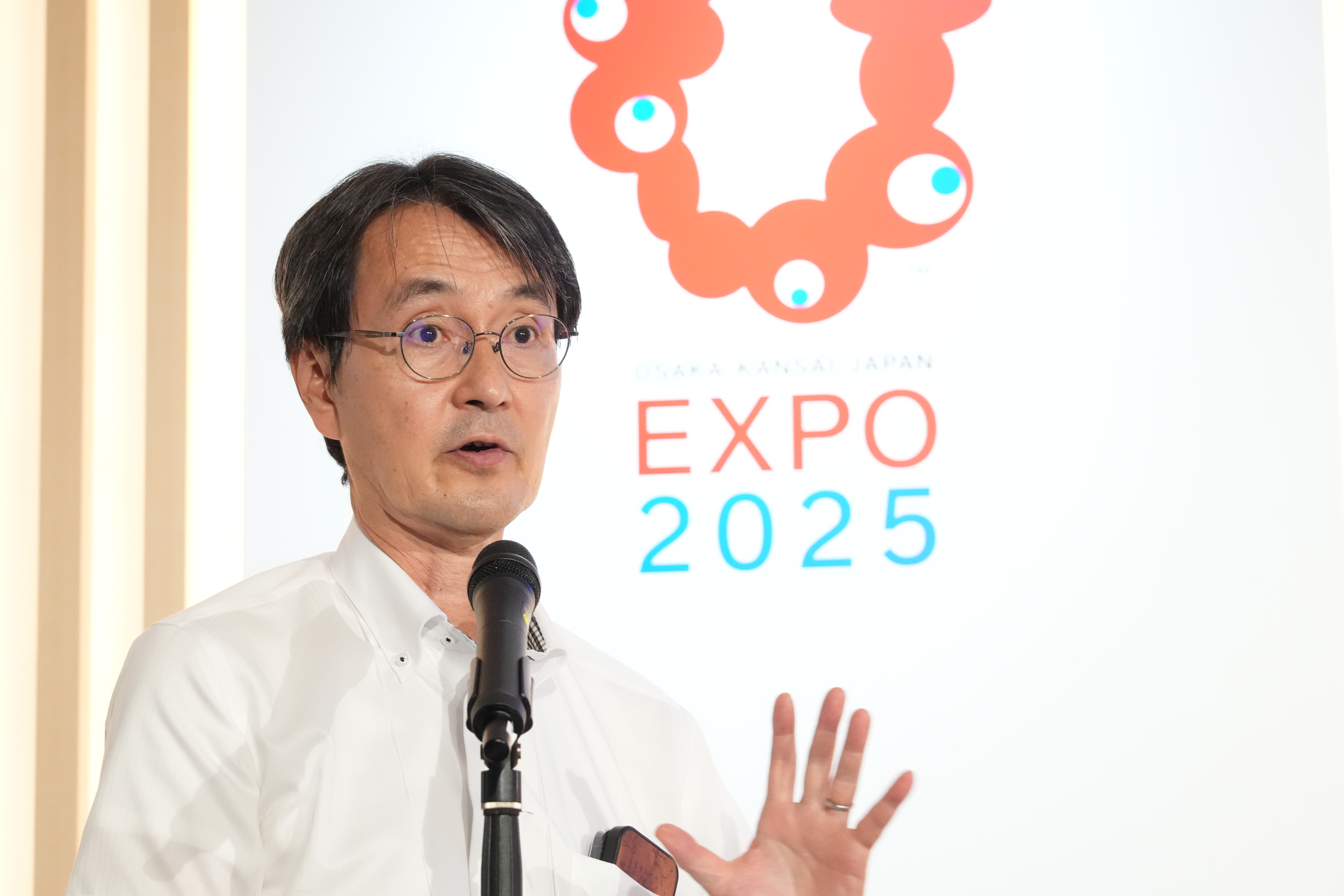
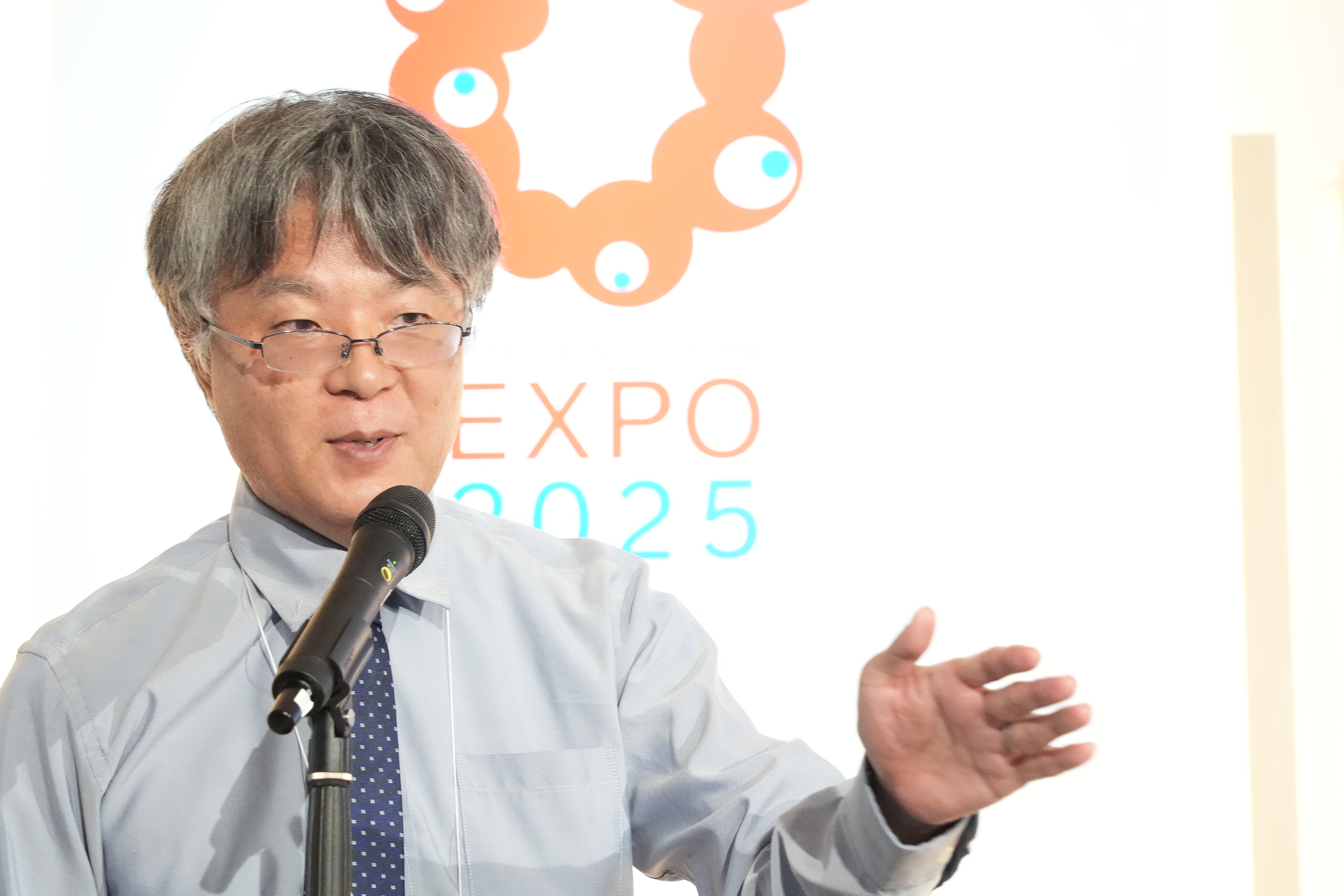
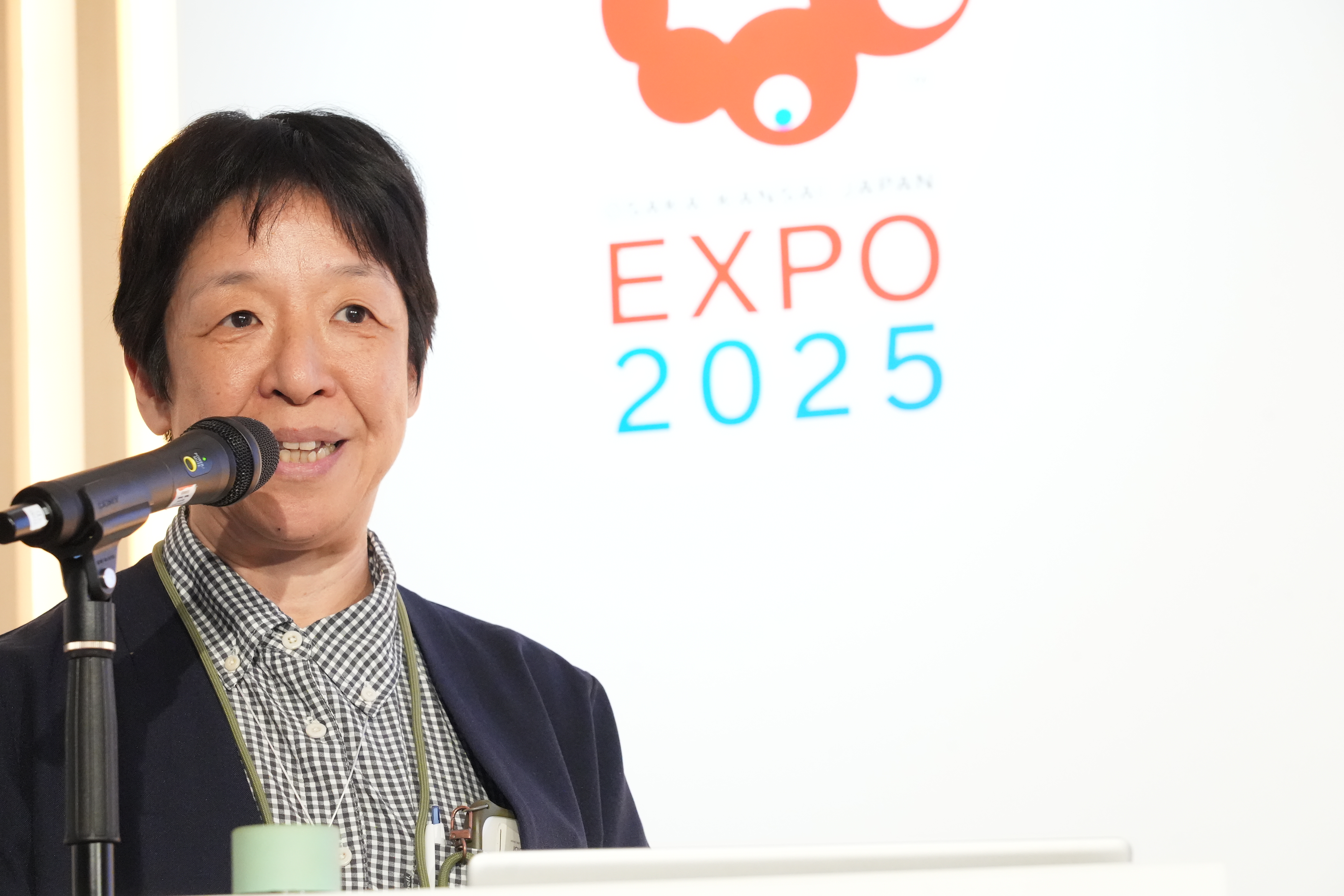



Cast
Speakers
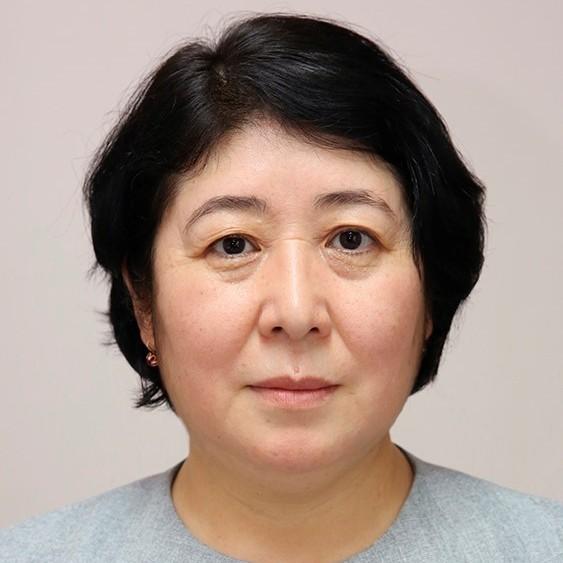
Dinara Kemelova
Government of Kyrgyz Republic
Mrs. Dinara Kemelova Special Representative of the
President of the Kyrgyz Republic on mountain agenda
Mrs. Dinara Kemelova has more than 27 years of
experience in the Foreign Service of Kyrgyzstan. Her
long and distinguished career spans many years
covering diplomacy, foreign policy, international
relations, human rights, sustainable development,
water and environment, climate change, peace and
security.
She held various positions in the Foreign Service of
the Kyrgyz Republic, including the positions of First
Deputy Minister of Foreign Affairs, Deputy Minister
and Ambassador Extraordinary and Plenipotentiary of
the Kyrgyz Republic to the Republic of Korea.
Mrs. Kemelova has strong university background with
specialization of International Law, and holds a
Master of Science in Sustainability, Development and
Peace from the United Nations University (Tokyo). She
obtained Joint Diploma on Sustainability Science and
Global Leadership Initiative of the University of
Tokyo& the United Nations University (2015).
She is the author of several articles in the field of
international law, water issues, and international
relations.
View Profile
Close
close
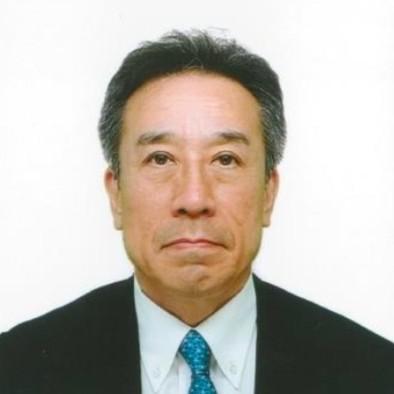
Yutaka Matsuzawa
Ministry of environment of Japan
2025 – Senior Advisor to the Minister, Ministry of the
Environment (MOE)
2023 – 2025 Vice-Minister for Global Environmental
Affairs, MOE
2022 – 2023 Director General, Global Environment
Bureau, MOE
2021 – 2022 Director General, Environmental Management
Bureau, MOE
2020 – 2021 Deputy Director-General, Environmental
Regeneration and Material Cycles Bureau, MOE
2018 – 2020 Councillor, Minister's Secretariat,
MOE
2015 – 2018 Deputy Director-General, Environmental
Regeneration and Material Cycles Bureau, MOE
2012 – 2015 Director, Climate Change Policy Division,
Global Environment Bureau, MOE
2010 – 2012 Counsellor, Cabinet Secretariat
1989 Director, Research and Information Office, Policy
Planning Division, Global Environment Bureau, MOE;
Waste Management Division, Public Health Bureau,
Ministry of Health and Welfare
View Profile
Close
close
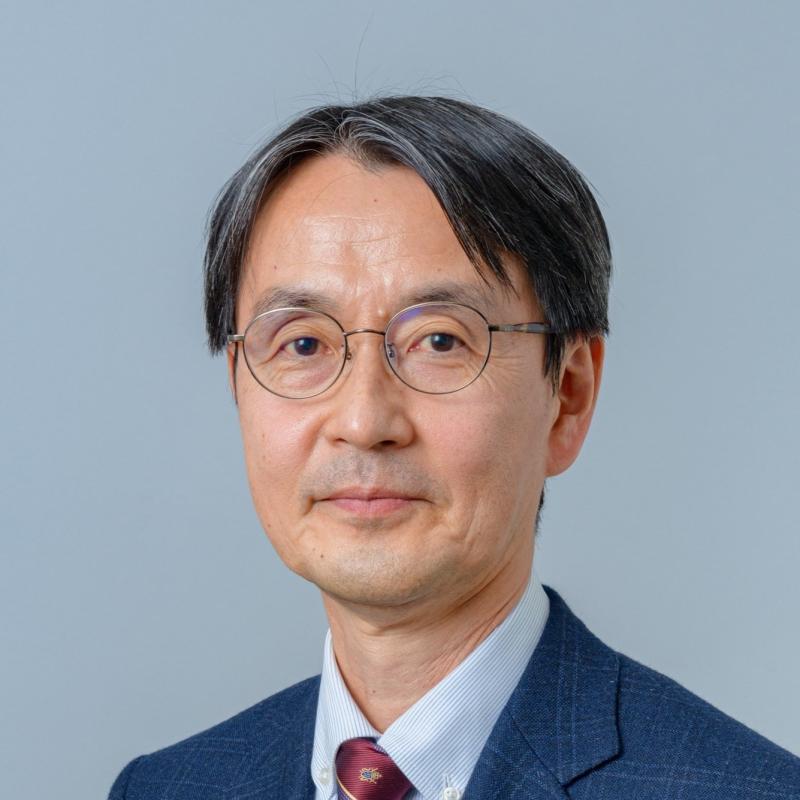
Ueda Takafumi
Senior advisor on Private Sector Development, Japan International Cooperation Agency (JICA)
Mr. Ueda has 35 years of experience in international
cooperation in promoting micro, small and medium-sized
enterprises, investment and trade promotion, rural
enterprise development, including One Village One
Product (OVOP), and sustainable tourism development in
developing countries. Before working at JICA, he spent
14 years with International Labour Organization (ILO)
as Enterprise Development Specialist. For the past
years, he has been involved in OVOP and tourism
projects in the Kyrgyz Republic.
He has MBA from Graduate School of Business and MA
from Food Research Institute at Stanford
University (1991).
View Profile
Close
close
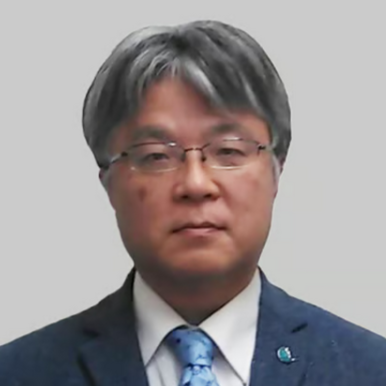
Tanaka Kenji
Kyoto University
Kenji Tanaka is a professor at the Disaster Prevention
Research Institute, Kyoto University,
and serves as the Director of the Water Resources
Research Center within the institute.
He has been involved in the field of surface energy
and water balance, and he has been working on the
development of the land surface model SiBUC. Since
2017, he has been conducting the field measurement of
the glacier surface energy balance to include the
glacier component in the land surface model. He is one
of the leading scientists in the field of water
resources in Japan.
View Profile
Close
close
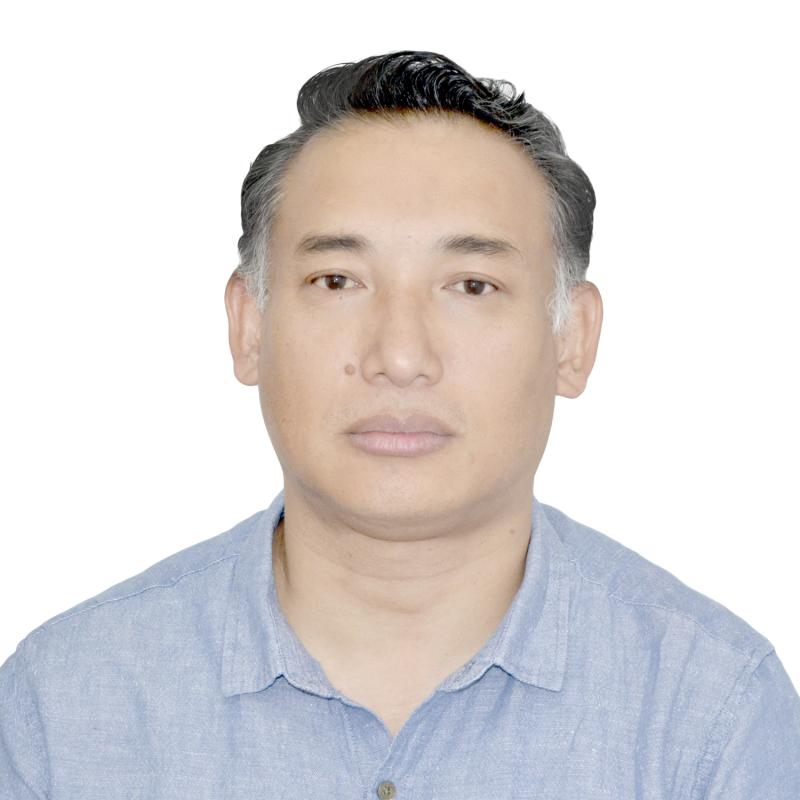
Deo Raj Gurung
Senior adviser, Climate resilience and Mountain Science, University of Central Asia
Deo Raj brings over 25 years of professional
experience in disaster risk reduction, climate change
adaptation, and geo-spatial science. Prior to joining
UCA, he served as Chief Scientist at the Aga Khan
Agency for Habitat (AKAH), where he provided
leadership on science, research, and innovation to
support community-level risk management and
resilience-building programs across multiple
countries. His previous roles also include senior
positions at the International Centre for Integrated
Mountain Development (ICIMOD) and within the
Government of Bhutan.
He holds a Bachelor of Science in Geology from
Jadavpur University, India, and a Master of Science in
Physical Geography/Geomorphology from Tokyo
Metropolitan University, Japan.
View Profile
Close
close
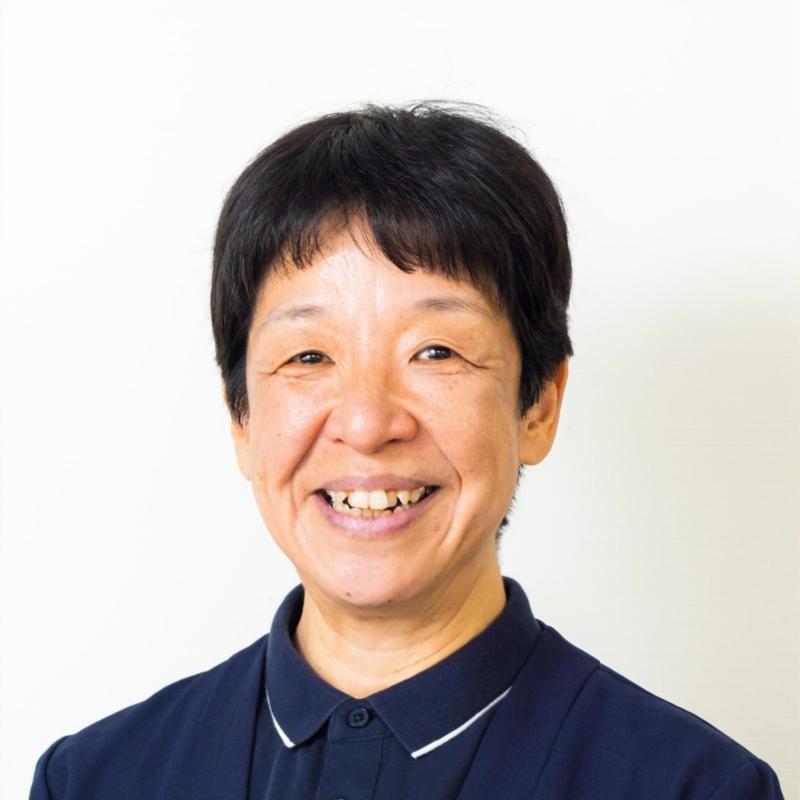
Kana Furusawa
Secretary General, Japanese Geoparks Network
She started to work for geoparks in 2013 as a Coordinator for International Relations in Muroto UNESCO Global Geopark. She became a member of Advisory Committee of the Asia Pacific Geoparks Network (APGN) in 2017 and elected as a Vice Coordinator of the APGN in 2022. She was elected as a member of the Global Geoparks Network (GGN) Executive Board in 2021 and elected as a Vice President of the GGN in 2025.
View Profile
Close
close
SDGs+Beyond Future Society for Life Week
Sustainable mountain development
As “Sustainable Mountain Development” is an important part of the United Nations Sustainable Development Goals, we consider it highly important to highlight and discuss this topic. *Admission is on a first-come, first-served basis.
-
2025.10.03[Fri]
18:00~20:00
(Venue Open 17:30)
- Theme Weeks Studio
OTHER PROGRAM
SDGs+Beyond Future Society for Life Week