SDGs+Beyond Future Society for Life Week
Eternal goal for food security and human health - creating a new food system connecting Africa and Japan
Republic of Guinea
One of the biggest challenges for the future global society are food security and human health. They are highly dependent on sustainable food production which is threatened by fluctuating climate conditions and increasing demand by the world population reaching 10 billion in a few decades. The current global food system is believed to have a market value of $10 trillion, while it’s “hidden costs” caused by health issues, environmental degradation, and food wastes count $12 trillion. There’s no reachable “goal” in food security and human health despite enormous efforts made toward the achievement of SDGs at local, national, and international scales, unless a substantial paradigm shift is brought to the world’s food system. *Admission is on a first-come, first-served basis.
Recorded video available
Discussion
- post-SDGs
- future society
- Others
- Food and health
| Transmission of simultaneous interpretation | Not provided |
|---|---|
| Language of interpretation | Japanese and English |
-

Track Programme
-
Time and
Date of
the event -
-
2025.10.06[Mon]
18:00 ~ 20:00
(Venue Open 17:30)
-
- Venue
- Theme Weeks Studio
Programme details
*Subtitles: Choose “Subtitles/CC” in the “Settings” (gear
icon) at the bottom right of the YouTube video.
*Subtitles may not show with multiple languages or overlapping
audio.
Topics for discussion
The event consists of several presentations and lectures,
discussions, and networking sessions. Main topics include the
following:
1)Food security and health in the context of human history and
SDGs.
2)State and future strategy of agriculture and food industries
in Guinea.
3)Characteristics and potential of Fonio – an ancient grain
from west Africa.
4)Toward the creation of a value chain between Guinea and
Japan as a prototype of the future food system beyond SDGs.
Speakers and panelists
Currently the following speakers and panelists are expected to
be present.
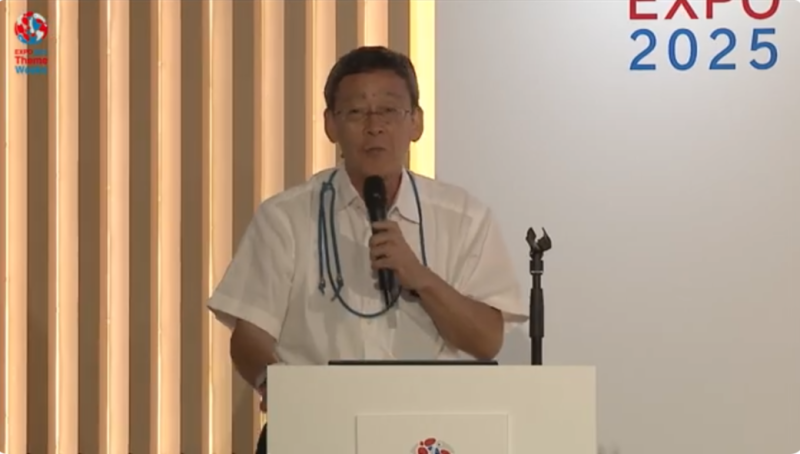
-Dr. Souleymane Berete, Deputy Commissioner of the Pavilion
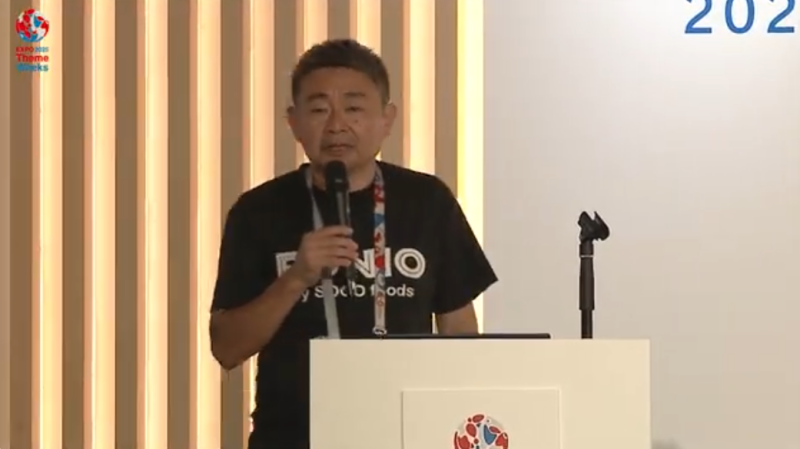
-Kei Mizuno, CEO at SOCO Foods and Lecturer at Ritsumeikan
University
-Prof. Fumito Tani, Graduate School of Agriculture, Kyoto
University
-Prof. Ueru Tanaka, Faculty of Agriculture, Setsunan
University
Reports
【Reflection】
The Guinea Pavilion’s programme at Expo 2025 Osaka highlighted
one of the most pressing challenges of the twenty-first
century: ensuring food security and human health in a world
approaching a population of ten billion. Through an insightful
series of presentations and discussions, the event underscored
how these global concerns are inseparably linked to
sustainable food production and the urgent need for a paradigm
shift in the world’s food systems.
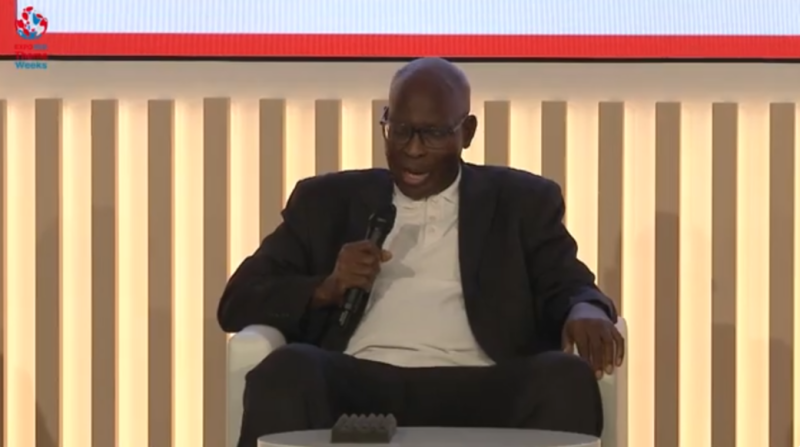
The session began with remarks of gratitude from Guinean
representatives towards Japan and the Expo organisers,
celebrating the shared commitment to collaboration. Dr
Souleymane Berete and Mr Abdoulaye Thiam introduced Guinea’s
agricultural potential, describing the nation as both a
“geological scandal” for its rich resources and an
agricultural land endowed with fertile soil. Yet, they
emphasised the paradox that, despite producing approximately
600 000 tonnes of fonio annually, Guinea remains a major
importer of rice—revealing the structural gaps in production,
processing, and distribution.
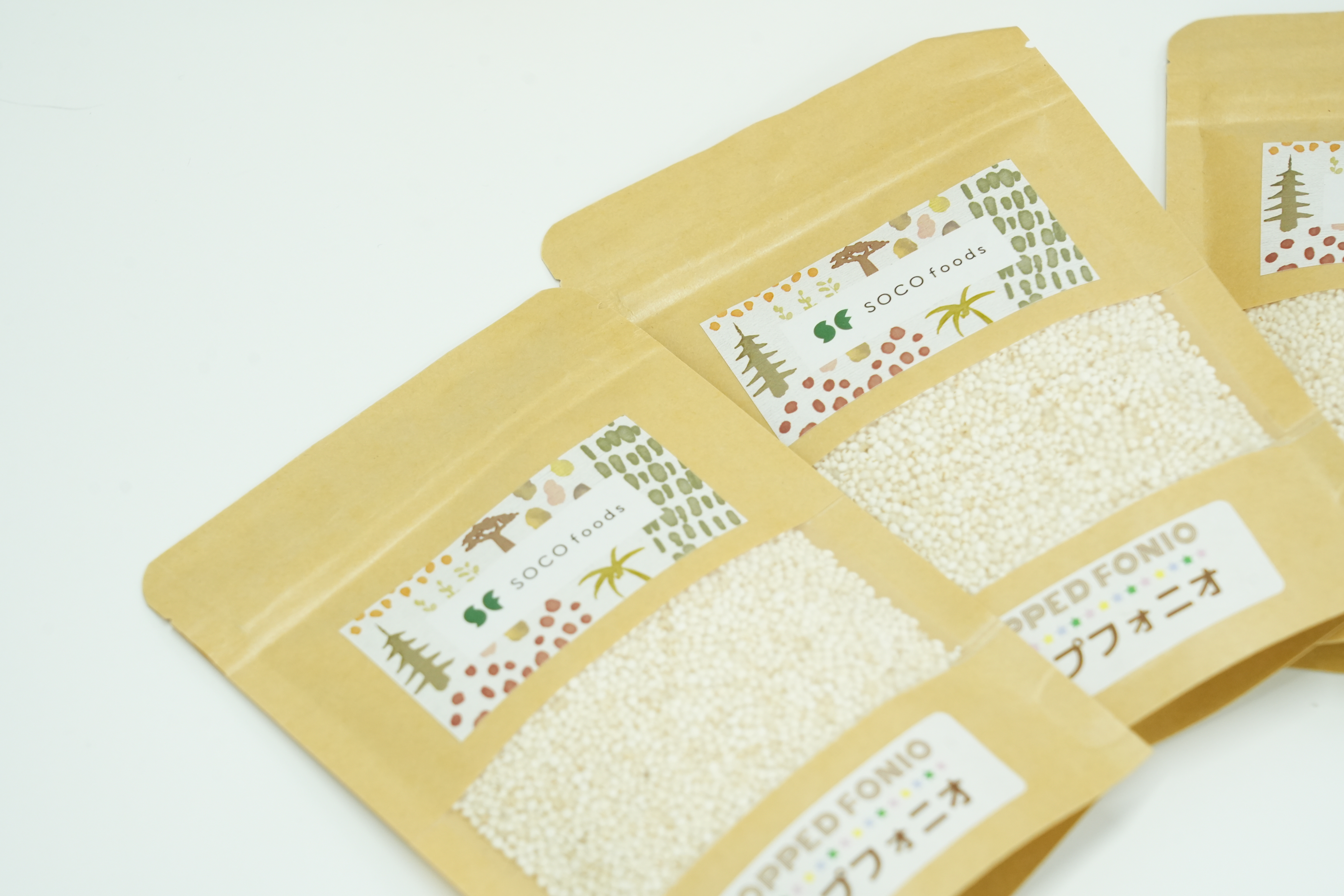
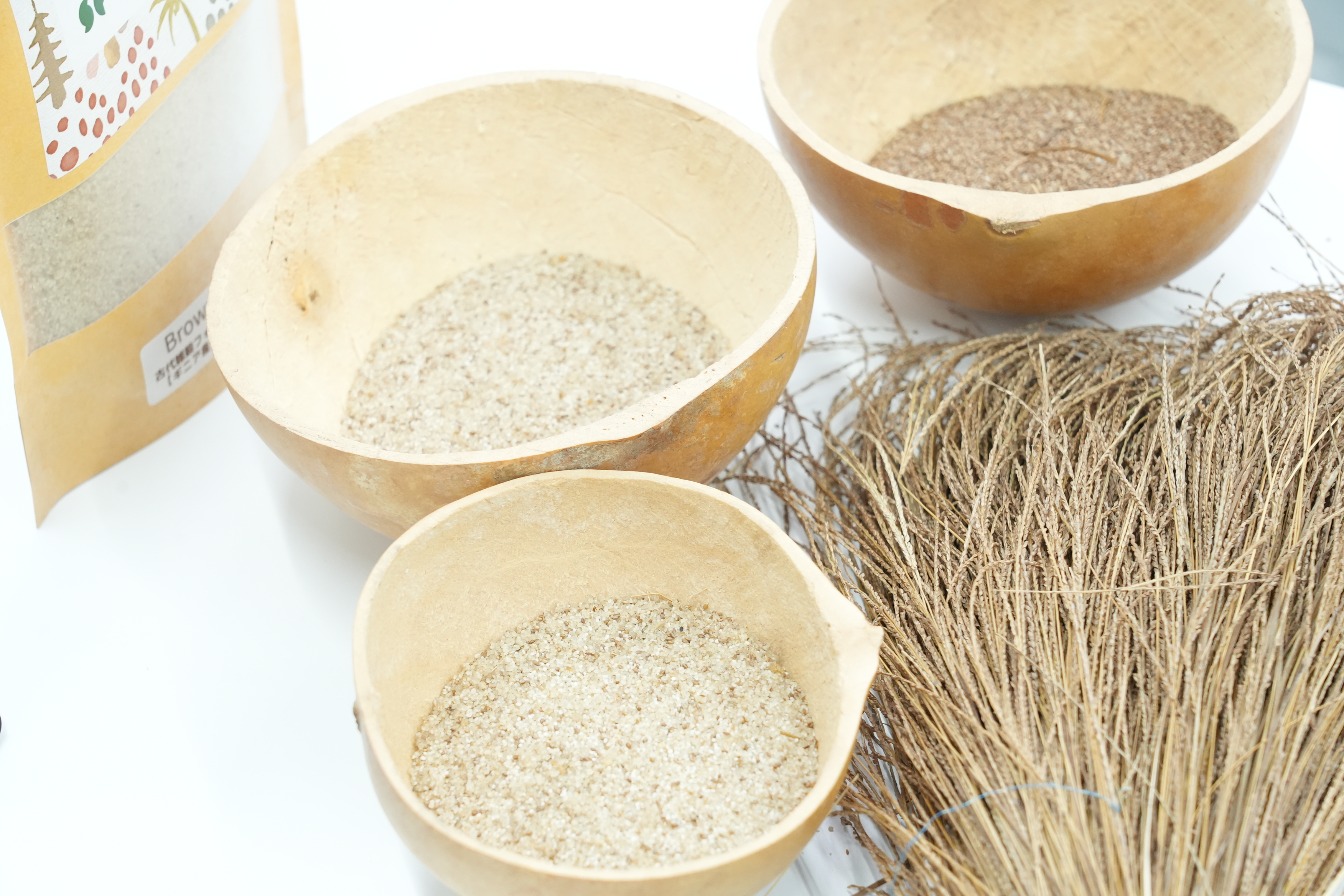
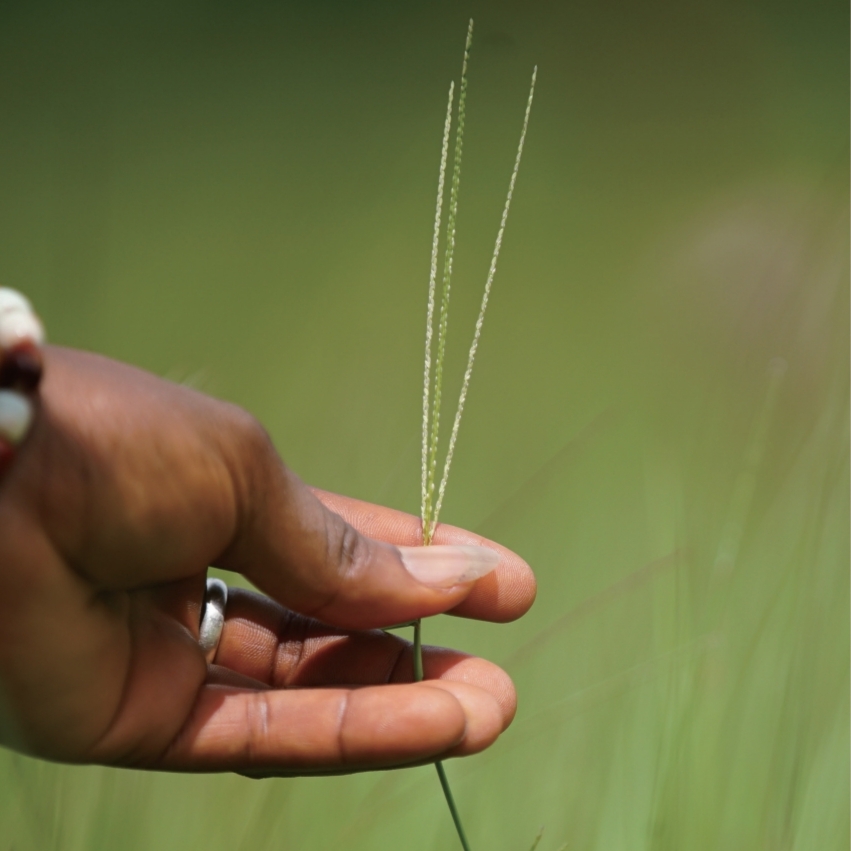
The programme focused on fonio, an ancient West African grain
celebrated for its nutritional value, gluten-free nature, and
adaptability to harsh climates. Dr Berete expressed his hope
that fonio would become a “flagship product,” consumed not
only across Guinea but also in Japan, symbolising a bridge
between the two regions. Challenges such as limited
mechanisation, poor infrastructure, insufficient market
access, and low literacy rates among farmers were candidly
discussed.
Speakers from Japan, including Mr Kei Mizuno and Professors
Fumito Tani and Ueru Tanaka, contributed academic and
technical perspectives, exploring possibilities for joint
research and value-chain creation. They stressed the
importance of integrating science, nutrition, and community
engagement to design a new, resilient food system that could
serve as a model beyond the SDGs.
Ultimately, the event demonstrated how agricultural
innovation, traditional knowledge, and international
cooperation can converge to foster sustainable development.
Fonio emerged as both a metaphor and a practical tool for
rethinking food security—uniting Africa and Japan in pursuit
of healthier, more equitable, and sustainable futures.
【Post-EXPO Initiatives】
Following Expo 2025, the Republic of Guinea intends to build
on the momentum generated through this collaboration with
Japan by strengthening the Guinea–Japan Fonio Value-Chain
Initiative. This post-Expo action plan aims to connect Guinean
farmers, Japanese researchers, and private partners to improve
every stage of fonio production—from cultivation and
processing to distribution and market development.
The initiative will prioritise technology transfer in areas
such as sustainable farming methods, small-scale
mechanisation, and nutritional research. Collaborative pilot
projects are planned to test innovative processing techniques
that preserve fonio’s unique qualities while increasing
productivity. At the same time, capacity-building programmes
will target young farmers and women’s cooperatives, promoting
entrepreneurship and rural income diversification.
Academic cooperation between Kyoto University, Setsunan
University, and Guinean agricultural institutions will
continue through joint studies on soil health, food safety,
and climate-resilient crops. Public-private partnerships will
be encouraged to introduce fonio-based food products into
Japanese and Asian markets, contributing to dietary
diversification and raising global awareness of African
superfoods.
Culturally, the partnership seeks to deepen mutual
understanding between Africa and Japan through gastronomy and
education. Cooking demonstrations, exchange programmes, and
cultural fairs are envisioned to showcase fonio as a symbol of
sustainability and solidarity.
By leveraging the networks and visibility gained during Expo
2025, Guinea aims to transform its traditional grain into a
global product while advancing the shared goals of food
security, climate adaptation, and human health—marking a
concrete legacy of the Expo’s spirit of co-creation.
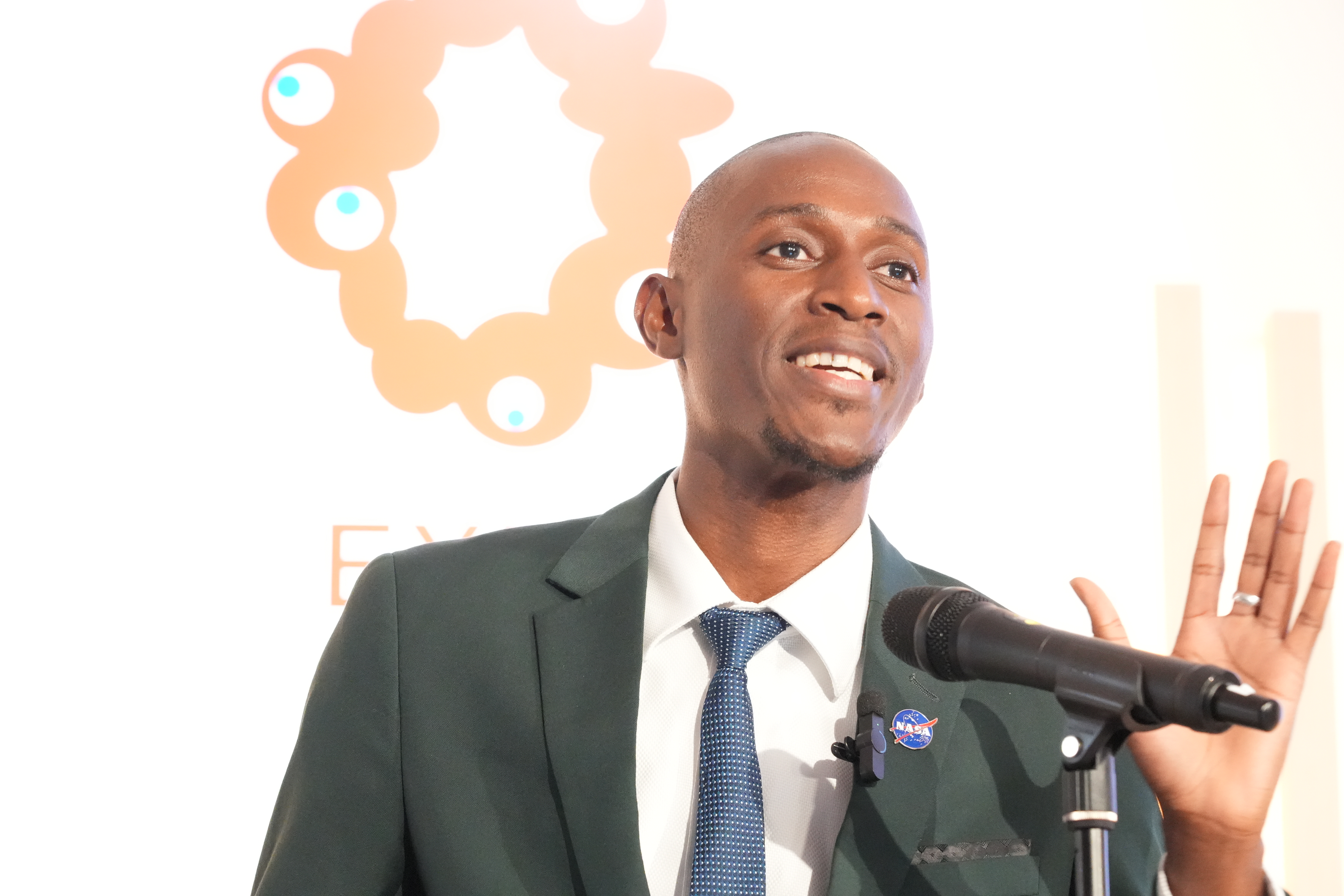
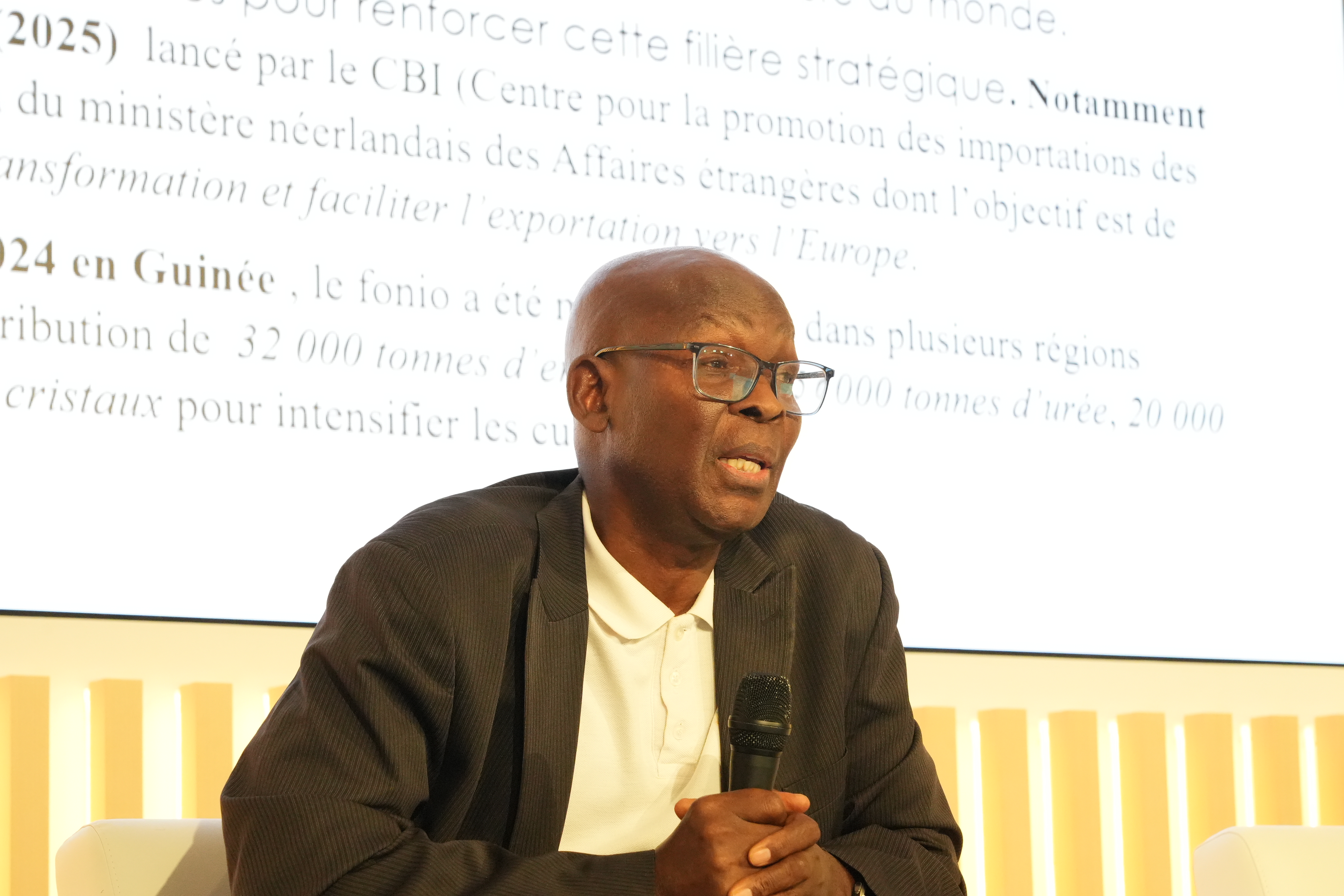
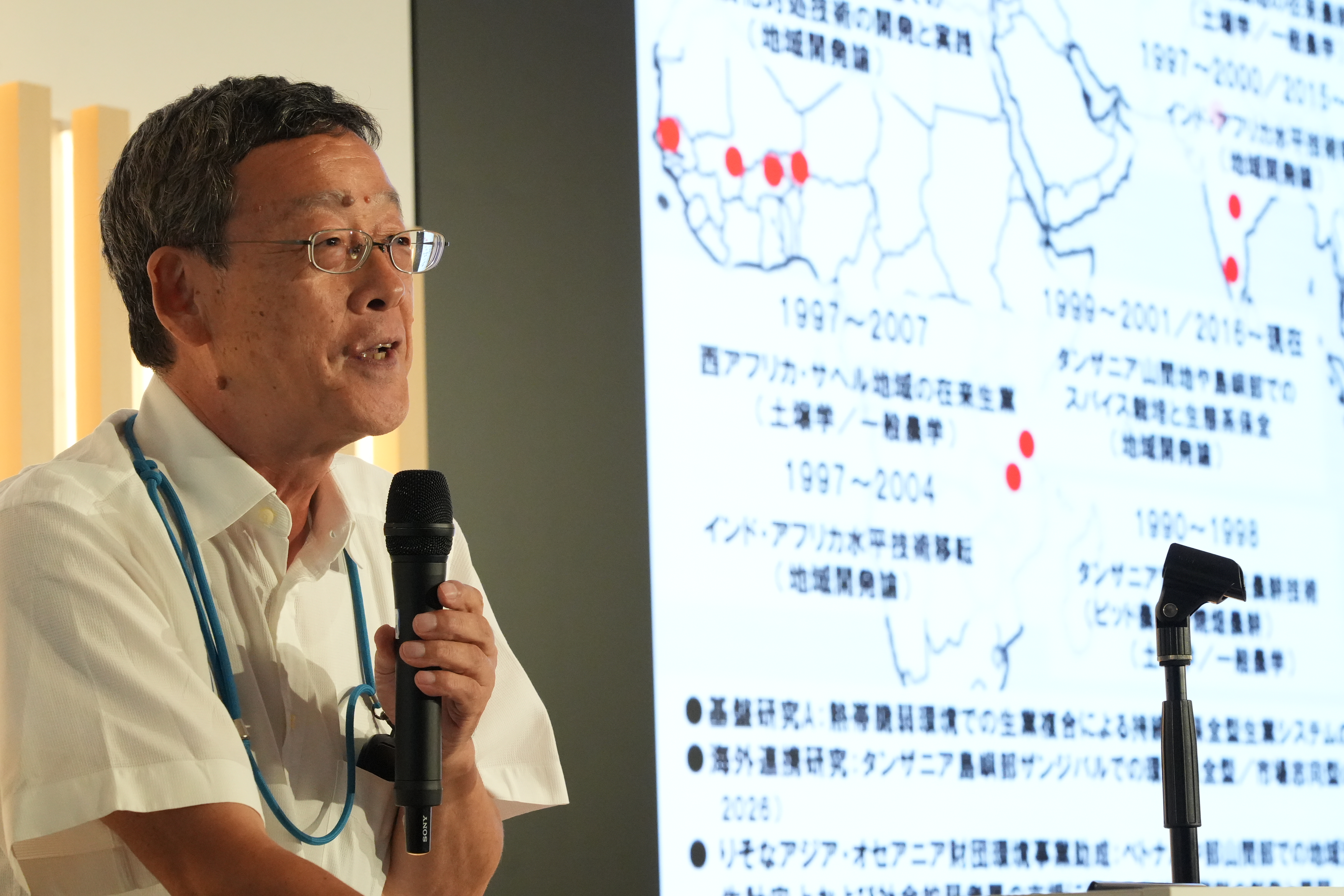
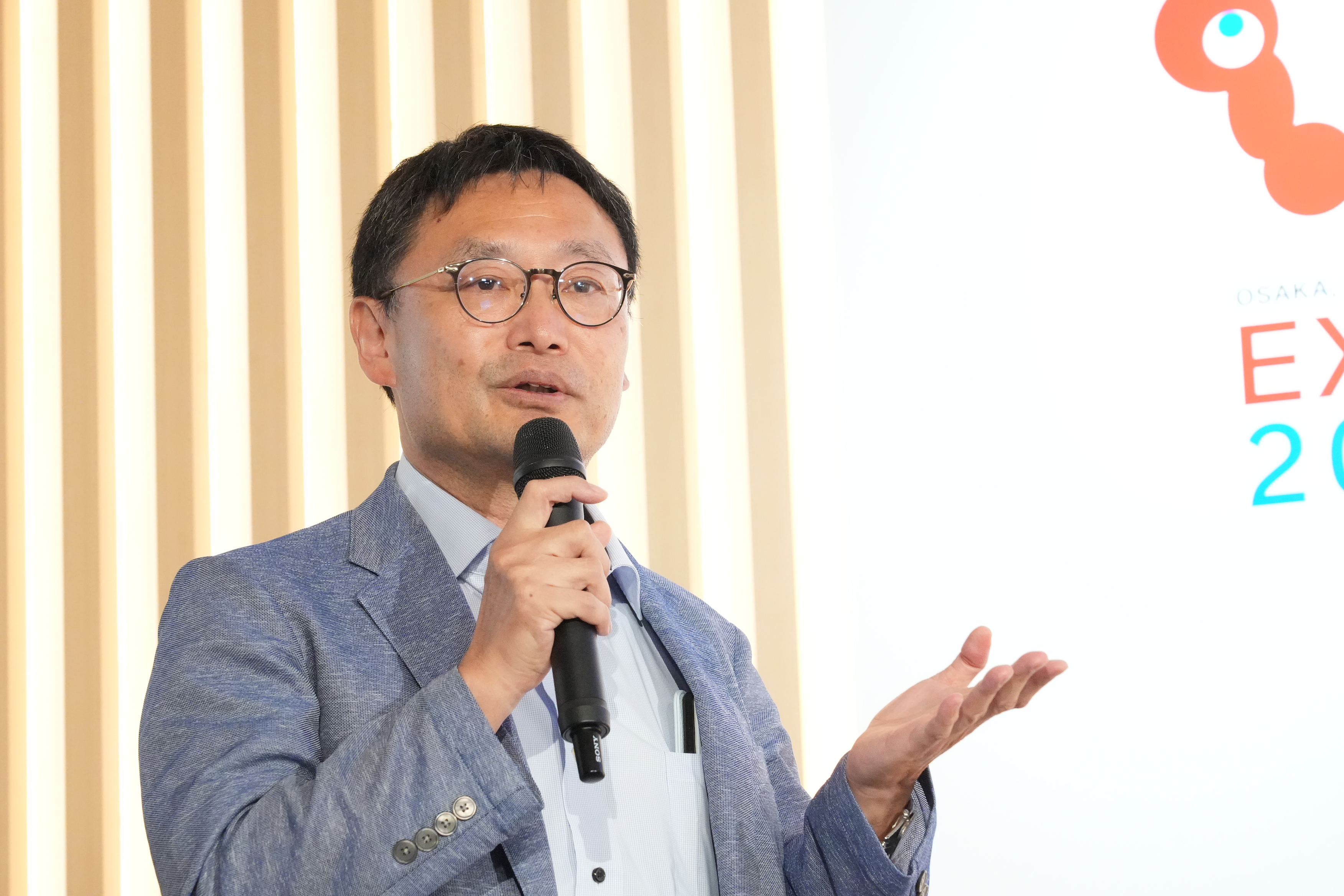
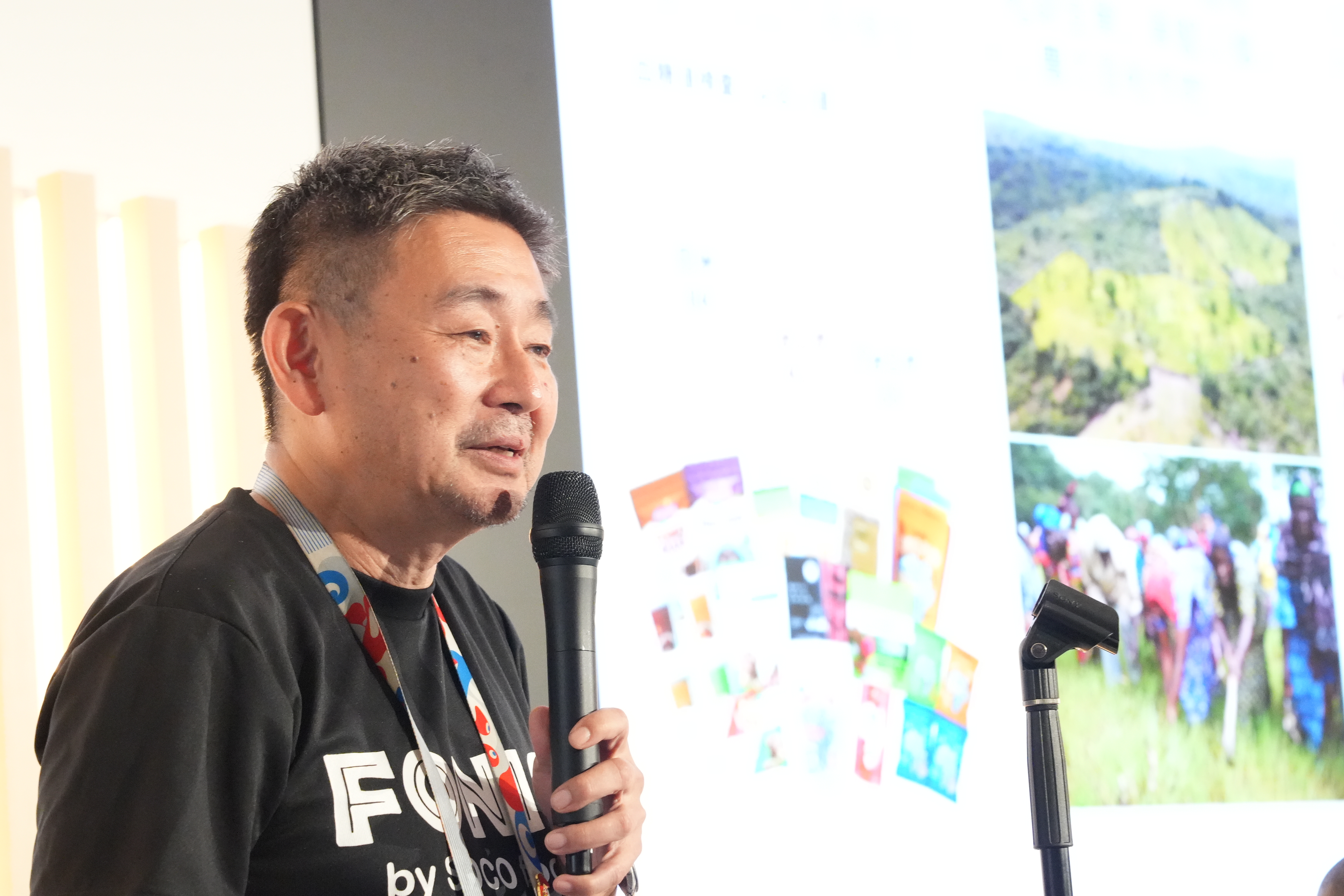
Cast
Moderator
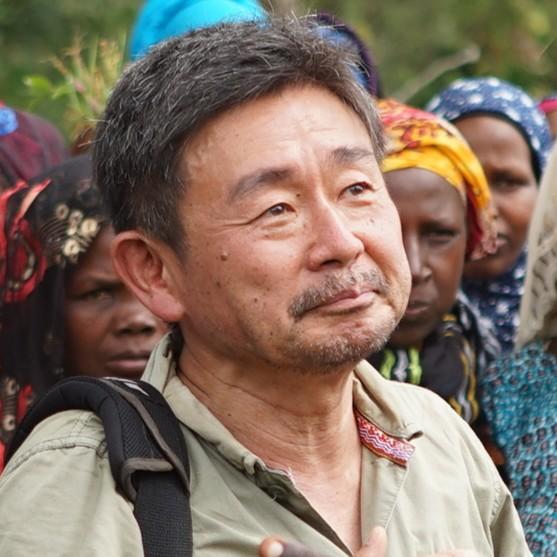
Kei Mizuno
SOCO Foods Co., Ltd.
Born in 1964, Kei Mizuno has been engaged in field-based research, education, and social outreach on agriculture, environment, and community development in Asian and African countries at Kyoto University. He launched SOCO Foods in 2021, focusing on creating the market and value chain of an ancient African grain fonio.
View Profile
Close
close

Souleymane Berete
AGUIPEX
Dr Souleymane BERETE was born in 1956 in Beyla, Guinea. He completed his higher and doctoral studies in Poland; Lecturer in marketing and advertising at the Higher Institute of Information and Communication of Kountia (ISIC); Deputy General Commissioner for Guinea at the EXPO 2025; Former General Commissioner for Guinea at the Expo 2012 in Seoul, 2015 in Milan, 2016 in Antalia, 2017 in Astana, 2019 in Beijing, 2020 in Dubai, and 2023 in Doha.
View Profile
Close
close
Speakers
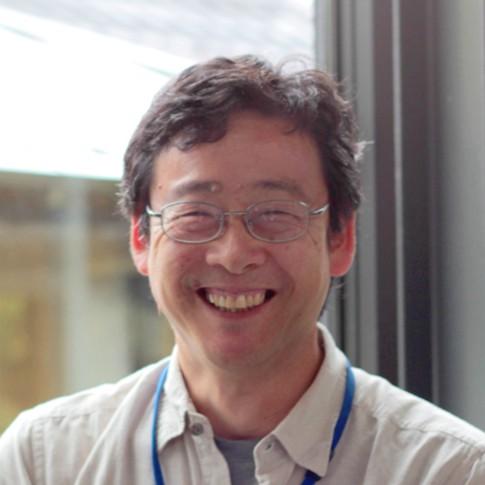
Ueru Tanaka
Faculty of Agriculture, Setsunan University
Professor Emeritus, Hue University, Vietnam. Specialising in soil science, regional development studies, and environmental agriculture. Engaged in field research and social practice concerning traditional farming in Asia and Africa, desertification countermeasures, and related areas. Recipient of numerous awards including the Hitachi Environmental Award (Minister of the Environment Award) and the Nikkei Global Environmental Technology Award (Excellence Award).
View Profile
Close
close
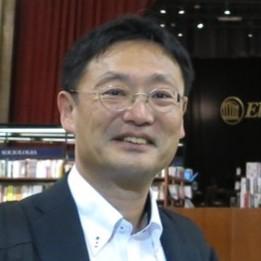
Fumito Tani
Graduate School of Agriculture, Kyoto University
Fumito Tani graduated from Faculty of Agriculture, Kyoto University in 1985, followed by post-graduate study for his Ph.D in Agriculture in 1990. He served as an assistant and associate professor at the Center for Food Science Research, Graduate School of Agriculture, and Graduate School of Global Environmental Studies at Kyoto University before the current professorship. His focus is to search physiologically favorable food for human being through exploring and processing new food materials.
View Profile
Close
close
Abdoulaye Thiam
AGUIPEX
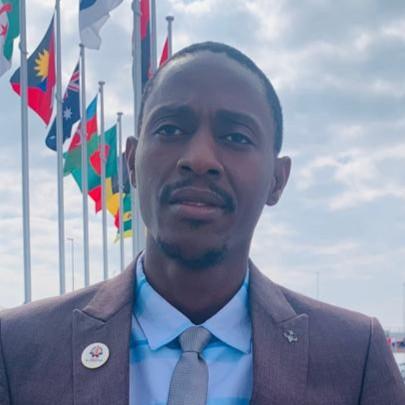
Abdoulaye Thiam has Master’s Degree in Human Resources Management, Bachelor’s Degree in Business Management and Administration, and Bachelor’s Degree in Law. He currently serves as the Director of the Guinea Pavilion at the Expo 2025 and an Executive at the Guinean Export Promotion Agency (AGUIPEX)
View Profile
Close
close
Co-organiser
SOCO Foods Co., Ltd.
SDGs+Beyond Future Society for Life Week
Eternal goal for food security and human health - creating a new food system connecting Africa and Japan
One of the biggest challenges for the future global society are food security and human health. They are highly dependent on sustainable food production which is threatened by fluctuating climate conditions and increasing demand by the world population reaching 10 billion in a few decades. The current global food system is believed to have a market value of $10 trillion, while it’s “hidden costs” caused by health issues, environmental degradation, and food wastes count $12 trillion. There’s no reachable “goal” in food security and human health despite enormous efforts made toward the achievement of SDGs at local, national, and international scales, unless a substantial paradigm shift is brought to the world’s food system. *Admission is on a first-come, first-served basis.
-
2025.10.06[Mon]
18:00~20:00
(Venue Open 17:30)
- Theme Weeks Studio
OTHER PROGRAM
SDGs+Beyond Future Society for Life Week