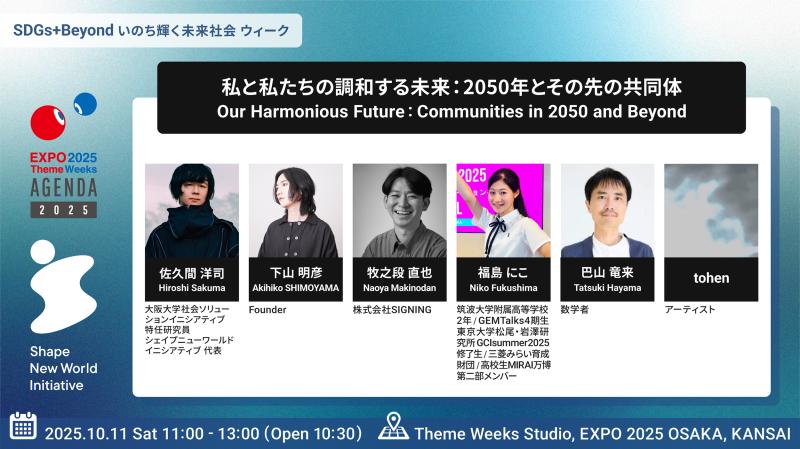
SDGs+Beyond Future Society for Life Week
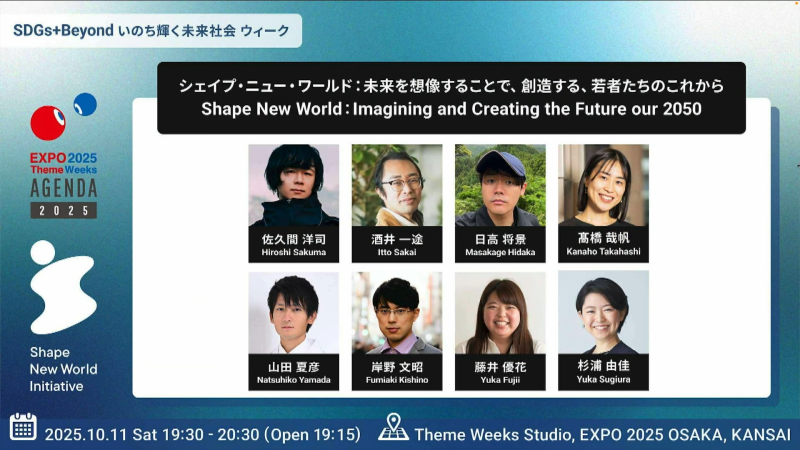
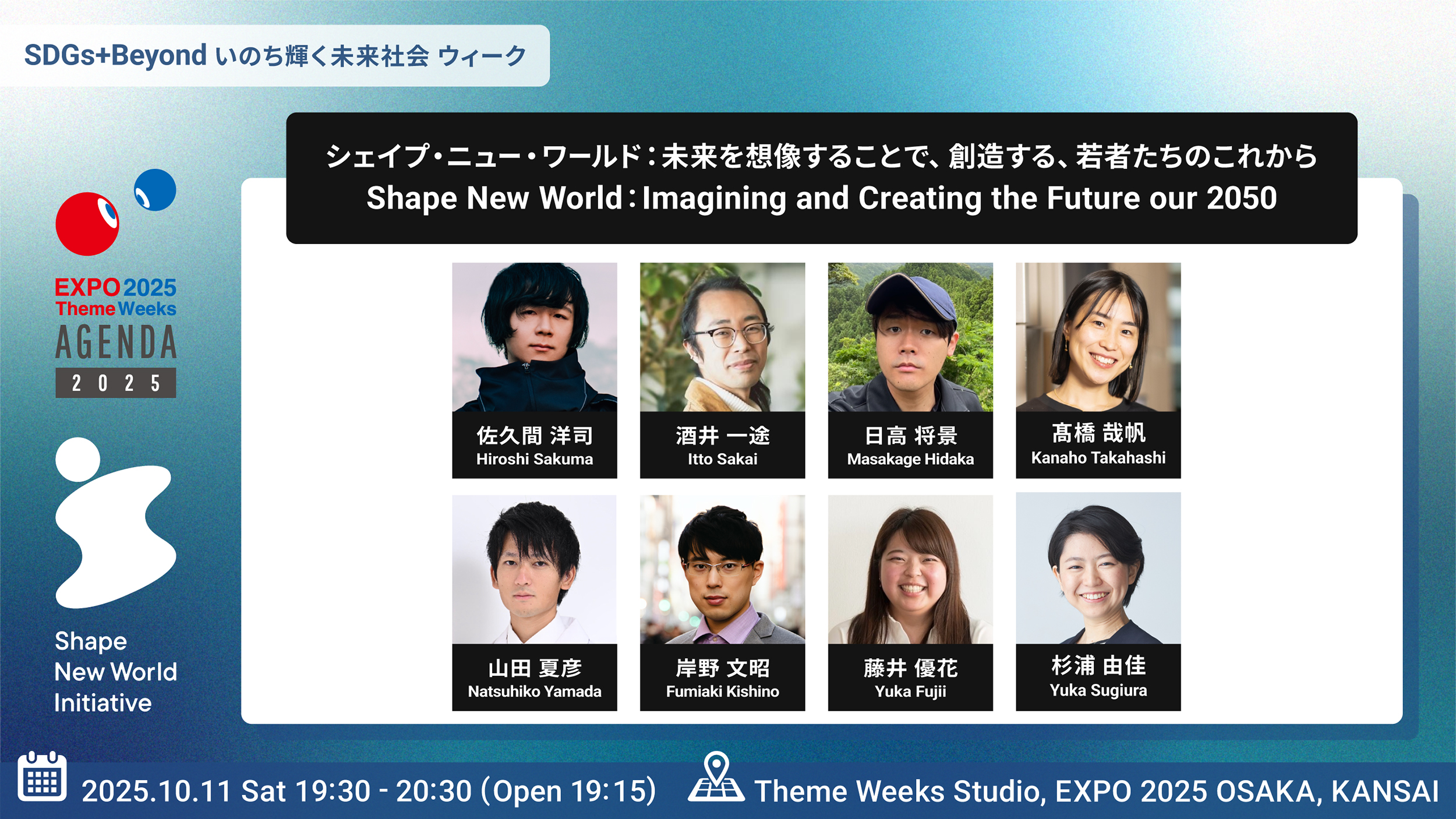
Shape New World: Imagining and Creating the Future our 2050
Agenda 2025 Co-created Programme
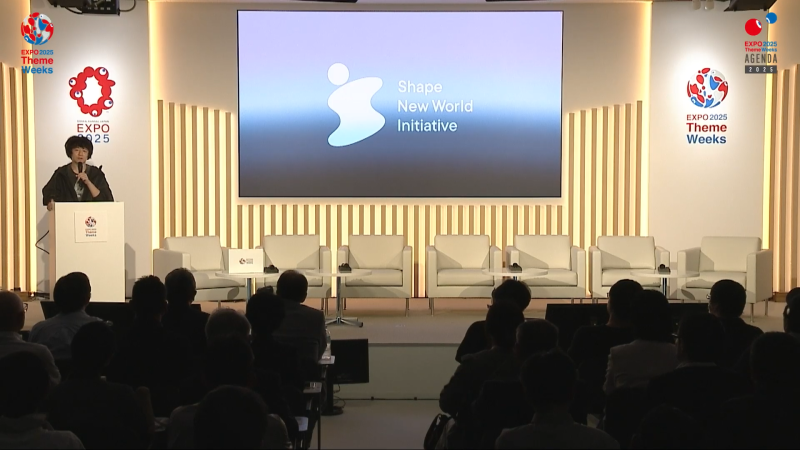
Shape New World Initiative
What kind of future will we be living in by 2050? It is neither something to be predicted nor something to simply wait for. We can choose our future by envisioning it clearly and taking action to make it real. The Shape New World Initiative will summarize discussions from 24 programs explored during the Theme Week and engage in dialogue about the road to 2050.
Recorded video available
Discussion
- post-SDGs
- life
- future society
| Transmission of simultaneous interpretation | Provided |
|---|---|
| Language of interpretation | Japanese and English |
-

Agenda2025
Co-created Programme
-
Time and
Date of
the event -
-
2025.10.11[Sat]
19:30 ~ 20:30
(Venue Open 19:15)
-
- Venue
- Theme Weeks Studio
Programme details
*Subtitles: Choose “Subtitles/CC” in the “Settings” (gear
icon) at the bottom right of the YouTube video.
*Subtitles may not show with multiple languages or overlapping
audio.
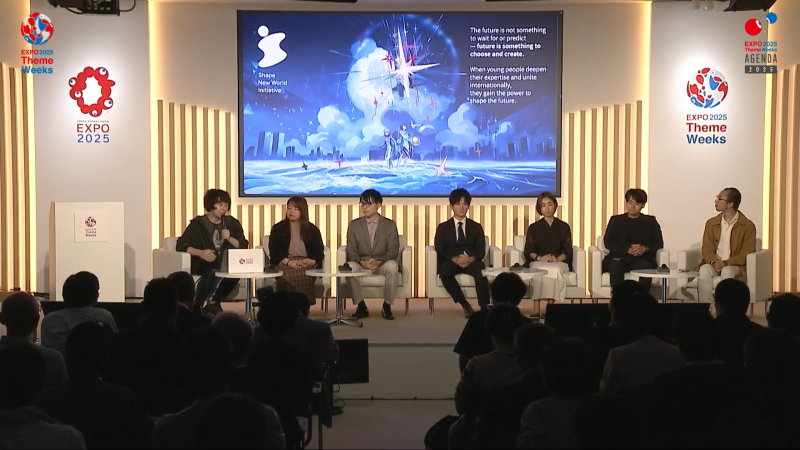
What kind of world can we leave for future generations. How
much impact can we, living in the present, have on the future.
The Shape New World Initiative was established to consider —
from a long-term perspective — what kind of future we want to
choose, act toward, and leave behind. In this program, we will
review the 24 sessions of discussions held during the Theme
Week, a forum for dialogue on solving global challenges, and
hold a panel discussion and declaration on the actions we
should take as we move toward 2050.
Reports
【Reflection】
The program “Shape New World: Imagining the Future to Create
It—The Future of Young People” featured dialogues where young
people envisioned the future toward 2050 from their
perspective and translated those visions into concrete
actions.
During the 24 sessions held throughout the Osaka-Kansai Expo
period, discussions centered on young participants explored
diverse themes including culture, technology, health, peace,
mobility, the environment, learning, and play. A broad
consensus emerged on the importance of choosing and shaping
one's own future. Participants gained opportunities to
experience, through research and dialogue, the potential to
create the future through their own actions—moving beyond mere
future forecasting.
In sessions on cultural inheritance and reinterpretation,
bearers of traditional and regional cultures discussed the
challenges of passing on cultural spirit and skills. Through
demonstrations and discussions, it was shown that culture
becomes alive through participation and engagement. These
sessions encouraged a mindset of co-creating a vision for
culture's future and highlighted the importance of
dialogue that respects minority opinions and region-specific
cultural values.
Discussions on technology and social systems introduced
initiatives for smart mobility, building a circular society,
and achieving a decarbonized society. Using examples like
electric tricycles and monorails, it was debated that
transportation can become an experience with enjoyment and
purpose, not just a means. Challenges in infrastructure
development, regional localization, and consensus-building
among diverse stakeholders were also shared. In the session on
the future of food and living, concrete directions for solving
challenges in food distribution and regional circular
societies were presented through the fusion of the slow food
movement, rooted in local culture, and technology startups.
Discussions on health and well-being highlighted the
importance of culturally and linguistically sensitive, nuanced
mental health care. It was also noted that addressing social
isolation and deteriorating mental health requires
cross-cutting policies spanning education, labor, and other
sectors. The peace and human rights session introduced
bottom-up approaches to building peace starting from
individual actions, discussing grassroots peacebuilding
methods informed by experiences of refugees and conflict
zones. The learning and play theme highlighted the importance
of self-directed growth and intrinsic motivation,
demonstrating how learning processes are enriched through
serendipitous discoveries and the diversification of
values.
Finally, the application of AI and digital technology to
harmonize individual and collective well-being and enhance the
sustainability of social systems was addressed. The message
that the future is not something to be passively awaited, but
rather shaped through personal choice and action, resonated
strongly with participants. Through the collaboration of
diverse partners and supporting organizations, the quality of
the sessions and the depth of learning were elevated, making
this a highly significant forum offering insights for future
creation across all generations.
【Post EXPO Initiatives】
The speakers identified the following key perspectives for
their activities and collaborations moving forward:
(1)Culture and Tradition
Greater attention is being paid to the preservation and
contemporary reinterpretation of traditional and regional
cultures. Participatory workshops and demonstrations are
expanding opportunities for young people to engage with
culture. Beyond redesigning materials, techniques and systems,
initiatives are under way to archive and utilise cultural
resources through AI and digital technologies, enabling
culture to be passed on not only through preservation but
through dialogue and co-creation.
(2)Technology and Social Systems
Efforts are progressing in implementing smart mobility
solutions, urban design innovations, decarbonisation
initiatives and the development of services tailored to
regional needs. These endeavours aim to enhance the value of
mobility and urban spaces while promoting consensus-building
among diverse stakeholders.
(3)Food and Daily Life
Through the integration of locally rooted slow-food movements
and technological innovation, initiatives are advancing to
address issues such as circularity and food distribution.
Regional communities, producers and consumers are
collaborating to promote inclusive development through
dialogue and co-creation.
(4)Health and Well-being
Work is progressing on mental health care that is sensitive to
cultural and linguistic backgrounds, along with measures to
prevent social isolation. Cross-sectoral approaches spanning
education, employment and healthcare are being explored. In
the field of peace and human rights, bottom-up peacebuilding
at individual and community levels continues, with growing
initiatives that draw on the experiences of refugees and those
from conflict-affected areas.
(5)Learning and Education
New learning environments that encourage self-directed growth
and intrinsic motivation are being developed, alongside
educational programmes integrating learning with play. In
relation to the SDGs and technology, growing attention is
being given to the use of AI and data to build sustainable
societies and promote harmony between individual and
collective well-being.
*Part or all of this report was generated by AI.
Cast
Moderator
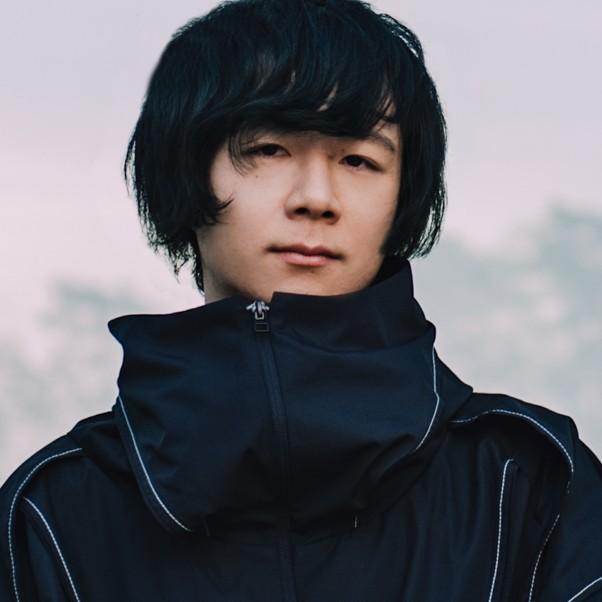
Hiroshi Sakuma
Specially Appointed Researcher at the Social Solutions Initiative, Osaka University, Head of the Shape New World Initiative
Born in 1996. Mr. Sakuma has been engaged in the research on the new form of communication using avatars and agents at Osaka University. At Expo 2025 Osaka, Kansai, Japan, he is in charge of the exhibition "Future Virtual Being" as a director of Osaka Pavilion. He is also a principal investigator of the research on the design of future societies, a joint research project between Osaka University and the Japan Science and Technology Agency. In addition to his current position as a chairperson of Shape New World Committee, Osaka Chamber of Commerce and Industry and he is also a member of Science Fiction and Fantasy Writers of Japan. In 2021, he was appointed as a team leader for a research study on the Moonshot Research and Development Program. He was selected as one of the Forbes 30 Under 30 Japan 2023 and is a recipient of the Minister of Education, Culture, Sports, Science and Technology Award of the Japan Open Innovation Prize.
View Profile
Close
close
Speakers
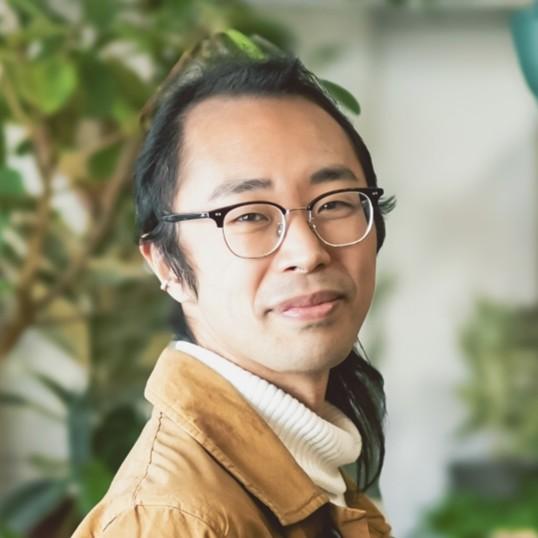
Itto Sakai
Coordinator
Born in Tokyo in 1992, currently residing in Toyooka City, Hyogo Prefecture. Engages in cross-disciplinary work related to local culture, art, and crafts, creating interview-based articles. Served as an interviewer, writer, and editor for the Cultural Tourism Research Team, a project commissioned by the Agency for Cultural Affairs in 2021, conducting interviews with individuals involved in culture, tourism, and community development across Japan.
View Profile
Close
close
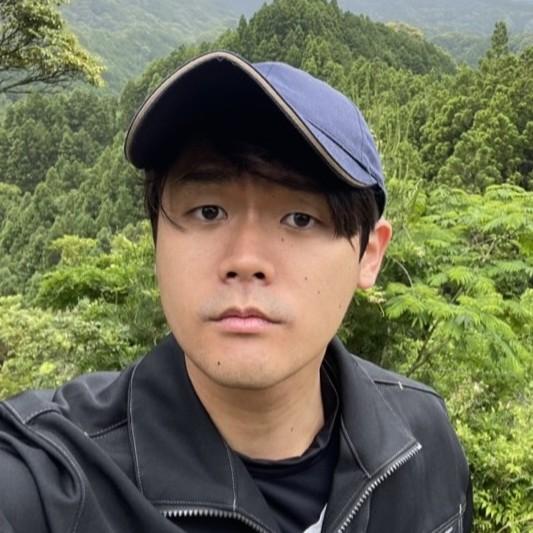
Masakage Hidaka
Director, Catalyst Kyushu (General Incorporated Association)
Born in Nagasaki, 2000. After entering the University of Tokyo, while studying at the University of Tokyo, he founded eMoBi Inc. in December 2020, providing a three-seater electric vehicle (EV) rental service called eMoBi.
View Profile
Close
close
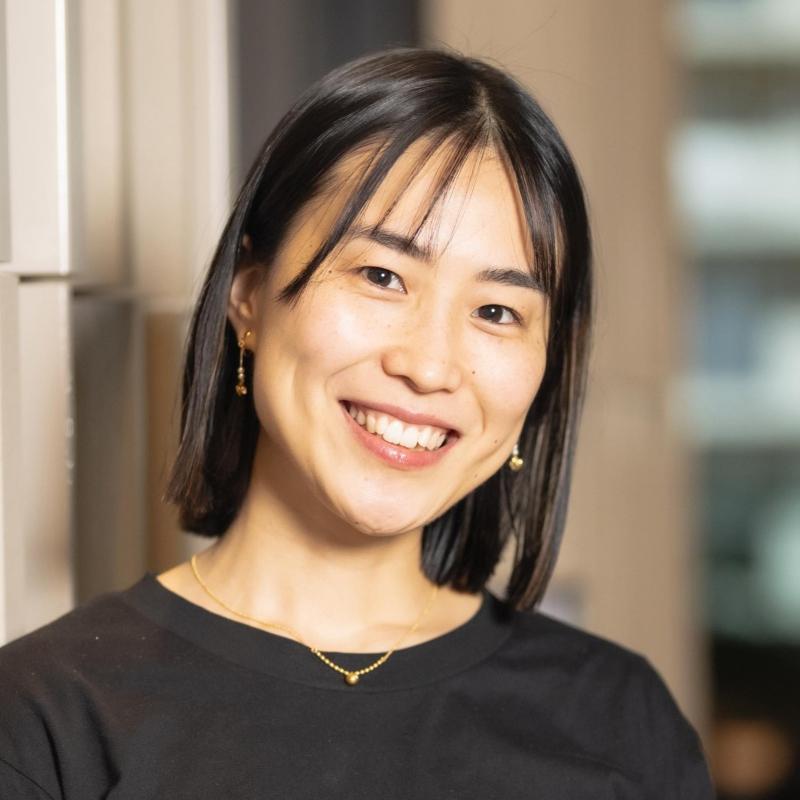
Kanaho Takahashi
Global Shapers Community Kyoto Hub
Kanaho had an interest in food issues as a child, which led to involvement in the Slow Food movement during university. She organized a food loss awareness project or supported the Japanese delegation at international Slow Food conferences. Currently based in the Kansai region, she engages in startup support. Passionate about creating a better society through both grassroots efforts and innovation, bridging community-based action with forward-thinking solutions.
View Profile
Close
close
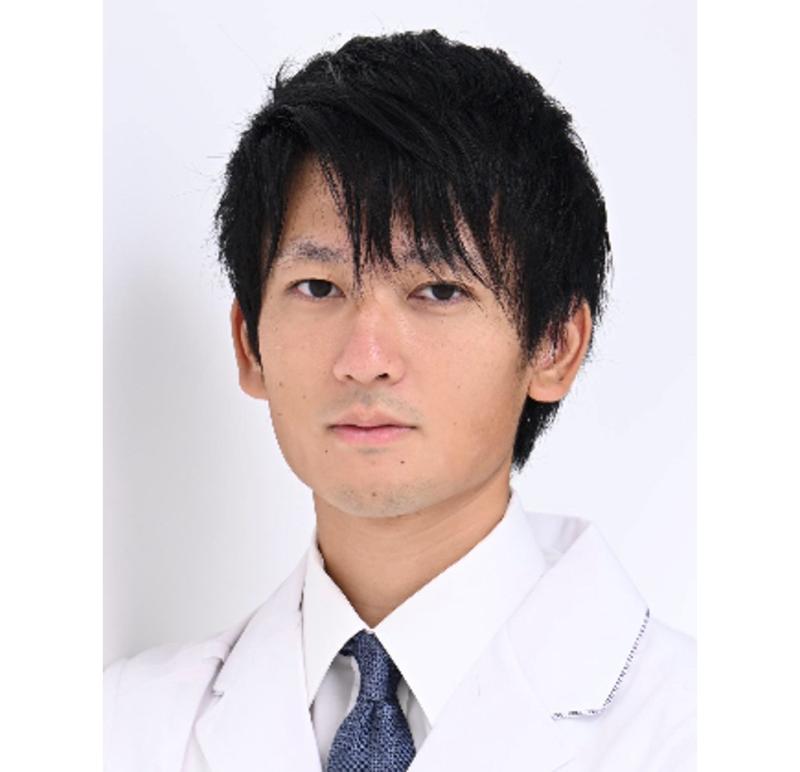
Natsuhiko Yamada
the National Center for Child Health and Development, Johns Hopkins Bloomberg School of Public Health
Natsuhiko Yamada, MD, is a pediatrician at the National Center for Child Health and Development and an MPH student at Johns Hopkins Bloomberg School of Public Health. He obtained a medical degree from Tokyo Medical and Dental University (current Institute of Science Tokyo) and finished the junior residency program at Okinawa Chubu Hospital. He received the WILLY Top Cited Article for his molecular biological research in cancer and the Outstanding Leadership Award and Visionaries Award for his philanthropic activities, trying to solve health disparities in remote islands and rural areas by addressing social determinants of health. He belongs to the Global Shapers Community, an initiative of the World Economic Forum. As a project lead, he successfully made policy proposals for the Okinawa prefectural government to solve its health crisis, uniting the power of its youth.
View Profile
Close
close
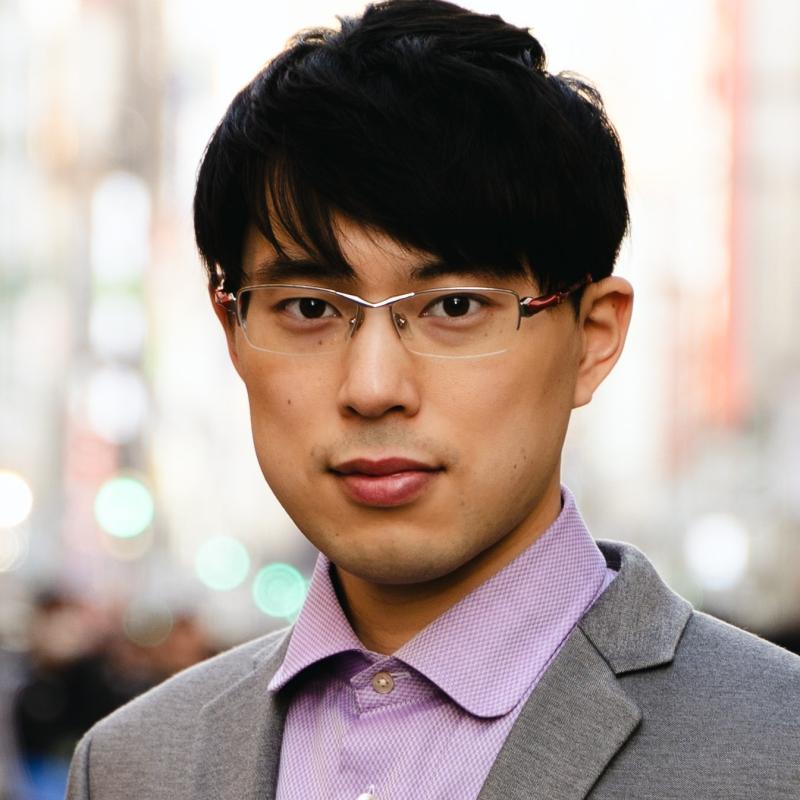
Fumiaki Kishino
University of Tsukuba
Fumiaki Kishino is a neuroscientist specializing in the functional changes that occur in the brain during postnatal development. He studies how the brain undergoes changes through interactions with diverse environments. His goal is to identify an optimal educational system for individuals by uncovering how new experiences are continuously transformed into knowledge.
View Profile
Close
close
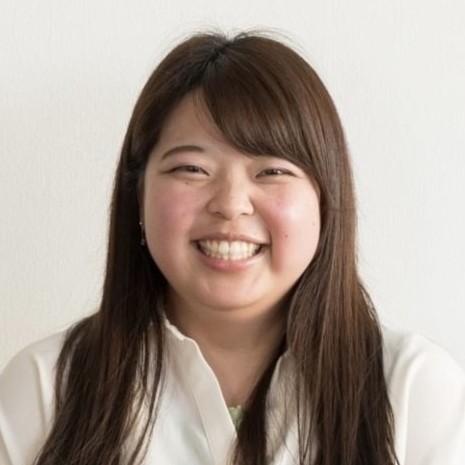
Yuka Fujii
PeoplePort Corp.
Yuka Fujii, born in Japan, is a dedicated intrapreneur
committed to creating employment opportunities for
vulnerable populations. She is currently the Director
of ZERO PC atPeoplePort Corp., an IT startup focused
on expanding employment for refugees in Japan, while
addressing climate challenges such as E-waste. With
five years of experience empowering refugees in Japan,
Denmark, Belgium, and Australia, Yuka is responsible
for rebuilding the production line and technical team
for ZERO PC’s domestic market. She also leads efforts
to create an inclusive, innovative workplace as part
of PeoplePort’s Human Resource Department.
Before joining PeoplePort, Yuka worked at BORDERLESS
JAPAN Corp., where she developed marketing strategies
for social entrepreneurs and successfully launched a
crowdfunding service that raised over 1,950,000 USD
across 350 projects. She also founded Dialogue Radio
in 2020, a platform promoting youth empowerment
through storytelling. Yuka holds a Bachelor’s degree
in English from Dokkyo University and has studied
multiculturalism, gender, and refugee issues.
View Profile
Close
close
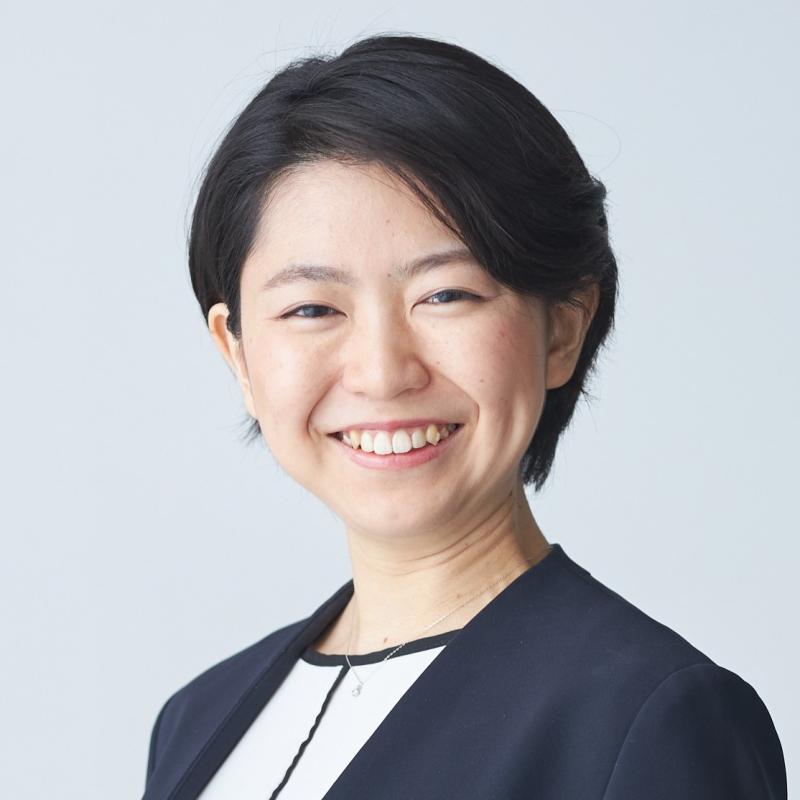
Yuka Sugiura
Global Shapers Community Yokohama Hub
As a member of Global Shapers Community Yokohama Hub, Yuka works as a biodiversity communicator. With experience in nature conservation across Japan, India, and the Netherlands, she provides unique perspectives gained from her work in the business, NGO and academic sectors. Yuka is also the founder and former leader of Mend It Mine, a sustainable fashion movement promoting mending to address adverse impacts of the fashion industry.
View Profile
Close
close
SDGs+Beyond Future Society for Life Week
Shape New World: Imagining and Creating the Future our 2050
Agenda 2025 Co-created Programme
What kind of future will we be living in by 2050? It is neither something to be predicted nor something to simply wait for. We can choose our future by envisioning it clearly and taking action to make it real. The Shape New World Initiative will summarize discussions from 24 programs explored during the Theme Week and engage in dialogue about the road to 2050.
-
2025.10.11[Sat]
19:30~20:30
(Venue Open 19:15)
- Theme Weeks Studio
OTHER PROGRAM
SDGs+Beyond Future Society for Life Week