The Future of Earth and Biodiversity Week
Preserving natural capital
Japan Association for the 2025 World Exposition
The programme, together with the General Sponsors, explores: 'What additional perspectives should be added to the global discussion on biodiversity beyond 2030?'
Recorded video available
Discussion
- Others
| Transmission of simultaneous interpretation | Provided |
|---|---|
| Language of interpretation | Japanese and English |
-

Agenda2025
Organised Programme
-
Time and
Date of
the event -
-
2025.09.19[Fri]
10:00 ~ 12:00
(Venue Open 09:30)
-
- Venue
- Theme Weeks Studio
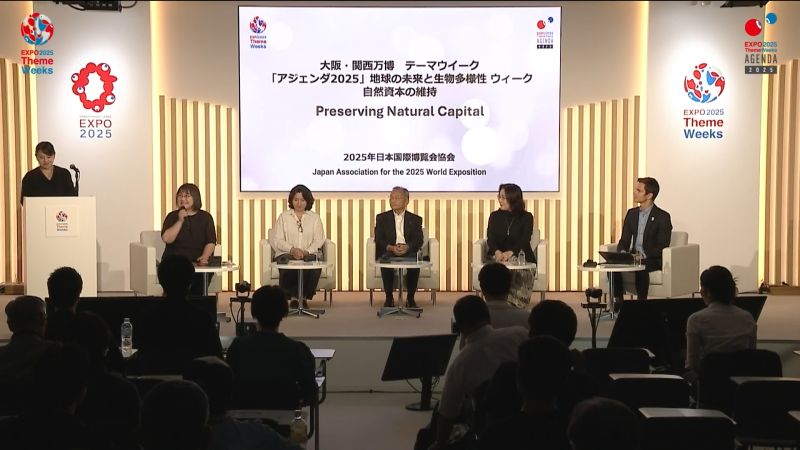
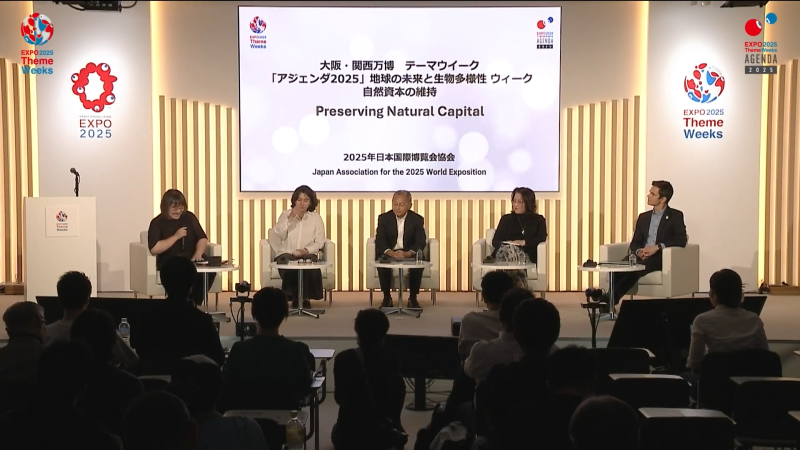
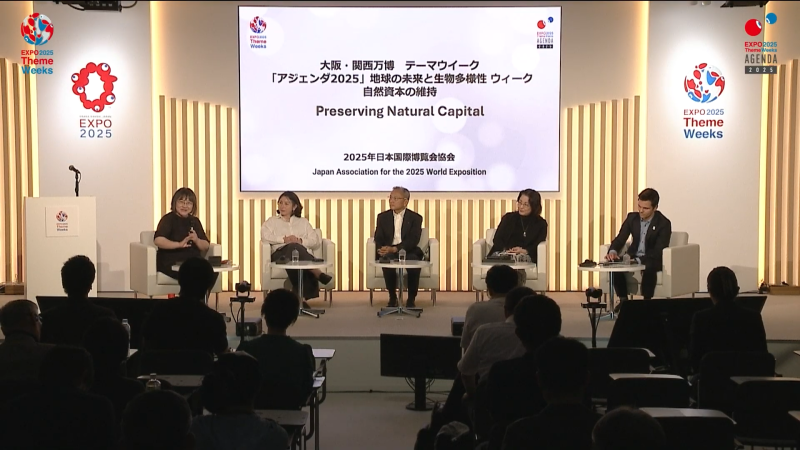
Programme details
*Subtitles: Choose “Subtitles/CC” in the “Settings” (gear
icon) at the bottom right of the YouTube video.
*Subtitles may not show with multiple languages or overlapping
audio.
Ecosystems support the Earth's environment, human
survival and our life by providing invaluable services such as
supplying food and water, regulating climate and providing
habitats for organisms. Conserving biological diversity
enhances the resilience of ecosystems, thereby improving and
sustaining these ecosystem services. However, a report
assessing global biodiversity and ecosystem services published
in 2019 found that ecosystems are deteriorating at an
unprecedented rate and scale due to human activities and
climate change. In response to such situation, the
international community aims to halt and reverse biodiversity
loss by 2030, known as achieving ‘nature positive’ with view
to realising the vision of ‘a world of living in harmony with
nature’ by 2050.
How far has the international community progressed in its
efforts to conserve biodiversity? The session will examine the
latest scientific findings, actions taken by leading
companies, and civil society's initiatives, and consider
how we should advance our efforts towards a "Future
Society for Our Lives".
Reports
【Program Summary】
This session, held during The Future of Earth and Biodiversity
Week, emphasized that “preserving natural capital” advances
through the collaboration of business, civil society, and
policymakers. Protecting natural capital is not merely an
environmental goal—it is deeply intertwined with solving
social issues and ensuring economic sustainability. Through
the integration of scientific knowledge, corporate
initiatives, international frameworks, and community
participation, a shared understanding emerged that
biodiversity restoration and the creation of a nature-positive
society are achievable goals.
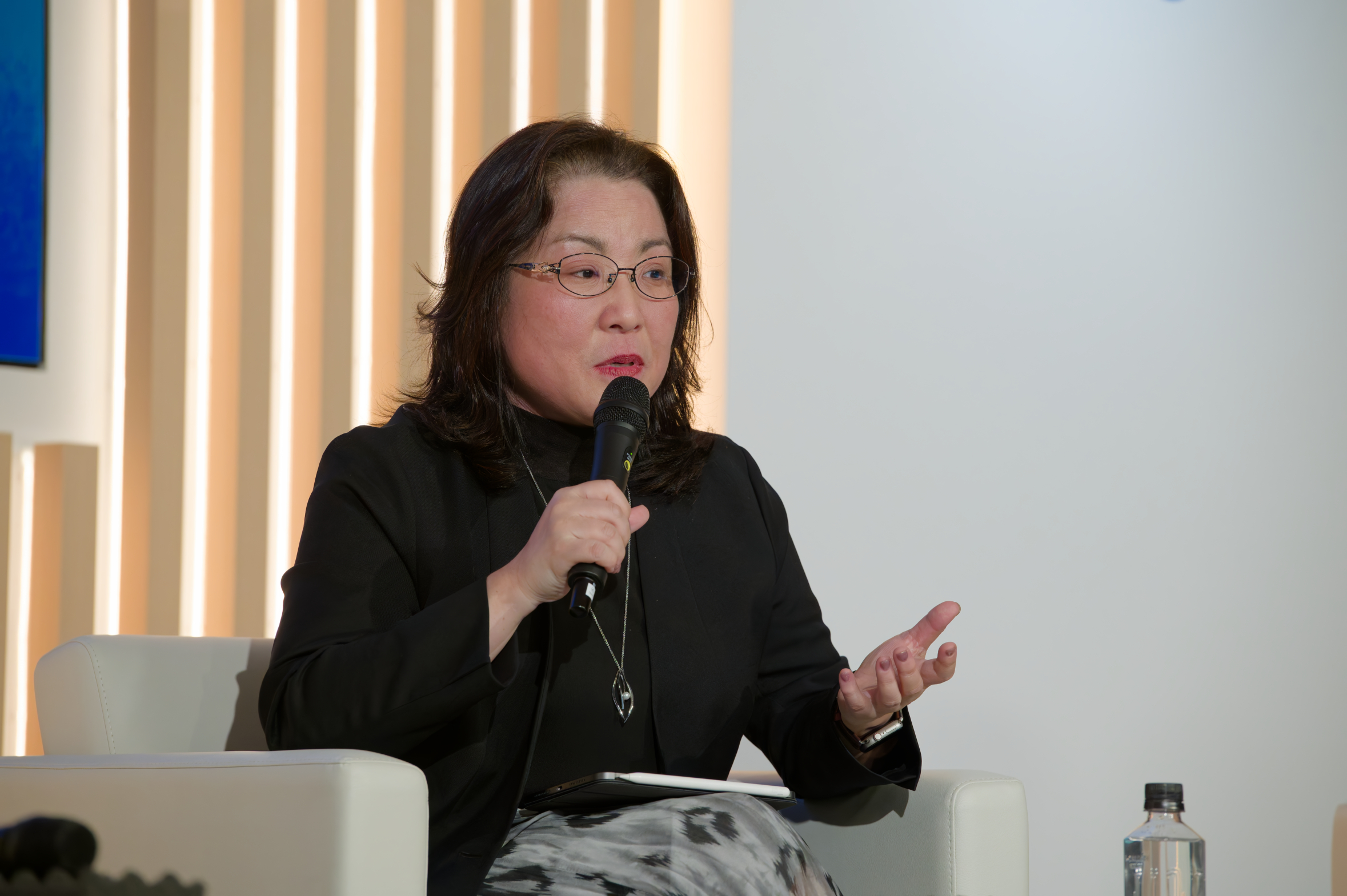
【Speaker Summary: Yukari Takamura】
Professor Takamura began her remarks by reaffirming the
essential importance of natural capital as the foundation of
human society. Natural capital, she explained, encompasses not
only forests, water, air, soil, and all forms of flora and
fauna, but also the diverse “ecosystem services” they
generate—services that sustain every aspect of our daily
lives, from food supply, water purification, and climate
stability to cultural and spiritual enrichment.
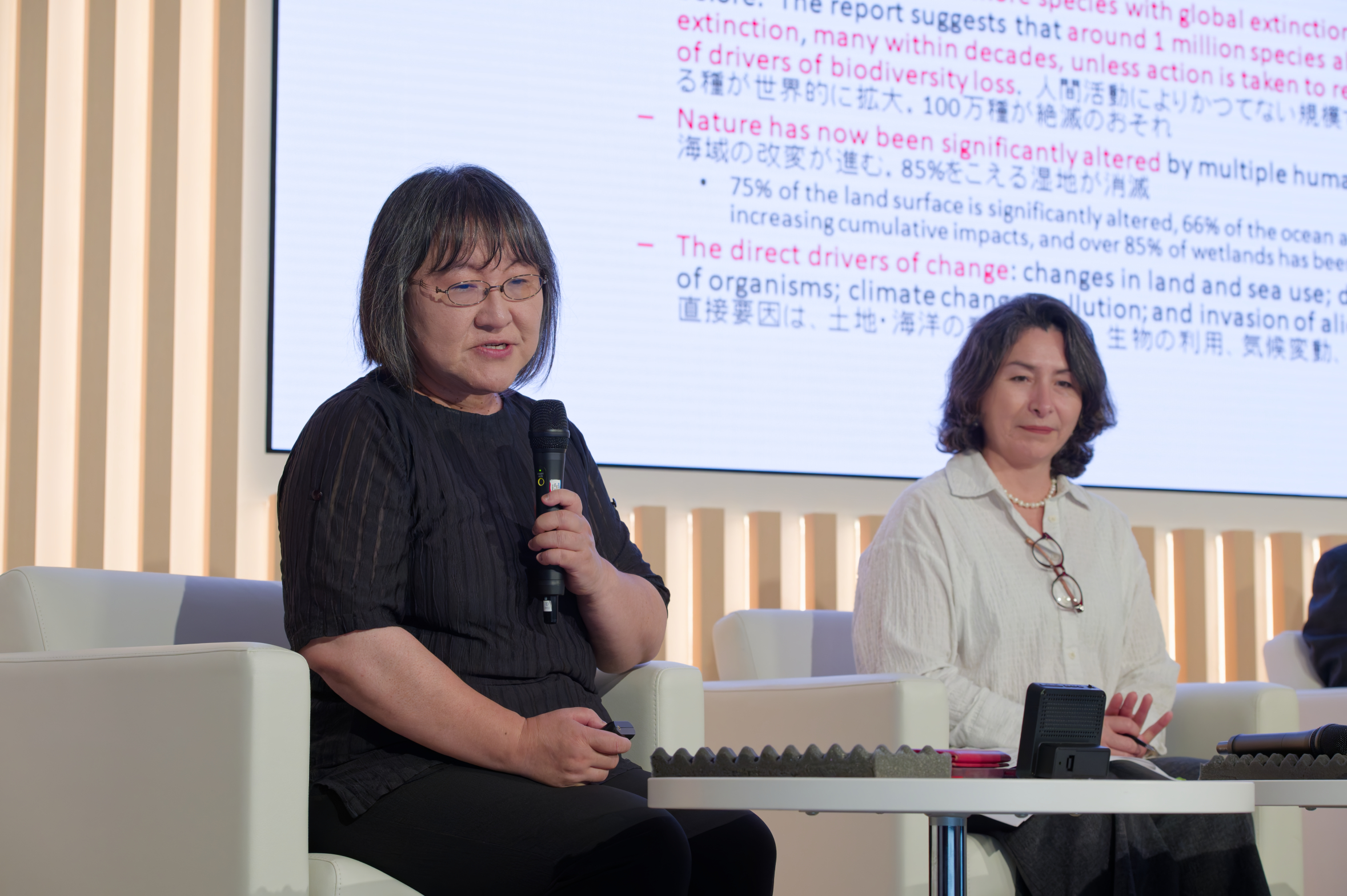
However, she warned that in modern society this natural
capital is being rapidly degraded. According to the IPBES
report, approximately one million species are now at risk of
extinction, and 75% of terrestrial and 66% of marine
environments have been significantly altered by human
activity. As a result, the benefits provided by nature are
being lost, in some cases irreversibly.
In light of these alarming facts, she referred to the
Kunming–Montreal Global Biodiversity Framework, adopted in
2022, which sets the goal of achieving “Living in Harmony with
Nature” by 2050 and realizing a “Nature Positive” world by
2030. She clarified that “Nature Positive” does not simply
mean reducing losses, but rather taking proactive steps to
restore nature.
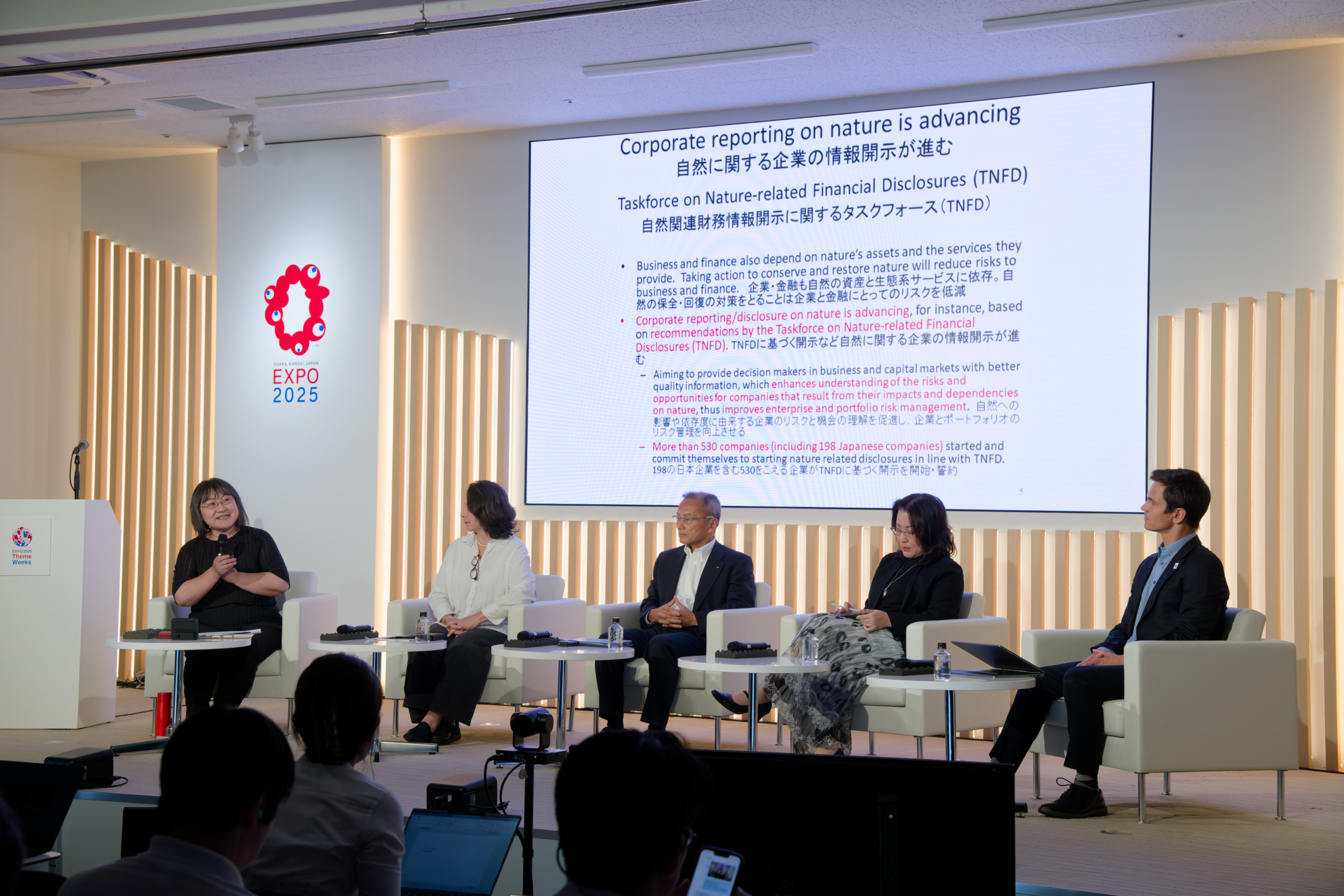
Takamura also elaborated on the role of businesses, noting
that more than 530 companies worldwide, including over 200 in
Japan, have joined the Taskforce on Nature-related Financial
Disclosures (TNFD) initiative. She emphasized that recognizing
dependencies and risks related to natural capital—and
incorporating them into management strategies—will determine
the long-term sustainability of corporate value. Moreover,
with growing attention from financial markets and investors,
business operations that account for natural capital have
already become a source of competitive advantage.
In conclusion, she asserted that preserving natural capital is
not merely an environmental issue but a fundamental
prerequisite for economic and social stability. She called for
an integrated approach in which scientific knowledge,
corporate practice, and policy frameworks work in concert to
transform the values of society as a whole.
【Speaker Summary: Noriko Rzonca】
Noriko Rzonca spoke comprehensively about how the energy
industry can contribute to the preservation of natural
capital, drawing on the initiatives of COSMO Energy Holdings,
where she serves as Chief Digital Officer. She began by
candidly acknowledging the significant impact that the energy
sector has on global warming and resource use, while
emphasizing that this very reality gives the industry a
responsibility to take the lead in driving the transition
toward a sustainable society.
One concrete example she introduced was the COSMO Eco Fund,
established in 2002. Over the past two decades, this fund has
supported 49 diverse conservation projects both in Japan and
abroad. Among them is a coastal restoration effort in
tsunami-affected Miyagi Prefecture, where forests, rivers, and
seas are being reconnected through collaboration among local
residents, fishers, and NPOs. These activities have helped
restore fishing grounds, revitalize local economies, and bring
psychological healing to communities. Another example is a
forest-regeneration project in Nagano Prefecture, where
degraded mountain forests are being revived with local
participation, contributing simultaneously to climate-change
mitigation and community building.
Rzonca further highlighted COSMO Energy’s proactive approach
to renewable energy, including the expansion of wind power and
research and development of sustainable aviation fuel (SAF).
Through these efforts, the company is advancing both the
reduction of fossil-fuel dependence and the protection of
natural capital. Throughout her talk, she repeatedly
underscored her conviction that “once nature is destroyed, it
can never return to its original state.” Hence, she urged that
the actions each of us take every day will ultimately shape
the future.
She placed particular emphasis on the power of collaboration,
noting that companies should not act in isolation but rather
build partnerships with local communities, governments, and
non-profit organizations. Success, she explained, depends on
respecting local wisdom and culture and on walking together
with communities rather than taking a top-down approach.
In conclusion, Rzonca stated that the preservation of natural
capital extends beyond the conventional framework of corporate
social responsibility (CSR) and lies at the very core of
corporate value. “Companies,” she declared, “are entities that
pursue profit, but at the same time they bear a profound
responsibility—as members of society—to help create the
future.” Her words left a strong impression on the audience.
【Speaker Summary: Ryosuke Mizouchi】
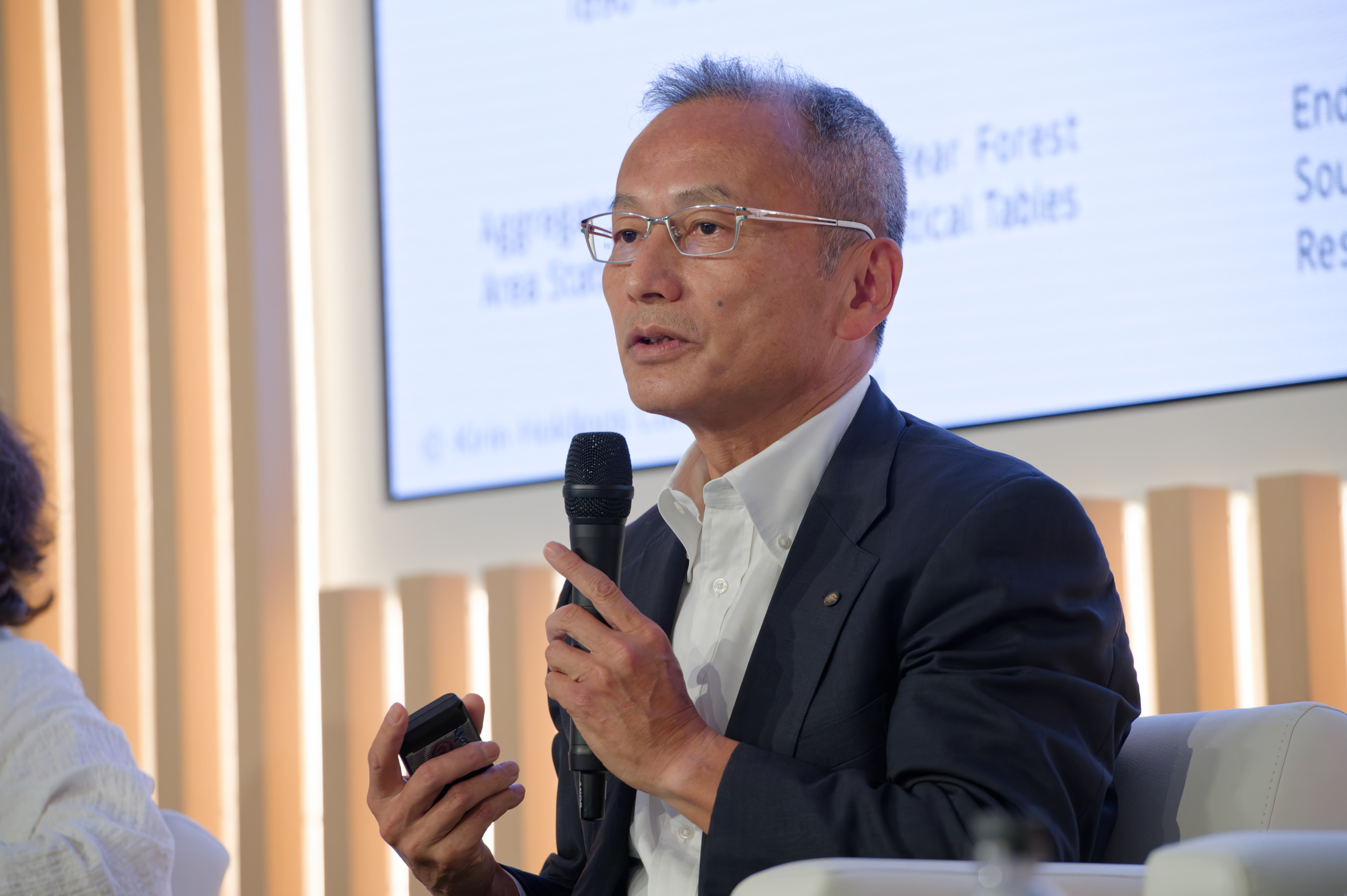
Ryosuke Mizouchi spoke based on his extensive experience in
promoting natural capital conservation within the food and
beverage industry. He began by presenting a domestic case
study—the Mariko Vineyard in Ueda City, Nagano Prefecture.
This project revitalized abandoned mulberry fields, once used
for sericulture, by transforming them into vineyards. Through
this process, the local ecosystem was restored, and the
reappearance of diverse flora and fauna, including endangered
species, provided concrete evidence of the effectiveness of
ecosystem restoration.
Furthermore, the revitalized landscape contributed to tourism
and the local economy, serving as a prime example of how
preserving natural capital can generate both social and
economic benefits.
Mizouchi also elaborated on a project supporting tea
plantations in Sri Lanka. Kirin has helped smallholder farmers
adopt sustainable agricultural practices by facilitating
Rainforest Alliance certification, with more than 4,800
farmers already trained. Since 2023, the company has
introduced a Regenerative Agriculture Scorecard, enabling
farmers to assess and improve their practices. This approach
not only supports biodiversity conservation but also enhances
farmers’ livelihoods and expands their access to international
markets.
He further emphasized the significance of corporate
responsibility for natural capital from a managerial
perspective. Kirin Holdings was one of the earliest companies
to apply the TNFD framework, disclosing nature-related risks
with a level of transparency highly regarded by both investors
and consumers. He asserted that preserving natural capital
should not be viewed as “a cost to avoid today’s losses,” but
rather as “an investment to ensure tomorrow’s sustainability.”
Mizouchi concluded that maintaining natural capital cannot be
achieved by companies alone—it requires collaboration with
farmers, local communities, governments, and international
organizations.
【Speaker Summary: Ana Maria Hernandez Salgar】
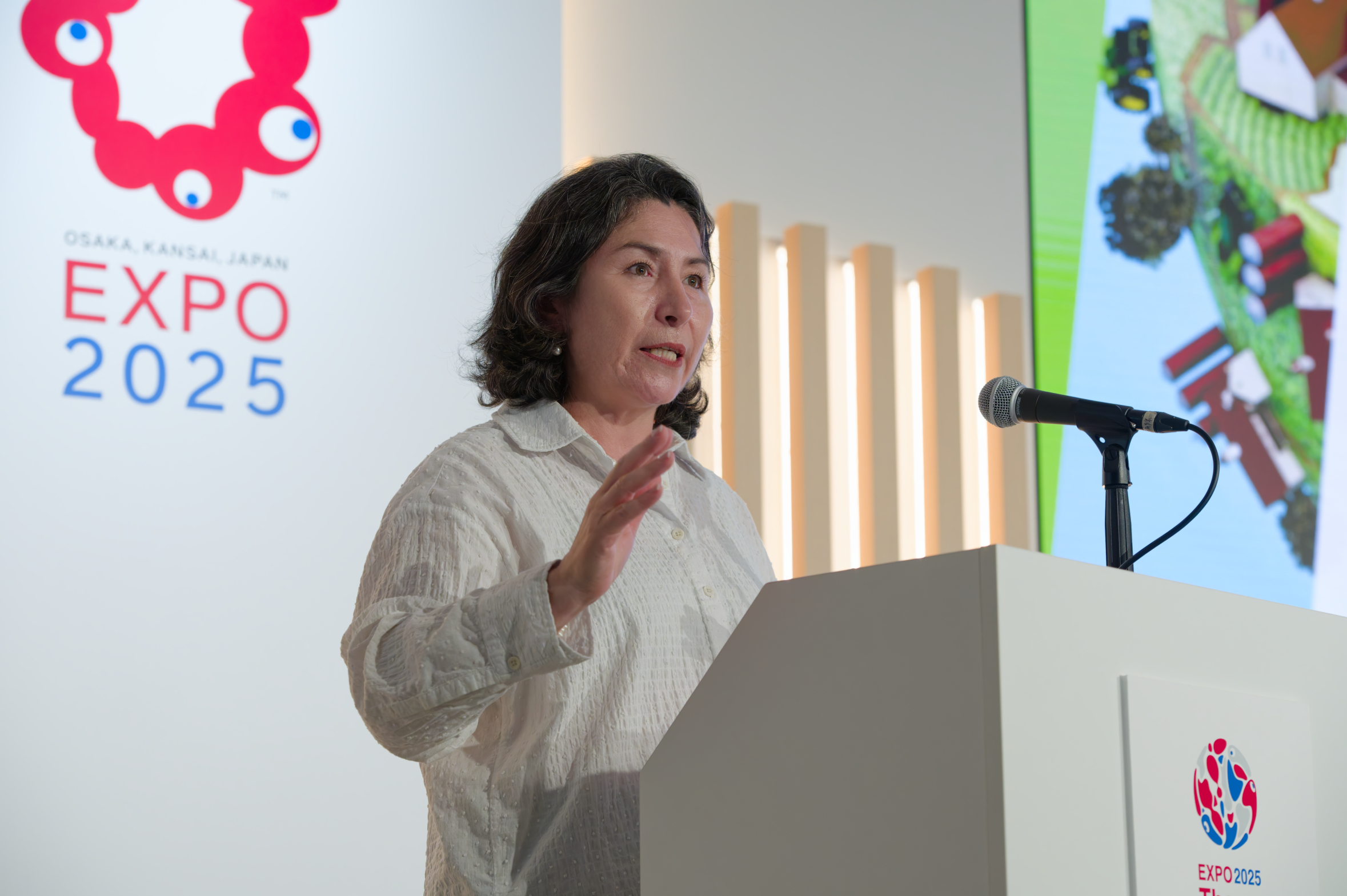
Drawing on her extensive experience as the former Chair of the
Intergovernmental Science-Policy Platform on Biodiversity and
Ecosystem Services (IPBES), Ms. Ana Maria Hernandez Salgar
provided a detailed analysis of the current state and
challenges of natural capital preservation from an
international perspective.
She began by outlining the critical state of global
biodiversity, noting that more than one million species are
now threatened with extinction. Citing data showing that 75%
of terrestrial and 66% of marine environments have already
been significantly altered by human activities, she warned
that if current trends continue, the world will face
irreversible losses on a planetary scale.
Hernandez identified five main direct drivers of biodiversity
loss:
1.Land-use change
2.Overexploitation of natural resources
3.Climate change
4.Pollution
5.Invasive alien species
Behind these direct causes, she pointed to a deeper systemic
issue—that global economic systems have consistently failed to
recognize the true value of nature, treating ecosystem
services as free and inexhaustible. Unsustainable patterns of
consumption and production, weak institutional frameworks, and
the growing disconnect between people and nature have together
driven the current crisis.
Despite these alarming trends, Hernandez also offered reasons
for hope. Across the world, there are numerous examples of
successful restoration and conservation efforts—from forest
regeneration and the expansion of protected areas to the
recovery of endangered species. Among these, mangrove
restoration projects stand out as emblematic cases of
nature-based solutions. She explained that mangroves not only
serve as significant carbon sinks but also help replenish
fisheries, reduce coastal disaster risks, and create tourism
opportunities—demonstrating how ecological restoration yields
multiple social and economic benefits.
Turning to international frameworks, Hernandez highlighted the
importance of the Kunming–Montreal Global Biodiversity
Framework, which established 23 concrete global targets for
biodiversity. She praised the landmark consensus to halt and
reverse biodiversity loss by 2030 as a shared goal for all
nations.
She emphasized that the greatest challenge now lies in
“integrating science, policy, and finance” to translate
evidence into concrete action. Researchers, policymakers,
businesses, and civil society must collaborate to ensure that
knowledge leads to real-world outcomes. In closing, she
underscored the crucial role of education and public outreach,
stressing that scientific knowledge must be communicated in a
way that is accessible and compelling to the general public if
humanity is to transform its relationship with nature.
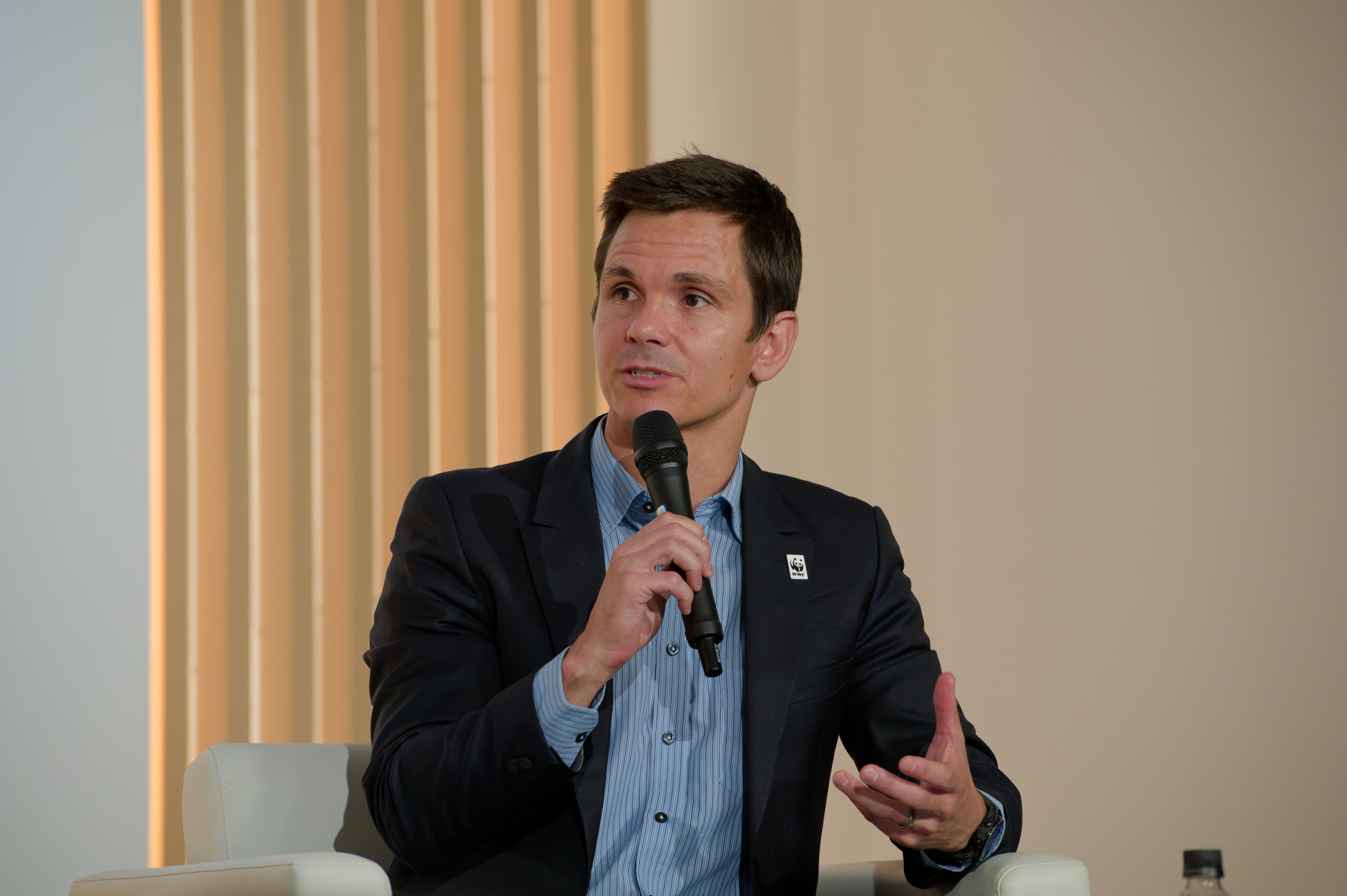
【Speaker Summary: Jaco du Toit】
Jaco du Toit gave an in-depth presentation on the decisive
role that collaboration between corporations and civil society
plays in maintaining natural capital.
He began by emphasizing that the loss of nature is not only an
ethical and environmental tragedy but also a growing economic
risk that threatens the very foundation of corporate activity.
He warned that the degradation of ecosystems could lead to
supply chain disruptions, rising costs associated with
regulatory compliance, and declining investor confidence—all
of which pose direct and material risks to business
continuity. For this reason, he stressed that companies must
go beyond treating biodiversity conservation as a mere CSR
activity and instead integrate natural capital into their core
business strategies as a basis for long-term survival.
Du Toit introduced several collaborative projects that WWF is
advancing with global corporations. Among them, he highlighted
the partnership with H&M, which involves analyzing the
ecological impact of raw materials such as cotton and wool
across sourcing regions. In South Africa, WWF supports
regenerative sheep farming, while in India, it assists in the
transition to regenerative cotton cultivation. These locally
grounded initiatives not only protect biodiversity but also
contribute to improving farmers’ livelihoods and revitalizing
local economies.
He further noted WWF’s collaborations with other multinational
corporations, including IKEA, HP, and Lidl, focusing on
efforts to reduce deforestation and optimize water resource
use throughout global supply chains.
Du Toit also emphasized the importance of international
frameworks such as the Taskforce on Nature-related Financial
Disclosures (TNFD) and Science Based Targets for Nature
(SBTN). By quantifying nature-related risks and disclosing
them transparently, companies can strengthen the trust of
investors and consumers alike while achieving more sustainable
business operations.
In the discussion, Du Toit underscored that businesses cannot
act alone—they must collaborate with governments,
policymakers, and civil society to drive systemic change. For
instance, promoting regenerative agriculture requires
coordinated action across entire supply chains; the efforts of
a single company are not sufficient. Achieving a “Nature
Positive” economy, he argued, depends on a combination of
effective government regulation, well-designed incentives, and
shifts in consumer purchasing behavior. Only through such
multi-stakeholder cooperation can humanity hope to reverse the
ongoing loss of natural capital.
【Discussion Summary】
The discussion session focused on how science, policy,
business, and civil society can collaborate to preserve
natural capital from multiple perspectives.
Mizouchi began by emphasizing that efforts to conserve natural
capital are directly connected to the livelihoods of farmers
and local communities. He noted that sustainable agricultural
practices and certification systems are not simply
environmental measures—they also bring significant social
benefits, such as improving farmers’ quality of life,
stabilizing local economies, and passing traditional knowledge
and techniques to future generations. His remarks resonated
deeply with participants.
Rzonca then reaffirmed the importance of building equitable
partnerships between corporations, local residents, and
governments. She argued that the success of conservation
initiatives depends on co-creation, not one-sided CSR
programs. Referring to coastal restoration projects in
post-disaster regions, she explained how collaboration among
communities, businesses, and NPOs contributes both to
ecosystem recovery and to the emotional healing of local
residents.
Jaco du Toit introduced the international frameworks TNFD
(Taskforce on Nature-related Financial Disclosures) and SBTN
(Science Based Targets for Nature), explaining how companies
can gain investor and consumer trust by disclosing
nature-related risks and formulating evidence-based action
plans. His perspective—linking environmental action with
enhanced corporate value—offered a compelling vision for
aligning economy and ecology.
Meanwhile, Hernandez Salgar focused on the challenge of
translating scientific knowledge into societal action. She
emphasized the difficulty of communicating complex data and
reports to policymakers and the public, calling for stronger
collaboration among scientists, educators, and the media to
broaden awareness and inspire behavioral change across
society.
The discussion also addressed practical challenges such as
data shortages and supply chain complexity. Several
participants suggested that digital technology and AI could
play a key role in solving these issues—examples included
using satellite data for forest monitoring and AI systems for
visualizing supply chains. These innovations were seen as
promising tools for strengthening transparency and supporting
natural capital preservation.
In conclusion, all participants shared the understanding that
preserving natural capital is a universal responsibility that
transcends political and national boundaries. They reiterated
that individual consumption choices and lifestyle changes have
a profound cumulative impact on the planet’s future,
underscoring the need for each person to act now to fulfill
our responsibility to future generations.
Cast
Moderator

Yukari Takamura
Institute for Future Initiatives, The University of Tokyo
Professor, Institute for Future Initiatives, The
University of Tokyo
After graduating in Law at Kyoto University and
receiving Master of Laws (Public International Law)
from Hitotsubashi University, Tokyo, she was appointed
Associate Professor at Shizuoka University. Before
joining the University of Tokyo in 2018, she worked as
Professor at Ryukoku University, Kyoto, and Professor
at Nagoya University, Japan. She also studied at
Graduate School of University of Paris II
(Panthéon-Assas), France and was Visiting Researcher
at University of London, U.K.
Specializing in international law and environmental
law, her research focuses on legal and governance
issues relating to multilateral environmental
agreements as well as climate and energy laws and
policies.
She serves as member of governmental advisory bodies,
among others, Central Environment Council as President
and Environment Council of Tokyo Metropolitan
Government as President. She is also member of the
Sustainability Standards Board of Japan (SSBJ) and
member of the Advisory Group on Climate Change and
Sustainable Development of the Asian Development Bank
(ADB). She served as Vice President of Science Council
of Japan (2020 - 2023) and as Chair of Procurement
Price Calculation Committee for Feed-in Tariff Scheme
for Renewable Energy (2021-2024). She received
Environmental Conservation Merit’s Minister of the
Environment Award in 2018.
View Profile
Close
close
Speakers

Noriko Rzonca
COSMO ENERGY HOLDINGS CO., LTD. Chief Digital Officer, Ph.D.
Noriko earned her Ph.D. in Psychology in the U.S.,
specializing in research and evaluation
methodology.
She began her career as a senior analyst at a U.S.
insurance company, working on statistical pricing in
the Actuarial R&D Dept.
In 2006, she returned to Tokyo and joined a financial
institution, establishing internal analytical
consulting teams and providing business analytics
support across departments.
After gaining experience in customer, product, and
risk-related analytics at several foreign-affiliated
financial institutions, she joined Cosmo Energy
Holdings in 2021 as Chief Digital Officer. She
currently spearheads change management and digital
business transformation, while chairing the COSMO Eco
Fund.
View Profile
Close
close
Ryosuke Mizouchi
Advisor, Kirin Holdings Co. Ltd.
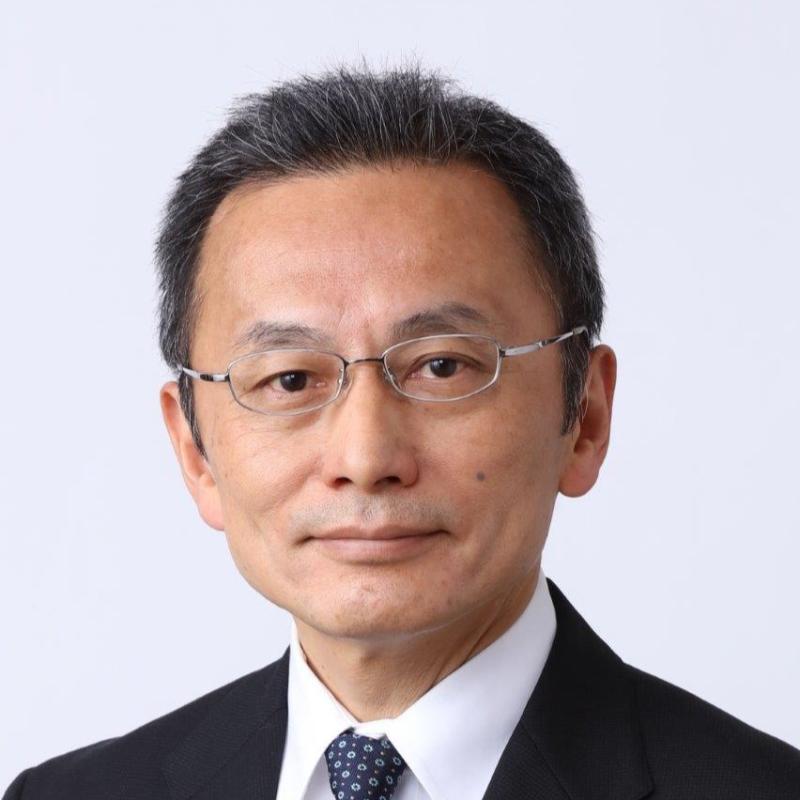
Chief Sustainability Officer of Kirin Group from 2017 to 2024. Joined Kirin in 1982 and experienced in marketing insights and overseas businesses. Currently also a member of The Nourinchukin Bank Sustainability Advisory Board, and a member of Japanese National Commission for UNESCO. MBA, Sloan School of Management, MIT (1988), and BA, Economics, Hitotsubashi University (1982).
View Profile
Close
close

Ana Maria Hernandez Salgar
International consultant
Internationalist from Jorge Tadeo Lozano University
(Colombia). 28 years of expertise in international
environmental law, international negotiation on
biodiversity, and science-policy interface, with
several publications about policy and legislation on
biodiversity. Experience as researcher in the Policy
and Legislation Program of the Alexander von Humboldt
Institute; Head of the Office of International Affairs
of the Ministry of Environment, Housing and
Territorial Development of Colombia; Executive
Director of NaturaCert Foundation; and Head of the
international affairs, policy and cooperation Office
at the Alexander von Humboldt Institute. Also,
professor at the Rosario University and Javeriana
University.
To date, more than two decades of experience in the
framework of multilateral environmental, regional, and
binational agreements. Colombian governmental
negotiator to the Convention on Biological Diversity
and to the Intergovernmental Platform on Biodiversity
and Ecosystem Services, IPBES. Representative of Latin
America and the Caribbean (GRULAC) to different bureau
of environmental treaties such as the United Nations
Convention against Desertification and Drought
(UNCCD), the SPAW protocol of the Cartagena Convention
and IPBES.
Chair of IPBES from May 2019 to September 2023.
Senior advisor to CBD COP16 presidency (Colombia).
February 2024 – January 2025.
Member of the advisory board of the United Nations
Decade on Ecosystem Restoration from 2021 to 2023.
Awarded as environmental personality of the year by El
Espectador Newspaper in 2019, by the Jorge Tadeo
Lozano University in 2020, and by Ecovidrio Awards in
2022.
View Profile
Close
close
Jaco du Toit
WWF Sweden Biodiversity and Policy Manager, Corporate Partnerships and Finance Department
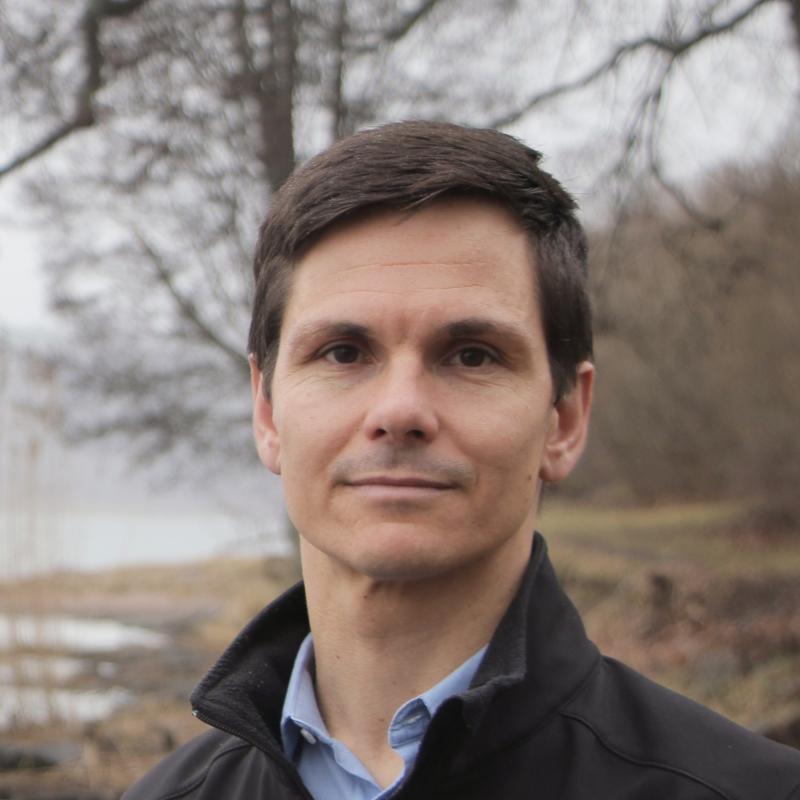
Jaco du Toit serves as Biodiversity Policy Manager at WWF Sweden. He has been with WWF for twelve years, initially working on international climate policy in the lead up to the Paris Agreement and science-based GHG targets for companies. Over the past seven years he has been working on international biodiversity policy and biodiversity strategy for companies including as one of the founders of the Business for Nature coalition, pilotting the Science Based Targets for Nature methodology as part of the WWF and H&M Group partnership and working closely with WWF offices in India and South Africa on regenerative cotton and wool projects related to textile production value chains.
View Profile
Close
close
The Future of Earth and Biodiversity Week
Preserving natural capital
The programme, together with the General Sponsors, explores: 'What additional perspectives should be added to the global discussion on biodiversity beyond 2030?'
-
2025.09.19[Fri]
10:00~12:00
(Venue Open 09:30)
- Theme Weeks Studio

OTHER PROGRAM
The Future of Earth and Biodiversity Week