The Future of Earth and Biodiversity Week
Material resilience: Innovations for a secure and sustainable future
European Union
Raw materials are essential for Europe's economy, and
ensuring sustainable access to these materials is crucial
for achieving the net zero objectives. However, Europe
relies heavily on imports, primarily from third-country
suppliers. It needs to reduce the supply chain risks
associated with this strategic dependency in order to
strengthen its economic resilience.
This session, organised in collaboration with The Nordic
Circular Hotspot, will focus on strategic and critical raw
materials within the circular economy, covering topics such
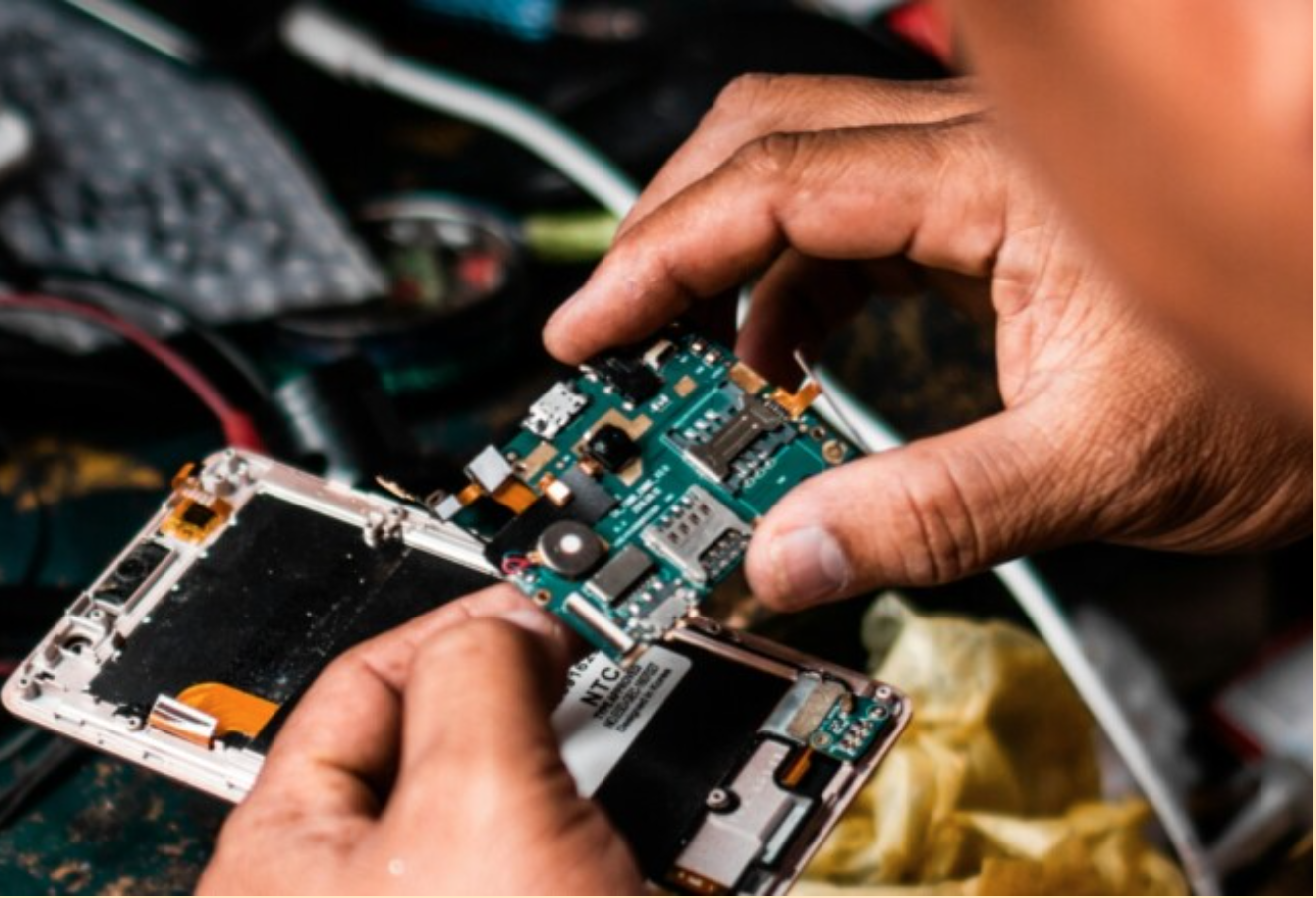
as urban mining, recycling of critical raw materials,
mobility and infrastructure, product passports and
sustainable mining.
It aims to foster discussion between European leaders in
sustainable mineral production and their Japanese
counterparts. It will include presentations and a panel
discussion with representatives from the automotive and
electronics industries, focusing on the importance of
critical raw materials in mobility and infrastructure.
Recorded video available
Discussion
- Circular economy
| Transmission of simultaneous interpretation | To be determined |
|---|---|
| Language of interpretation | To be determined |
-

Track Programme
-
Time and
Date of
the event -
-
2025.09.23[Tue]
13:00 ~ 14:30
(Venue Open 12:45)
-
- Venue
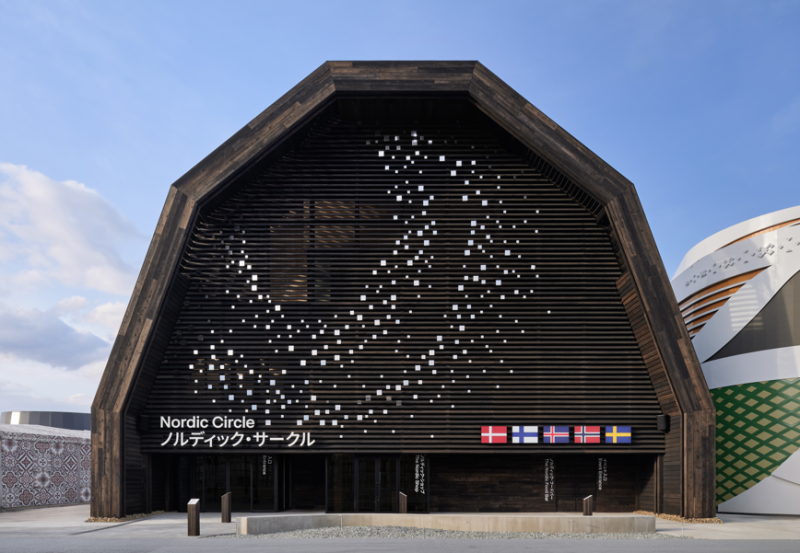
- Pavilion
- Nordic Pavilion
Programme details
*Subtitles: Choose “Subtitles/CC” in the “Settings” (gear
icon) at the bottom right of the YouTube video.
*Subtitles may not show with multiple languages or overlapping
audio.
This session, organised in collaboration with The Nordic
Circular Hotspot, will focus on strategic and critical raw
materials within the circular economy, covering topics such as
urban mining, recycling of critical raw materials, mobility
and infrastructure, product passports and sustainable
mining.
It aims to foster discussion between European leaders in
sustainable mineral production and their Japanese
counterparts. It will include presentations and a panel
discussion with representatives from the automotive and
electronics industries, focusing on the importance of critical
raw materials in mobility and infrastructure.
Reports
【Reflection】
The session addressed how to strengthen material resilience
for the net-zero transition by linking critical raw materials
policy with circular-economy implementation. Topics included
urban mining, recycling of critical raw materials,
mobility/infrastructure needs, product passports and
sustainable mining, delivered through presentations and a
panel with automotive and electronics representatives.
Key findings
Shared view of strategic dependency.
Europe’s import reliance poses supply-chain risks, calling for
coordinated mitigation across upstream–midstream–downstream
stages.
Operational levers for circularity.
Urban mining and selective recovery of critical materials were
highlighted as practical options, underpinned by product-level
data (e.g., product passports) to ensure quality and
traceability.
Sector focus matters.
With mobility and electronics in scope, design, sourcing and
take-back schemes need redesign to secure key materials for
electrification and digitalisation.
Conclusion
The session clarified a pathway that couples risk mitigation
with circular practices by connecting urban mining, selective
recycling, product-data infrastructure and sustainable
extraction.
【Post EXPO Initiatives】
Implementation focus
Translate the session’s agenda into an operating plan that
advances supply security and circularity together.
Priority actions
Map critical materials: inventory usage across key components
and prioritise items by criticality and substitutability.
Pilot urban-mining & take-back: design selective
collection pilots (e.g., catalysts, PCBs, wiring) and validate
yield and costs.
Prepare for product passports: define data fields for
traceability and recycling-readiness; test data exchange with
suppliers and recyclers.
Refresh design & sourcing: establish protocols to qualify
secondary/alternative materials for performance and
compliance.
Operationalise EU–Japan collaboration: run joint evaluations
(recovery rates, material quality) with sector partners in
mobility/electronics.
Conclusion
By linking material risk visibility, targeted recovery pilots,
product-data infrastructure and design/sourcing updates,
organisations can take concrete steps toward a more resilient
and circular materials system.
Cast
Moderator

Cathrine Barth
Head of Circular Economy, Natural State
View Profile
Close
close
Einar Kleppe Holthe
CEO, Natural State
View Profile
Close
close
Speakers
Niina Aagaard
Head of Communications, Nordic Council of Ministers and the Nordic Council
View Profile
Close
close
Cillian Lohan
EESC member, ECESP
View Profile
Close
close
Yumiko Noda
Vice Chairman of Keidanren (Japan Business Federation)/ Chairman & Representative Director, Veolia Japan GK
View Profile
Close
close
Freek van Eijk
CEO, Holland Circular Hotspot
View Profile
Close
close
Takahiro Iwaya
Project Manager for Sustainability, Toyota
View Profile
Close
close
Agata Meysner
President and Founder, Generation Climate Europe
View Profile
Close
close
Dan Swezey
Global Procurement Division - Procurement Center For Raw Materials And Mechanical Components - Copper Cathode Section, Panasonic
View Profile
Close
close
Janez Potočnik
Co-Chair, International Resource Panel (IRP)
View Profile
Close
close
Co-organiser
The Nordic Circular Hotspot
The Future of Earth and Biodiversity Week
Material resilience: Innovations for a secure and sustainable future
Raw materials are essential for Europe's economy, and
ensuring sustainable access to these materials is crucial for
achieving the net zero objectives. However, Europe relies
heavily on imports, primarily from third-country suppliers. It
needs to reduce the supply chain risks associated with this
strategic dependency in order to strengthen its economic
resilience.
This session, organised in collaboration with The Nordic
Circular Hotspot, will focus on strategic and critical raw
materials within the circular economy, covering topics such as
urban mining, recycling of critical raw materials, mobility
and infrastructure, product passports and sustainable
mining.
It aims to foster discussion between European leaders in
sustainable mineral production and their Japanese
counterparts. It will include presentations and a panel
discussion with representatives from the automotive and
electronics industries, focusing on the importance of critical
raw materials in mobility and infrastructure.
-
2025.09.23[Tue]
13:00~14:30
(Venue Open 12:45)
- Pavilion
OTHER PROGRAM
The Future of Earth and Biodiversity Week