The Future of Earth and Biodiversity Week
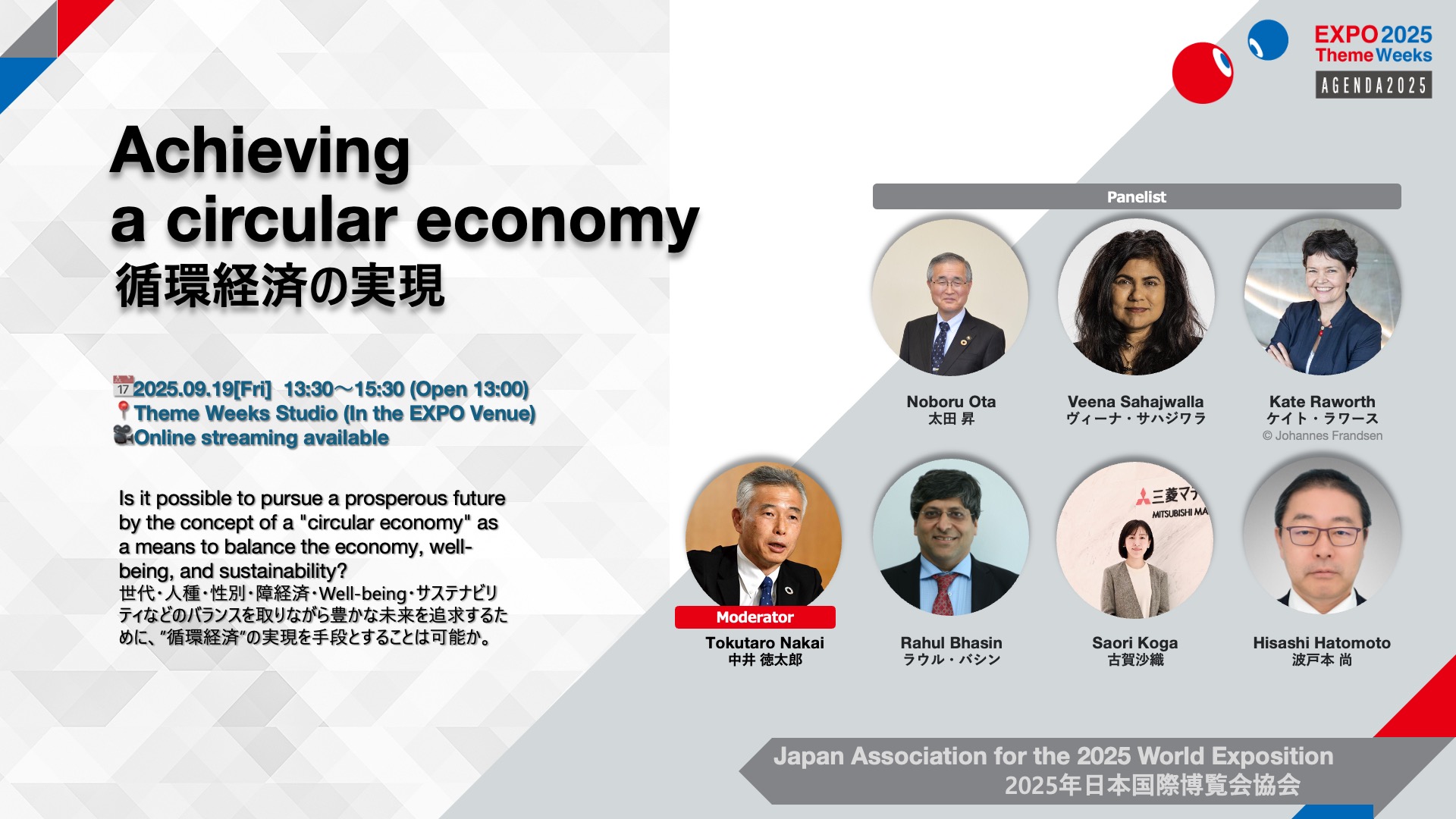
Achieving a circular economy
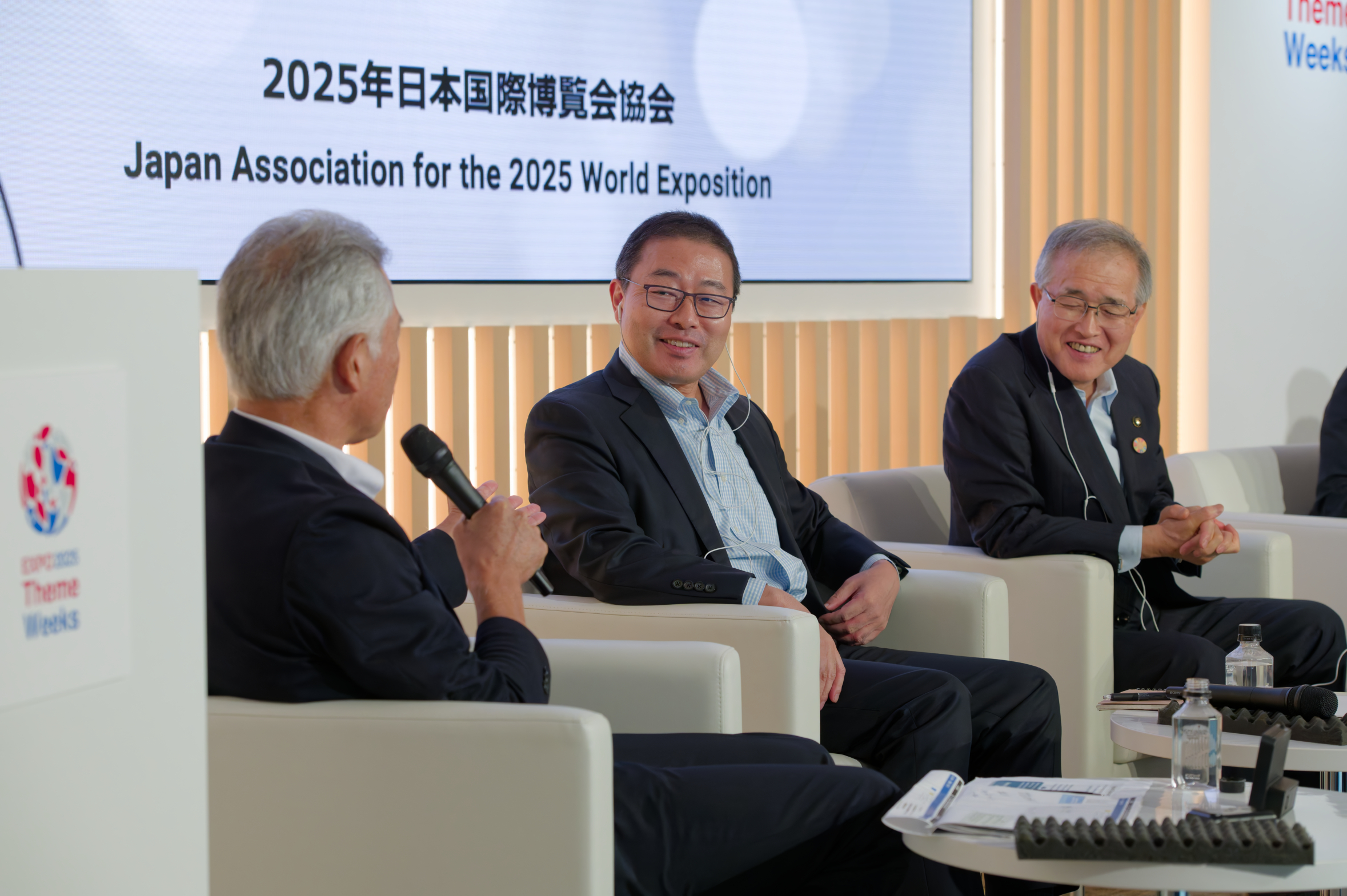
Japan Association for the 2025 World Exposition
The programme, together with the General Sponsors, explores: 'Is it possible to pursue a prosperous future by the concept of a "circular economy" as a means to balance the economy, well-being, and sustainability?'
Recorded video available
Discussion
- Others
| Transmission of simultaneous interpretation | Provided |
|---|---|
| Language of interpretation | Japanese and English |
-

Agenda2025
Organised Programme
-
Time and
Date of
the event -
-
2025.09.19[Fri]
13:30 ~ 15:30
(Venue Open 13:00)
-
- Venue
- Theme Weeks Studio


Programme details
*Subtitles: Choose “Subtitles/CC” in the “Settings” (gear
icon) at the bottom right of the YouTube video.
*Subtitles may not show with multiple languages or overlapping
audio.
Today, as the Earth boils over, the question is whether
humanity can envision a sustainable future society on Earth,
that is, a “Future Society for Our Lives” the theme of the
Expo. The Japanese government is advocating the concept of a
Triple Sustainability・Circular and Ecological Economy, which
will simultaneously achieve carbon neutrality, circular
economy, and nature positivity, in order to realize
sustainability. The realization of a circular economy is a
core concept for achieving sustainability, while having
synergy with carbon neutrality and nature positivity. In the
keynote speech, the overall picture of sustainability and the
importance of the circular economy will be presented based on
the concept of donut economics. Then, as case studies, we will
report on government policies, regional developments,
corporate initiatives, global collaboration through fund
building, and advanced case studies of technology utilization.
In the panel discussion, we will explore how to realize the
Circular Economy while delving into the worldview of what the
Circular Economy means.
Reports
【Program Summary】
Held during The Future of Earth and Biodiversity Week, this
session explored both the theoretical frameworks and practical
initiatives toward achieving a circular economy. Through
discussions encompassing local government efforts, pioneering
corporate initiatives in resource circulation, and global
perspectives, the participants examined key conditions for
building a sustainable economic society. The realization of a
circular economy is not merely about waste reduction or
recycling—it represents a fundamental transformation of the
economic model itself. The session highlighted the need for a
new, integrated approach that unites science, policy,
industry, and civil society.
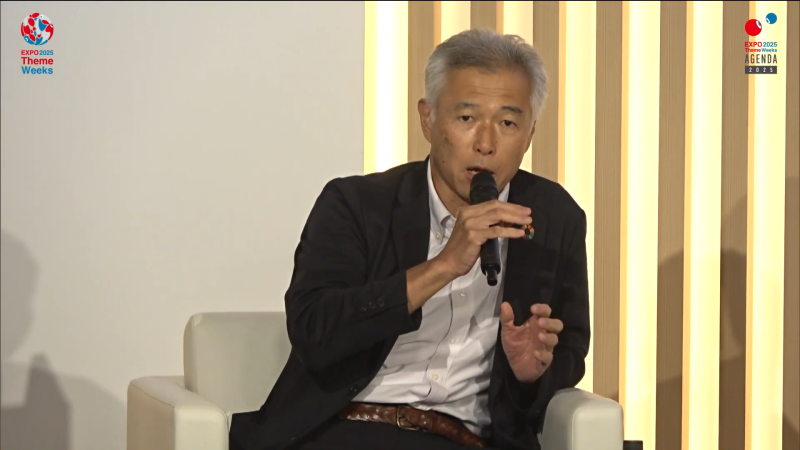
【Speaker Summary: Tokutaro Nakai】
Nakai began by emphasizing that achieving a circular economy
is a global and urgent task. The linear economic model of mass
production, consumption, and disposal has reached its limits,
he argued, and a transition toward a circular system is
indispensable for sustainability. He stressed that the
circular economy should not remain within the scope of
“environmental policy,” but rather be positioned as a
transformation of the entire economy—encompassing industrial
structures, technological innovation, financial systems, and
consumer behavior.
Japan, he noted, has led the world in recycling and energy
efficiency technologies. Leveraging these strengths to promote
the use of recycled and regional resources will enhance
national resilience while presenting a global model for
sustainable growth. Nakai particularly highlighted local
governments’ initiatives as key to connecting everyday life
with production and creating decentralized circular economy
models.
He also pointed out major barriers: existing economic
incentives still favor disposability, and emerging circular
technologies risk premature elimination in competitive
markets. To overcome these, policy tools such as regulation
and taxation must be coupled with financial mechanisms that
channel investment toward circular businesses.
Concluding, Nakai asserted that the circular economy
represents a new model of civilization—one in which humanity
coexists harmoniously with nature. Achieving it will require
joint efforts among governments, businesses, academia, and
citizens working toward a shared goal.
【Speaker Summary: Kate Raworth】
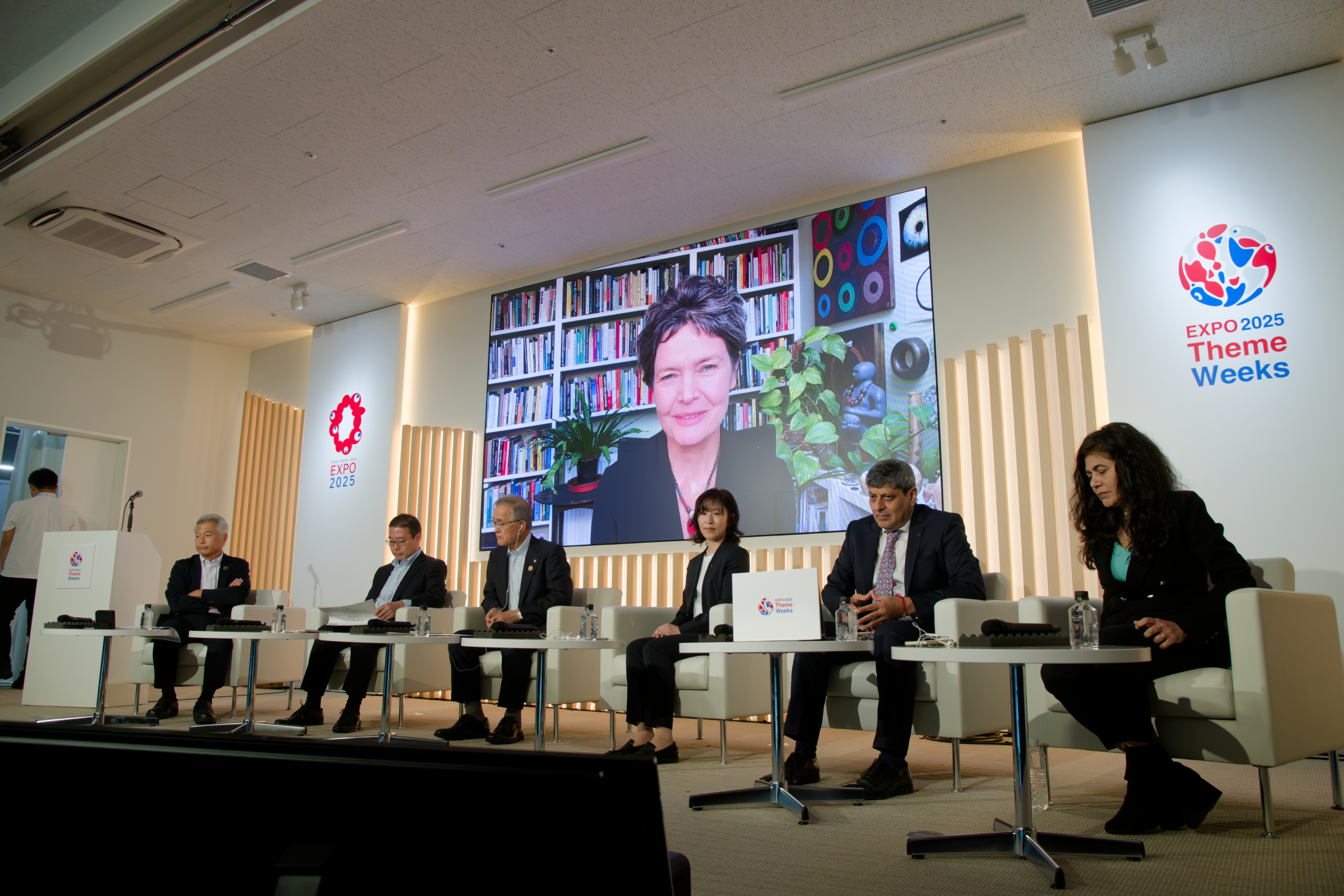
In her video message, Kate Raworth offered an inspiring vision
for rethinking economics through the lens of the circular
economy. She criticized the 20th-century model of “growth at
all costs,” which ignored planetary boundaries and led to
climate crises, biodiversity loss, and resource depletion. The
GDP-centric view, she argued, quantified prosperity but
neglected human well-being and ecological balance.
As an alternative, she presented the Doughnut Economics
model—a framework defining a “safe and just space for
humanity” bounded by environmental ceilings and social
foundations. Within this space, the circular economy plays a
central role.
Raworth explained that the circular economy is not limited to
waste recycling but entails redesigning the entire economic
system. She highlighted approaches such as design for
circularity (products conceived for reuse and repair),
service-based business models, renewable energy adoption, and
urban resource efficiency. Waste, she argued, must be
redefined as a resource that generates new value at every
stage of the economy.
She underscored the importance of finance and policy in this
transition. Expanding sustainable finance and impact
investment is vital to supporting circular startups and
community projects. Policy measures—especially through
regulation and taxation—should drive the shift from linear to
circular systems. International collaboration in institutional
design is equally crucial.
Raworth concluded by stressing that embracing a circular
economy is an ethical responsibility to future generations.
Rethinking our economic systems to secure a “safe and just
space” for both humanity and nature is the path forward for
the 21st century.
【Speaker Summary: Hisashi Hatomoto】
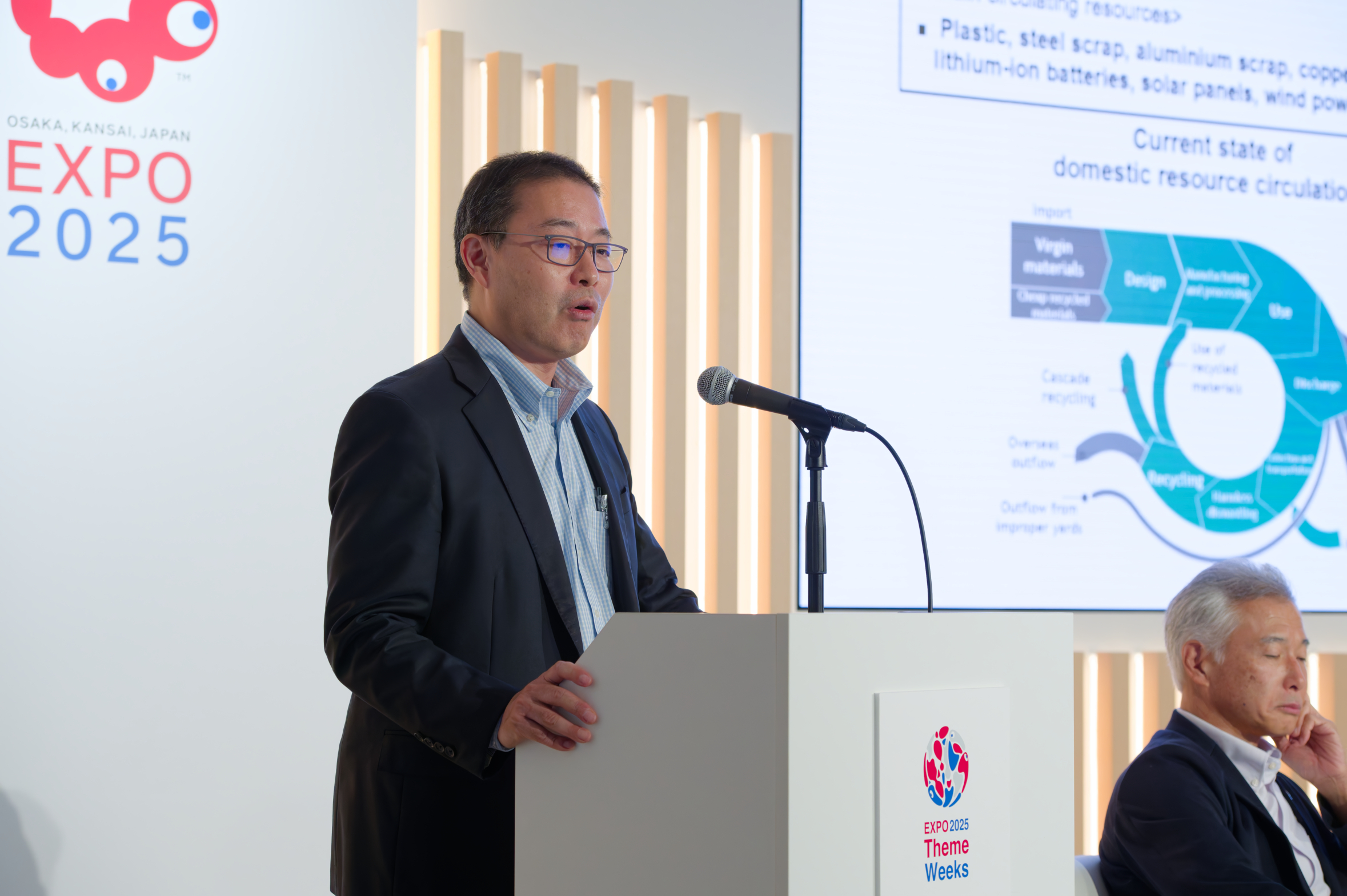
Hisashi Hatomoto spoke in detail about Japan’s policy
framework and practical efforts to promote a circular economy.
At the outset, he stated that the circular economy is no
longer a matter of choice but an unavoidable issue. Especially
for resource-constrained countries like Japan, it is a
national strategic necessity to build a society-wide system
for efficient use and regeneration of resources.
He referred to the government’s recently formulated “Circular
Economy Transition Acceleration Package,” explaining that
these policies are not merely environmental measures but are
also crucial from the standpoint of enhancing economic
competitiveness and international presence. He cited Japan’s
advanced recycling systems—such as the Home Appliance
Recycling Act and the Automobile Recycling System—as
pioneering initiatives that combine legal frameworks with
market mechanisms and have been highly acclaimed
internationally.
Furthermore, he pointed out that revisions to the Basic Plan
for Establishing a Circular Society have deepened the national
approach—from “optimal resource use” and “waste reduction” to
positioning resource circulation itself as a growth strategy.
He also introduced efforts to launch platforms that match
local governments and companies to create regional circular
business models, emphasizing the importance of connecting
national policies with local practices.
Hatomoto also discussed international collaboration for
promoting a circular economy. Referring to the formulation of
the “G7 Circular Economy and Resource Efficiency Principles
(CEREP),” the adoption of the “Critical Minerals Action Plan,”
and the establishment of international resource circulation
partnerships, he stressed the importance of shared awareness
among countries, information exchange, and technology
transfer. He noted that cooperation with Asian nations, in
particular, holds great geographical and economic significance
for Japan and is essential in building a shared foundation for
a circular society.
As for challenges in realizing a circular economy, Hatomoto
highlighted the need for a “societal mindset transformation.”
Institutional and technological development alone, he said, is
insufficient; it is essential for consumers and businesses to
change their behaviors. He emphasized the role of education
and awareness-raising activities, noting that nurturing the
ability of younger generations to choose sustainable
lifestyles will form the long-term foundation for a circular
economy.
【Speaker Summary: Noboru Ota】
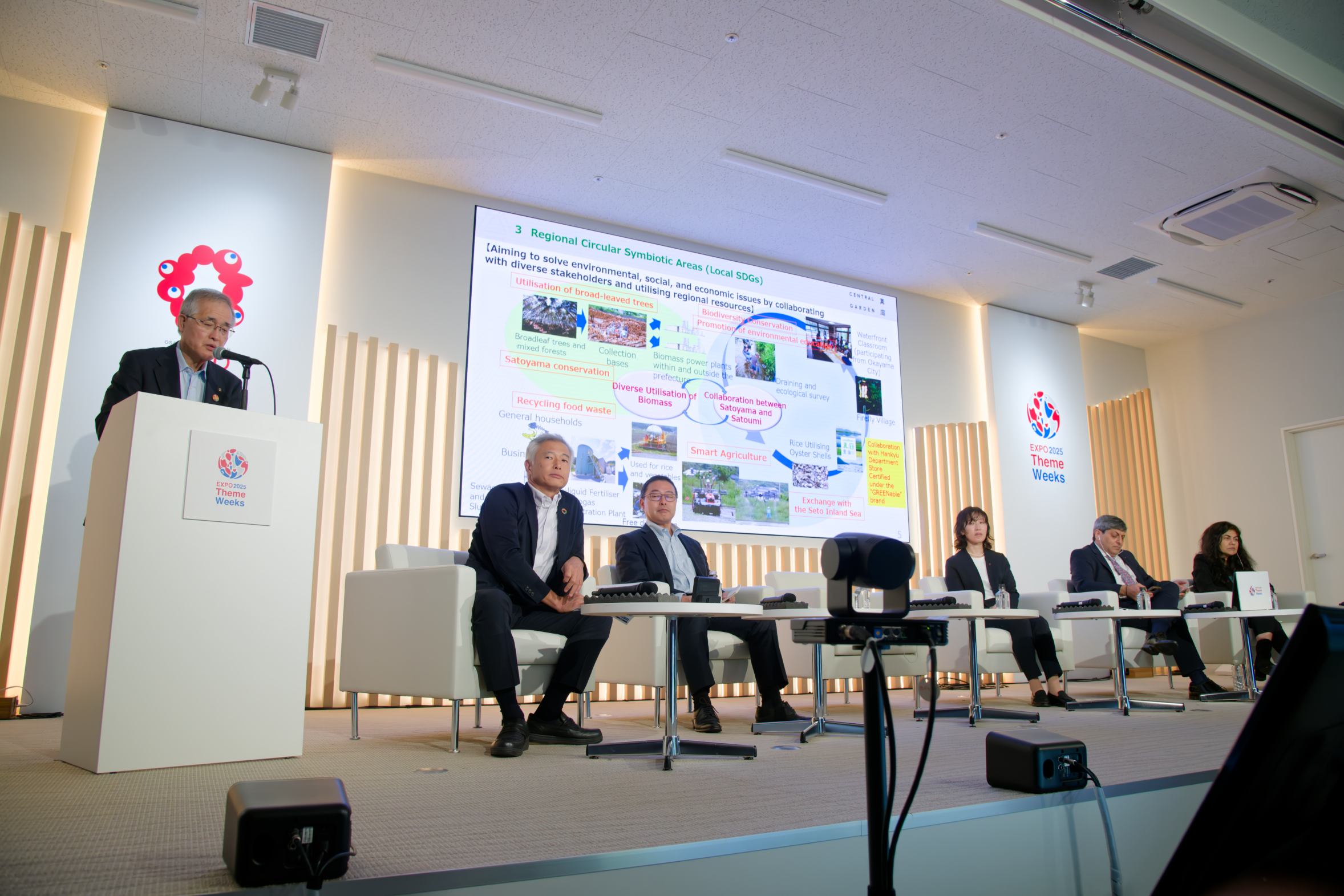
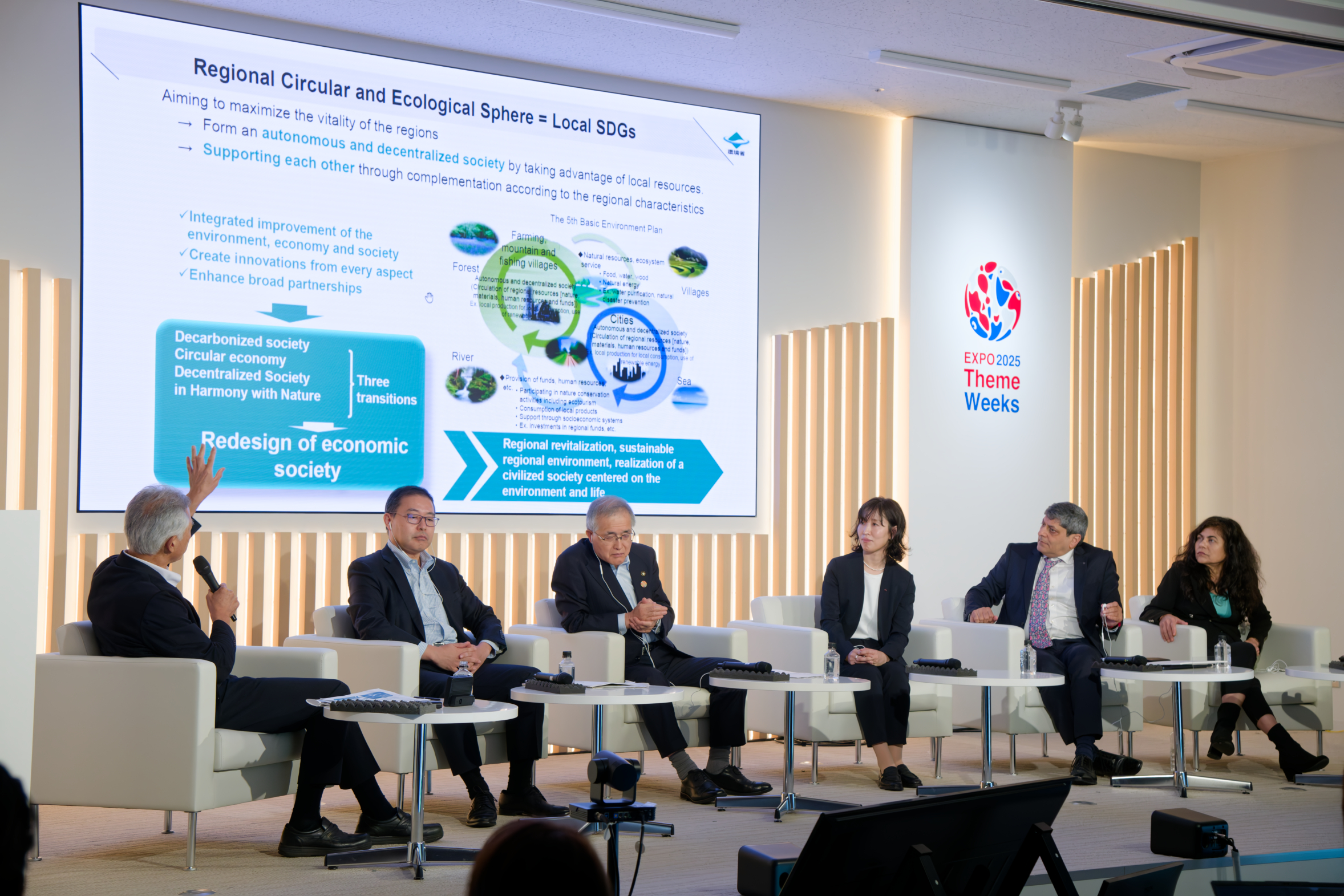
Mayor Ota shared Maniwa City’s experiences as a leading model
of a regional circular economy. Despite its modest population
of 40,000, Maniwa has built a “biomass industrial city”
centered on wood resources.
Ota explained how the city utilizes wood waste comprehensively
for biomass power generation and pellet fuel, achieving local
energy production and consumption while creating jobs and
reducing CO₂ emissions. The city also recycles food waste and
agricultural residue into fertilizer, linking agriculture,
forestry, and energy sectors in an integrated circular model.
Public participation is key, he emphasized. Maniwa promotes
environmental education in schools and citizen-led forest
conservation programs to deepen community engagement.
Ota also addressed challenges: the small local market limits
profitability, requiring linkages with external markets; and
coordinating diverse stakeholders demands significant effort,
with local governments needing to lead consensus building.
He concluded that a regional circular economy is also a
powerful strategy for regional revitalization—reducing
external dependence and strengthening local sustainability.
Maniwa’s example, he said, could serve as a model for local
cities balancing economic growth and sustainability.
【Speaker Summary: Saori Koga】
Saori Koga spoke from the perspective of a materials
manufacturer about corporate responsibilities and practical
initiatives toward realizing a circular economy. She explained
that Mitsubishi Materials upholds the corporate philosophy of
“For people, society and the earth,circulating resources for a
sustainable future” and shared specific examples of how this
vision is being implemented.
Traditionally, the company supplied materials derived from
natural resources extracted from mines. Today, however, it is
shifting its focus toward “utilizing resources recovered from
end-of-life products instead of mining limited natural
resources.” This transformation aims to balance economic
activity with environmental protection and defines resource
circulation as a core corporate responsibility.
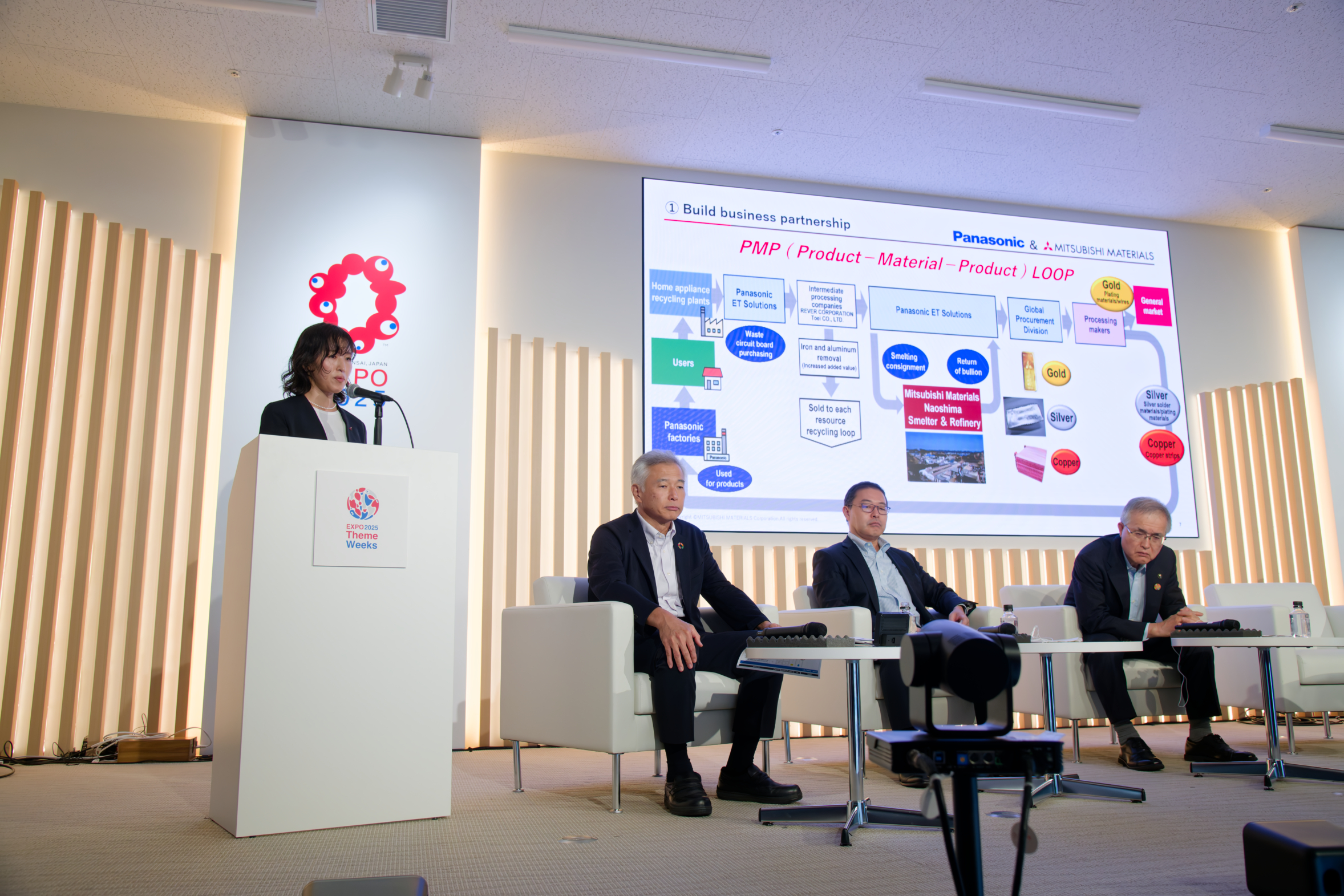
Koga described the company’s recycling loop developed in
partnership with the Panasonic Group. End-of-life home
appliances are collected and reprocessed, with the recovered
metals used again in new products. This collaboration, ongoing
since 2011, has also been applied to the copper materials used
in the Panasonic Pavilion at Expo 2025 Osaka, Kansai. After
the Expo concludes, the removed cables will be collected and
reintegrated into the same loop, completing the cycle.
She then introduced REMINE, Mitsubishi Materials’ proprietary
brand for recycled metals. Under this initiative, recycling
rates are scientifically calculated in accordance with ISO
14021 standards, with all evidence documented and presented
clearly. Through this process, the company can provide highly
reliable data to client firms that publicly commit to the use
of recycled materials.
Koga also emphasized that the company “traces the recycling
process while monitoring environmental impact,” underlining
its commitment to transparency and traceability in promoting
the circular economy. She stressed the importance of
clarifying how used products are dismantled, reprocessed, and
reborn as new materials.
In closing, Koga stated that while governmental policy support
remains important, it is equally essential for industry to
make steady efforts through technological innovation and
creativity. She concluded that promoting a circular economy is
not only a matter of strengthening corporate competitiveness
but also a social responsibility to hand down a healthy global
environment to future generations.
【Speaker Summary: Rahul Bhasin】
Bhasin discussed the prospects and challenges of implementing
circular economy principles in India. With rapid population
growth and urbanization, he noted, the linear economic model
has intensified resource consumption and waste issues,
particularly plastic and electronic waste, which now threaten
public health and the environment.
He argued that the circular economy represents not a
constraint but an opportunity. Recycling and waste management
industries can generate employment and invigorate regional
economies. He cited examples of e-waste recycling plants that
provide stable jobs and income to local communities.
Formalizing the informal waste sector, he added, improves both
working conditions and recovery rates. Institutional and
financial reforms are key: enforcing regulations and extended
producer responsibility (EPR), while establishing investment
mechanisms and risk-sharing public finance for SMEs innovating
circular technologies.
Bhasin also emphasized global cooperation, stating that
circular economies cannot function within national borders.
Redesigning global supply chains requires partnerships—such as
between Japanese recycling technology and India’s vast
markets—to achieve mutual benefit. Such collaboration will
accelerate adoption through technology transfer and capacity
building.
He concluded that the circular economy is not just
environmental policy but a social transformation toward
inclusive, sustainable growth.
【Speaker Summary: Veena Sahajwalla】
Sahajwalla highlighted the roles of scientific innovation and
community collaboration in realizing a circular economy. She
began by addressing the gravity of modern waste
issues—particularly electronic and plastic waste—and urged a
shift in perception from “waste as a problem” to “waste as a
resource.”
She introduced her “Microfactory” concept—small-scale,
decentralized recycling facilities that transform local waste
into raw materials and products. These factories reduce
transport costs and environmental burdens while creating local
employment and technical training opportunities. Decentralized
recycling, she argued, is key to sustainable futures.
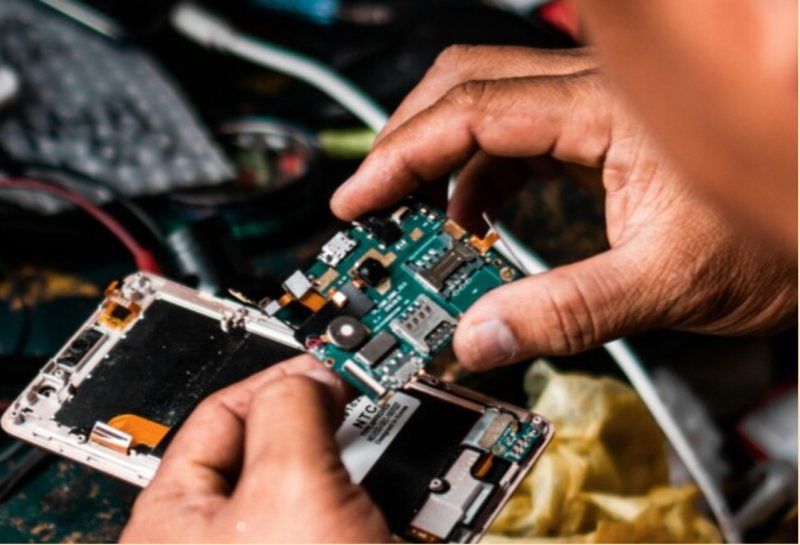
She presented examples of technologies that convert waste
plastics into building materials and extract rare metals from
e-waste—solutions that reduce environmental impact and create
economic value. These technologies have moved beyond
demonstration and are now being commercialized, proving that
science can make the circular economy tangible.
Sahajwalla stressed the need to bridge science and
society—linking researchers, businesses, governments, and
citizens to deploy innovations widely. Education, she noted,
is vital in transmitting sustainable practices and mindsets to
future generations.
She concluded by underscoring the importance of international
cooperation, especially in the Asia-Pacific, to establish
transnational resource circulation systems through technology
transfer and human resource development.
【Discussion Summary】
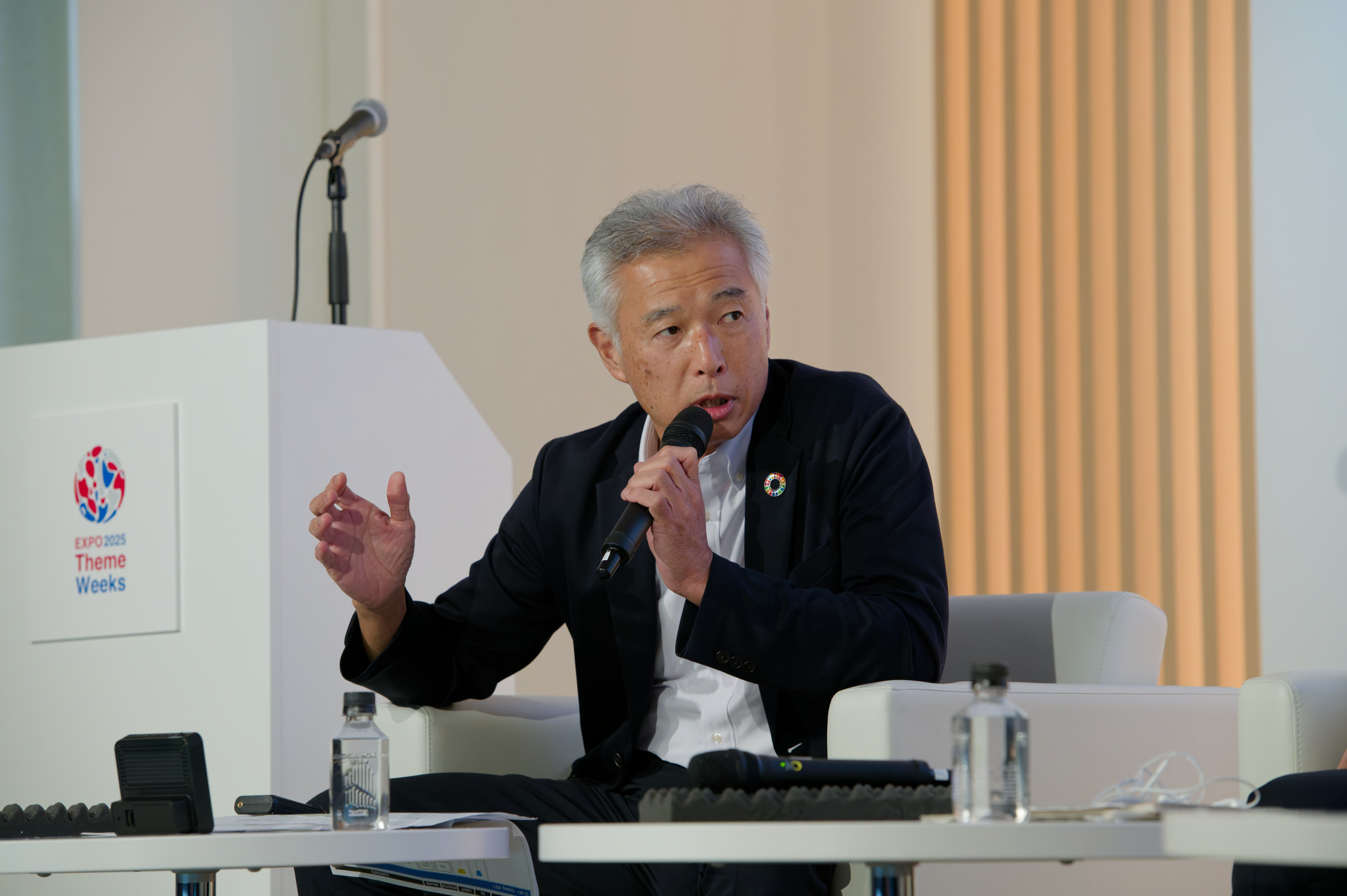
In the discussion, Nakai facilitated dialogue among panelists
to identify shared challenges and action principles for
advancing the circular economy.
Building on Raworth’s “Doughnut Economics,” participants
discussed moving beyond growth dependency and redefining
prosperity indicators. Hatomoto stressed the importance of
institutional design, such as taxation and regulation, and of
enforcing extended producer responsibility and global
frameworks.
Ota highlighted local practice as the foundation for national
strategy realization. Koga responded that collaboration
between corporations (providing technology and capital) and
municipalities (offering testing grounds) can accelerate
implementation. There was consensus that industry–community
collaboration is essential.
Bhasin emphasized that both institutional and financial
support are indispensable—particularly funding mechanisms that
empower SMEs to scale innovation—and called for international
coordination on shared rules. Sahajwalla underscored the role
of decentralized technologies like Microfactories and the
value of cross-border knowledge exchange.
The conversation turned to education and awareness. Hatomoto
called for public education to transform consumer behavior;
Ota emphasized environmental learning and citizen
participation; Koga noted that supply-chain transparency
itself serves as an educational tool. Raworth reiterated that
the circular economy embodies our responsibility to future
generations.
In conclusion, Nakai summarized that the circular economy is
not a sectoral policy but a societal transformation. Aligning
the efforts of governments, businesses, regions, finance, and
citizens is essential. The session closed with a shared
understanding: the circular economy is an investment in the
future—and a responsibility across generations.


Cast
Moderator
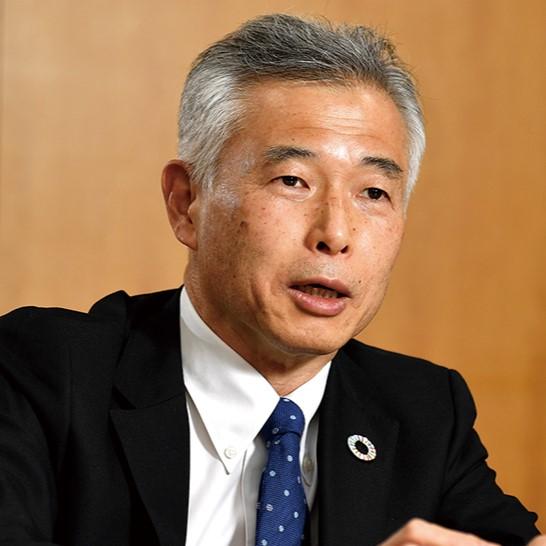
Tokutaro Nakai
Executive Advisor of Nippon Steel Corporation, Former Vice-Minister of the Environment, Representative Director of Millennium Sustainability Foundation
Born in 1962, he graduated from the University of Tokyo Faculty of Law in 1985 and entered the Ministry of Finance. After serving as First Secretary at the Embassy of Japan in the United Kingdom, Director of the Living Environment Department of Toyama Prefecture, Director of the Public Relations Office of the Ministry of Finance, Professor at the Institute of Medical Science, University of Tokyo, Planning Officer at the Financial Bureau, and Principal Accounting Officer at the Ministry of Finance, he joined the Ministry of the Environment in July 2011, after the Great East Japan Earthquake. After serving as Director of the Accounting Division, Director of the Secretarial Division, Director of the Waste Management and Recycling Department, and Director-General for Comprehensive Environmental Policy, he became Former Vice-Minister of the Environment in July 2020. He has been deeply committed to the regional recycling symbiosis zone concept, the 2050 carbon neutrality target, and the promotion of carbon pricing, and after retiring in July 2022, he became an Executive Advisor of Nippon Steel Corporation and Representative Director of Millennium Sustainability Foundation.
View Profile
Close
close
Speakers
© 2024 Noboru Ota
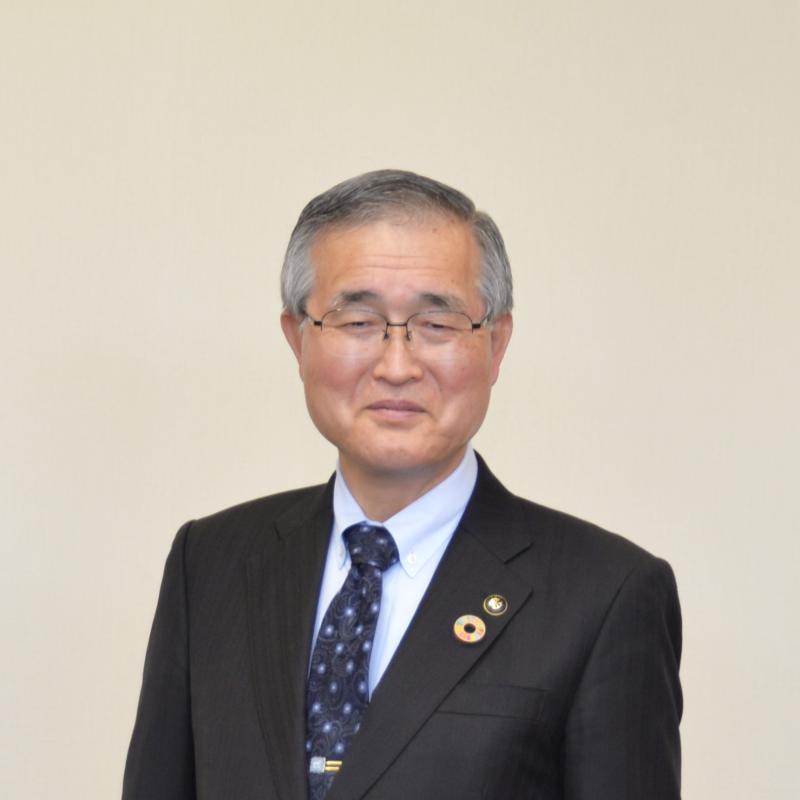
Noboru Ota
Mayor of Maniwa City, Okayama Prefecture
After graduating from the Law School at Kyoto University in March 1975, Noboru Ota joined Kyoto Prefecture in April of the same year, where he served as Manager of the Finance Division of the General Affairs Department, Director of Staff in the Governor’s office (Director of Human Resources Department), Director of the Governor's Office, and Director of the General Affairs Department, before becoming Deputy Governor of Kyoto Prefecture in 2010 In April 2013, Ota was appointed Mayor of Maniwa City and is currently serving his third term. Under the slogan of the SDGs, Ota is promoting regional revitalization for sustainable regional development, such as wood biomass power generation projects that utilize local resources.
View Profile
Close
close

Veena Sahajwalla
Scientia Professor, Centre for Sustainable Materials Research & Technology, The University of New South Wales
Professor Veena Sahajwalla is an internationally recognised materials scientist, engineer, and inventor revolutionising recycling science. She is renowned for pioneering the high temperature transformation of waste in the production of a new generation of ‘green materials’ at the UNSW Sustainable Materials Research and Technology (SMaRT) Centre, where she is Founding Director. Professor Veena is the inventor of polymer injection technology, known as green steel, an eco-friendly process for using recycled tyres in steel production. In 2018, Veena launched the world's first e-waste MICROfactorieTM and in 2019 she launched her plastics and Green Ceramics MICROfactoriesTM, a recycling technology breakthrough. Professor Veena is the director of the ARC Industrial Transformation Research Hub for ‘microrecycling’, a leading national research centre that works in collaboration with industry to ensure new recycling science is translated into real world environmental and economic benefits. Professor Veena has also been appointed hub leader of the national NESP Sustainable Communities and Waste Hub. In 2021, Professor Veena featured in the ABC’s Australian Story and she was named the 2022 NSW Australian of the Year in recognition of her work. Professor Veena was named the 2022 Australian Museum Eureka Prizes winner for the Celestino Eureka Prize for Promoting Understanding of Science and was also awarded the Australian Academy of Technology and Engineering (ATSE) Clunies Ross Innovation Award. In 2023, Professor Veena was awarded the Engineering Australia Chemical College Chemical Engineer Achievement Award and the Good Design 2023 Women in Design Award.
View Profile
Close
close
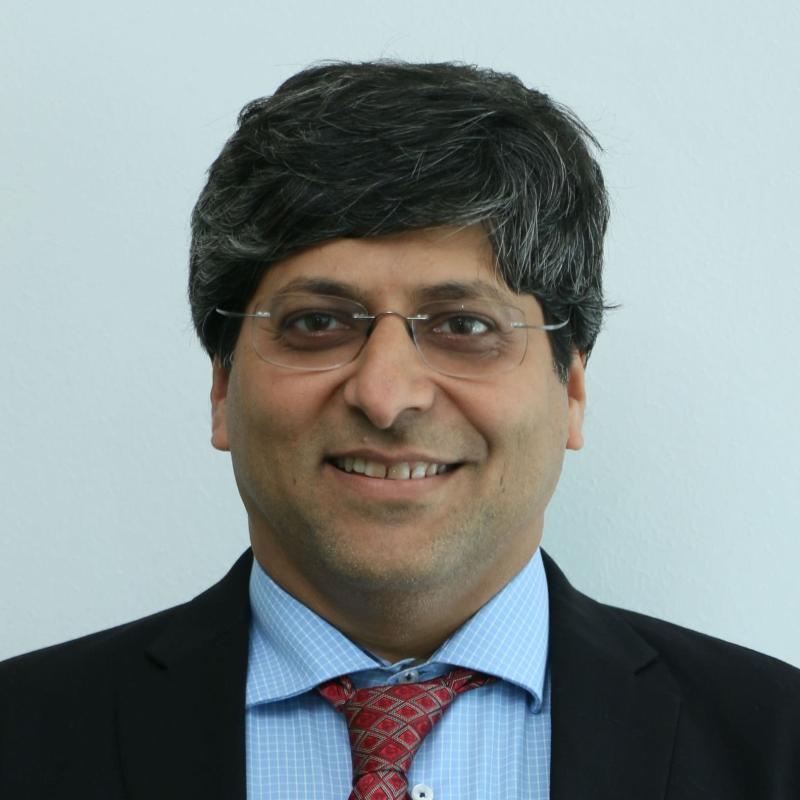
Rahul Bhasin
Managing Partner, Baring Private Equity Partners India Pvt. Ltd
Rahul Bhasin is the Managing Partner of Baring Private
Equity Partners India and a Senior Partner and Global
Board Member of Baring Private Equity Partners (BPEP)
International. Rahul is a member of the Investment
Committees and Advisory boards internationally
including for the Barings and ING group entities. He
was part of a group of three executive global board
members that led the MBO of Barings globally. He has
chaired the board of several listed and unlisted
companies in India and abroad. He has served as the
Chairman of Mphasis Limited and oversaw its
transformation from a loss-making start up to fast
growing profitable company. Introducing several
managerial, hygiene, productivity and growth drivers,
followed by a roll up strategy, the company now enjoys
a market cap in excess of $6 billion. He has been on
multiple government advisory bodies and forums.
Prior to Baring, Rahul managed propriety and
third-party capital and was part of the global Asset
Allocation Committee of at Citibank, overseeing a $83
billion portfolio. Besides his experience in the
developed markets, he has actively invested in the
emerging markets including Latin America, Eastern
Europe, Russia and Asia. He has also managed a
portfolio of derivative securities investing in the
developed markets. Rahul also had oversight of an 800+
strong IT department and oversaw a unit in charge of
all new business launches for Citigroup worldwide. He
was the youngest ever Independent Treasurer at
Citibank worldwide. Rahul is an MBA from the Indian
Institute of Management, Ahmedabad. He has been a
guest lecturer/visiting faculty at Harvard Business
School, Wharton, ISB, IIM Ahmedabad and Ashoka
University.
View Profile
Close
close
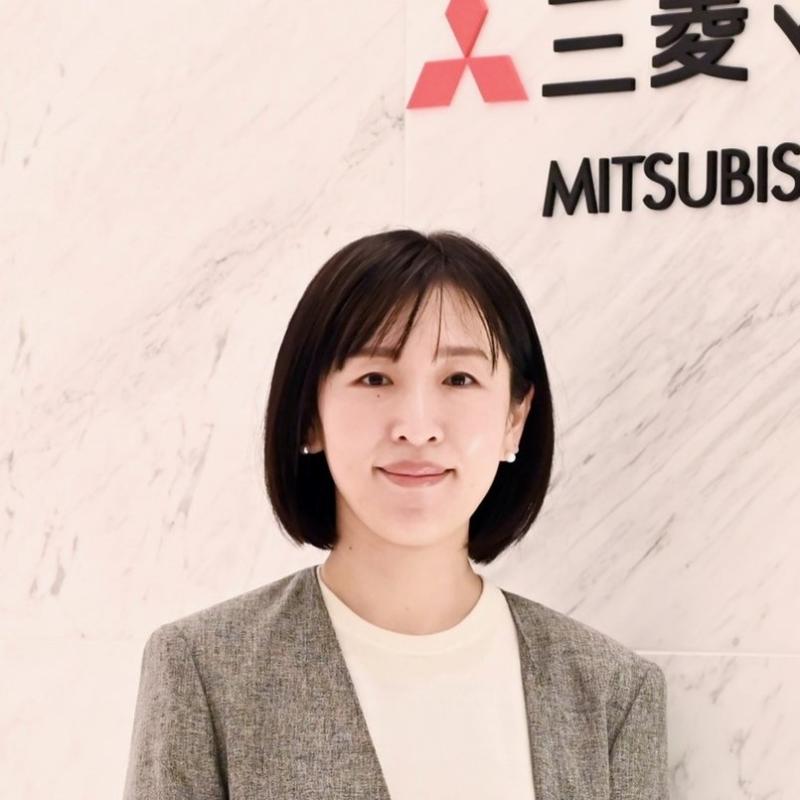
Saori Koga
General Manager MITSUBISHI MATERIALS CORPORATION, METALS COMPANY, Business Development Dept. Resource Circulation Div. Planning sect.
・Responsible for development and operation of
resource circulation business at Mitsubishi Materials
Corporation(MMC) with its vision of “Circulation
Resources"
・Brand manager of “REMINE”, MMC's recycled
metals brand
・Professional Engineer(Resources Recycle &
Environmental Security)
・Member of Gender Equality Committee of The
Institution of Professional Engineers, Japan
View Profile
Close
close
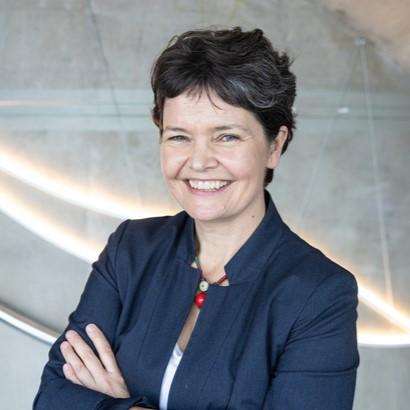
©Johannes Frandsen
Kate Raworth
Doughnut Economics Action Lab | Co-Founder & Author
Kate Raworth is an ecological economist and creator of the Doughnut - a concept that aims to meet the needs of all people within the means of the living planet - and co-founder of Doughnut Economics Action Lab. Her internationally best-selling book Doughnut Economics: seven ways to think like a 21st century economist has been translated into over 20 languages and has been widely influential with diverse audiences, from the UN General Assembly and Pope Francis to Extinction Rebellion. Kate is a Senior Teaching Fellow at Oxford University’s Environmental Change Institute and Professor of Practice at Amsterdam University of Applied Sciences. Over the past 30 years, Kate’s career has taken her from working with micro-entrepreneurs in the villages of Zanzibar to co-authoring the Human Development Report for UNDP in New York, followed by a decade as Senior Researcher at Oxfam. She holds a first-class BA in Politics, Philosophy and Economics, and MSc in Economics for Development, both from Oxford University and has honorary doctorates from the University of York, University College Dublin, KU Leuven, and Business School Lausanne.
View Profile
Close
close
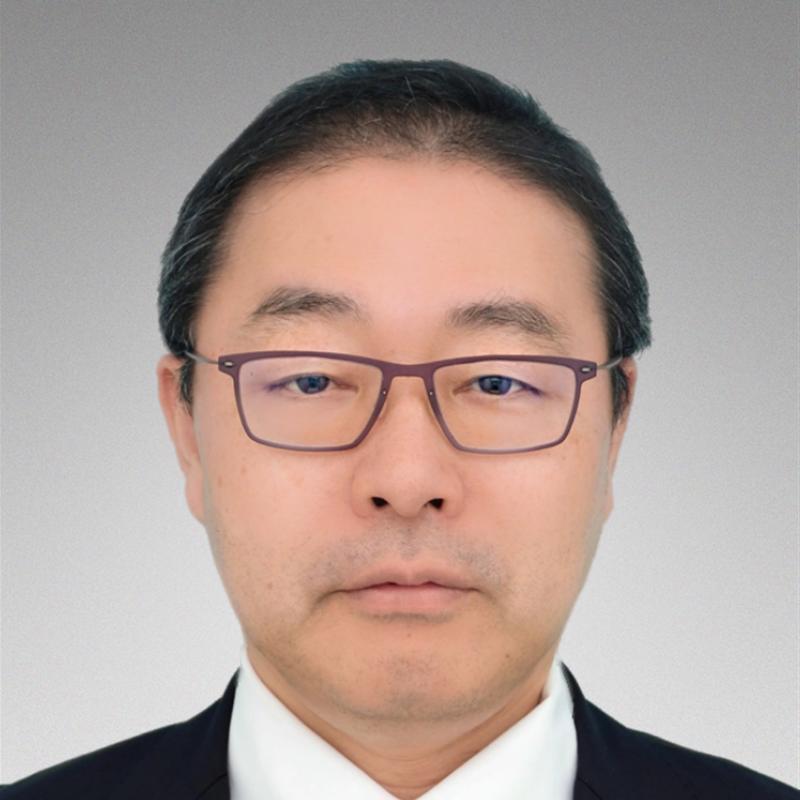
Hisashi Hatomoto
Director of the Budget and Accounts Division, Minister's Secretariat of the Ministry of the Environment
After graduating from the Faculty of Law at the University of Tokyo in 1996, he joined the Ministry of Finance. After studying abroad at the University of Chicago (Graduate School of Public Policy), he was involved in budget examination and tax reform. From 2016 to 2019 (during the first Trump administration), he worked as Counselor (Finance) at the Embassy of Japan in the United States. After returning to Japan, he was in charge of the Ministry of Agriculture, Forestry and Fisheries' budget as Budget Examiner in the Budget Bureau at the Ministry of Finance. In 2021, he was appointed Director of the Environmental Economics Division, Minister's Secretariat of the Ministry of the Environment. He led the carbon pricing and ESG finance, which are measures to achieve the reduction of carbon emission through economic approaches. Since 2023, as Director of the Policy and Coordination Division of the Environmental Regeneration and Material Cycles Bureau of the Ministry of the Environment, he promoted efforts toward the transition to a circular economy, which is positioned as a national strategy. Appointed as Director of the Budget and Accounts Division, Minister's Secretariat in July 2025, responsible for the overall budgeting of the Ministry of the Environment.
View Profile
Close
close
The Future of Earth and Biodiversity Week
Achieving a circular economy
The programme, together with the General Sponsors, explores: 'Is it possible to pursue a prosperous future by the concept of a "circular economy" as a means to balance the economy, well-being, and sustainability?'
-
2025.09.19[Fri]
13:30~15:30
(Venue Open 13:00)
- Theme Weeks Studio
OTHER PROGRAM
The Future of Earth and Biodiversity Week