The Future of Earth and Biodiversity Week
OUR FOREST, A UNIVERSAL ENGINE THAT SAVES LIVES
Gabonese Republic
What are we doing to preserve the Earth for future
generations with abundant and diverse lives:
Women’s voices and actions for Biodiversity: Perspectives
from the Global South toward a Sustainable Future
As part of the theme week of Expo 2025 (Osaka, Japan)
dedicated to the future of the Earth and biodiversity, Gabon
is organizing a multi-stakeholder dialogue in the form of a
roundtable on the crucial role of women in biodiversity
conservation and enhancement.
Women play a central role in the daily management of natural
resources, the transmission of environmental knowledge, and
the restoration of ecosystems, particularly in the Congo
Basin. Yet, their traditional knowledge remains poorly
recognized in public policies, and they are
disproportionately affected by environmental changes, due to
their heavy dependence on local resources.
In light of these observations, Gabon is initiating a
multi-actor dialogue to highlight women’s contribution to
biodiversity conservation. This event aims to showcase
initiatives led by women and emphasize their participation
in environmental decision-making processes, particularly in
countries of the Global South. The dialogue will bring
together institutional representatives and grassroots women
leaders for a constructive exchange on policies and actions
that promote gender integration in the sustainable
management of natural resources.
Recorded video available
Discussion
- Climate change
- Biodiversity
- Woodland regeneration
| Transmission of simultaneous interpretation | Provided |
|---|---|
| Language of interpretation | Japanese and English |
-

Track Programme
-
Time and
Date of
the event -
-
2025.09.23[Tue]
18:00 ~ 20:30
(Venue Open 17:30)
-
- Venue
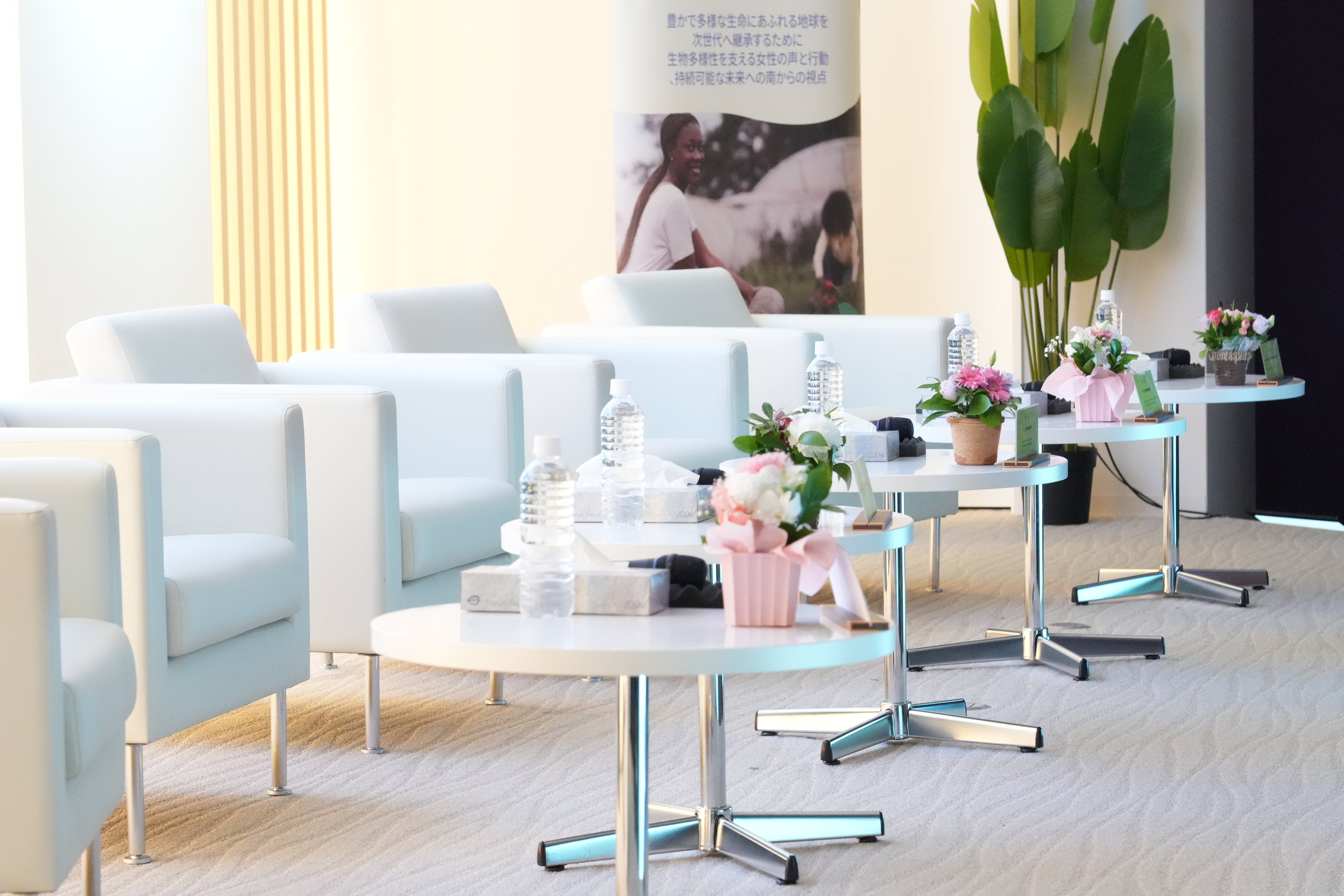
- Theme Weeks Studio
Programme details
*Subtitles: Choose “Subtitles/CC” in the “Settings” (gear
icon) at the bottom right of the YouTube video.
*Subtitles may not show with multiple languages or overlapping
audio.
【Issues】
• Underrepresentation in decision-making bodies (less than 15%
in leadership positions)
• Limited access to land (less than 20% of landowners in
Sub-Saharan Africa)
• Weak recognition of traditional knowledge and
disproportionate impacts of environmental changes
【Objectives】
General Objectives:
Identify concrete levers of action to strengthen women’s
participation in environmental decision-making processes.
Specific objectives:
• Analysis of obstacles and opportunities
• Experience sharing
• Formulation of recommandations
• Creation of Synergies
【Agenda】
18:00:Start of the Roundtable
18:05 – 18:10 (5 min)
Welcome Address by Ms. Nina ABOUNA, Commissioner General for
Gabonese Expositions
18:10 – 18:15 (5 min)
Screening of images and videos
18:15 – 18:45 (30 min)
Interventions by institutional panelists
Moderator:Dr. Aurélie Flore KOUMBA PAMBO, Ambassador-at-Large
of Gabon for Climate, Environment, and Sustainable
Development, Co-Facilitator of the Republic of Gabon in the
Congo Basin Forest Partnership (CBFP) (10 min)
Speakers:Prof. Alfred NGOMANDA, Commissioner General of the
National Center for Scientific and Technological Research of
Gabon (CENAREST) (10 min)
-Prof. Yuji TAKENOSHITA, Researcher at Okayama University of
Science, Japan (10 min)
Contributors:
-Prof. Henry Paul BOUROBOU B, Ethnobotanist (10 min)
-Carla Louise MOUSSET MOUMBOLOU, Scientific Coordinator, ANPN
(10 min)
18:45 – 19:15 (30 min)
Interventions by civil society panelists / Field testimonies
and experience sharing:
-Ms. Cécile NDJEBET (Congo Basin Regional Network) (10 min)
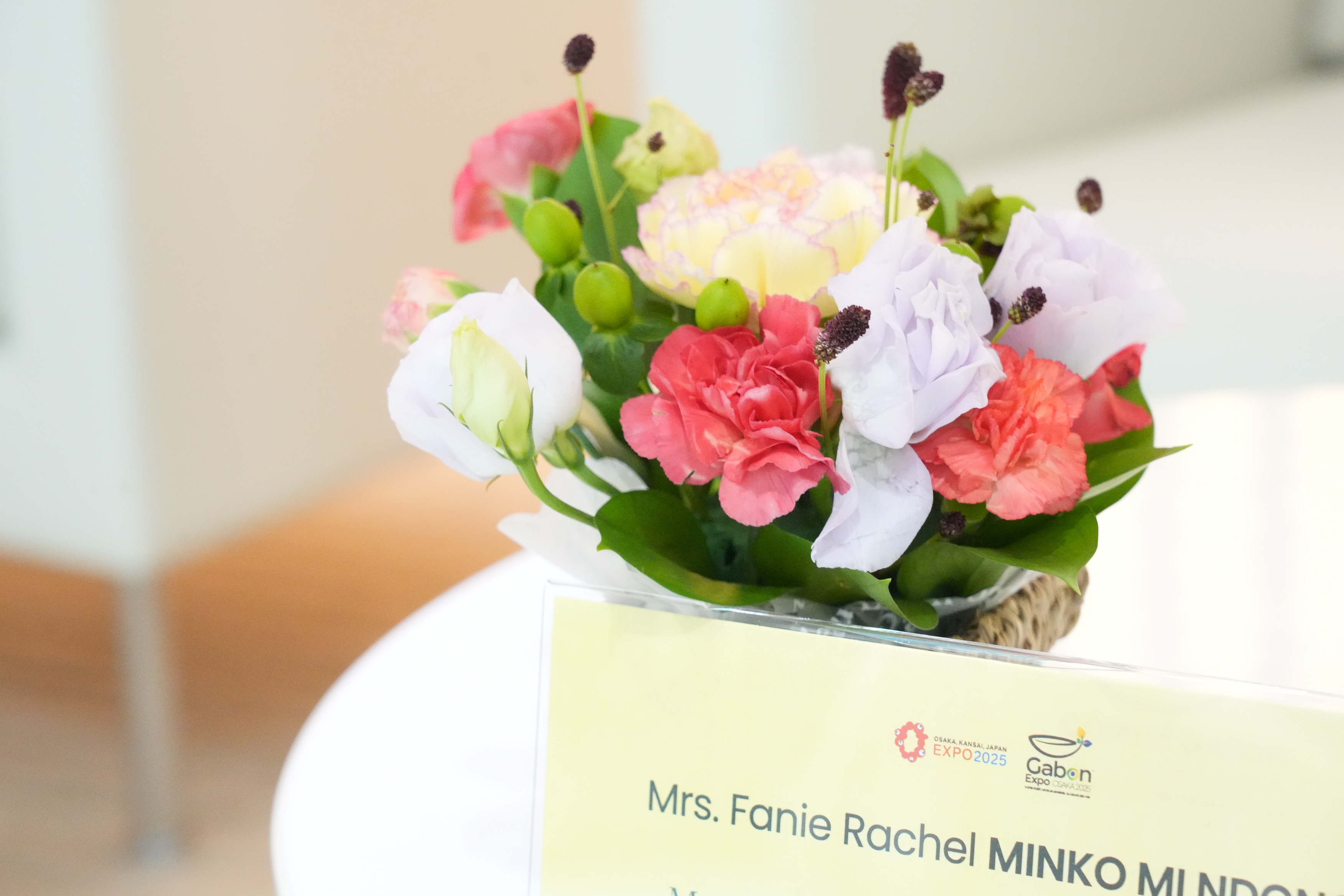
-Ms. Fanie Rachel MINKO MI NDONG (Representative, Gabon) (10
min)
19:15 – 19:35 (20 min)
Discussions and exchanges
19:35 – 19:55 (20 min)
Formulation of joint recommendations (10 min)
Conclusion (10 min)
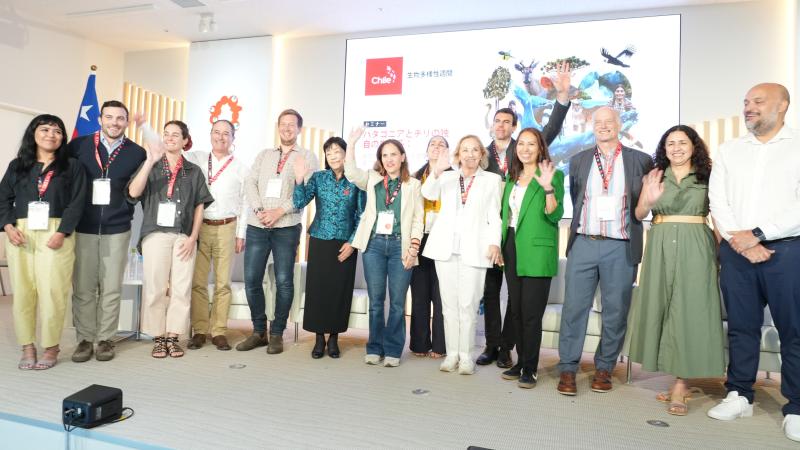
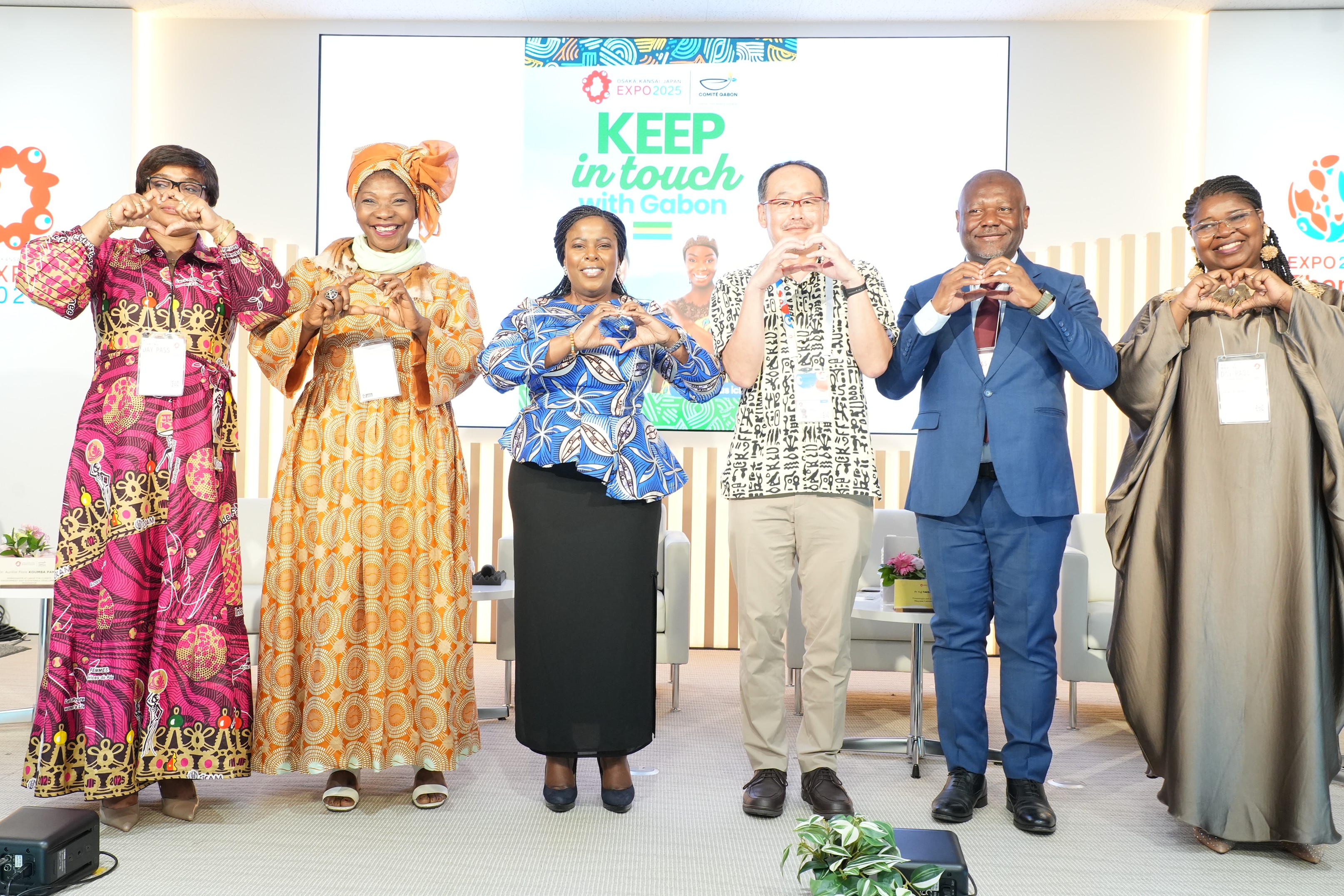
19:55
Group photo
20:00 – 20:50 (50 min)
Visit to the Gabon Pavilion and tasting of Made and Created in
Gabon products
Reports
【Reflection】
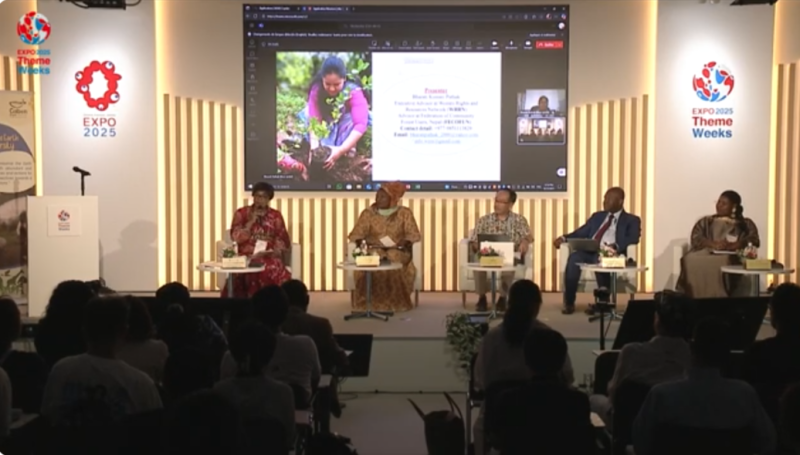
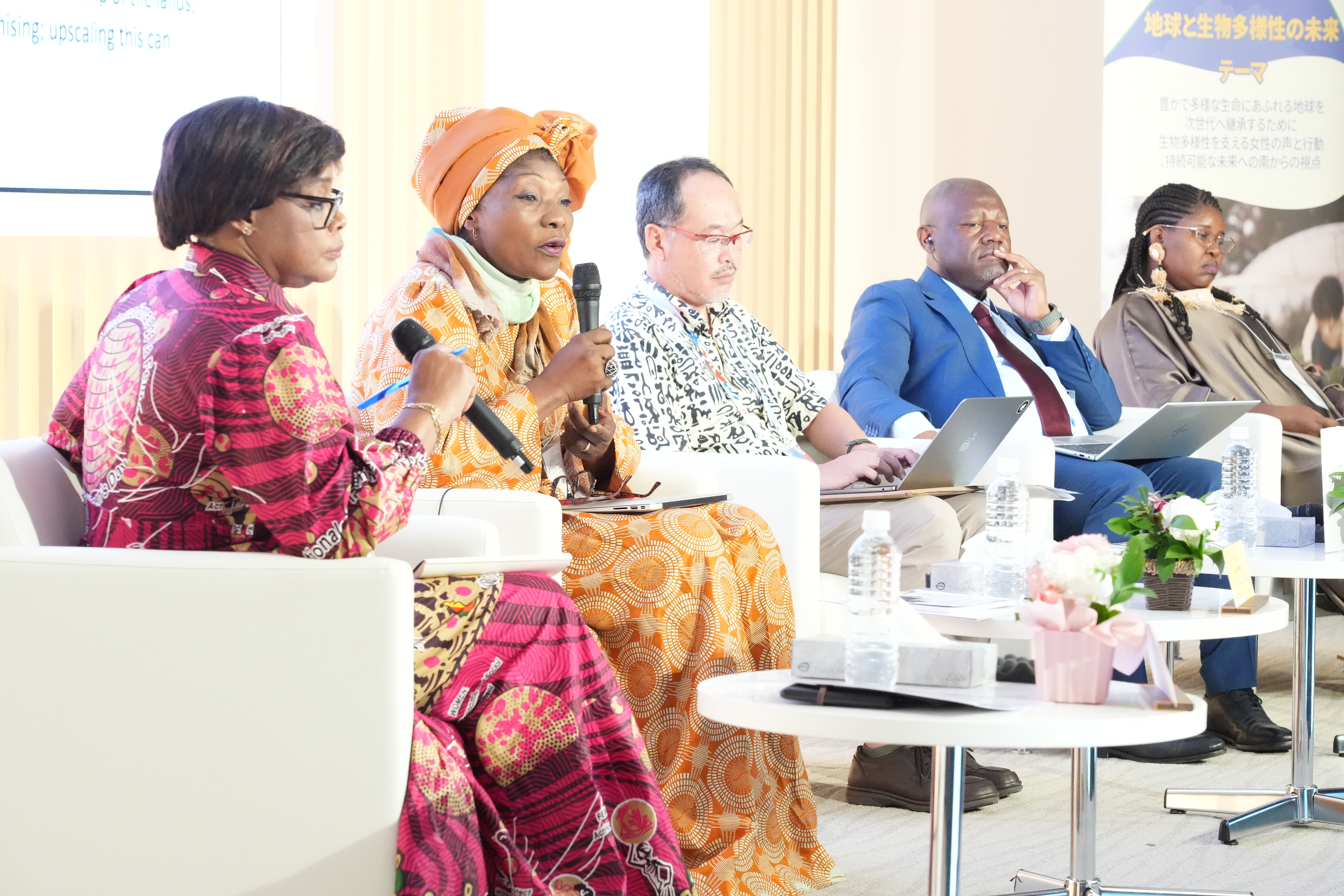
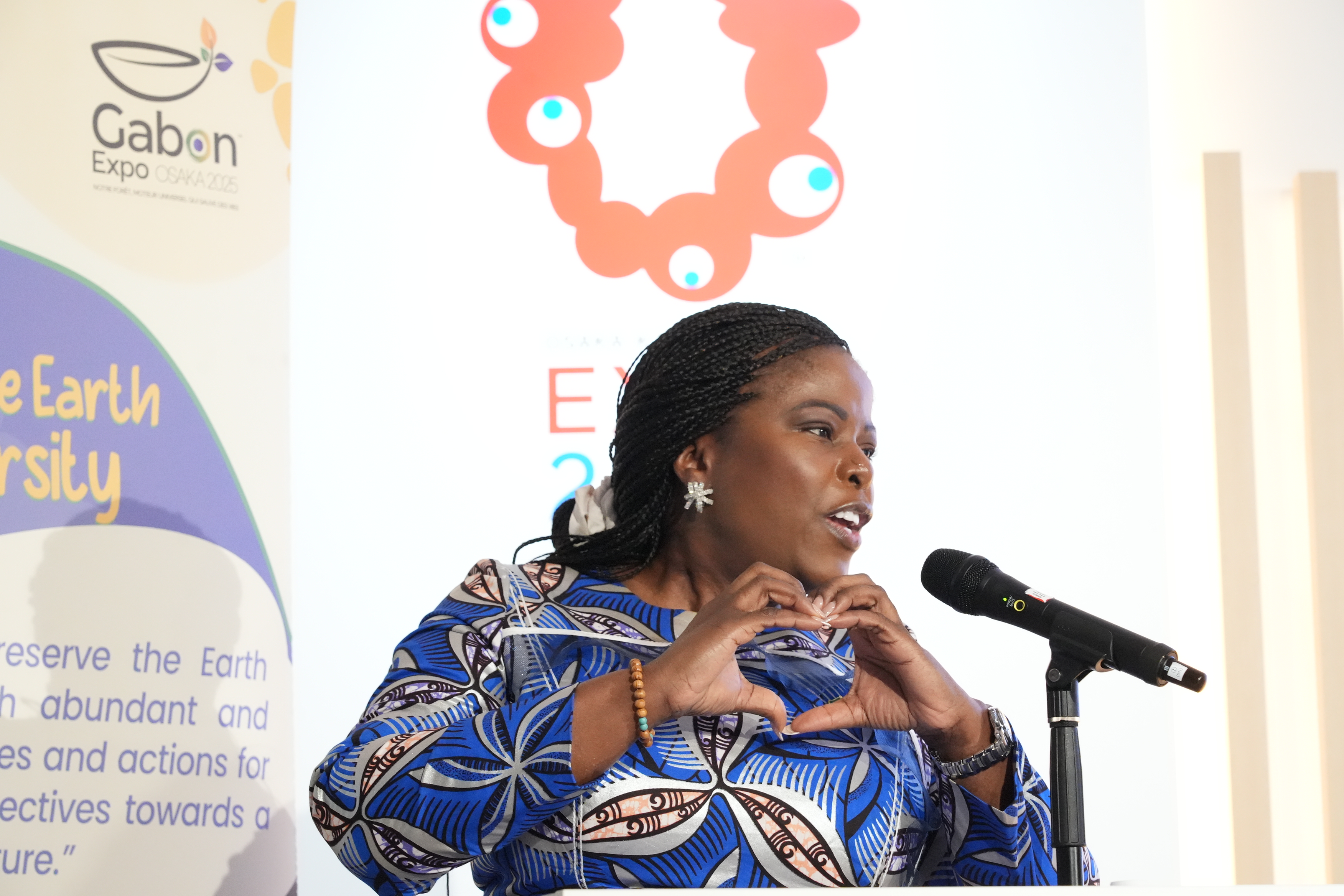
As part of Expo 2025 (Osaka, Japan), during the theme week
dedicated to the future of the Earth and biodiversity, Gabon
hosted a roundtable titled “Women’s Voices and Actions for
Biodiversity: Perspectives from the South Toward a Sustainable
Future.” This innovative initiative placed women at the center
of the conversation on biodiversity conservation.
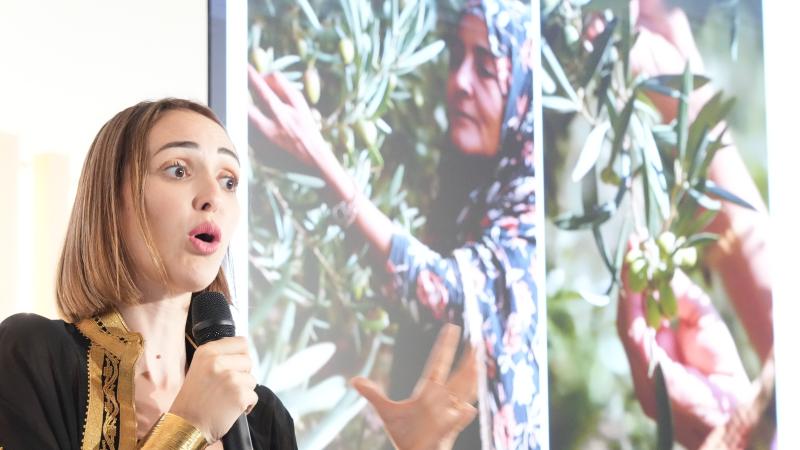
Following opening remarks by Gabon’s General Commissioner to
Exhibitions, the session unfolded through scientific
presentations, community testimonials, and an interactive
dialogue. This progression - from policy to practice - offered
a cohesive narrative that engaged diverse stakeholders from
Gabon, Cameroon, Japan, and Nepal. The composition of the
panel balanced between academic expertise and field
experience, strengthening dialogue between scientific research
and traditional knowledge systems. Co-constructed research
protocols emerged as a key mechanism for bridging
institutional science with community practices. The discussion
also emphasized the integration of ancestral knowledge with
modern conservation techniques, the transmission of ecological
knowledge across generations, and the institutional commitment
to gender-inclusive science - demonstrating that inclusive
approaches strengthen environmental governance.
The program addressed systemic challenges: women’s exclusion
from decision-making despite their central role as forest
stewards, the undervaluation of traditional ecological
knowledge, and limited access to conservation financing. These
issues reflect the lived realities of women conservationists
across the Congo Basin.
The interactive phase ensured broad participation, rather than
simply disseminating information from the top down, allowing
attendees to share experiences and shape recommendations along
with panelists. These were synthesized into three strategic
priorities:
1. Access to financing,
2. Capacity building and leadership and
3. Conservation and valorization of knowledge.
The Gabonese initiative succeeded in creating a space for
authentic dialogue while maintaining institutional
credibility. By combining scientific validation, community
insight, and political relevance, it advanced persuasive
arguments for transforming conservation practices. It
reaffirmed that inclusive conservation is not only a moral
imperative - it is a practical necessity. Women are not just
beneficiaries; they are central to the solution.
【Post EXPO Initiatives】
Building on the momentum of the multi-actor dialogue held
during Expo 2025 in Osaka, Gabon is committed to transforming
the insights and recommendations into tangible, inclusive
action. The post-Expo initiative will be structured around
three strategic pillars: access to resources, capacity
building, and the recognition of traditional knowledge.
1. Expanding access to financing to improve women’s access to
environmental funding mechanisms, particularly those
supporting biodiversity conservation. Partnerships with
regional institutions and international donors will be
strengthened to channel support toward community-led
initiatives directed by women.
2. Strengthening capacities and leadership, with a dedicated
training program has to be launched to ensure that women get
technical, strategic, and diplomatic skills in environmental
governance. The objective is to amplify their voices in
decision-making spaces and strengthen their role as custodians
of biodiversity and agents of change.
3. Preserving and integrating traditional ecological
knowledge, by implementing a comprehensive framework to
promote documentation and integration of women’s traditional
knowledge into public policy. Intergenerational platforms
could be created to ensure the transmission and visibility of
these practices, in collaboration with scientific institutions
and local communities.
This roadmap reflects the broader vision toward inclusive and
resilient environmental governance where women are not only
consulted but fully empowered as strategic actors. By
recognizing their expertise and leadership, this initiative
seeks to build a more sustainable and equitable future for
all.
Cast
Moderator
Aurélie Flore Koumba Pambo
Roving embassador for Climate, Environment, and Sustainable Development Co-Facilitator of the Congo Basin Forest Partnership (CBFP) on behalf of the Gabonese Republic
Aurélie Flore Koumba Pambo holds a PhD in plant
biology, with a specialization in cellular and
molecular physiology, as well as certifications in
biosafety and plant variety protection. After
completing postdoctoral research in France, she became
a researcher at the National Center for Scientific and
Technological Research of Gabon, and later served as
Scientific Advisor to the National Agency for National
Parks of Gabon.
A member of the National Committee on multilateral
environmental agreements, she is an expert in
international instruments such as the CBD, CITES, ABS,
and CMS. In 2019, she became the first African
national to be elected Chair of the CITES Plants
Committee. Since 2021, she has held diplomatic
responsibilities related to climate, environment, and
sustainable development, and in 2023 she was appointed
Co-Facilitator of the Congo Basin Forest Partnership.
View Profile
Close
close
Speakers
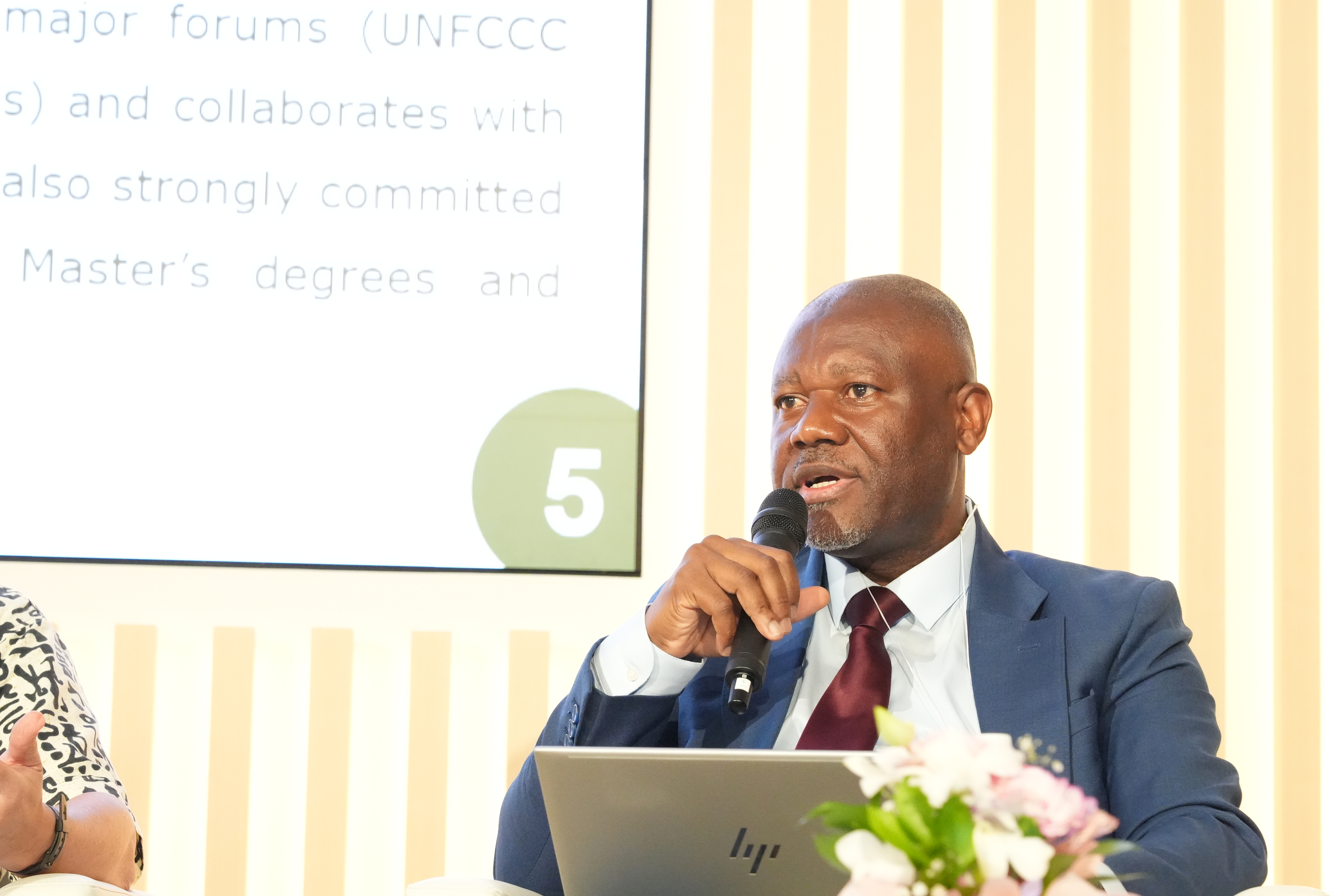
Alfred NGOMANDA
General Commissioner of the National Center for Scientific and Technological Research (CENAREST)
Professor Alfred NGOMANDA is a Gabonese ecologist and
researcher, specialized in tropical forests, climate,
and biodiversity. He holds a PhD in Environmental
Sciences and has devoted his career to studying forest
dynamics in the Congo Basin, carbon sequestration, and
nature-based solutions.
Former Director of the Institute for Research in
Tropical Ecology (IRET), he is currently the General
Commissioner of the National Center for Scientific and
Technological Research (CENAREST), the national
institution that coordinates research institutes and
guides Gabon’s scientific strategy.
He played a key role in the international
certification of Gabon’s carbon credits, establishing
the country as a global leader in carbon neutrality
through the net absorption of about 100 million tons
of CO₂ per year. His work has strengthened the
scientific credibility of Gabon’s climate and forest
policies.
Internationally recognized, he actively participates
in major forums (UNFCCC COP, Kunming-Montreal GBF,
Congo Basin Science Panels) and collaborates with
numerous partners (NASA, JICA-JST, ITTO, CBSI). He is
also strongly committed to training young researchers
and developing new Master’s degrees and innovative
research programs.
View Profile
Close
close
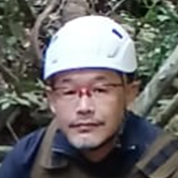
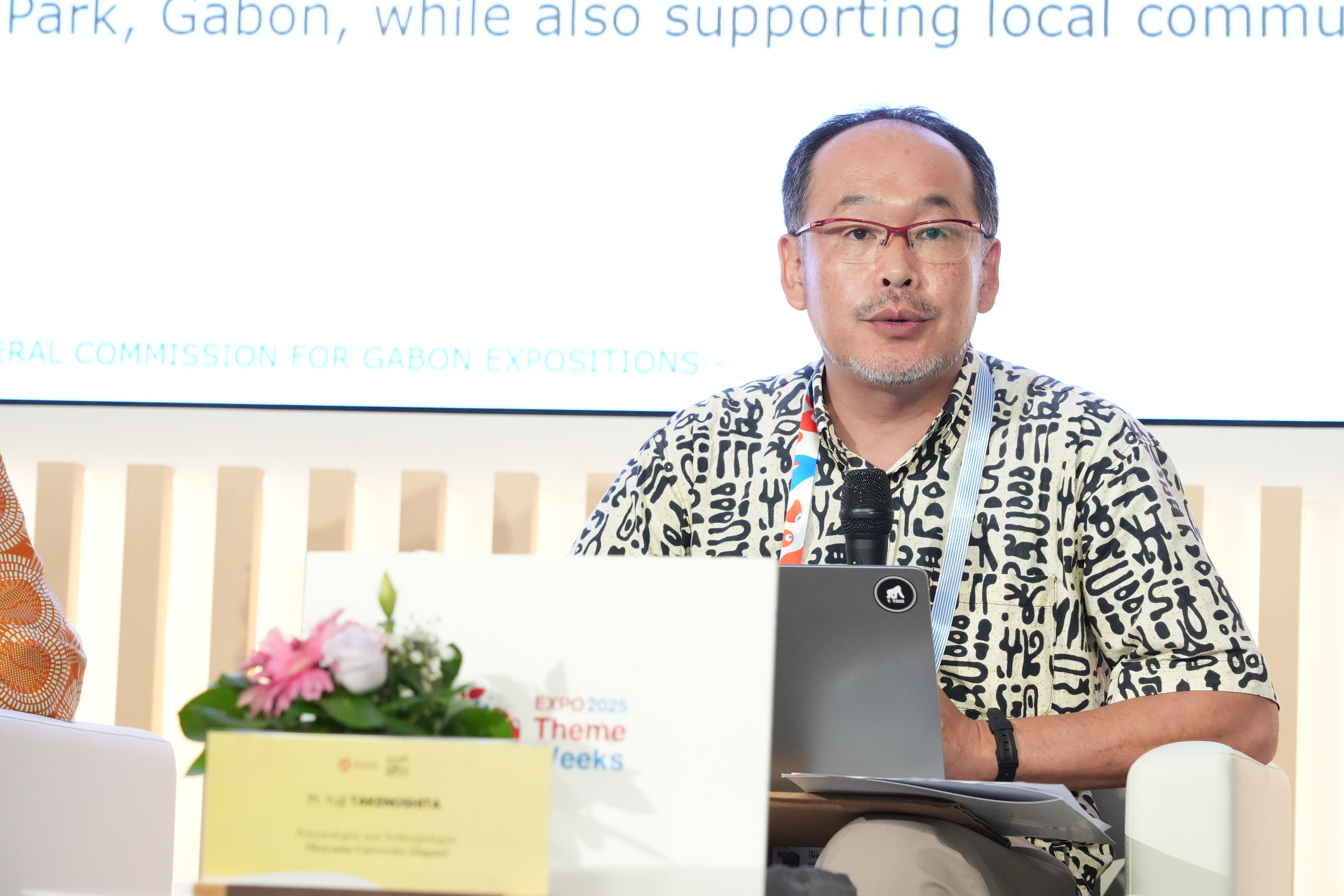
Yuji TAKENOSHITA
Okayama Professor, University of Science Faculty of Science Department of Zoology
I am Pr. Yuji TAKENOSHITA, from Japan. Researcher at Okayama University of Science, Department of Zoology. I hold a Doctorate in Biological Sciences at the Graduate School of Sciences of Kyoto University, Japan and my field research was at Loango National Park, Gabon. I am the first Japanese researcher who visited Moukalaba Doudou National Park in 1999. Until Now, I continue to conduct my research on gorillas at Moukalaba.
View Profile
Close
close
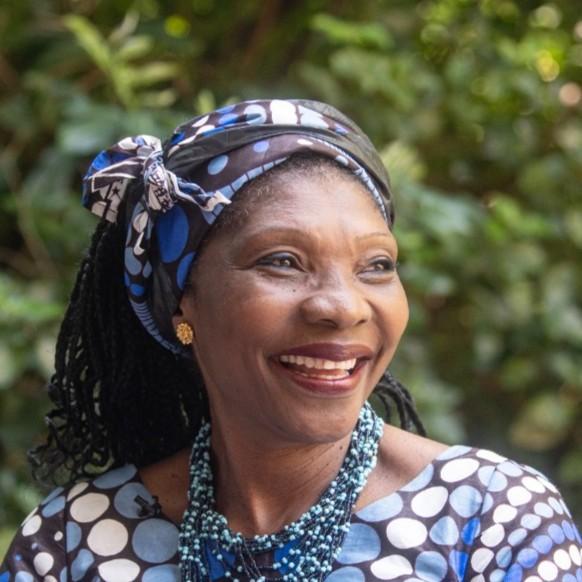
Cécile Bibiane Ndjebet
Regional Network of the Congo Basin
Cécile Bibiane Ndjebet is an agronomist and social
forester from rural Cameroon who specializes in
women’s leadership with a PhD on “Gender relations,
access to land, and women’s socioeconomic status in
the rural littoral in Cameroon”. With more than 33
years of advocacy, Cécile extensive experience
includes work that addresses gender’s intersection
with land tenure, conservation, climate change, and
reducing emissions from deforestation and forest
degradation in developing countries (REDD+).
She was recently named a Champion of the Earth for
Inspiration and Action by the United Nations
Environment Programme following three decades of
advocacy for women’s land rights in Africa. Cameroon
Ecology, an organization she co-founded in 2001, has
restored over 800 hectares of degraded land and
mangrove forest.
In 2009, she founded the African Women’s Network for
Community Management of Forests (REFACOF), which
encourages the representation of women’s interests in
environmental policies across 20 African countries.
Wangari Maathai Forests Champion 2022, Cécile was
elected Climate Change Champion of the Central African
Commission on Forests in 2012 and served as a member
of the advisory board of the UN Decade on Ecosystem
Restoration.
In 2023 Cécile was the co-winner of The Gulbenkian
Prize for Humanity and named Ramsar 2024 Women
Changemakers in the World of Wetlands. In March this
year, Cécile was awarded the prestigious KEW
International Medal by the UK Royal Society.
Cécile serves as a member of a good number of networks
and professional societies at national, regional and
global levels.
View Profile
Close
close
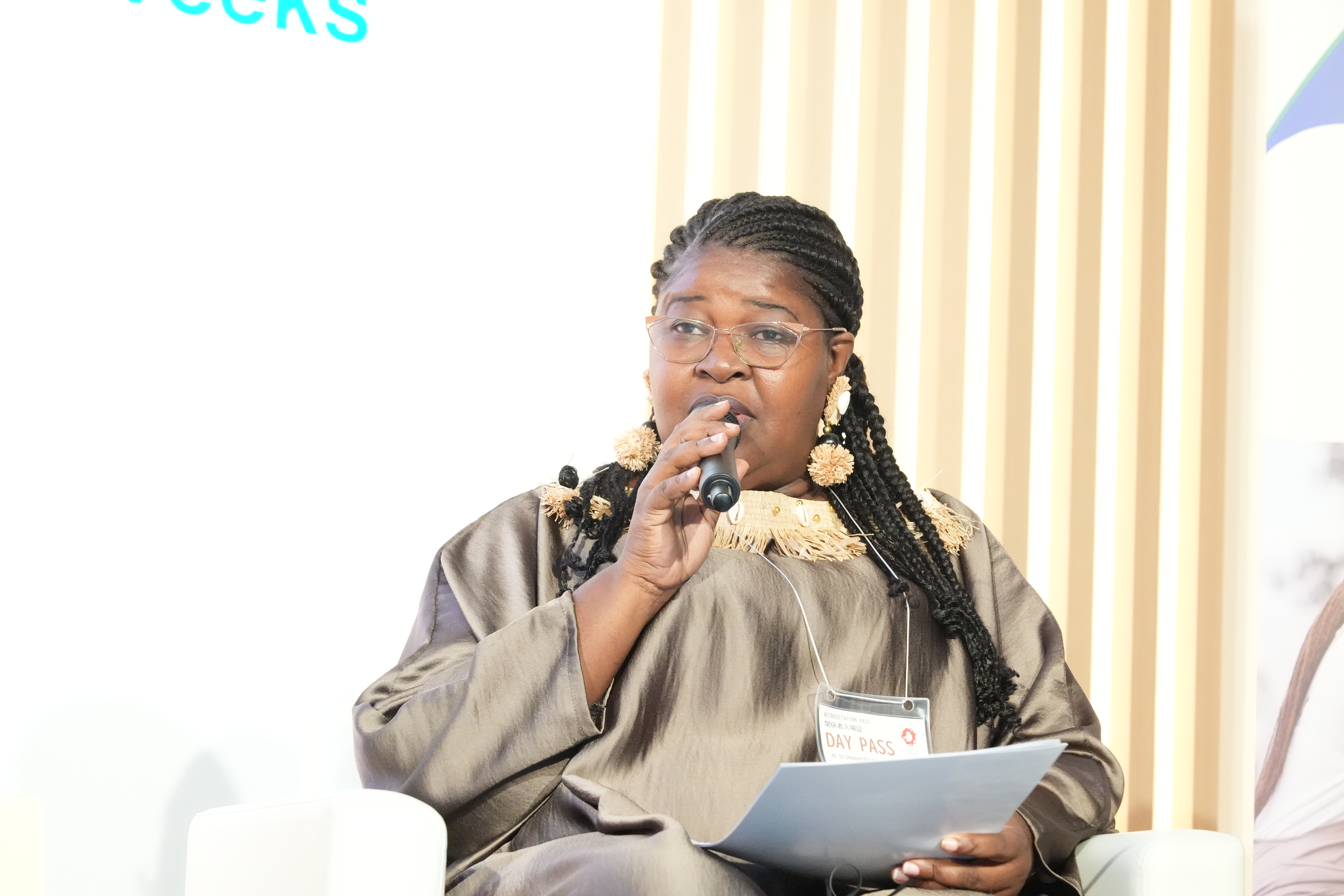
Bharati Pathak
Representative of Local Communities, FECOFUN Member of the GSC, Nepal
Bharati Pathak is a member of the Global Steering Committee of the Dedicated Grant Mechanism (DGM) for Nepal, Chairperson of the Federation of Community Forestry Users Nepal (FECOFUN), and focal point for FECOFUN’s Gender Policy and Advocacy Program. She holds a Master’s degree in Rural Development and a Bachelor’s degree in Humanities. For decades, she has worked to advance women’s rights and community rights over natural resources, as well as conservation. Bharati has also served as chairperson of ASHMITA Nepal, a Nepali NGO dedicated to the rights and empowerment of rural women.
View Profile
Close
close
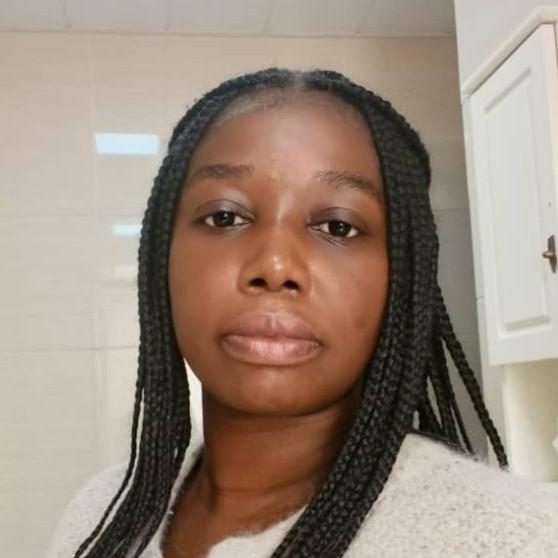
CARLA LOUISE MOUSSET MOUMBOLOU
Conservation biologist
Carla Louise MOUSSET MOUMBOLOU is a Gabonese conservation biologist and biodiversity expert with more than ten years of experience in protecting wildlife and ecosystems in Central Africa. She currently serves as Scientific Coordinator and national focal point for the Convention on International Trade in Endangered Species of Wild Fauna and Flora (CITES) and the Nagoya Protocol at the National Agency for National Parks (ANPN), where she plays a key role in defining research priorities and supporting the implementation of international environmental agreements.
View Profile
Close
close
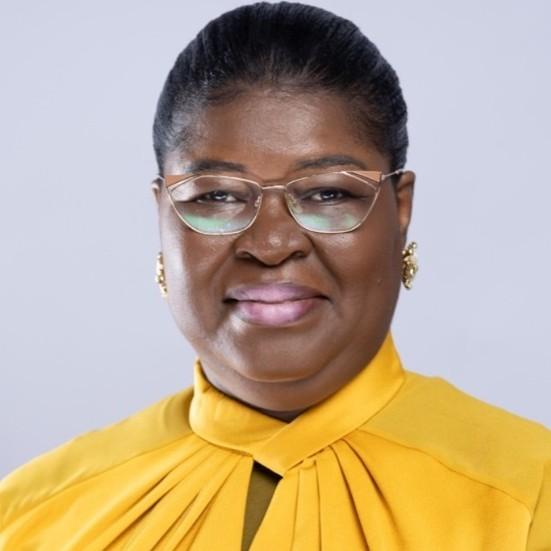
Fanie Rachel Minko Mi Ndong
Organizer in 2024 the First International Days of Cosmétopée
Fanie Rachel Minko Mi Ndong, born in 1978 in Libreville, Gabon, has devoted her career to rural development and innovation. After joining Dysolab at the University of Rouen Normandy in 2012, she co-founded the Association for the Development of Nyonié, representing villagers in negotiations over a resort project. As secretary-general of the Komo Agro-Pastoral Cooperative, she helped launch a lemongrass plantation that inspired the Higher Christian Institute of Agronomy and Rural Engineering (ISCA-IR). She later drove the creation of the Gabon Cosmetic Cluster and, in 2024, organised the First International Days of Cosmétopée, advancing sustainable growth in Gabon.
View Profile
Close
close
The Future of Earth and Biodiversity Week
OUR FOREST, A UNIVERSAL ENGINE THAT SAVES LIVES
What are we doing to preserve the Earth for future generations
with abundant and diverse lives:
Women’s voices and actions for Biodiversity: Perspectives from
the Global South toward a Sustainable Future
As part of the theme week of Expo 2025 (Osaka, Japan)
dedicated to the future of the Earth and biodiversity, Gabon
is organizing a multi-stakeholder dialogue in the form of a
roundtable on the crucial role of women in biodiversity
conservation and enhancement.
Women play a central role in the daily management of natural
resources, the transmission of environmental knowledge, and
the restoration of ecosystems, particularly in the Congo
Basin. Yet, their traditional knowledge remains poorly
recognized in public policies, and they are disproportionately
affected by environmental changes, due to their heavy
dependence on local resources.
In light of these observations, Gabon is initiating a
multi-actor dialogue to highlight women’s contribution to
biodiversity conservation. This event aims to showcase
initiatives led by women and emphasize their participation in
environmental decision-making processes, particularly in
countries of the Global South. The dialogue will bring
together institutional representatives and grassroots women
leaders for a constructive exchange on policies and actions
that promote gender integration in the sustainable management
of natural resources.
-
2025.09.23[Tue]
18:00~20:30
(Venue Open 17:30)
- Theme Weeks Studio
OTHER PROGRAM
The Future of Earth and Biodiversity Week