The Future of Earth and Biodiversity Week
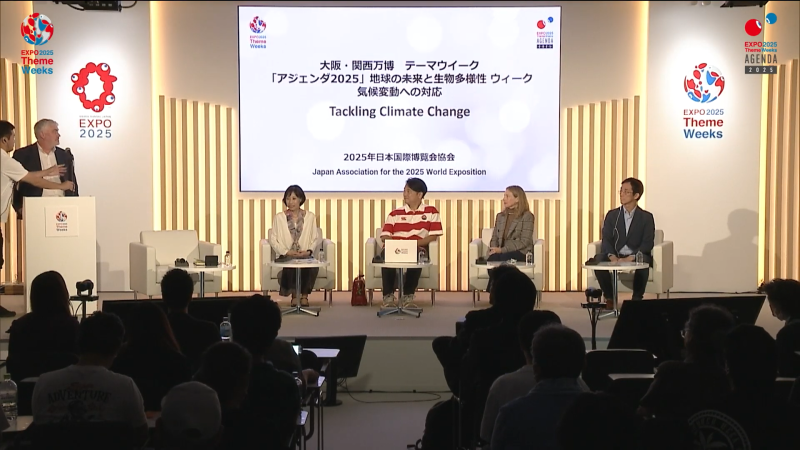
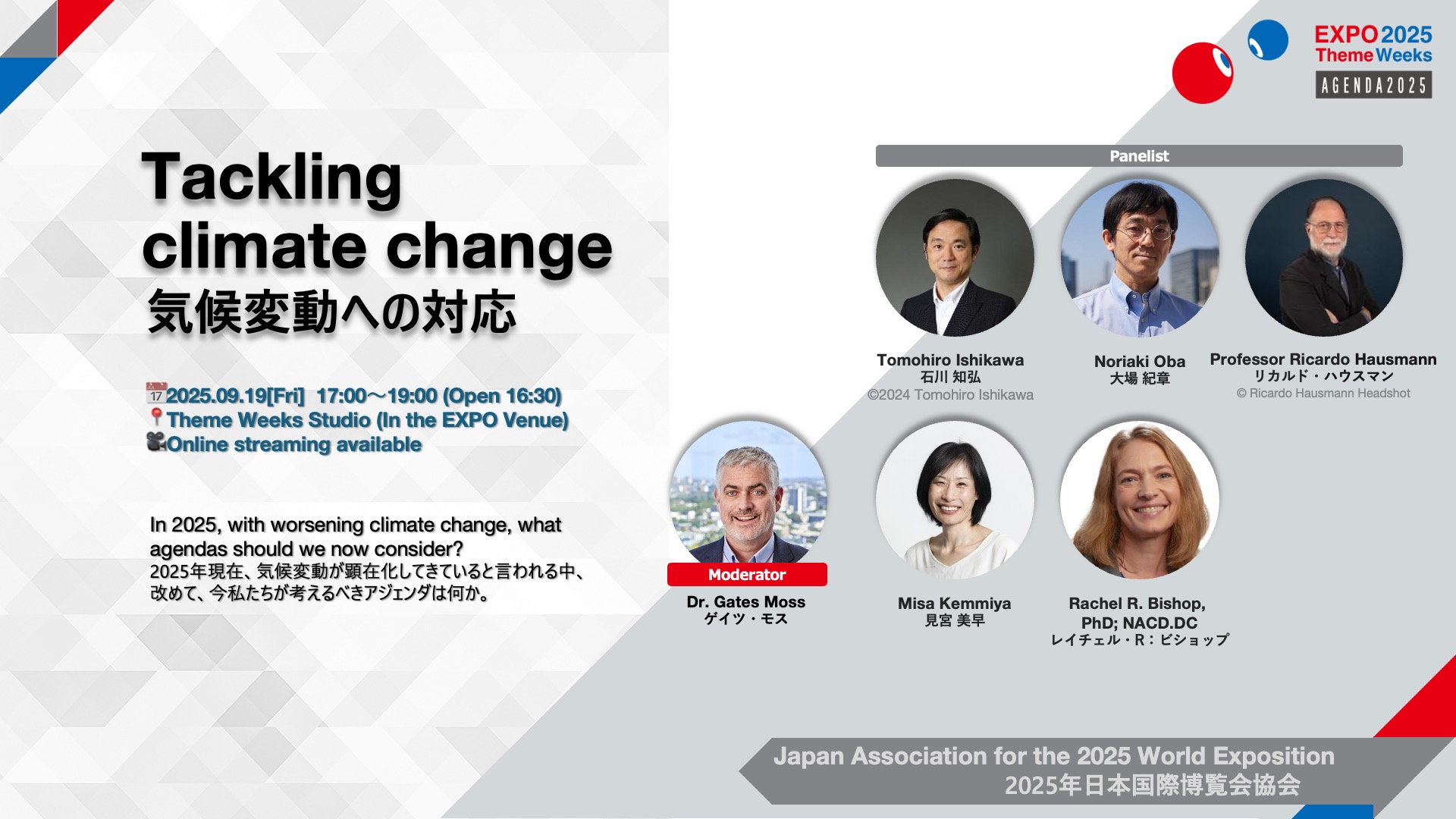
Tackling climate change
Japan Association for the 2025 World Exposition
The programme, together with the General Sponsors, explores: 'In 2025, with worsening climate change, what agendas should we now consider?'
Recorded video available
Discussion
- Others
| Transmission of simultaneous interpretation | Provided |
|---|---|
| Language of interpretation | Japanese and English |
-

Agenda2025
Organised Programme
-
Time and
Date of
the event -
-
2025.09.19[Fri]
17:00 ~ 19:00
(Venue Open 16:30)
-
- Venue
- Theme Weeks Studio
Programme details
*Subtitles: Choose “Subtitles/CC” in the “Settings” (gear
icon) at the bottom right of the YouTube video.
*Subtitles may not show with multiple languages or overlapping
audio.
Climate change is creating an accelerating challenge for the
future of the earth and biodiversity. Actions to tackle
climate change must also accelerate to address this
challenge. This session will discuss the complexity and
difficulty of tackling climate change. However, it will also
point to new and potentially powerful solutions that come from
leveraging our natural and economic systems. This session
will highlight the use of nature and technology in tackling
climate change and the synergies and tradeoffs that come from
development. It will also touch on the complexity of the
economics of the energy transition and the need for global
financial collaboration, business innovation, and the need for
products to allow consumers to take action.
Reports
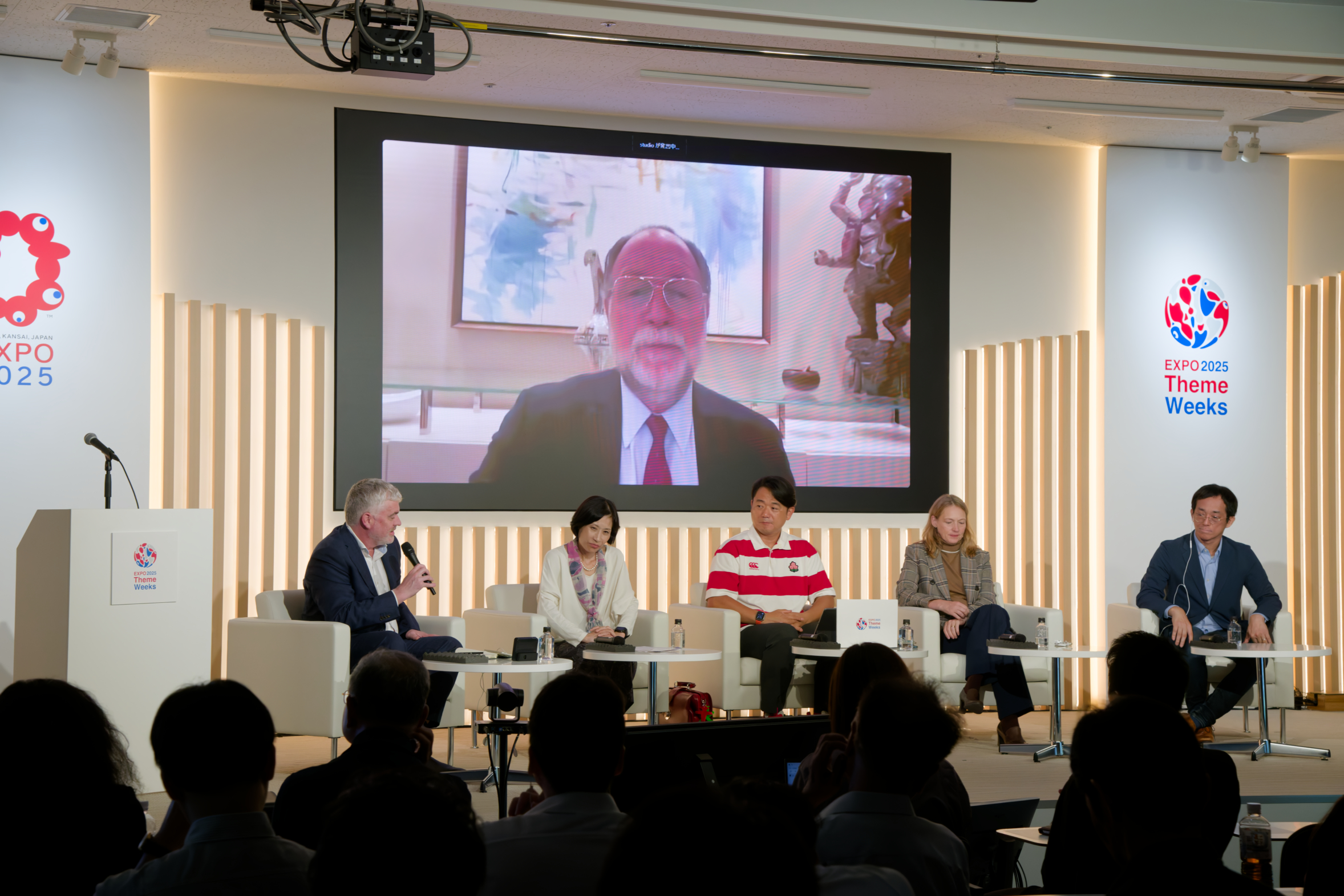
【Program Summary】
Held during The Future of Earth and Biodiversity Week, this
session titled “Tackling Climate Change” presented challenges
and prospects for climate action from diverse perspectives,
including finance, technology, international cooperation,
community-based initiatives, and consumer behavior. The
speakers shared a common view that climate action should not
be perceived as a limitation but as a new opportunity for
growth, and reaffirmed the importance of accelerating efforts
to hand down a sustainable society to future generations.
Participants emphasized that EXPO2025 must serve as a catalyst
for concrete global action.
【Speaker Summary: Gates Moss】
Dr. Gates Moss began by framing climate change as 'one of
humanity’s greatest challenges,' emphasizing both the
gravity of the problem and the opportunities for growth it
presents. He argued that climate action must be approached
through the dual lenses of risk management and value creation,
as it will decisively shape the future of business and policy.
He described the complex, interconnected impacts of climate
change—not only the rise in extreme weather and threats to
agriculture, but also cascading risks to financial systems and
supply chains. He pointed out that while carbon dioxide is the
focus of most policies, other potent greenhouse gases such as
methane and nitrous oxide remain insufficiently addressed.
Comprehensive reduction strategies, therefore, must extend
beyond CO₂.
Dr. Moss highlighted the potential of nature-based solutions,
including regenerative agriculture, forest and wetland
conservation, and sustainable marine resource use, which
integrate nature’s restorative power into economic systems. He
stressed that soil carbon sequestration and improved land
management can yield 'dual value' by enhancing both
food security and emissions reduction.
He also focused on the crucial role of the private sector.
Global finance and large corporations are already transforming
their operations under decarbonization imperatives.
'Transition finance,' he explained, enables a
pragmatic pathway—supporting near-term reliance on fossil
fuels while steering capital toward renewables and new
technologies over time. This requires strong transparency and
standardized international disclosure frameworks to maintain
trust.
Moss concluded that while climate change is a global issue,
its impacts differ by region. Balancing universality and
diversity is essential—advanced economies can deploy capital
and technology, but developing countries must prioritize
adaptation. Equitable cooperation, technology transfer, and
capacity building are vital to overcoming global inequality
and maintaining stability.
【Speaker Summary: Tomohiro Ishikawa】
Ishikawa discussed the role of finance in climate response,
describing financial institutions as 'the compass that
guides the direction of sustainable development.' Since
the Paris Agreement, capital flows have steadily shifted
toward decarbonization, but industries that still depend on
fossil fuels require transition finance to move forward
without disruption.
He identified two major challenges. First, climate risks
unfold over decades—beyond the time horizon of traditional
financial analysis—making long-term uncertainty difficult to
quantify. Second, the lack of uniform international standards
for regulation and disclosure hinders comparability.
Frameworks such as TCFD and ISSB, he noted, are essential to
strengthen market transparency and trust.
Finance must act as a bridge, Ishikawa argued—balancing the
urgency of decarbonization with economic realism. Overly rigid
policies could destabilize industries, while delayed action
would amplify risks. Financial institutions must therefore
chart a pragmatic yet ambitious path forward.
MUFG has declared its commitment to achieving net zero by 2050
and is managing the emissions of its entire investment and
lending portfolio while engaging in ongoing dialogue with
client companies to support their transition efforts. As part
of this initiative, the bank has introduced new financing
schemes such as “sustainability-linked loans,” which evaluate
companies’ emission reduction plans and adjust interest rates
or lending conditions based on their progress toward achieving
those goals.
Concluding, Ishikawa emphasized that finance carries a
responsibility to future generations. By channeling capital
toward sustainability, financial systems can drive economic
growth while enhancing resilience and long-term
competitiveness.
【Speaker Summary: Noriaki Oba】
Oba addressed the realities and challenges of energy
transition in Asia. He stressed that “climate action cannot
proceed on ideals alone,” noting that many Asian nations
remain heavily dependent on coal and oil. With rapid economic
growth and surging energy demand, a sudden phaseout of fossil
fuels is impractical; instead, realistic “bridge solutions”
are required during the transition.
He cited technologies such as ammonia co-firing in coal plants
and hydrogen introduction as practical transitional measures
that reduce emissions while utilizing existing infrastructure.
Japan, he noted, is at the forefront of these innovations and
can accelerate Asia’s energy transition through technology
sharing and collaboration.
Oba underscored the importance of balance in energy policy.
Expanding renewable energy is vital, but stability and
affordability must not be compromised. Because solar and wind
are intermittent, hybrid systems combining thermal generation,
storage technologies, and renewables are essential.
He also argued that one-size-fits-all approaches are
ineffective—each country’s policies must reflect its economic
structure and resource context. For developing nations,
reconciling decarbonization with economic growth is the
central challenge, making international cooperation in finance
and technology indispensable.
【Speaker Summary: Professor Ricardo Hausmann】
Speaking online, Professor Hausmann examined climate action
through the lens of international political economy. He
identified a “double inequality” in the climate crisis:
advanced economies bear historical responsibility for
emissions, while developing countries suffer the most severe
impacts. Addressing this imbalance requires a framework that
integrates equity and sustainability.
Hausmann proposed the concept of “green value chains,” which
minimize emissions throughout a product’s entire lifecycle. He
pointed out that while developed-country corporations are
decarbonizing, production in developing countries often
remains carbon-intensive—highlighting the need to decarbonize
global supply chains.
To achieve this, he called for investment and
technology-transfer mechanisms enabling developing nations to
pursue growth and decarbonization simultaneously.
Hausmann urged a paradigm shift: viewing climate action as a
growth strategy. Renewable energy, new materials, and
energy-efficiency technologies are not costs but engines of
innovation and job creation. For developing countries,
decarbonization is also an opportunity for economic
diversification and long-term competitiveness.
He also underscored the importance of green finance and carbon
pricing. By mobilizing public and private funds to support
transitions in developing economies—and by internalizing
carbon costs through market mechanisms—climate action can
align environmental and economic benefits.
【Speaker Summary: Misa Kemmiya】
Drawing on her international experience, Kemmiya discussed
adaptation and human security as central dimensions of climate
response. Recalling her time with JICA, she described
firsthand how extreme weather events—floods,
droughts—devastate livelihoods, fuel poverty, migration, and
health crises in vulnerable regions. Mitigation alone is
insufficient; adaptation must be strengthened to safeguard
people’s quality of life.
Examples include resilient urban infrastructure, early-warning
systems, drought-resistant crops, and improved water
management. In developing countries, small-scale,
community-led projects can significantly enhance local
resilience and maximize the effectiveness of international
aid.
She stressed that climate change is not merely an
environmental issue but a human security challenge—threatening
lives, livelihoods, and dignity. Solutions must therefore be
inclusive, engaging local communities and civil society
alongside governments and international institutions.
Kemmiya noted that digital technologies can empower
adaptation—AI-based forecasting, satellite data, and mobile
apps can enable citizens to anticipate and respond to
disasters.
From her role in international expositions, she emphasized
legacy creation: EXPO2025 and future events like the 2027
Horticultural Expo should not only showcase innovation but
also pass on networks, knowledge, and lessons to future
generations. Educating youth about climate solutions is vital
to building long-term societal resilience.
【Speaker Summary: Dr. Rachel R. Bishop】
Dr. Bishop approached climate action through the dual lenses
of consumer behavior and corporate leadership. She began by
noting that “consumer choice holds enormous power in shaping
sustainability.” Even the most advanced sustainable products
cannot succeed without consumer acceptance; hence,
affordability, convenience, and environmental value must be
balanced.
Drawing from her executive experience, she shared how reducing
plastics and promoting recycling faced resistance despite
widespread environmental awareness—consumers often prioritize
price and convenience. Companies must therefore present
sustainable products as attractive, accessible choices.
She emphasized that policy and regulation also play critical
roles in shaping markets. Furthermore, corporate
sustainability must extend across the entire supply chain—from
raw material sourcing to production, logistics, and sales. For
multinational corporations, maintaining consistent
sustainability standards across diverse regulatory and
cultural environments requires transparency and third-party
audits.
Bishop underscored the importance of consumer education.
Expanding the market for sustainable goods depends not only on
corporate innovation but also on fostering awareness and
behavioral change. Collaboration among businesses, educators,
media, and NGOs is essential to build a society where
environmentally responsible choices become the norm.
【Discussion Summary】
The discussion brought together perspectives from finance,
energy, international economics, community engagement, and
consumer behavior.
There was broad agreement on the importance of transition
finance, as emphasized by Ishikawa—finance must not merely
restrict investment in high-emission sectors but actively
promote renewables and efficiency technologies. Oba added that
funds must be tied to tangible implementation at the field
level to generate real impact.
Professor Hausmann reiterated the dual inequalities of
emissions and impacts between developed and developing
nations, calling for financial transfers and technology
cooperation to enable equitable growth. Kemmiya stressed that
in many developing regions, adaptation is a more immediate
priority than mitigation, advocating for community-led
projects supported by international finance. Both perspectives
reinforced the need for balanced support integrating
mitigation and adaptation.
Dr. Bishop emphasized that consumer behavior is a decisive
driver of market transformation—sustainable products must be
appealing without sacrificing price or convenience. Dr. Moss
responded that policy incentives and education must complement
corporate efforts to foster a cultural shift in consumption.
Toward the end of the session, participants debated priorities
between mitigation and adaptation. Ishikawa and Oba stressed
that long-term strategies must center on emissions reduction,
while Kemmiya argued that adaptation is essential where
climate impacts are already evident. Hausmann proposed a
holistic approach, balancing international funding across both
fronts.
In conclusion, Dr. Moss summarized that climate action is not
a constraint but a new frontier for growth. The session closed
with a shared recognition that finance, technology, policy,
civil society, and consumers must work in concert to build a
sustainable future—and that climate action represents both an
intergenerational responsibility and an investment in
prosperity.
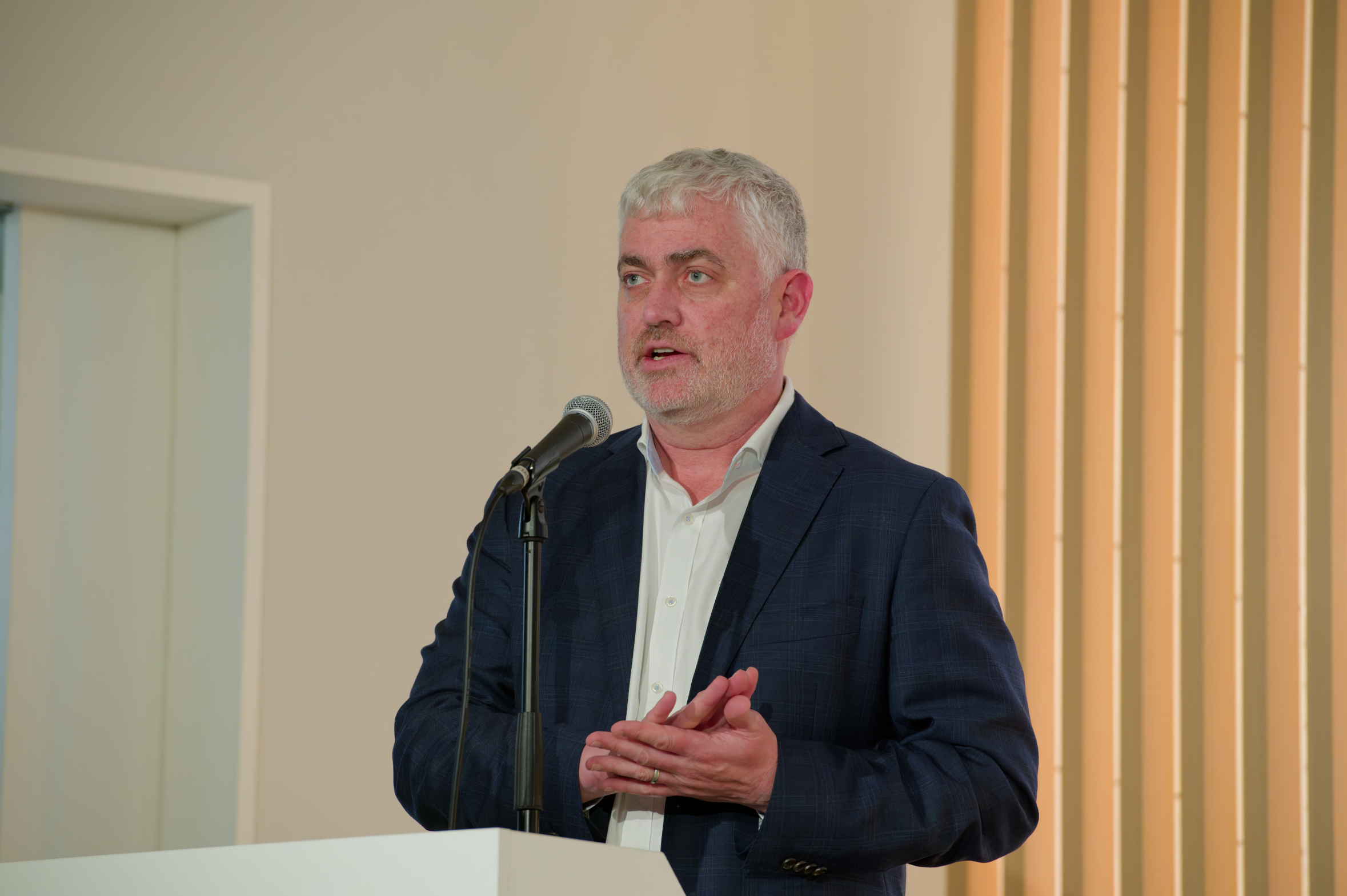
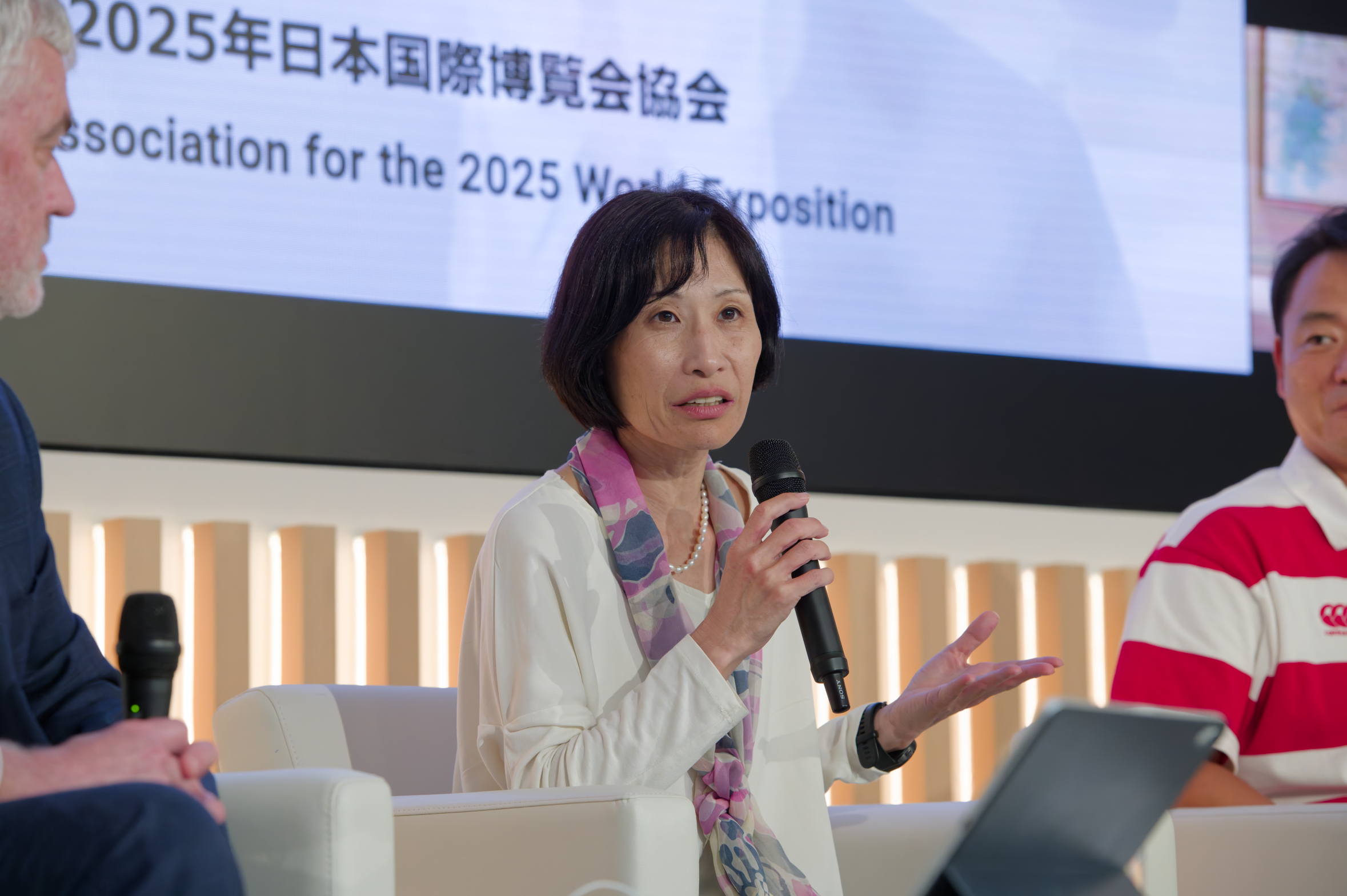
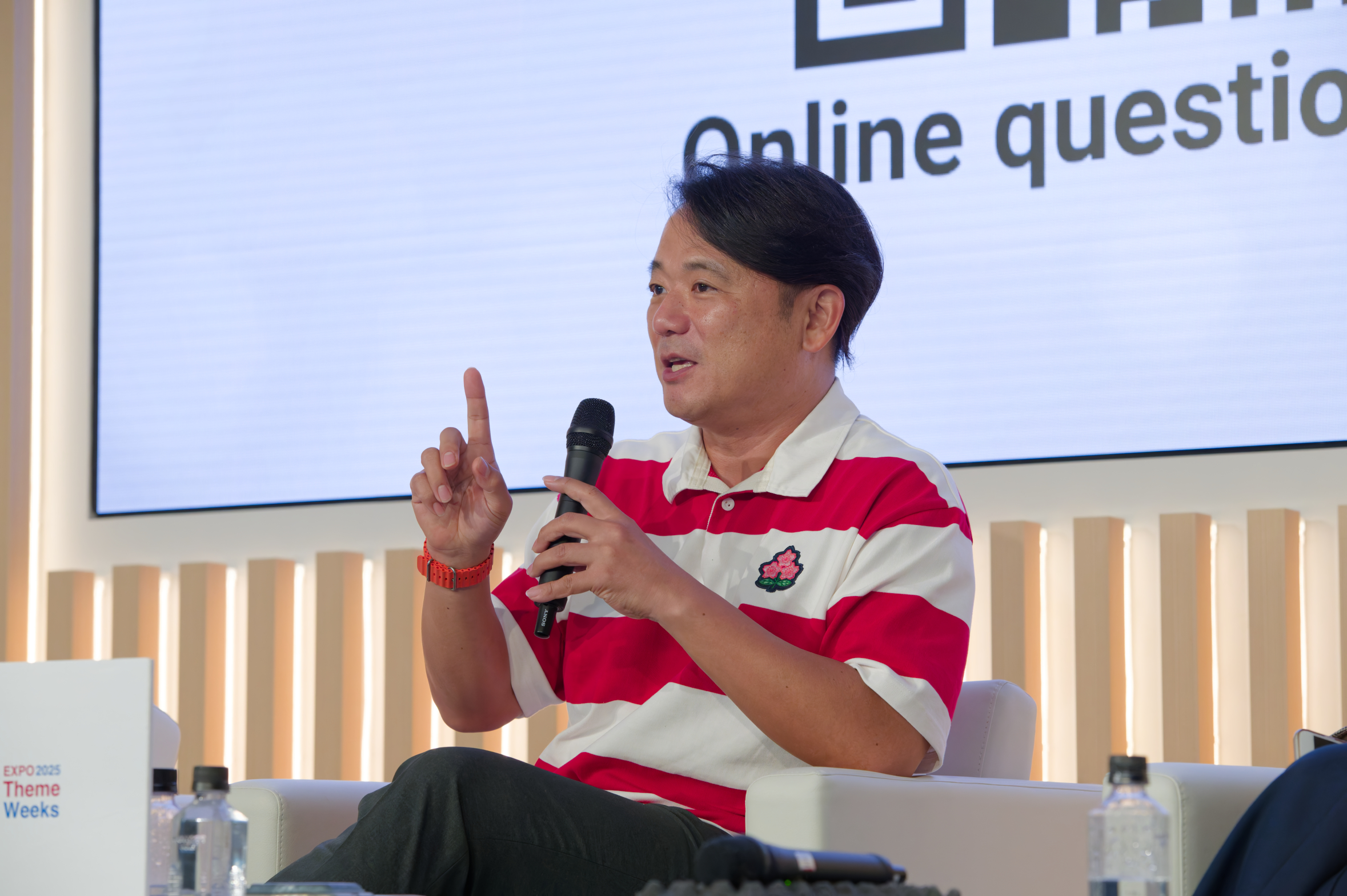

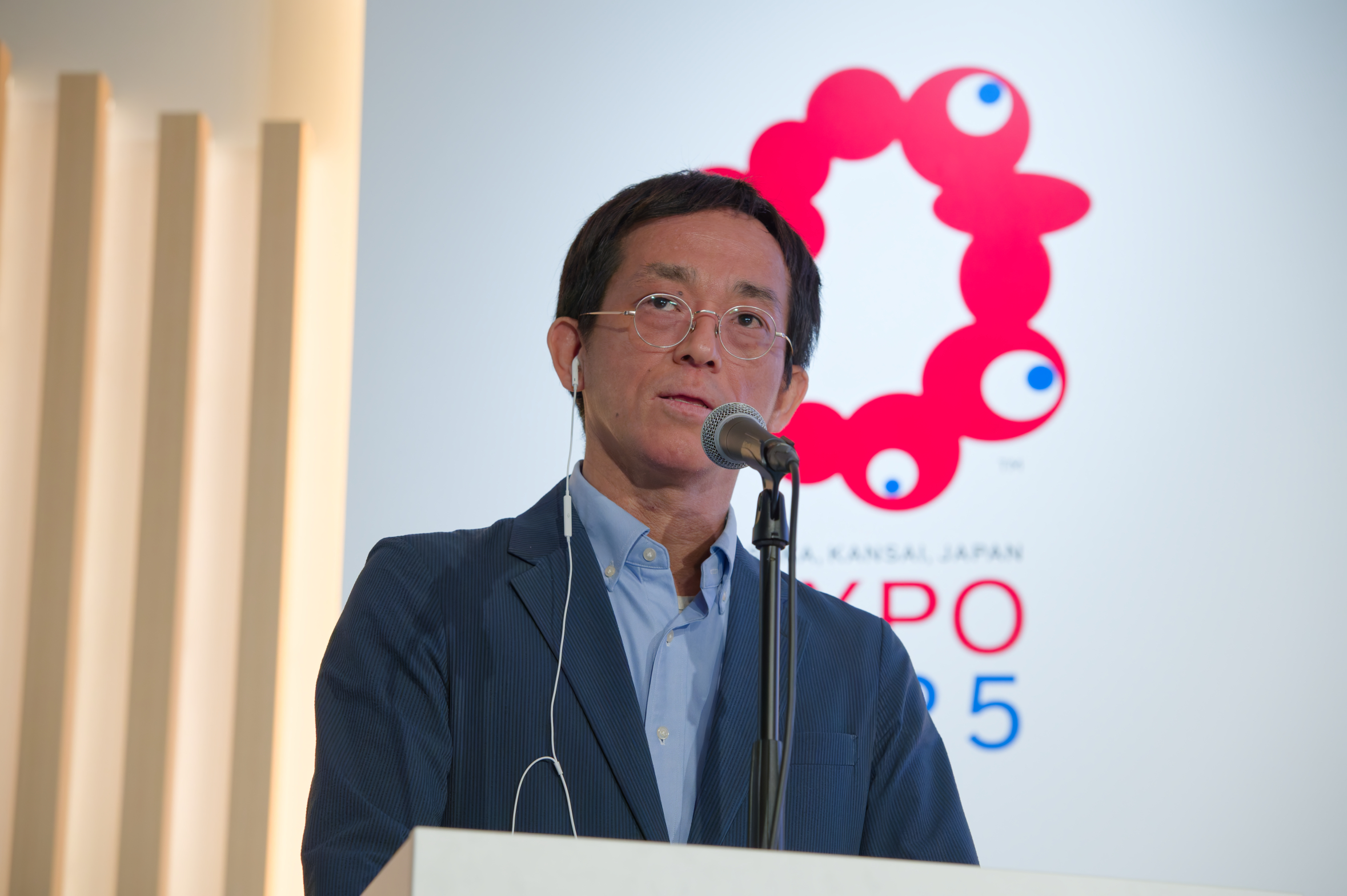
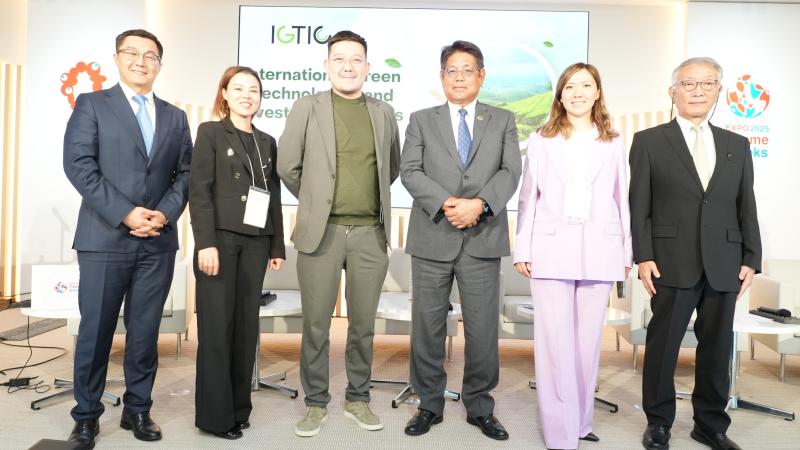
Cast
Moderator
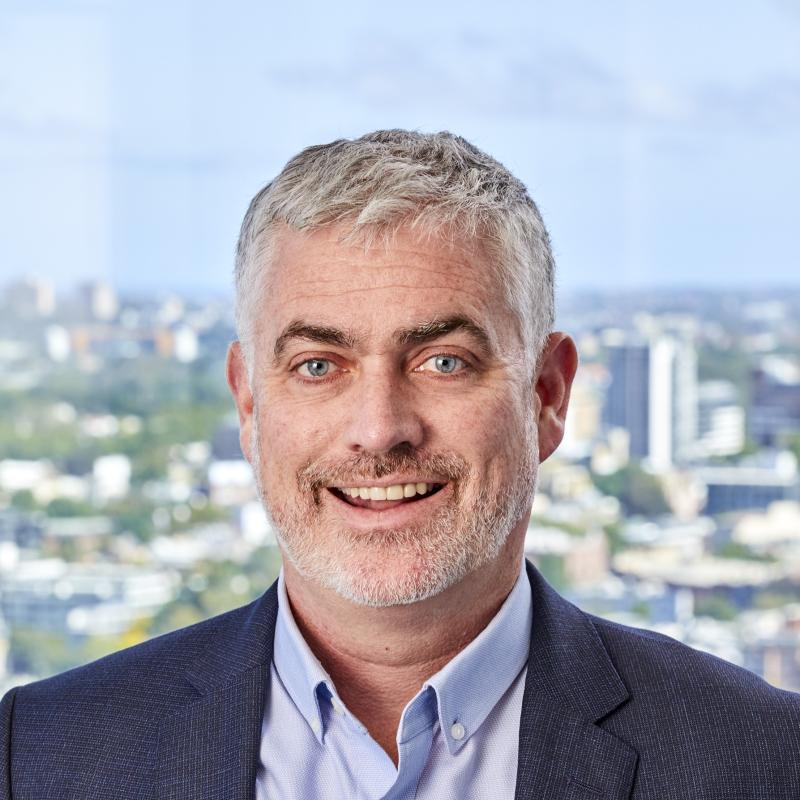
Dr. Gates Moss
The Boston Consulting Group (BCG) - Partner
Gates is a Partner in BCG’s Climate &
Sustainability and Energy practices, where he advises
corporate clients on the economics of industrial
decarbonization and the energy transition.
Prior to joining BCG, Gates spent 15 years as an
institutional investor and portfolio manager, covering
sectors such as transport, infrastructure, energy, and
heavy industries. During this time, he also launched
Australia’s first carbon-neutral equity investment
strategy.
He holds a Ph.D. in Materials Science and Engineering
from Northwestern University.
View Profile
Close
close
Speakers
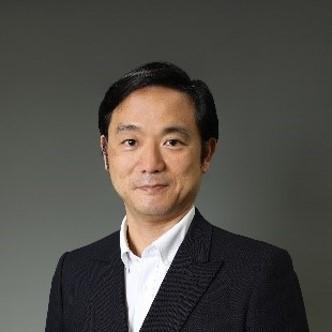
©2024 Tomohiro Ishikawa
Tomohiro Ishikawa
Chief Regulatory Engagement Officer, MUFG
Tomo Ishikawa is Chief Regulatory Engagement Officer
at MUFG. Ishikawa is responsible for orchestrating
MUFG’s group-wide advocacy strategy on financial
regulatory policies, including prudential requirements
and climate change. He oversees recovery/resolution
planning for the group, and government relations
across the regions.
Prior to joining MUFG, Ishikawa headed the advocacy
team at Deutsche Bank AG. Before his tenure at
Deutsche Bank, he served as Deputy Director of
Prudential Policy Office at the Japan Financial
Services Agency (JFSA). Earlier in his career,
Ishikawa was an investment banker involved in Capital
Markets and M&A at US and European banks.
As part of MUFG’s sustainability/climate change
program, Ishikawa serves as a member of the Steering
Group of NZBA (Net Zero Banking Alliance). He chairs
the “NZBA Transition Finance” working group, which
published the “NZBA Transition Finance Guide” in
October 2022. Ishikawa serves as a board member of
GFMA (Global Financial Markets Association),
representing MUFG.
View Profile
Close
close
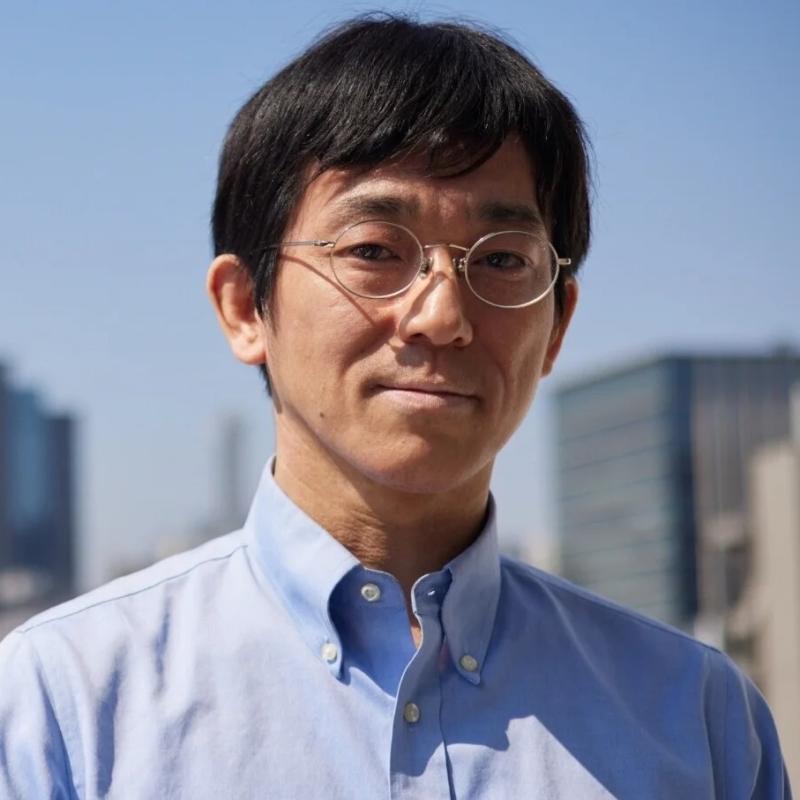
Noriaki Oba
Post Oil Strategy Institute, President
After completing doctoral coursework at the Graduate School of Science at Kyoto University, Noriaki pursued his career at a technology-focused think tank. He founded the Post–oil Strategy Institute in 2021 and became a prominent voice in advising on Japan’s energy security and industrial strategy in the post-oil era. Noriaki also works as an executive fellow at JDSC (Japan Data Science Consortium Co. Ltd), a visiting researcher at PHP Research Institute, and a Specialist at Chitose Research Institute. He serves as a member of the Clean Energy Strategy Committee for the Ministry of Economy, Trade and Industry of Japan.
View Profile
Close
close

©︎Ricardo Hausmann Headshot
Professor Ricardo Hausmann
Founder and Director of Harvard’s Growth Lab and the Rafik Hariri Professor of the Practice of International Political Economy at Harvard Kennedy School
Ricardo Hausmann is the founder and Director of Harvard’s Growth Lab and the Rafik Hariri Professor of the Practice of International Political Economy at Harvard Kennedy School. Under his leadership, the Growth Lab has grown into one of the most well regarded and influential hubs for research on economic growth and development around the world. Before joining Harvard University, he served as the first Chief Economist of the Inter-American Development Bank (1994-2000), where he created the Research Department. He has served as Minister of Planning of Venezuela (1992-1993) and as a member of the Board of the Central Bank of Venezuela. He also served as Chair of the IMF-World Bank Development Committee. He was Professor of Economics at the Instituto de Estudios Superiores de Administracion (IESA) (1985-1991) in Caracas, where he founded the Center for Public Policy. He holds a Ph.D. in economics from Cornell University.
View Profile
Close
close

Misa Kemmiya
GREEN EXPO Association, Executive Director for Sustainability Management
Kemmiya Misa is Executive Director for Sustainability Management of Green X Expo 2027, which will be held in Yokohama by the Government of Japan. She was seconded from Japan International Cooperation Agency (JICA) in April 2025 after stablishing sustainability management in JICA, engaging in climate change, biodiversity and human security. Previously, she worked in JICA Kenya and Philippines office, as well as Department of Public Relations, Dept. of Global Environment etc. in Tokyo.
View Profile
Close
close

Rachel R. Bishop, PhD; NACD.DC
Board Member, Sally Beauty Holdings; former President, Reynolds Consumer Products
Senior executive with experience across U.S. household
product and food manufacturing as well as mass retail,
Rachel has been responsible for business-building ESG
programs in retail as well as consumer packaged goods
design and manufacturing. Most recently as President
of Tableware at Reynolds Consumer Products
(NASDAQ:REYN) she was responsible for leading the
company’s Environmental, Social, and Governance(ESG)
initiative since the company’s IPO in January 2020,
including expanding the product portfolio to includes
sustainable choices across all product categories,
investing in emissions reduction programs and
expanding talent management to access diverse
talent pools at all levels. In her previous roles as
Chief Strategy Officer and President, Snacks at
TreeHouse Foods (NYSE:THS) as well as GVP Strategy at
Walgreens Boots Alliance (NASDAQ: WBA) she led
programs to expand access to fresh food
and healthy snacks, as well as supporting GHG
reduction programs.
Rachel has served as an independent board member of
Sally Beauty Holdings (NYSE:SBH) since 2022. She
began her business career at McKinsey & Company
after earning a Ph.D. in Materials Science and
Engineering
from Northwestern University. She holds a B.S. in
Geophysics and a B.S. in Materials Engineering from
Brown
University and was a Leadership Greater Chicago fellow
in 2011. Rachel lives in Chicago, Illinois with her
family
and is a member of Chicago’s Lurie Children’s Hospital
Foundation Board, the Economic Club of Chicago and
The Chicago Network.
View Profile
Close
close
The Future of Earth and Biodiversity Week
Tackling climate change
The programme, together with the General Sponsors, explores: 'In 2025, with worsening climate change, what agendas should we now consider?'
-
2025.09.19[Fri]
17:00~19:00
(Venue Open 16:30)
- Theme Weeks Studio
OTHER PROGRAM
The Future of Earth and Biodiversity Week