The Future of Earth and Biodiversity Week
It Starts With Us: How Everyday Choices Build Circular Economies
European Union
The EU and Japan have both developed ambitious circular
economy policies. While the EU aligns its efforts with the
European Green Deal and climate neutrality goals, Japan
emphasises resource circulation and minimising environmental
impact. Both approaches value citizen engagement, though
Japan’s is deeply rooted in cultural respect for resources
and long-term use. Achieving circularity requires more than
sustainable production: it demands changes in consumer
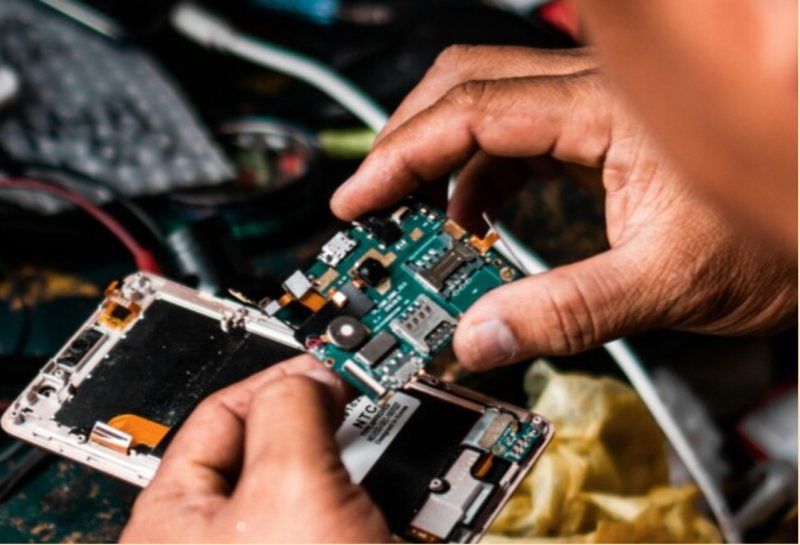
behaviour. In sectors like textiles and electronics, fast
fashion and planned obsolescence drive waste. Encouraging
repair, reuse and responsible disposal is essential to
closing the loop.
This panel and interactive session will explore how
consumers can drive circular practices in everyday sectors
such as electronics, textiles, plastics, packaging,
furniture and food. Understanding behavioural barriers and
enablers (from motivation and habits to infrastructure and
incentives) is key to designing effective policies and
business models. The session will highlight how governments,
companies, cities and civil society can empower individuals
to participate in a more circular future.
Recorded video available
Discussion
- Circular economy
| Transmission of simultaneous interpretation | To be determined |
|---|---|
| Language of interpretation | Japanese and English |
-

Track Programme
-
Time and
Date of
the event -
-
2025.09.23[Tue]
18:00 ~ 19:30
(Venue Open 17:45)
-
- Venue
- Pavilion
- Netherlands Pavilion
Programme details
*Subtitles: Choose “Subtitles/CC” in the “Settings” (gear
icon) at the bottom right of the YouTube video.
*Subtitles may not show with multiple languages or overlapping
audio.
This panel and interactive session will explore how consumers
can drive circular practices in everyday sectors such as
electronics, textiles, plastics, packaging, furniture and
food. Understanding behavioural barriers and enablers (from
motivation and habits to infrastructure and incentives) is key
to designing effective policies and business models. The
session will highlight how governments, companies, cities and
civil society can empower individuals to participate in a more
circular future.
Reports
【Reflection】
The session examined how everyday consumer choices can drive
circularity across electronics, textiles, plastics/packaging,
furniture and food, linking behavioural barriers/enablers
(motivation, habits, infrastructure, incentives) to policy and
business-model design. It featured interactive exchanges among
government, business, cities and civil society.
Key findings
Design for behaviour.
Circularity requires more than sustainable production; it
needs repair, reuse and proper disposal to be easy and
rewarding, combining value framing, habit shifts, enabling
infrastructure and incentive design.
Sector-specific entry points.
For electronics/textiles: longer use and repair; for
plastics/packaging: reusable options and less overpackaging;
for food: use-it-up and easy sorting—each sector needs a
tailored first step.
Partnerships matter.
Municipal infrastructure, corporate service design and
civil-society engagement together lower participation costs
and make benefits visible, enabling scale.
Conclusion
The session aligned stakeholders on behaviour-led design by
sector and clarified how policies and business models can
empower people to participate in a circular future.
【Post EXPO Initiatives】
Implementation focus
Translate insights into behaviour-centred programmes with
sector-specific entry actions.
Priority actions
Map behaviours: assess current motivation, habits,
infrastructure and incentives by sector (electronics,
textiles, packaging, food).
Launch entry actions:
Electronics/textiles: offer repair options and clear service
routes.
Plastics/packaging: introduce reusable formats, reduce
overpackaging, and simplify sorting cues.
Food: design for use-it-up and improve collection flows.
Incentivise participation: test points/deposits for repair,
reuse and proper take-back.
Educate & showcase: publish simple how-to guides and
before/after metrics.
Co-create: run regular roundtables with cities, companies and
NGOs to align KPIs and remove barriers.
Conclusion
Combining entry actions, incentives and co-creation can turn
everyday choices into measurable circular outcomes.
Cast
Moderator

Rosa Strube
Head of Sustainable Lifestyles, CSCP
View Profile
Close
close
Speakers
Claire Downey
CEO, Rediscovery Centre
View Profile
Close
close
Yasuhiro Higashi
Osaki town Mayor
View Profile
Close
close
Momona Otsuka
Chief Environmental Officer, Kamikatsu
View Profile
Close
close
Alice Yamabe
Policy Researcher, Institute for Global Environmental Strategies (IGES)
View Profile
Close
close
Maria Nikolopoulou
Member of Circular Economy Stakeholder Platform and EESC, European Economic and Social Committee (EESC)
View Profile
Close
close
Einar Kleppe Holthe
CEO, Natural State
View Profile
Close
close
Dounia Wone
Chief Impact Officer, Vestiaire Collective
View Profile
Close
close
The Future of Earth and Biodiversity Week
It Starts With Us: How Everyday Choices Build Circular Economies
The EU and Japan have both developed ambitious circular
economy policies. While the EU aligns its efforts with the
European Green Deal and climate neutrality goals, Japan
emphasises resource circulation and minimising environmental
impact. Both approaches value citizen engagement, though
Japan’s is deeply rooted in cultural respect for resources and
long-term use. Achieving circularity requires more than
sustainable production: it demands changes in consumer
behaviour. In sectors like textiles and electronics, fast
fashion and planned obsolescence drive waste. Encouraging
repair, reuse and responsible disposal is essential to closing
the loop.
This panel and interactive session will explore how consumers
can drive circular practices in everyday sectors such as
electronics, textiles, plastics, packaging, furniture and
food. Understanding behavioural barriers and enablers (from
motivation and habits to infrastructure and incentives) is key
to designing effective policies and business models. The
session will highlight how governments, companies, cities and
civil society can empower individuals to participate in a more
circular future.
-
2025.09.23[Tue]
18:00~19:30
(Venue Open 17:45)
- Pavilion
OTHER PROGRAM
The Future of Earth and Biodiversity Week