The Future of Earth and Biodiversity Week
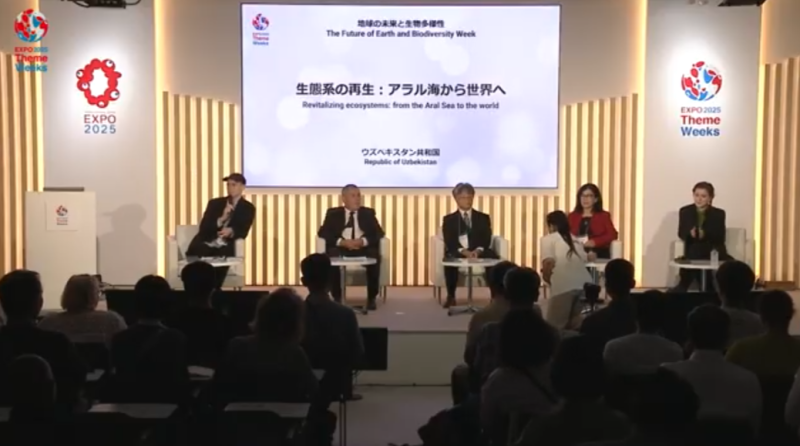
Revitalizing ecosystems: from the Aral Sea to the world
Republic of Uzbekistan
The event will showcase how the revival of the Aral Sea area and surrounding ecosystems exemplifies global and planetary environmental challenges and solutions, focusing on the interplay between scientific research, community engagement, and cultural innovation.
Recorded video available
Discussion
- Climate change
- Deforestation
- Biodiversity
| Transmission of simultaneous interpretation | Provided |
|---|---|
| Language of interpretation | Japanese and English |
-

Track Programme
-
Time and
Date of
the event -
-
2025.09.28[Sun]
18:00 ~ 19:30
(Venue Open 17:30)
-
- Venue
- Theme Weeks Studio
Programme details
*Subtitles: Choose “Subtitles/CC” in the “Settings” (gear
icon) at the bottom right of the YouTube video.
*Subtitles may not show with multiple languages or overlapping
audio.
The event aims to encourage cross-disciplinary collaboration
on restoring fragile ecosystems and combating
desertification.
Key Messages or Themes - How local expertise, international
collaboration, scientific innovation, and creative cultural
approaches can collectively foster resilience in arid and
semi-arid ecosystems?
The Aral Sea’s successes and ongoing challenges illustrate the
transformative potential of biodiversity restoration efforts
on Resurrection Island and in the Aralkum desert, highlighting
both the role of local scientists and the impact of
international cooperation in reviving degraded lands.
Microbial and agricultural innovations, such as the
application of soil microbiology and sustainable farming
practices, drive resilience in arid and semi-arid regions,
underlining the importance of advancing scientific research to
enhance crop yields while preserving biodiversity.
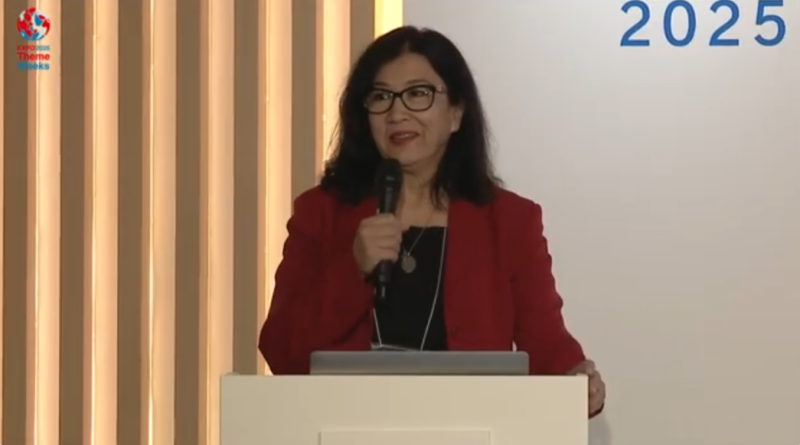
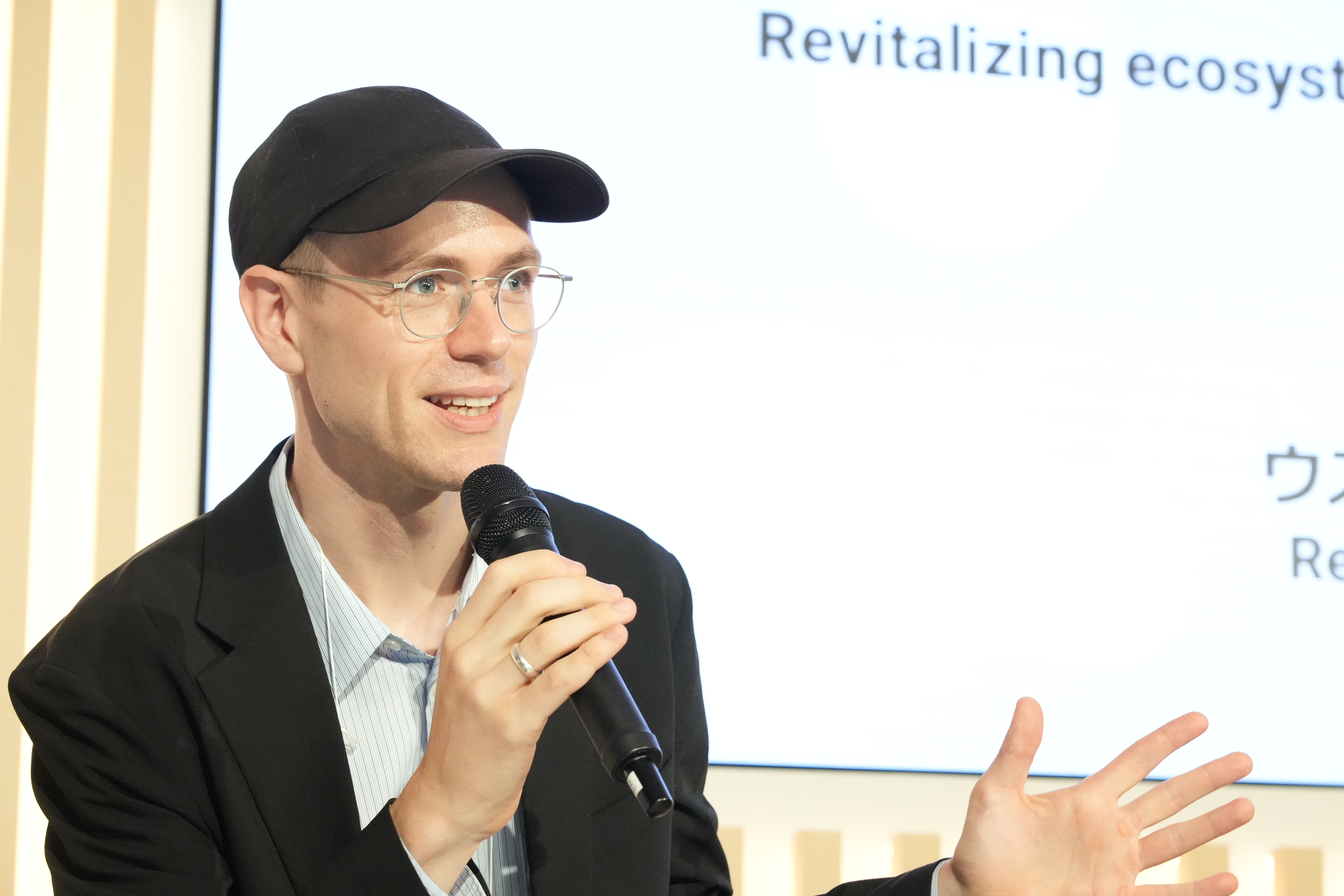
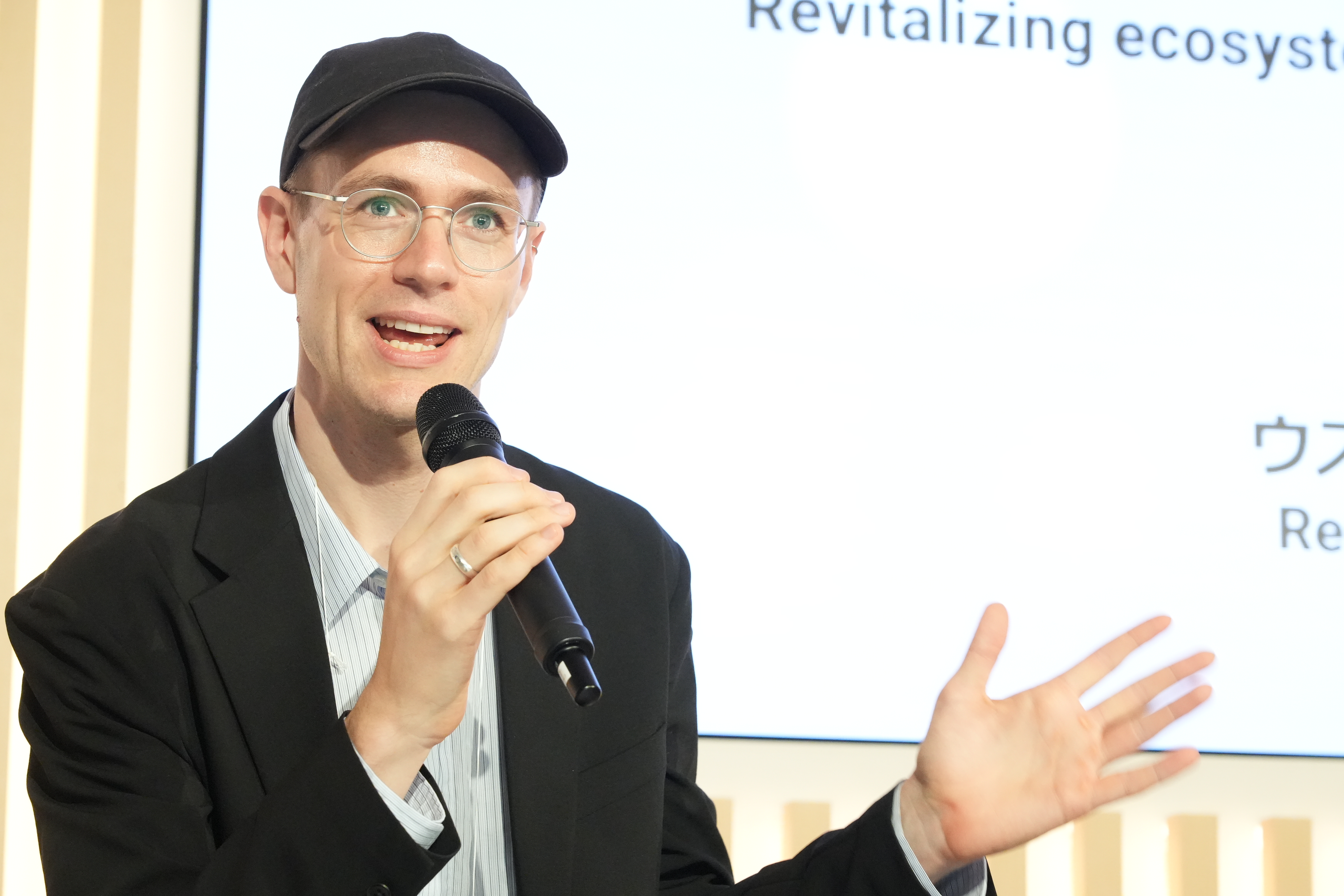
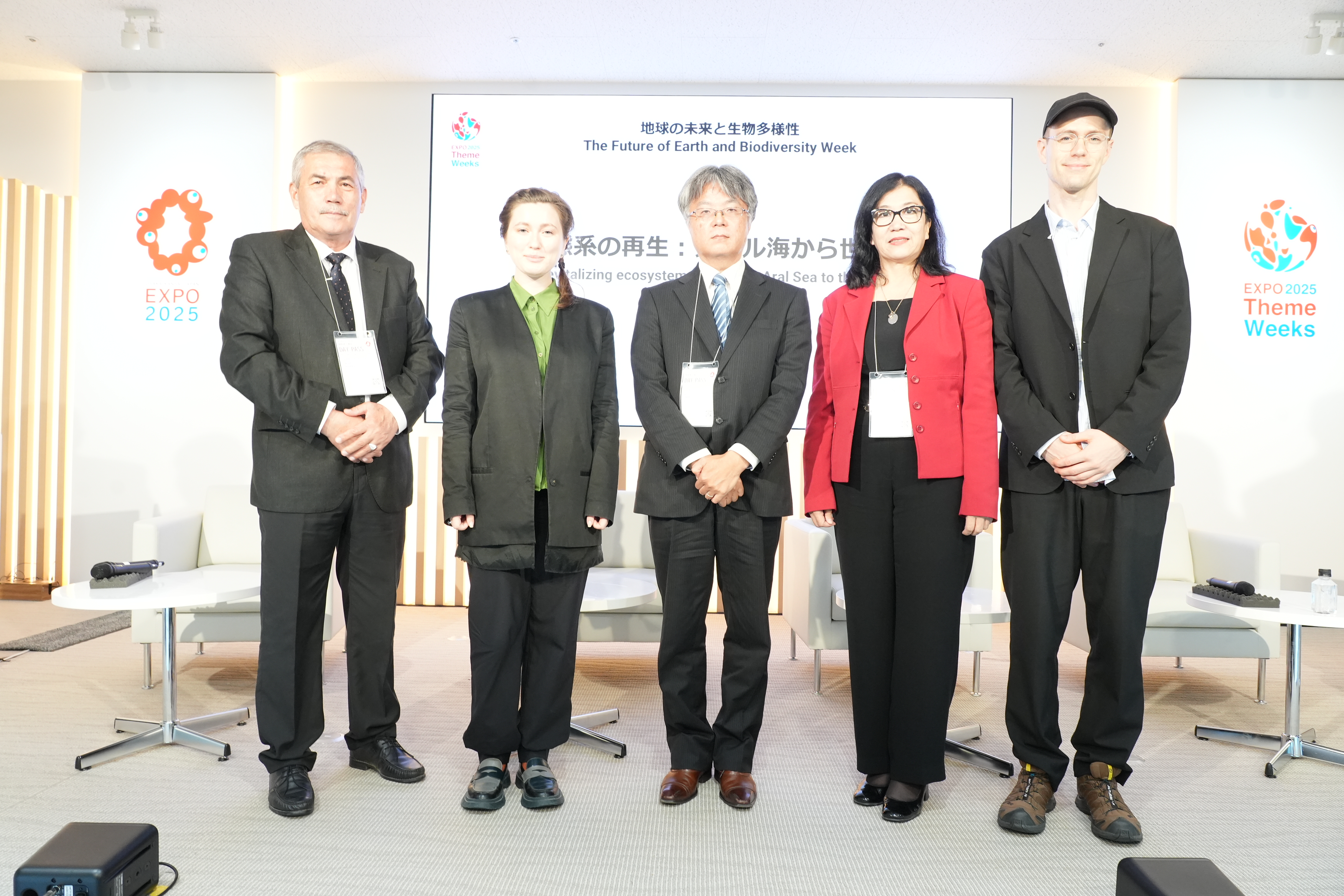
Moderator: Philip Maughan, climate and food systems
journalist, editor of “Aral: Untold Stories from Before,
During and After the Sea”, published by Uzbekistan Art and
Culture Development Foundation in 2025 for the Inaugural Aral
Culture Summit.
Speakers:
18:05 – 18:20
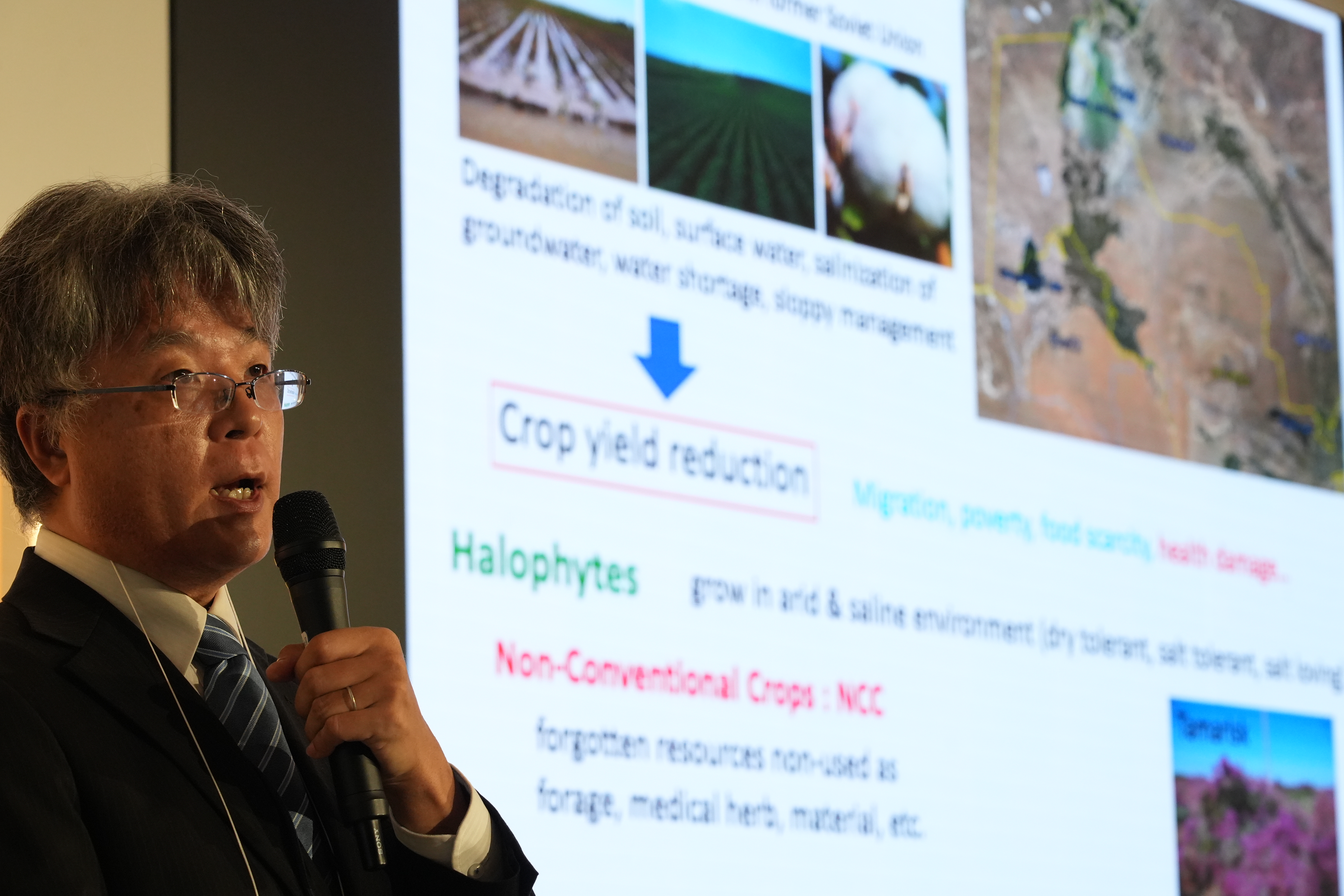
- Kenji Tanaka, Professor of Kyoto University, Disaster
Prevention Research Institute
18:20– 18:35
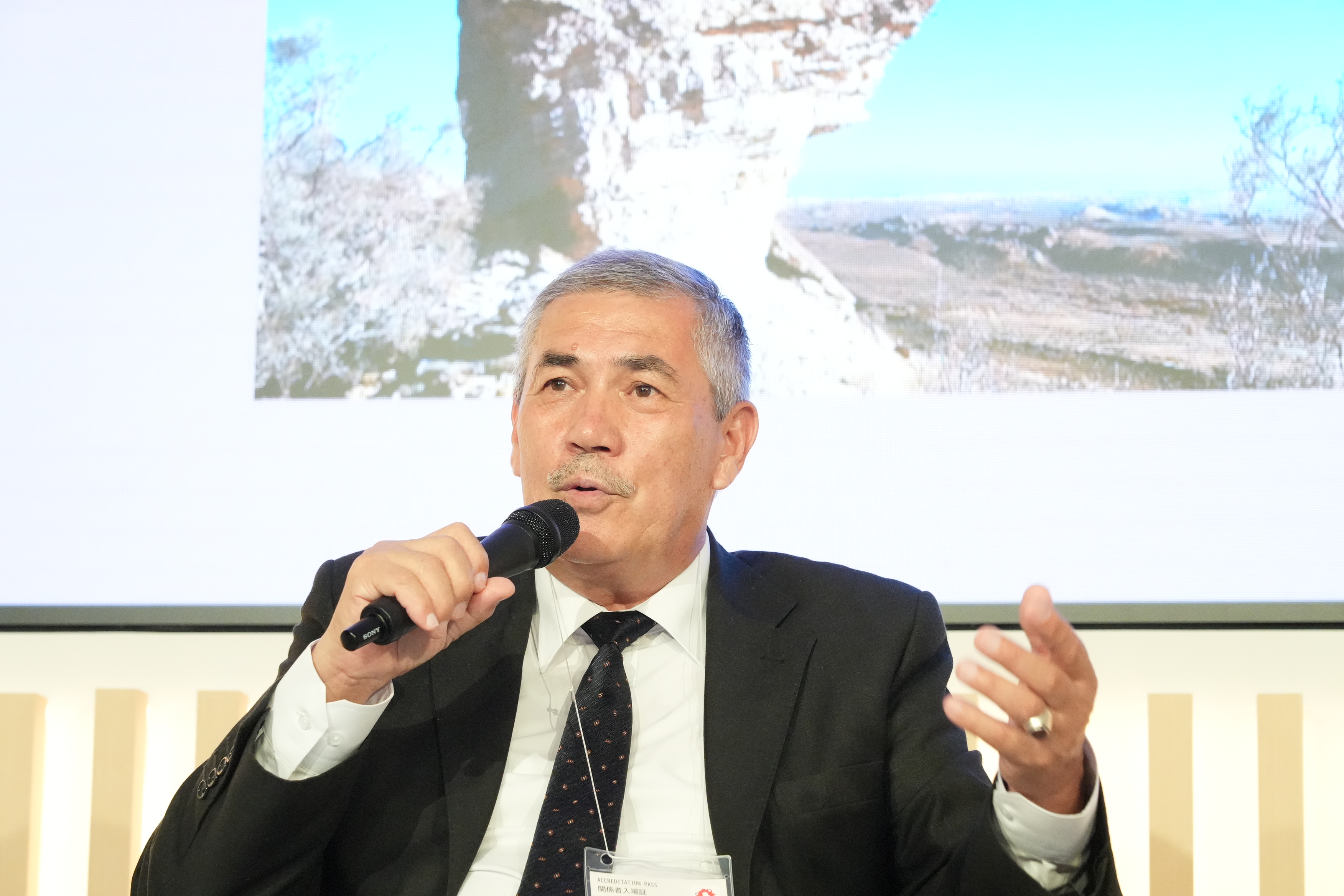
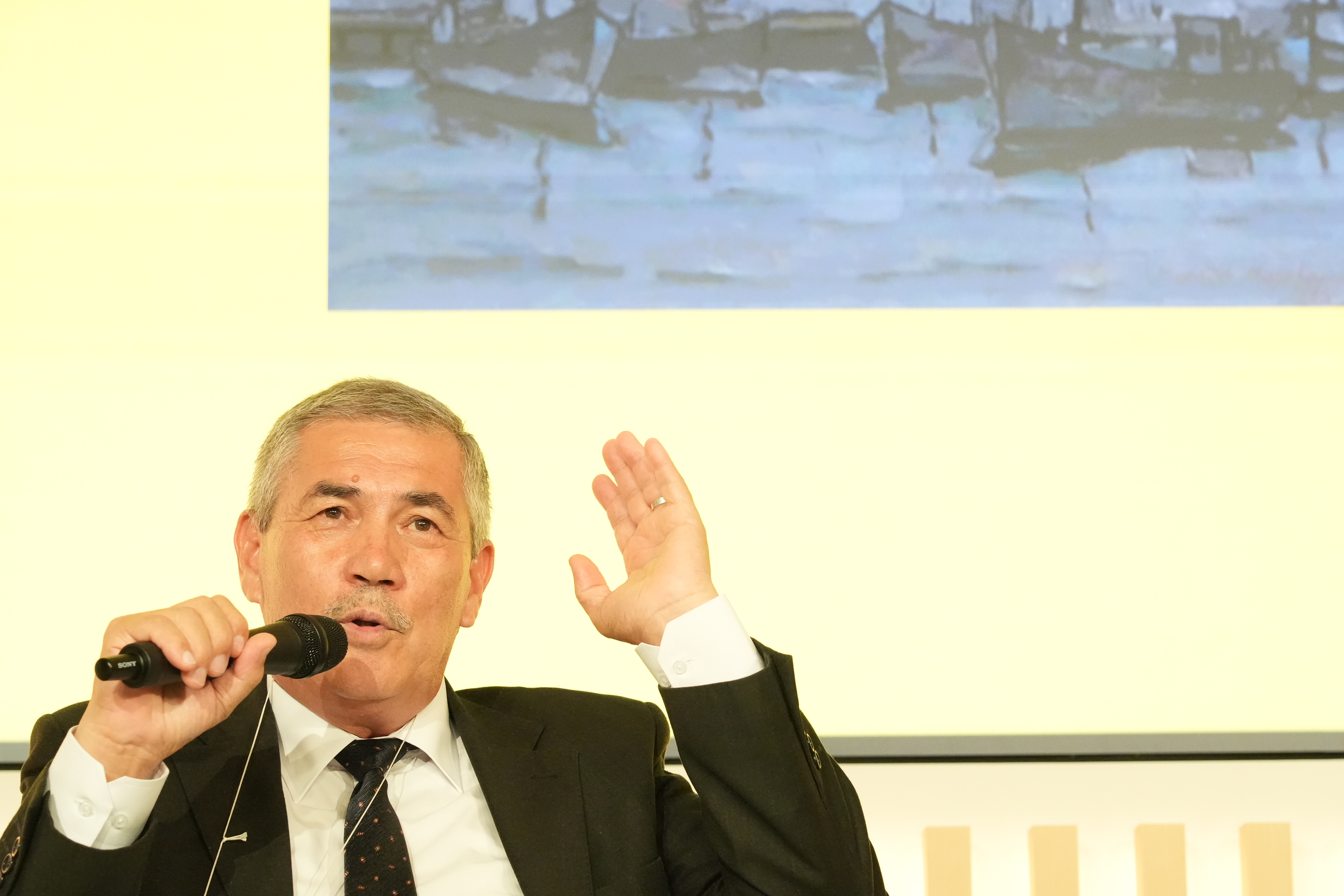
- Oktyabr Dospanov, Head of Archaeology Department, State
Museum of Arts of the Republic of Karakalpakstan named after
I.Savitsky (Uzbekistan)
18:35 – 18:50
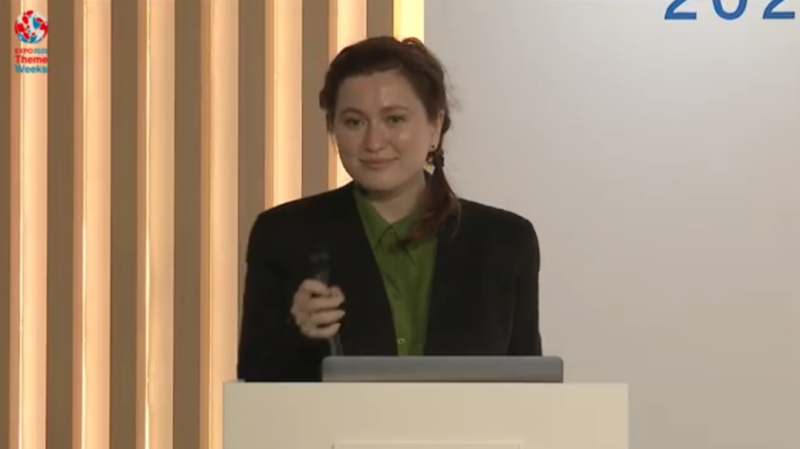
- Anastasia Sinitsyna, Head of Programming, Aral Culture
Summit
18:50 – 19:05
- Dr. Dilfuza Egamberdieva, Head of the Laboratory of
Biological Research and Food Safety, Tashkent Institute of
Irrigation and Agricultural Mechanization Engineers
(Uzbekistan)
19:05 – 19:20
- Question and answers session
19:20 – 19:30
- Event summary, closing
Reports
【Reflection】
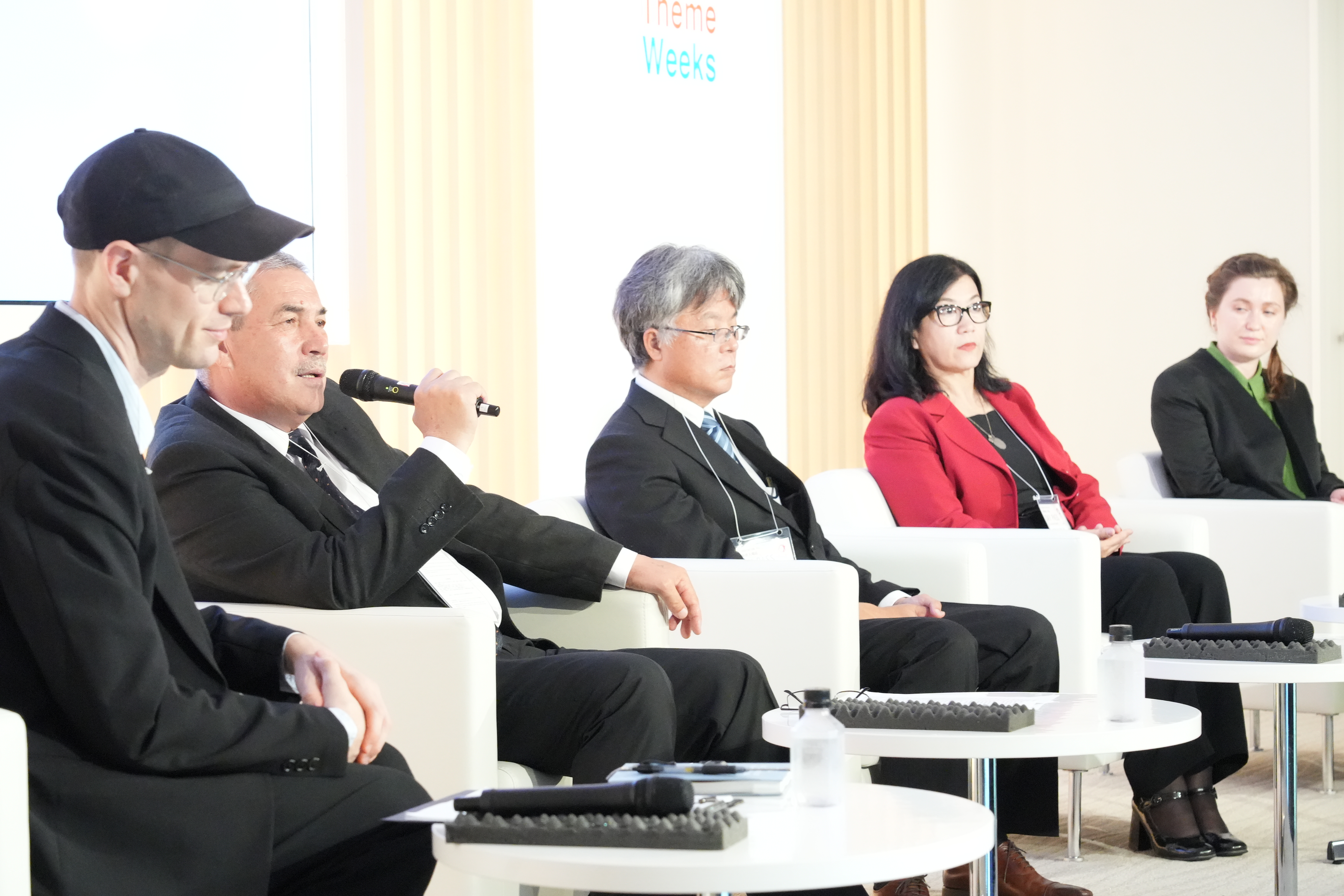
The event “Revitalizing Ecosystems: From the Aral Sea to the
World”, organised by the Republic of Uzbekistan, brought
together scientists, cultural leaders, and policy experts to
discuss how the lessons of the Aral Sea can inform global
restoration efforts. Moderated by journalist and author Philip
Maughan, the session opened with a vivid historical overview
of the Aral Sea’s transformation—from one of the world’s
largest inland seas into the Aralkum Desert. Maughan described
this as both a human-made disaster and a site of human
resilience, noting that communities are now redefining
identity and purpose in the wake of ecological loss.
Professor Kenji Tanaka of Kyoto University emphasised how
interdisciplinary research, combining hydrology, soil science,
and local knowledge, can support the recovery of arid lands.
His remarks highlighted the role of early-warning systems and
disaster-prevention models in anticipating future risks linked
to desertification and climate change. Dr. Oktyabr Dospanov,
representing the Savitsky Museum, reflected on the
archaeological record of the region and its cultural
continuity. He explained how material heritage preserves
memories of past ecosystems and social life around the
vanished sea, urging that restoration must also mean cultural
renewal.
Anastasia Sinitsyna, from the Aral Culture Summit, described
the power of art and storytelling in reconnecting people to
landscapes that have long been considered “lost.” Her work
demonstrated how creative narratives can sustain hope and
inspire community participation. Dr. Dilfuza Egamberdieva,
from the Tashkent Institute of Irrigation and Agricultural
Mechanisation Engineers, presented her research on soil
microbiology and sustainable farming. She outlined how
microbial and bio-fertiliser innovations increase productivity
while restoring biodiversity in degraded soils.
Together, the speakers painted a comprehensive picture of
restoration as a cultural, scientific, and moral task. The
discussion underscored that resilience in arid and semi-arid
ecosystems requires cooperation between local communities,
scientists, and international partners. By linking ecological
science with cultural memory, the event demonstrated how the
story of the Aral Sea can become a model for planetary
healing.
【Post EXPO Initiatives】
Following Expo 2025, Uzbekistan intends to expand the
collaborative frameworks presented during this session into
long-term research and cultural initiatives. Building on the
partnerships forged through the Aral Culture Summit and Expo’s
Theme Weeks, efforts will focus on strengthening
cross-disciplinary cooperation between national research
institutes, universities, and international organisations
dedicated to combating desertification.
One key initiative will be the continued development of pilot
projects on soil microbiology, climate-resilient agriculture,
and sustainable irrigation, led by Dr. Egamberdieva’s
laboratory. These will serve as living laboratories for
knowledge exchange between Central Asian and global experts.
Parallel to this, cultural institutions such as the Savitsky
Museum and the Uzbekistan Art and Culture Development
Foundation will extend their collaboration to curate
exhibitions and residencies that integrate environmental
science, history, and creative practice—turning the Aral
region into an open classroom for ecological awareness.
Educational outreach will also play a major role. The success
of the Expo discussion has inspired proposals for joint
academic programmes between Kyoto University and Uzbek
universities to train a new generation of restoration
specialists capable of bridging natural and social sciences.
Finally, inspired by the session’s call for collective
responsibility, the organisers plan to establish an “Aral to
the World” network, a platform connecting local researchers,
artists, and policy advocates across continents. This network
will share data, art, and field experiences to guide future
global restoration strategies. Through these post-Expo
efforts, Uzbekistan reaffirms its commitment to transforming
one of the planet’s most striking environmental tragedies into
a beacon of innovation and hope.
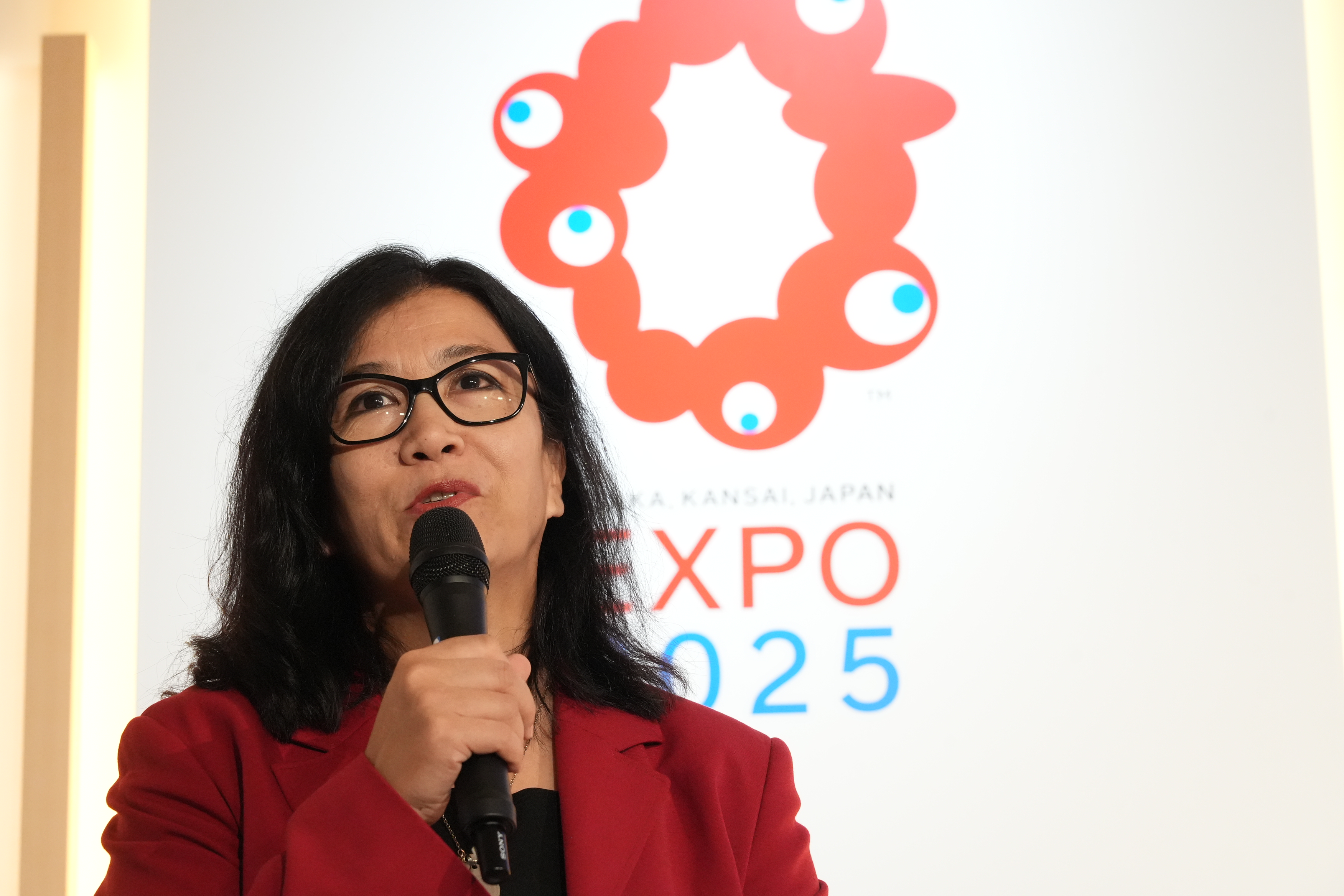
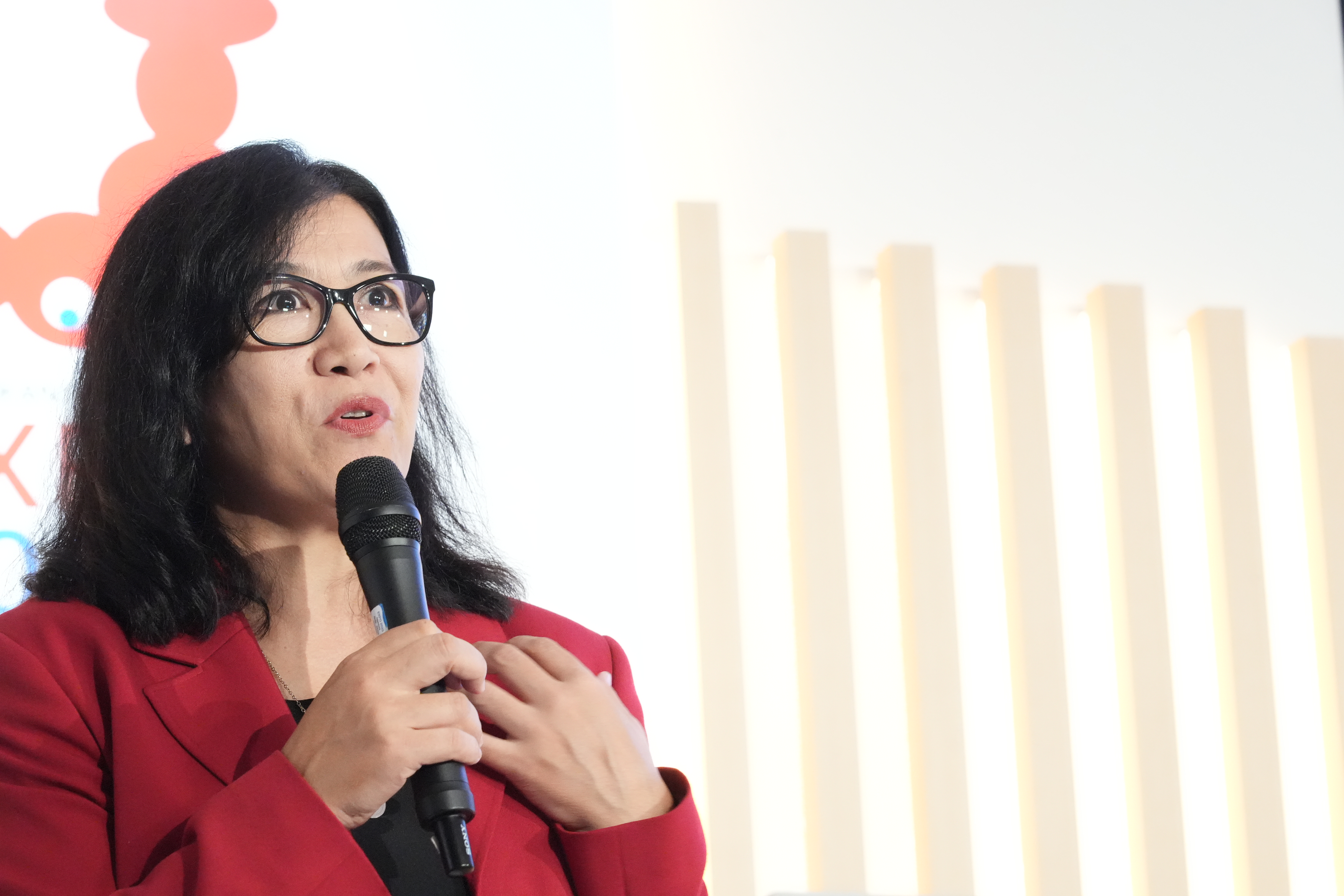
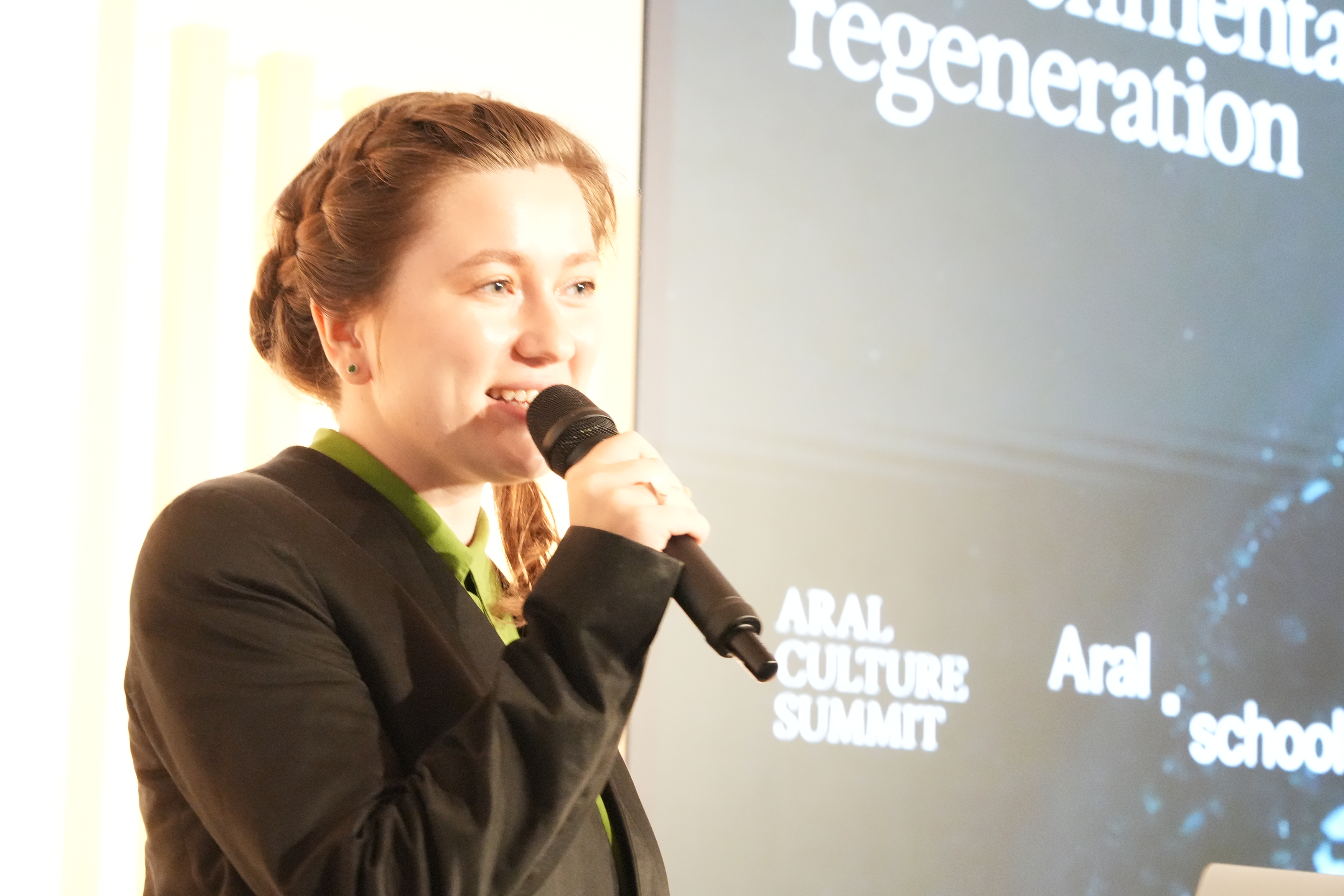
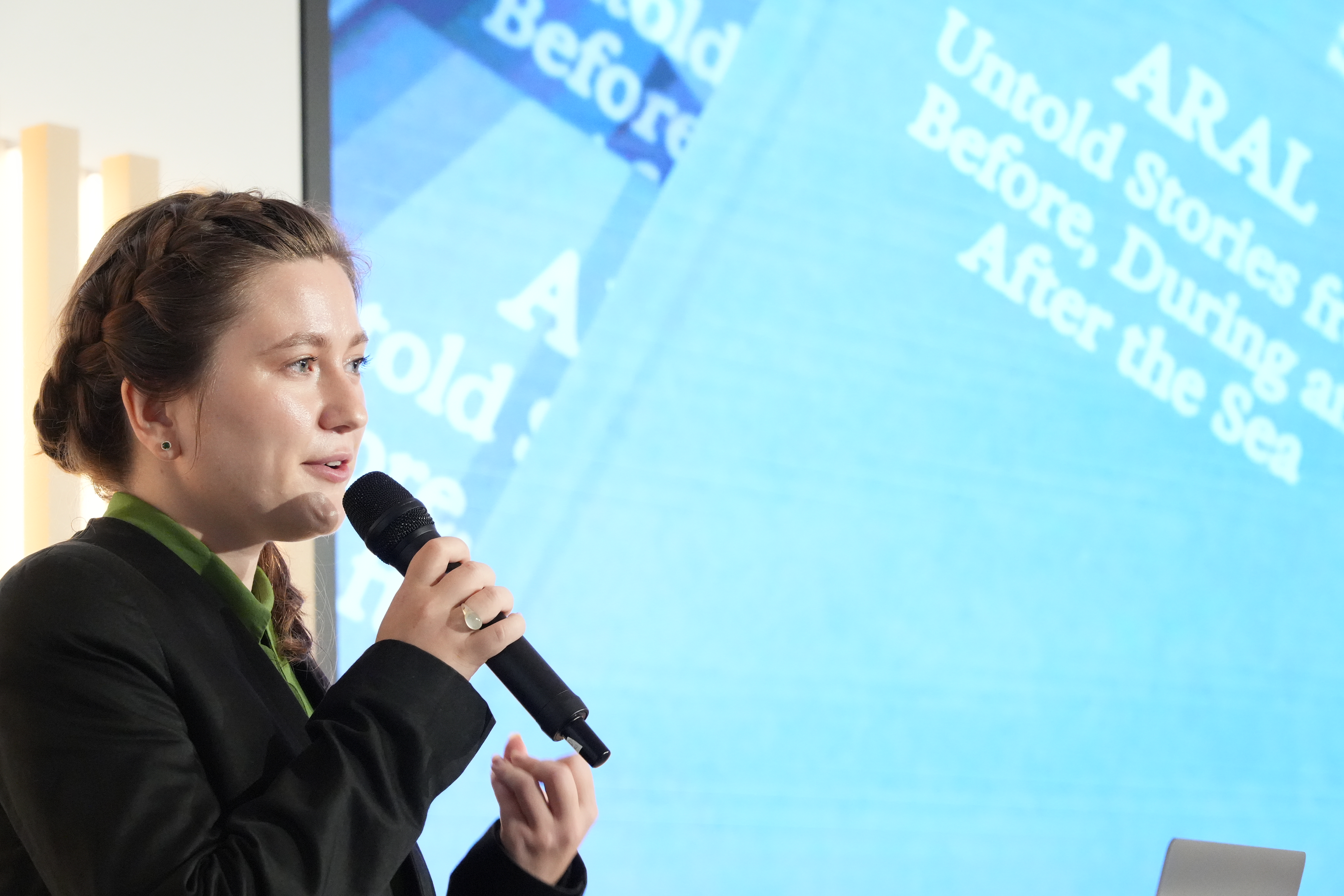
Cast
Moderator

Philip Maughan
Climate and food systems journalist
View Profile
Close
close
Speakers
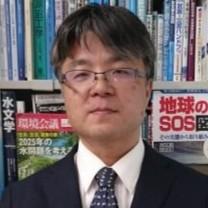
Kenji Tanaka
Professor of Kyoto University, Disaster Prevention Research Institute
View Profile
Close
close
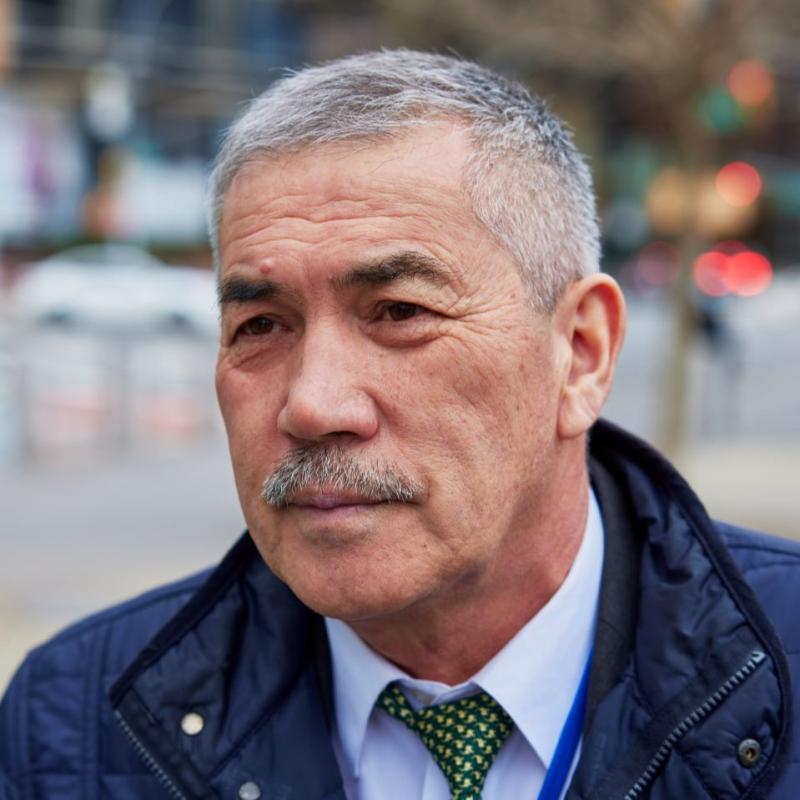
Oktyabr Dospanov
Head of Archaeology Department, State Museum of Arts of the Republic of Karakalpakstan named after I.Savitsky (Uzbekistan)
View Profile
Close
close
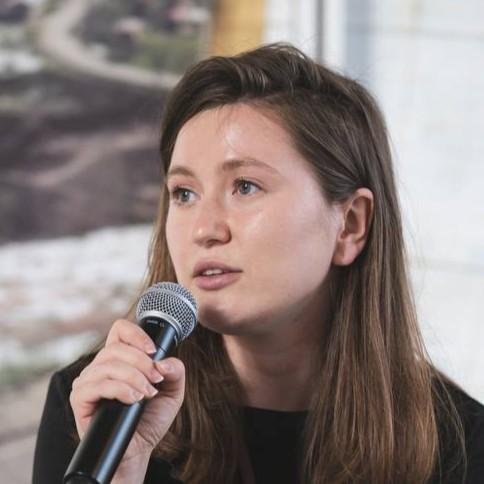
Anastasia Sinitsyna
Head of Programming, Aral Culture Summit
View Profile
Close
close
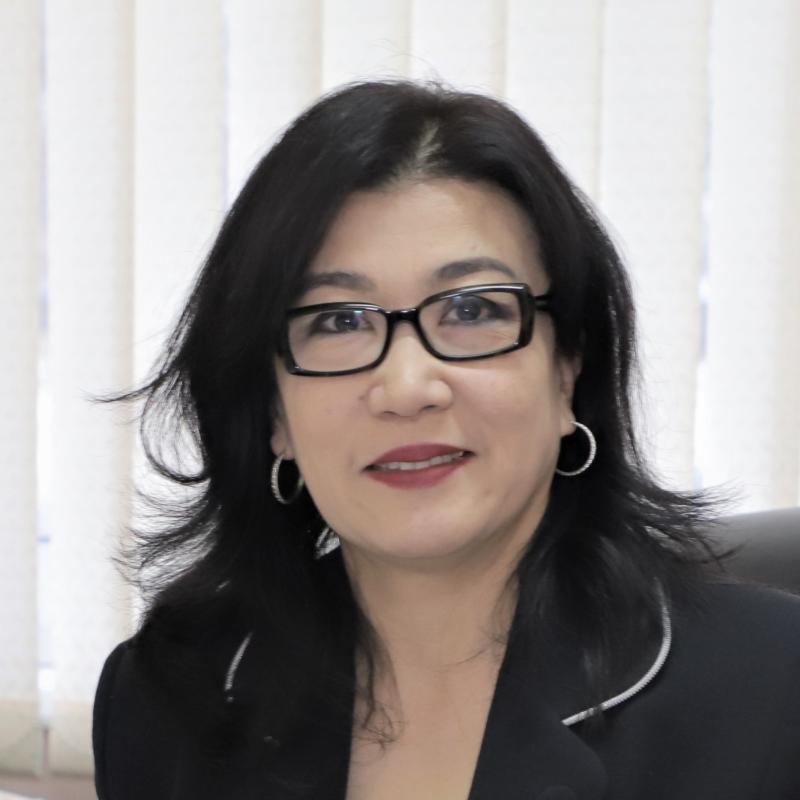
Dilfuza Egamberdieva
Head of the Laboratory of Biological Research and Food Safety, Tashkent Institute of Irrigation and Agricultural Mechanization Engineers (Uzbekistan)
View Profile
Close
close
The Future of Earth and Biodiversity Week
Revitalizing ecosystems: from the Aral Sea to the world
The event will showcase how the revival of the Aral Sea area and surrounding ecosystems exemplifies global and planetary environmental challenges and solutions, focusing on the interplay between scientific research, community engagement, and cultural innovation.
-
2025.09.28[Sun]
18:00~19:30
(Venue Open 17:30)
- Theme Weeks Studio
OTHER PROGRAM
The Future of Earth and Biodiversity Week