The Future of Earth and Biodiversity Week
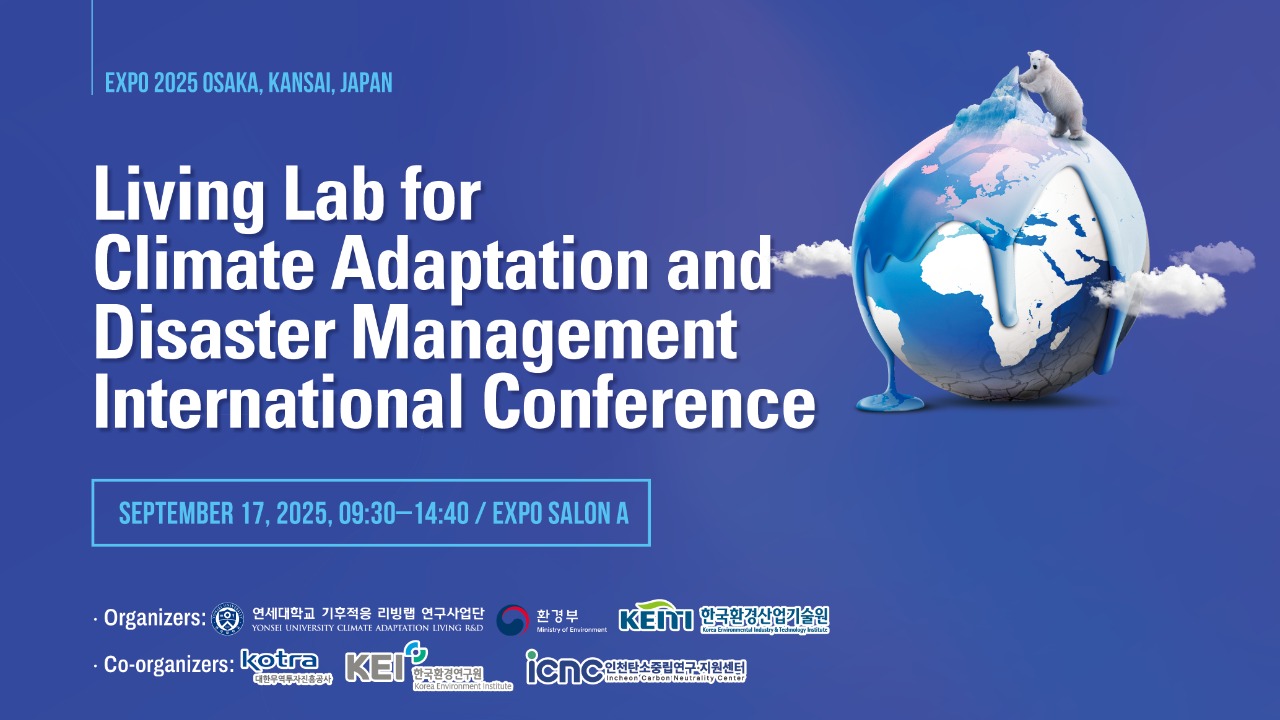
Living Labs for Climate Adaptation and Disaster Management International Conference
Republic of Korea
Held under the Expo 2025 Osaka Kansai theme “Designing
Future Society for Our Lives” and sub-theme “People’s Living
Lab”, this conference explores in depth the role of Living
Labs in climate adaptation. It goes beyond academic exchange
to emphasize stakeholder-centered collaboration and
experimental solutions. To this end, researchers,
businesses, and citizens from Korea and Japan will work
together to connect theoretical discussions with practical
applications.
A Living Lab is not a top-down answer delivered by experts
or government, but a process in which citizens, enterprises,
and local authorities jointly define problems and co-create
solutions. Such processes enhance policy acceptance and
realize democratic values in everyday life. By sharing
diverse cases from Korea and Japan, the conference seeks to
integrate academic insights with field experience and
establish an international platform for designing new models
of governance.
Discussion
- #Climate Adaptation #Living Lab #Climate Disaster #Co-Creation
| Transmission of simultaneous interpretation | Provided |
|---|---|
| Language of interpretation | Others |
-

Track Programme
-
Time and
Date of
the event -
-
2025.09.17[Wed]
09:30 ~ 14:40
(Venue Open 09:00)
-
- Venue
- EXPO Salon
Programme details
* Simultaneous interpretation will be provided in Korean and
Japanese.
* AI-powered interpretation systems will be utilized. To
access the service, please bring a smartphone or other device
with internet access and earphones.
* Subtitles will also be available via a separate screen.
The Living Lab for Climate Adaptation and Disaster Management
International Conference will be held as part of Expo 2025
Osaka Kansai, under the theme “Designing Future Society for
Our Lives” and sub-theme “People’s Living Lab.” The conference
is hosted by the Yonsei University Climate Adaptation Living
Lab Research Group (Principal Investigator: Taedong Lee), with
co-organization by the Ministry of Environment of Korea and
the Korea Environmental Industry & Technology Institute
(KEITI), the Korea Trade-Investment Promotion Agency (KOTRA),
the Korea Environment Institute (KEI), and the Incheon Carbon
Neutrality Center (ICNC).
The conference is structured around four thematic sessions to
highlight the role and potential of Living Labs in climate
adaptation and disaster management.
The first session, Climate Adaptation Living Labs, focuses on
community-based and industry-driven experiments, presenting
citizen participation and corporate adaptation frameworks.
The second session, Disaster Response Living Labs, contrasts
Korean citizen-centered initiatives with Japan’s system- and
technology-based approaches, including NTT’s nationwide
emergency alert and communication infrastructure.
The third session, Policy-Oriented Living Labs, examines how
governments, research institutes, and local authorities
integrate experimental participation into policymaking and
institutional reforms.
The fourth session, Technology-Driven Decision-Making Living
Labs, explores the use of data, AI, and digital platforms to
connect scientific information, citizen participation, and
governance, featuring Japan’s A-PLAT platform as a key
case.
Through these four sessions, the conference aims to integrate
academic insights with practical experiences, strengthen
collaborative governance, and chart innovative pathways for
climate adaptation and disaster resilience.
Reports
【Reflection】
The 'Living Lab for Climate Adaptation and Disaster
Management International Conference,' hosted by Yonsei
University's Climate Adaptation Living Lab R&D Group
and organized by entities including the Ministry of
Environment, KOTRA, and others, was an invaluable opportunity
to explore citizen-led solutions for the global challenge of
the climate crisis.
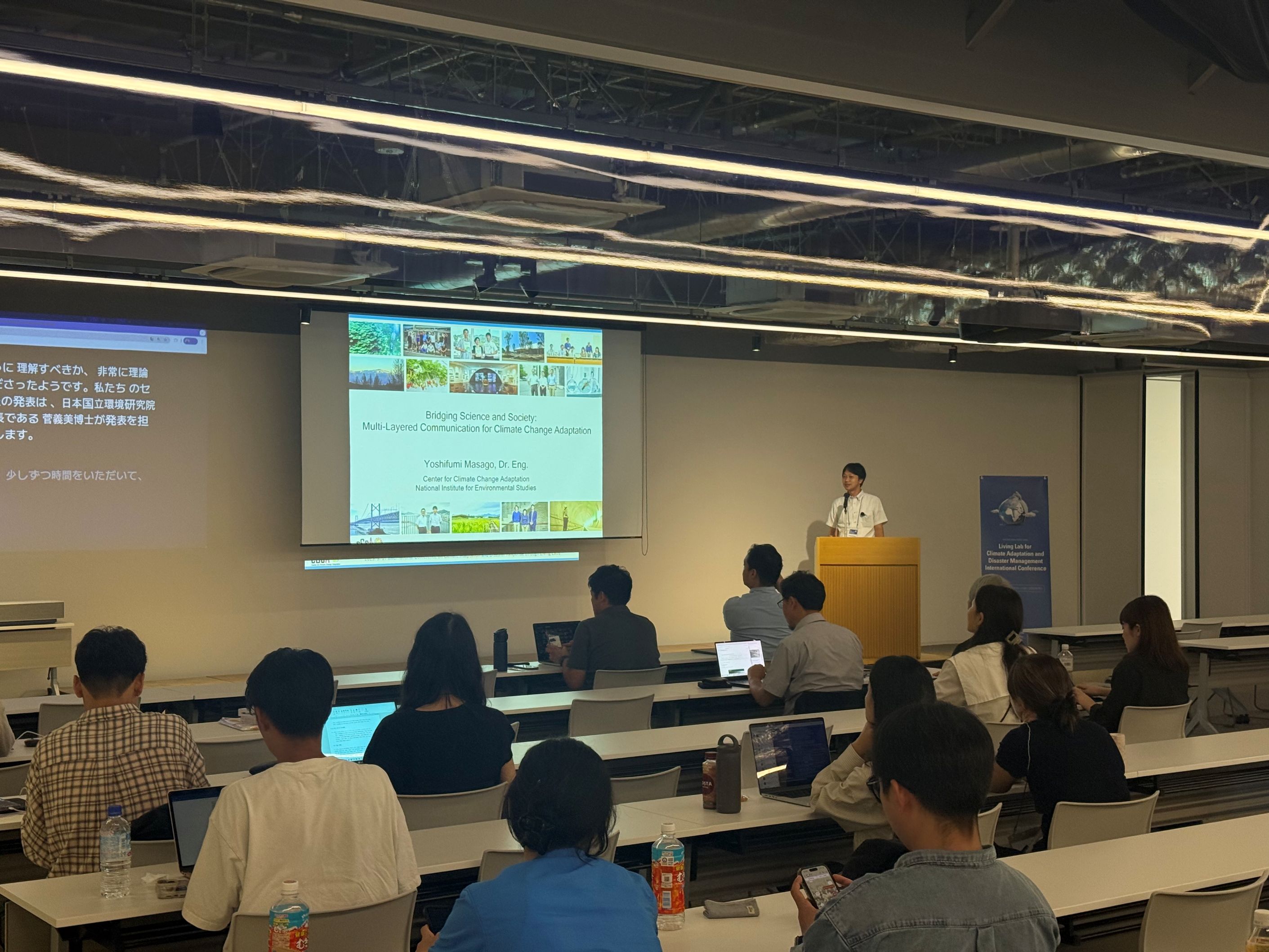
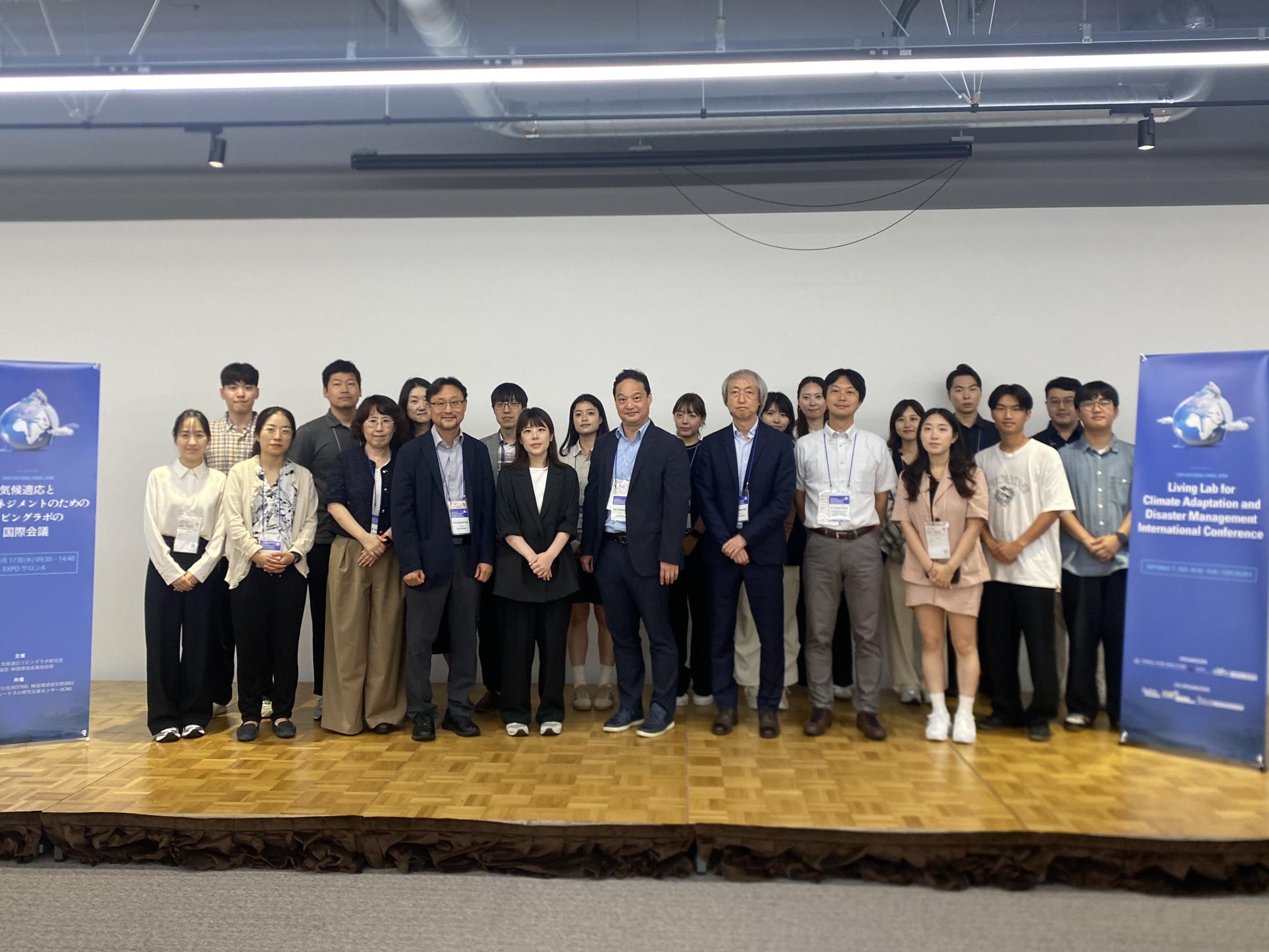
At this conference, researchers, practitioners, and experts
from Korea and Japan gathered to share specific case studies
of Living Labs. A key focus was comparing Korea's
citizen-centric approach with Japan's technology and
platform-based methods (e.g., NTT's emergency alerts,
A-PLAT), exploring possibilities for mutually complementary
development.
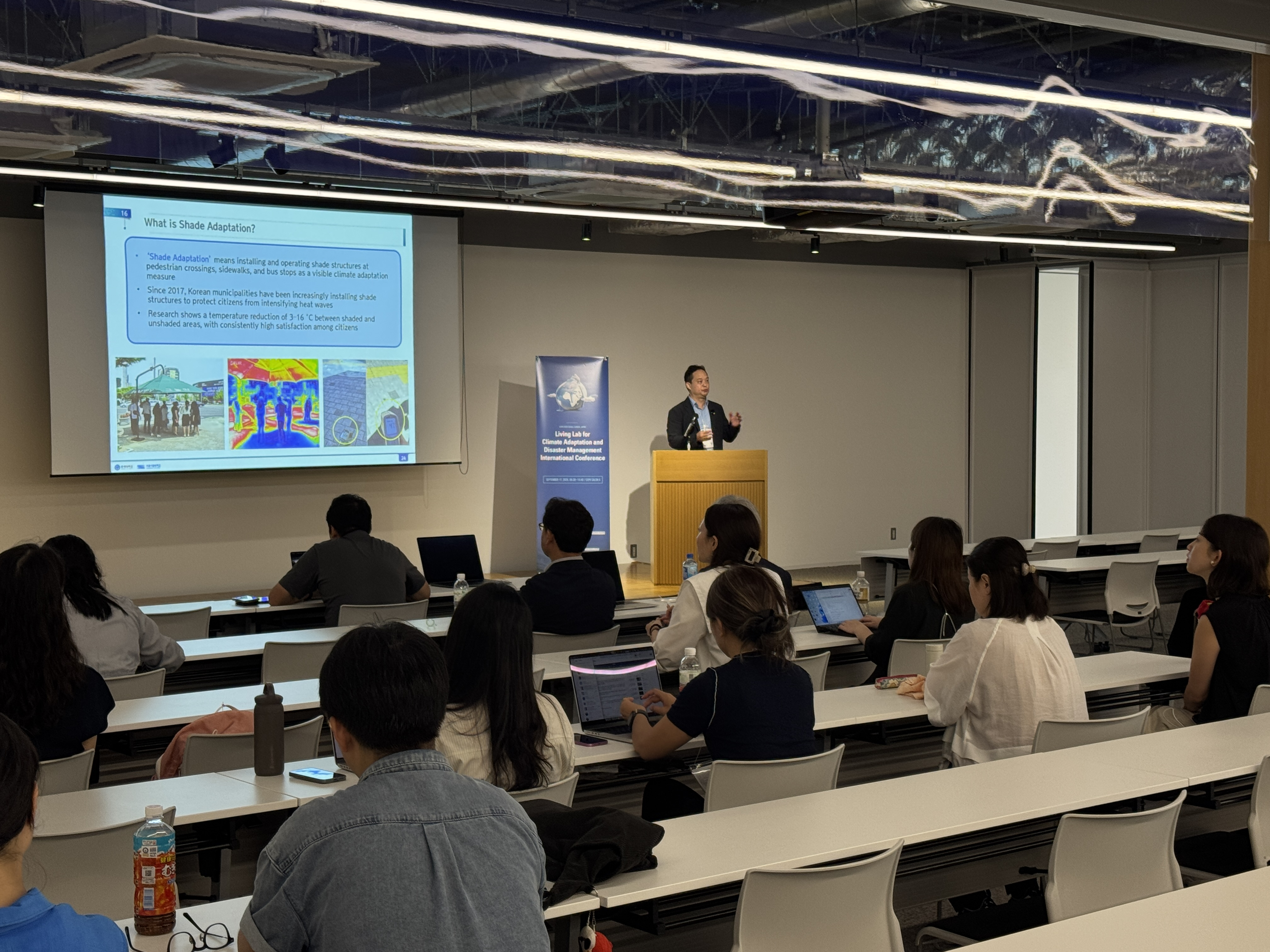
Presenters highlighted that Living Labs are innovative
platforms creating tangible change in the field—moving beyond
mere theory—through diverse examples such as climate
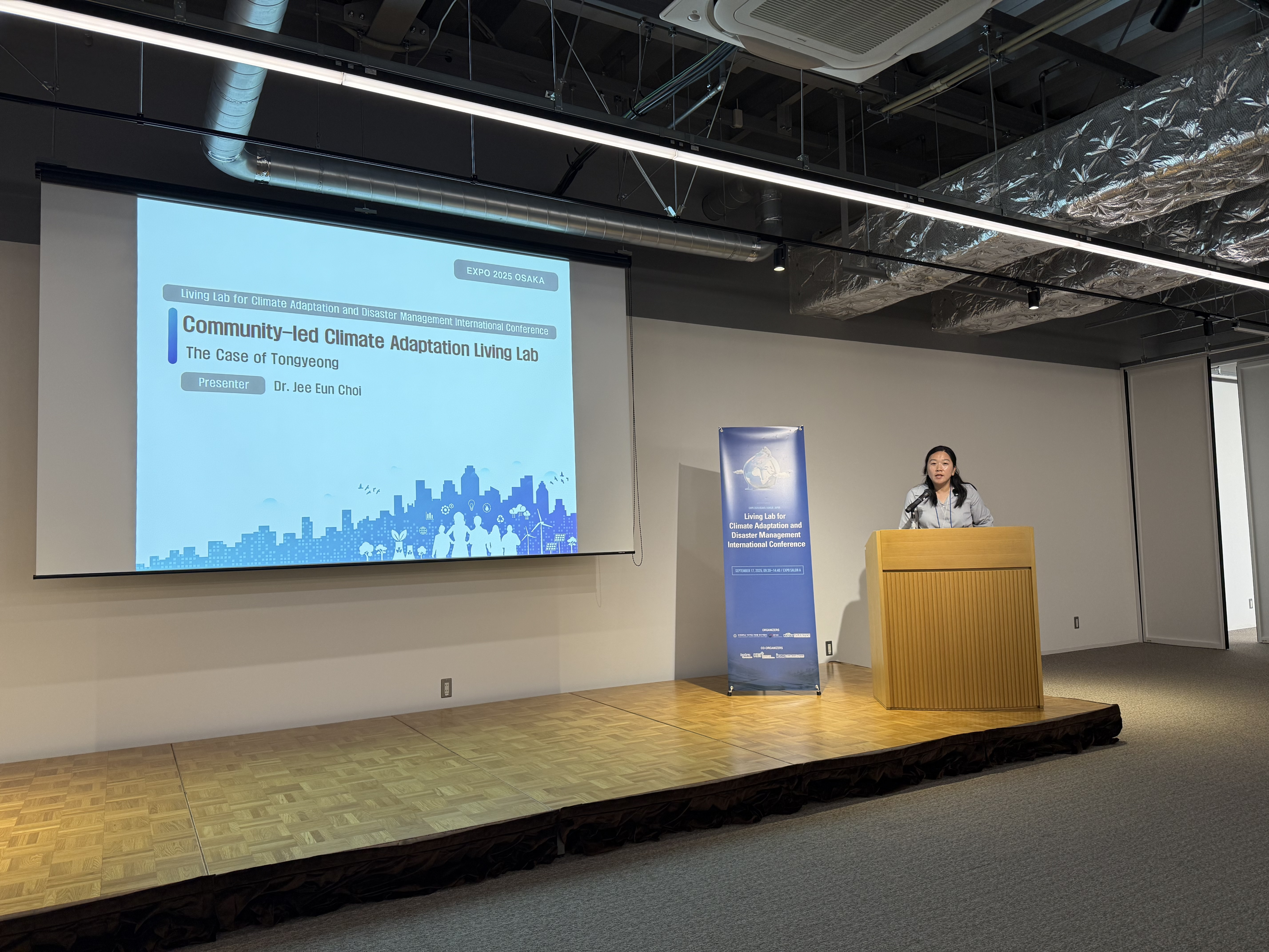
adaptation in fisheries (Tongyeong Living Lab), the
co-development of disaster alert messages, and the use of
Living Labs in the policymaking process
This event was highly meaningful as it specifically embodied
the values of the Expo 2025 Osaka, Kansai's core theme,
"Designing Future Society for Our Lives", and its
sub-theme, "People's Living Lab”. It presented a
sustainable vision for a future society through an
experimental, bottom-up approach where citizens become the
primary agents of problem-solving.
【Post EXPO Initiatives】
Moving forward, we plan to deepen international cooperation in
climate adaptation and disaster management and pursue concrete
action plans based on the insights and suggestions from this
conference.
First, based on the network between Korea and Japan
established through the conference, we will launch full-scale
joint research and policy exchanges on Living Labs. By
deepening theoretical and practical insights through
comparative studies of cases from both countries, we will lay
the groundwork for launching a joint initiative to vitalize
Living Labs in the Asian region.
Second, we will systematically promote and disseminate the
'K-Living Lab' model, pioneered by the Republic of
Korea, on the international stage to contribute to
strengthening our nation's global leadership in climate
crisis response. To this end, we will focus on expanding
cooperation with related overseas organizations and
establishing a foundation for joint responses.
Finally, to carry forward the importance of civil society
exchange and mutual learning discussed at the conference, we
will arrange programs such as online seminars and workshops
for the continued participation of diverse stakeholders.
Through these efforts, we will create a virtuous cycle where
field experience and research outcomes lead to tangible
policies and further enhance social and industrial impact,
such as the creation of new business models.
Cast
Moderator
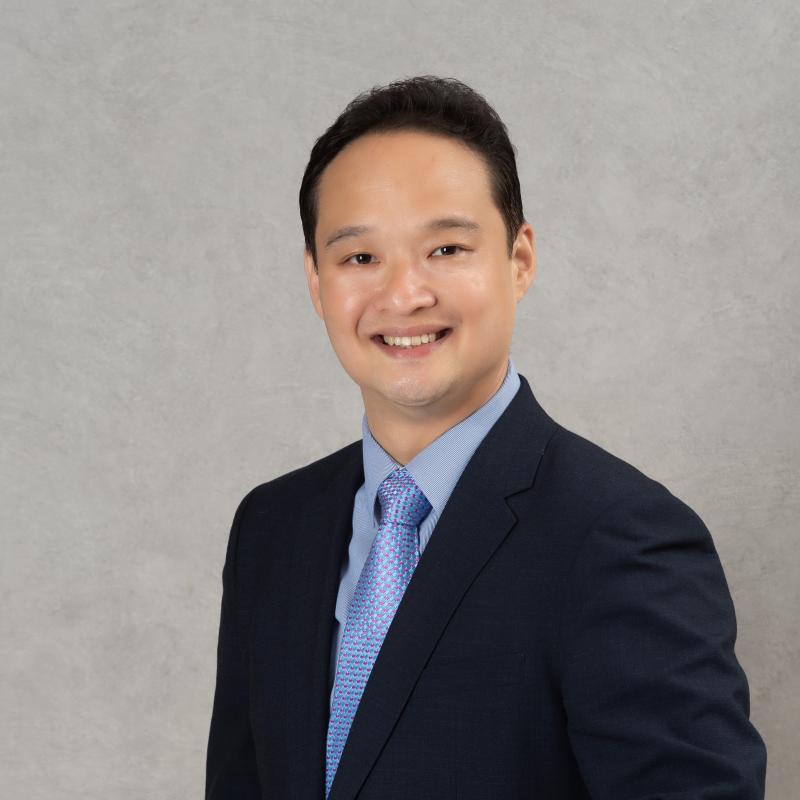
Taedong Lee
Yonsei University
Taedong Lee is the Underwood Distinguished Professor in the Department of Political Science and International Relations at Yonsei University, Seoul, and Director of the Environment, Energy, and Human Resource Development Center. He leads pioneering initiatives such as the Climate Adaptation Living Lab Research & Development, and Project Y: Transformative Climate Change Research & Education. His research specializes in environmental governance, examining it through the perspectives of international relations and public policy. For more information, visit www.taedonglee.com or contact him at tdlee@yonsei.ac.kr.
View Profile
Close
close
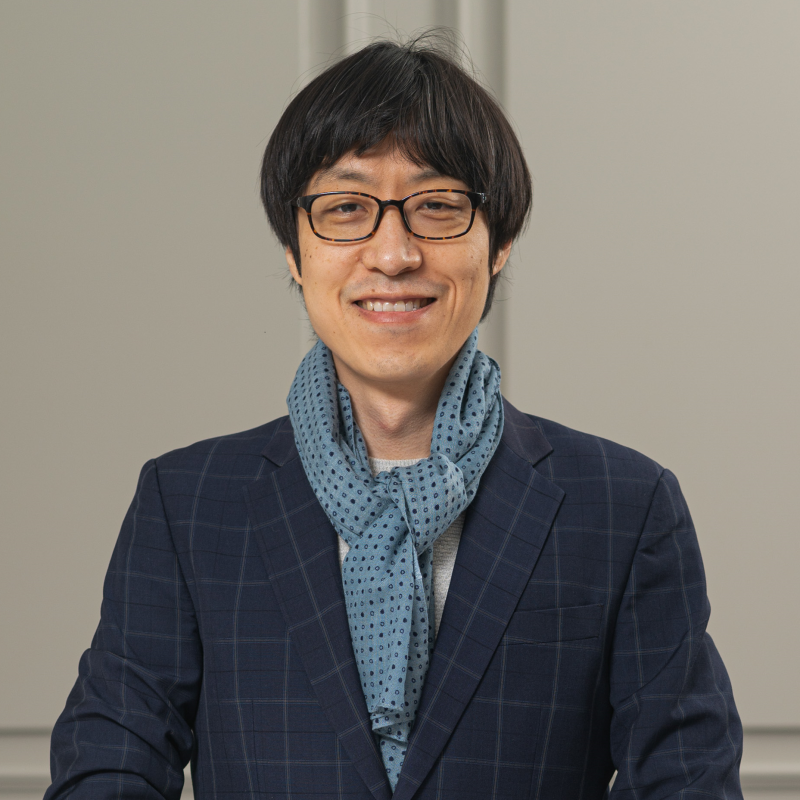
Hyun Kim
Yonsei University
Hyun Kim is a Research Professor at the Center for Digital Social Science, Yonsei University, where he earned his BA, MA, and PhD in Political Science. His research focuses on Korean democracy across political theory, conceptual history, and local autonomy. Notable works include "A Critical Review of the Theory of Local Autonomy: Is the Theory of Resident Sovereignty Useful for Local Self‑Government?" and "Civic Education in the Age of Populism: Agonistic Approach to Civic Education and 'Common Affection'.
View Profile
Close
close
Speakers
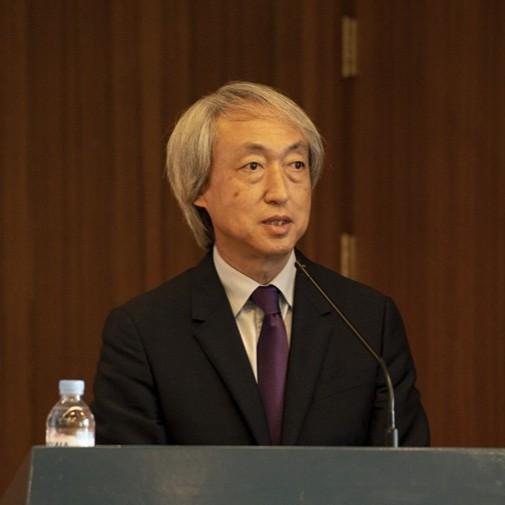
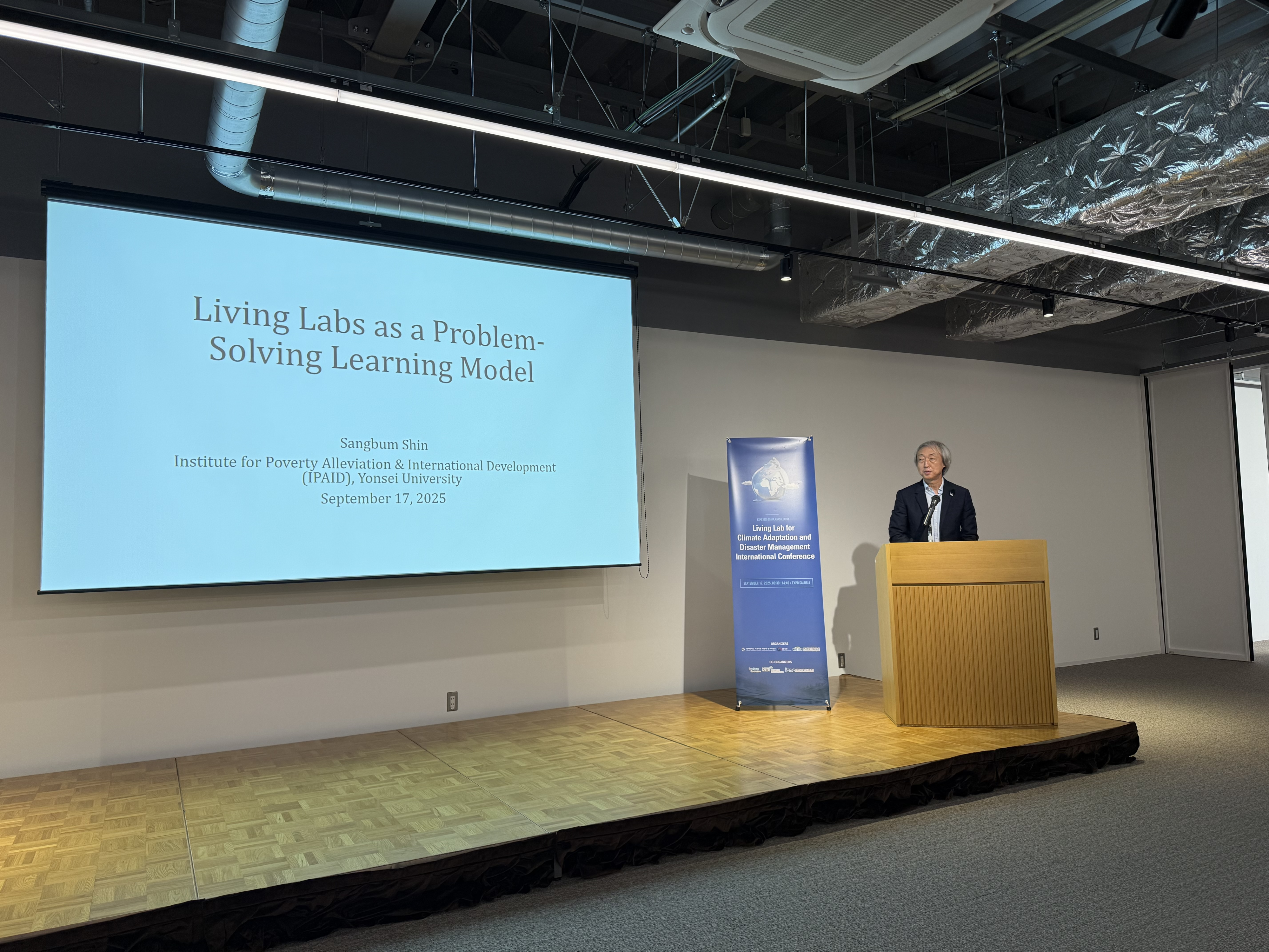
Sangbum Shin
Yonsei University
Sangbum Shin is a professor at the Department of International Relations at Yonsei University Mirae Campus, Korea. He served as the director of the Institute for Poverty Alleviation and International Development (IPAID) at Yonsei University from 2021 to 2025. He has been leading the research project on living lab based international educational cooperation funded by the Korean National Research Foundation since 2022. The project is based on the notion of “glocal” approach to climate change, which means that global problems such as climate change are addressed in various local units based on their local contexts. His team has established a global network of educational cooperation in which university students from Asia and Africa come up with creative and innovative solutions to climate change and other environmental issues.
View Profile
Close
close
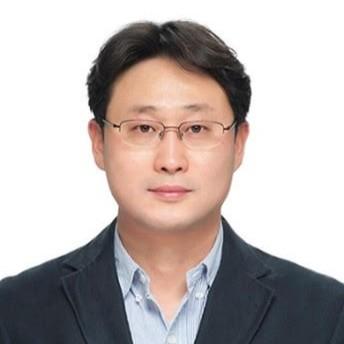
Dong Keun Yoon
Yonsei University
Dong Keun (D.K.) Yoon is a Professor in the Department
of Urban Planning and Engineering at Yonsei
University, Seoul, South Korea. His teaching and
research focus on environmental planning and analysis,
disaster policy and management, disaster vulnerability
and urban resilience, climate change adaptation, and
spatial analysis using Geographic Information Systems
(GIS).
He earned a Master of Regional Planning degree in City
and Regional Planning from the University of North
Carolina at Chapel Hill and a Ph.D. in City and
Regional Planning from Cornell University. Dr.
Yoon's research has been widely published in
leading international journals, covering topics such
as social vulnerability to disasters, climate
adaptation, and urban safety. He has collaborated
extensively with government agencies and international
organizations on disaster risk management and
resilience planning. Additionally, he has led multiple
large-scale national research projects, demonstrating
strong leadership in disaster risk reduction and urban
resilience planning.
View Profile
Close
close
Yeora Chae
KEI (Korea Environment Institute)
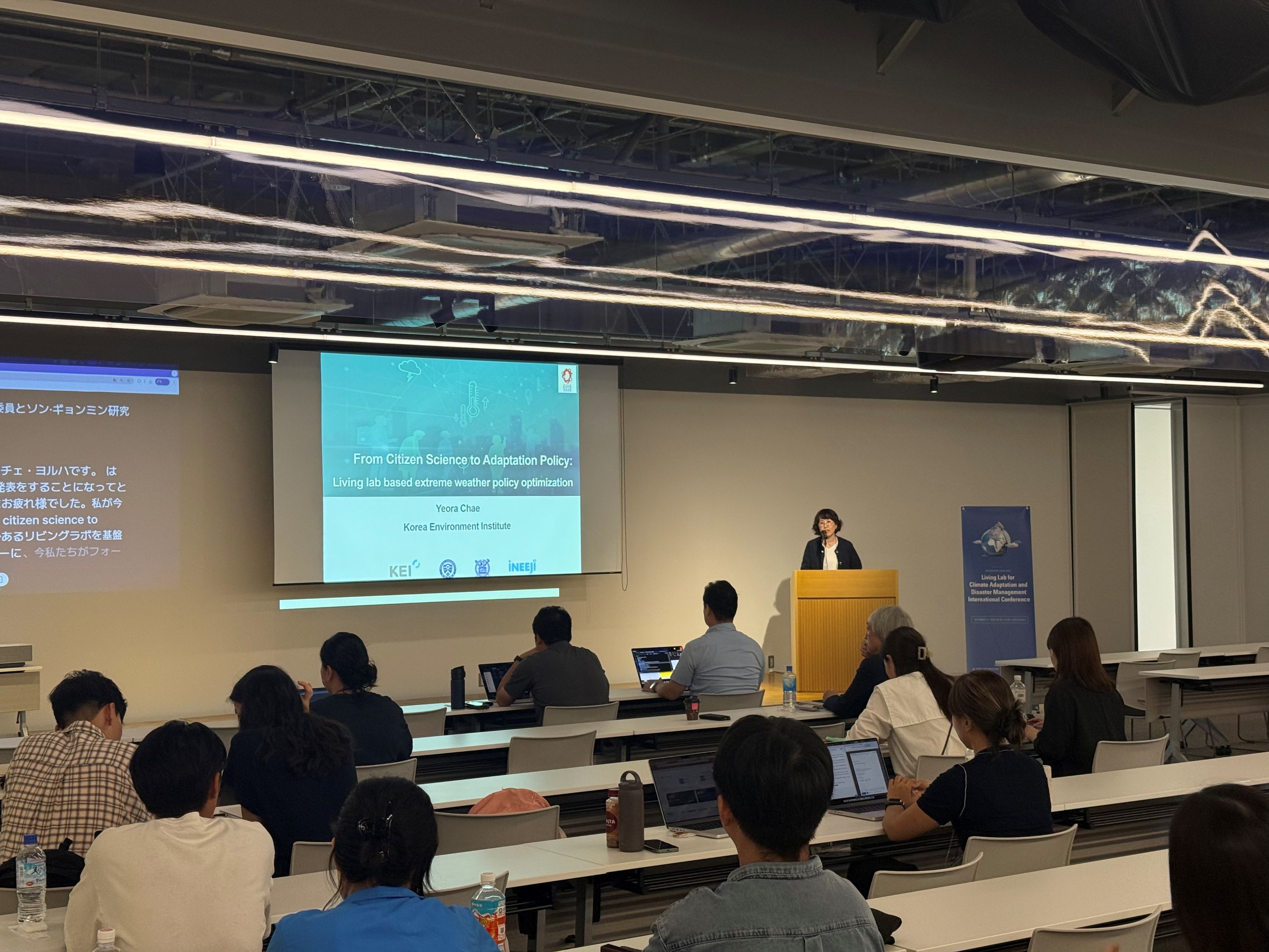
Yeora Chae is a Senior Research Fellow at the Korea Environment Institute (KEI) in the Carbon Neutrality Research Division, where she is responsible for integrated analysis of climate change and air pollution.
View Profile
Close
close
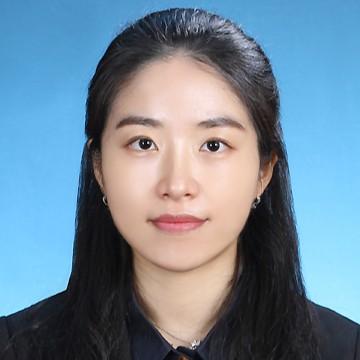
Jieun Ryu
The Incheon Carbon Neutrality Center (ICNC)
Dr. Jieun Ryu is a Principal Researcher in the Climate Policy Research Team at the Incheon Carbon Neutrality Research Support Center, focusing on climate change adaptation. Her work integrates spatial analysis, policy design, and participatory approaches to strengthen urban resilience. She has collaborated with local governments, research institutes, and civic partners on strategies for carbon neutrality, flood risk, and heatwave adaptation. As a researcher in a local government-affiliated institute, she has been exploring the role of Living Labs in adaptation research and practice.
View Profile
Close
close
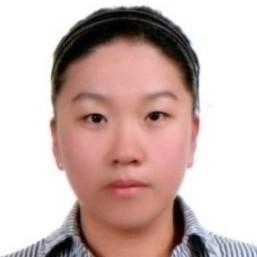
Jee Eun Choi
Resercher, Institute of East and West Studies, Yonsei Universtiy
Dr. JEE EUN CHOI is a researcher at the Institute of East and West Studies (IEWS) at Yonsei University in Seoul, South Korea. She earned her doctoral degree in Public Health, specializing in environmental epidemiology, from Yonsei University. Dr. CHOI actively collaborates with government agencies, research institutes, and international organizations to promote the Sustainable Development Goals (SDGs) and the Education for Sustainable Development (ESD) framework.
View Profile
Close
close
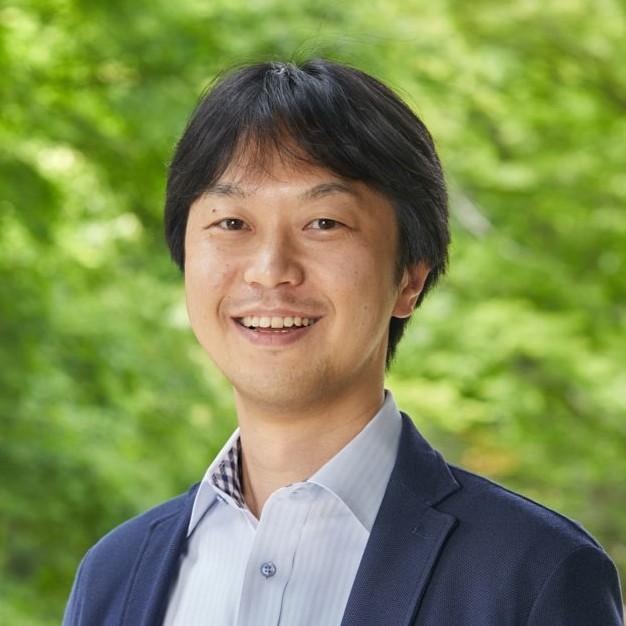
Yoshifumi Masago
National Institute for Environmental Studies
Dr. Masago has over 20 years of research experience in water quality issues, health-related water microbiology, and the effects of climate and social changes on water-related challenges in both developed and developing countries. His current research interests include addressing the impacts of climate change across various sectors and fields, as well as exploring how scientists can support decision-makers in developing adaptation strategies. Additionally, he is involved in managing the Climate Change Adaptation Information Platform (A-PLAT), which is designed to disseminate scientific knowledge on climate change to stakeholders.
View Profile
Close
close
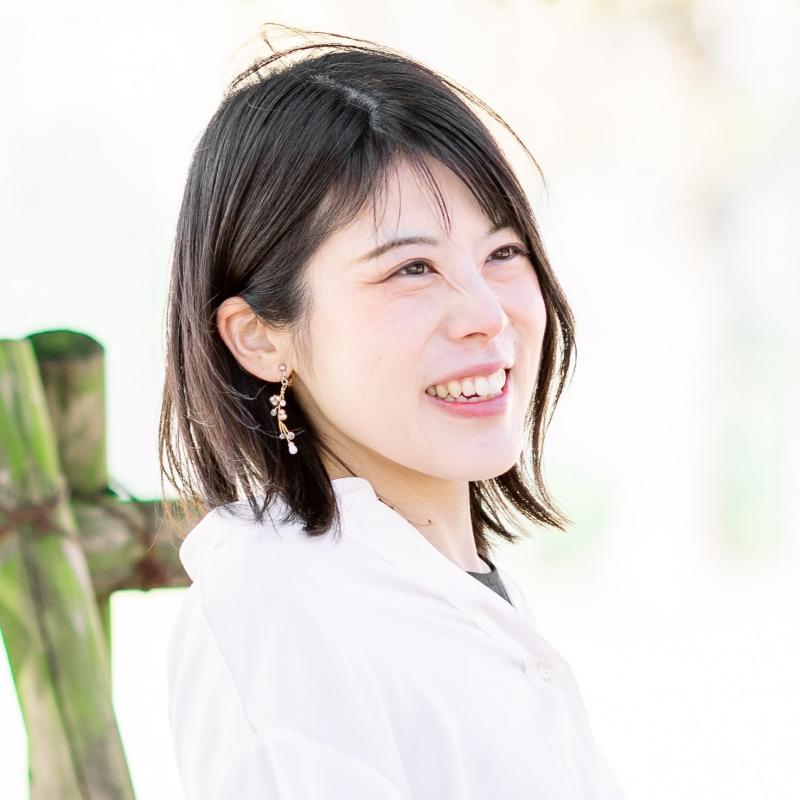
Yui Murakami
Osaka university
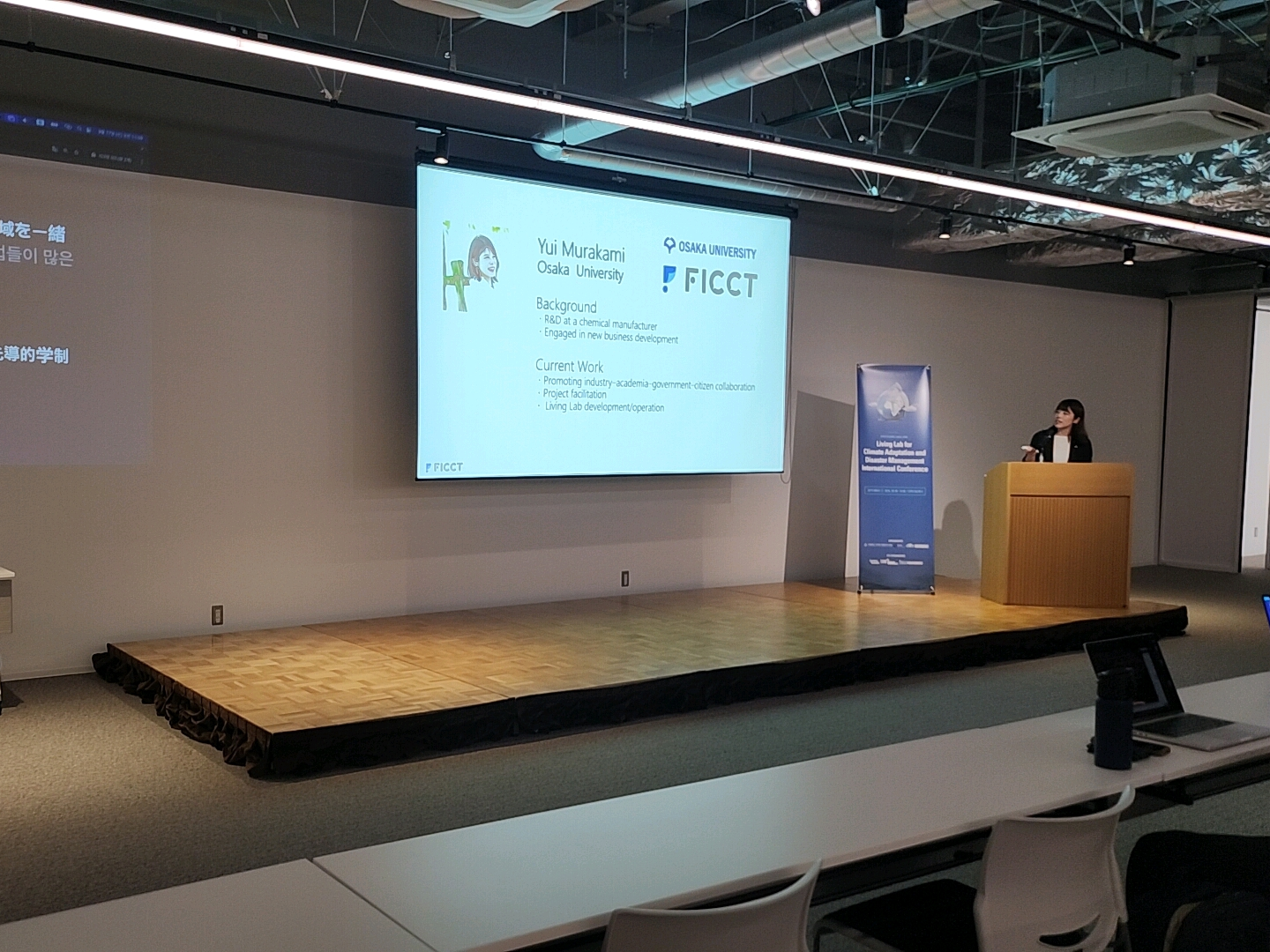
Yui Murakami is a visiting researcher at the Institute for Open and Transdisciplinary Research Initiatives at Osaka University. She was involved in the establishment of a collaborative center that bridges industry, academia, government, and the private sector, driving forward various projects. Her research focuses on fostering co-creation with local communities, aiming to develop innovative solutions that benefit society.
View Profile
Close
close
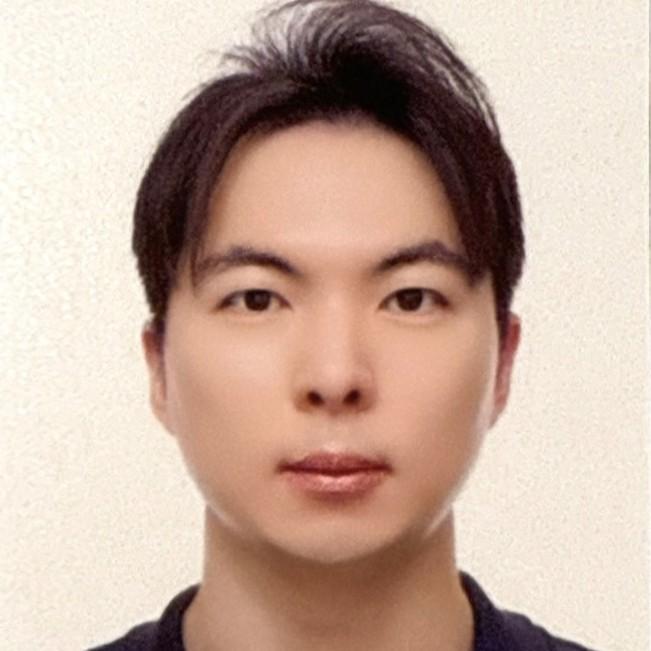
Seong-Bhin Yang
Yonsei University
Seong-Bhin Yang is a Ph.D. student in the Department of Communication at Yonsei University, having previously earned master’s degrees in Business Administration and Psychology. His research focuses on public communication for climate adaptation technologies and policies. He is currently a member of the Climate Adaptation Living Lab Research Group at Yonsei University, where Prof. Taedong Lee leads a national R&D initiative funded by the Korean Ministry of Environment to promote citizen-centered climate adaptation strategies and co-create user-oriented decision support systems (DSS) through the Living Lab methodology.
View Profile
Close
close
Jeeyoun Kim
Yonsei University
Jeeyoun Kim is a climate adaptation researcher and artist whose work connects governance, citizen participation, and creative practice. She is a PhD candidate in Political Science at Yonsei University and a researcher with the Climate Adaptation Living Lab R&D Group. Her research focuses on participatory frameworks for climate adaptation, including heatwave and cold-wave response, customized climate disaster text messaging, and corporate engagement in urban disaster governance. She previously served in the Office of the President of the Republic of Korea (Public Communication Planning Secretariat), where she worked on communication planning and opinion analysis—experience that informs her Living Lab approach to stakeholder engagement. She has also contributed to studies on government–civil society networks at the Korea Institute of Public Administration and on international climate and civil society projects at the Nautilus Institute. Both her academic and artistic practice draw on Living Lab methodologies, including Energy: Invisible Language (2023) and Space Journey without a Rocket: An Invitation to Planet No-Litter (2025, Gyeongnam Art Museum). Since 2020, she has led the “Climate Dictionary” project, cultivating new climate imagination through community experience.
View Profile
Close
close
Co-organiser
Korea Trade-Investment Promotion Agency (KOTRA)
Korea Environment Institute (KEI)
Incheon Carbon Neutrality Center (ICNC)
The Future of Earth and Biodiversity Week
Living Labs for Climate Adaptation and Disaster Management International Conference
Held under the Expo 2025 Osaka Kansai theme “Designing Future
Society for Our Lives” and sub-theme “People’s Living Lab”,
this conference explores in depth the role of Living Labs in
climate adaptation. It goes beyond academic exchange to
emphasize stakeholder-centered collaboration and experimental
solutions. To this end, researchers, businesses, and citizens
from Korea and Japan will work together to connect theoretical
discussions with practical applications.
A Living Lab is not a top-down answer delivered by experts or
government, but a process in which citizens, enterprises, and
local authorities jointly define problems and co-create
solutions. Such processes enhance policy acceptance and
realize democratic values in everyday life. By sharing diverse
cases from Korea and Japan, the conference seeks to integrate
academic insights with field experience and establish an
international platform for designing new models of governance.
-
2025.09.17[Wed]
09:30~14:40
(Venue Open 09:00)
- EXPO Salon
OTHER PROGRAM
The Future of Earth and Biodiversity Week