The Future of Earth and Biodiversity Week
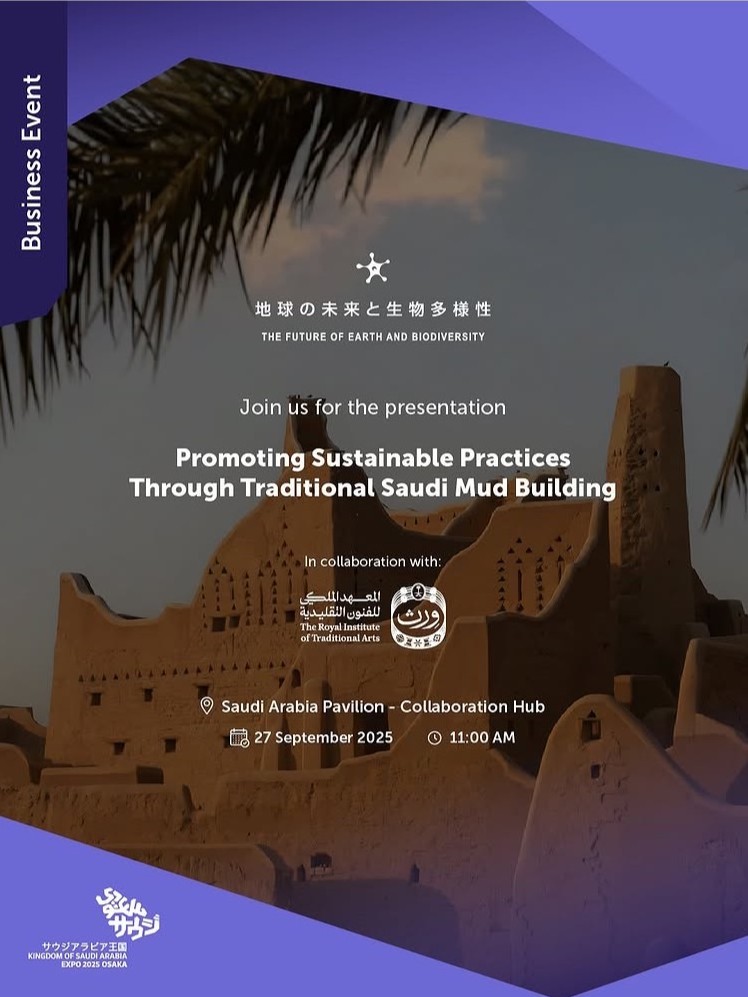
Promoting Sustainable Practices
Through Traditional Saudi Mud Building
Kingdom of Saudi Arabia
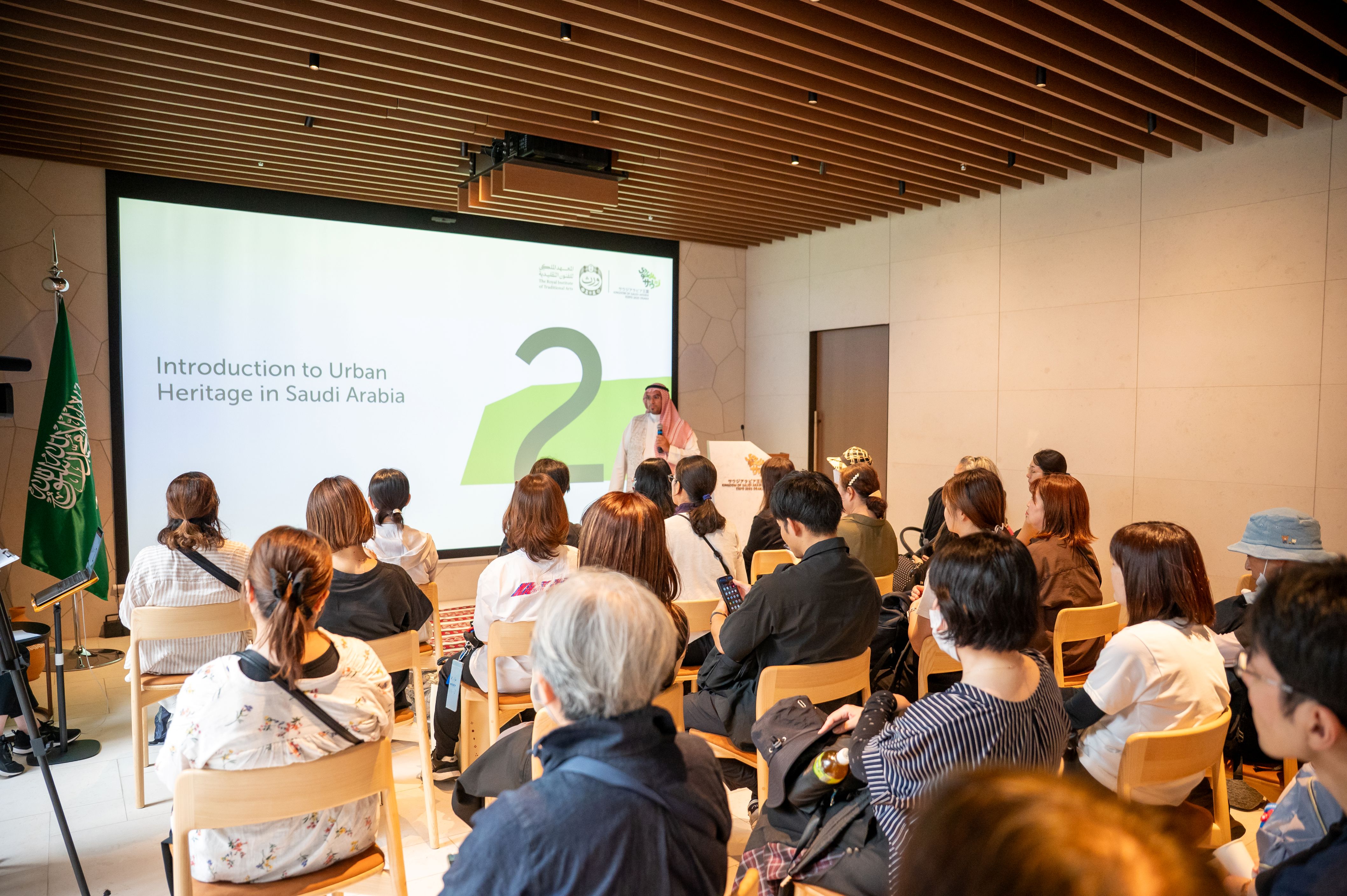
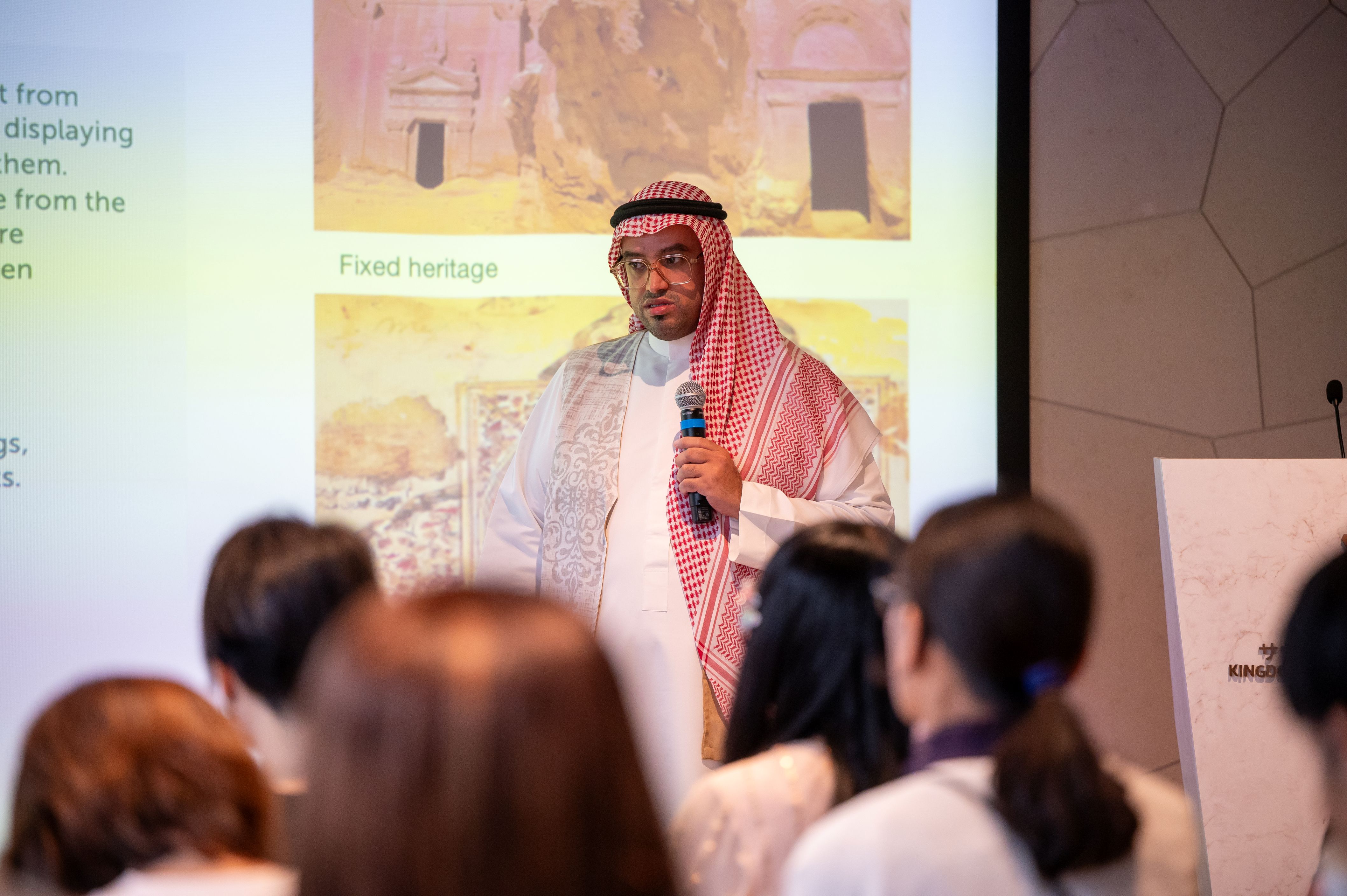
The talk aims to explore how traditional Saudi mud building techniques promote sustainable practices and cultural heritage. As an integral part of Saudi architecture, these techniques embody principles of sustainability that are relevant in today's context. By educating future generations through the Insititute, we can ensure the preservation of this invaluable tradition while highlighting its contemporary relevance in sustainable development.
Recorded video available
Discussion
| Transmission of simultaneous interpretation | Provided |
|---|---|
| Language of interpretation | Japanese and English |
-

Track Programme
-
Time and
Date of
the event -
-
2025.09.27[Sat]
11:00 ~ 13:00
(Venue Open 10:30)
-
- Venue
- Pavilion
- Saudi Arabia Pavilion
Programme details
*Subtitles: Choose “Subtitles/CC” in the “Settings” (gear
icon) at the bottom right of the YouTube video.
*Subtitles may not show with multiple languages or overlapping
audio.
Reports
【Reflection】
The program offered by the Royal Institute of Traditional Arts
(WRTH) provided an inspiring and comprehensive understanding
of how Saudi Arabia is preserving and revitalizing its
traditional arts within the framework of Vision 2030.
Established under the Ministry of Culture and chaired by HRH
Crown Prince Mohammed bin Salman, WRTH’s initiatives
demonstrated a strong commitment to connecting heritage with
innovation, ensuring that traditional knowledge remains
relevant in the modern era.
Through the program’s exploration of WRTH’s five strategic
pillars: education, research, artisan empowerment, public
engagement, and international exchange, insight was gained on
how cultural preservation can also drive creativity,
employment, and global dialogue. The emphasis on empowering
artisans, particularly through recognizing “Living National
Treasures,” highlighted the human dimension of heritage,
valuing the individuals who sustain cultural continuity
through skill and dedication.
The sessions on heritage concepts showed the balance between
tangible and intangible heritage. It demonstrated how physical
sites, artifacts, and architecture intertwine with oral
traditions, craftsmanship, and social customs to form a
holistic cultural identity. The discussion on heritage’s
political, social, and economic significance reinforced its
role not just as a symbol of national pride but also as a tool
for education, job creation, and community development.
Exploring urban heritage across Saudi regions offered a vivid
perspective on the Kingdom’s diversity. From the monumental
structures of Riyadh and the sacred sites of Madinah to the
distinctive mudbrick architecture of Najd, each region tells a
story shaped by geography, history, and faith. Najdi
architecture reflects deep environmental and cultural
intelligence—its inward-facing courtyards, intricate designs,
and privacy-oriented layouts reveal a harmonious integration
of aesthetics, function, and values.
Overall, the program encouraged reflection on how heritage
preservation is not merely about conservation but about
revitalization—bridging the past with the present and enabling
future generations to find inspiration in tradition. WRTH’s
vision demonstrates that traditional arts are not static
relics but living expressions of identity, capable of evolving
while maintaining their authenticity.
This learning experience reinforced the belief that cultural
heritage plays a vital role in shaping community resilience,
fostering creativity, and strengthening national identity. It
served as a reminder that preserving traditional arts is also
an investment in people, their skills, stories, and sense of
belonging.
【Post EXPO Initiatives】
The Royal Institute of Traditional Arts (WRTH) is advancing
its commitment to cultural preservation and sustainability
through the Traditional Building Techniques Program, the first
structured apprenticeship of its kind in the Arab world. This
pioneering initiative focuses on mud construction, one of the
oldest and most environmentally responsive building traditions
in Saudi Arabia. Designed to bridge heritage and innovation,
the program aims to train a new generation of artisans,
architects, and conservation specialists capable of sustaining
and revitalizing traditional construction practices within
modern development contexts.
The program is structured across three progressive levels:
• Level I (Beginner) introduces participants to the
foundations of mud building, including understanding material
properties, traditional methods, and model construction.
Apprentices also gain a theoretical grounding in heritage
architecture, exploring how these techniques reflect cultural
and environmental adaptation.
• Level II (Intermediate) advances into restoration and
conservation skills. Participants learn to assess the heritage
value of sites and apply restoration techniques with
historical accuracy and sustainability in mind. A key feature
of this stage is the opportunity to engage in hands-on
projects such as reconstructing architect Hassan Fathy’s
designs in Diriyah, blending traditional wisdom with
contemporary restoration practices.
• Level III (Advanced) prepares participants for leadership
roles in heritage management. Apprentices are trained in
project management, regulatory standards, safety protocols,
and team leadership, enabling them to oversee restoration
projects and train others. This level includes participation
in major national projects, notably the restoration of AlUla
Old Town, offering real-world experience in heritage
conservation at scale.
By integrating education, practical training, and professional
development, the program not only preserves ancient building
knowledge but also supplies the Saudi job market with skilled
artisans and cultural specialists. It contributes directly to
the goals of Vision 2030, promoting sustainable urban
development rooted in cultural identity.
The program’s broader philosophy reflects WRTH’s vision of
traditional architecture as a living cultural system, dynamic,
functional, and adaptable. Saudi Arabia’s urban heritage is
understood as a reflection of its environmental conditions,
social customs, and religious values, particularly evident in
Najdi architecture, which emphasizes privacy, efficiency, and
harmony with climate.
Through the Traditional Building Techniques Program, WRTH
ensures that traditional craftsmanship does not remain a
static legacy but evolves into a vibrant professional pathway,
combining cultural preservation with economic opportunity.
This initiative stands as a model for how heritage can inform
modern architecture and sustainability practices, ensuring
that the artistry and wisdom of Saudi builders continue to
shape the Kingdom’s future landscapes.
Cast
Speakers

Dr. Ahmed Alaidarous
Dean of the Cultural Heritage and Museum College, The Royal institute of Traditional Arts (Wrth)
View Profile
Close
close
Co-organiser
Royal Institute of Traditional Arts (WRTH)
The Future of Earth and Biodiversity Week
Promoting Sustainable Practices
Through Traditional Saudi Mud Building
The talk aims to explore how traditional Saudi mud building techniques promote sustainable practices and cultural heritage. As an integral part of Saudi architecture, these techniques embody principles of sustainability that are relevant in today's context. By educating future generations through the Insititute, we can ensure the preservation of this invaluable tradition while highlighting its contemporary relevance in sustainable development.
-
2025.09.27[Sat]
11:00~13:00
(Venue Open 10:30)
- Pavilion
OTHER PROGRAM
The Future of Earth and Biodiversity Week