The Future of Earth and Biodiversity Week
Agenda2025 business exchange programme‘Visionary Exchange'
Japan Association for the 2025 World Exposition
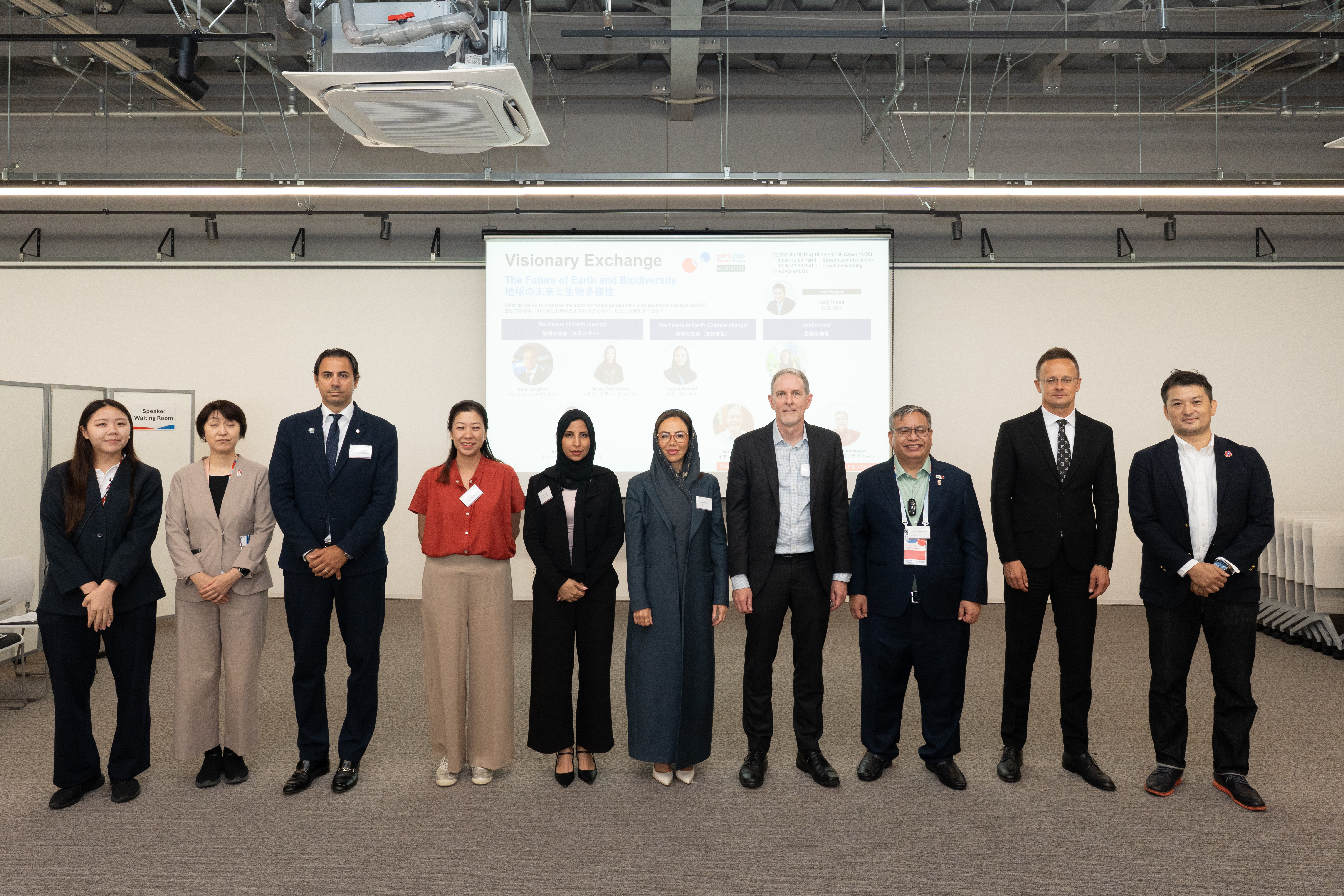
We are pleased to organise a speech and discussion event, as well as a lunch networking event, on the theme of the Agenda programme ‘The Future of Earth and Biodiversity’, entitled ‘Visionary Exchange’, as part of the Agenda2025 programme.This gathering aims to include business delegations, universities, scientists, government officials, Agenda2025 panelists, and relevant Japanese leaders from government, industry, and academia. Participants will engage in keynote addresses and networking sessions aligned with each Theme's focus.(Invitation only)
Business Exchange
- Climate change
- Biodiversity
- Renewable energy
| Transmission of simultaneous interpretation | Provided |
|---|---|
| Language of interpretation | Japanese and English |
-

Agenda2025
Organised Programme
-
Time and
Date of
the event -
-
2025.09.18[Thu]
10:30 ~ 13:15
(Venue Open 10:00)
-
- Venue
- EXPO Salon
Programme details
As we approach mid‑century, the accelerating loss of
biodiversity and the impacts of climate change are expected to
fundamentally reshape our societies and economies. In this
Visionary Exchange on the Future of Earth and Biodiversity,
participants will share a vision of a future society that
thrives with nature and explore the conditions under which
diverse life can flourish, drawing on insights from various
viewpoints. Building on UNEP’s notion of a nature‑positive
economy, where growth is only valued if it contributes to
social progress and environmental protection, leaders and
practitioners will examine global trends and local wisdom to
chart pathways for international cooperation beyond 2030.
10:00 Venue open/Welcome coffee
10:30-12:00 PartⅠ: Speech and discussion
Main Topic:The Future of Earth and Biodiversity(What do we do
to preserve the earth for future generations with abundant and
diverse life?)
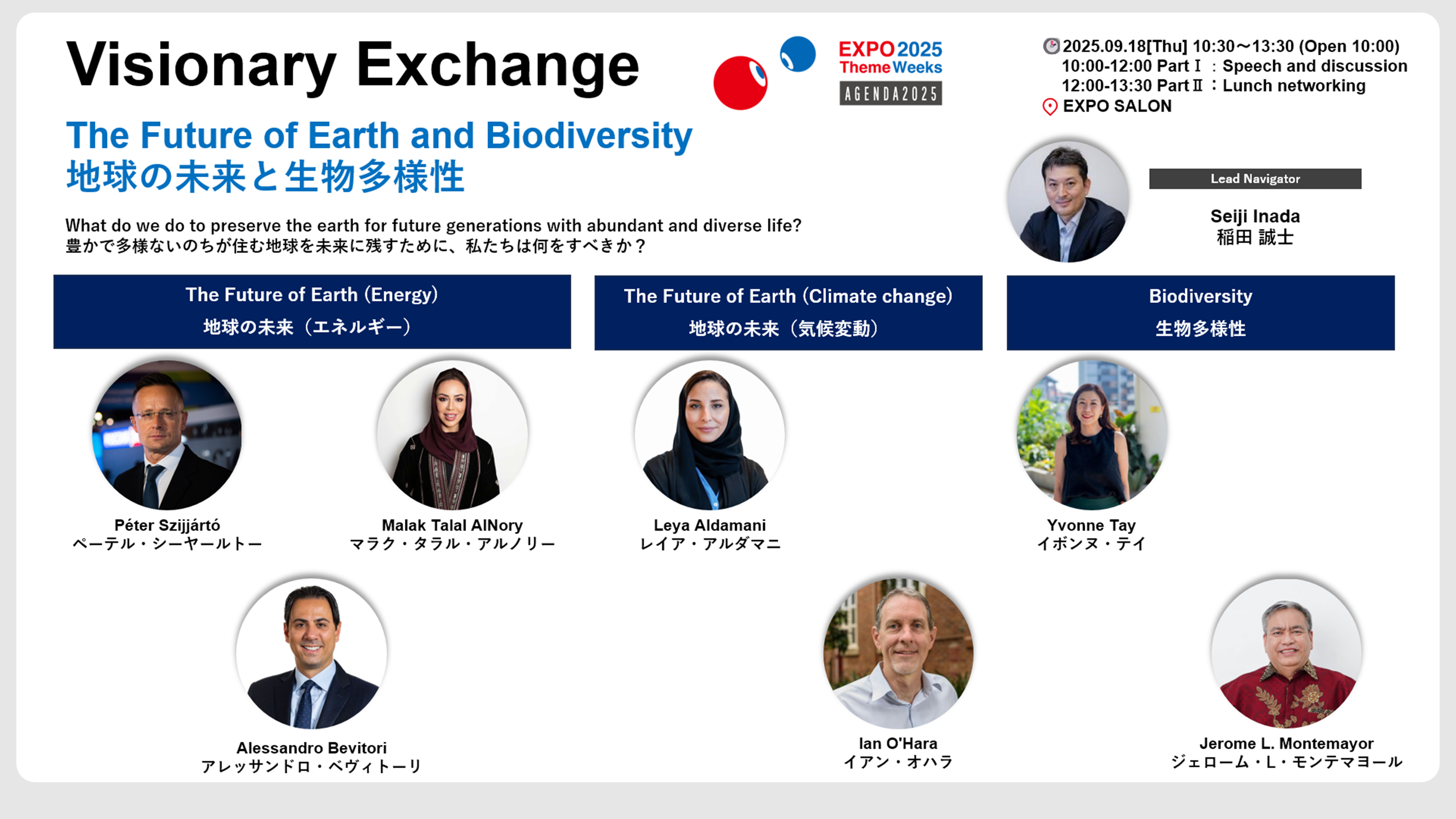
1. The Future of Earth (Energy)
Despite growing investments in renewables, global energy
systems remain heavily dependent on fossil fuels and are a
major source of greenhouse‑gas emissions. This session will
explore how to balance energy security, affordability and
environmental sustainability by drawing on varied national
experiences. Because geography, resources and history differ,
countries pursue diverse mixes - from renewables and nuclear
power to circular carbon systems and community‑based
distributed grids.
Speakers will share insights from their contexts and debate
how energy transitions affect industrial competitiveness and
daily life, the role of circular‑economy principles in
increasing resource efficiency and reducing environmental
impact, and the importance of international cooperation.
Speakers:
Péter Szijjártó(Minister of Foreign Affairs and Trade of
Hungary, Hungary)
Malak Talal AlNory(Senior Advisor on Sustainability and
Climate Change at the Saudi Ministry of Energy, Saudi
Arabia)
Alessandro Bevitori(Minister of Labor, Economic Planning,
Relations with the A.A.S.S., Ecological Transition, and
Technological Innovation, Republic of San Marino, San
Marino)
2. The Future of Earth (Climate change)
Climate action must reconcile emission reduction with
adaptation, ensure a just transition and foster innovations
tailored to regional contexts. This session brings together to
discuss how decarbonisation and resilience can proceed hand in
hand. Focusing on the links between public health and
environmental protection, the potential of emerging
technologies, and the roles of education and institutional
design, participants will examine how climate policies can
benefit developing countries and vulnerable communities
equitably.
Speakers:
Leya Aldamani(Chief Sustainability Officer, PureHealth,
United Arab Emirates)
Ian O'Hara(Deputy Dean of the Faculty of Engineering at
QUT, Australia)
3. Biodiversity
Biodiversity underpins food security and cultural identity,
and its loss poses existential risks to humanity. Restoring
natural capital requires both local ecological knowledge and
coordinated global efforts. This session will highlight the
challenges and conservation initiatives in regions rich in
biodiversity, discuss how cities can coexist with nature and
preserve heritage, and emphasise the role of education and
awareness.
Participants will also consider policies and practices that
can advance a nature‑positive economy through collaboration
among governments, businesses, communities and youth.
Speakers:
Yvonne Tay(General Manager, Temasek Shophouse, Temasek Trust,
Singapore)
Jerome L. Montemayor(Executive Director, ASEAN Centre for
Biodiversity, ASEAN)
12:00-13:15 Part Ⅱ: Lunch networking
Reports
【Session 1: Global Health Equity and Access for All 】
-Programme Summary
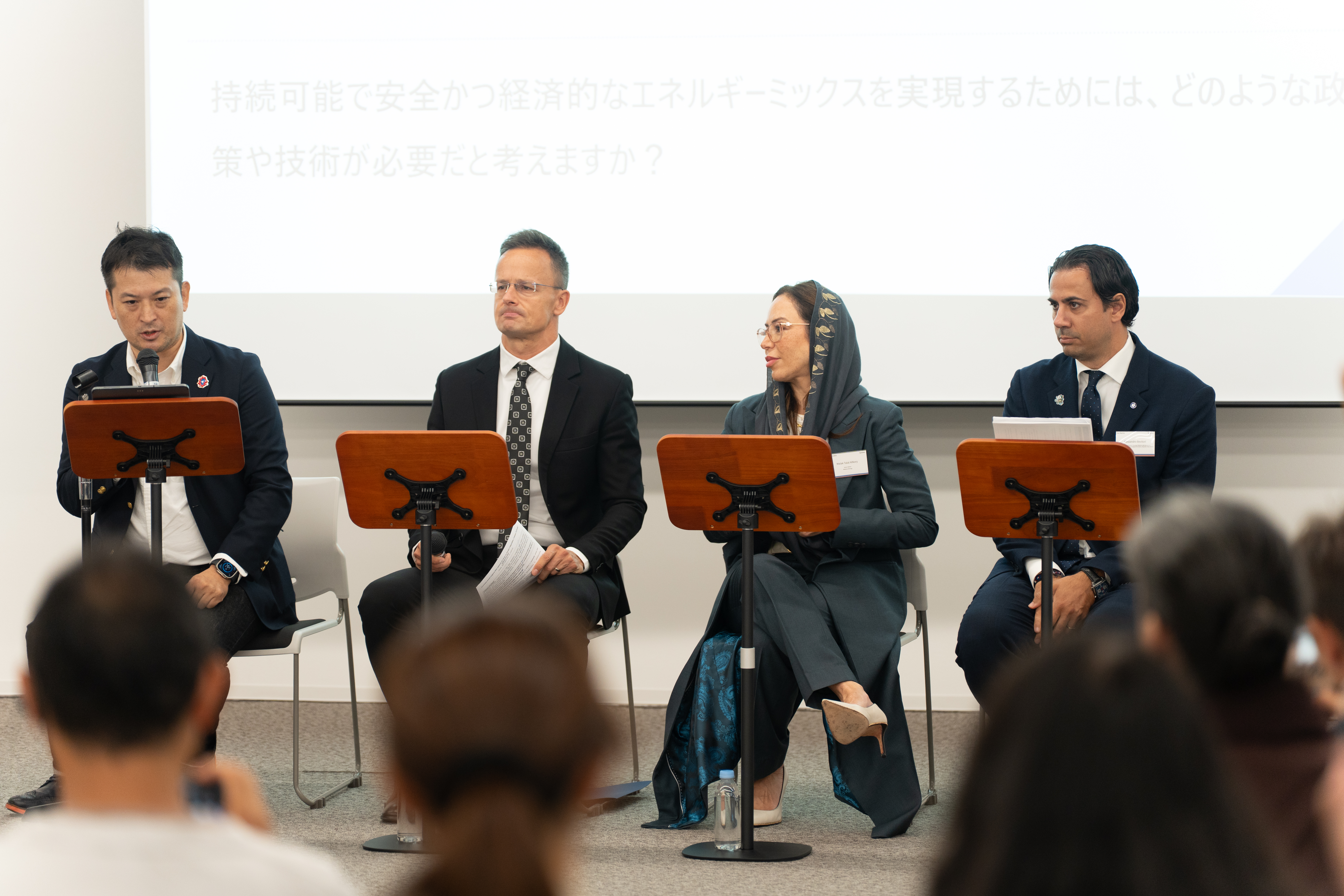
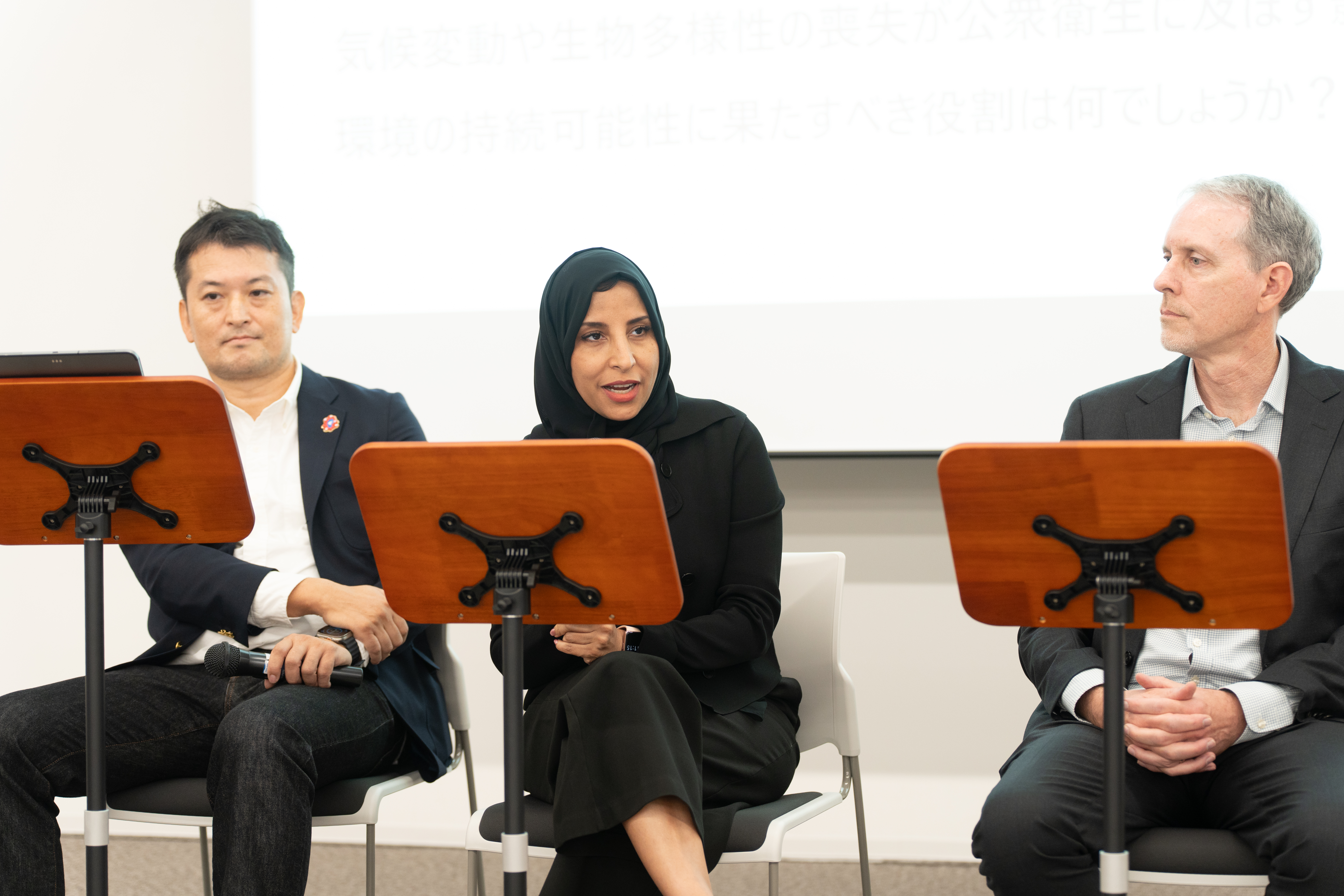
This session, themed “The Future of Earth (Energy),” discussed
how to harmonize three key elements of energy policy: stable
supply, economic efficiency, and environmental conservation.
With rising electricity demand driven by the spread of
electric vehicles and artificial intelligence, participants
presented their respective national policy approaches and
directions for technological innovation. The session featured
Mr. Péter Szijjártó from Hungary, Ms. Malak Talal AlNory from
Saudi Arabia, and Mr. Alessandro Bevitori from San Marino, who
introduced their national strategies, including a stable
supply model centered on nuclear power, a circular carbon
economy, and the introduction of regionally distributed
renewable energy systems. The discussion highlighted the
importance of diversifying the energy mix, managing
electricity demand in the AI era, and pursuing comprehensive
decarbonization that includes materials production. The
speakers emphasized that energy policy is not merely a supply
issue but a foundation that supports the sustainability and
resilience of society as a whole.
-Remarks by Péter Szijjártó
Mr. Szijjártó stated that four principles are essential for
ensuring a sustainable energy supply. First, he stressed the
need to respect geographical and infrastructural realities,
noting that physical conditions such as pipelines determine
the feasibility of supply. Second, he warned that energy
supply is a physical matter, and excessive political or
ideological intervention poses significant risks. Third, he
asserted that the composition of a country’s energy mix is a
matter of national sovereignty and should not be jeopardized
by sanctions. He pointed out that the growing use of electric
vehicles, heating and cooling systems, and artificial
intelligence is rapidly increasing electricity demand. He
argued that nuclear power is the only means capable of
providing a safe, affordable, and environmentally responsible
supply, cautioning that political attacks on nuclear energy
could undermine future stability. Finally, he explained that
Hungary is advancing plans to raise the share of nuclear power
to 70 percent while introducing new technologies in
cooperation with Russia, Germany, France, and the United
States. He concluded that nuclear energy is the key to
achieving a sustainable electricity supply and rebuilding
cooperation between East and West.
-Remarks by Malak Talal AlNory
Beginning with the view that an unrealistic rejection of
certain energy sources poses a problem when pursuing a
sustainable energy supply, she referred to major international
frameworks on climate change, such as the United Nations
Framework Convention on Climate Change, the Kyoto Protocol,
and the Paris Agreement, and explained that countries are
working toward their emission-reduction targets through
domestic legislation, financial mechanisms, and carbon
markets. However, there remains a wide gap between climate
action, economic growth, and energy security. About three
billion people still lack adequate access to energy, and she
emphasized that it is essential to adopt a “trinity”
perspective that integrates climate change, economic growth,
and energy access.
Finally, she stressed the need for a comprehensive,
science-based approach, given the slow progress in reducing
emissions. She called for accelerating investment in
technological solutions such as carbon capture, utilization,
and storage (CCUS) while making use of all energy sources, and
presented Saudi Arabia’s “circular carbon economy” as a
practical example of this approach.
-Remarks by Alessandro Bevitori
San Marino, despite being a small country, faces the crucial
challenge of ensuring a safe, sustainable, and self-sufficient
energy supply. The transition to clean energy is no longer a
choice but a strategic necessity for the nation. He emphasized
the importance of uniting knowledge and technology through
international cooperation and public–private partnerships. As
a concrete example, he introduced the concept of an energy
community based on solar power. By transforming rooftops and
unused land into power generation sites, clean energy can be
supplied to households, businesses, and educational
institutions, simultaneously reducing costs and environmental
impact. He described the acquisition of the company Atlas
Solar 12 as an “investment in the future,” explaining that it
is expected to meet 78 percent of domestic demand in the near
term. He also called for multifaceted efforts, including
investment in public facilities and schools, incentive systems
that promote responsible consumption, and the use of
international cooperation. Energy independence cannot be
achieved in isolation but only through regional and global
collaboration. He concluded by saying, “The future begins
today when we take action.”
-Audience Comment / Question 1
An attendee expressed agreement with the view that nuclear
power is the only viable solution. The participant then asked
how large-scale nuclear power plants and small modular
reactors (SMRs) should be positioned, and requested his
opinion on the potential involvement of private companies in
developing transmission infrastructure and contributing
electricity back to the grid to achieve a responsible energy
mix.
-Response by Péter Szijjártó
While small modular reactors (SMRs) hold great potential for
the future, they have no operational record at present and
remain theoretical. Therefore, the immediate priority should
be the construction of large-scale nuclear power plants using
existing technologies. Once the technology matures, multiple
SMRs will be deployed near major power plants and industrial
zones to directly meet new electricity demands. Linking large
volumes of power directly to industrial locations will be
strategically important, particularly with the expansion of
the electric vehicle and battery industries. At the same time,
the nuclear sector, for security reasons, is exclusively a
matter of national jurisdiction and does not allow private
participation. A state-owned system serves as the foundation
of public trust, and operations will always remain under
government control. On the other hand, active private sector
participation in solar power generation is highly encouraged.
Citing one of Europe’s largest rooftop solar parks as an
example, the response concluded that expanding renewable
energy and promoting distributed power sources are the keys to
ensuring a sustainable energy supply in the future.
-Audience Comment / Question 2
An attendee expressed agreement with the premise that it is
necessary to combine a wide range of technologies beyond
renewable energy sources. The participant raised the question
of whether energy systems should be designed on the assumption
that demand will continue to increase with the spread of AI
and new technologies, or whether not only the supply side but
also the nature of demand itself should be reconsidered. As an
example, it was suggested that wasteful consumption
habits—such as strict business attire and excessive air
conditioning—should be revised, and that demand reduction
should be incorporated into policy perspectives.
-Response by Malak Talal AlNory
Ensuring the sustainability of energy supply requires efforts
from both the supply and demand sides. However, despite
technological progress, about three billion people still lack
proper access to energy, and new demand continues to emerge
daily. Therefore, it is unavoidable to respond based on the
assumption that energy demand will continue to grow. Each
country, she explained, must optimize its energy mix based on
its own resource base.
Particular importance lies in addressing what she described as
a “triple challenge”: reducing emissions and tackling climate
change, maintaining living standards, and sustaining economic
growth. Balancing these three aspects, she concluded, will be
the core challenge for future energy policy.
-Audience Comment / Question 3
An attendee remarked that discussions on energy should not
focus solely on means of supply but must also take into
account the inseparable relationship between energy use and
the production of housing and goods essential to human life.
It was pointed out that the manufacturing of materials such as
batteries, metals, and ceramics requires vast amounts of
energy, making it impossible to discuss energy independently
of its use. The attendee further stressed the need to
incorporate the perspective of a circular economy and to
pursue greater energy efficiency and carbon reduction at the
manufacturing stage.
-Response by Alessandro Bevitori and Malak Talal AlNory
Alessandro Bevitori emphasized that a sustainable future
depends on the choices made today and cited San Marino’s
investment in solar power as an example. He underlined that
this not only contributes to environmental protection but also
demonstrates the best path forward by creating new jobs and
fostering international cooperation.
Following him, Malak Talal AlNory noted that the question
itself reflects the essence of energy transition. The world,
she stated, must move from its current situation toward a
future in which all energy sources—renewables, nuclear, and
hydrocarbons—are combined with technological innovation. As a
concrete example, she introduced Saudi Arabia’s initiative to
integrate all industrial projects with carbon capture and
storage (CCS) and to construct one of the world’s largest
carbon capture hubs. The plan aims to reach a scale of 44
gigatons by 2030. She concluded that combining diverse energy
sources with carbon management technologies offers the true
path toward solving global challenges.
【Session 2: The Future of Earth (Climate Change) 】
-Programme Summary
This session, themed “The Future of Earth (Climate Change),”
explored the creation of a sustainable society by considering
the interconnections among health, the economy, and energy.
Against the backdrop of increasing health impacts and rising
social costs caused by climate change, participants shared the
recognition that a comprehensive, science-based approach is
essential. In addition to expanding renewable energy and
advancing technologies such as carbon capture and storage, it
was emphasized that mechanisms are needed to encourage
behavioral change and raise awareness across society. The
session featured Ms. Leya Aldamani from the United Arab
Emirates and Professor Ian O’Hara from Australia, who shared
their respective national initiatives and challenges from the
perspectives of public health, economic policy, and
technological innovation in the energy transition. The
discussion highlighted the need to view environmental measures
as opportunities for economic growth and health improvement,
aiming to build a sustainable growth model through
collaboration between the public and private sectors as well
as international partnerships.
-Remarks by Leya Aldamani
It is a mistake, she argued, to discuss climate and
biodiversity as if they were separate from human beings, since
the collapse of the environment is also the collapse of human
health. Rising temperatures, air and water pollution, and the
loss of biodiversity have led to respiratory diseases and food
insecurity, severely affecting healthcare systems. This is not
merely an environmental issue but a public health emergency.
She emphasized that corporations and healthcare institutions
have an ethical responsibility to consider the health
implications of their decisions regarding energy and land use.
The healthcare sector itself accounts for 4–5 percent of
global greenhouse gas emissions, creating an unsustainable
cycle. Examples were presented of how to improve health
outcomes while reducing environmental impact, including the
digitalization of healthcare, the introduction of circular
healthcare practices, AI-based health management, and
investment in telemedicine. At Pure Health, efforts are
underway to achieve net zero ten years ahead of the national
target. She concluded that healthcare can be redefined as a
“force of resilience,” capable of promoting longevity for both
people and the planet.
-Remarks by Ian O’Hara
Addressing the global challenges associated with climate
change requires a comprehensive approach that simultaneously
achieves the regeneration of food, energy, and biodiversity.
To support a growing population, food production and energy
supply must each increase by 50 percent, while at the same
time the world faces the opposing challenge of reaching
net-zero emissions within the next thirty years. More than 100
billion tons of materials are consumed globally each year, yet
only about 8 percent is recycled. He pointed out that it is
essential to transition toward a renewable and circular
economic structure that promotes resource reuse and
regeneration. The bioeconomy, he argued, should be placed at
the center of this transformation, utilizing renewable energy
and waste as fuel and materials to reduce dependence on fossil
fuels. In sectors that are difficult to decarbonize—such as
aviation and maritime transport—innovation and international
collaboration will be key. He noted that careful governance is
needed to introduce new fuels and lower their costs. By
harnessing Australia’s abundant solar and agricultural
resources and strengthening partnerships with other countries
such as Japan, a sustainable and equitable energy transition
can be achieved.
-Audience Comment / Question 1
An attendee pointed out the gap between the understanding of
biodiversity in Japanese local communities and people’s actual
daily behaviors. Many individuals tend to perceive
environmental and health issues as separate from their
everyday lives. The question asked what kinds of initiatives
are needed to embed such awareness within communities and
sought her views based on specific experiences.
-Response by Leya Aldamani
Efforts should focus on community-based partnerships that
integrate health and environmental well-being. Collaboration
among government agencies, educational institutions, and
charitable organizations has led to the establishment of
in-school health clinics providing exercise and nutrition
guidance, involving both parents and teachers. For the
elderly, clinics known as Barakatna offer diverse programmes
that promote continuous physical activity and healthier
lifestyles. Through the free digital platform “Pura,” services
such as online medical consultations, medication delivery,
mental health support, and exercise programmes have been made
accessible, ensuring that people with limited mobility can
still receive care. In response to the rise in heatstroke and
respiratory illnesses in the Middle East, awareness and early
intervention initiatives have been expanded through community
centres known as Majlis, empowering individuals with
information to manage their own health. These initiatives have
shifted healthcare from reactive treatment to a model that
prioritizes prevention and equity, fostering a culture in
which people actively contribute to biodiversity and
environmental preservation through their own health practices
within local communities.
-Audience Comment / Question 2
An attendee raised the issue that, while the discussion
addressed the links among health, biodiversity, and global
warming, there was no mention of plant-based food. The
participant suggested that a global shift toward plant-based
diets could return about 80 percent of agricultural land to
forests, contributing to biodiversity restoration, and
questioned whether this topic should be placed at the center
of the health discussion.
-Response by Leya Aldamani
Although the topic was not covered due to time constraints,
full agreement was expressed with the point raised. The
essence, she stated, lies in food production and choice.
Society as a whole must promote “clean eating,” meaning foods
that the body can naturally process, rather than highly
processed or origin-uncertain products. In particular,
organic, accessible, and seasonal diets were described as a
path toward both disease prevention and environmental
sustainability. At the same time, caution should be exercised
regarding so-called “Frankenstein foods,” such as those
produced through genetic modification. She proposed that open
public dialogue is needed to reconsider the future of food and
its role in advancing human and planetary health.
-Audience Comment / Question 3
An attendee posed an economic question on public health and
energy. Citing an analysis that climate change and
biodiversity measures require investment equivalent to 1.5
percent of global GDP, while inaction would result in a 7
percent loss, the participant asked how society can be made to
understand that everyone must share these costs “not for
profit, but to prevent loss.” The question also sought views
on how to establish a fair mechanism for sharing costs without
placing a disproportionate burden on specific countries or
corporations.
-Response by Ian O’Hara and Leya Aldamani
Ian O’Hara stated that the root of the problem lies in a lack
of innovation. While costs can be easily quantified, the
long-term benefits of countermeasures are less visible, making
it difficult for society to recognize the true value of
investment. He stressed the need for innovation not only in
science and technology but also in policy, finance, and
economics, creating frameworks that break away from
conventional thinking. The future, he concluded, should not be
designed as a continuation of the past but built through
creative transformation across all domains to achieve a
sustainable society.
Following him, Leya Aldamani warned against an overemphasis on
economic perspectives and argued that health itself is the
true foundation of the economy. A shift in mindset is
required—placing people’s health, rather than currency or
finance, at the center. She called for a proactive approach,
much like turning on a switch, to take action for health.
Emphasizing that health should not be treated as a commodity
but as a driving force of society, she underscored the
importance of evolving beyond GDP-focused measures toward
systems that generate broader value.
【Session 3: Biodiversity】
-Programme Summary
This session, themed “Biodiversity,” discussed the realization
of a sustainable society through the harmonization of urban
development and the natural environment. Participants shared
the perspective that ecosystem conservation should not be
treated solely as an environmental issue but recognized as a
foundation for human health, education, welfare, and local
economies. With the understanding that the loss of
biodiversity directly affects human life and well-being, the
discussion focused on how to institutionalize and culturally
embed coexistence with nature within urban spaces and
communities. The session featured Ms. Yvonne Tay from
Singapore and Mr. Jerome L. Montemayor from ASEAN, who
presented policies, educational programmes, and partnership
initiatives that promote coexistence between cities and
nature. The session also highlighted efforts to achieve
sustainable development and biodiversity restoration across
Asia through regional cooperation frameworks and the
participation of youth and the private sector.
-Remarks by Yvonne Tay
Singapore, though a young nation celebrating its 60th
anniversary, has achieved sustainable development by
maximizing its limited resources and integrating nature with
urban life. Under the national vision of being a “City in
Nature,” efforts have been made to create urban environments
where people and nature coexist through green corridors and
public spaces. She introduced “Temasek Shophouse,” a project
in which she is personally involved. The century-old heritage
building has been revitalized and now operates as a non-profit
hub that combines social and environmental value. It serves as
a space that fosters community interaction and nurtures a
regenerative future while respecting cultural heritage. In
architecture and landscaping, local plant species are used to
create habitats for birds and butterflies. She also
highlighted circular design practices, such as local craftsmen
reusing old timber to produce furniture. She concluded that
education and advocacy are essential for generating lasting
change, emphasizing that collective action driven by a shared
sense of purpose is the key to a sustainable future.
-Remarks by Jerome L. Montemayor
Although the ASEAN region accounts for only 3 percent of the
world’s land area, it is home to 25 percent of all known plant
and animal species and a population of 680 million, making it
one of the world’s richest centres of biodiversity. The ASEAN
Centre for Biodiversity, now marking its 20th anniversary,
serves as a regional hub for international technical and
scientific cooperation, promoting biodiversity conservation
across the region. He emphasized the importance of
strengthening cooperation among member states and introduced
several initiatives, including the implementation of the
Regional Action Plan to realize the Kunming–Montreal Global
Biodiversity Framework, measures against invasive alien
species, and the “ASEAN Green Initiative” aimed at protecting
wetlands. He also highlighted that youth and community
participation will be key to the success of these efforts.
Further examples included the expansion of the ASEAN Heritage
Parks network, marine conservation projects, the establishment
of a clearing-house mechanism for knowledge sharing, and the
publication ASEAN Biodiversity Outlook. He concluded by
expressing gratitude for the support of various countries,
including Japan, as well as the private sector, stressing that
a healthy environment is the very foundation of sustainable
development.
-Audience Comment / Question 1
A participant from Brazil introduced their country’s rich
biodiversity and efforts toward innovation, while pointing out
that the key challenge lies in “educating people for change.”
It was noted that genuine transformation requires both
influential leadership and effective public policies, and the
participant asked how policies could become more practical
instruments to empower people to take an active role in
shaping the future.
-Response by Yvonne Tay and Jerome L. Montemayor
Yvonne Tay emphasized that education and advocacy are the keys
to lasting change. She stated that top-down policies alone are
insufficient, and that they must be connected with bottom-up
movements driven by communities and individuals. In Singapore,
she explained, the Temasek Foundation provides microgrants
ranging from 50 to 5,000 dollars, enabling students and
citizens to address local challenges. Such mechanisms, she
noted, nurture civic agency and a shared sense of purpose
among the public.
Jerome L. Montemayor followed by underlining the importance of
“mainstreaming” biodiversity and promoting conservation
through collaboration with “unusual partners,” such as
extractive industries. He also stressed the need to invest in
young people, whose new ideas and behavioral changes can drive
growth in environmental, social, and economic dimensions.
-Audience Comment / Question 2
An attendee first addressed Yvonne Tay, noting Singapore’s
achievements in urban biodiversity conservation and asking how
the “Singapore Index,” used by various municipalities, has
contributed to the Convention on Biological Diversity and to
global urban summits. The attendee then asked Jerome L.
Montemayor about the new role of the ASEAN Centre for
Biodiversity as one of the designated technical and scientific
cooperation centres under the Convention and how it plans to
address the challenges involved.
-Response by Yvonne Tay and Jerome L. Montemayor
Yvonne Tay explained that Singapore, despite its small size,
has long prioritized biodiversity conservation. She described
the Mandai Wildlife Group’s initiatives, including the
rainforest park and night safari, which exemplify an urban
model of coexistence with nature. Ongoing efforts such as the
Singapore Green Plan 2030 and new biodiversity credit schemes
are fostering innovative partnerships, particularly across
Asia. She also introduced the Mandai Nature Fund, which
supports education and helps young people build careers in
biodiversity. In a society where careers are often
concentrated in finance, she emphasized the importance of
showing the appeal of working with nature and reaffirmed
Singapore’s commitment to passing sustainability on to future
generations.
Jerome L. Montemayor explained that the ASEAN Centre for
Biodiversity has been selected as one of 18 technical and
scientific cooperation centres under the Convention on
Biological Diversity. The center supports member countries in
achieving their national targets under the Kunming–Montreal
Global Biodiversity Framework by sharing information on
readiness and resources. He highlighted that financing remains
a major challenge and that collaboration with donors and
partners is essential. The center also extends its support to
countries such as Mongolia, India, and Timor-Leste, promoting
capacity building and policy implementation across the region.
He concluded by noting that the next focus will be the
localization of biodiversity planning at municipal and village
levels, with the mission of building a sustainable
implementation structure through inter-country cooperation.
-Audience Comment / Question 3
An attendee, summarizing the overall discussion of the
session, raised a question about the relationship between
climate change and energy policy. The participant noted that
the challenge lies in balancing economic growth and
decarbonization while maintaining equitable access to energy.
Referring to a potential 2°C rise in global temperature, the
attendee asked Jerome L. Montemayor what impact such a change
would have on coral reefs and marine ecosystems in ASEAN
countries, and what the consequences would mean for local
communities.
-Response by Jerome L. Montemayor and Yvonne Tay
Jerome L. Montemayor explained that although the temperature
rise has not yet reached 2°C, marine ecosystems are already
suffering severe damage, and coral reef degradation has direct
consequences for local livelihoods. In ASEAN countries, much
of the population depends on marine life as a source of
protein, meaning that the loss of ocean biodiversity would
lead to food insecurity and the collapse of community
foundations. He warned that this is not merely an
environmental issue but a social crisis with life-and-death
implications. To safeguard sustainable livelihoods, he
stressed the need for governments and citizens to act
decisively together, integrating climate action, biodiversity
conservation, and economic policy. While consensus-building
will not be easy, he concluded that greater collective effort
and cooperation are essential.
Yvonne Tay added that the restoration of nature and human
well-being are inseparable. Elements such as shade, greenery,
water, and air not only protect ecosystems but also form the
foundation of mental and physical health and quality of life.
She summarized that biodiversity and human prosperity must
coexist in a mutually reinforcing relationship.
【Closing Reflections by Moderator Seiji Inada】
This Visionary Exchange examined, through the three lenses of
energy, climate change, and biodiversity, how we should
re‑forge a new relationship with nature. While squarely facing
the realities and constraints each country must contend with -
resources, geography, and institutions - we must also redefine
the “common good” to be passed to the next generation.
Advancing these two tasks in parallel constitutes the
integrating challenge for today’s international community. The
session presented a wide range of approaches: policy options
such as nuclear power, distributed renewables, the circular
carbon economy and CCUS (carbon capture, utilization, and
storage); responses to rising electricity demand driven by AI
and EV adoption; and practical examples of nature‑positive
urban development and community collaboration. All of these
require a perspective that holds together, at once, supply
(technology) and demand (behavior), and national sovereignty
(decisions on the energy mix) and the global commons (climate
and the environment).
Energy Realism and Solidarity:
Energy is physics - and it is politics. In an era of
geopolitical instability, its politicization is intensifying.
Debates that ignore the “terrain” of pipelines and power grids
do not move reality. At the same time, the energy mix is both
a sovereign choice and a question of how we manage the shared
asset of the atmosphere. The task is to integrate the stable
supply of nuclear power, regionally distributed renewables,
and carbon‑management technologies not as ideological battle
lines, but as matters of scientific and institutional design.
What is demanded now is policy capacity that delivers both
short‑term stability and long‑term decarbonization. Rising
demand from AI and EVs is a fact, and demand‑side efficiency
and behavioral change are equally central policy arenas. The
future begins by advancing supply expansion and demand
maturity in parallel.
The Inseparability of Climate and Health:
The climate crisis is a health crisis. Heatwaves,
deteriorating air and water quality, and biodiversity loss
directly impact healthcare systems, social welfare, and labor
productivity. We must confront the paradox that the health
sector itself carries emissions, and turn healthcare into an
engine of resilience. Digitalization, circular healthcare
practices, telemedicine, and AI‑enabled prevention are
effective means to this end. Here too, the key is value design
beyond simple cost accounting. Health is the foundation of the
economy; it should not remain an externality outside GDP. A
norm that puts health at the center only functions when
fiscal, financial, and regulatory systems align as a whole.
Reintegrating Cities and Nature:
Biodiversity is not just an “environmental line item”; it is
the soil of education, welfare, and local economies. “City in
Nature” efforts to stitch nature back into urban life, the
adaptive reuse of heritage buildings as social hubs,
micro‑grants that empower students and citizens, and
mainstreaming that brings in youth and various “unusual
partners” - all of these scale only when
top‑down policy connects with bottom‑up initiative. Regional
cooperation frameworks are expanding into wetland protection,
networks of heritage parks, and clearing‑house mechanisms for
knowledge sharing. Localization down to municipalities and
villages drives the next step forward. Nature and prosperity
can be mutually reinforcing.
In Closing:
What this session makes clear is that we have entered an era
not of abstract ideals, but of design that links institutions,
investment, and behavior. We must reweave energy from
realities, climate from health, and biodiversity from everyday
life into a single narrative of human well‑being. The
Theme-Weeks at Expo 2025 Osaka‑Kansai have functioned as an
“editorial room” where that narrative is refined together with
stakeholders from around the world. Standing at the
intersection of national interest and planetary interest, we
must translate today’s decisions into benefits for future
generations. To do so, we should remain faithful to science,
wise to geopolitics, and kind to people. Action can begin
today, beyond the Expo - by each of us.


Cast
Moderator
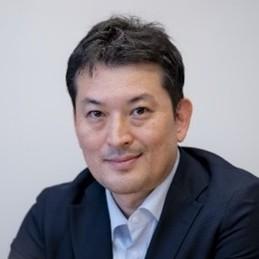
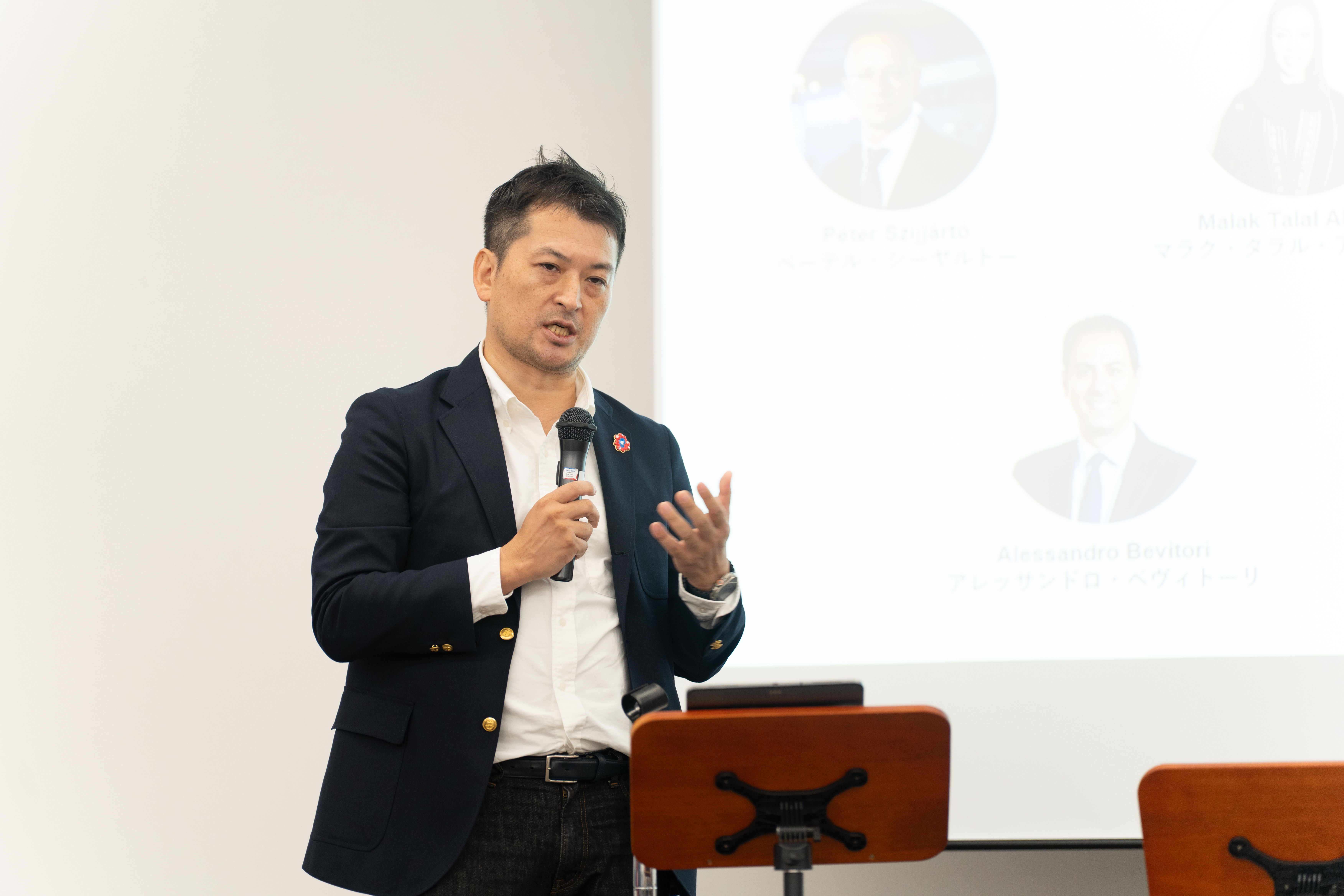
Seiji Inada
Advisor, Agenda2025, Expo 2025 Osaka-Kansai
Seiji Inada blends government insight with global business acumen. After shaping foreign and national security policy at Japan’s Ministry of Foreign Affairs and the Prime Minister’s Office, he honed his commercial edge with a global consulting firm. He then steered high level initiatives at the World Economic Forum and became Japan Representative for Eurasia Group, advising C suites on geopolitical risk. Now Managing Director at FGS Global, he counsels public institutions and global companies integrate geopolitical realities into long-term business strategy. He also acts as an Agenda 2025 Advisor for Expo 2025 Osaka Kansai, driving forward looking dialogue on innovation and the future of society. He continues to counsel several private-sector organizations.
View Profile
Close
close
Speakers
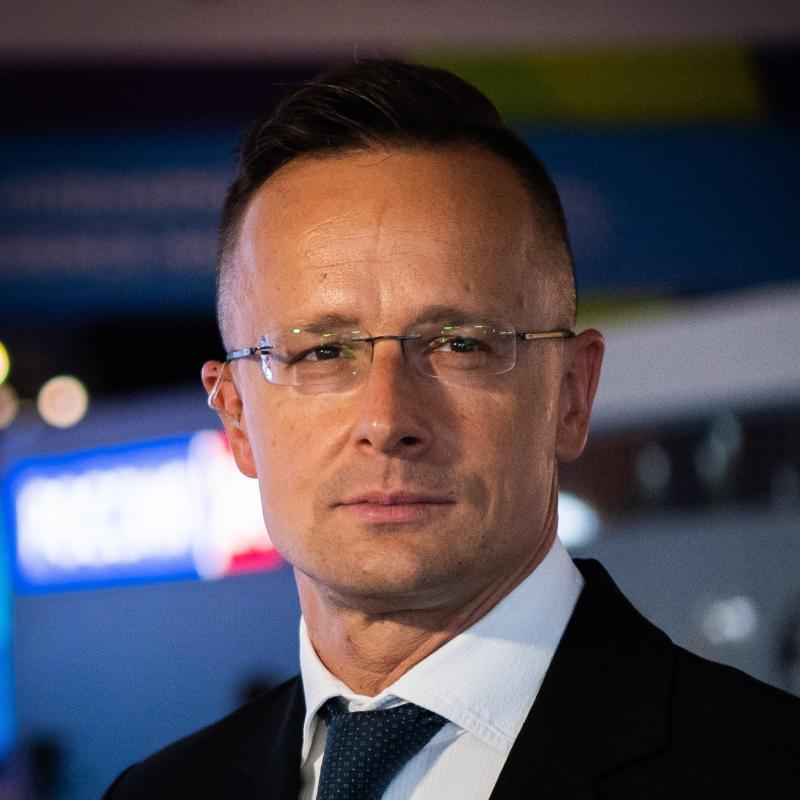
Péter Szijjártó
Minister of Foreign Affairs and Trade of Hungary
Born on 30th October, 1978 in Komárom.
Graduated from the Gergely Czuczor Benedictine High
School of Győr in 1997, subsequently he conferred his
degree in the faculty of Foreign Affairs at the
University of Economic Sciences and Public
Administration in 2002 in Budapest.
Has been Member of Parliament for Fidesz since 2002,
having started his sixth term in 2022.
Communications Director of Fidesz between 2006 and
2010. Prime Minister’s Spokesperson between 2010 and
2012 and State Secretary for Foreign Affairs and
External Economic Relations between 2012 and 2014.
Deputy Minister of Foreign Affairs and Trade between
June and September, 2014 then Minister of Foreign
Affairs and Trade of Hungary since 23th September,
2014.
Is a practising Roman Catholic, married with two sons.
He was a registered futsal player, having played two
games in 1st league and eighty-five in 2nd league
between 2011 and 2016.
View Profile
Close
close

Malak Talal AlNory
Senior Advisor on Sustainability and Climate Change at the Saudi Ministry of Energy
Dr. Malak AlNory is a Senior Advisor on Sustainability and Climate Change at the Saudi Ministry of Energy and an elected Vice-Chair of the IPCC's Working Group on Climate Change Mitigation, representing the Asia Region. She brings her scientific expertise to international negotiations, including those under the UN Framework Convention on Climate Change (UNFCCC). As an accomplished scientist, Dr. AlNory has published research and collaborated with institutions like Massachusetts Institute of Technology (MIT) and King Fahad University for Petroleum and Minerals (KFUPM). She earned her PhD from George Mason University and completed postdoctoral work at MIT, focusing on clean water and energy. In 2020, she was named a Mission Innovation Champion by the Clean Energy Ministerial. Dr. AlNory has also held significant academic roles at Academia, including Provost of the University, and is a passionate advocate for women in the energy sector.
View Profile
Close
close
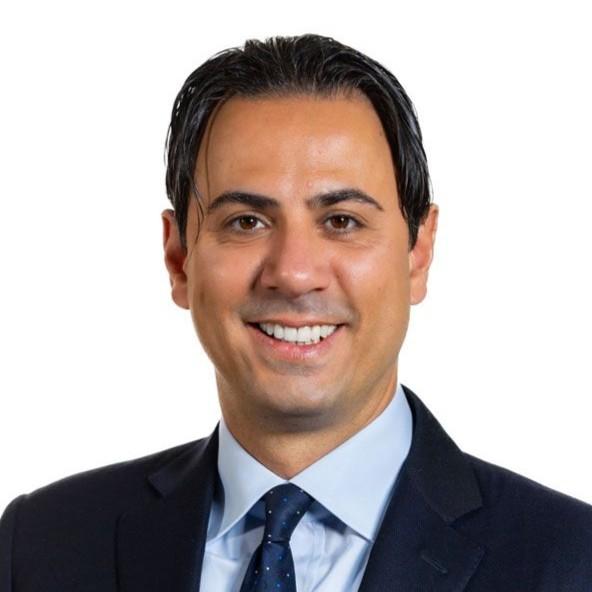
Alessandro Bevitori
Minister of Labor, Economic Planning, Relations with the A.A.S.S., Ecological Transition, and Technological Innovation, Republic of San Marino
Alessandro Bevitori is the current Secretary of State (Minister) for Labour, Economic Planning, Relations with the A.A.S.S., Ecological Transition, and Technological Innovation. A freelance business consultant by profession, he began his political journey within the Socialist Party, serving as its President in 2015. In 2016, he helped launch the Democratic Socialist Left (SSD) and became its Political Secretary in 2018. In 2019, he was among the founders of Libera, initially created as an electoral list and later established as a political party during the November 2020 Congress. A member of the Grand and General Council since 2016, he also served as President of the Permanent Foreign Affairs Commission during the 29th Legislature. Following the 2024 elections, he was appointed Secretary of State in the 31st Legislature, taking on a key government role. His portfolio covers critical areas for San Marino’s future, including the labour market, economic planning, public utilities, green transition, and the digital transformation of public services and businesses.
View Profile
Close
close

Leya Aldamani
Chief Sustainability Officer - PureHealth, United Arab Emirates
Leya brings more than 20 years of expertise in
sustainability, finance, and corporate strategy, with
a proven track record of integrating sustainable
practices into core business operations, maximising
social value, minimising environmental impact, and
also delivering value to stakeholders. Her dedication
to advancing environmental, social, and governance
(ESG) goals has earned her widespread recognition,
including being named one of Forbes five MENA
Businesswomen Leading the Sustainability Agenda in
2024.
As PureHealth Chief Sustainability Officer, Leya play
a pivotal role in shaping and advancing PureHealth’s
sustainability agenda, ensuring we remain at the
forefront of inspiring a sustainable future for our
society, and the planet.
View Profile
Close
close
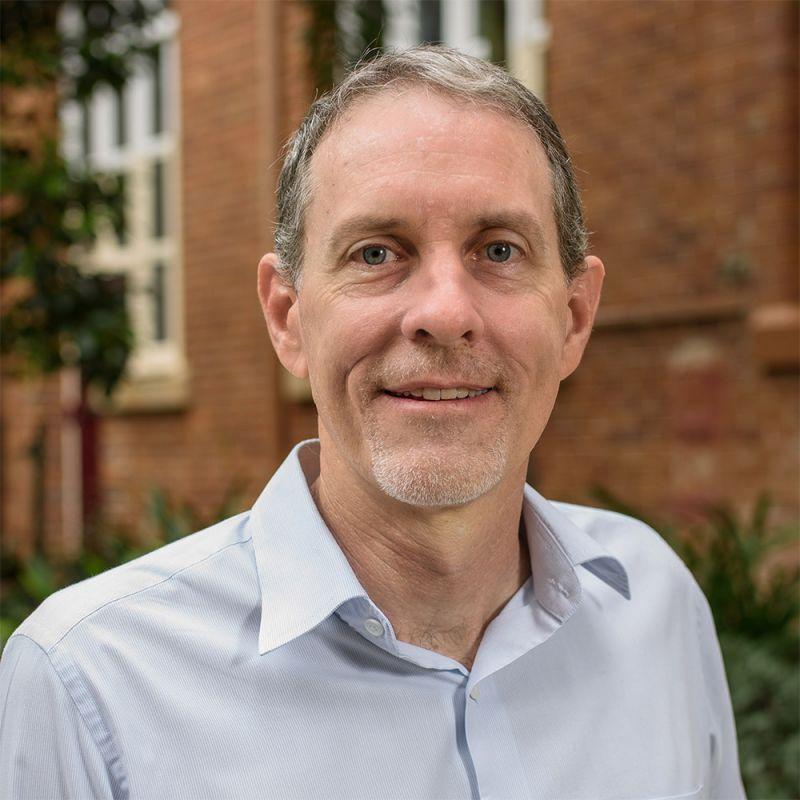
Ian O'Hara
Deputy Dean, Faculty of Engineering, Queensland Biofutures Industry Envoy
Ian O'Hara is Deputy Dean of the Faculty of Engineering at QUT. Ian is widely recognised as a leading expert in policies, technologies and systems for developing the bioeconomy and producing bio-based products including biofuels, bioenergy and biomaterials. In addition to his academic role, Ian represents the Queensland Government as the Biofutures Industry Envoy and acts as an ambassador for Queensland’s Biofutures industry and industrial biotechnology sector. As the Envoy, Ian provides strategic advice to government and assists in securing domestic and international investment to grow the biofuels sector. Ian is a member of the International Advisory Committee on Global Bioeconomy.
View Profile
Close
close

Yvonne Tay
General Manager, Temasek Shophouse, Temasek Trust
Yvonne is a former media veteran who led Singapore
operations at Fox International Channels as Senior
Vice President and General Manager, overseeing
well-loved brands like National Geographic Channel,
Fox Movies, and Fox Sports.
In 2014, Yvonne relocated to the UK and pivoted to the
philanthropic and impact space. She founded Gofiee, an
alternative-funding platform connecting impact
creators with communities, and co-founded ‘Festival of
Disruptors’ and ‘Ten4Ten’, platforms for changemakers
and social start-ups. She also volunteered with the
International Justice Mission UK and served on the
Board of Trustees for WildAid UK.
Yvonne returned to Singapore in 2018 when the
opportunity arose to manage Temasek Shophouse. Today,
Yvonne oversees the social impact hub as General
Manager and enables it to serve as a placemaker
providing a platform for convening impact makers,
forging new collaborations, and catalysing change for
the common good.
View Profile
Close
close
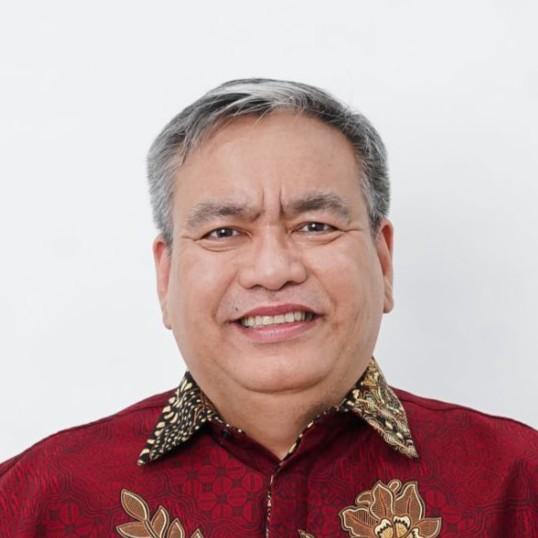
Jerome L. Montemayor
Executive Director, ASEAN Centre for Biodiversity
Dr. Jerome L. Montemayor is the current Executive
Director of the ASEAN Centre for Biodiversity (ACB).
In this role, he leads the Centre in facilitating
regional cooperation and coordination on biodiversity
conservation, ensuring the sustainable management,
use, and equitable sharing of benefits for the
well-being of people.
With over thirty years of experience as a development
professional, Dr. Montemayor has been actively
involved in social development work, improving the
quality of public education, sustainable development,
conservation management, and climate action
initiatives in the Philippines and Asia.
Before joining the ACB, he served as the Executive
Director of the Foundation for the Philippine
Environment (FPE), the first grant-making organisation
for civil society environmental initiatives in the
Philippines. Dr. Montemayor was also the lead
facilitator in drafting the Philippine National Action
Plan on Peatlands 2025-2040.
He also served as the Country Coordinator for the
Philippines for People for Peat or the EU Sustainable
Use of Peatland and Haze Mitigation in ASEAN (SUPA)
Component 2. In this
capacity, he oversaw the implementation of the People
for Peat Business Hub and the Peat Ranger Program in
the Philippines.
His academic affiliations include De La Salle
University-Manila, Philippine Women’s University, and
Miriam College.
View Profile
Close
close
The Future of Earth and Biodiversity Week
Agenda2025 business exchange programme‘Visionary Exchange'
We are pleased to organise a speech and discussion event, as well as a lunch networking event, on the theme of the Agenda programme ‘The Future of Earth and Biodiversity’, entitled ‘Visionary Exchange’, as part of the Agenda2025 programme.This gathering aims to include business delegations, universities, scientists, government officials, Agenda2025 panelists, and relevant Japanese leaders from government, industry, and academia. Participants will engage in keynote addresses and networking sessions aligned with each Theme's focus.(Invitation only)
-
2025.09.18[Thu]
10:30~13:15
(Venue Open 10:00)
- EXPO Salon
OTHER PROGRAM
The Future of Earth and Biodiversity Week